


Altitude Sickness Prevention Strategies for Kilimanjaro
Altitude Sickness Prevention Strategies for Kilimanjaro
Introduction
Climbing Mount Kilimanjaro is one of the world’s most rewarding adventures. Standing on Africa’s highest peak is unforgettable, but the mountain’s altitude presents a serious challenge that should never be underestimated.
Altitude sickness is the main reason climbers fail to reach the summit. The good news is that it can be prevented in most cases with proper planning, the right pace, and experienced guidance. This guide explains proven altitude sickness prevention strategies for Kilimanjaro, based on real conditions on the mountain and years of guiding experience.
At Tanzania Safari Experience, we focus on safe acclimatization, steady progress, and listening to the body—because reaching the summit only matters if you do it safely.
Understanding Altitude on Mount Kilimanjaro
Mount Kilimanjaro rises to 5,895 meters above sea level. As you climb higher, oxygen levels drop and your body must work harder to function normally. Unlike many mountains in the world, Kilimanjaro gains altitude very quickly, which increases the risk of altitude sickness.
Most climbers start near 1,800 meters and reach over 4,600 meters in just a few days. The summit push takes you even higher, where oxygen levels are roughly half of what they are at sea level.
This rapid change is the main reason acclimatization is essential.
Calculate Your Success Rate for Reaching Kilimanjaro’s Summit
What Is Altitude Sickness?
Altitude sickness, also known as Acute Mountain Sickness (AMS), happens when the body does not have enough time to adjust to reduced oxygen levels.
Common symptoms include:
-
Headache
-
Nausea
-
Dizziness
-
Fatigue
-
Loss of appetite
-
Difficulty sleeping
Mild symptoms are common and manageable. Severe symptoms require immediate action and descent.
Is Altitude Sickness Dangerous on Kilimanjaro?
Serious incidents on Kilimanjaro are rare, but they do happen when warning signs are ignored or climbers ascend too quickly. Most severe cases are linked to short routes, poor hydration, or pushing on despite worsening symptoms.
With proper planning, trained guides, and the willingness to descend when necessary, Kilimanjaro is a very safe mountain to climb.
Safety is always the top priority at Tanzania Safari Experience.
The Most Effective Altitude Sickness Prevention Strategies for Kilimanjaro
1. Choose a Longer Route
The single most important decision you can make is choosing a route that allows enough time for acclimatization.
Routes lasting seven days or more give your body the time it needs to adapt naturally to altitude. Shorter routes rush the ascent and greatly increase the risk of altitude sickness.
Routes such as Lemosho and Machame are well known for their gradual elevation gain and higher summit success rates.
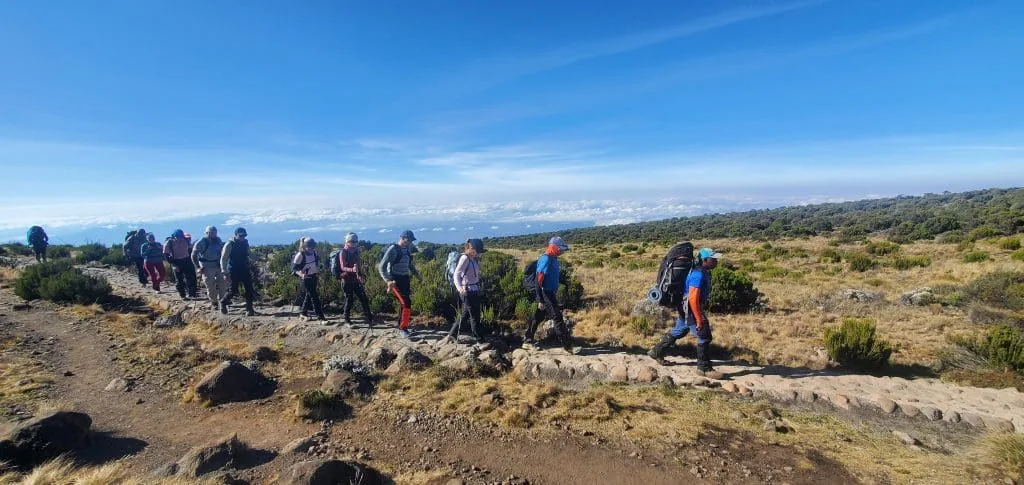
2. Walk Slowly – “Pole Pole”
“Pole pole” means “slowly” in Kiswahili, and it is the golden rule of climbing Kilimanjaro.
Walking at a slow, steady pace:
-
Conserves energy
-
Improves breathing efficiency
-
Helps prevent headaches and fatigue
There is no benefit to walking fast at altitude. Slow movement is strength on Kilimanjaro.
3. Stay Extremely Hydrated
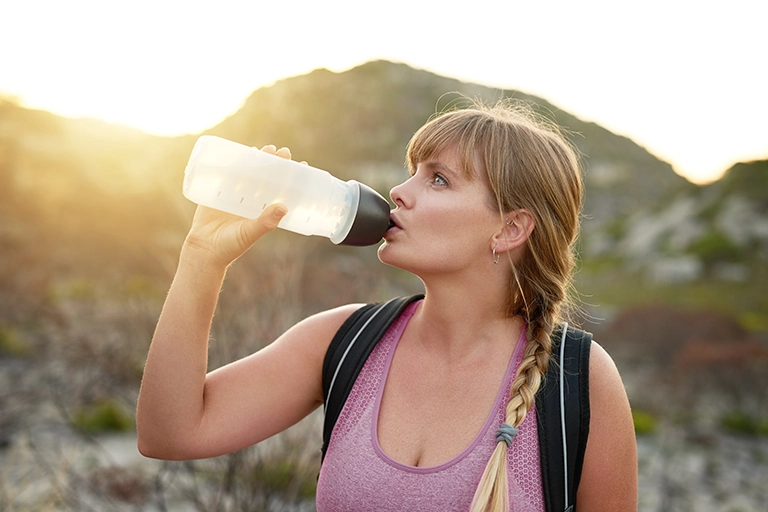
Dehydration is one of the biggest contributors to altitude sickness.
You should drink at least three to four liters of water per day while climbing. Even if you do not feel thirsty, consistent hydration helps your body cope with altitude stress.
Clear or light-colored urine is a good sign that you are drinking enough.
4. Eat Well, Even When Appetite Drops
Loss of appetite is common at altitude, but your body needs fuel to function properly.
High-carbohydrate meals help your body use oxygen more efficiently and maintain energy levels. Foods like rice, pasta, potatoes, porridge, and fruit are especially helpful on the mountain.
Eating small portions regularly is better than skipping meals.
5. Climb High, Sleep Low
A key acclimatization technique on Kilimanjaro is climbing to a higher elevation during the day and descending slightly to sleep.
This allows your body to adapt without overstressing it. Many longer routes naturally include this pattern, which is why they are more successful.
6. Avoid Alcohol and Sleeping Pills
Alcohol, sleeping pills, and narcotics interfere with breathing and hydration. They make it harder for your body to adapt to altitude and increase the risk of serious symptoms.
These should be avoided completely before and during the climb.
7. Consider Diamox Only With Medical Advice
Some climbers use Diamox (Acetazolamide) to help with acclimatization. It can reduce symptoms such as headaches and speed up the body’s adjustment to altitude.
Diamox should only be used after consulting a medical professional. It is not a guarantee of success and should never replace slow ascent and proper acclimatization.
8. Listen to Your Body and Your Guide
Experienced mountain guides are trained to recognize early signs of altitude sickness. They monitor walking pace, breathing, and overall condition throughout the climb.
If you feel unwell, speak up immediately. Resting, slowing down, or descending early can prevent serious problems later.
Ignoring symptoms is the most dangerous mistake a climber can make.
Physical Fitness and Altitude
Being physically fit helps you handle long hiking days, but it does not prevent altitude sickness. Very fit climbers can still experience severe symptoms if they ascend too quickly.
Acclimatization depends on how your body adapts, not how strong you are.
What to Do If Symptoms Appear
Mild Symptoms
-
Rest and hydrate
-
Eat properly
-
Slow your pace
Worsening or Severe Symptoms
-
Inform your guide immediately
-
Stop ascending
-
Descend to a lower altitude
Descending is the only true cure for altitude sickness.
Summit Night and Altitude Challenges
Summit night is the most demanding part of the climb. You are hiking in cold temperatures, in the dark, and at extreme altitude. Fatigue and low oxygen levels make this the point where altitude sickness is most noticeable.
Proper acclimatization during earlier days is what makes summit night possible.
Expert Recommendation from Tanzania Safari Experience
As your safari experts at Tanzania Safari Experience, we strongly recommend choosing longer routes, walking at a slow pace, and prioritizing acclimatization over speed. These practices dramatically increase both safety and summit success.
Our guiding philosophy is simple: a safe climb is a successful climb.
Kilimanjaro is not a technical mountain, but altitude makes it a serious challenge. With the right preparation, the right mindset, and experienced guides, most climbers can reach the summit safely.
Plan carefully, listen to your body, and trust the process.
Plan your Kilimanjaro climb with Tanzania Safari Experience and experience the mountain the safe and responsible way.
