Tanzania · Africa’s Highest Summit

Climb Kilimanjaro

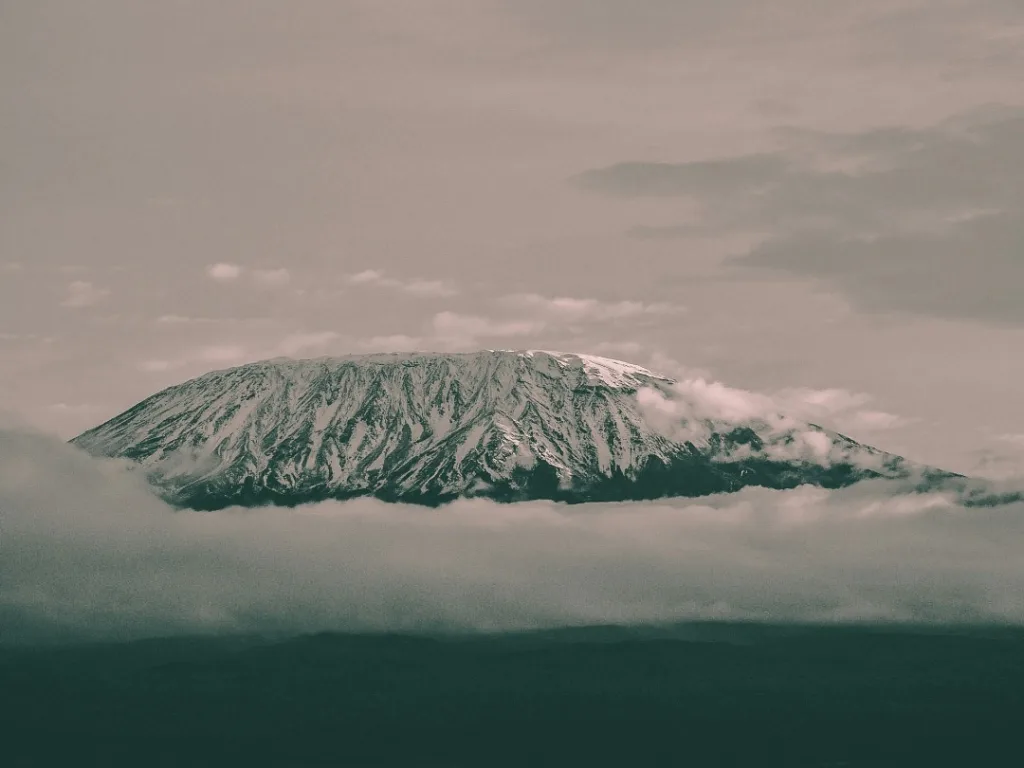
A journey through seven ecological zones — from rainforest to arctic glacier — guided by experienced local mountain teams.

5,895 m Uhuru Peak Elevation
7 – 9 Days on the Mountain
95% Summit Success Rate
7 Ecological Zones

Smart Acclimatization

Routes planned for altitude adaptation

Local Mountain Guides

Experienced Kilimanjaro trekking teams

Safety First

Altitude monitoring and emergency support

Summit-Focused Planning

Every climb designed around your success

Home / Kilimanjaro

Kilimanjaro Climbs: 2026–2027 Departures

Below are some of our proposed Mount Kilimanjaro itineraries. These are sample trekking plans designed to give you an idea of the available routes, durations, and experiences. Every Kilimanjaro climb we organize is fully customized to match your fitness level, travel schedule, acclimatization needs, and personal goals.

Every Mount Kilimanjaro package with Tanzania Safari Experience includes all essential services for a safe and successful climb, including park fees, professional mountain guides, licensed porters, nutritious meals, quality camping equipment, and emergency support. We design every itinerary with a strong focus on proper acclimatization, safety, and ethical porter welfare, ensuring you have the best possible chance of reaching the summit while enjoying the journey.

Machame Route
January – December 2026

Machame Route 7 Days

Scenic Trekking, High-Altitude Adventure & Gradual AcclimatisationTravel Style
Moshi/Arusha, TanzaniaClimb Starts
EnglishLanguages
Moshi/Arusha, TanzaniaClimb Ends
Machame RouteRoute
ModerateDifficulty
96%Success Rate

Climb Mount Kilimanjaro: Everything You Need to Know Before Reaching Africa's Highest Peak

Climbing Mount Kilimanjaro is the best choice for travelers who want to experience Africa’s highest mountain without needing technical mountaineering skills. Standing at 5,895 meters (19,341 feet), Kilimanjaro can be climbed by anyone with good preparation, the right route, and enough time to acclimatize.

This adventure is ideal for active travelers, couples, families with older children, solo adventurers, and groups looking for a rewarding challenge. Unlike many high-altitude peaks around the world, Kilimanjaro does not require ropes or climbing experience. The biggest challenge is adjusting to the altitude rather than the terrain.

Many first-time climbers assume fitness alone guarantees success. In reality, altitude affects everyone differently. Even experienced marathon runners can struggle if they ascend too quickly, while hikers with average fitness often reach the summit by choosing a longer itinerary that allows their bodies to adapt.

At Tanzania Safari Experience, we recommend choosing your climbing route based on your available time, previous hiking experience, and summit success rather than simply selecting the cheapest option. Spending one extra day on the mountain often makes the difference between standing on Uhuru Peak and turning back before reaching the summit.

Quick Kilimanjaro Overview

InformationDetails
Best forAdventure travelers, hikers, couples, solo travelers, groups
Recommended stay7–9 days including arrival and departure
Best seasonJanuary–March and June–October
Highest pointUhuru Peak – 5,895 m (19,341 ft)
Travel styleGuided mountain expedition
Difficulty levelModerate to challenging due to altitude
PhotographyExcellent landscapes, glaciers, sunrise, and cloud formations
AccommodationMountain huts (Marangu) or camping on other routes
Main highlightStanding on Africa’s highest summit
Value for moneyExcellent for travelers seeking a major achievement

Kilimanjaro Success Rate Calculator

US units
Metric
Fitness & Stamina
Active (can run ~3 km / 2 miles)
Sedentary Beginner Active Very fit Elite
Climbed above 4,000 m (13,100 ft) in last 2 years?
Do you smoke regularly?
Estimated Summit Success Rate
Quick breakdown of factors:
• Route base rate: %
• Climb duration adjustment: %
• Fitness adjustment: %
• Prior high-altitude experience: %
• Smoking status: %
• Age & weight influence: %
This is an estimated probability based on reported summit success rates and physiological factors.
Real outcomes depend heavily on weather, guide quality, hydration, group support, and personal resilience.
This tool is for informational purposes only — always consult your doctor before high-altitude trekking.

Routes like Lemosho, Machame, Rongai, and the Northern Circuit have the highest summit success rates on Kilimanjaro with itineraries of 7 days or longer. We recommend choosing a 7–8 day climb as the optimal length to give your body enough time to acclimatize and to greatly reduce the risk of Acute Mountain Sickness (AMS).

Climb Mount Kilimanjaro Photo Gallery

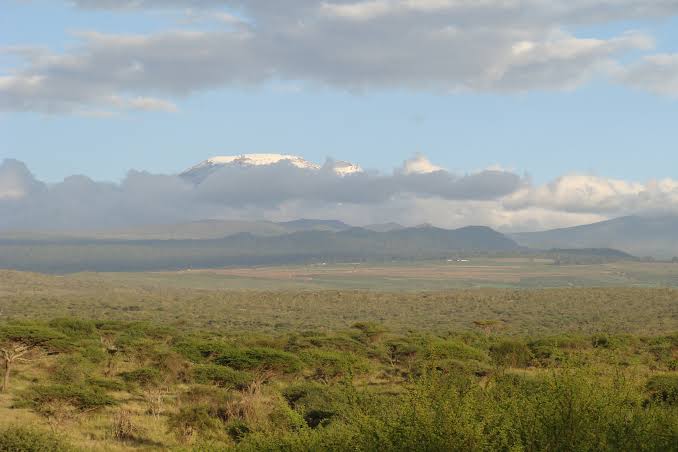
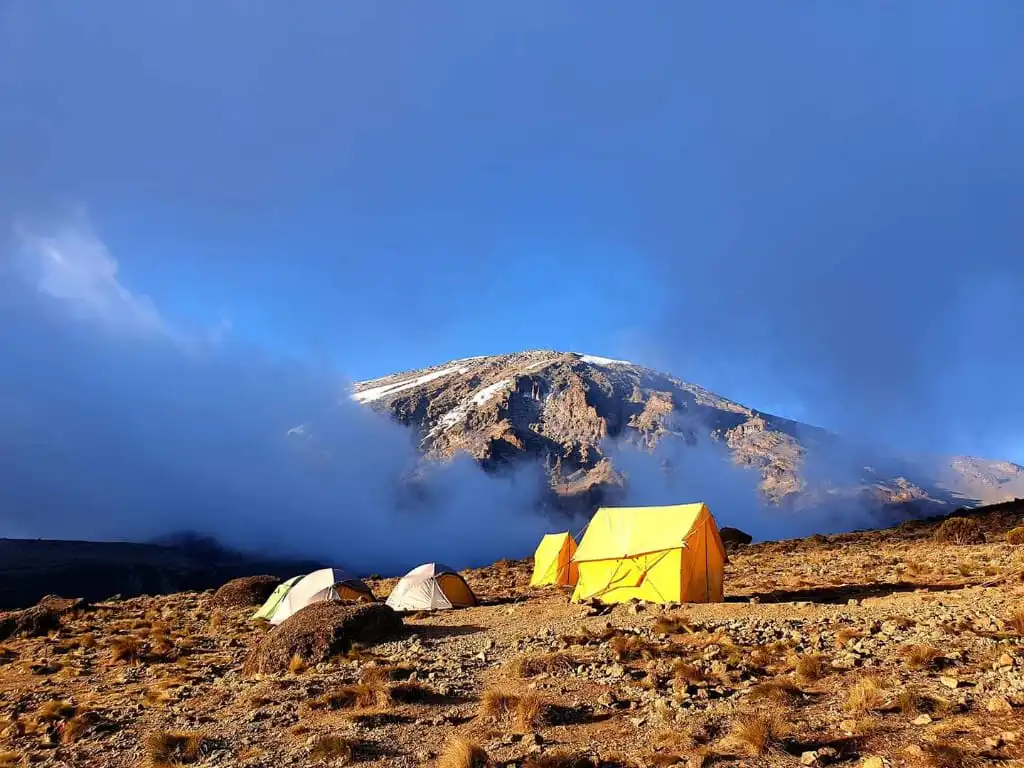
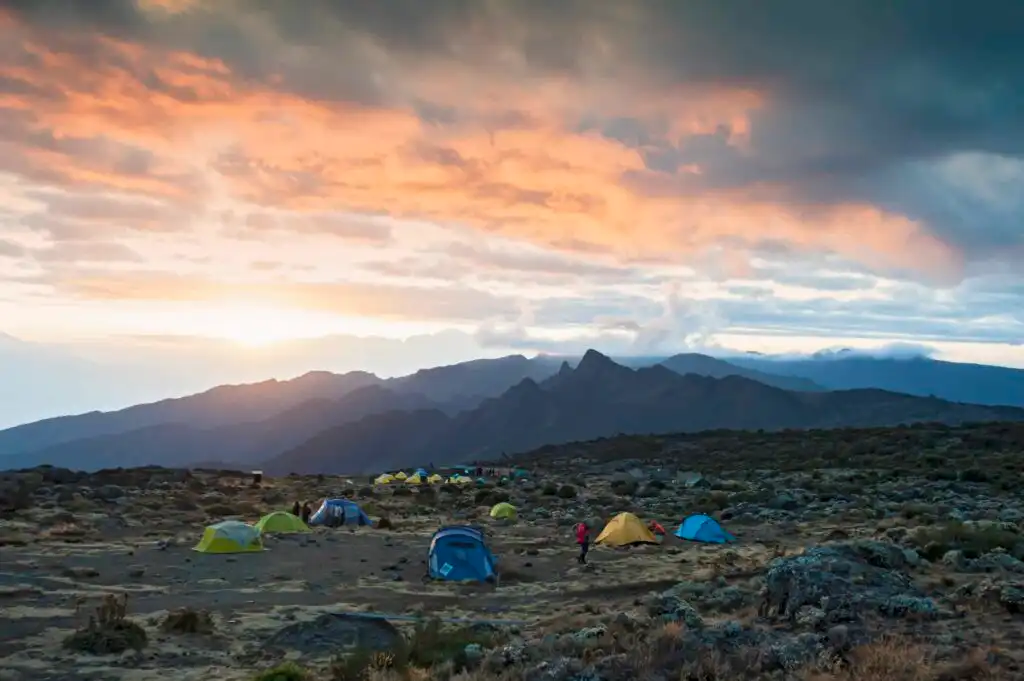
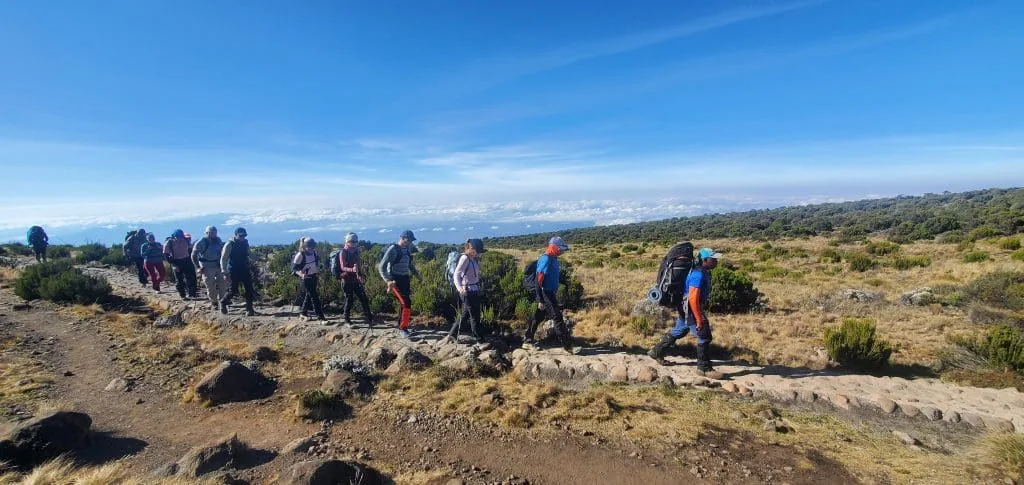
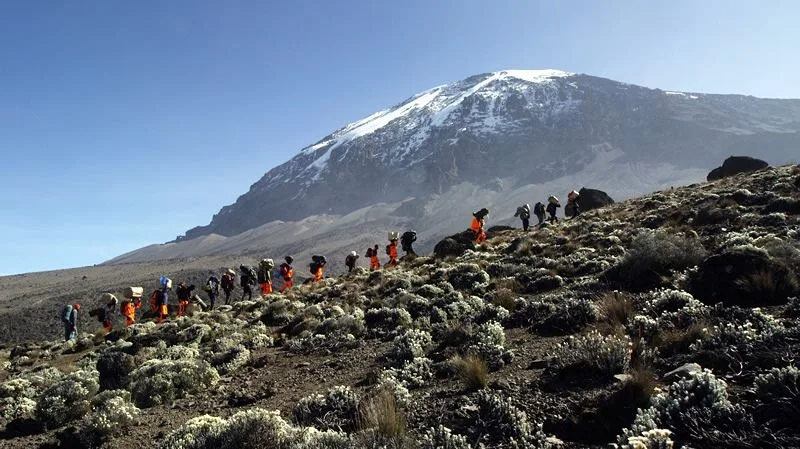
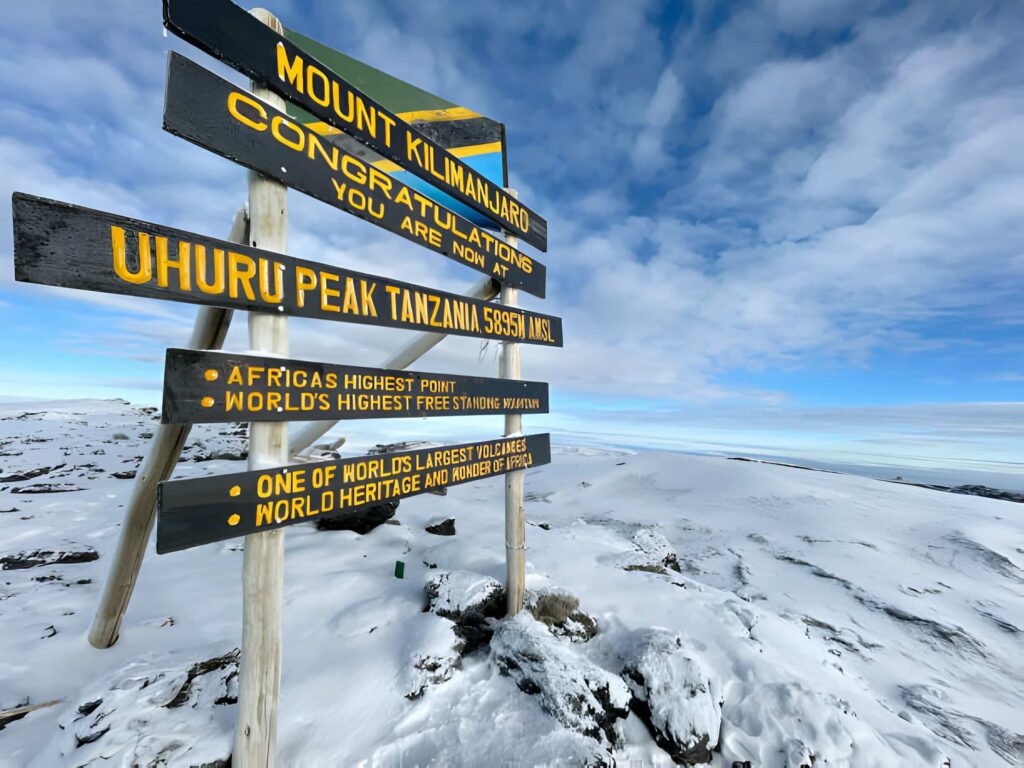
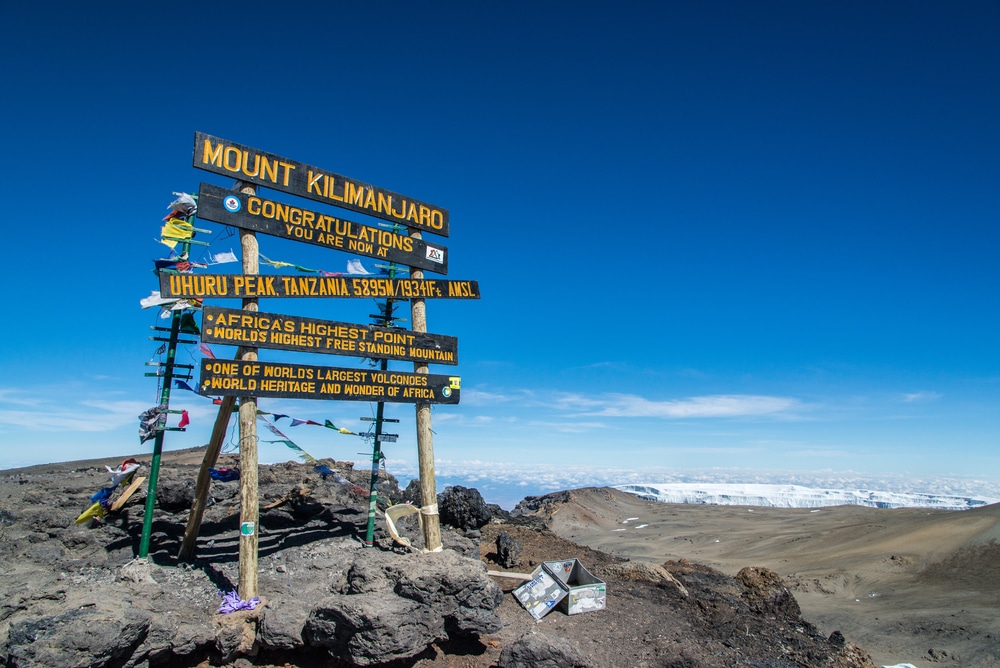
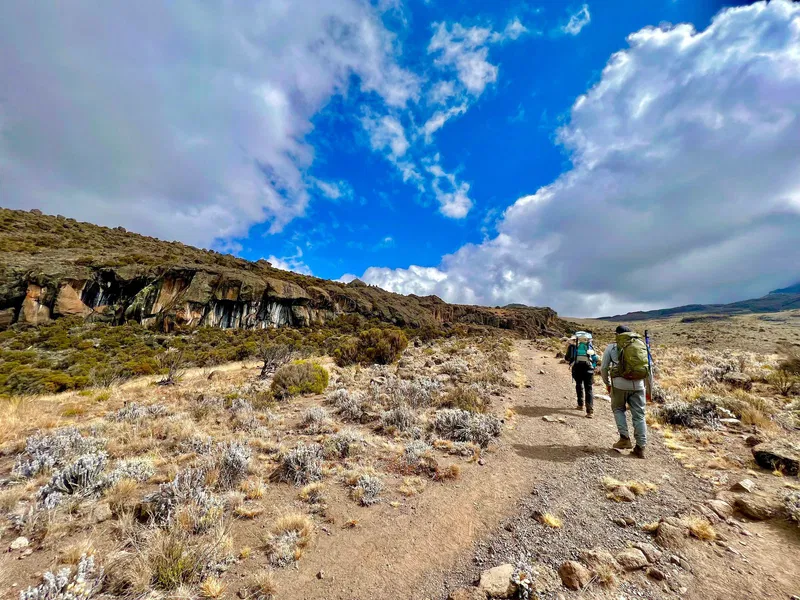
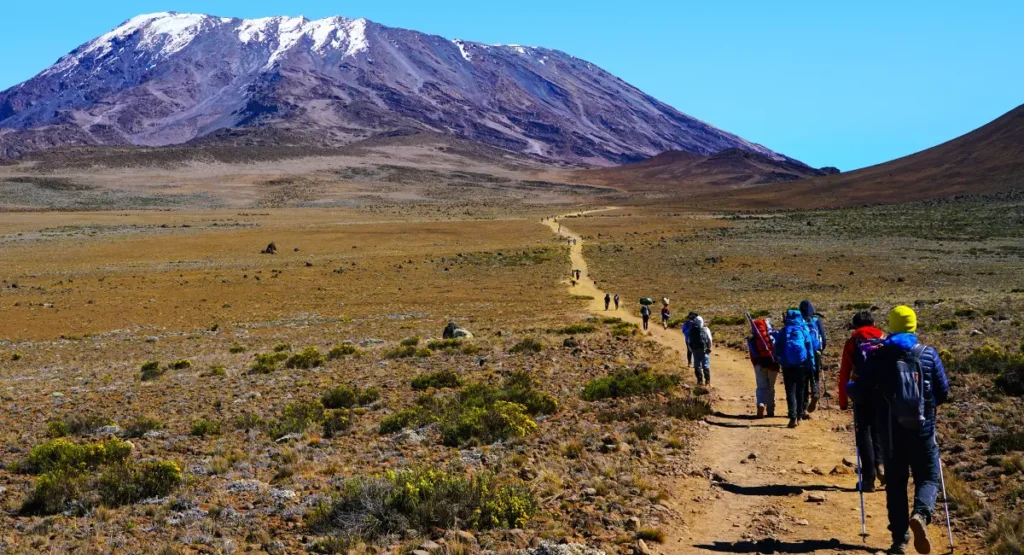
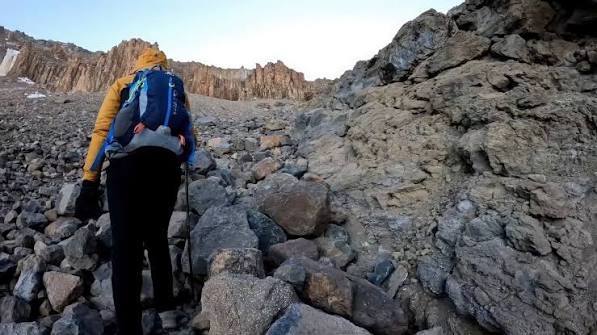
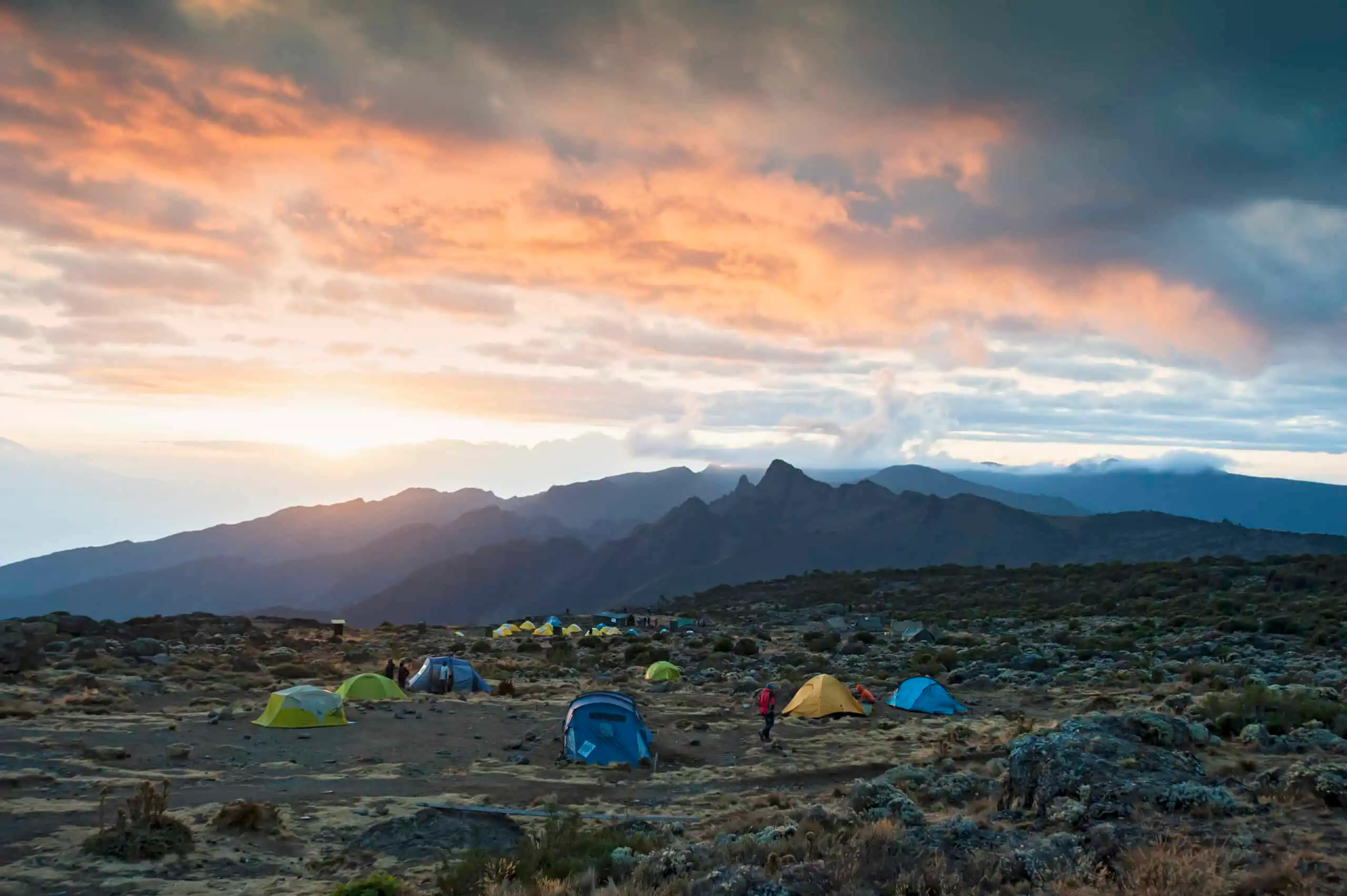
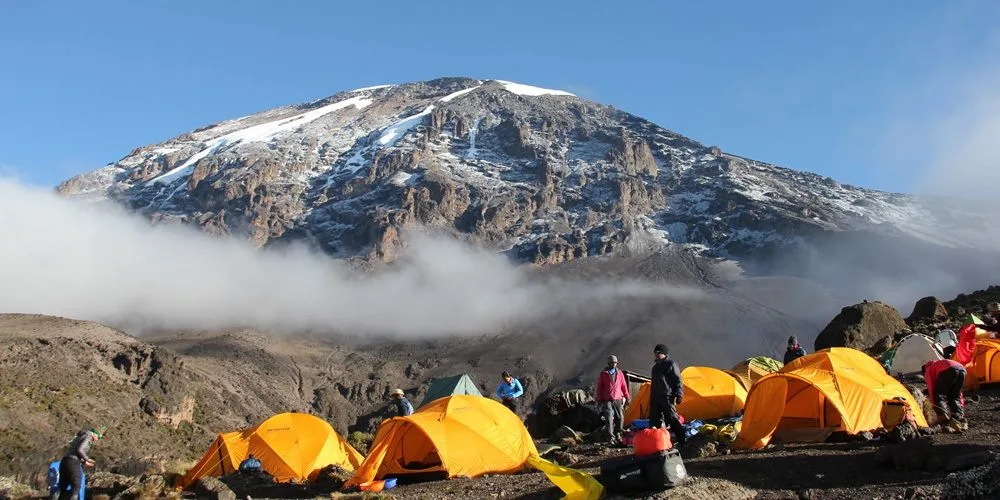
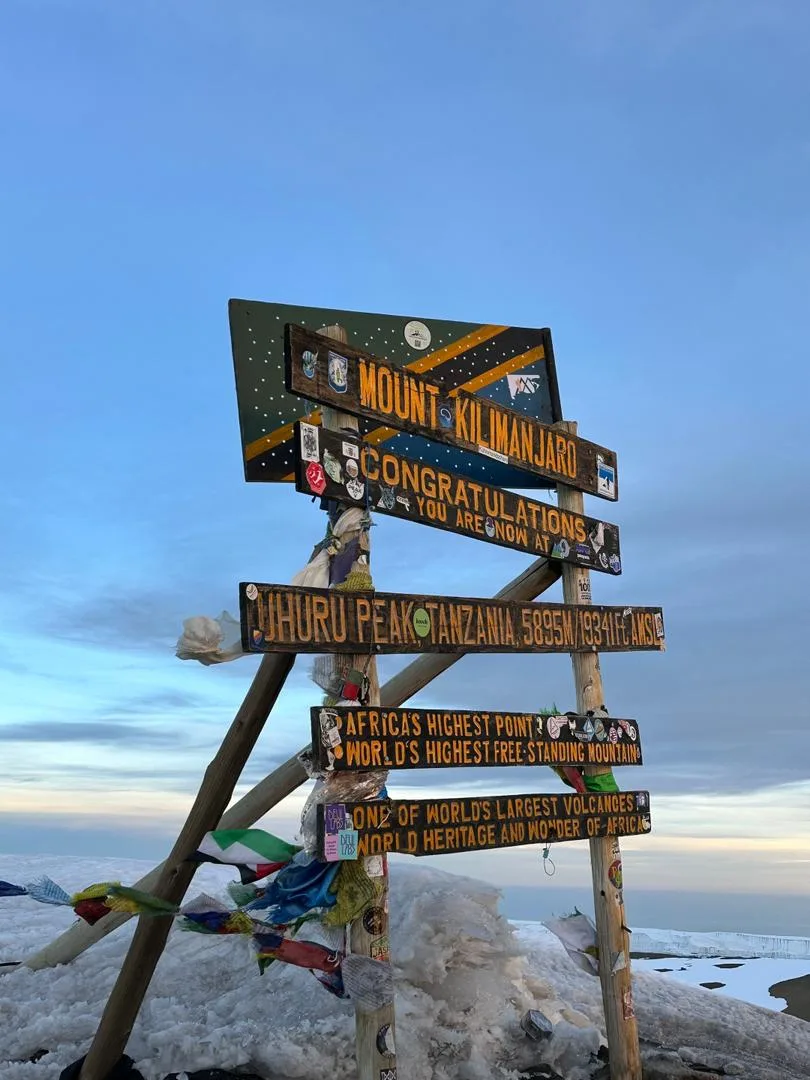
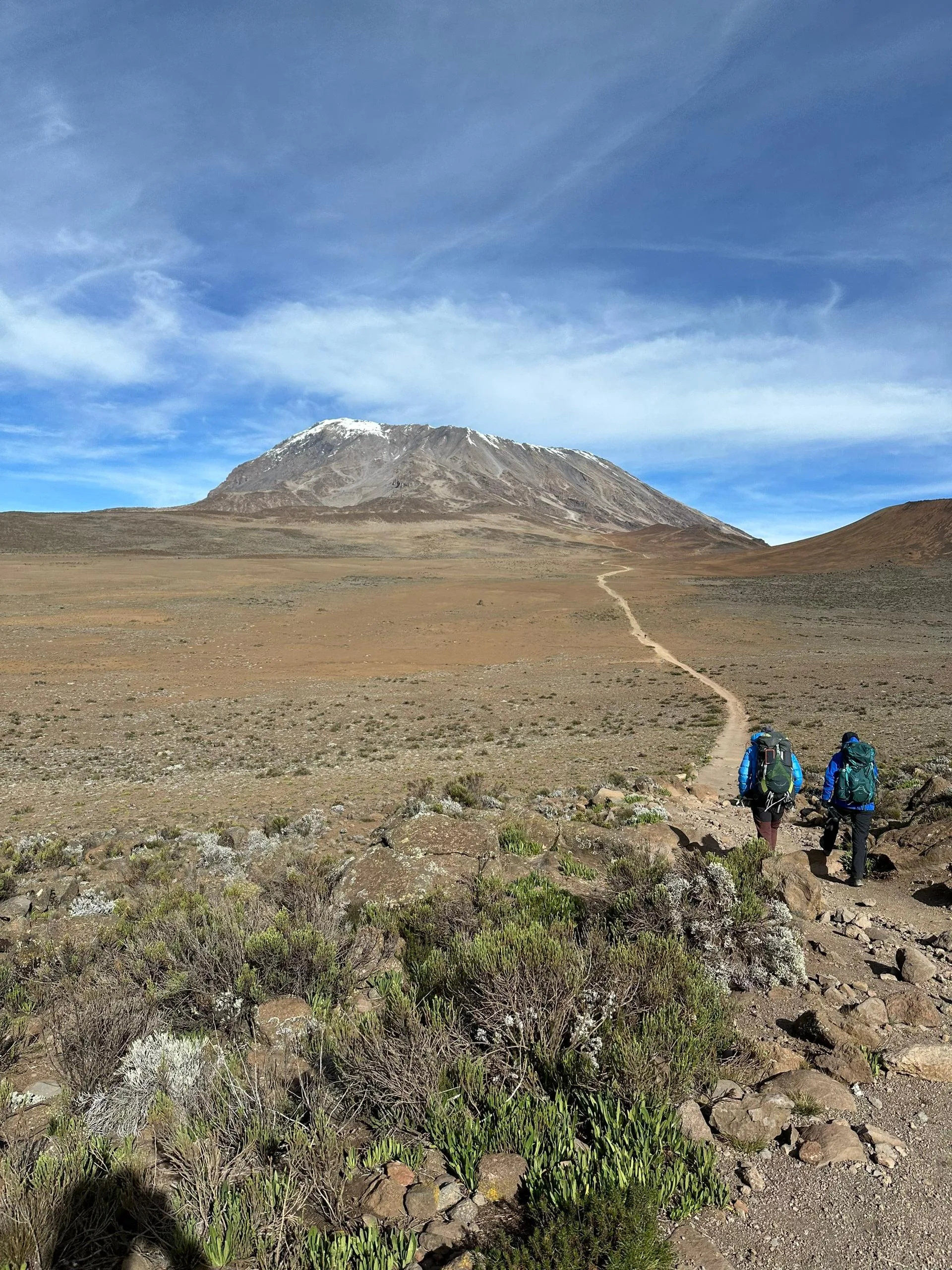
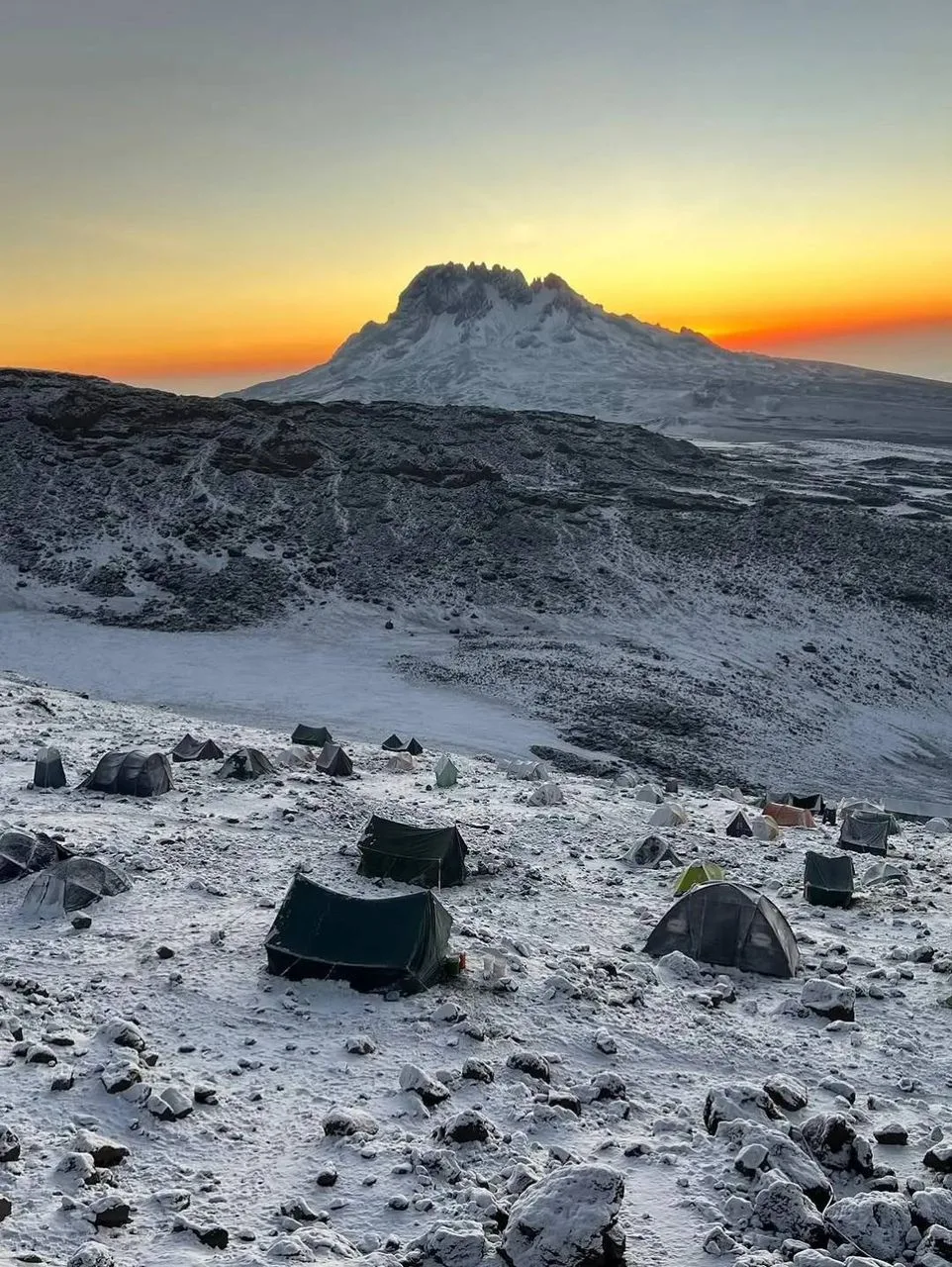
These are real photos from our clients during their Mount Kilimanjaro climbs, showcasing the changing landscapes, trekking routes, and unforgettable moments you can experience on your own Kilimanjaro adventure.

Climb Mount Kilimanjaro Highlights

At a glance

Tailormade itineraries

Every Tanzania Safari Experience adventure is customized just for you—no fixed tours or set dates. Speak with our Tanzania Safari experts to help you plan your perfect Tanzania Safari itinerary.

Why Climb Mount Kilimanjaro?

Mount Kilimanjaro offers one of the world’s most accessible high-altitude adventures. You do not need technical climbing experience, but you do need determination, preparation, and a well-planned itinerary. The journey is as rewarding as reaching the summit itself.

Unlike technical mountains that require ice axes, crampons, or climbing ropes, Kilimanjaro is primarily a trekking mountain. You walk from one camp to another each day while gradually gaining altitude under the guidance of experienced mountain guides.

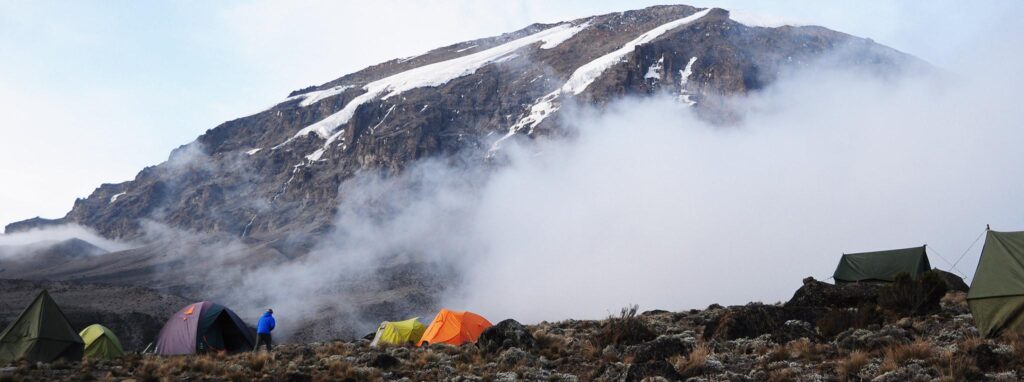
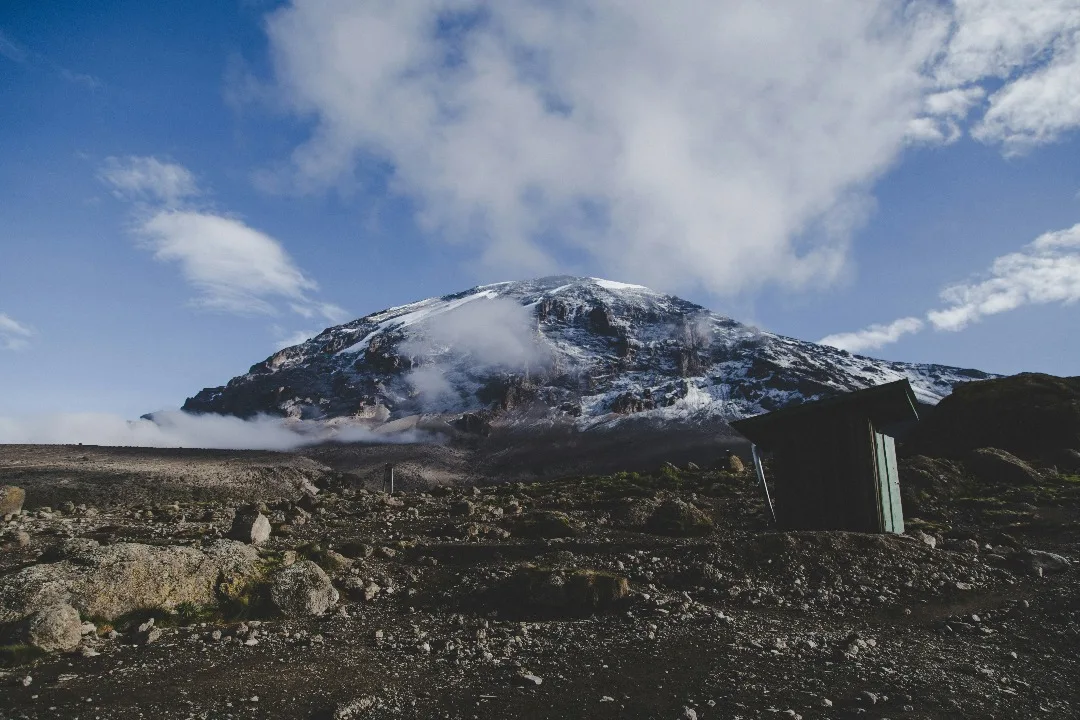
One of the most remarkable aspects of the climb is how quickly the landscape changes. During a single expedition, you’ll pass through several ecological zones that feel like entirely different worlds. The journey begins in lush rainforest before opening into heathland, alpine desert, and finally the arctic conditions found near the summit.

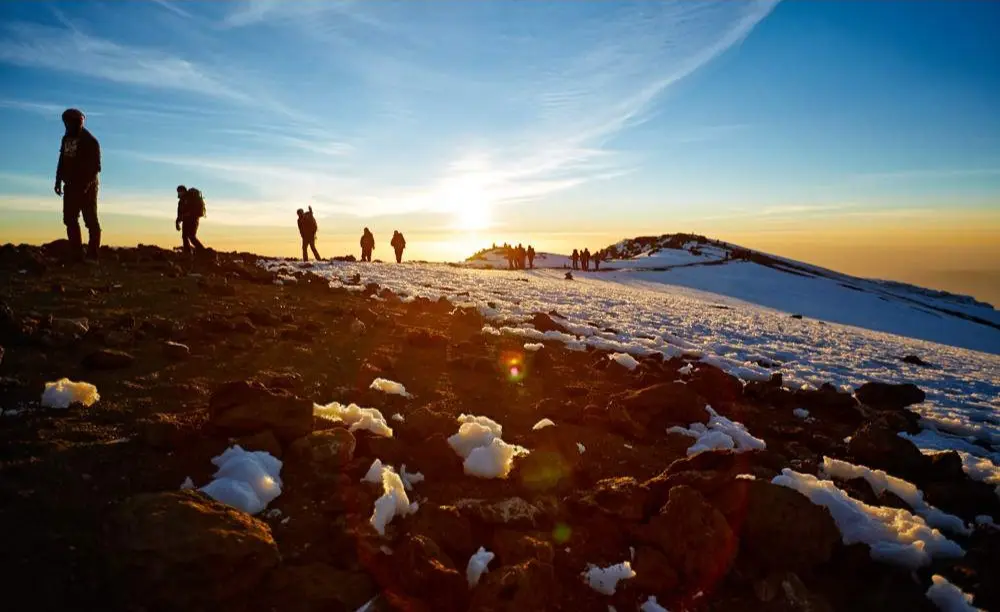
What many travelers do not realize is that summit day is only one part of the experience. Most climbers remember the conversations around camp, the changing scenery, and watching the sunrise above the clouds just as vividly as standing at Uhuru Peak.

Expert Recommendation from Tanzania Safari Experience

If this were our own climb, we would prioritize route quality over speed. Adding an extra acclimatization day may increase the overall cost slightly, but it significantly improves comfort and your chances of reaching the summit safely.

Best Kilimanjaro Routes for Climbers

Starting on the western slope, Lemosho is renowned for its panoramic views, and excellent acclimatization. It offers 6- to 8-day treks, merging with the Machame route near Lava Tower. The 6- and 7-day options begin with a high-elevation drop-off, which helps you jump-start the acclimatization.

Pros: Very high summit success rate due to gradual ascent; traverses the scenic Shira Plateau.

Cons: Can get busy during the high seasons; higher cost.

Choosing Your Path: The Best Kilimanjaro Routes in 2026

To climb Mount Kilimanjaro successfully, you must select a route that matches your fitness and acclimatization needs. While the Machame and Lemosho routes offer the best scenery, the Northern Circuit provides the highest success rate.

The Answer Engine: Which route should I choose?

For the highest chance of summiting, choose the Northern Circuit (9 days) or Lemosho (8 days). For budget-friendly convenience, choose Marangu; for steep, scenic variety, the Machame route is the standard favorite.

When we lead expeditions, we look at more than just the “standard” stats. Here is how the paths actually feel on your boots:

  • Lemosho Route (The Expert’s Choice): This is our team’s favorite. It begins in the lush rainforest of the west and crosses the vast Shira Plateau. It offers a “climb high, sleep low” profile that is nearly perfect for your body to adjust to the thin air.

  • Machame Route (The “Whiskey” Route): Rugged and popular. You’ll tackle the Barranco Wall—a non-technical scramble that looks intimidating but is actually the most fun part of the climb.

  • Northern Circuit (The Hidden Gem): As the newest and longest route, it circles the quiet northern slopes near the Kenyan border. If you want the mountain to yourself, this is where we take you.

  • Marangu Route (The “Coca-Cola” Route): The only path with permanent sleeping huts. It’s often called “easy,” but because it is usually a 5-day trek, it has a lower success rate due to rapid altitude gain.


Route Comparison at a Glance

RouteDaysSuccessCrowds
Lemosho7–8Very HighMedium
Machame6–7HighHigh
Marangu5–6MediumMedium
Northern9HighestLow

Timing Your Ascent: Seasons and Weather

The best time to climb Kilimanjaro is during the dry seasons: June to October and January to March. These windows offer clear skies, firm trails, and the most spectacular sunrise views from the summit.

The Answer Engine: When is the best time to climb?

The optimal months are July, August, and September for stable weather, or January and February for slightly warmer temperatures. Avoid April and May, as heavy rains make trails dangerous and muddy.

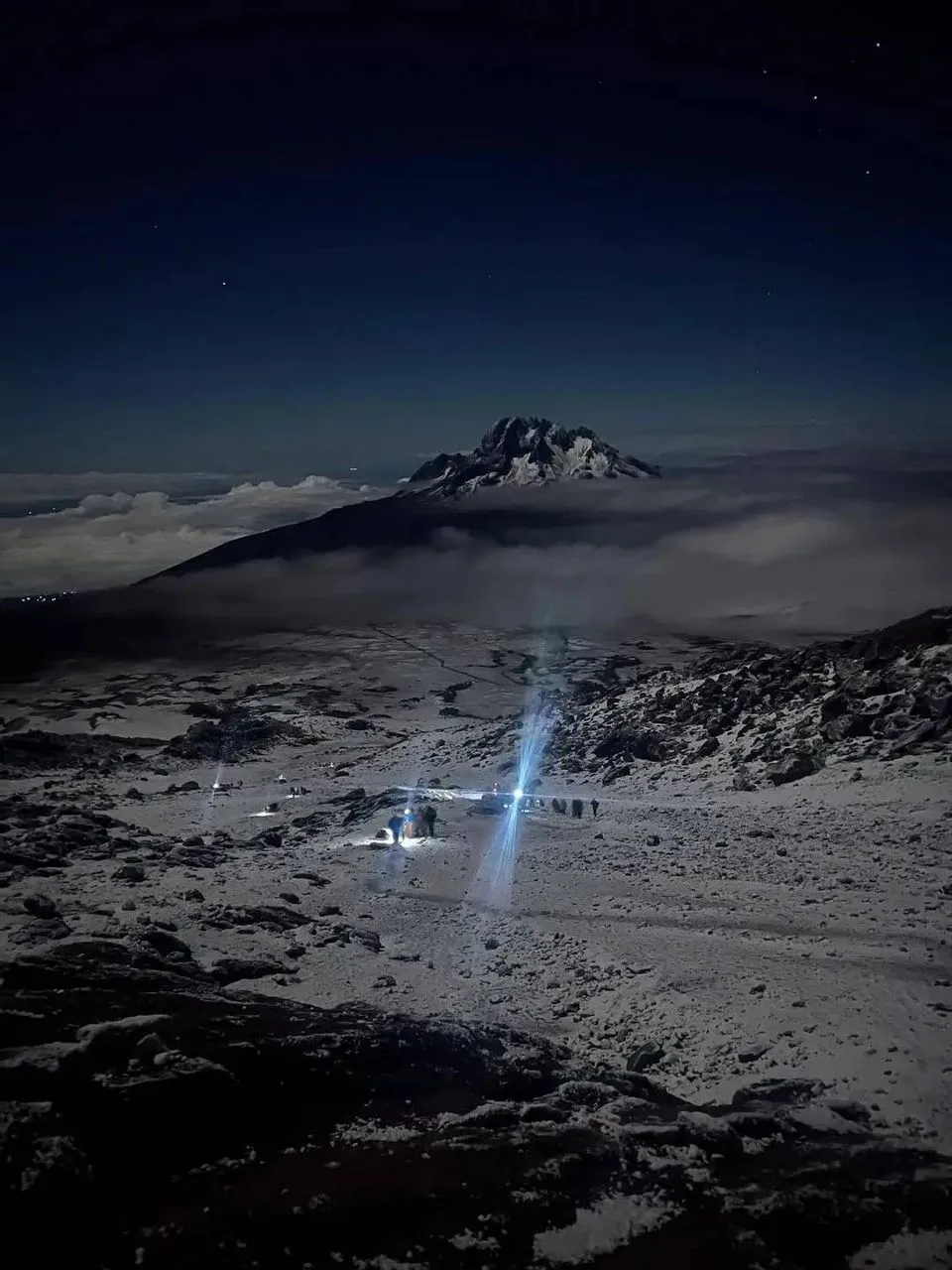
Pro-Tip from our Lead Guides: If you want a truly unique experience, aim for a Full Moon climb. Reaching the summit of Uhuru Peak under the glow of a bright moon reflecting off the glaciers is ethereal and means you rarely need your headlamp during the final midnight push.

Essential Gear for 2026 Climbs

Packing for Kilimanjaro requires a layering system that can handle $27°C$ in the forest and $-20°C$ at the summit. You are essentially packing for every season on earth within a single duffle bag.

The Answer Engine: What gear is mandatory?

You must have waterproof, broken-in hiking boots, a -15°C rated sleeping bag, and four-layer clothing (base, mid, fleece, and hardshell). Trekking poles and a 3-liter hydration bladder are also essential.

The “Forgotten” Packing List

Most blogs tell you about boots; our team suggests these items that make or break your comfort:

  1. Electrolyte Tablets: High altitude dehydrates you faster than you realize. Water alone isn’t enough.

  2. Solar Power Bank: In 2026, cold-resistant batteries are better, but the sun is your only charging source. Hang a foldable solar panel on your pack.

  3. Moist Towelettes: There are no showers. A “wet-wipe bath” is your best friend after a long day in the dust.

  4. Lanolin/Zinc Cream: The sun at 5,000 meters will burn skin through regular sunscreen. Use a thick physical barrier.

The Cost of Climbing Kilimanjaro in 2026

Expect to pay between $2,200 and $4,500 for a quality climb. This price covers mandatory park fees, fair wages for your crew, mountain rescue insurance, and high-quality camping equipment.

The Answer Engine: How much does it cost?

A safe, ethical 7-day climb averages $2,500 to $3,200. Prices under $2,000 often indicate “budget” operators who may skimp on safety equipment or fail to pay porters a fair, livable wage.

Budget vs. Premium Expeditions

Note from Tanzania Safari Experience: We strongly advise against “ultra-budget” operators. Your life depends on the quality of the oxygen cylinders and the training of the guides.

  • Budget ($1,800 – $2,100): Often basic food, older tents, and high ratios of climbers to guides.

  • Mid-Range ($2,500 – $3,500): This is the “sweet spot.” Includes private toilets, high-quality nutrition, and KPAP-certified porter treatment.

  • Luxury ($5,000+): Includes walk-in tents, portable showers, and gourmet meals.

How Hard Is It to Climb Mount Kilimanjaro?

Can a Beginner Climb Kilimanjaro?

Many travelers ask, how hard is it to climb Mount Kilimanjaro? The climb is physically demanding but mentally even more challenging. You walk for several hours each day, often on steep or rocky terrain, and summit night can last 10 to 14 hours.

The main difficulty is altitude sickness, not strength. Even very fit people can struggle if they ascend too quickly. This is why choosing the right route and number of days is critical. With good preparation, climbing Mount Kilimanjaro for beginners is absolutely achievable.

Based on our experience and climb data from 7 to 8-day Kilimanjaro routes, these longer itineraries offer some of the highest chances of reaching the summit successfully. Allowing more time on the mountain helps your body adapt naturally to the altitude, which is the most important factor in achieving a safe and successful climb to Uhuru Peak.

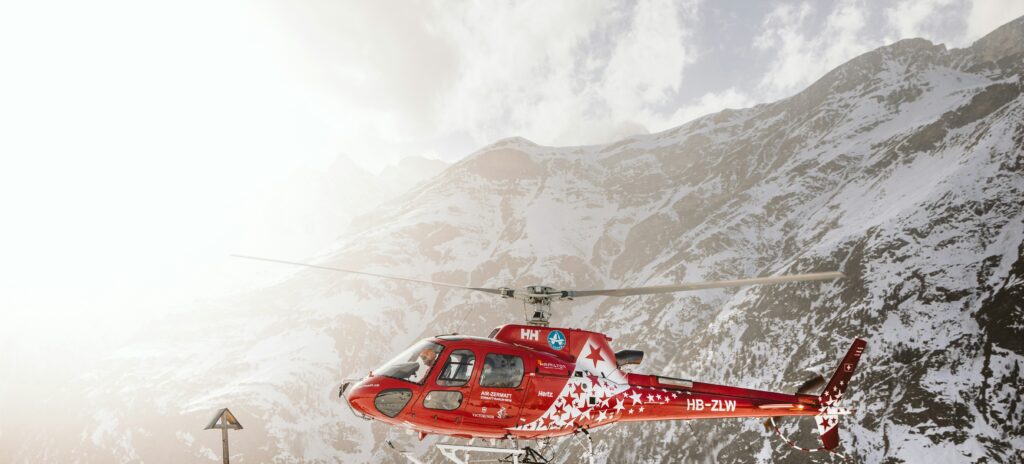
At the heart of our climbs are highly trained local guides with strong medical and altitude-awareness training, supported by comprehensive safety systems on every expedition. We provide bottled oxygen when needed, well-equipped medical kits, reliable climbing gear, and carefully selected routes designed for smooth acclimatization. At Tanzania Safari Experience, every detail is planned to prioritize your safety, comfort, and the best possible chance of standing on the Roof of Africa.

What You Need to Know Before You Climb Kilimanjaro

Where Is Mount Kilimanjaro Located?

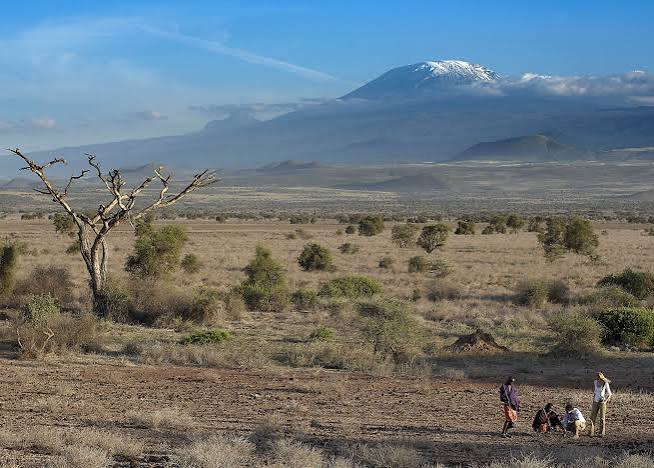
Mount Kilimanjaro is located in northern Tanzania, close to the Kenyan border. The mount Kilimanjaro country is Tanzania, and the mountain is protected within Kilimanjaro National Park, a UNESCO World Heritage Site. The closest gateway town is Moshi, which serves as the main base for climbers preparing for their ascent.

Kilimanjaro’s location near the equator makes it even more fascinating. In just a few days, climbers pass through rainforest, heathland, alpine desert, and finally Arctic conditions near the summit. This dramatic change in landscapes is one of the highlights of climbing Mount Kilimanjaro.

Can You Climb Mount Kilimanjaro?

One of the most common questions is, can you climb Mount Kilimanjaro? The simple answer is yes. Mount Kilimanjaro is considered a trekking peak, not a technical climb. This means no ropes, ice axes, or climbing equipment are required.

That said, altitude is the real challenge. The air becomes thinner as you ascend, making breathing more difficult. With proper acclimatization, a steady pace, and an experienced climb Mount Kilimanjaro guide, most healthy people can reach the summit successfully.

How Hard Is It to Climb Mount Kilimanjaro?

Many travelers ask, how hard is it to climb Mount Kilimanjaro? The climb is physically demanding but mentally even more challenging. You walk for several hours each day, often on steep or rocky terrain, and summit night can last 10 to 14 hours.

The main difficulty is altitude sickness, not strength. Even very fit people can struggle if they ascend too quickly. This is why choosing the right route and number of days is critical. With good preparation, climbing Mount Kilimanjaro for beginners is absolutely achievable.

Kilimanjaro Hike Difficulty Explained

The Kilimanjaro hike difficulty varies depending on the route, the number of days, and your body’s response to altitude. Longer routes allow more time to acclimatize and are generally easier on the body, even though they involve more walking days.

Shorter routes may appear easier on paper, but they increase the risk of altitude sickness. From our experience at Tanzania Safari Experience, climbers who choose longer itineraries enjoy higher success rates and a more comfortable experience.

How Long Does It Take to Climb Mount Kilimanjaro?

A very important planning question is how long does it take to climb Mount Kilimanjaro. Most climbs last between 6 and 9 days on the mountain, depending on the route chosen.

If you ask how long to climb Mount Kilimanjaro, remember that extra days greatly improve acclimatization and summit success. For most travelers, 7 or 8 days is the ideal balance between time and comfort.

How Many Days Does It Take to Climb Mount Kilimanjaro?

If you are wondering how many days does it take to climb Mount Kilimanjaro, the answer depends on your route and pace. Budget itineraries may offer 5 or 6 days, but these have lower success rates.

We strongly recommend choosing itineraries that prioritize safety and acclimatization rather than speed.

Kilimanjaro Hike Distance and Elevation

The Kilimanjaro hike distance and elevation varies by route, but most climbers walk between 60 and 75 kilometers round trip. The total elevation gain is nearly 4,900 meters from the starting point to Uhuru Peak.

This rapid elevation gain over a short time is what makes Kilimanjaro challenging, even though no technical climbing is involved.

When is the best time to climb Mount Kilimanjaro?

The most reliable climbing periods are usually January to February and June to October. These months generally bring drier trails and better visibility, but Mount Kilimanjaro creates its own weather and conditions can change quickly at any time of year.

Summit temperatures below are broad night estimates for the upper mountain, not averages for the whole route. Lower slopes are much warmer, while wind chill near Uhuru Peak can make conditions feel colder.

Use the left and right arrow keys to move between months. Use Home for January and End for December.

  • More reliable climbing conditions
  • Variable or transition conditions
  • Rainy period

Our Favourite Places to Stay in Mount Kilimanjaro

Accommodation for every kinda of Traveler.

Machame Camp Hut - Accommodation at Kilimanjaro MountainBudget
Machame Camp

Machame Camp Hut

Machame Camp is the first overnight campsite for climbers following the Machame Route on Mount Kilimanjaro. It gives trekkers a place to

Looking for Climb Mount Kilimanjaro for your dates ?

Receive a free Tanzania safari quote straight to your email within 6 hours! Customize your preferences, and we’ll craft a unique experience just for you. Prices vary based on group size and accommodation choice.

We've got you covered

Our tours combine high-quality safari experiences with excellent value. The price provided clearly outlines what is included, such as accommodation, park fees, private safari transport, guide services, selected flights, and transfers listed in your itinerary.

Tanzania Safari Specialist- Agness Boma

Connect with our local experts for personalized travel planning

Plan your Kilimanjaro today

Request a Program
Response within 24 hours
No obligations

Kilimanjaro TripAdvisor Reviews

SEE WHAT OUR GUESTS HAVE TO SAY ABOUT THEIR TANZANIA SAFARI EXPERIENCE.

*For the most recent reviews/testimonials from our guests, please visit our TripAdvisor page and Trustpilot.

iconTripadvisorreviews
See all
5
Excellent · 4 reviews
Travellers’ Choice
  • mattropolis
    mattropolis
    July 31, 2026

    Great Tanzanian vacation

    We toured with Tanzania Safari Experience for an eight day trip to Tanzania. Five days of safari and then three days of beach vacation in Zanzibar. They were great to work with and customized everything exactly the way we wanted it. The lodges we were booked in were all incredible, particularly the Lahia Tented Lodge in the Serengeti. Our driver, Jay, seemed to know every road in every national park and as a result the wildlife viewing was unparalleled. There were times where we were the only vehicle seeing lions or hippos. The owner, Laurent, was extremely responsive and any issues we had in-country with our logistics were immediately sorted by him. He genuinely wanted us to have a first-rate experience. The only thing we were unprepared for is that some of the days in the safari vehicle were very long (10+ hours) and the roads can be really rough. But there were plenty of cold drinks in the car and it was worth it to see the wildlife. The safari/beach split was a great way to do the vacation and the beaches of Zanzibar were beautiful with clear blue water.

    Family · July 31, 2026
    Read more
  • nicolykiardopoul2018
    nicolykiardopoul2018
    June 2, 2026

    Safari May 2026

    This company exceeded everything we’d hoped for. From the start, the tour operator had everything covered — a detailed itinerary laid out well in advance, quick responses to any questions, and a genuine attentiveness that made the whole thing feel effortless. The accommodation was seriously impressive. Not what I was expecting at all — comfortable, well-appointed, and luxurious. We also spent time right in the heart of the bush. A proper treat. The two people who really made this trip were our guide Mariki and photographer Agnes. Mariki’s knowledge of the bush and animal behaviour is something else — he always seemed to know exactly where to go, and his instincts paid off every single time. Agnes has a brilliant eye and captured shots we could never have got ourselves. As for the wildlife — we saw far more than we ever imagined we would. Elephants, lions, leopard, buffalo, giraffe, zebra, hippos — the lot. As a first safari, I couldn’t have asked for more. Would recommend without hesitation.

    Friends getaway · June 2, 2026
    Read more
  • 370godsong
    370godsong
    January 3, 2026

    Great Experience with Tanzania Safari Experience

    We had an amazing safari with Tanzania Safari Experience, and honestly the whole trip was put together really well by Laurent and his team. From our first message to the last day, they were easy to reach, quick to reply, and clear about everything. The plan made sense, the timing was smooth, and we didn’t have to stress about anything. Uncle J was a big part of what made it special. He knows the parks incredibly well and seems to notice things before anyone else. He’d position the vehicle perfectly for photos and often got us to sightings before the crowds built up. We were lucky to see [your highlights: migration / lions / cheetahs / elephants / a crossing], and every drive felt exciting and different. The vehicle was comfortable and in good shape, and everything ran on schedule. If you’re looking for a well-organized safari with a great guide, I’d definitely recommend Tanzania Safari Experience.

    Solo travel · January 3, 2026
    Read more

Kilimanjaro Summit Stories Begin Here

Finding meaning in the slow climb, the shifting light, and the quiet lessons Kilimanjaro reveals along the way.

Everything You Need to Know Before You Climb Mount Kilimanjaro

Every Kilimanjaro adventure begins with a question. Whether it’s your first time or a return climb, it’s natural to wonder about the best time to climb Mount Kilimanjaro, what to pack, how difficult the trek is, and how the journey works. Here, we’ve answered the most common questions climbers ask before booking their climb Mount Kilimanjaro experience, so you can plan with confidence and focus on reaching the Roof of Africa.

Climbing Mount Kilimanjaro usually takes between 6 and 9 days, depending on the route you choose. Longer routes allow better acclimatization, which greatly improves summit success and overall comfort. At Tanzania Safari Experience, we generally recommend 7 or 8 days on the mountain for the best balance between safety and success.

Many people wonder how hard it is to climb Mount Kilimanjaro, and the main challenge is altitude rather than technical difficulty. You do not need climbing experience, but you should be prepared for long walking days, cold temperatures near the summit, and thin air. With proper preparation, pacing, and experienced guides, most determined climbers can reach the summit.

Yes, beginners can absolutely climb Mount Kilimanjaro. In fact, many successful climbers are first-time trekkers. The key is choosing the right route, allowing enough days for acclimatization, and climbing with professional guides who monitor your health and pace throughout the journey.

The best time to climb Mount Kilimanjaro is during the dry seasons, from January to March and from June to October. These months offer more stable weather, clearer views, and safer trail conditions. While the mountain can be climbed year-round, dry-season climbs are generally more comfortable and have higher success rates.

The cost to climb Mount Kilimanjaro typically ranges from USD 1,800 to 3,500 per person, depending on the route, number of days, and level of service. Prices include park fees, guides, porters, meals, and safety equipment. Cheaper options often reduce acclimatization days or safety standards, which can affect your chances of reaching the summit.

You cannot climb Mount Kilimanjaro completely solo, as park regulations require all climbers to be accompanied by a registered guide. However, you can choose a private climb with your own guide and support team, allowing for a personalized pace and a more flexible experience.

Yes, Tanzania is considered one of the safest safari destinations in Africa. National parks are well-managed, and guides are highly trained to ensure your safety. While in cities, it’s always best to take normal precautions, such as avoiding walking alone at night. Traveling with a trusted operator ensures a smooth and safe experience.

Climbing Mount Kilimanjaro is considered safe when done with experienced guides, proper acclimatization, and responsible planning. Professional teams monitor climbers daily for altitude symptoms and carry emergency equipment. Choosing the right operator and itinerary plays a major role in overall safety.

No technical climbing skills are required to climb Mount Kilimanjaro. It is a high-altitude trek rather than a technical mountain climb. What matters most is endurance, mental determination, and allowing your body enough time to adjust to the altitude.

You can increase your summit success by choosing a longer route, climbing during the dry season, maintaining a slow and steady pace, and using a summit success rate calculator before booking. At Tanzania Safari Experience, we design itineraries based on these factors to give climbers the best possible chance of reaching Uhuru Peak.

Absolutely. With Tanzania Safari Experience, your safari can include a personal photographer to capture your wildlife encounters, family moments, and scenic landscapes throughout your trip, ensuring you take home lasting memories.