Why Arusha National Park is Essential
Arusha National Park serves as the perfect “acclimatization” safari. It allows your senses to adjust to the African bush at a slower, more deliberate pace. Here, you aren’t just looking at animals from a window; you are sharing the earth with them.
Comparison: Arusha vs. The Giants
| Feature | Arusha National Park | Serengeti / Ngorongoro |
| Vibe | Intimate, quiet, lush | Vast, busy, dramatic |
| Activities | Walking, Canoeing, Climbing | Game Drives only (mostly) |
| Crowds | Low – You often have trails to yourself | High – Especially during the Migration |
| Highlight | Black and White Colobus Monkeys | The Big Five |
Walking Safaris: A Heartbeat Away from Wildlife
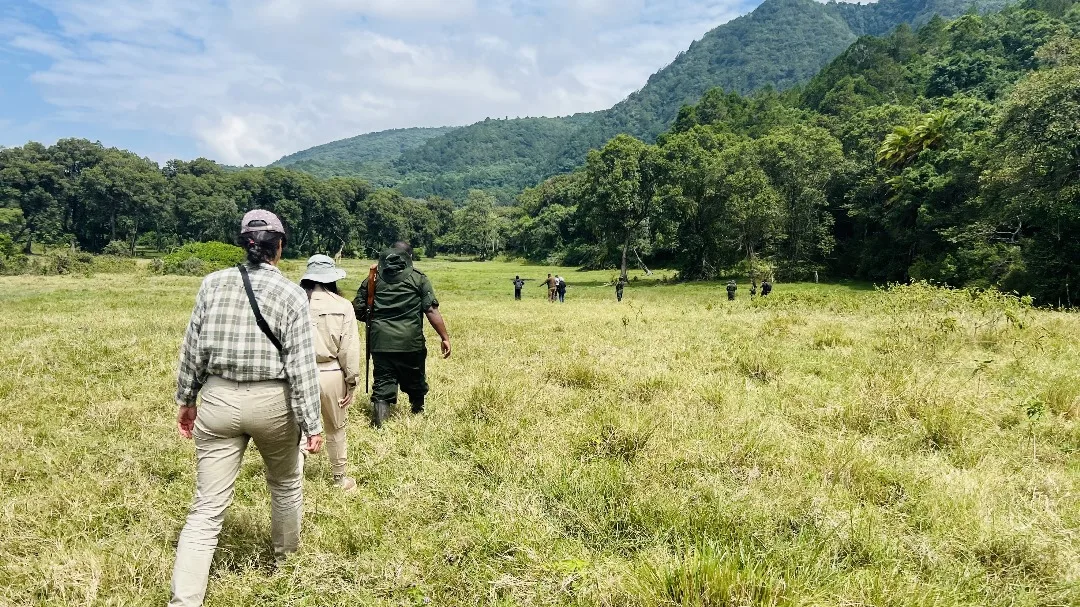
A walking safari is a thrilling, sensory-first experience where you explore the park on foot accompanied by an armed ranger, allowing you to track animals and learn about the delicate ecosystem.
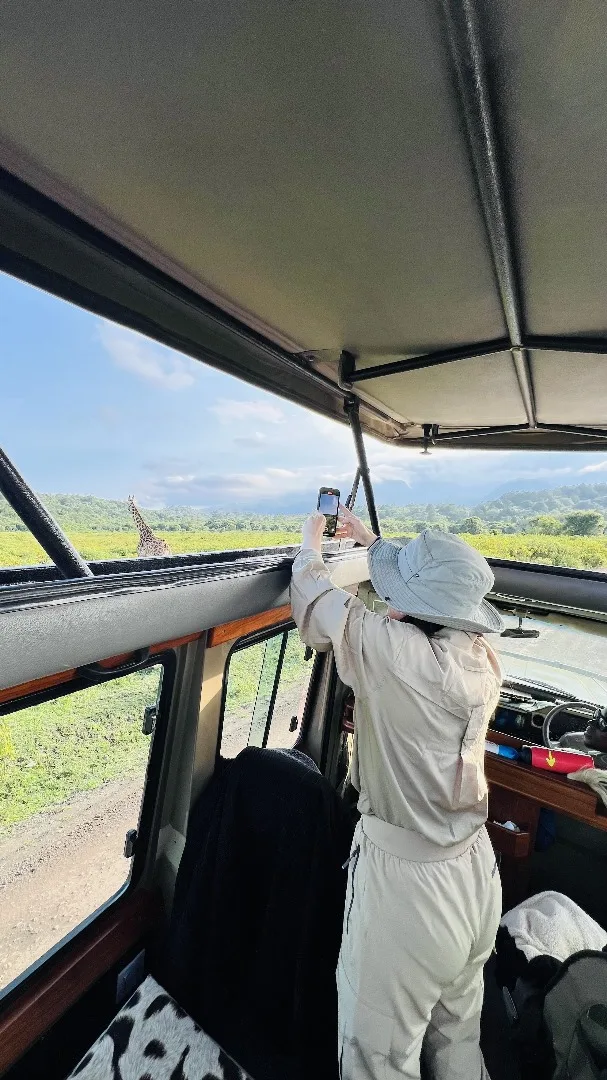
In the Serengeti, you are a spectator. In Arusha, you are a participant. We’ve found that standing 10 meters away from a herd of buffalo or watching a mother giraffe nudge her calf through the acacia trees feels far more visceral when there isn’t a metal door between you and the wild.
The Momella Lakes and Canoeing
The Momella Lakes are a series of seven alkaline lakes, each with a slightly different hue due to varying mineral content, providing a sanctuary for thousands of flamingos and water birds.
A 2-hour canoe safari here is the quietest adventure in Tanzania. As you glide across the water, you’ll hear the “honk” of flamingos and the deep grunts of hippos. It is one of the few places in the country where you can see wildlife from the water’s edge without the engine noise of a boat.
Mount Meru: Africa’s Most Underrated Climb
Mount Meru is the fifth-highest peak in Africa (4,566 meters) and provides a technically challenging but rewarding trek through four distinct vegetation zones, often used as a warm-up for Kilimanjaro.
Our Insider Secret: Even if you aren’t a mountain climber, take the drive up to Kitoto Viewpoint. On a clear morning, you get a “two-for-one” view: the yawning crater of Mount Meru right in front of you and the massive silhouette of Mount Kilimanjaro rising over the clouds in the distance. It is arguably the best photography spot in East Africa.
Rare Wildlife You Won't See Elsewhere
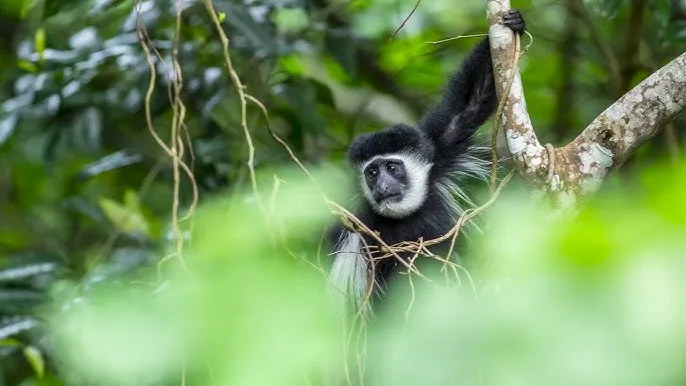
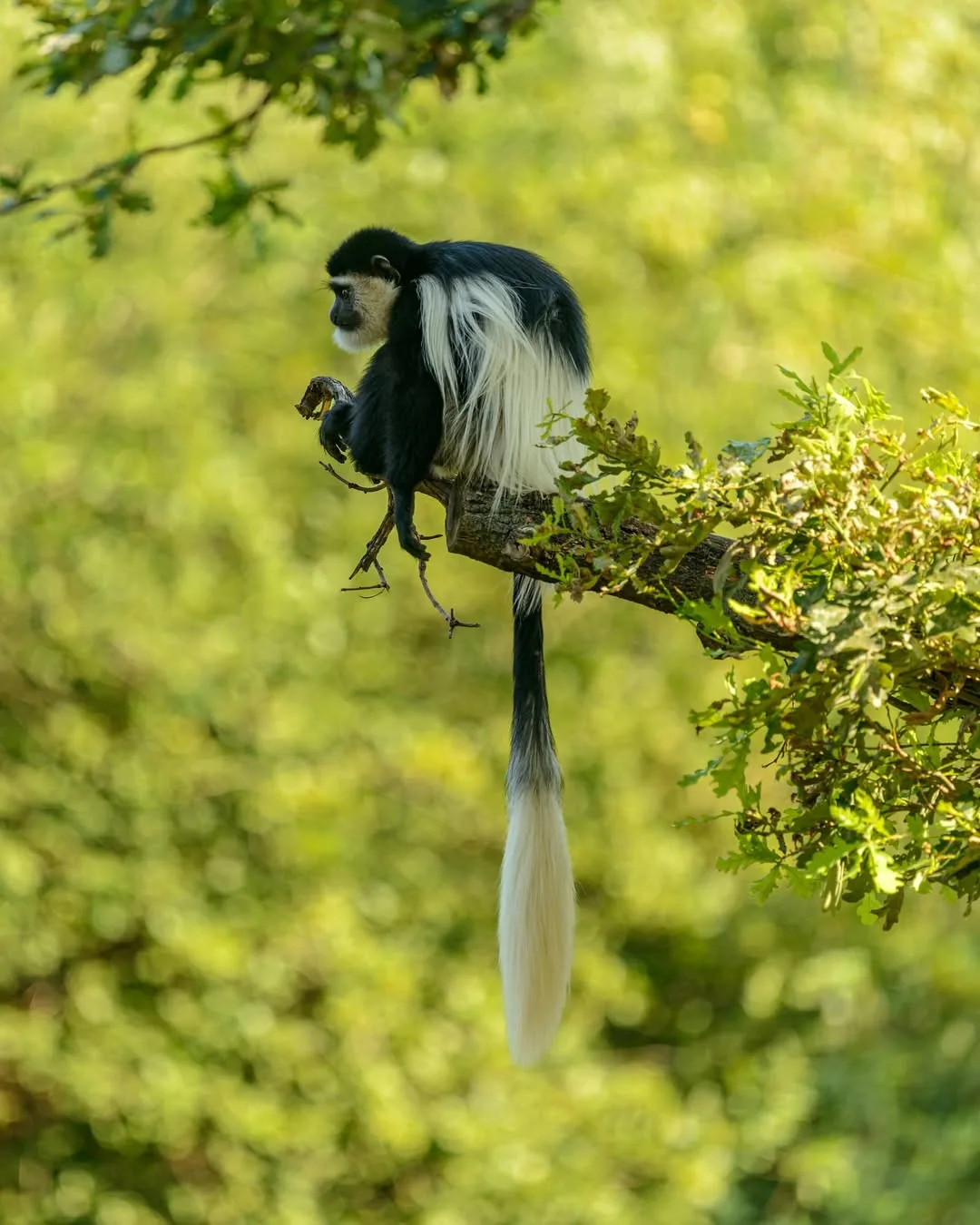
While the “Big Five” are the stars elsewhere, Arusha is the kingdom of the Black and White Colobus Monkey. These “Old World” monkeys are easily identified by their long, flowing white tails and lack of thumbs—an evolutionary trait for life in the canopy.
Blue Monkeys: Playful and curious, often found near the Ngurdoto Crater rim.
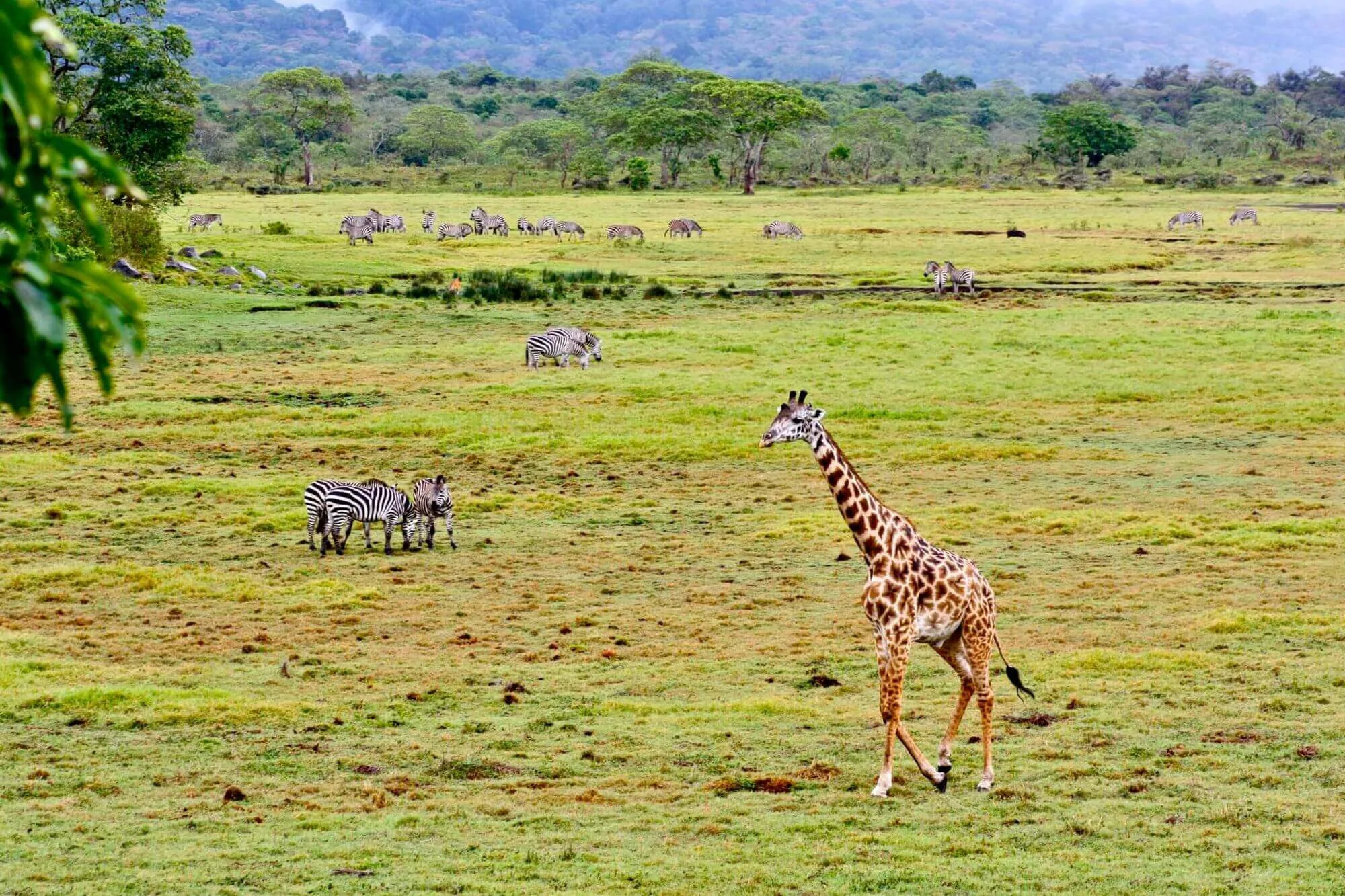
The “Mini-Serengeti”: A patch of open grassland near the entrance where zebras and buffaloes congregate in high densities.
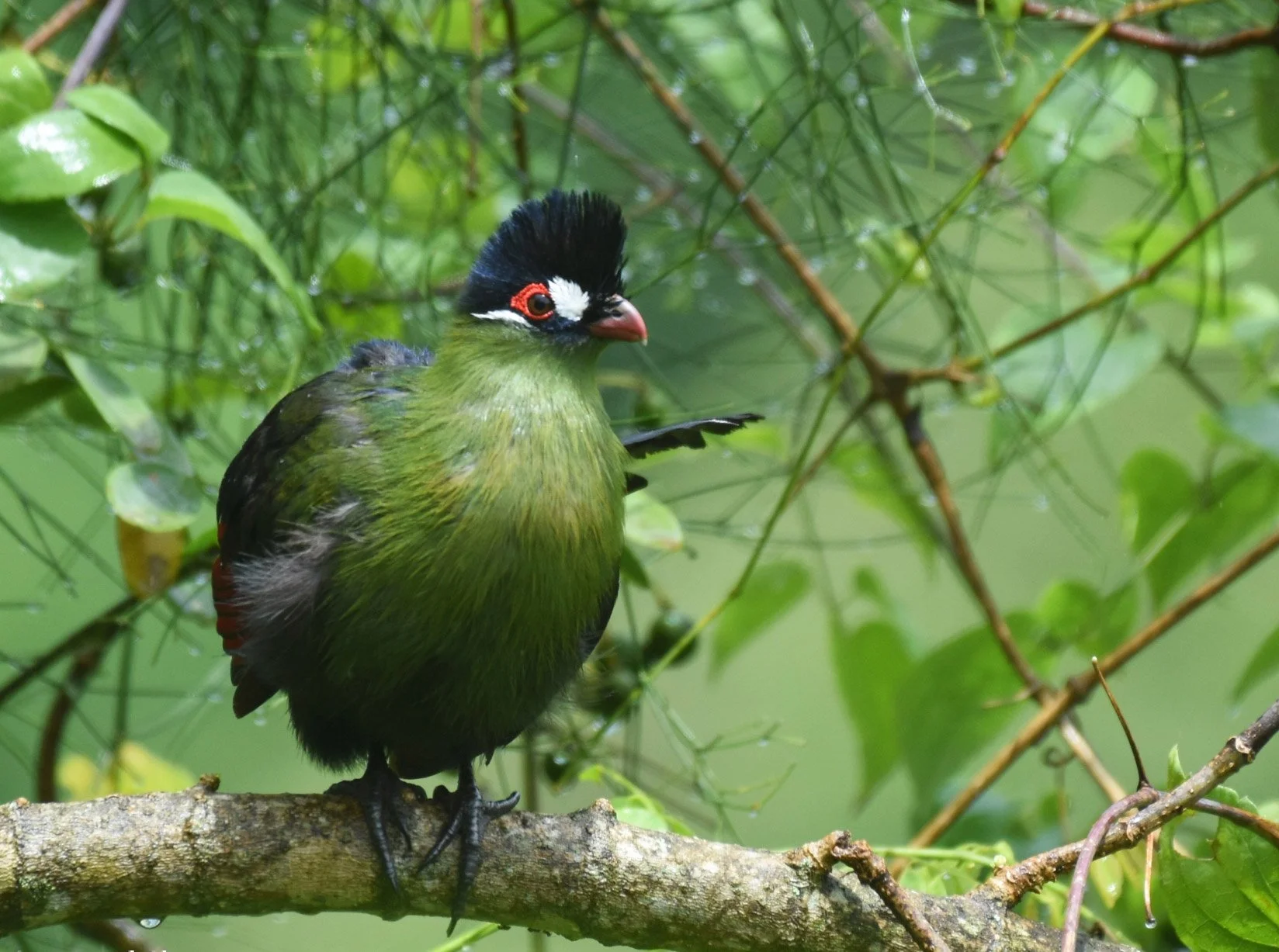
Birding Paradise: With over 400 species, keep an eye out for the Hartlaub’s Turaco, a bird with brilliant red wing feathers that are only visible when it flies.
Best Time to Visit and What to Pack
The dry season (June to October) is the best time for wildlife viewing as animals congregate around the lakes, while the wet season (November to May) offers the most stunning, emerald-green landscapes and the best birdwatching.
The Expert Packing List:
Binoculars: Essential for spotting the Colobus monkeys high in the canopy.
Neutral Clothing: Since you’ll be walking, wear tan, green, or grey to blend in.
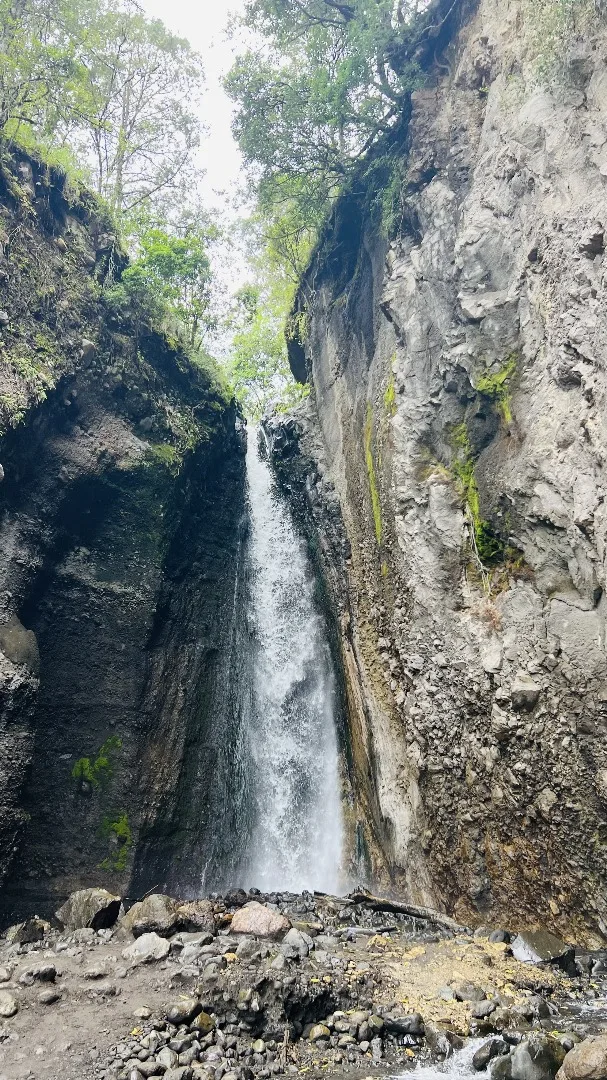
Sturdy Boots: The terrain near the waterfalls and crater rim can be slippery.
A Wide-Angle Lens: To capture the scale of Mount Meru.
The Ngurdoto Crater: "Little Ngorongoro"
Ngurdoto is a 3-kilometer wide volcanic caldera surrounded by dense forest. While humans are not allowed on the crater floor, the rim offers spectacular viewpoints looking down onto a “lost world” of swamps and grasslands.
We often see old bull elephants (known as “tuskers”) grazing in the center of the crater. It’s a peaceful, prehistoric scene that looks exactly as it did thousands of years ago.
How to Get There
Arusha National Park is located just 45 minutes from Arusha city and 35 minutes from Kilimanjaro International Airport (JRO). This makes it the perfect “Day One” activity for any traveler landing in Tanzania.