
Tanzania National Parks
The 15 Best Tanzania National Parks: Complete Travel Guide
Tanzania is home to some of the most spectacular wildlife areas in Africa. From endless savannahs filled with migrating herds to lush forests hiding rare primates, the country offers an unmatched safari experience.
This guide explores the 15 best Tanzania national parks, highlighting what makes each park special, what wildlife you can expect to see, and how to choose the right park for your safari adventure.
As your safari experts at Tanzania Safari Experience, we’ve carefully selected these parks based on wildlife diversity, scenery, and overall visitor experience.
Why Tanzania National Parks Are World-Class
Tanzania has set aside over a quarter of its land for conservation. This commitment protects ecosystems that support large populations of wildlife, including the Big Five and countless bird species.
What makes Tanzania truly special is the variety:
Vast open plains
Volcanic craters
Remote wetlands
Tropical forests
Alpine mountains
Each national park offers a completely different safari atmosphere.
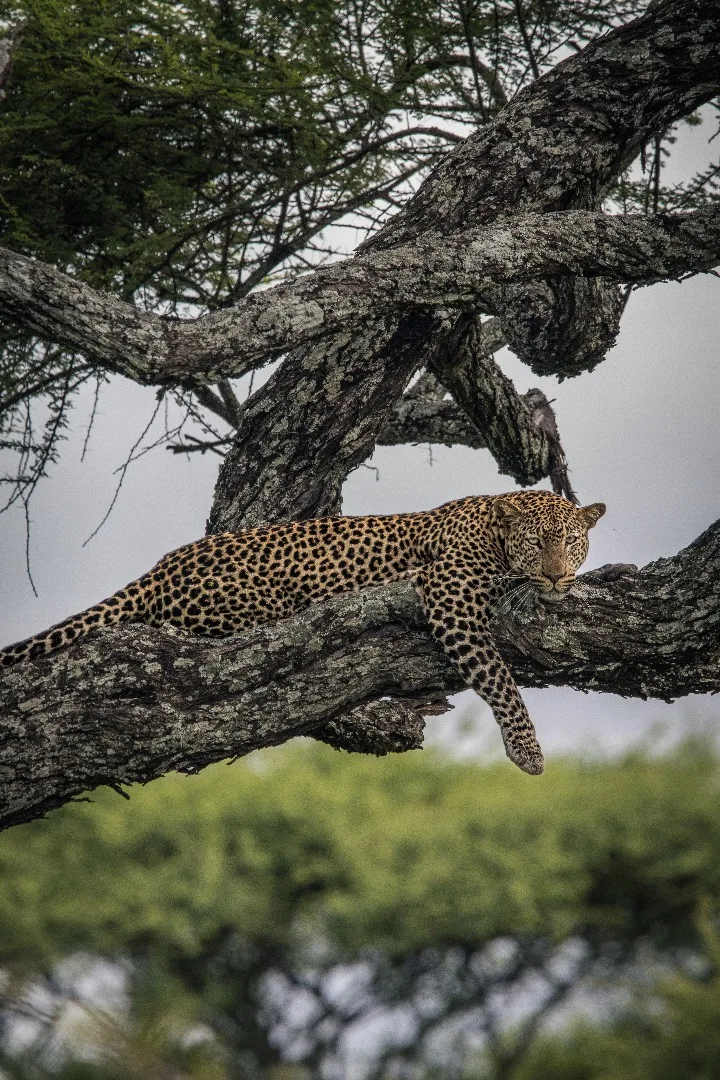
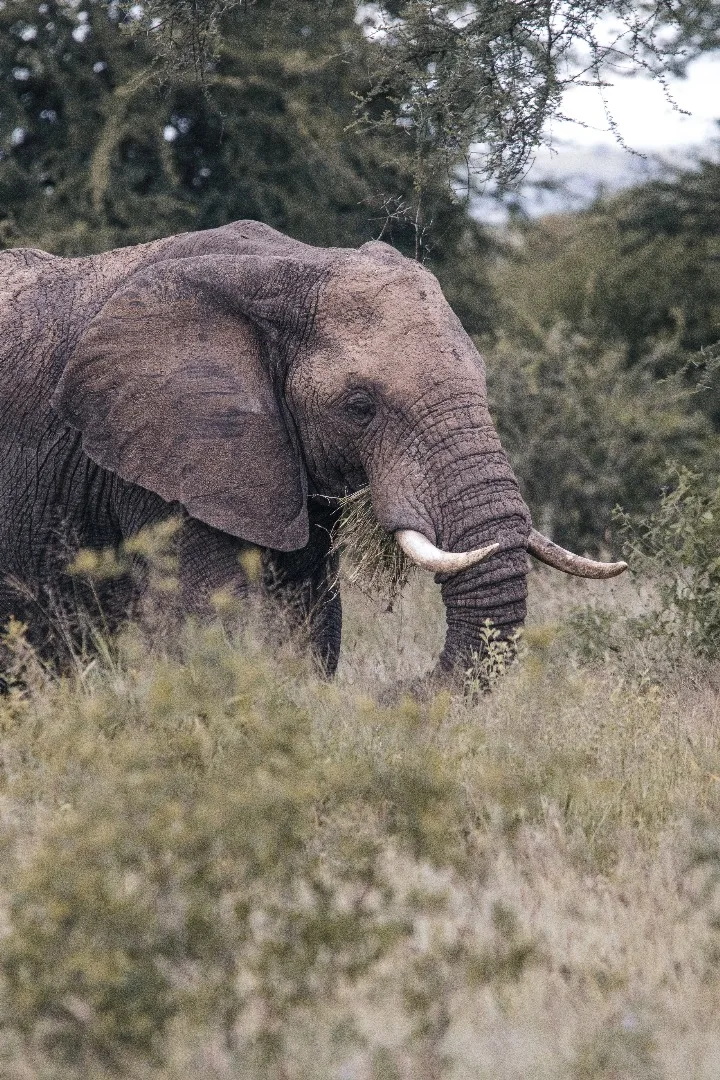
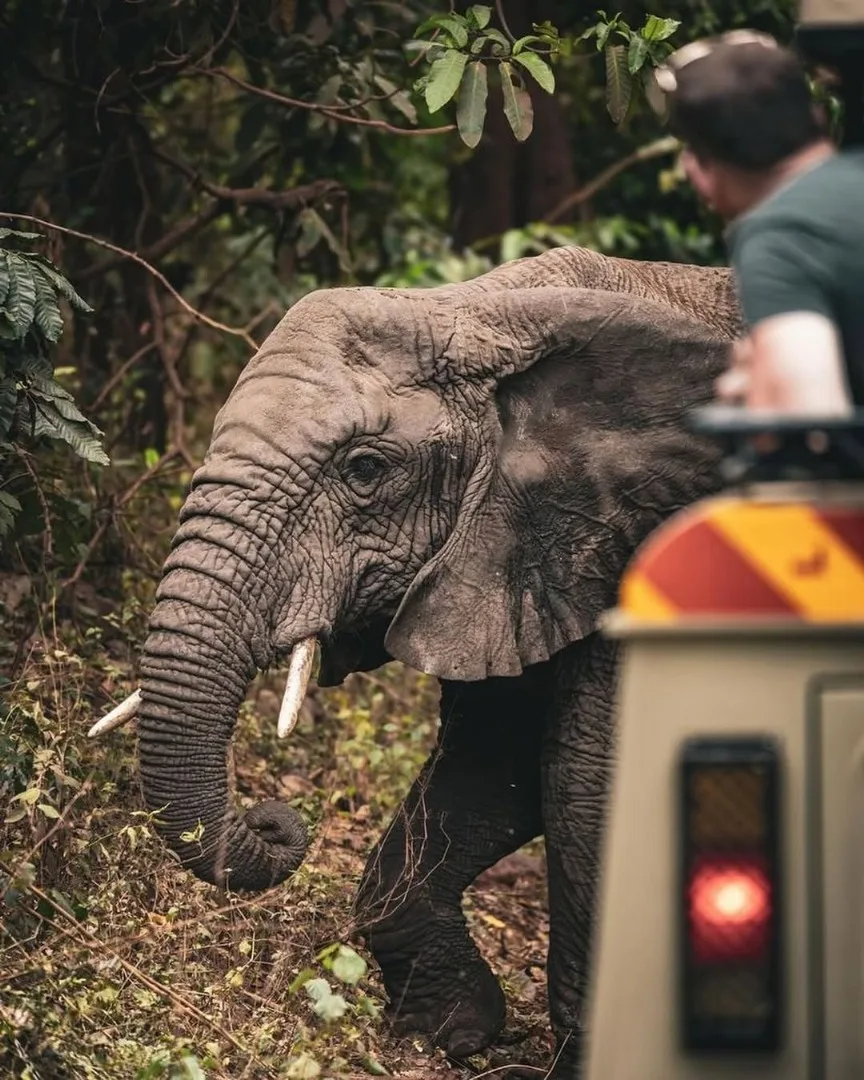
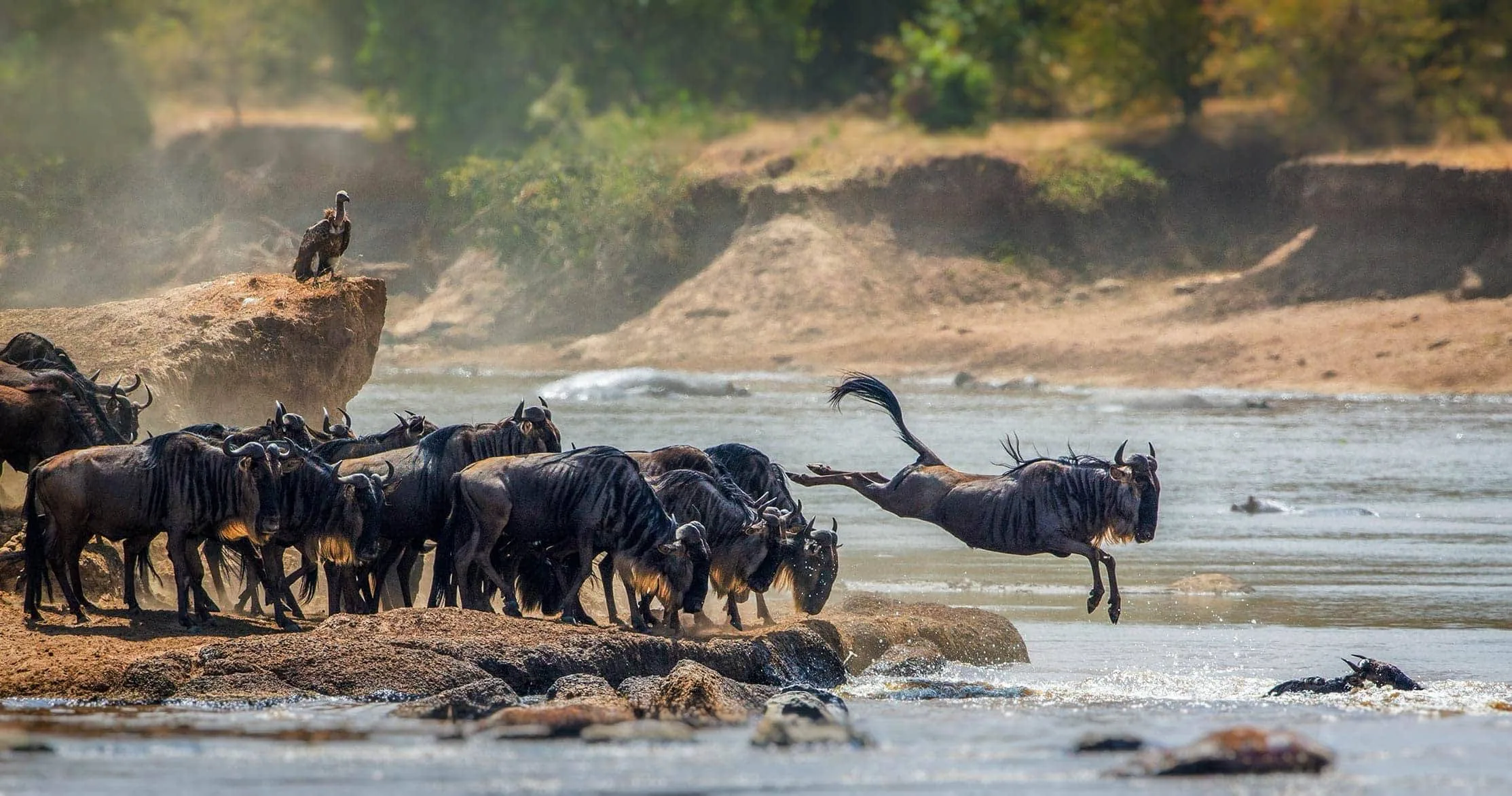
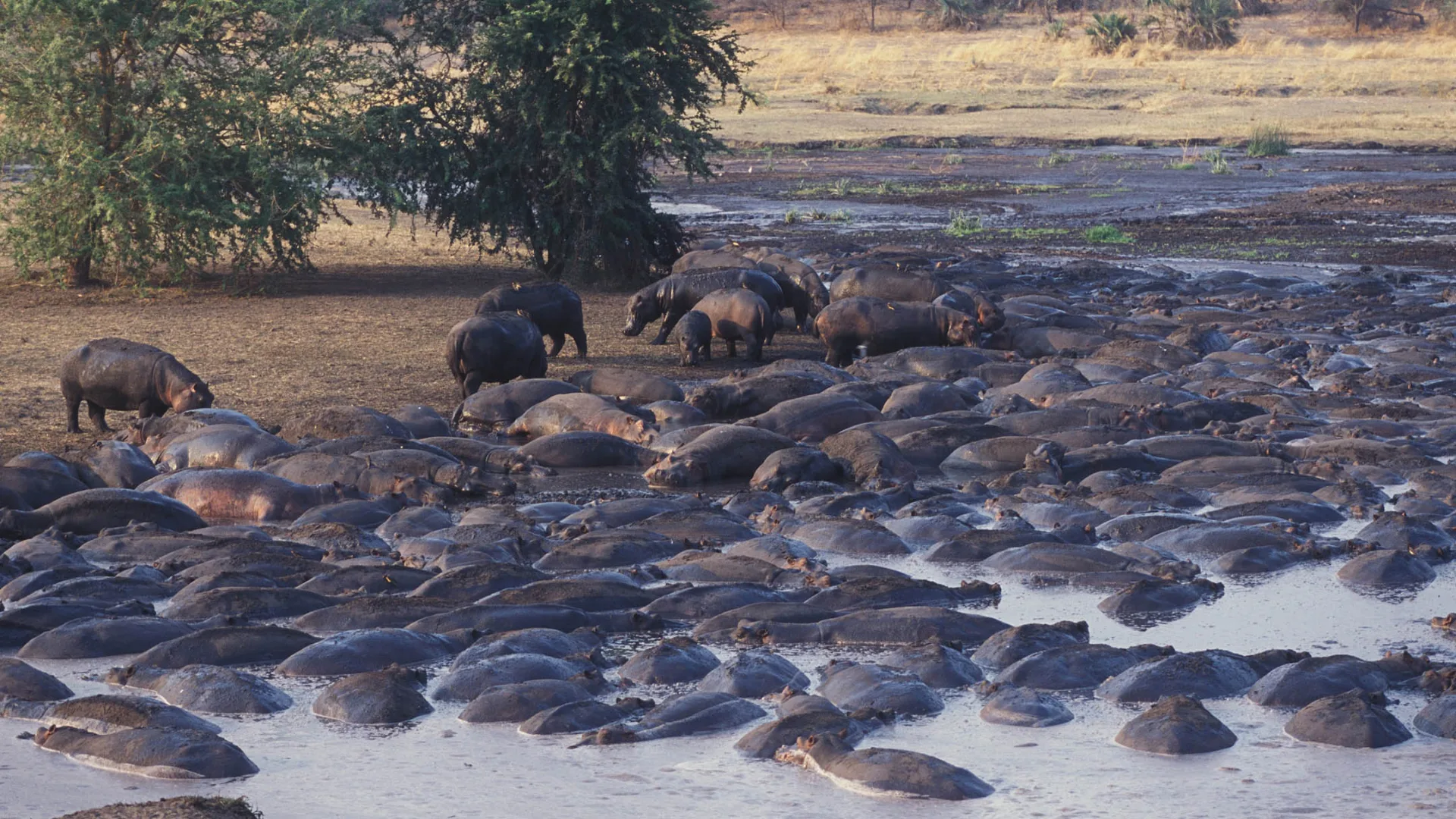
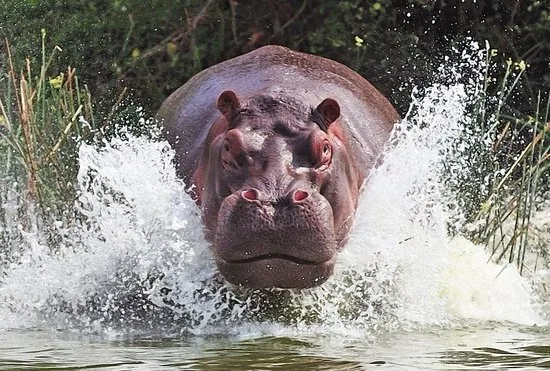
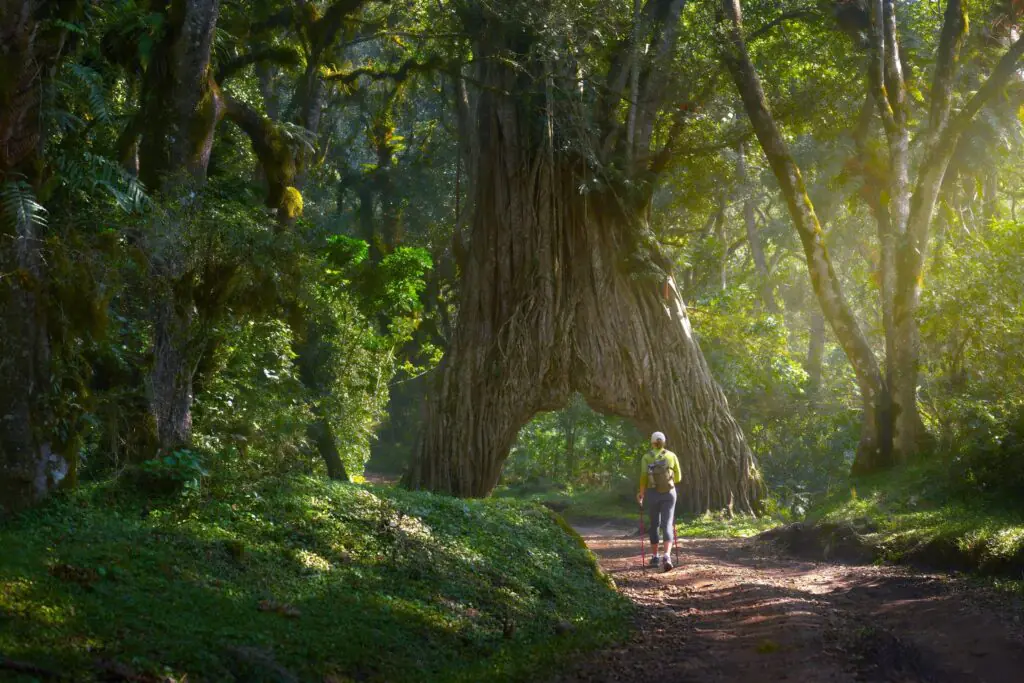
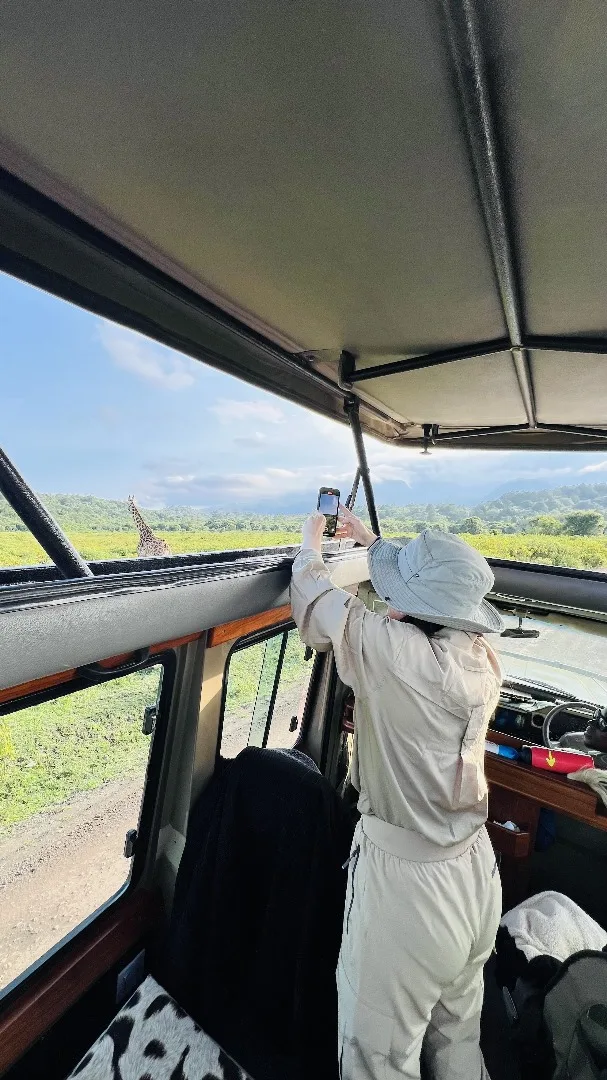
Tanzania Safari Experience Photo Gallery – What You’ll See
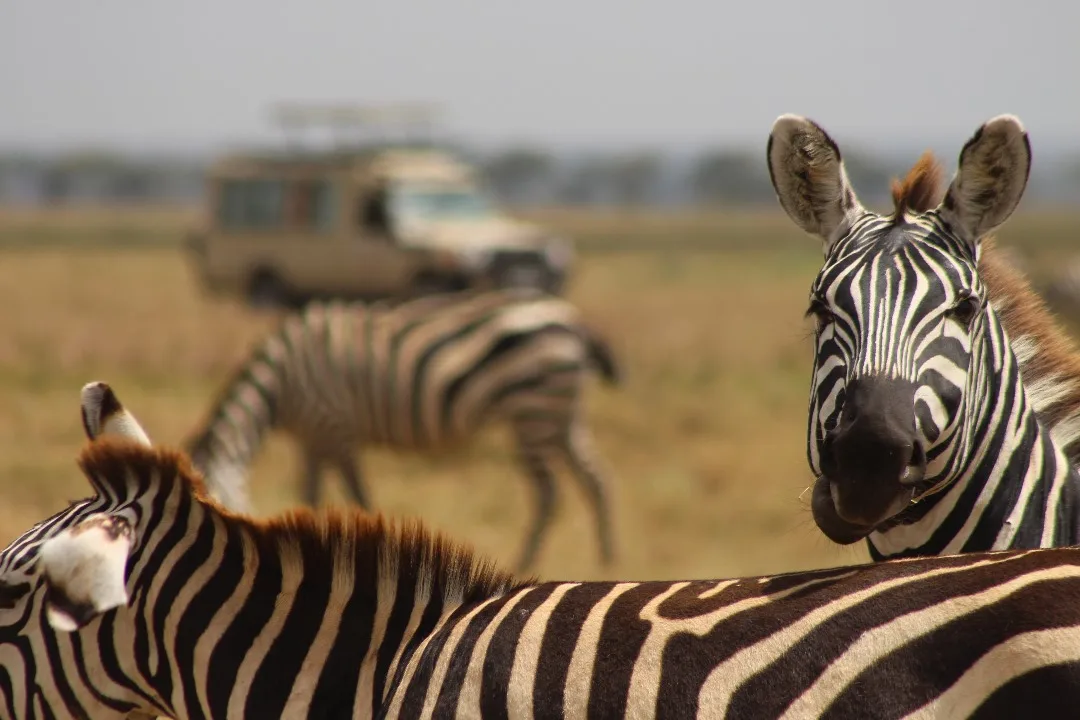
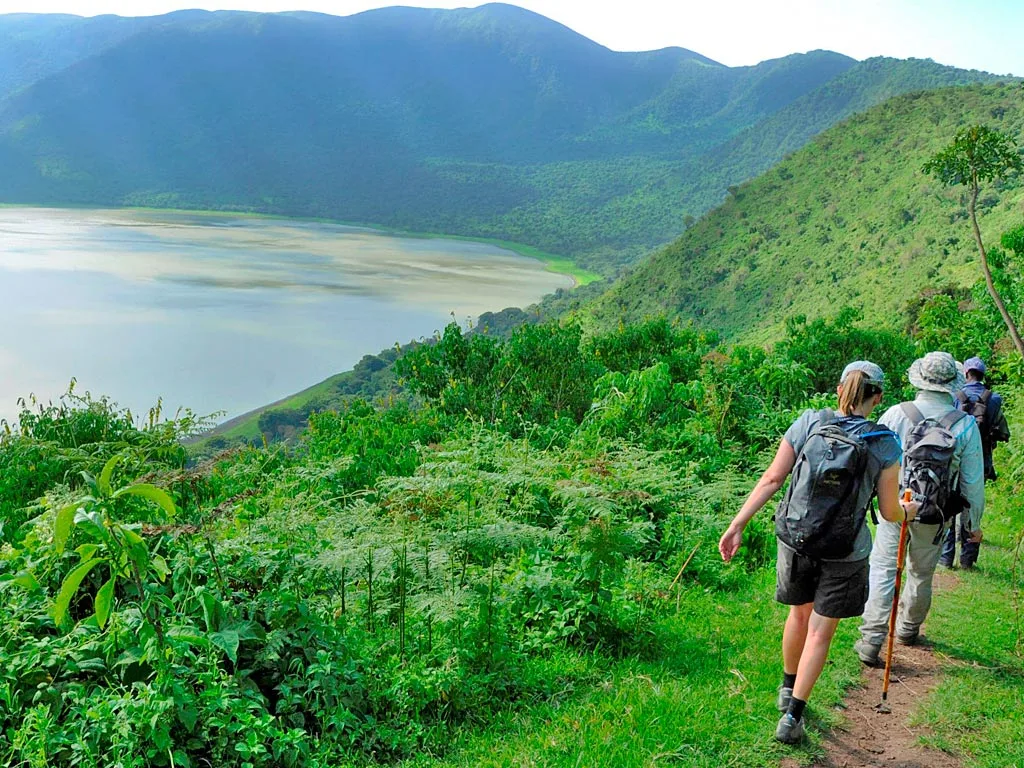
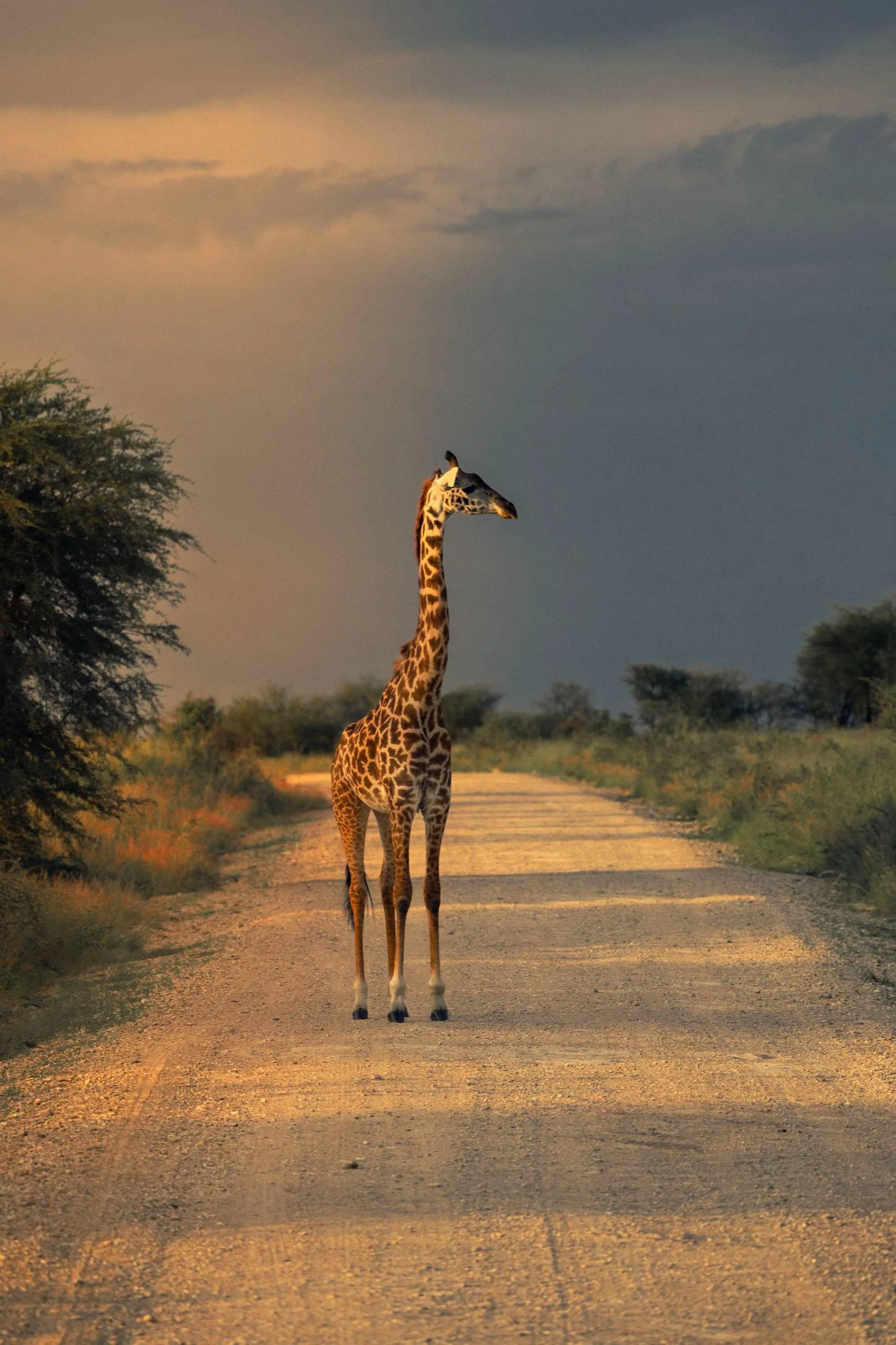
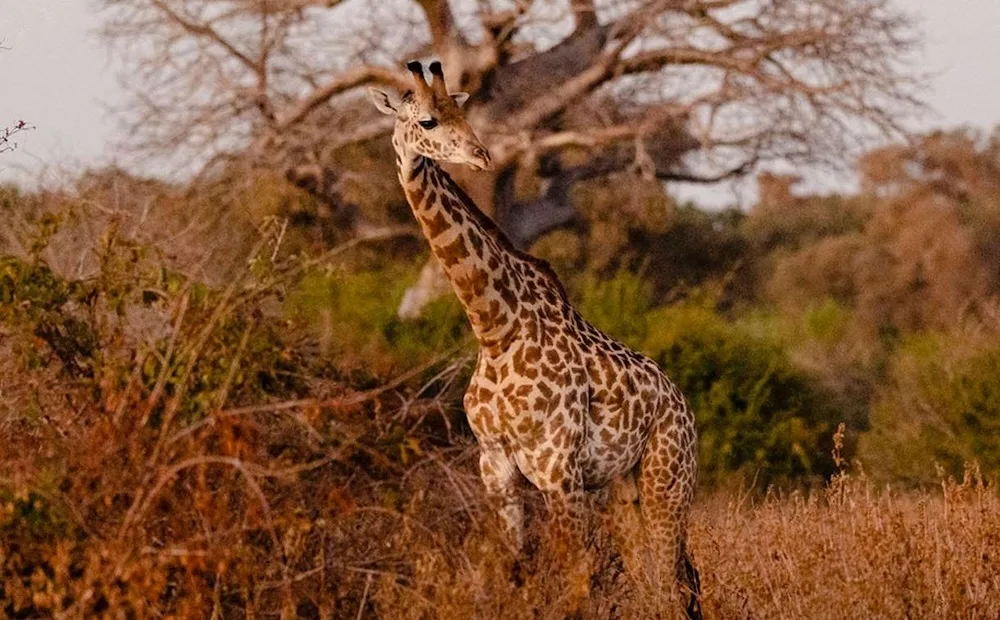
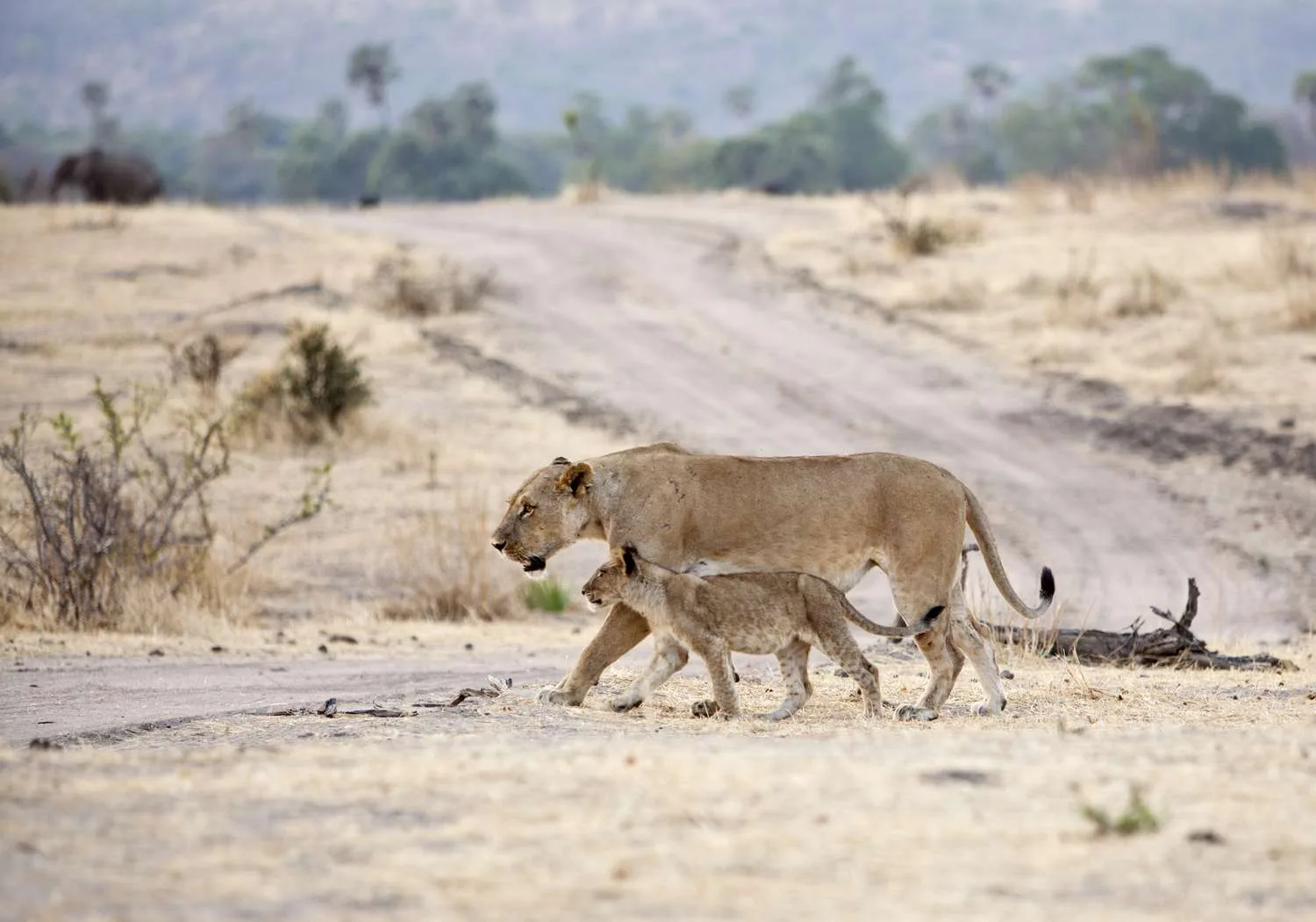
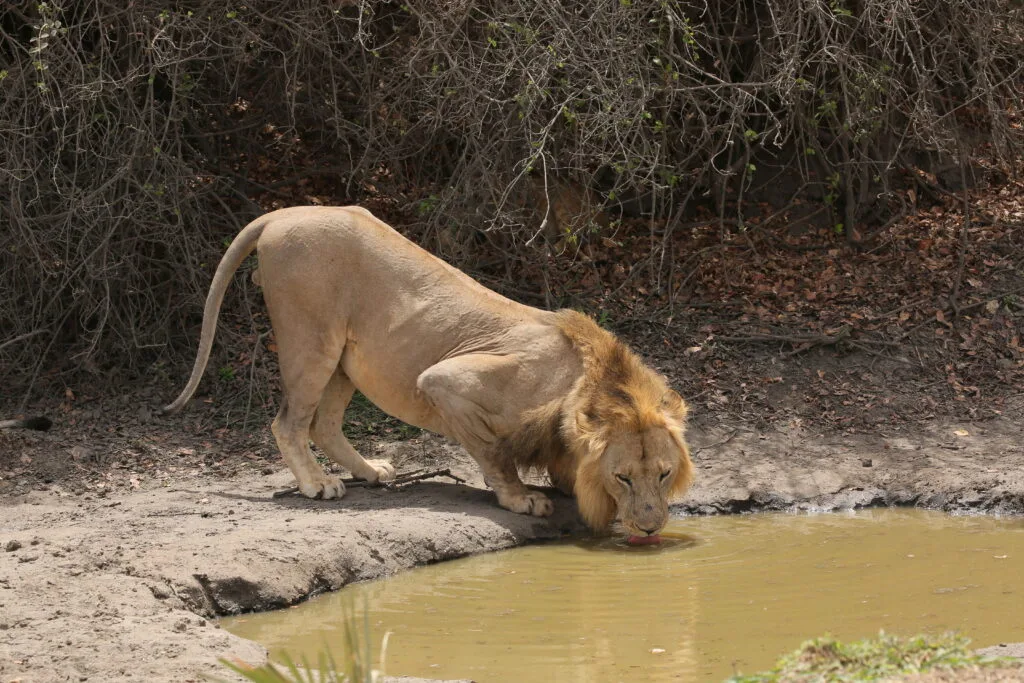
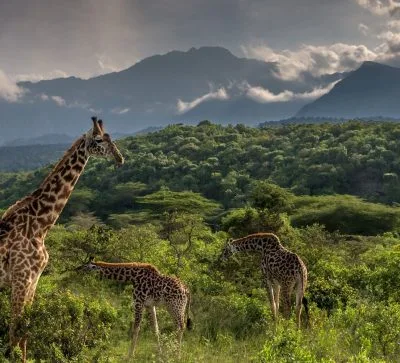
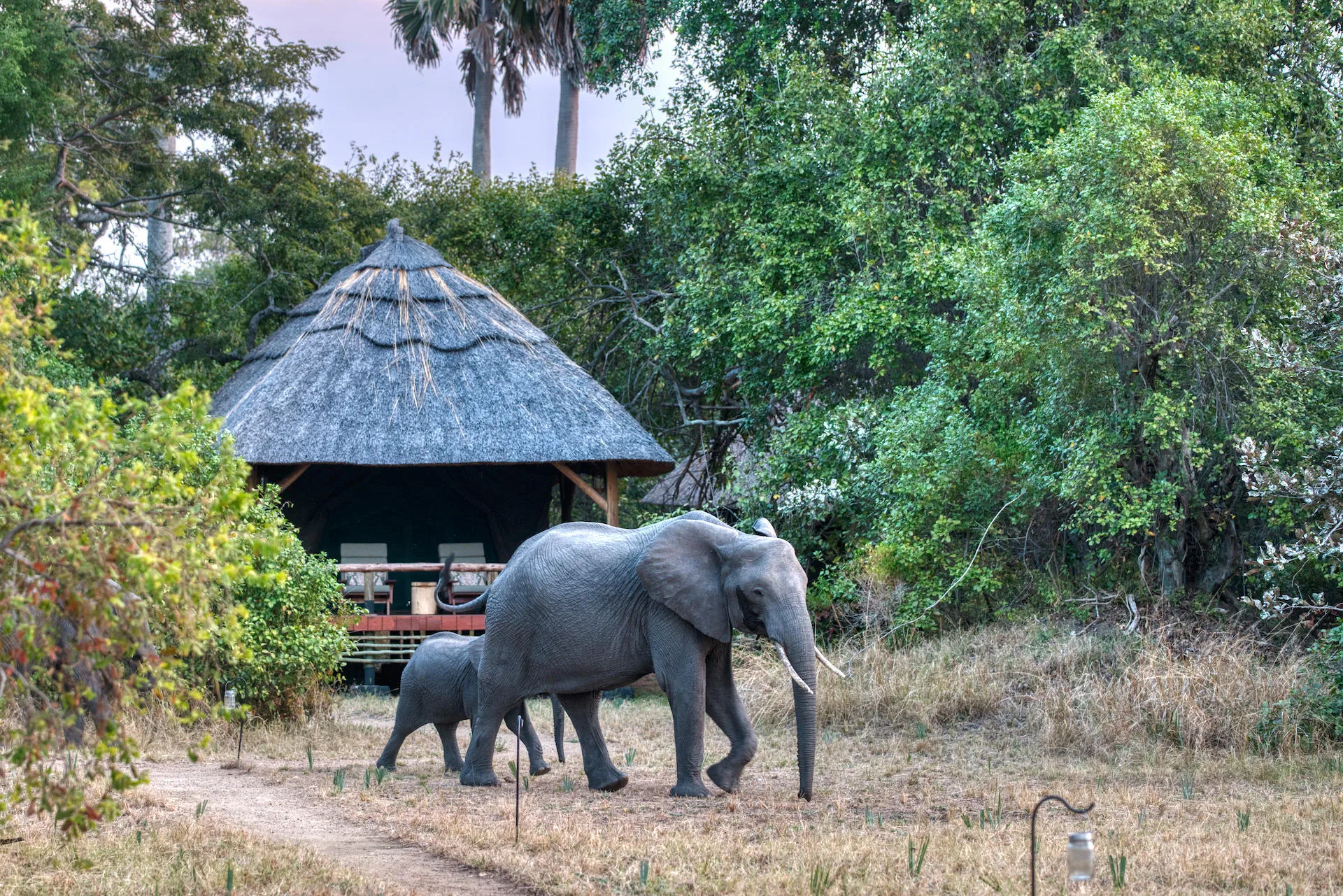
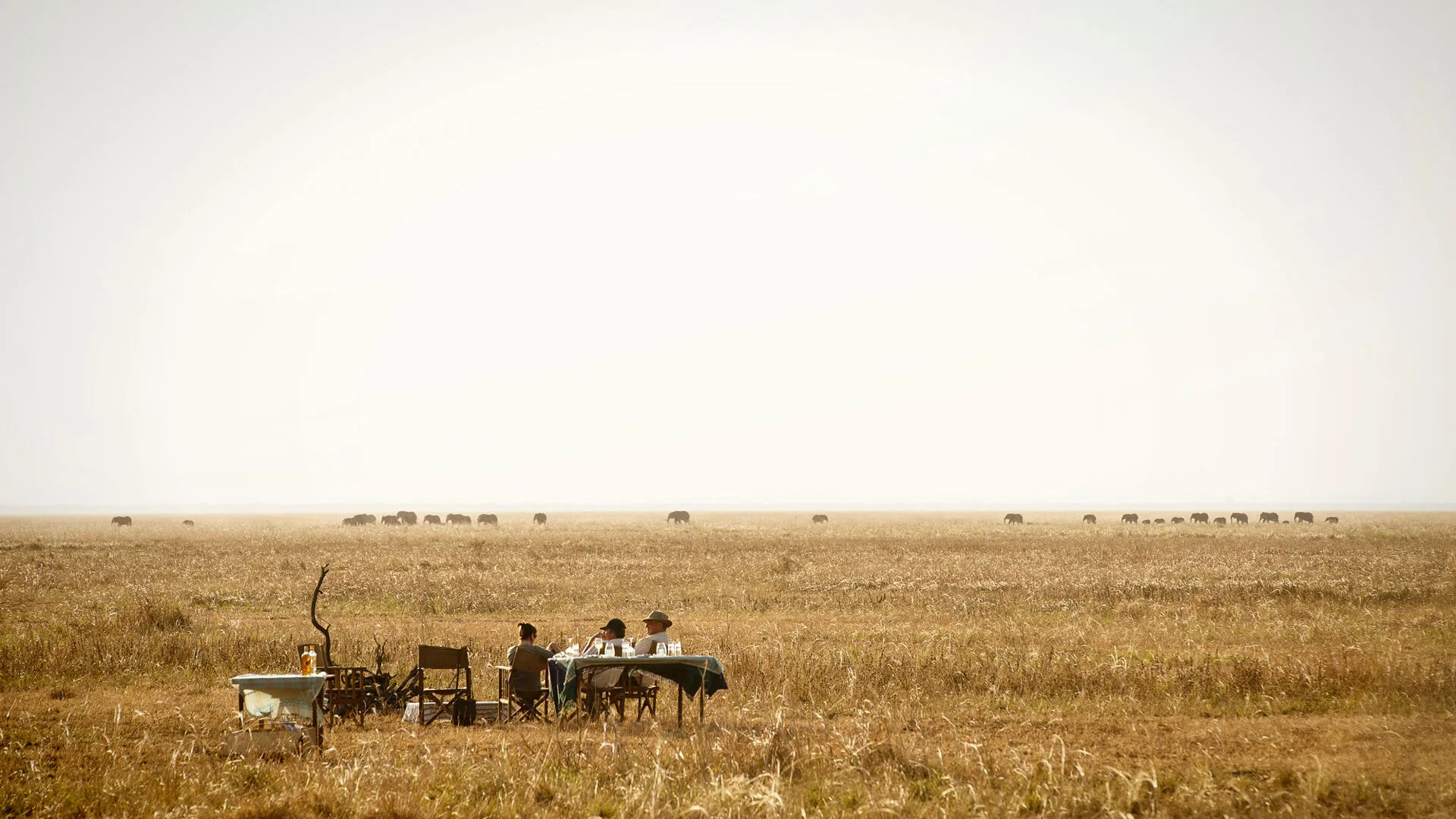
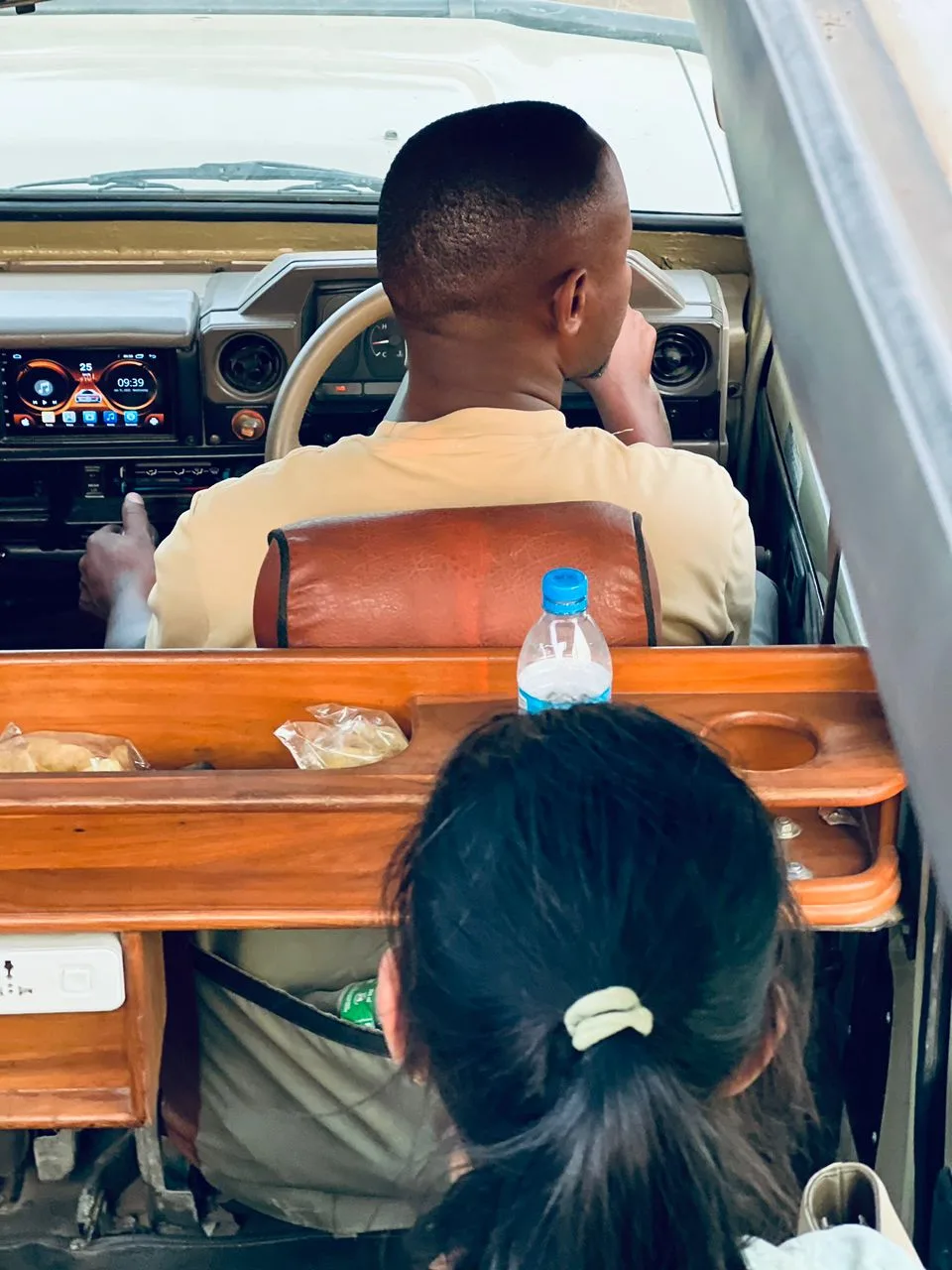
These are real photos from our clients on their Tanzania safaris. They show the wildlife, landscapes, and special moments you can experience on your own safari adventure.
Expert recommendation
For a quick yet unforgettable trip of 1 to 3 days, stick to the accessible Northern highlights like Tarangire or Ngorongoro Crater to maximize your wildlife viewing and minimize travel time. If you have a standard 4 to 6 days, you can comfortably conquer the “Classic Safari” by including the legendary Serengeti, allowing for two nights deep in the savannah to witness the big cats in action. For true enthusiasts with 7 to 10+ days, you have the luxury to explore the remote Western or Southern gems like Ruaha or Mahale, where the crowds disappear and the raw wilderness takes center stage—whatever your timeline, Tanzania Safari Experience can help you pick the perfect destination among THE 15 BEST Tanzania National Parks to fit your schedule.
Laurent Karume
Tanzania Safari Specialist
Tanzania National Parks Highlights
- Home to world-famous wildlife areas like the Serengeti and Ngorongoro Crater
- Incredible Big Five sightings and the Great Wildebeest Migration
- Diverse landscapes, from open savannahs and volcanic craters to forests and beaches
- Mix of iconic parks and remote wilderness with fewer crowds
- Best explored on expertly guided safaris with Tanzania Safari Experience
At a glance
- Tanzania
- Safari
Tailormade itineraries
Every Tanzania Safari Experience adventure is customized just for you—no fixed tours or set dates. Speak with our Tanzania Safari experts to help you plan your perfect Tanzania Safari itinerary.
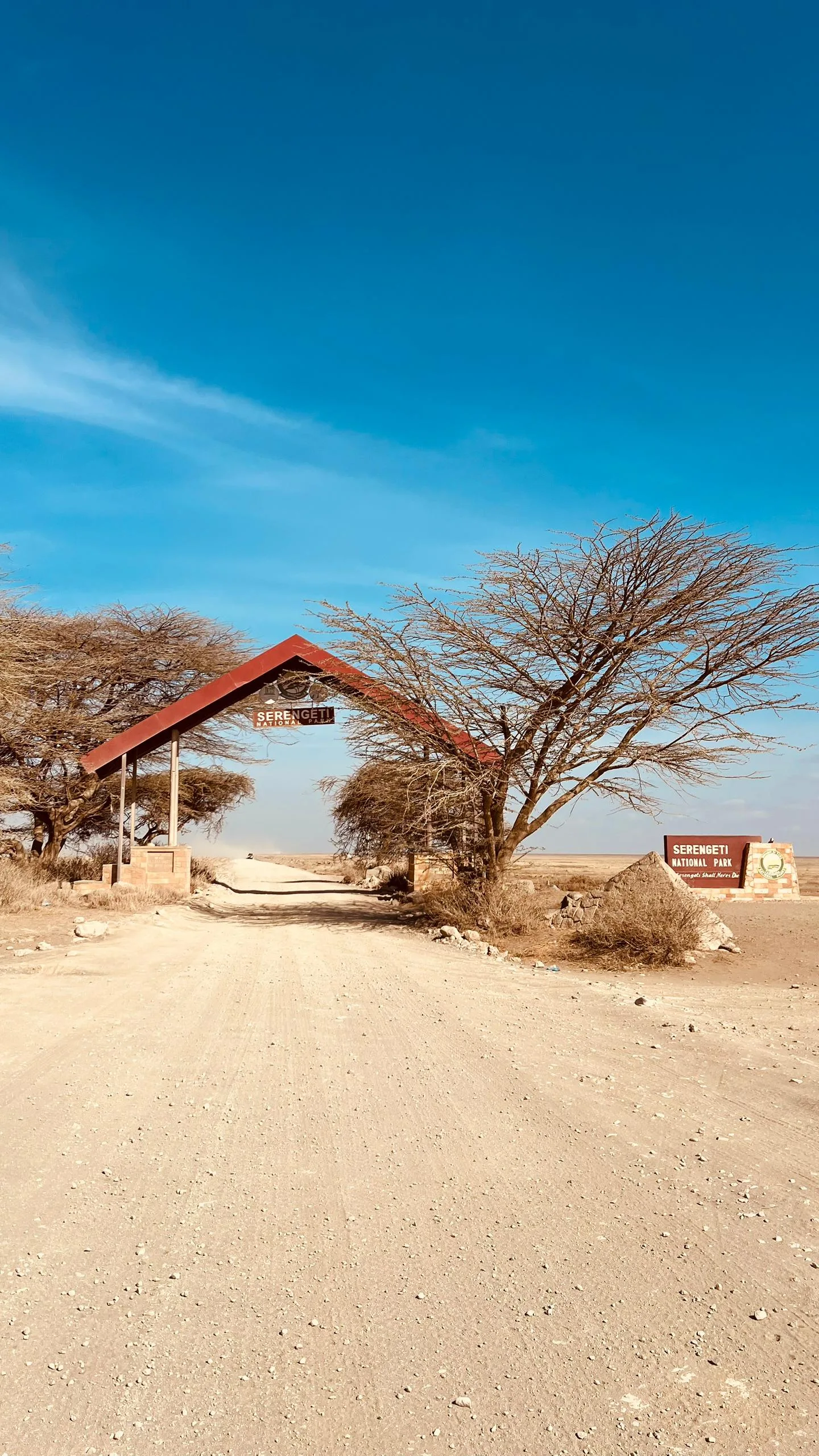
1. Serengeti National Park
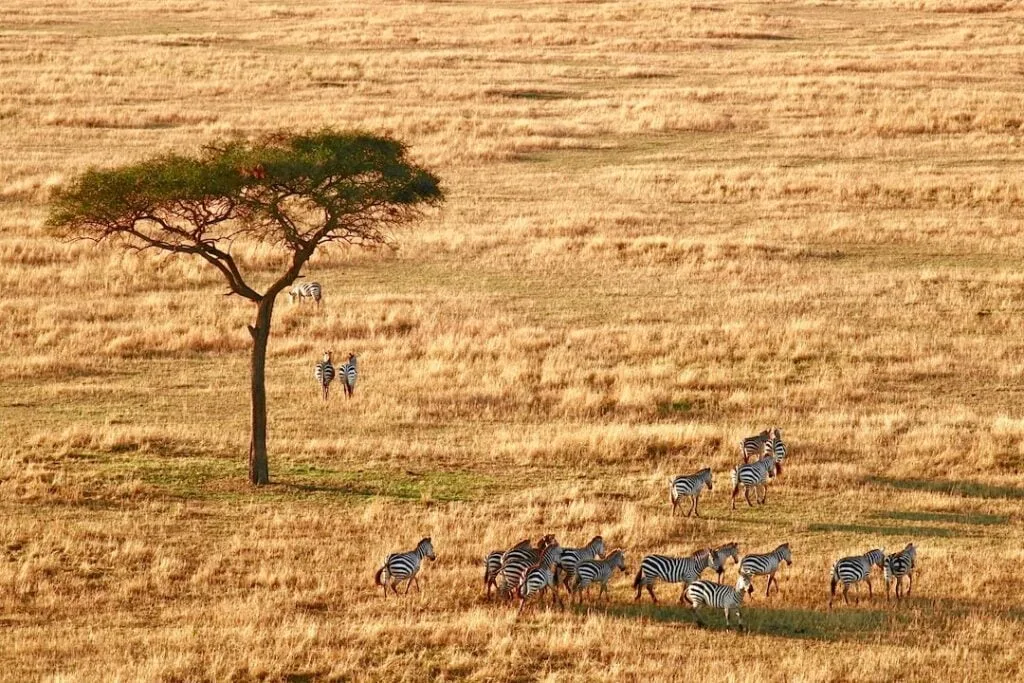
Serengeti National Park is the crown jewel of Tanzania and one of the most famous wildlife parks on Earth.
It is best known for the Great Migration, where over two million wildebeest, zebra, and gazelle move across the plains in search of fresh grass.
Wildlife highlights
Lions, cheetahs, leopards
Massive herds of herbivores
Crocodiles during river crossings
Best for: First-time safari visitors and photographers
2. Ngorongoro Crater (Conservation Area)
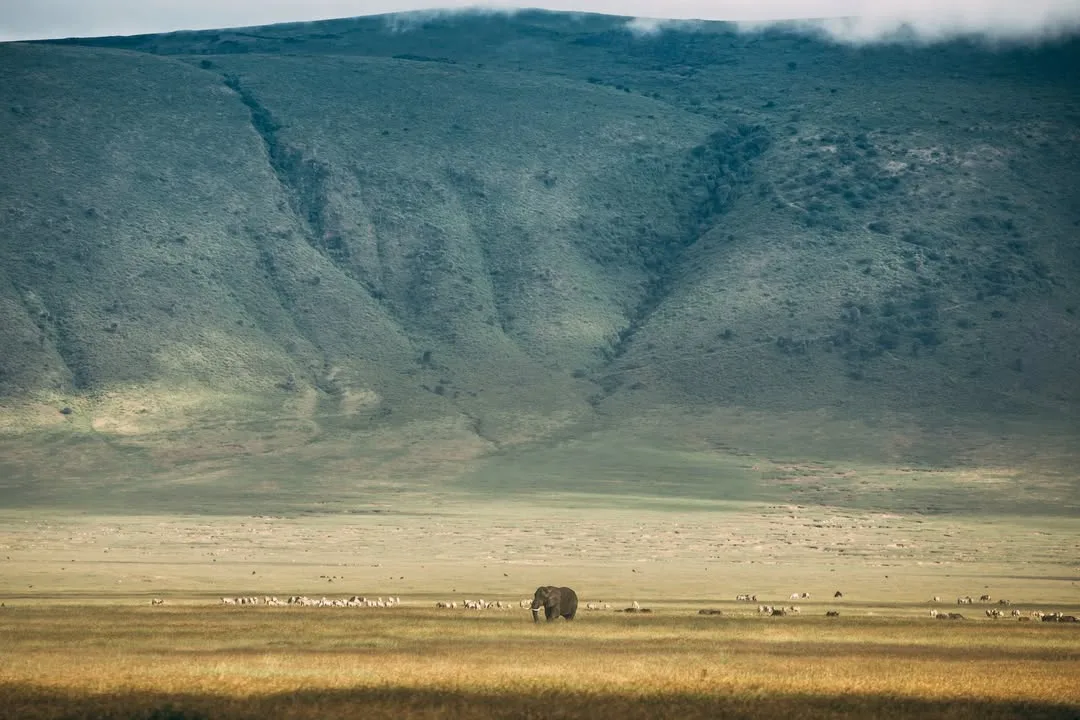
The Ngorongoro Crater is the world’s largest intact volcanic caldera and one of Africa’s most unique safari destinations.
Despite its compact size, the crater floor supports an incredible density of wildlife.
Wildlife highlights
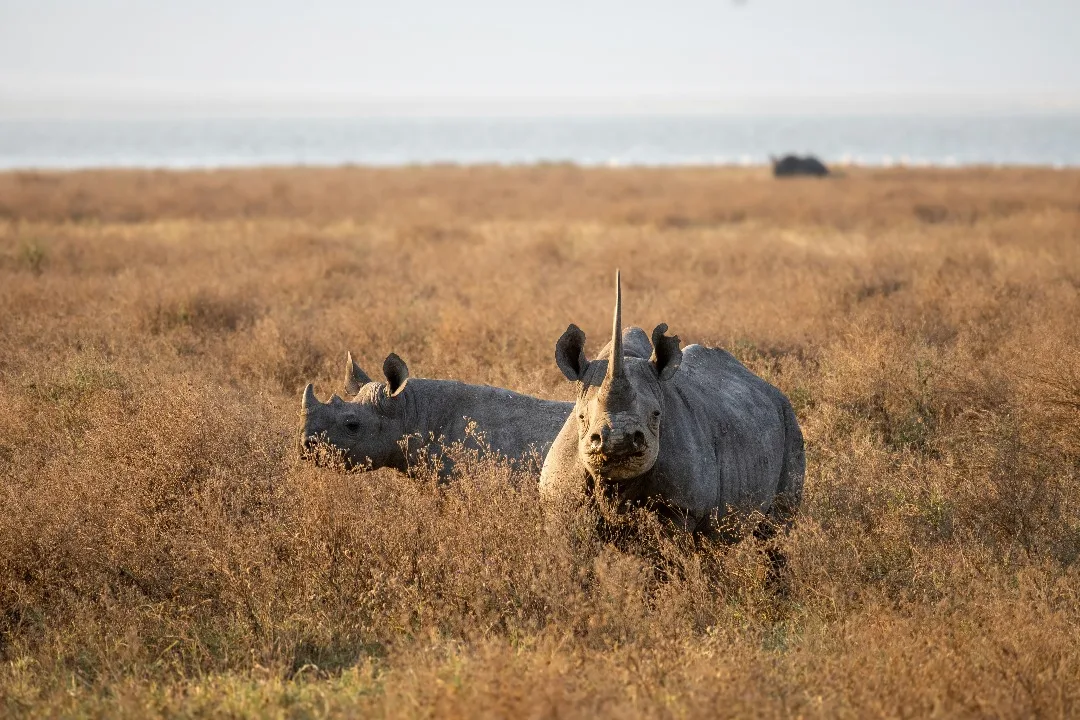
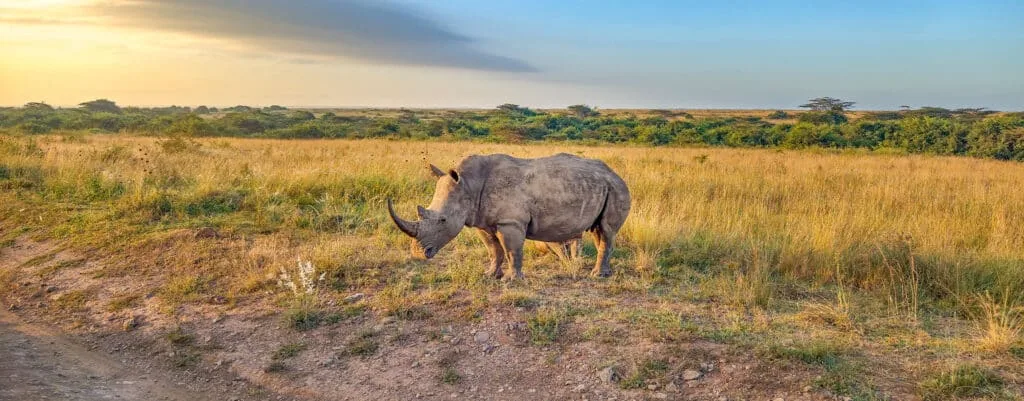
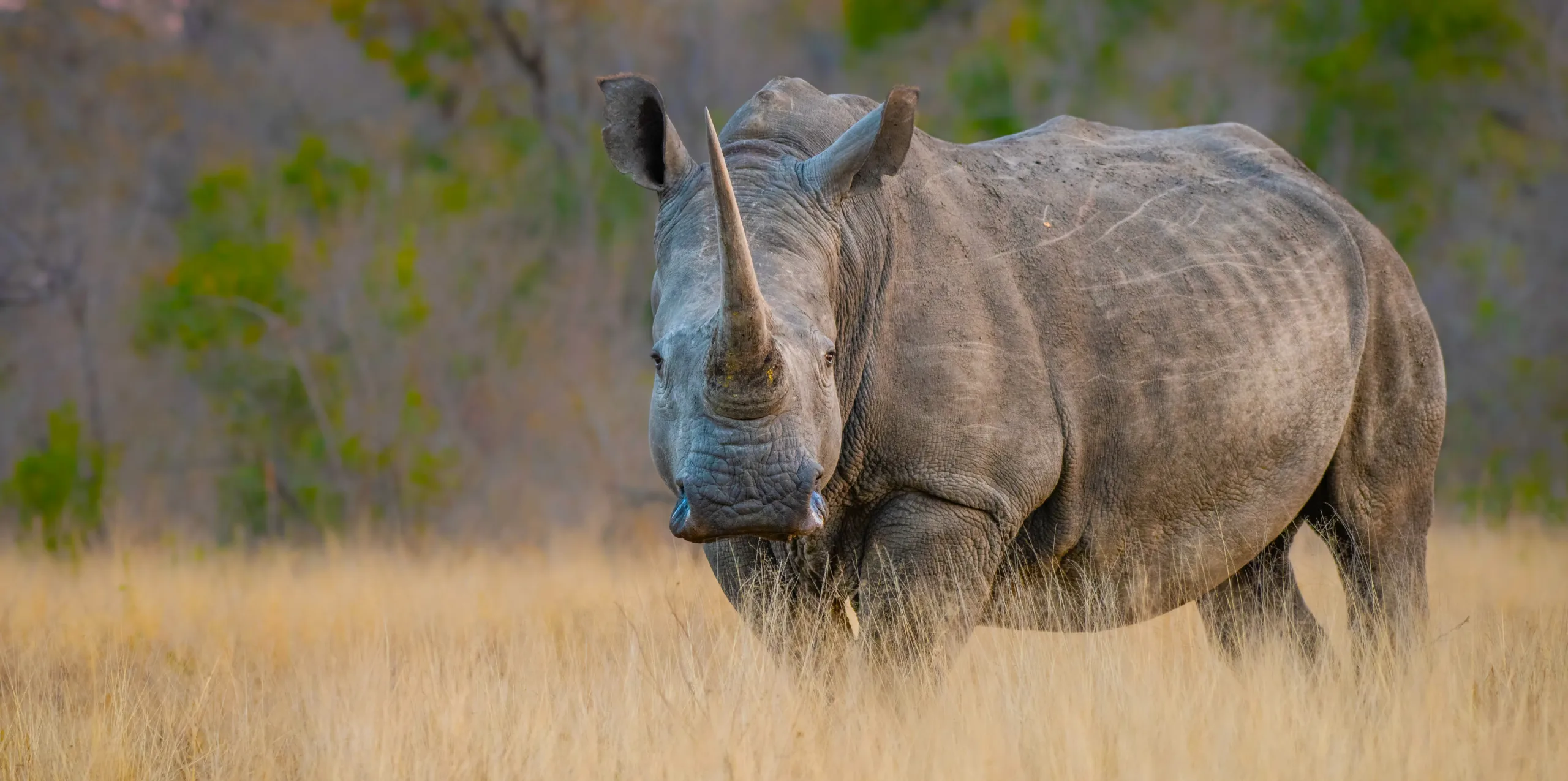
Black rhino
Large lion prides
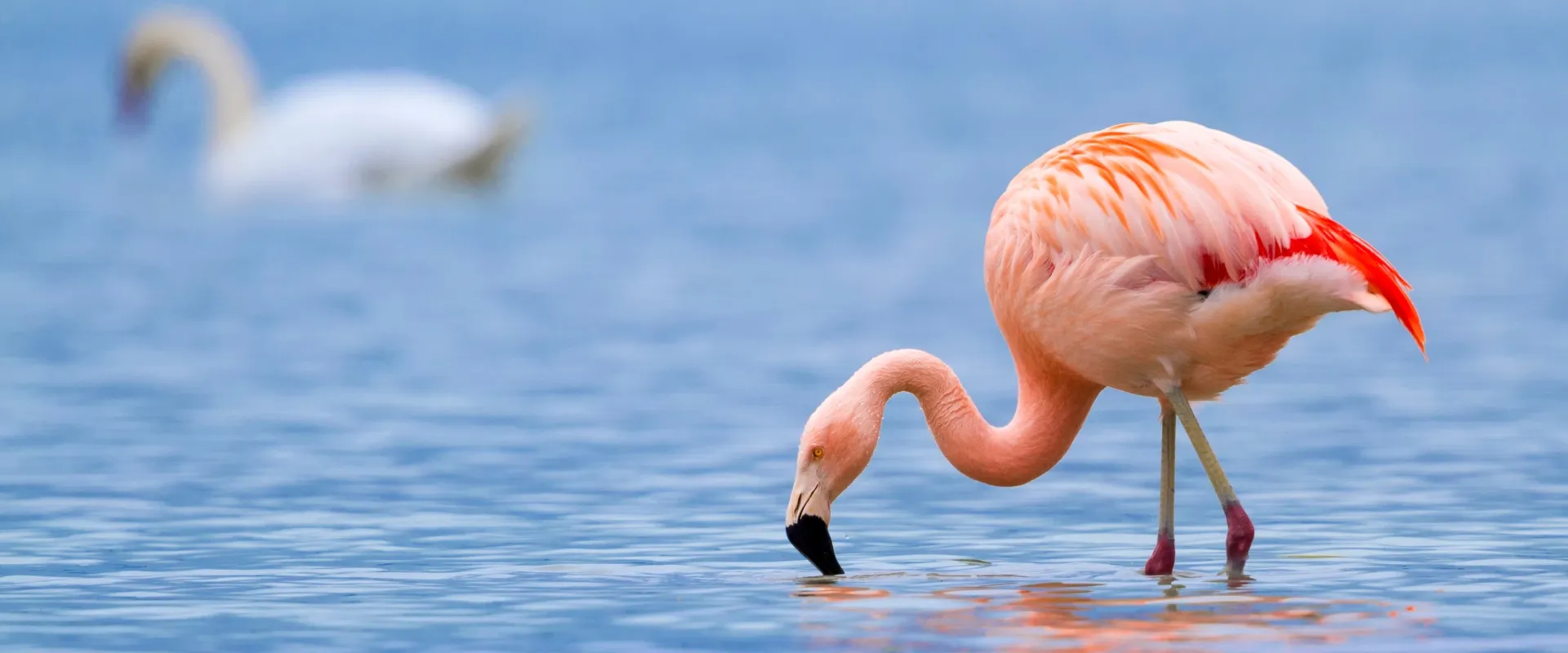
Flamingos at Lake Magadi
Best for: Big Five sightings in a short time
3. Tarangire National Park
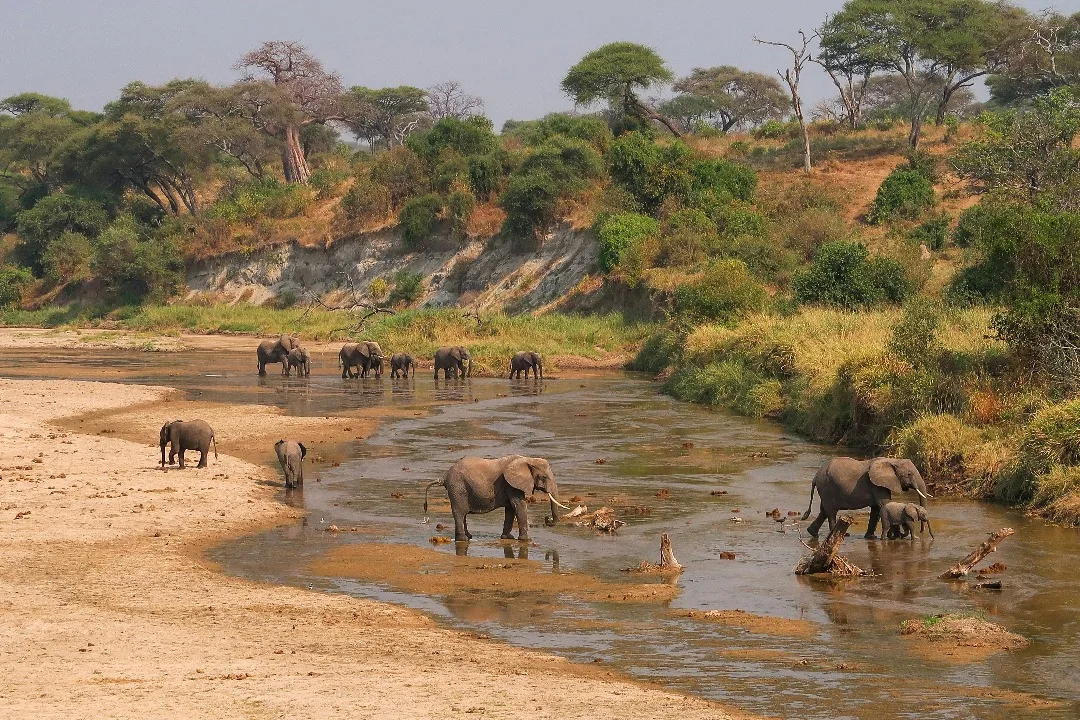
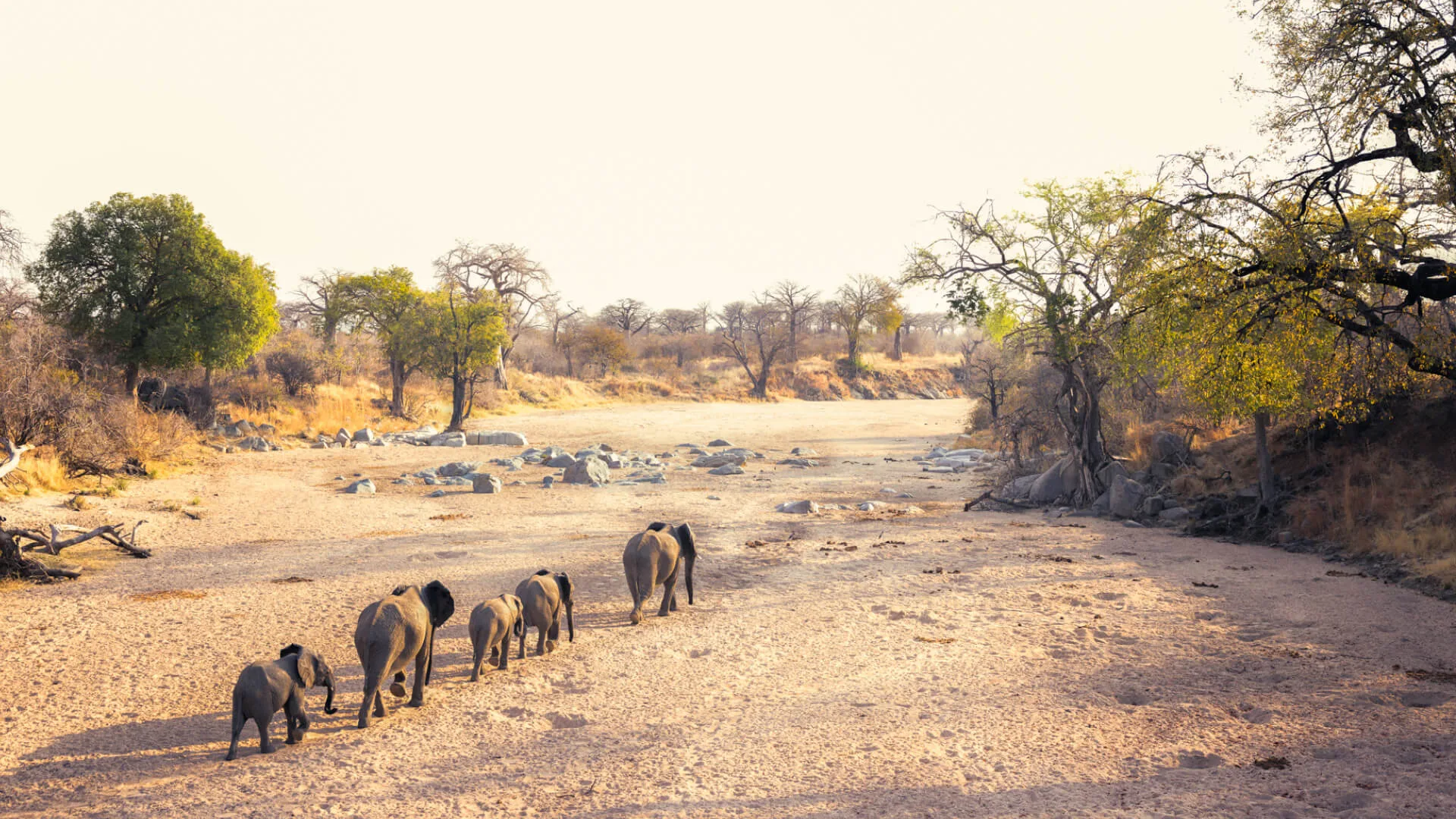
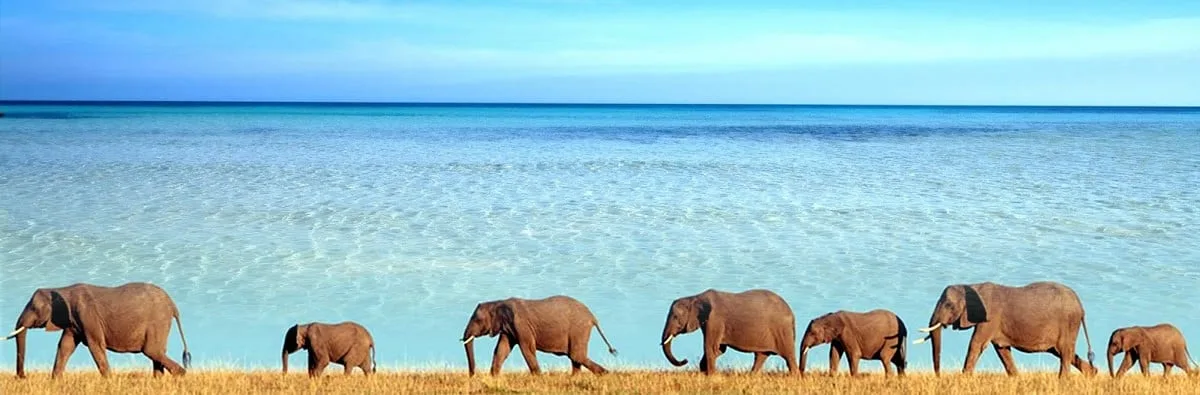
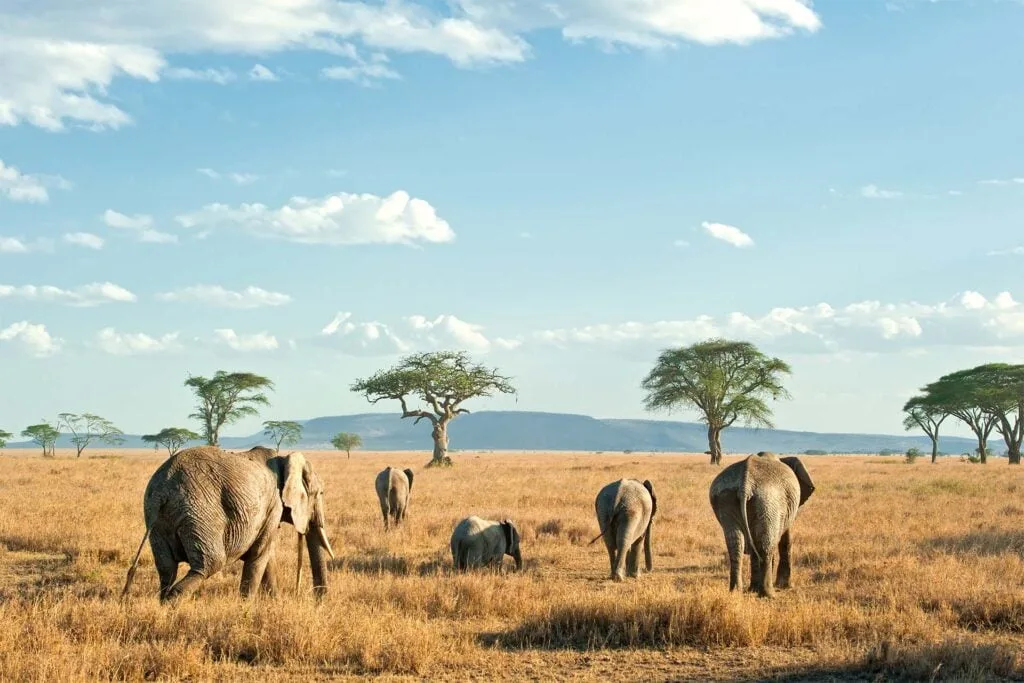
Tarangire National Park is famous for its giant baobab trees and large elephant herds.
During the dry season, animals gather along the Tarangire River, creating excellent game-viewing opportunities.
Wildlife highlights
Elephants in large numbers
Giraffes and buffalo
Rare antelope species
Best for: Dry-season safaris and elephant lovers
4. Lake Manyara National Park
Lake Manyara National Park may be smaller than others, but it offers remarkable diversity.
The park is known for its groundwater forest, open plains, and alkaline lake.
Wildlife highlights
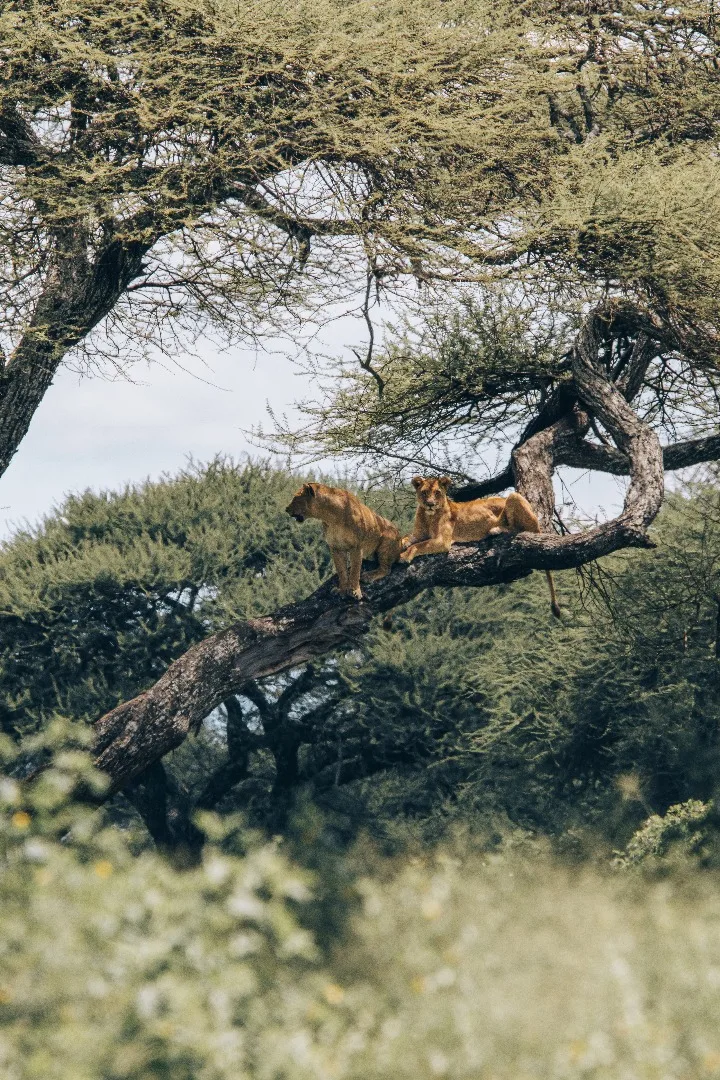
Tree-climbing lions
Hippos and baboons
Flamingos along the lake shore
Best for: Scenic beauty and short safaris
5. Ruaha National Park
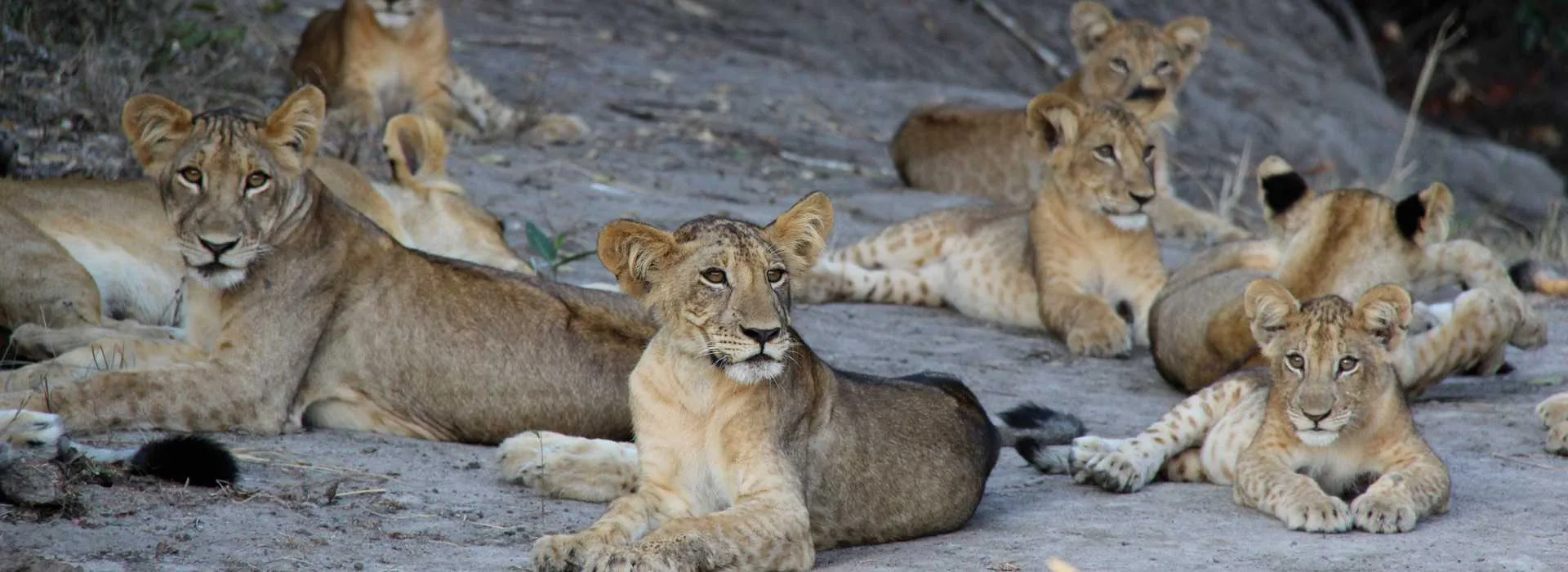
Ruaha National Park is Tanzania’s largest national park and one of its most underappreciated. Located in the south, it offers a raw, untamed safari experience far removed from the busier northern parks.
The park’s rugged terrain and seasonal rivers support a wide range of wildlife, including large lion prides and one of East Africa’s most important populations of African wild dogs. Ruaha also hosts species rarely seen in the north, giving it a distinct ecological identity.
For travelers seeking solitude, authenticity, and serious wildlife encounters, Ruaha stands out as a top choice.
6. Nyerere National Park (Former Selous)
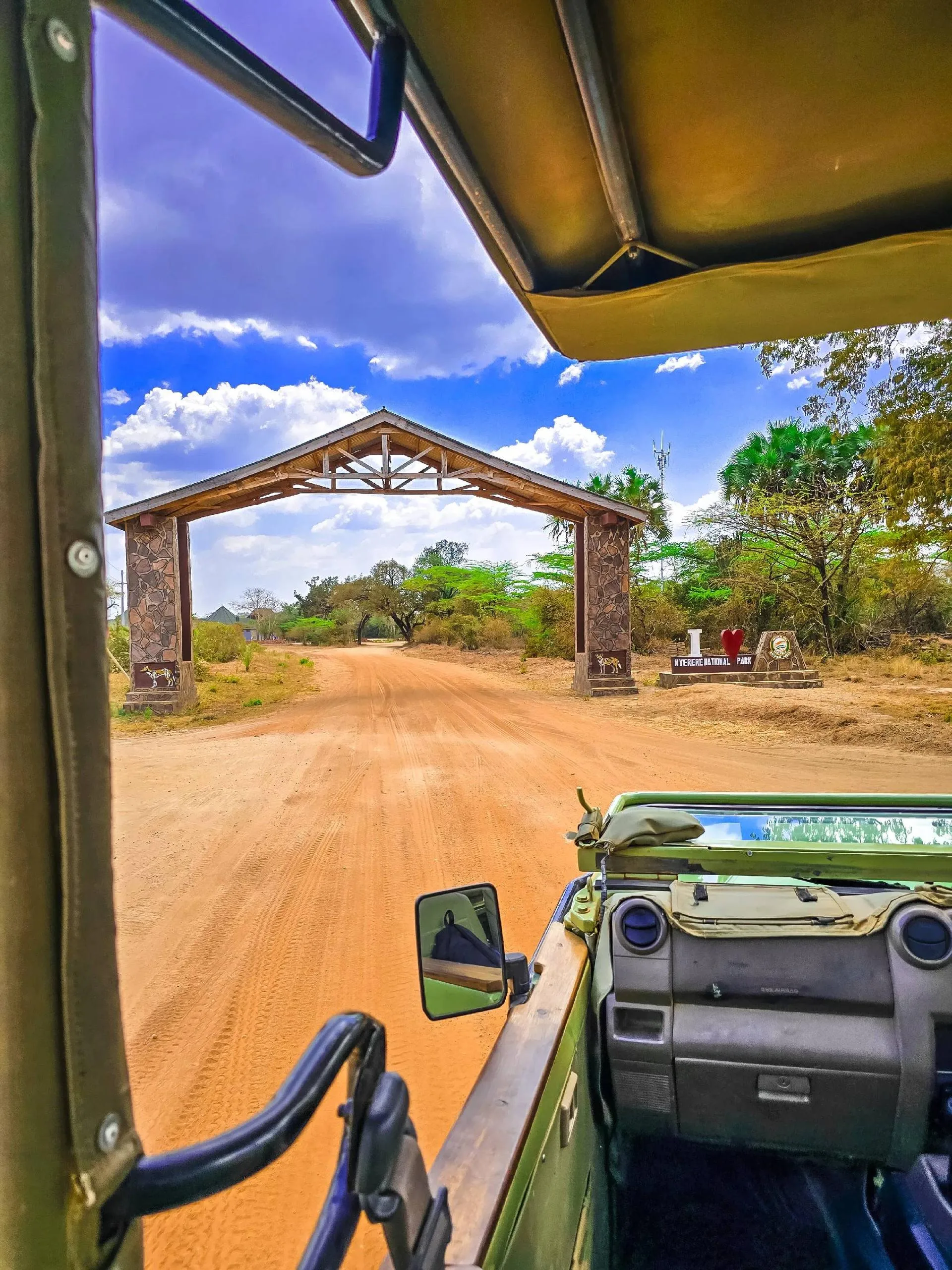
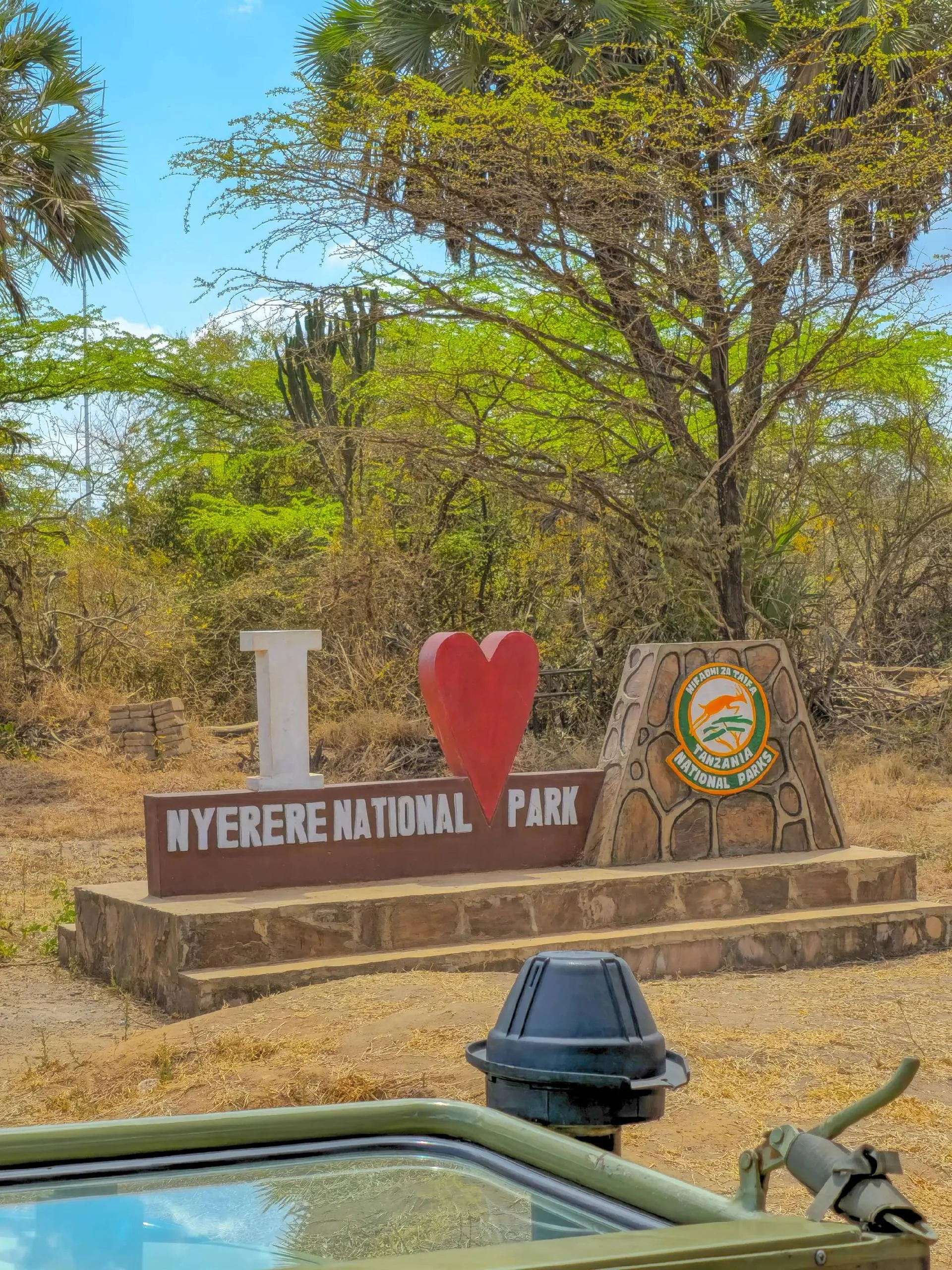
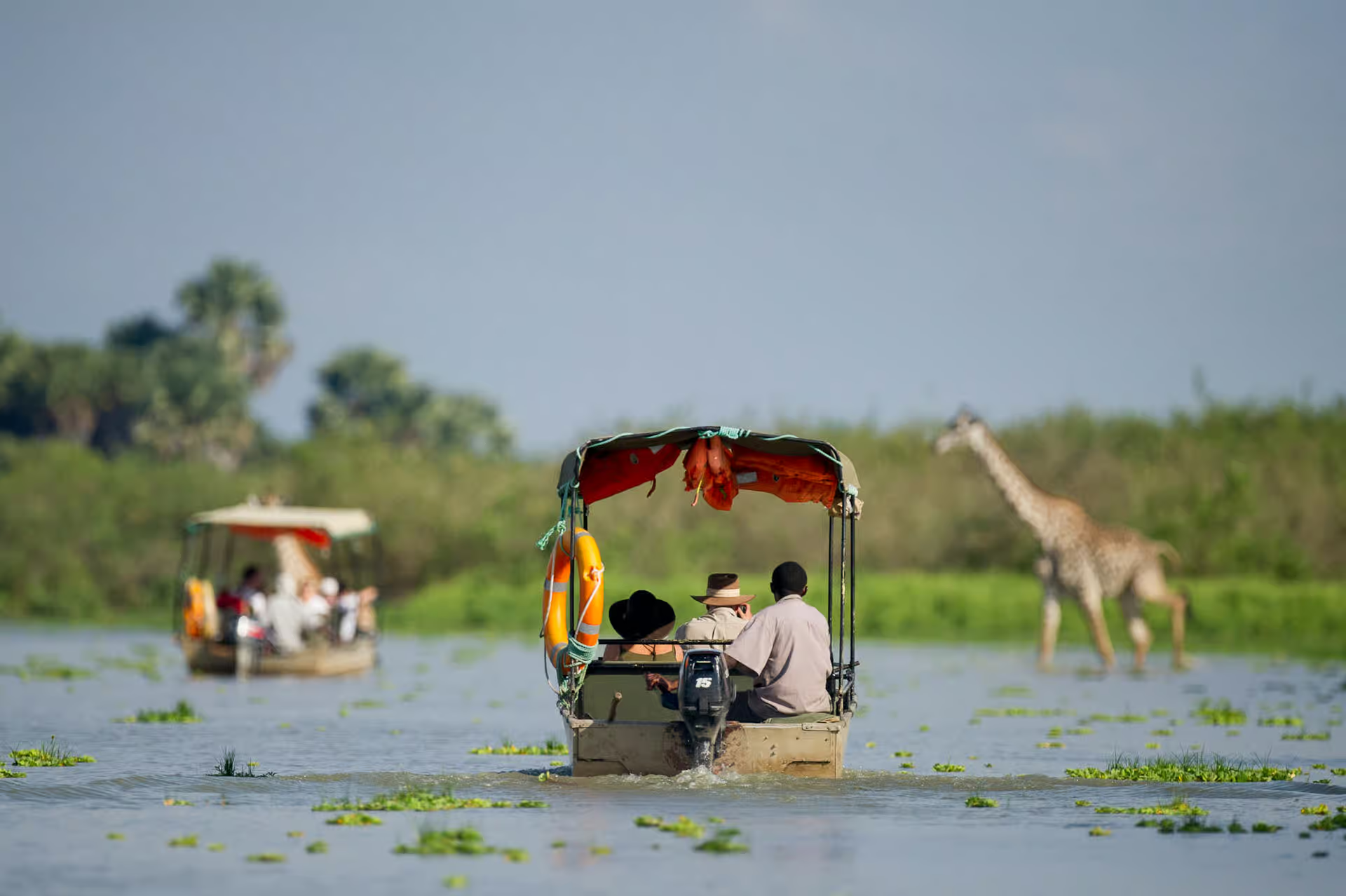
Nyerere National Park is vast, wild, and wonderfully diverse. It is one of the few places in Tanzania where you can combine traditional game drives with boat safaris and walking safaris.
The Rufiji River system forms the heart of the park, attracting elephants, hippos, and crocodiles in large numbers. Boat safaris offer a peaceful and immersive way to observe wildlife from a completely different perspective.
Its size ensures that even during peak seasons, the park feels remote and uncrowded, making it ideal for travelers who value exclusivity and wilderness.
7. Mikumi National Park
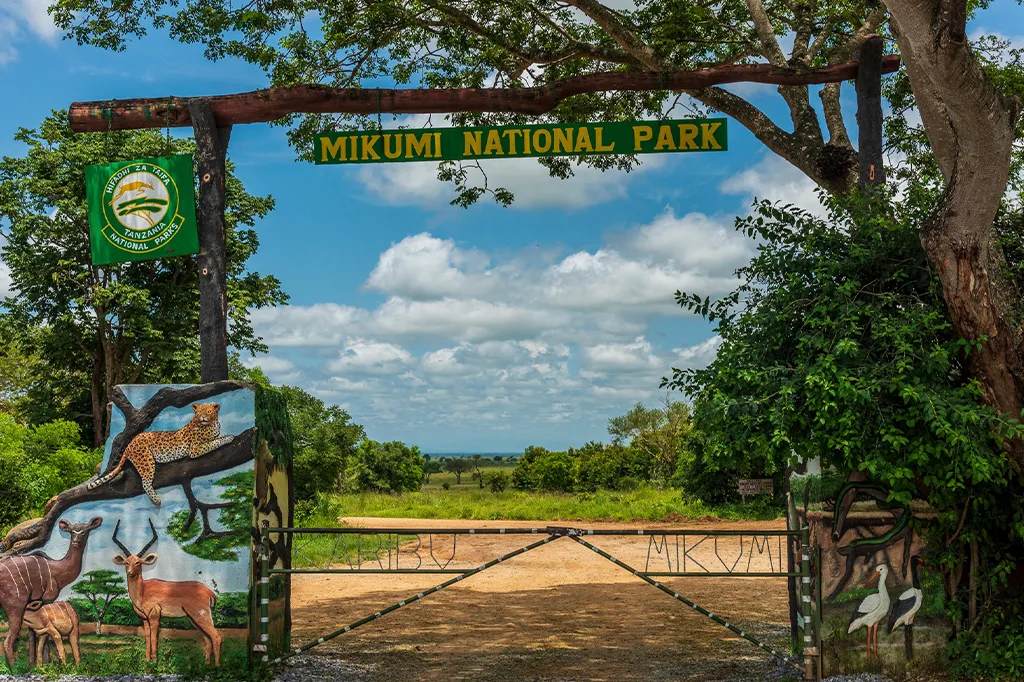
Mikumi National Park is often described as Tanzania’s most accessible safari park, particularly for travelers coming from Dar es Salaam. Despite this, it delivers surprisingly strong wildlife viewing.
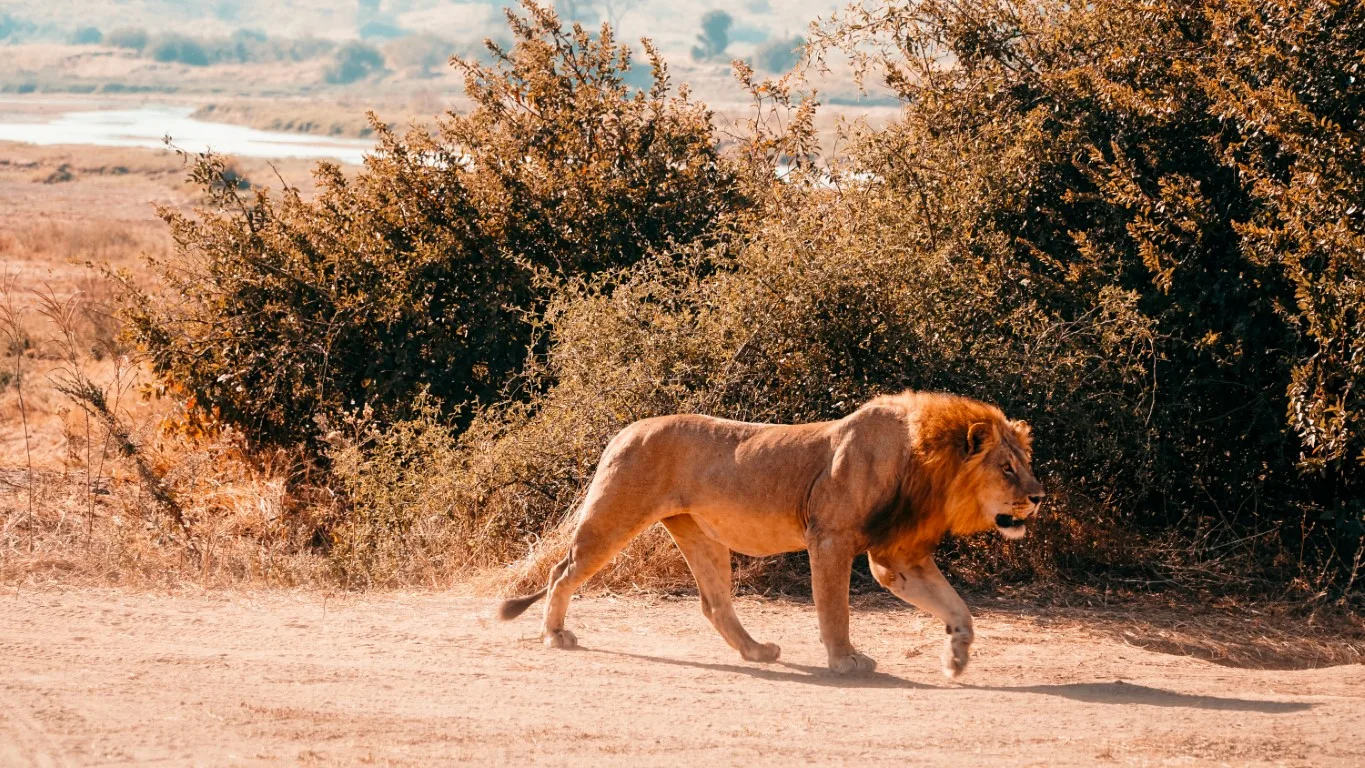
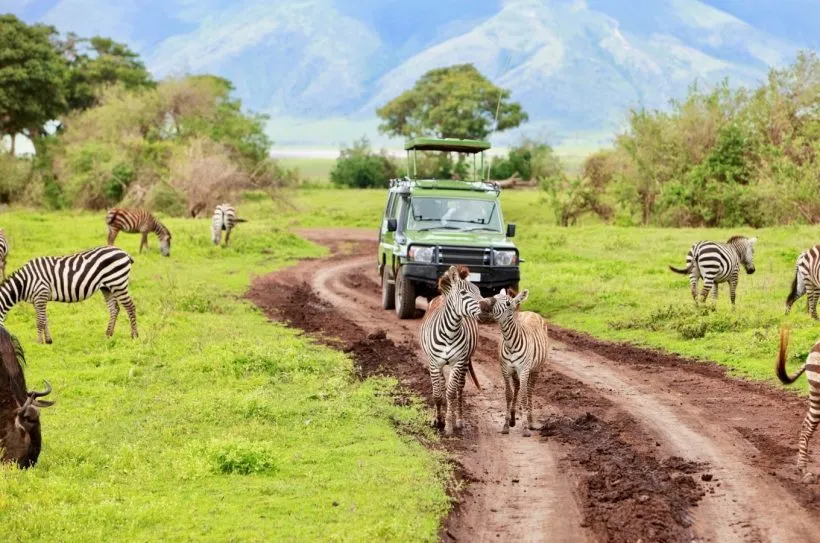
The open plains of Mikumi support lions, giraffes, zebras, and large buffalo herds. The scenery is wide and open, making wildlife easy to spot and photography rewarding.
Mikumi works especially well for shorter safaris or as part of a southern Tanzania itinerary.
8. Katavi National Park
Katavi National Park is one of Tanzania’s last true wilderness areas. Few visitors make it here, but those who do experience some of the most dramatic wildlife concentrations in the country.
During the dry season, shrinking water sources force animals together, resulting in massive hippo pods, dense buffalo herds, and intense predator activity. The experience feels raw and unscripted.
Katavi is best suited to seasoned safari travelers who value authenticity over comfort.
9. Arusha National Park
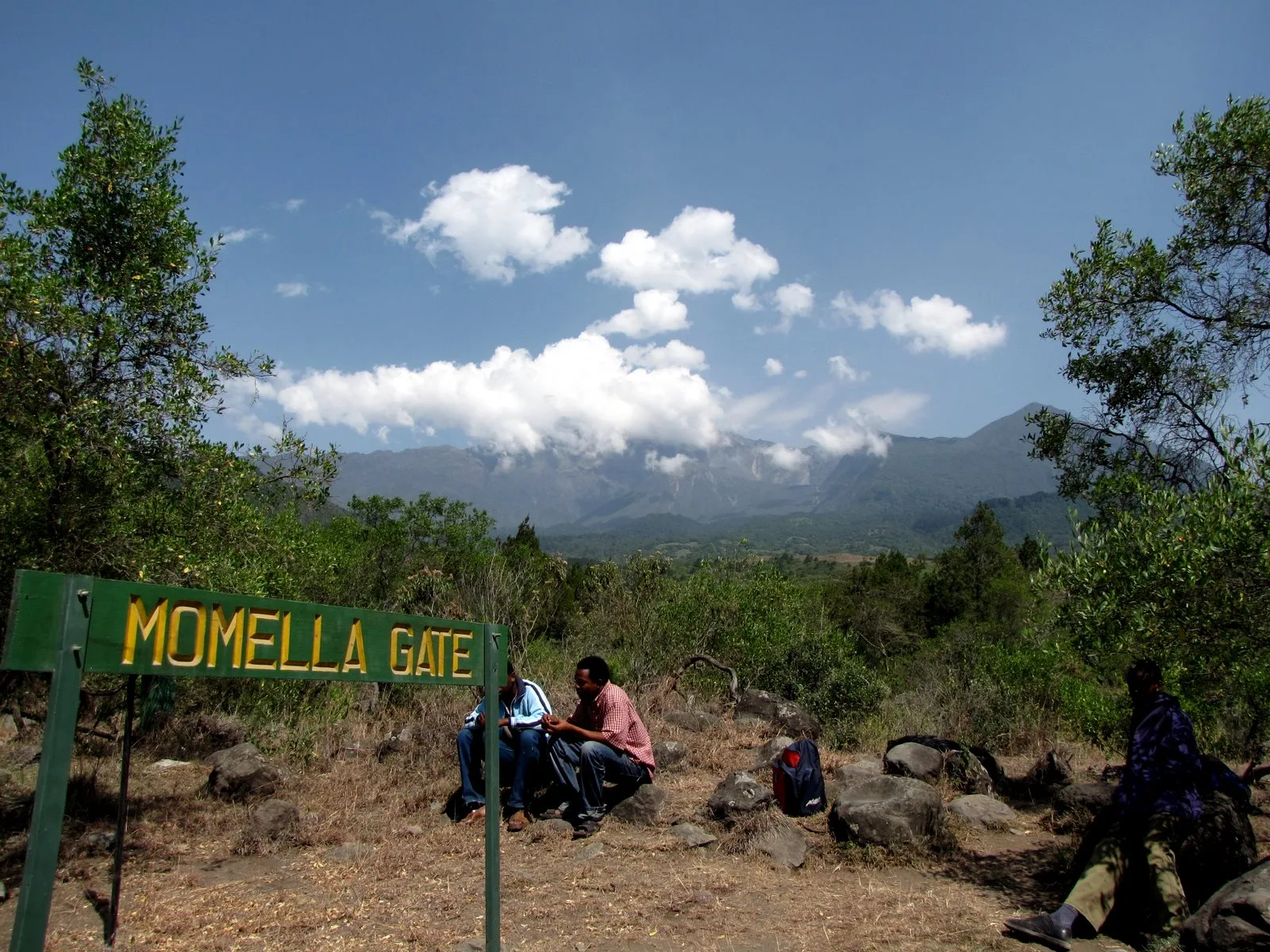
Arusha National Park is small, scenic, and often overlooked, but it plays an important role in the northern safari circuit. Located near Arusha town, it offers a gentle introduction to Tanzania’s landscapes.
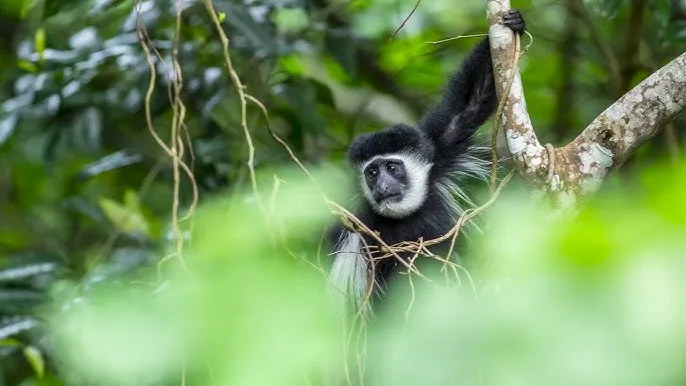
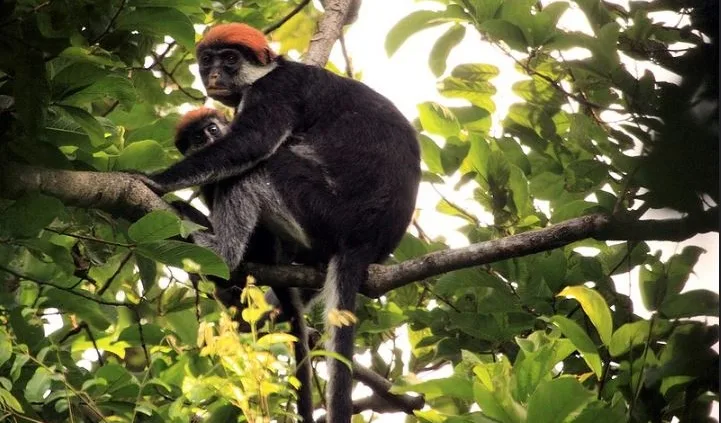
The park includes Mount Meru, lush forests, and the beautiful Momella Lakes. Wildlife includes giraffes, buffalo, and several monkey species, particularly the striking black-and-white colobus.
It is one of the best parks in Tanzania for walking safaris and day trips.
Get a Free Tanzania Safari Quote Today
Receive a free Tanzania safari quote straight to your email within 6 hours! Customize your preferences, and we’ll craft a unique experience just for you. Prices vary based on group size and accommodation choice.

Viola
Tanzania Travel Expert
10. Gombe Stream National Park
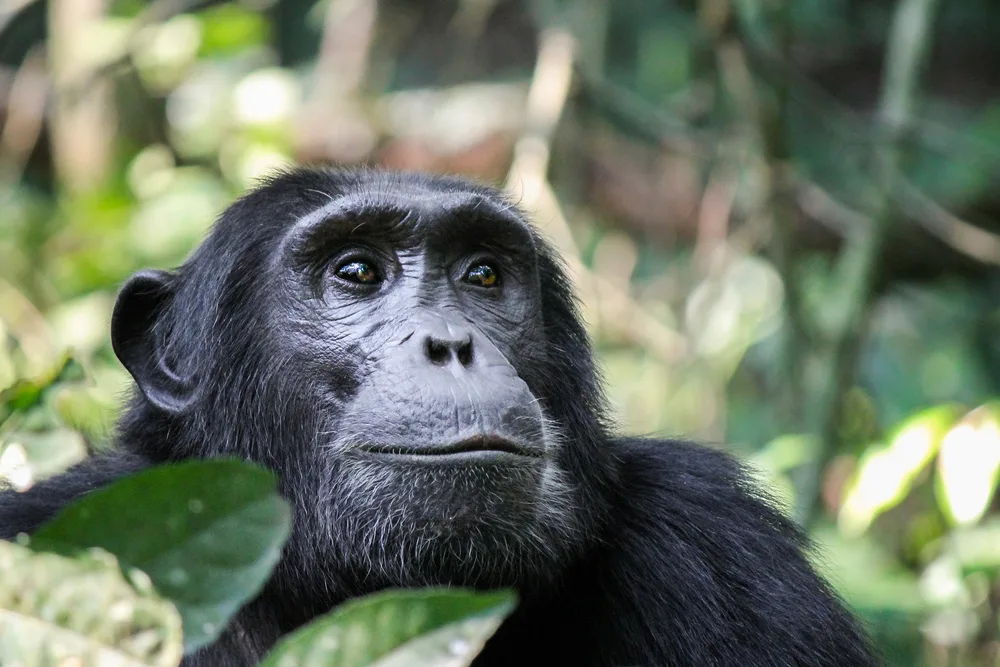
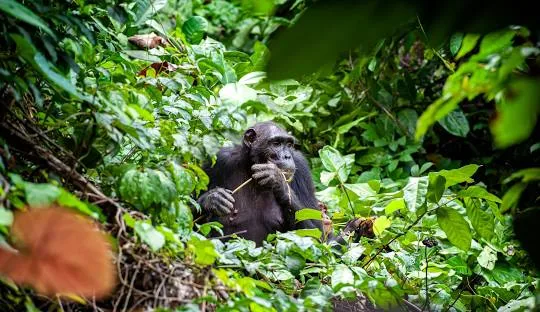
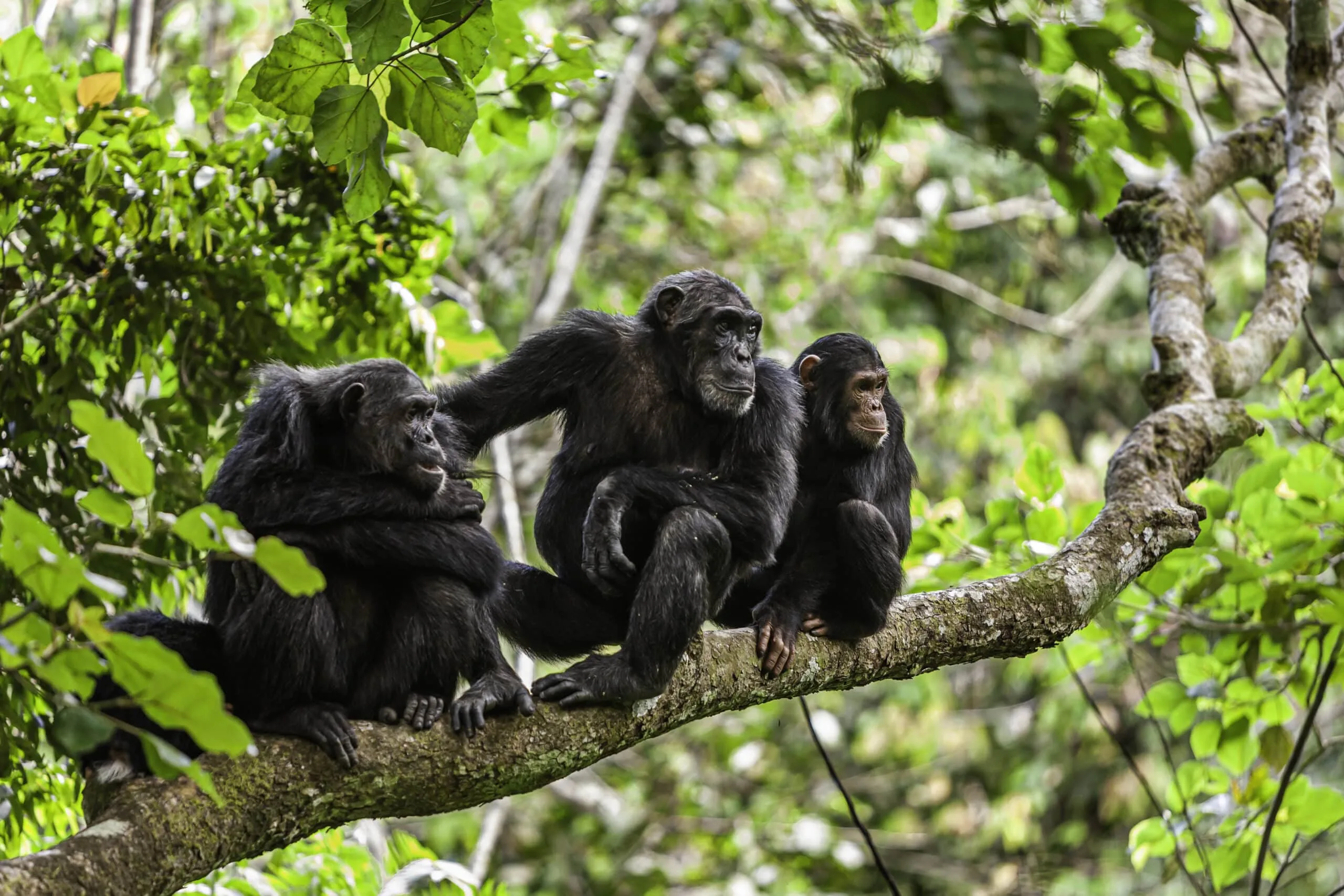
Gombe Stream National Park is world-famous for its chimpanzee population and the research conducted by Jane Goodall. Set along the shores of Lake Tanganyika, the park is accessible only by boat, adding to its sense of adventure.
Chimpanzee trekking here is an intimate and emotional experience. The forested slopes are steep and challenging, but the reward is close observation of one of our closest relatives in the wild.
Gombe is less about classic safari drives and more about deep, meaningful wildlife encounters.
11. Mahale Mountains National Park
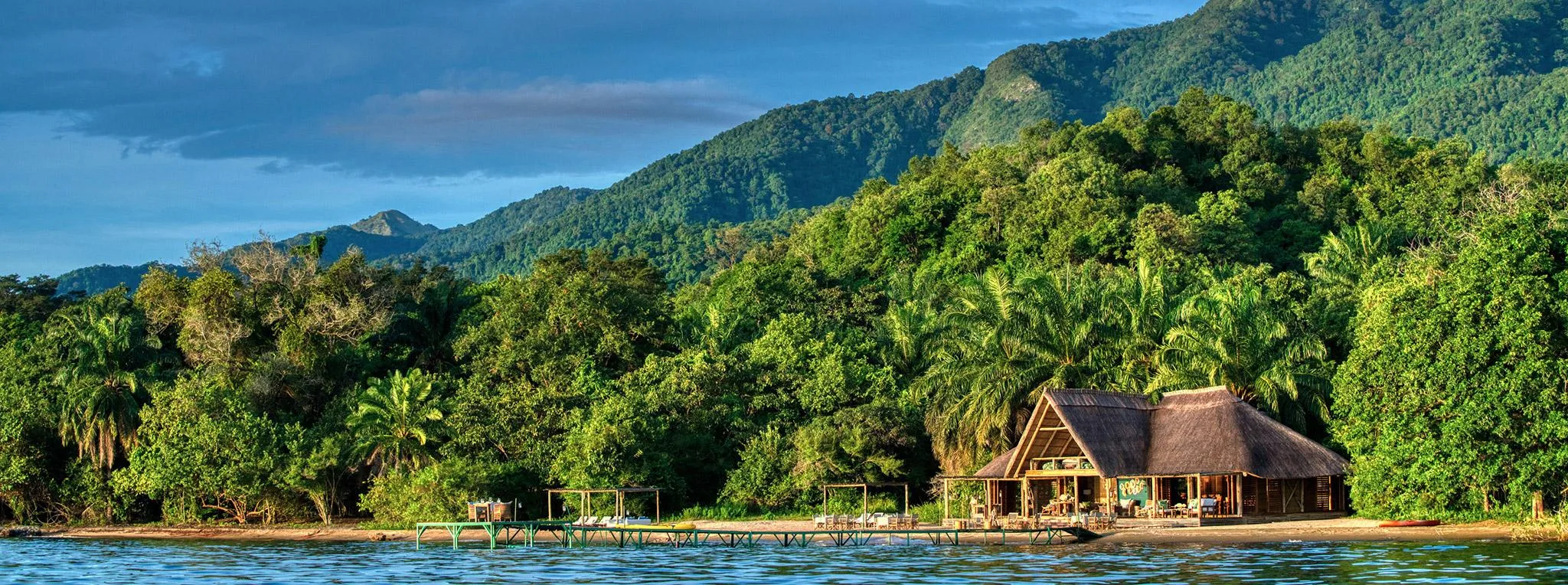
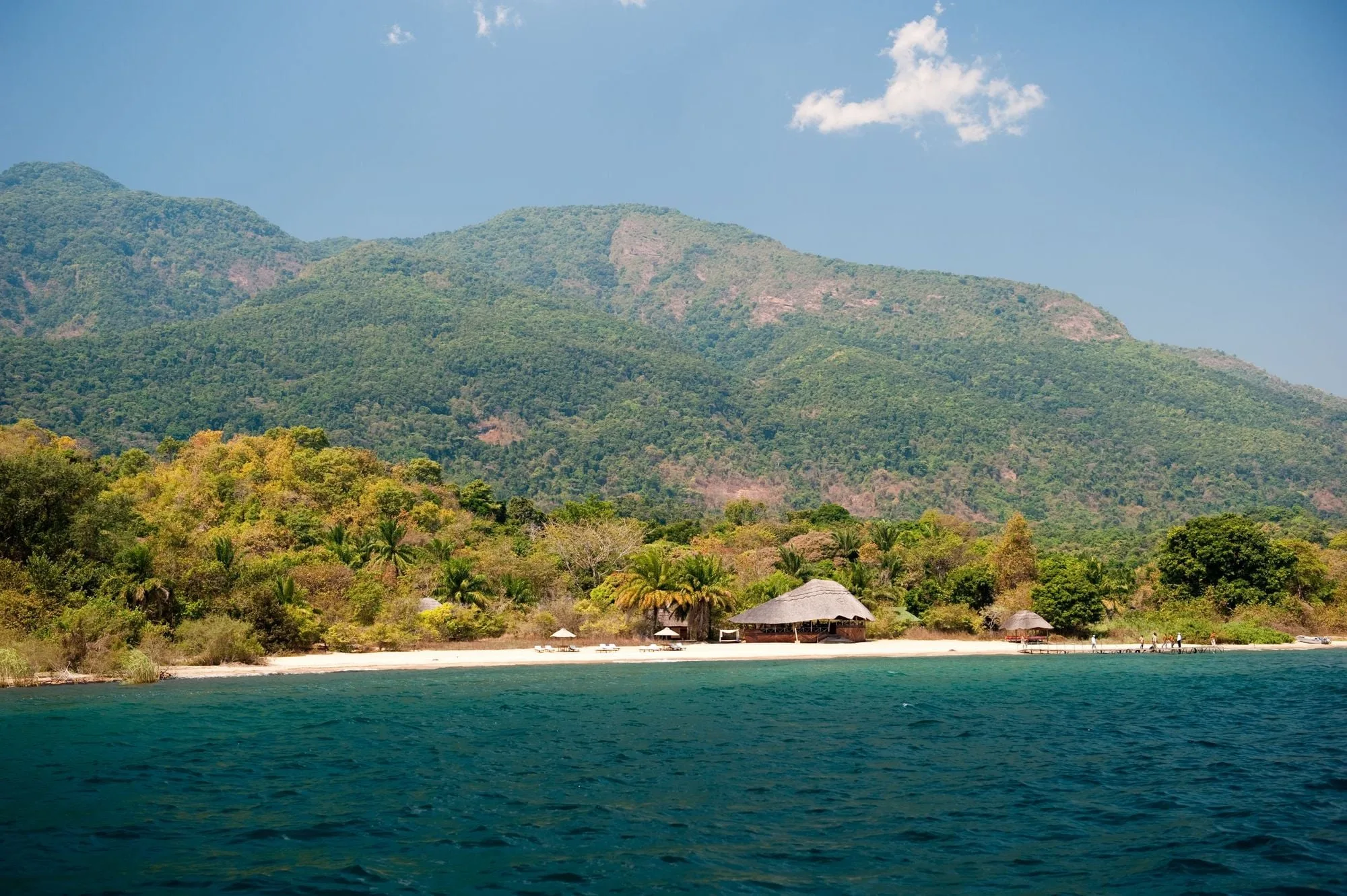
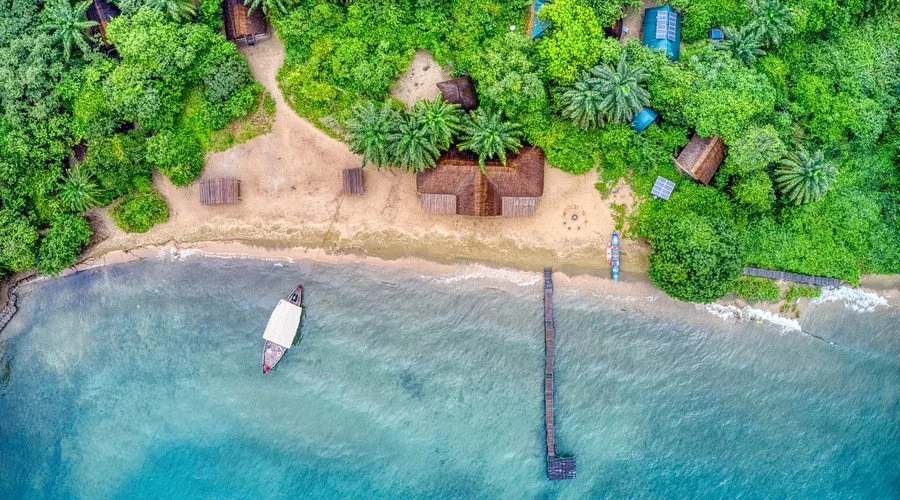
Mahale Mountains National Park combines pristine rainforest, dramatic mountain scenery, and white sandy beaches along Lake Tanganyika. It is widely considered one of Africa’s most beautiful national parks.
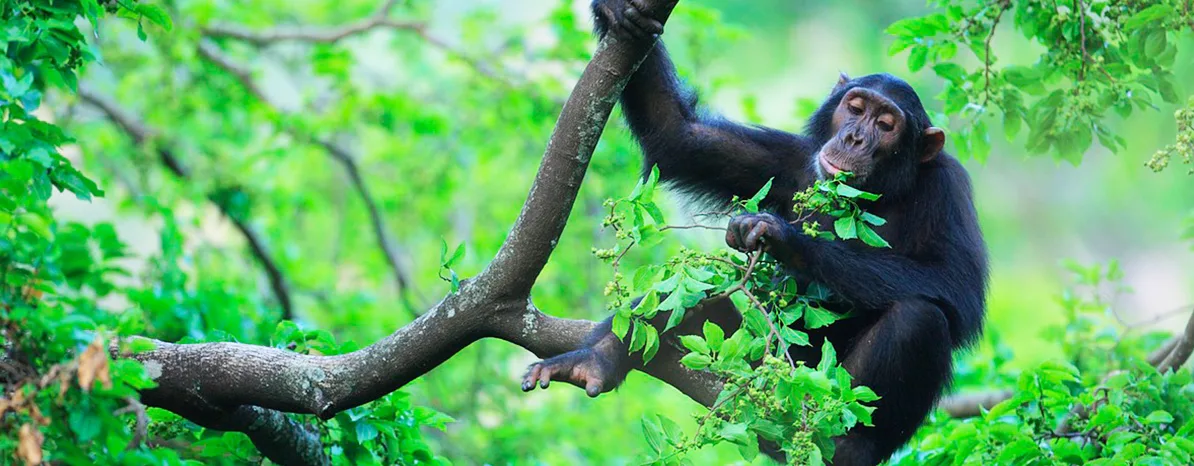
The park is home to a large population of habituated chimpanzees, making trekking experiences exceptional. After hikes, visitors can relax by the lake, swim, or explore by boat.
Mahale is ideal for travelers seeking exclusivity, nature, and a slower, more immersive pace.
12. Saadani National Park
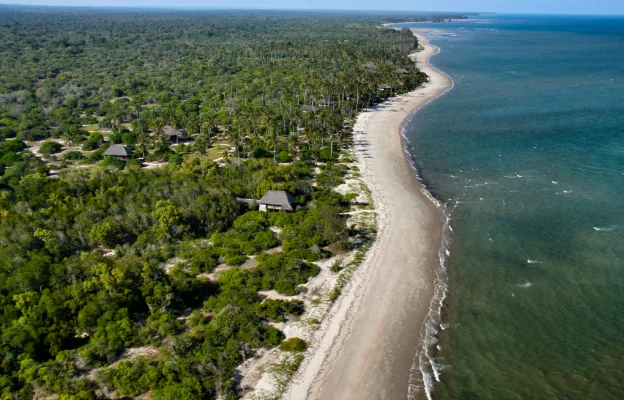
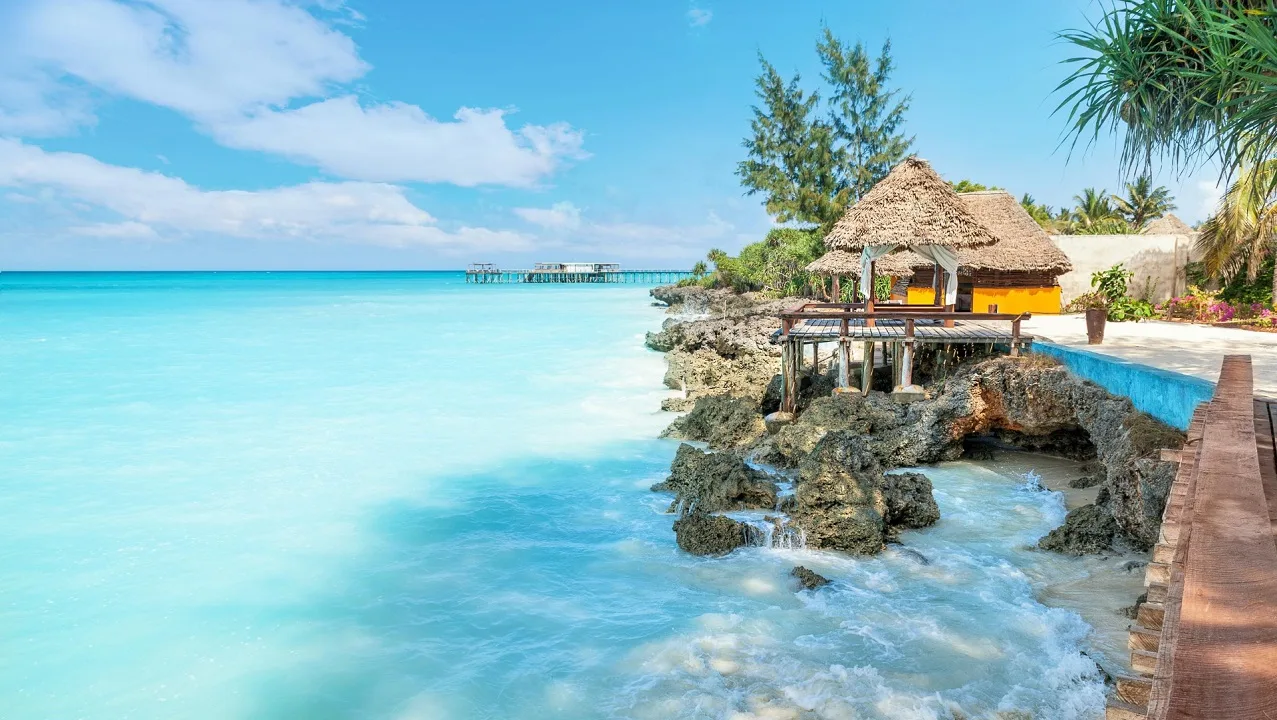
Saadani National Park is unique in Tanzania because it borders the Indian Ocean. Here, wildlife and coastline exist side by side, creating a safari experience unlike any other.
You may see elephants walking near the beach or lions resting among palm trees. The park also includes river systems and coastal forests, adding to its ecological diversity.
Saadani is perfect for combining safari activities with beach relaxation.
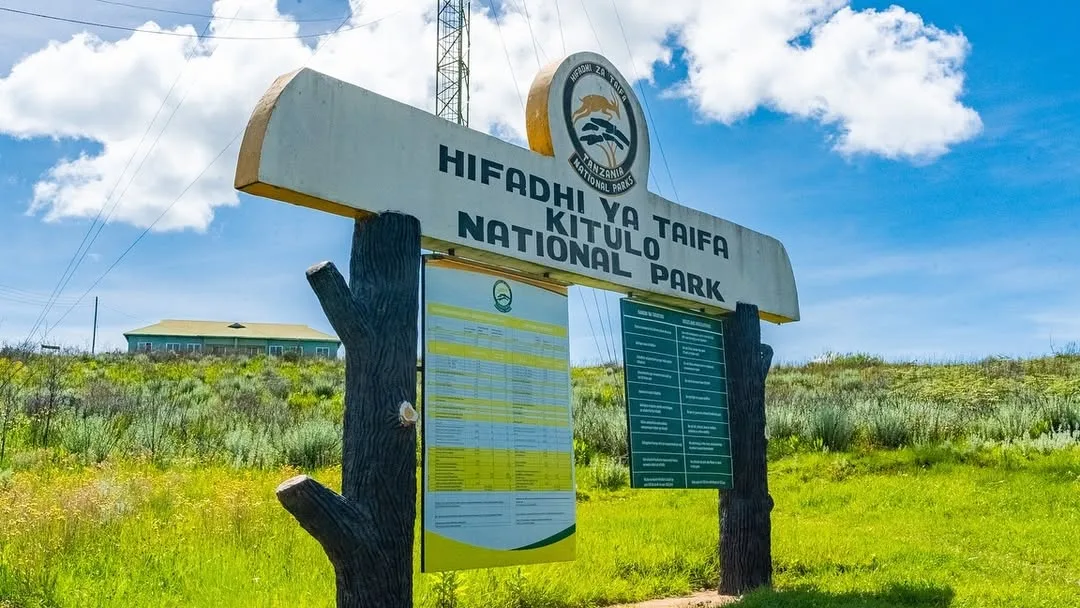
13. Kitulo National Park
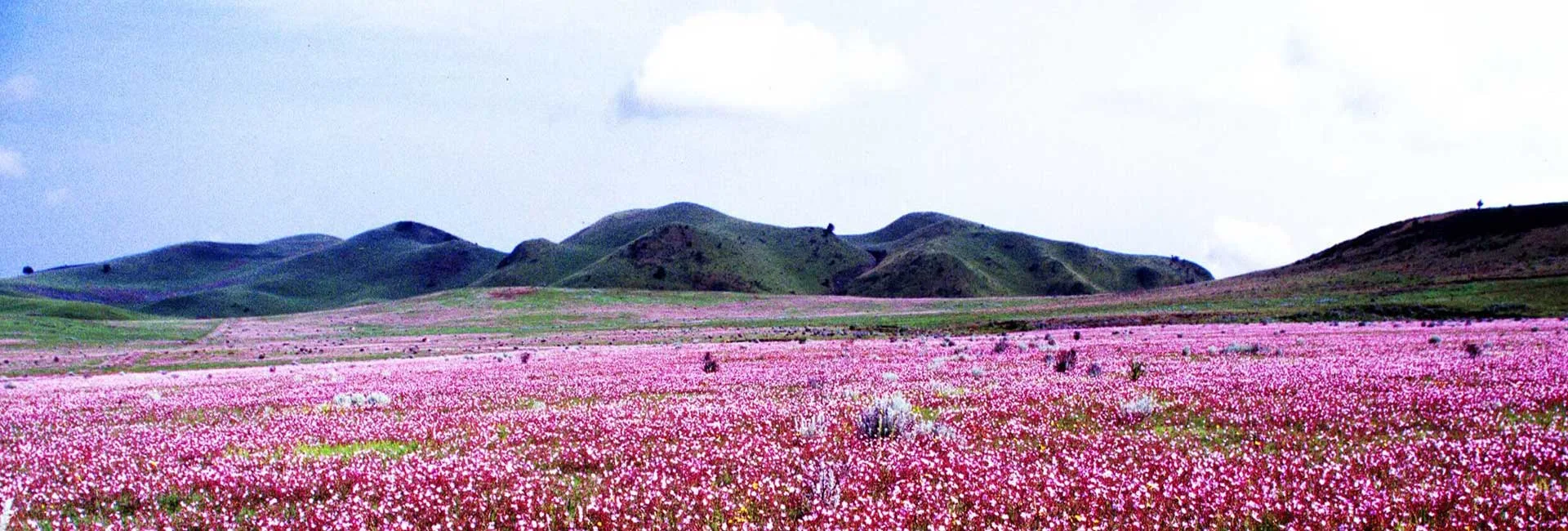
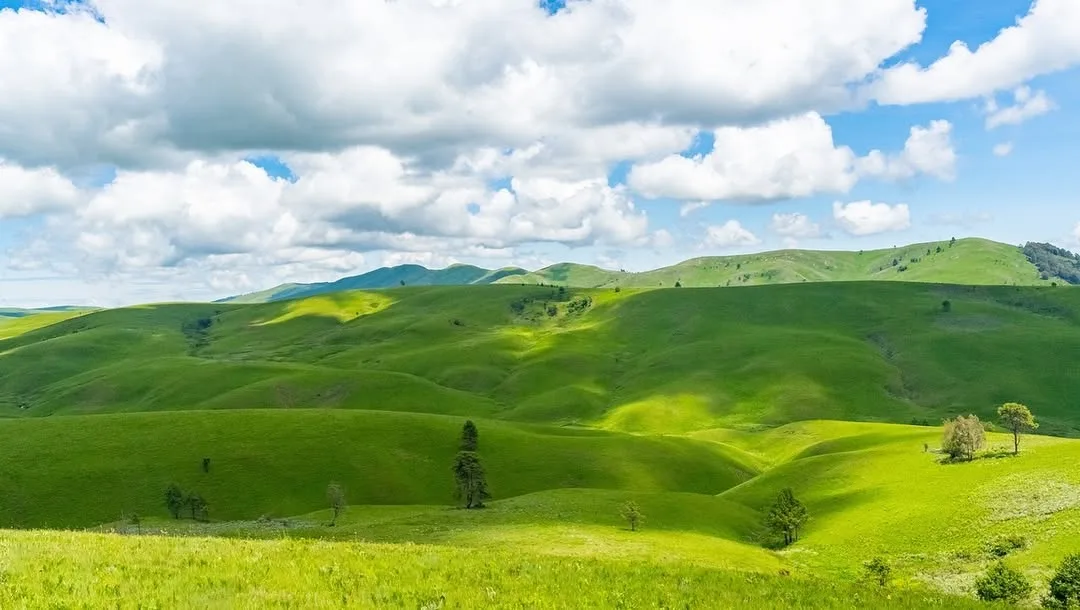
Kitulo National Park is very different from most Tanzania national parks. Rather than large mammals, it is celebrated for its plant life, particularly wildflowers and orchids.
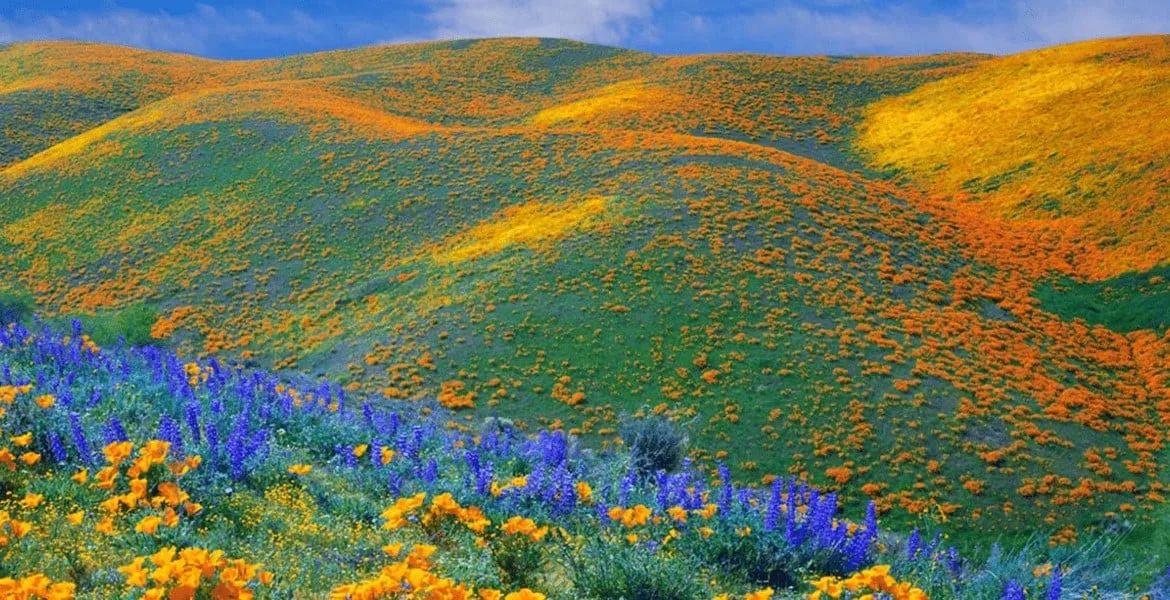
During the rainy season, the highland meadows burst into color, earning the park its nickname as the “Garden of God.” Birdlife is also a major attraction.
Kitulo appeals to hikers, botanists, and travelers interested in Tanzania’s lesser-known natural treasures.
14. Udzungwa Mountains National Park
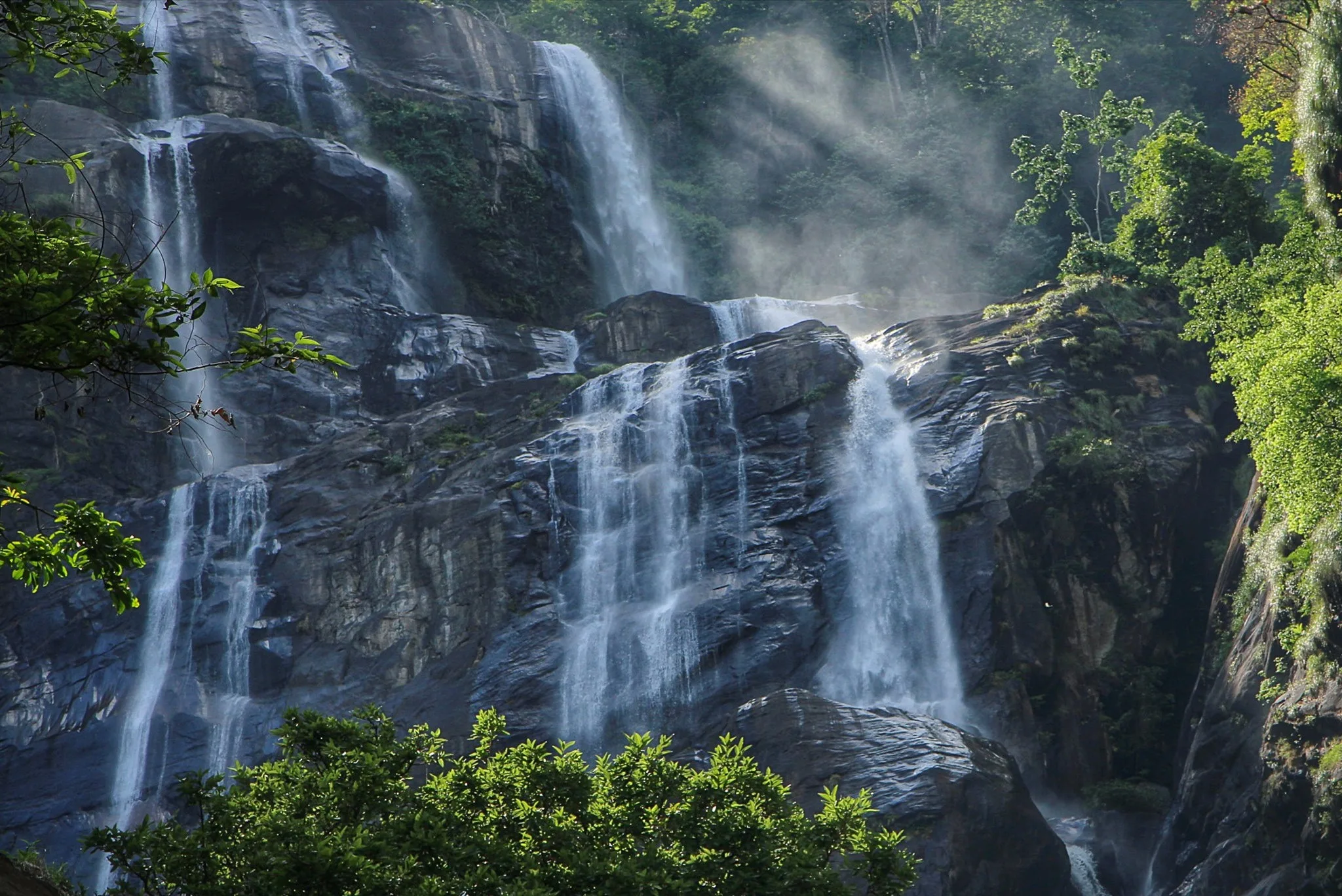
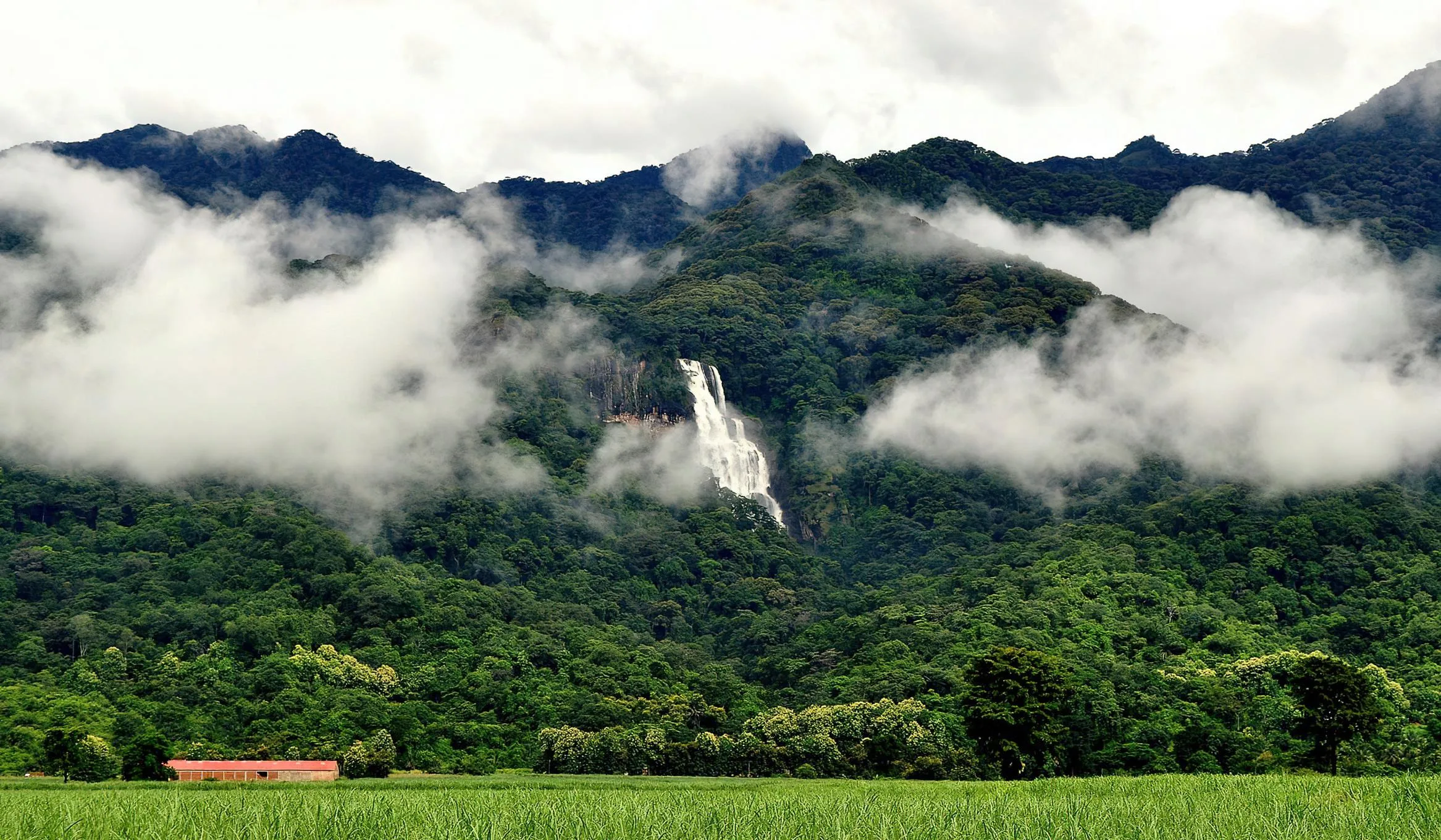
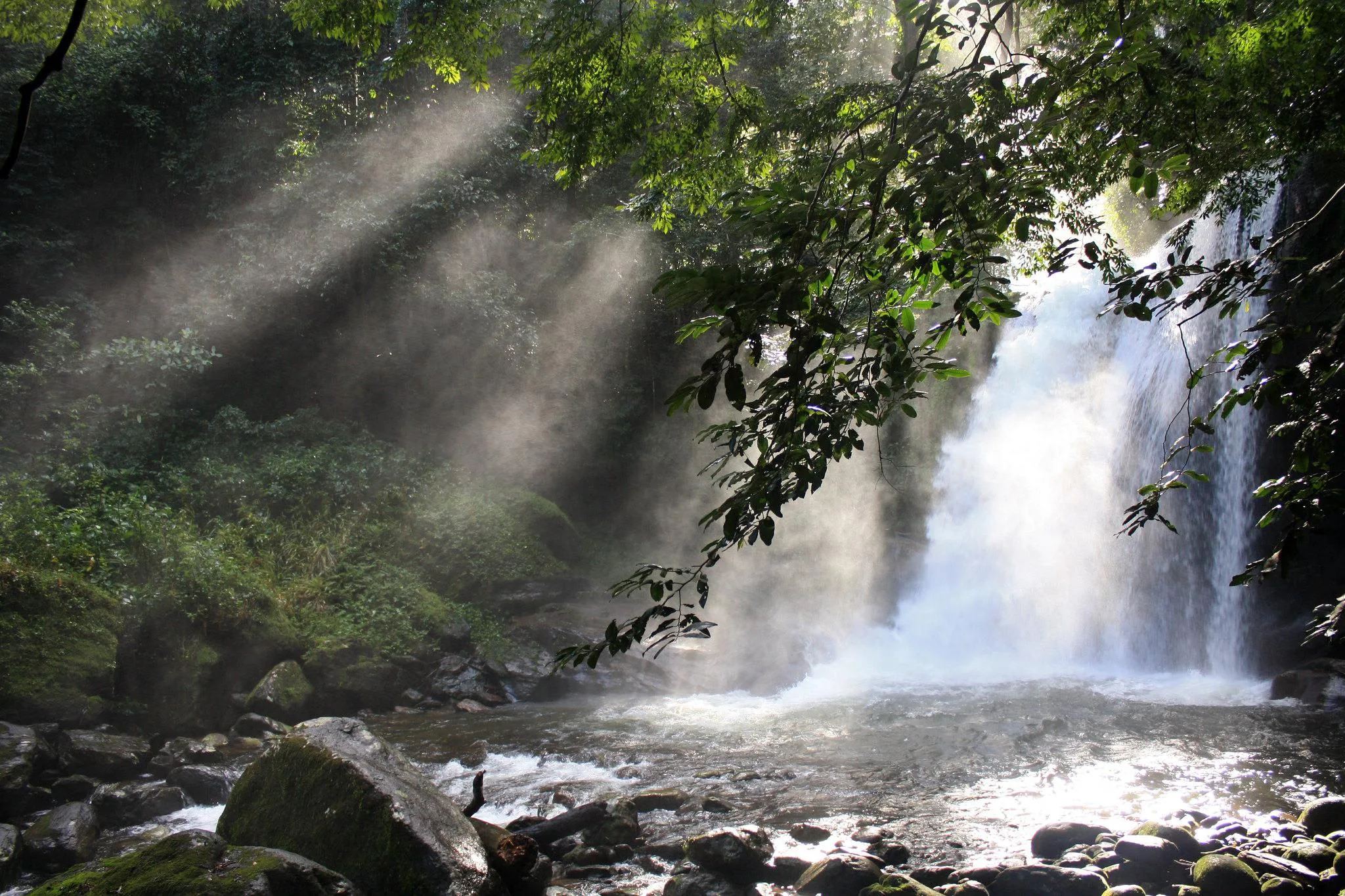
Udzungwa Mountains National Park is a biodiversity hotspot with lush forests, waterfalls, and endemic species found nowhere else on Earth.
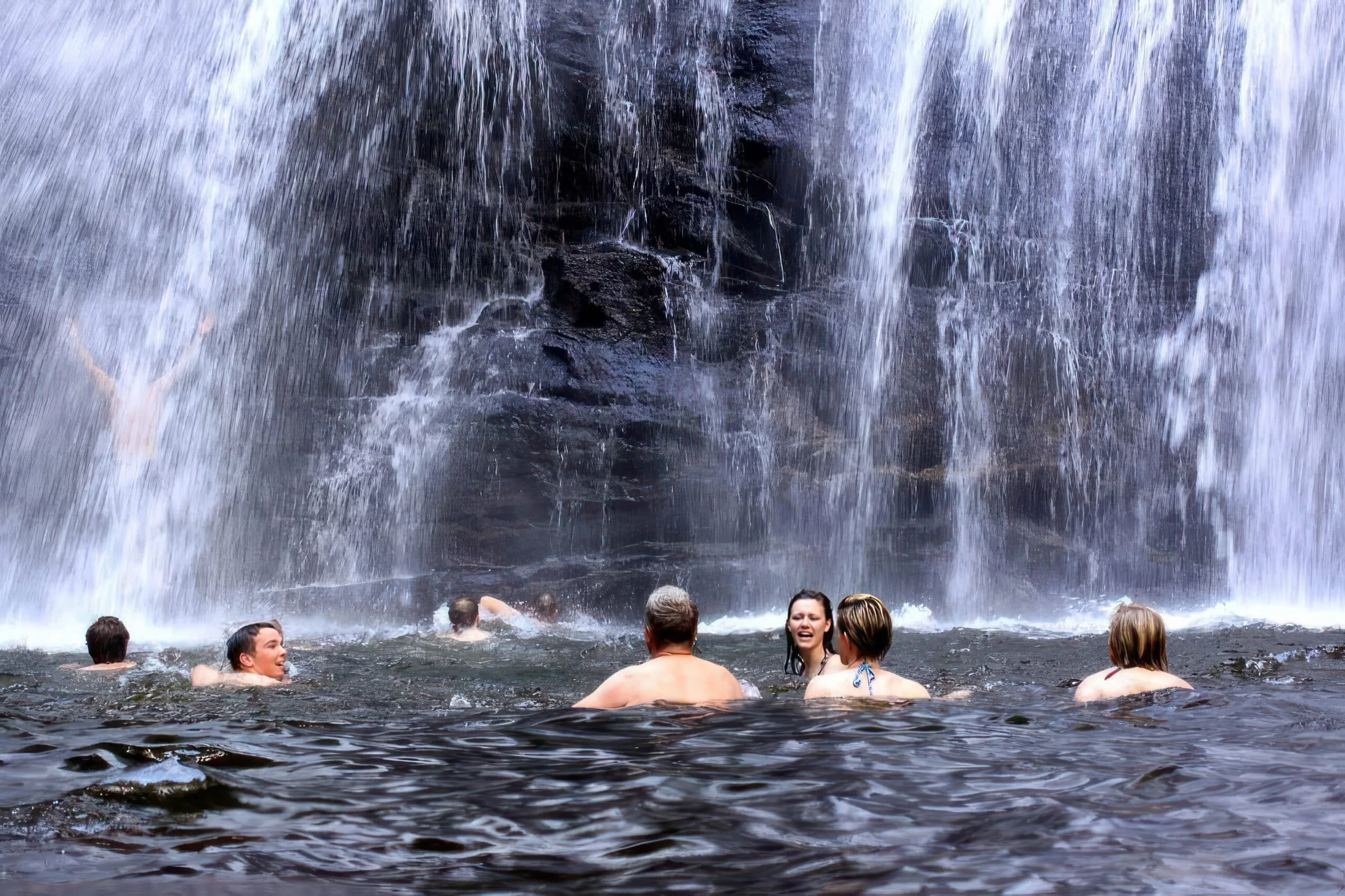
The park is focused on hiking rather than game drives. Trails lead through rainforest to scenic viewpoints and cascading waterfalls. Several rare primates inhabit the area, making it important for conservation.
Udzungwa is ideal for active travelers and nature enthusiasts.
15. Mkomazi National Park
Mkomazi National Park lies in northern Tanzania near the Kenyan border. Its semi-arid landscape offers wide views and a sense of openness.
The park plays a vital role in conservation, particularly for black rhinos and African wild dogs, which are protected within secured zones. Wildlife sightings are more subtle, but the experience feels meaningful and purposeful.
Mkomazi is best for travelers interested in conservation and quiet landscapes.
Best Time to Visit Tanzania National Parks
The dry season, from June to October, generally offers the best wildlife viewing, as animals gather around water sources and vegetation is thinner. This is also the most popular time for travel.
The green season, from November to May, brings lush landscapes, fewer visitors, and excellent birdlife. It is also the calving season in parts of the Serengeti, which attracts predators.
Each season offers a different perspective, and there is no single “wrong” time to visit.
Looking for Tanzania Safari for your dates ?
Receive a free Tanzania safari quote straight to your email within 6 hours! Customize your preferences, and we’ll craft a unique experience just for you. Prices vary based on group size and accommodation choice.
We've got you covered
Our tours are top-notch but give you great value. The price we tell you upfront covers most of the costs for one person, like flights and all transfers.
- Park fees
- All activities (unless labeled as optional)
- All accommodation as stated in the itinerary
- A professional driver/guide
- All transportation (unless labeled as optional)
- All Taxes/VAT
- Roundtrip airport transfer
- All Meals (as specified in the day-by-day section)
- Air Ambulance Service by AMREF Flying Doctors;
- At Least 1 Pair Of Binoculars;
- International flights (from/to home)
- Additional accommodation before and at the end of the tour
- Tips to your safari guide ($30-50 per day per car).
- Personal items (souvenirs, travel insurance, visa fees, etc.)
- Government imposed increase of taxes and/or park fees
- Alcohol drinks
- Visas and visa fees where relevant
- Additional activities not offered as scheduled by the accommodation
- Lunch and dinner in hotel (only before and after safari);

Connect with our local experts for personalized travel planning
Plan your Tanzania National Parks today
[fluentform id="4"]
Tanzania National Parks TripAdvisor Reviews
SEE WHAT OUR GUESTS HAVE TO SAY ABOUT THEIR TANZANIA SAFARI EXPERIENCE.
*For the most recent reviews/testimonials from our guests, please visit our TripAdvisor page and Trustpilot.
Everything You Need to Know About Your Safari
Every safari adventure begins with a question. Whether it’s your first or second time, it’s natural to wonder about the best time to visit, what to pack, or how the journey works. Here, we’ve answered the most common questions travelers ask before booking their Tanzania safari, so you can plan with confidence and look forward to unforgettable memories.
The top parks include Serengeti, Ngorongoro Crater, Tarangire, Lake Manyara, Selous, and Ruaha. Each has its own highlights, from the Great Migration to elephant herds and predator-rich landscapes.
The dry season (June–October) offers the best wildlife viewing and Great Migration crossings. The calving season (December–March) is amazing for predator action. April–May is lush, quieter, and more affordable.
We recommend at least 5–7 days to experience multiple parks at a relaxed pace. Shorter safaris are possible, but a week allows for a richer, more rewarding adventure.
Yes, many travelers do a Tanzania safari and beach holiday. This combination gives you thrilling wildlife encounters followed by relaxation on pristine beaches.
Absolutely! Many lodges cater to families, with shorter drives, fun activities, and child-friendly meals. It’s a wonderful way to bond as a family.
Prices vary depending on style. Budget safaris start around $200 per person per day, while luxury safaris can exceed $800. Group tours are more affordable, while private safaris offer flexibility.
Pack light, neutral-colored clothing, comfortable walking shoes, a wide-brimmed hat, sunscreen, insect repellent, binoculars, and a camera with extra batteries.
Looking for more?
We can design a safari for you from scratch, or you can choose from our tailor-made safari proposals below. You’ll receive a free Tanzania safari proposal with no obligation, featuring trips created for nature lovers, families, and adventure seekers.
7 Days Tanzania Safari
- Perfect 7 Days Tanzania Safari
Starting From
On Request
Per Person On Twin Sharing
6 Days Tanzania Lodge Safari With Serengeti
- Tanzania Classic Safari
Starting From
On Request
Per Person On Twin Sharing
8 Days Serengeti Wildebeest Migration Safari
- Serengeti Wildebeest Migration Safari
Starting From
On Request
Per Person On Twin Sharing
3 Days Ndutu Migration Safari Calving Season
- Ndutu Migration Safari Calving Season
Starting From
On Request
Per Person On Twin Sharing