

Kilimanjaro Packages From South Africa: The Ultimate 2026 Climber’s Guide
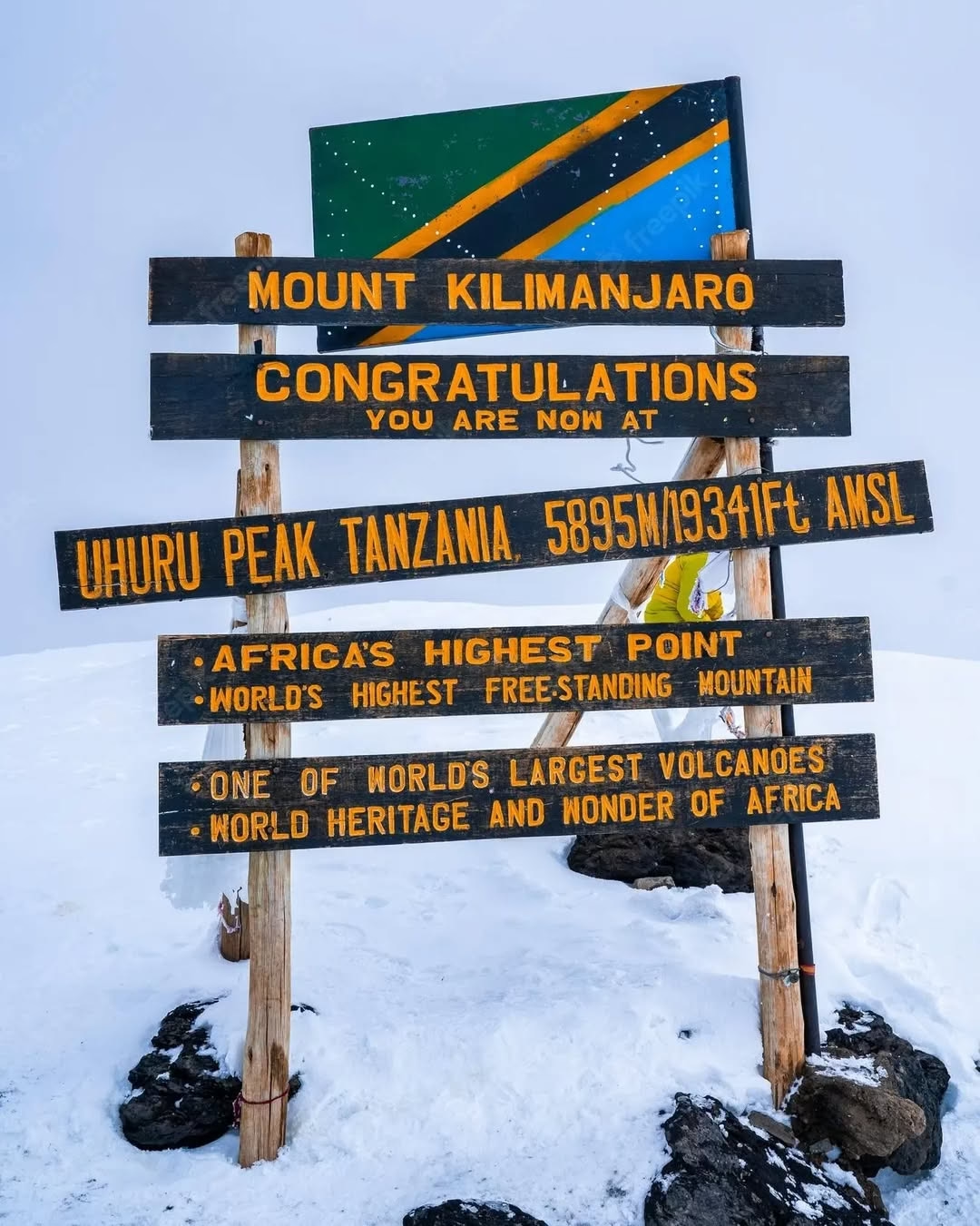
Standing on the “Roof of Africa” is a dream for many South Africans, but the transition from the Drakensberg to the Uhuru Peak requires more than just grit. At Tanzania Safari Experience, we’ve guided hundreds of Saffas from sea level to 5,895 meters, and we know that the secret to success isn’t just fitness—it’s the logistics of the journey from the south to the equator.
Why South Africans Have a Kilimanjaro Edge
Kilimanjaro packages from South Africa typically range from R32,000 to R55,000, excluding international flights. South Africans benefit from visa-free entry, similar time zones, and direct flight connections from Johannesburg to Kilimanjaro International Airport.
We often tell our hikers from Cape Town or Joburg that they have a “home-ground advantage.” Unlike our American or European guests, we don’t have to battle 12-hour jet lag before starting the trek. We also share a similar outdoor culture. If you’ve spent your weekends hiking in the Magaliesberg or the Cederberg, you already have the “gees” required for the mountain. However, Kilimanjaro is a different beast entirely due to the extreme altitude.
The South African Advantage:
-
No Visa Hassle: South African passport holders currently enjoy visa-free entry into Tanzania for up to 90 days.
-
Flight Logistics: Daily flights from OR Tambo (JNB) via Addis Ababa or Nairobi make the transit seamless.
-
Gear Compatibility: Most high-end gear available at Cape Union Mart or First Ascent is perfectly suited for the lower and mid-sections of the mountain.
Select your citizenship
Choosing Your Route: Whiskey vs. Coca-Cola
The Machame (Whiskey) Route is the best choice for South Africans seeking high success rates through better acclimatization, while the Marangu (Coca-Cola) Route offers hut-based sleeping for those avoiding tents.
When we help clients choose a package, we look at their previous hiking experience. If you are comfortable sleeping in a tent and want the best chance of reaching the summit, our team always recommends the 7-day Machame Route.
Expert Tip: Don’t be fooled by the “shorter is cheaper” logic. A 5-day Marangu trek might save you a few thousand Rand upfront, but the failure rate is significantly higher because your body doesn’t have time to adjust to the altitude. Investing in an extra day on the mountain is the cheapest “insurance policy” for your summit photo.
Comparison: Popular Kilimanjaro Routes for 2026
| Feature | Machame Route (Recommended) | Marangu Route (The Classic) | Lemosho Route (The Scenic) |
| Duration | 7 Days | 6 Days | 8 Days |
| Accommodation | High-altitude Tents | A-frame Huts | High-altitude Tents |
| Success Rate | High (85%+) | Moderate (60%+) | Very High (90%+) |
| Scenery | Diverse (Rainforest to Desert) | Constant (Same way up/down) | Spectacular (Western Start) |
| Crowds | Medium-High | High | Low-Medium |
Logistics: Getting from Johannesburg to Arusha
Flight packages from South Africa to Kilimanjaro (JRO) generally involve a single layover in Addis Ababa or Nairobi, with total travel times averaging 8 to 11 hours from Johannesburg.
Most of our South African climbers depart from OR Tambo. While there aren’t currently direct flights to Kilimanjaro International (JRO), Ethiopian Airlines and Kenya Airways offer the most reliable connections.
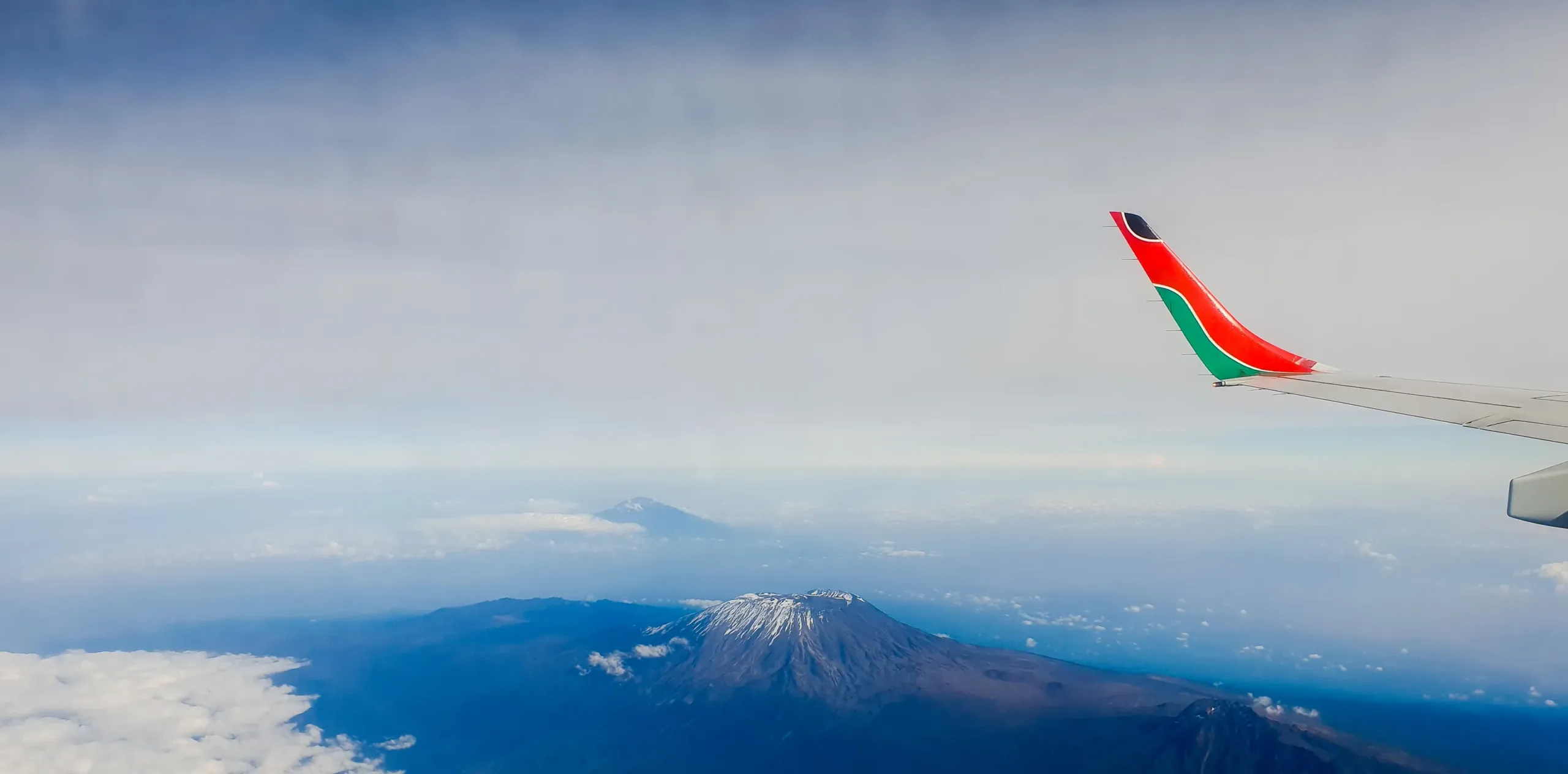
If you are flying from Cape Town, expect a slightly longer day with a domestic leg to Joburg first. We always suggest arriving in Arusha or Moshi at least 24 hours before your trek begins. This gives you a “buffer day” in case your luggage—specifically your hiking boots—takes a different flight path than you do.
RELATED ARTICLE: Tanzania Safari in January
Gear Guide: Saffa-Specific Packing List
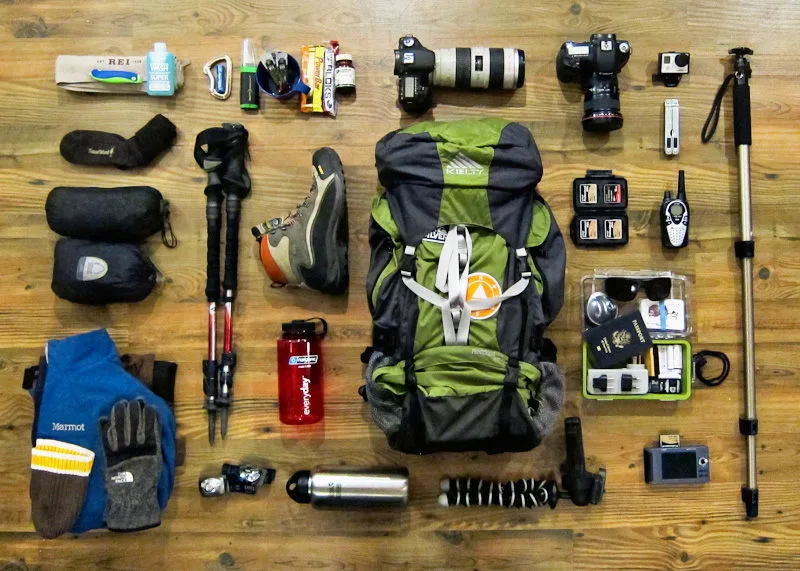
A Kilimanjaro gear list for South Africans should include specialized layers like a -15°C rated sleeping bag, moisture-wicking base layers, and broken-in waterproof hiking boots available from local retailers.
We’ve seen it all: from hikers trying to summit in rugby shorts (don’t do it) to those carrying way too much “just in case” gear. The temperature at the summit can drop to -20°C with wind chill.
What to Buy in SA vs. What to Rent
-
Buy: Your boots. You must wear these in on the contour paths of Table Mountain or the hills of Pretoria months before you arrive.
-
Rent: The heavy stuff. Most of our packages allow you to rent high-spec down jackets and summit-rated sleeping bags in Arusha. This saves you from spending R8,000 on a jacket you might never use again in Durban.
Training in the Southern Hemisphere
Effective training for Kilimanjaro from South Africa involves high-intensity interval training (HIIT), long-distance weekend hikes with a weighted pack, and leg-strengthening exercises like squats and lunges.
The biggest challenge for South Africans is that we live at relatively low altitudes. Even Joburgers at 1,700m are a long way from the nearly 6,000m of Uhuru Peak. Since you can’t easily “train” for altitude in SA, you must train for endurance.
We recommend a 12-week buildup. If you’re in Cape Town, Lion’s Head is great for cardio, but the Platteklip Gorge path on Table Mountain is better for mimicking the “stair-master” nature of the climb. If you’re in Gauteng, the Westcliff Stairs are your best friend.
The Cost of the Climb: Budgeting in Rands
In 2026, a high-quality 7-day Kilimanjaro package costs approximately R35,000 per person sharing, plus R12,000 for flights and R4,000 for staff tips and personal expenses.
Budgeting for Kilimanjaro is often the most confusing part for our guests. You will see “budget” operators offering treks for $1,500, but we caution against this. On Kilimanjaro, “budget” usually means poor food, old tents, and underpaid porters.
Estimated 2026 Expenses (ZAR)
-
Climb Package (7-day Machame): R35,000 – R42,000
-
Return Flights (JNB to JRO): R9,500 – R13,000
-
Tipping (Standard Practice): R3,500 – R5,000
-
Insurance & Incidentals: R2,500
Tipping and the Porter Culture
Tipping on Kilimanjaro is a mandatory cultural custom where climbers contribute to a communal pool—usually $250-$300 total—distributed among guides, cooks, and porters at the end of the trek.
At Tanzania Safari Experience, we are members of the Kilimanjaro Porters Assistance Project (KPAP). This is vital. When you book a package with us, you aren’t just paying for a tent; you’re ensuring that the guys carrying your gear are paid a fair wage, have proper shoes, and eat three meals a day.
Summit Night: What No One Tells You
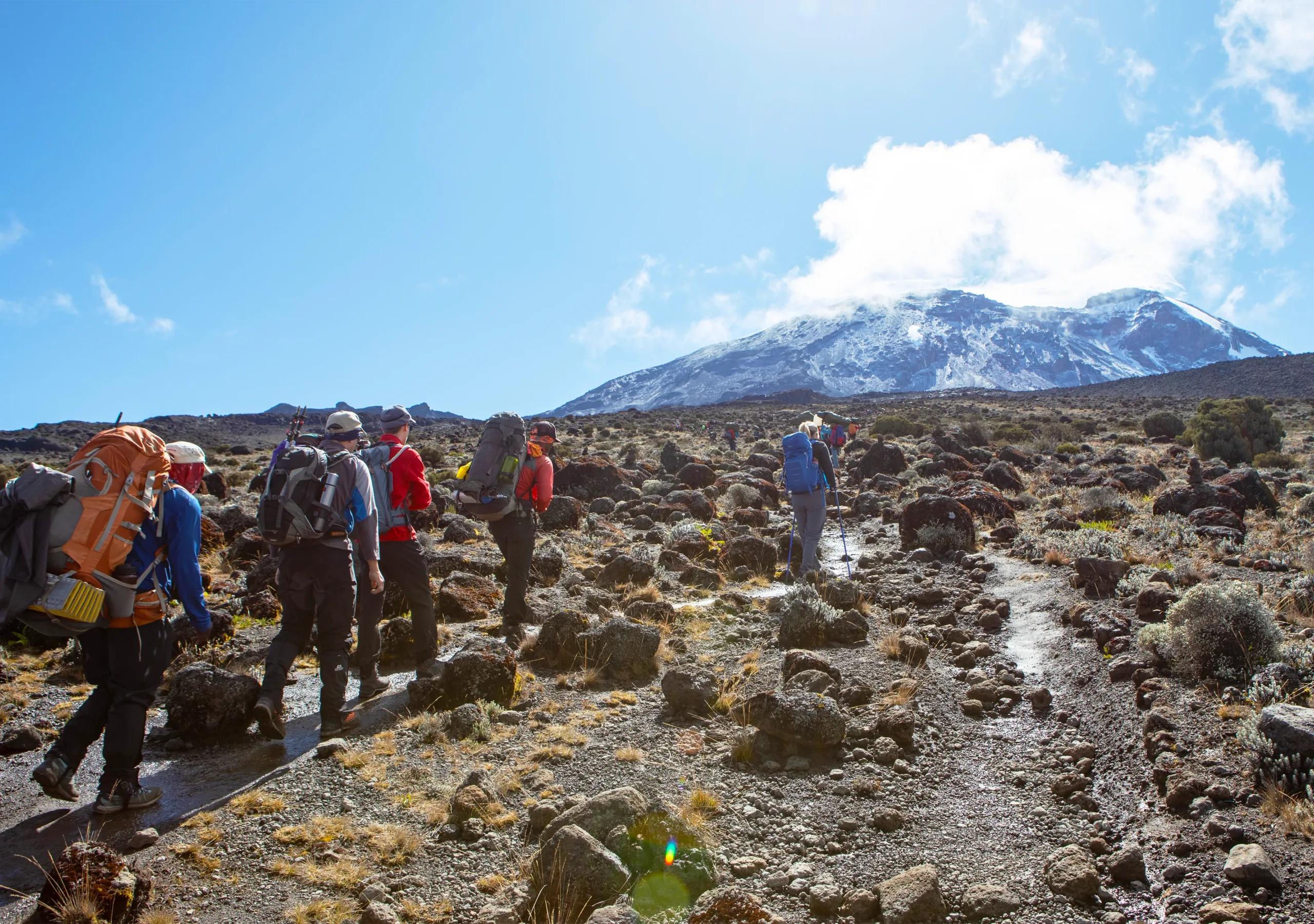
Summit night is a 10-to-15-hour ordeal starting at midnight, characterized by sub-zero temperatures, steep scree slopes, and the mental challenge of hiking in the dark using a headlamp.
This is where the “pole pole” (slowly, slowly) mantra becomes a reality. You will leave Barafu Camp (4,673m) around midnight. The air is thin, and every step feels like a marathon.
Our pro-tip for Saffas: Pack a small bottle of Energade concentrate or some Biltong. While your appetite usually disappears at altitude, the familiar salt and protein of biltong can be a lifesaver when your body is screaming for fuel.
Post-Climb Recovery: The Zanzibar Option
Most South African climbers choose to follow their Kilimanjaro trek with a 3-to-4-day recovery break in Zanzibar, taking advantage of short 1-hour internal flights from Arusha.
After 7 days of dirt, sweat, and thin air, nothing beats the humidity and turquoise waters of Zanzibar. Since you’ve already paid for your international flights to Tanzania, the “add-on” cost of a Zanzibar leg is surprisingly affordable.
Learn more about high-altitude safety from the [Wilderness Medical Society].
People Also Ask (FAQ)
Do South Africans need a Yellow Fever injection for Tanzania?
Yes. While Tanzania technically only requires it if you are coming from a high-risk country, South African immigration often requires proof of vaccination upon your return from Tanzania. It is best to have the “Yellow Book.”
Can I climb Kilimanjaro without a guide?
No. It is illegal to climb Kilimanjaro without a licensed guide and a registered trekking company. This ensures safety and the protection of the national park.
What is the best month for South Africans to climb?
The best windows are January–March (warmer but can be misty) and June–October (crisp, clear, and colder). Avoid the “long rains” in April and May.
How fit do I really need to be?
You don’t need to be an elite athlete, but you should be able to walk for 6 hours a day for several days in a row. If you can complete a 2-day hike in the Drakensberg with a 10kg pack, you have the base fitness required.
Is the water safe to drink on the mountain?
Your crew will collect water from mountain streams and boil it or use purification tablets. Never drink unpurified water. We recommend bringing a 3-liter hydration bladder (like a CamelBak) and a 1-liter Nalgene bottle.
Final Verdict: Why Experience Matters
Climbing Kilimanjaro is a “bucket list” item for a reason—it is physically demanding, emotionally draining, and visually spectacular. For South Africans, the proximity and ease of travel make it the ultimate adventure. However, the mountain doesn’t care about your resume; it only cares about your preparation and the team you choose.
At Tanzania Safari Experience, we don’t just sell “packages”—we manage the entire journey. From ensuring your gear meets the sub-zero requirements to providing a menu that keeps your energy up when the altitude hits, we treat every climb like it’s our own. Choosing a local authority ensures your money stays in the Tanzanian community and your safety remains the absolute priority.