


The Truth About the Summit: How to Honestly Calculate Your Kilimanjaro Success Rate
Reaching the roof of Africa isn’t just about physical grit; it’s a mathematical play against altitude and time. At Tanzania Safari Experience, we’ve guided thousands of climbers, and we’ve learned that “success” is calculated long before you step onto the mountain.
To calculate your Kilimanjaro success rate, evaluate your chosen route’s duration, your previous altitude experience, and your physical preparation. Generally, longer 8-day routes yield a success probability exceeding 90% for most climbers.
Why “Average” Success Rates Are Misleading
If you search for Kilimanjaro success rates, you’ll often see a generic figure of 60% to 70%. But that number is a cocktail of every climber on the mountain—from the unprepared tourist on a 5-day “Coca-Cola” route to the seasoned pro on an 8-day Lemosho trek.
In my experience leading expeditions, your individual success rate isn’t a static number. It’s a sliding scale. We look at three primary “Force Multipliers”:
-
Acclimatization Time: Every extra day adds roughly 15-20% to your success probability.
-
Route Topography: Does the route allow you to “walk high, sleep low”?
-
The “Human Factor”: Your mental resilience and the quality of your mountain crew.
RELATED ARTICLE: Altitude Sickness Prevention Strategies for Kilimanjaro
The Route Variable: Success by the Numbers
The single biggest predictor of whether you will stand at Uhuru Peak is the path you choose. Short routes are the primary reason for the mountain’s overall failure rate.
Estimated Success Rates by Route Duration
| Route & Duration | Estimated Success Rate | Why? |
| Marangu (5 Days) | 35% – 40% | Insufficient time for the body to produce red blood cells. |
| Machame (6 Days) | 60% – 70% | Better than Marangu, but still a “rush” for the average person. |
| Lemosho (8 Days) | 90% + | The “Gold Standard.” Optimal height-to-time ratio. |
| Northern Circuit (9 Days) | 95% + | Nearly 360-degree circulation of the mountain for maximum oxygen adaptation. |
Your Personal Success Formula
To get a realistic idea of your chances, we use a simple internal metric. Consider your starting point as a “Base 50%” and add or subtract based on the following:
1. The 48-Hour Rule (+20%)
If you spend two nights at the same elevation before pushing past 4,000 meters, your body’s chemistry fundamentally shifts. We always recommend an extra day at Karanga Valley or Shira 2. This “doubling up” is the secret weapon of successful summits.
2. Prior Altitude Experience (+10%)
Have you been above 3,500 meters (11,500 feet) before? It’s not that your body “remembers” how to breathe, but you remember how the symptoms feel. Knowing the difference between a mild “altitude headache” and the onset of HAPE (High Altitude Pulmonary Edema) prevents unnecessary retreats.
3. The “Pole Pole” Discipline (+15%)
“Pole Pole” (Slowly, Slowly) isn’t just a catchy Swahili phrase; it’s a medical necessity. If you arrive at camp every day with energy to spare, you are winning. If you are racing to be first to camp, you are burning the very oxygen your brain needs for the final summit push.
RELATED ARTCLE: Kilimanjaro Packages From South Africa
The Hidden Impact of the Barranco Wall
Many climbers fear the Barranco Wall, a 257-meter rock face. However, from a success-rate perspective, the Wall is actually your best friend.
The Barranco Wall forces a “climb high, sleep low” maneuver. You scramble up to nearly 4,200 meters and then descend into the Karanga Valley. This brief exposure to higher altitude followed by a descent triggers a massive boost in acclimatization.
Pro Tip: Don’t let the “Breakfast Wall” intimidate you. It requires no technical skills—just a few “monkey crawls.” Reaching the top of the wall is often the psychological turning point where climbers realize they can do this.
Physical vs. Mental: What Really Breaks?
You don’t need to be an Olympic athlete to climb Kilimanjaro. In 2026, the most successful climbers aren’t necessarily the youngest or the fittest; they are the most patient.
Training Comparison: What Matters Most
| Focus Area | Impact on Success | Expert Recommendation |
| Cardio (Running/Cycling) | High | Focus on “Zone 2” (low intensity) for 60+ minutes. |
| Leg Strength | Medium | Weighted step-ups are better than heavy squats. |
| Mental Endurance | Critical | Practice hiking in the rain and cold to build “grit.” |
If you can walk for 6 hours with a 6kg pack, you have the physical foundation. The “Summit Success” calculation shifts to your mind during the final push from Barafu Camp to Uhuru Peak. This 6–8 hour ascent in sub-zero temperatures is where 90% of failures occur.
Gear: The 5% That Makes or Breaks You
While gear doesn’t “get” you to the top, the wrong gear will certainly get you sent down. Hypothermia and blisters are the two most common non-altitude reasons for failing a summit.
-
The Footwear Fallacy: Do not buy brand-new boots for Kilimanjaro. Your success rate drops significantly if you’re battling a heel blister at 5,000 meters. Break them in for at least 50km.
-
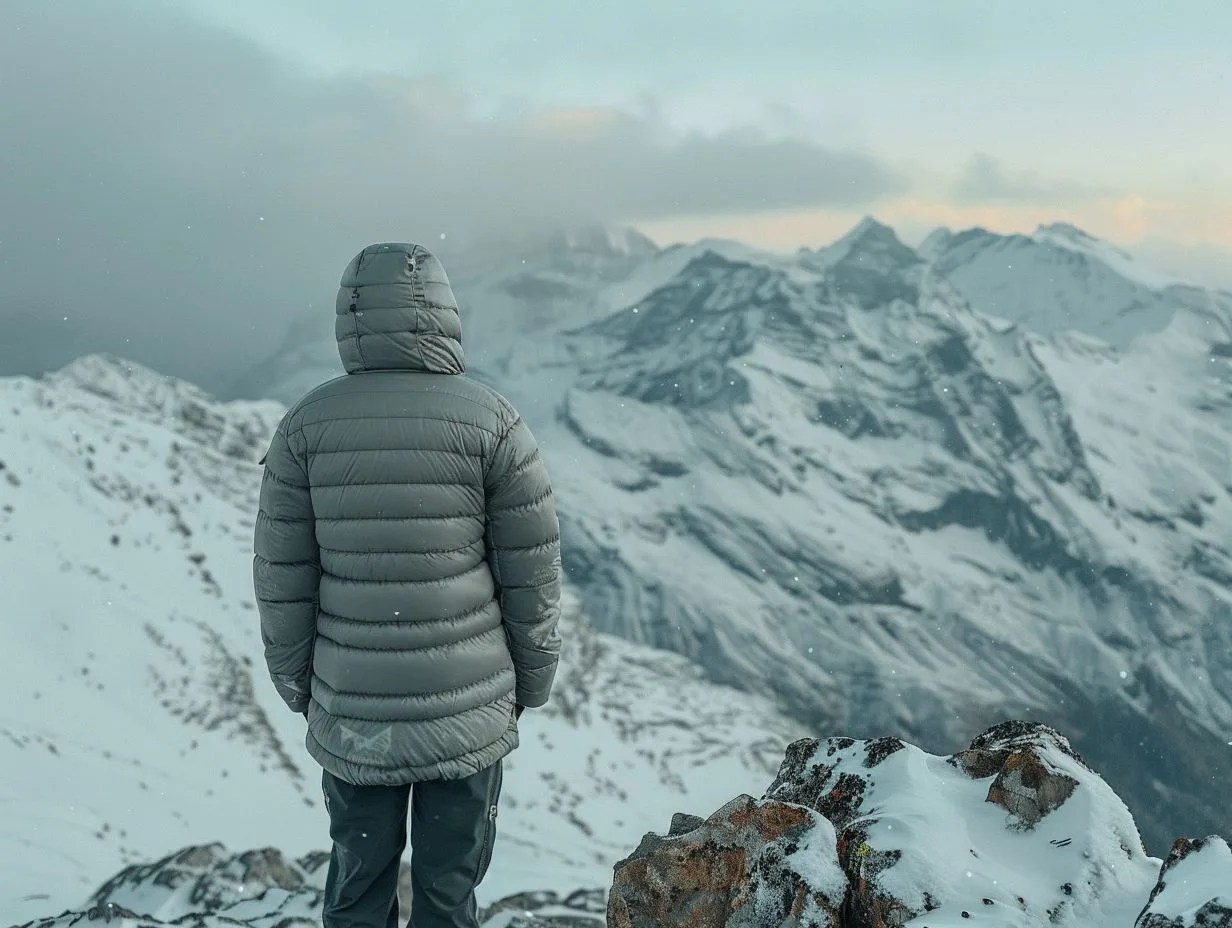
The Four-Layer System: You need a base layer (moisture-wicking), a mid-layer (fleece), a heavy down jacket (rated to -15°C), and a waterproof shell.
Why the “Local” Factor Matters
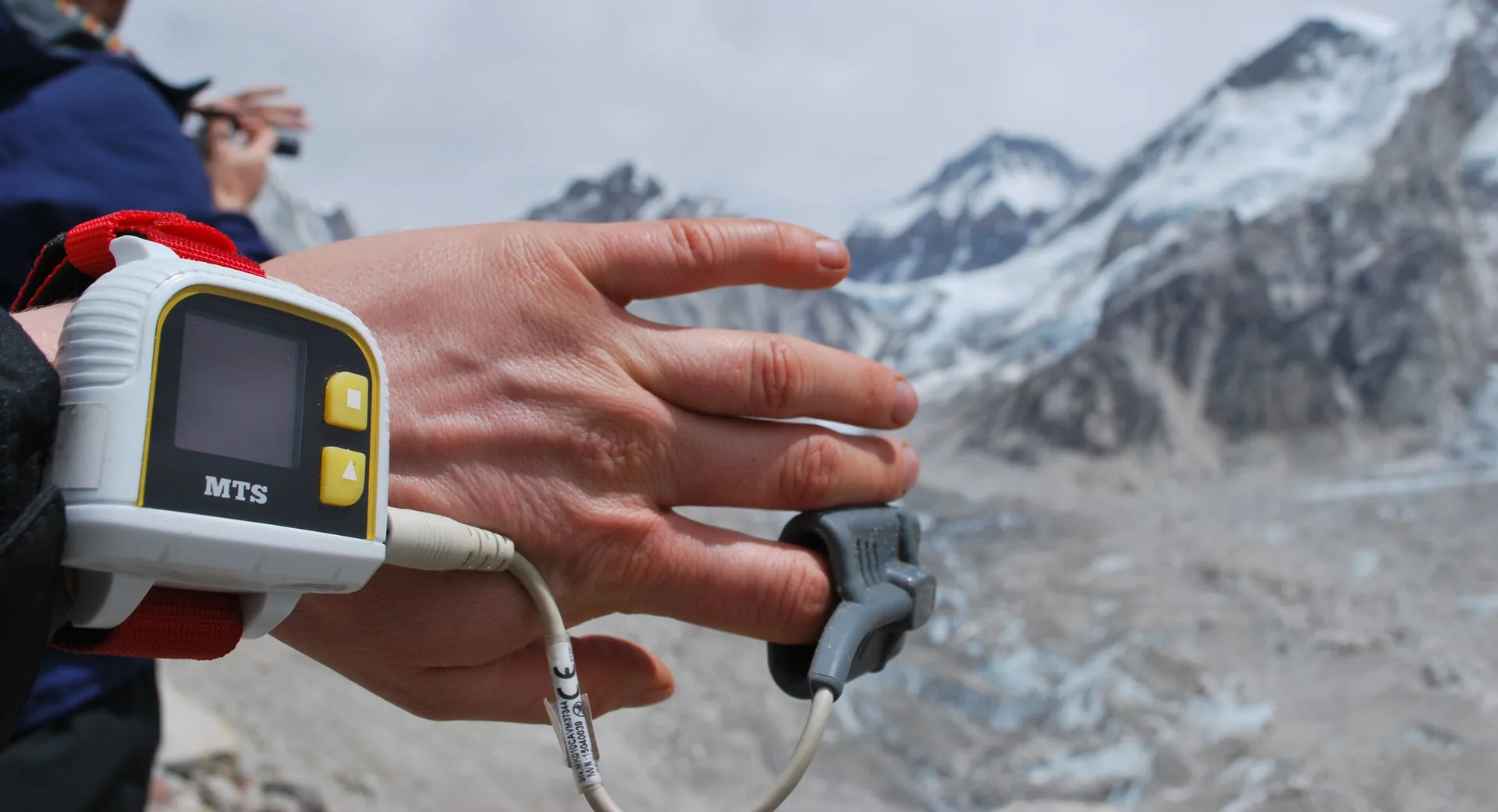
When you book with a local authority like Tanzania Safari Experience, your success rate is bolstered by our pulse-oximetry protocols. We check your oxygen saturation levels twice daily.
Most “budget” operators wait for you to say you feel sick. By then, it’s often too late. We track the trend of your oxygen levels. If we see a dip on day 3, we can adjust your pace or hydration immediately, saving your summit attempt before you even feel the symptoms.
Frequently Asked Questions
What is the success rate for a 7-day Machame climb?
The 7-day Machame route has a success rate of approximately 80% to 85%. That extra day at Karanga Valley makes a massive difference compared to the 6-day version.
Does age affect the Kilimanjaro success rate?
Surprisingly, older climbers (40–60) often have higher success rates than younger climbers (20–30). This is usually attributed to “pacing maturity”—older hikers tend to go slower and follow the “Pole Pole” advice more strictly.
Can I use Diamox to increase my success rate?
Yes, Acetazolamide (Diamox) helps your body acclimatize faster. While it’s not a “silver bullet,” many climbers find it reduces the severity of headaches, though you should consult a doctor first.
What is the “Summit Night” success percentage?
If you make it to the final base camp (Barafu or Kibo) without severe altitude sickness, your chance of reaching the rim (Stella Point or Gilman’s Point) is over 90%. The final “failure” point is usually the physical exhaustion of the last 200 meters of gain.
What happens if I don’t reach the summit?
Safety is the priority. If our guides determine it is unsafe for you to continue, you will be escorted down by a dedicated porter. You can still enjoy a spectacular trek through five distinct ecosystems.
Final Verdict: Is Your Goal Realistic?
Calculating your Kilimanjaro success rate isn’t about luck; it’s about strategy. If you choose an 8-day Lemosho route, train your “Zone 2” cardio, and listen to your guides, your success rate is statistically near-certain.
At Tanzania Safari Experience, we don’t just provide a guide; we provide a dedicated support system that understands the nuances of the mountain’s microclimates and your body’s needs. We ensure that your journey to the roof of Africa is safe, ethical, and, ultimately, successful.