


Your First Time Safari to Tanzania
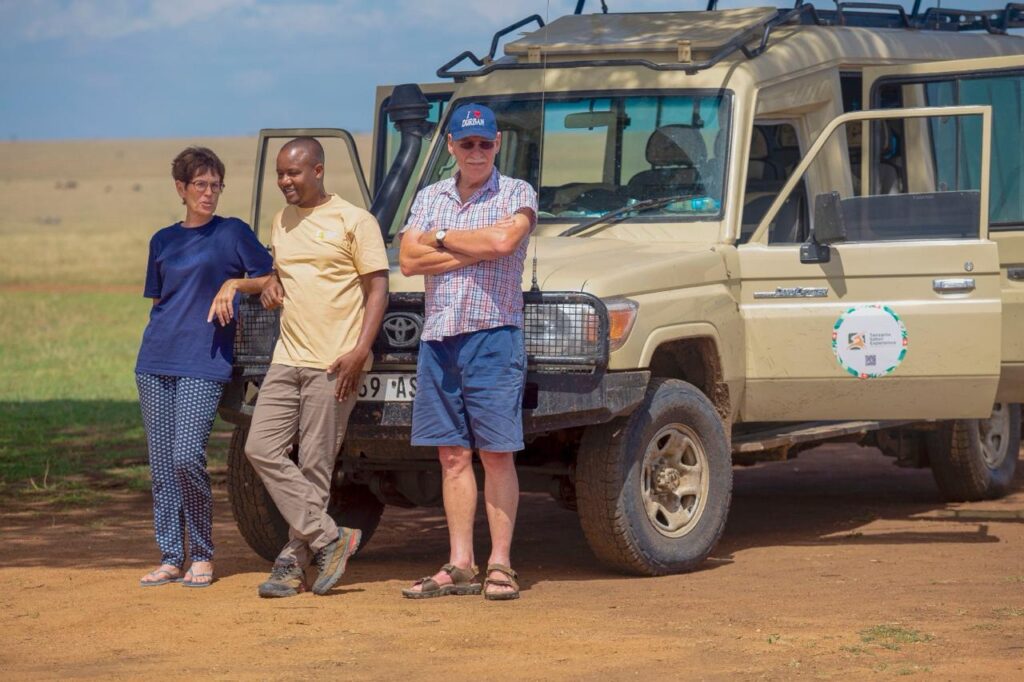
Your First Time Safari to Tanzania: The Ultimate Insider’s Guide for 2026
Landing in Kilimanjaro International Airport for the first time feels like stepping into a documentary where the colors are sharper and the air smells of wild sage. At Tanzania Safari Experience, we’ve spent decades navigating these plains, and we know that your first journey isn’t just a vacation—it’s a sensory overhaul that requires expert local navigation.
To plan a perfect first-time Tanzania safari, you must balance the “Big Five” circuits with seasonal migration patterns, choosing between the Northern and Southern circuits based on your budget, timeframe, and desire for exclusivity.
RELATED ARTICLE: Tanzania Safaris for Solo Female Travelers
The “Big Three” Regions: Where Should You Go First?
Tanzania is massive, and trying to see everything in one trip is the most common mistake first-timers make. We recommend focusing on one specific “circuit” to maximize your time in the bush rather than in a transit vehicle.
1. The Northern Circuit (The Icon)
This is the “Hollywood” version of Africa. It includes the Serengeti, Ngorongoro Crater, Tarangire, and Lake Manyara. If you want to see the Great Migration or the densest concentration of predators on earth, this is your destination.
2. The Southern Circuit (The Wild Frontier)
Nyerere (formerly Selous) and Ruaha offer a raw, boat-based, and walking-heavy experience. It’s perfect for those who find the crowds of the north a bit much and want a “pioneer” feel.
3. The Western Circuit (The Primate Capital)
Mahale and Katavi are for the true adventurers. This is where you go to trek for chimpanzees on the shores of Lake Tanganyika.
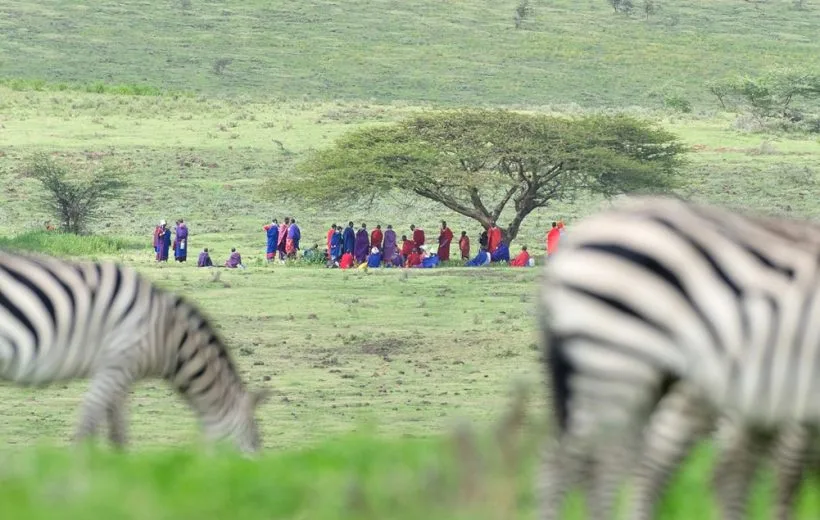 Tanzania Tours3 Nights
Tanzania Itinerary 4 Days
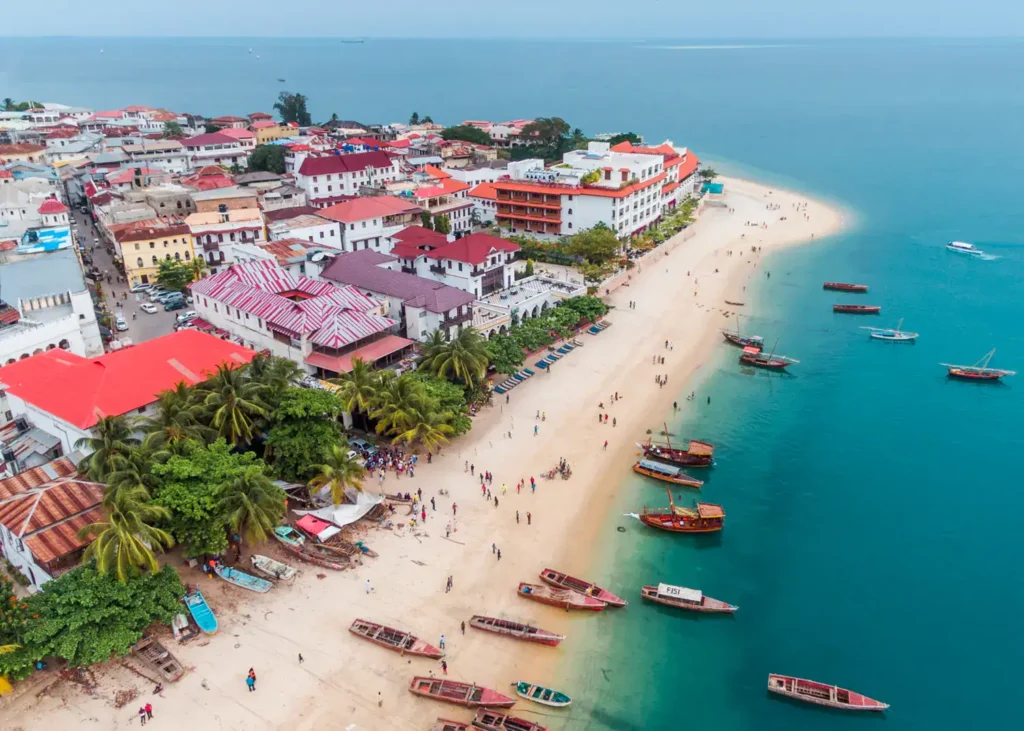 Zanzibar3 Nights
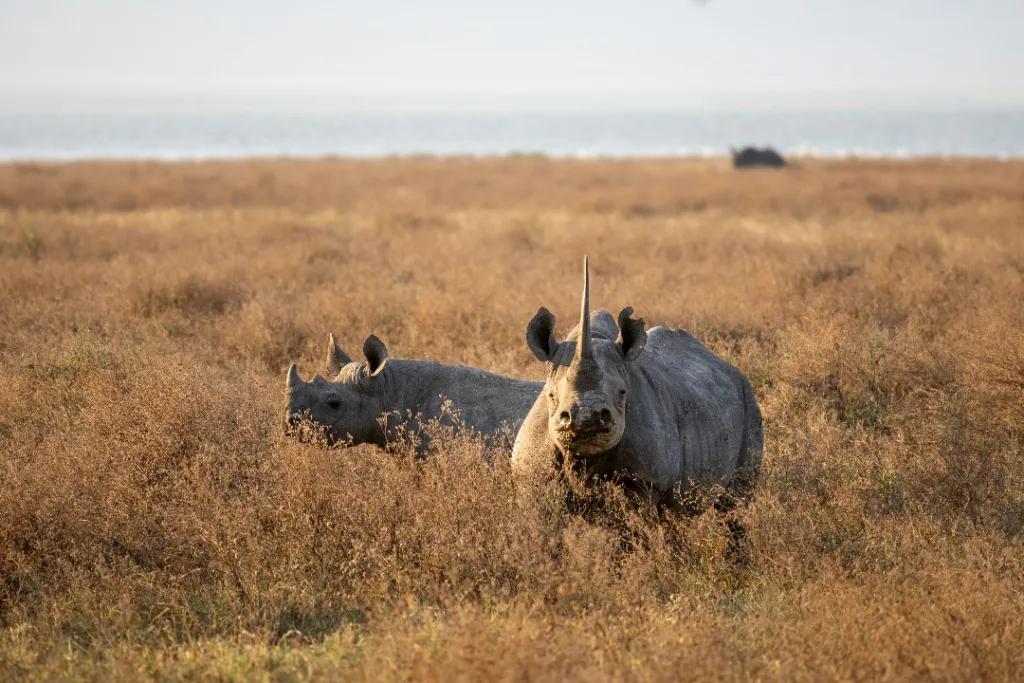 Tanzania Day Trips
Ngorongoro Crater Day Trip itinerary
 Zanzibar6 Nights
Comparison: Northern vs. Southern Circuit
| Feature | Northern Circuit | Southern Circuit |
| Crowd Levels | High (especially in July–October) | Low / Exclusive |
| Wildlife Density | Unbeatable (Big Five) | High, but more dispersed |
| Activities | Game drives, Balloon Safaris | Boat safaris, Walking, Game drives |
| Accessibility | Easy (Daily flights/good roads) | Remote (Requires light aircraft) |
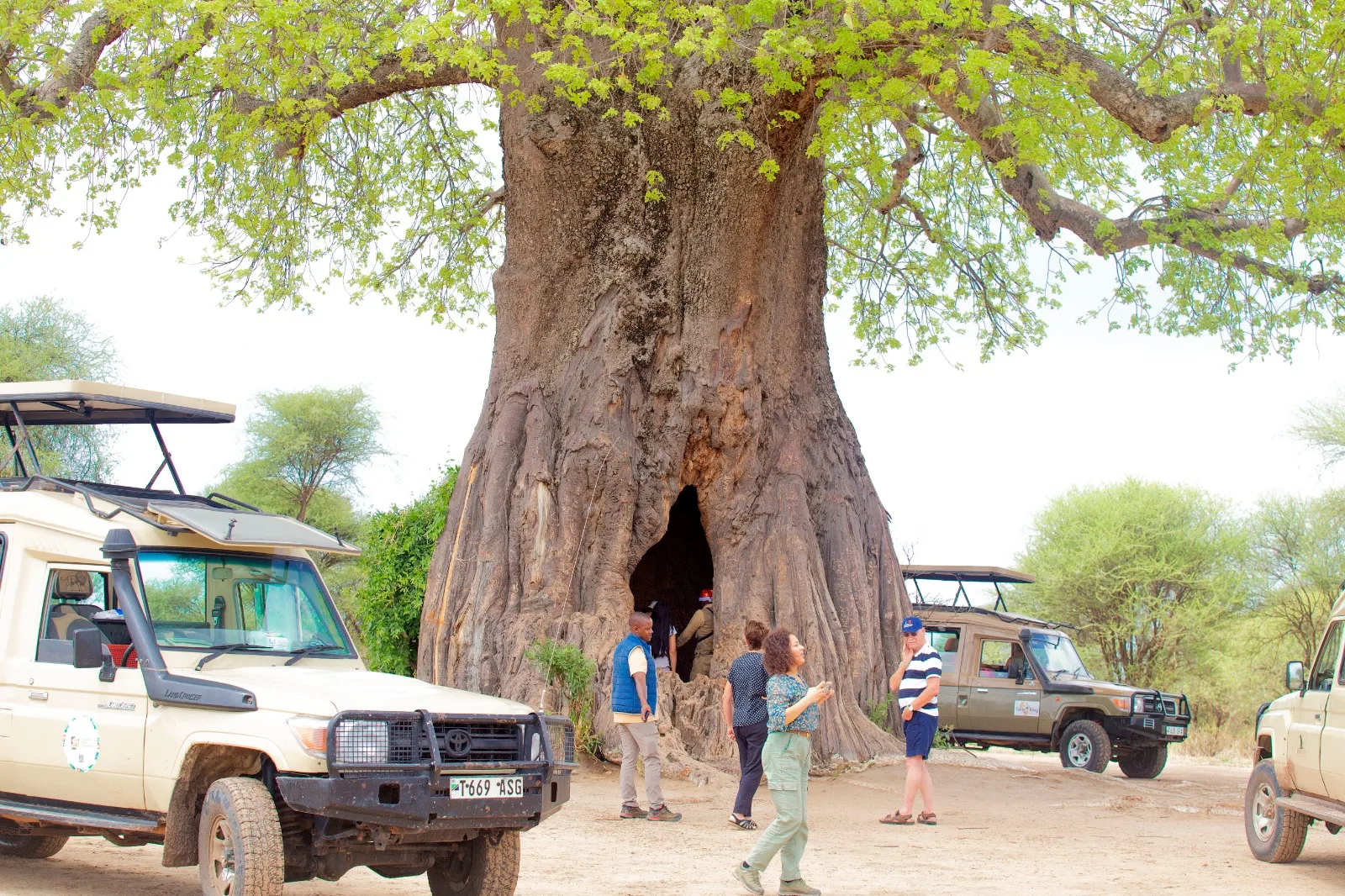
Pro-Tip from our Guides: If you are visiting between June and October, Tarangire National Park is the “hidden gem” of the North. While everyone rushes to the Serengeti, the elephant herds in Tarangire are some of the largest in Africa, gathered around the only permanent water source in the region.
Timing Your Arrival: The Great Migration and Weather
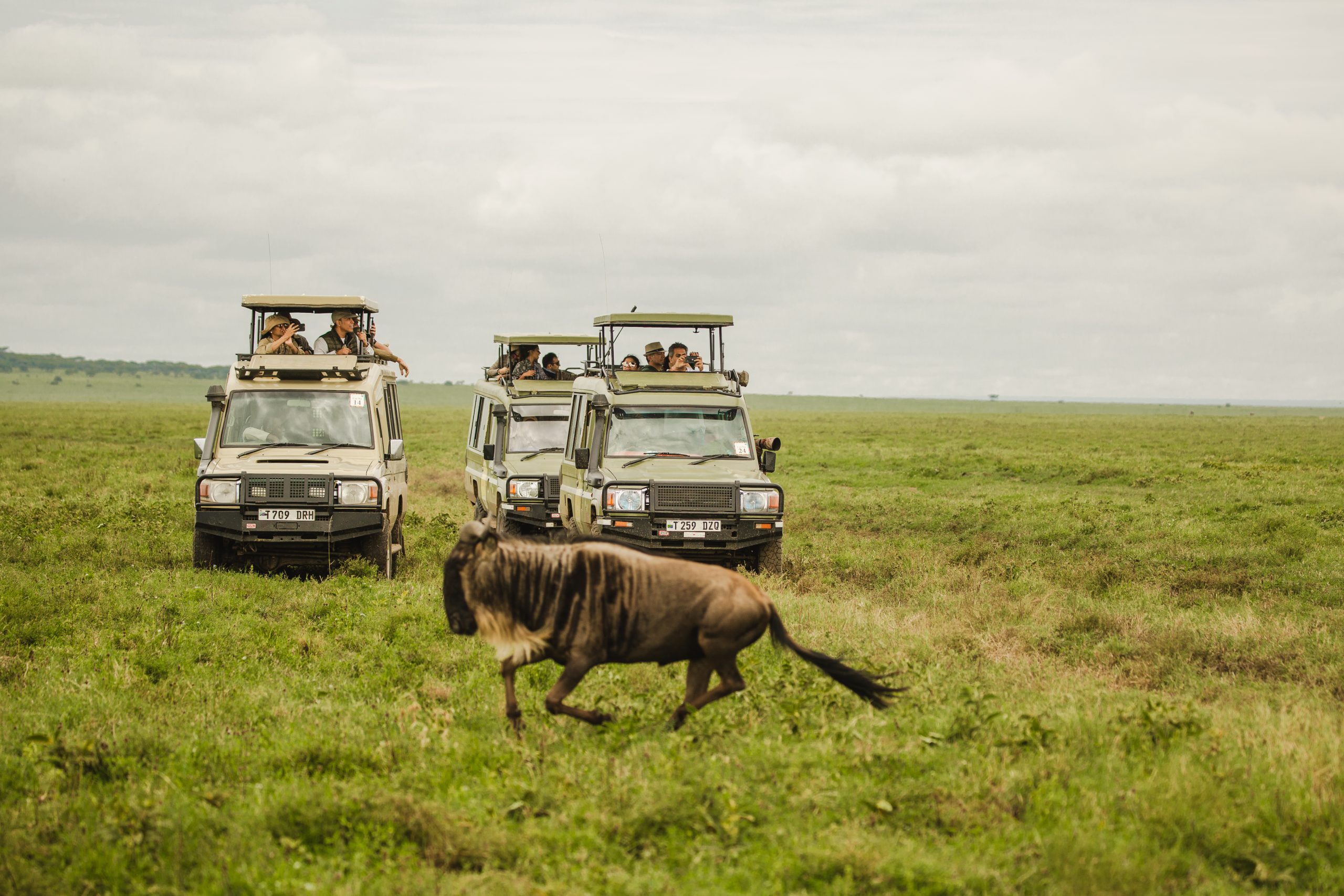
You cannot simply “show up” and expect to see the migration; the herds are constantly moving in a clockwise cycle based on the rains.
The best time for a first-time Tanzania safari is during the dry season (June to October) for wildlife viewing, or January to February to witness the wildebeest calving season in the southern Serengeti.
The Seasonal Breakdown:
-
June – October (Dry Season): The grass is short, making animals easier to spot. This is peak season.
-
November – December (Short Rains): A beautiful “green” season. Prices are lower, and the dust is settled.
-
January – March (Calving Season): Specifically in the Ndutu area, you’ll see thousands of baby wildebeest born daily—and the predators that follow them.
-
April – May (Long Rains): Many camps close, but for the “connoisseur,” the photography is world-class due to the dramatic skies.
Essential Gear: What Actually Matters
Most travelers overpack heavy clothes and underpack for the dust. Remember, “safari chic” is about utility, not just fashion.
A successful safari packing list includes lightweight layers in neutral tones (khaki, olive), high-quality binoculars (8×42 is ideal), a wide-brimmed hat with a chin strap, and a high-SPF physical sunblock.
The First-Timer’s Checklist:
-
Avoid Blue and Black: These colors attract Tsetse flies in certain wooded areas. Stick to beige, green, and tan.
-
The “Dust Bag”: Bring a dry bag or a simple pillowcase to cover your camera equipment during drives. The Tanzanian dust is incredibly fine and can ruin electronics.
-
Power Solutions: Most of our vehicles at Tanzania Safari Experience have charging ports, but a rugged power bank is essential for late-night photo editing in your tent.
RELATED ARTICLE: Ultimate 7-10 Day Tanzania Safari Itinerary & Costs
The Ngorongoro Crater: A Natural Wonder
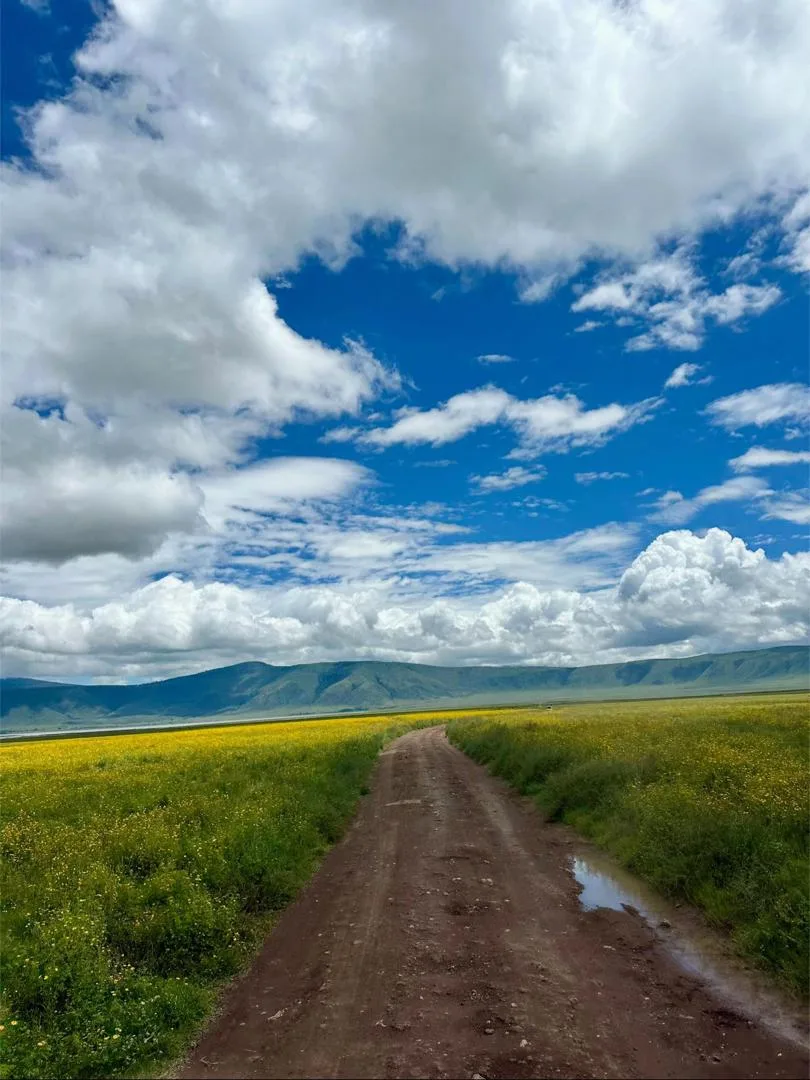
The Ngorongoro Crater is a self-contained ecosystem where 30,000 animals live within the walls of a collapsed volcano. It is the best place in East Africa to see the endangered Black Rhino.
To experience the Ngorongoro Crater properly, you must enter the gates at 6:00 AM. This allows you to witness the golden hour light hitting the crater floor before the midday heat and crowds arrive.
Logistics: Visas, Health, and Money
Tanzania is very welcoming, but the bureaucracy requires a bit of foresight. Don’t leave your visa until the last minute if you want to avoid the long queues at the airport.
Travelers to Tanzania require a tourist visa (available online or on arrival), a Yellow Fever vaccination certificate if traveling from an endemic country, and local currency (Tanzanian Shillings) for small tips.
-
Money: US Dollars are widely accepted, but they must be printed after 2013. Older bills will often be rejected by local banks and shops.
-
Connectivity: We recommend picking up a local SIM card (Vodacom or Airtel) at the airport for the best data coverage, though most of our luxury lodges offer satellite Wi-Fi.
-
Health: Consult a travel clinic about anti-malarial medication. While many camps are at higher altitudes with fewer mosquitoes, the lower-lying areas like Zanzibar and Arusha require precautions.
For more detailed health requirements, check the CDC Tanzania Travel Guidelines.
Cultural Etiquette: Being a Respectful Guest
In Tanzania, we live by the “Pole Pole” (slowly, slowly) philosophy. Rushing your guide or the kitchen staff won’t get you there faster; it will only miss the magic of the moment.
Respecting Tanzanian culture involves asking permission before taking photos of people, learning basic Swahili greetings like “Jambo,” and dressing modestly when visiting local villages or the island of Zanzibar.
Common Swahili Phrases for Your Trip:
-
Asante Sana: Thank you very much.
-
Karibu: Welcome.
-
Lala Salama: Sleep well/Goodnight.
-
Habari gani: How are you?

Why You Should Add Zanzibar to Your First Trip
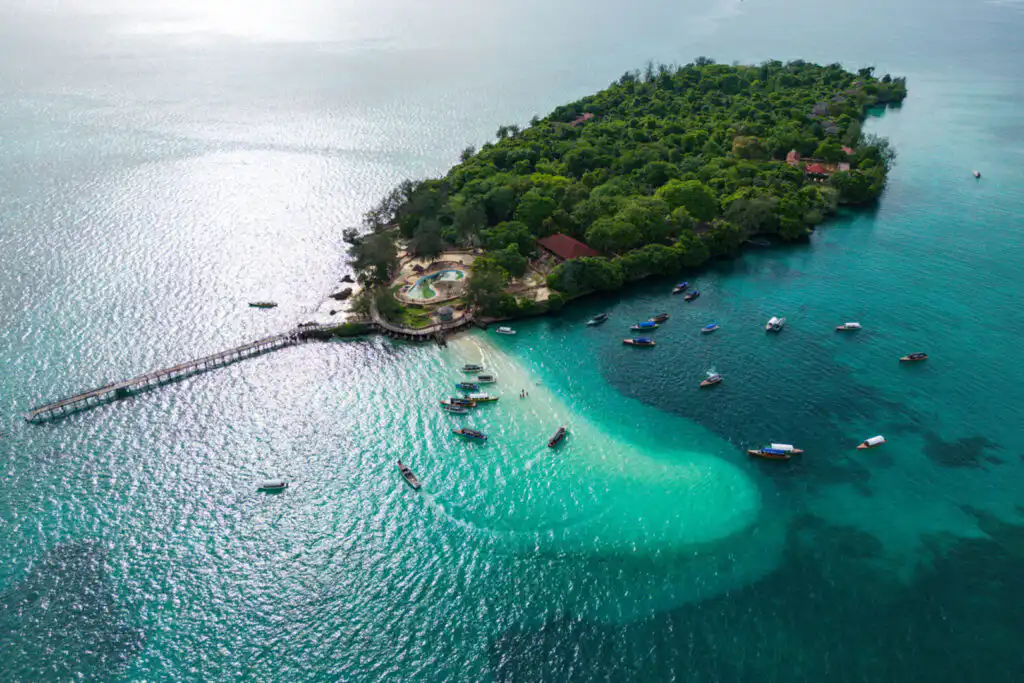
After a week of 5:00 AM wake-up calls and dusty roads, your body will crave the ocean. Zanzibar is just a short 20-minute flight from the mainland and offers a complete shift in pace.
Combining a safari with Zanzibar provides a “Bush to Beach” experience, allowing you to decompress in Stone Town’s historic alleys or on the white sands of Nungwi after your wildlife adventure.
Luxury vs. Authentic Zanzibar
-
Nungwi/Kendwa: Best for swimming regardless of the tide and a livelier atmosphere.
-
Matemwe/Paje: Best for boutique “barefoot luxury,” kite surfing, and witnessing the local seaweed harvests.
Frequently Asked Questions
Is a Tanzania safari safe for families?
Absolutely. We curate specific family-friendly itineraries with shorter drive times and lodges that feature “Junior Ranger” programs to keep kids engaged.
How much should I tip my safari guide?
As a general rule, we suggest $20–$30 USD per day, per vehicle. This is usually shared among the group and is a vital part of the local economy for those who work away from home for weeks at a time.
Can I see the Big Five in one day?
While possible in the Ngorongoro Crater, we recommend a minimum of 7 days to truly appreciate the diversity of the wildlife without feeling like you are “ticking boxes.”
What is the food like on safari?
Expect a mix of international cuisine and local flavors. You will often have a “bush breakfast” in the middle of the savannah and multi-course dinners at the lodges. We cater to all dietary needs, including vegan and gluten-free.
Do I need a 4×4 vehicle?
Yes. All Tanzania Safari Experience trips use modified 4×4 Land Cruisers with pop-up roofs. Do not attempt a self-drive in a standard sedan; the “African washboard” roads will win every time.
The Final Verdict: Making it Count
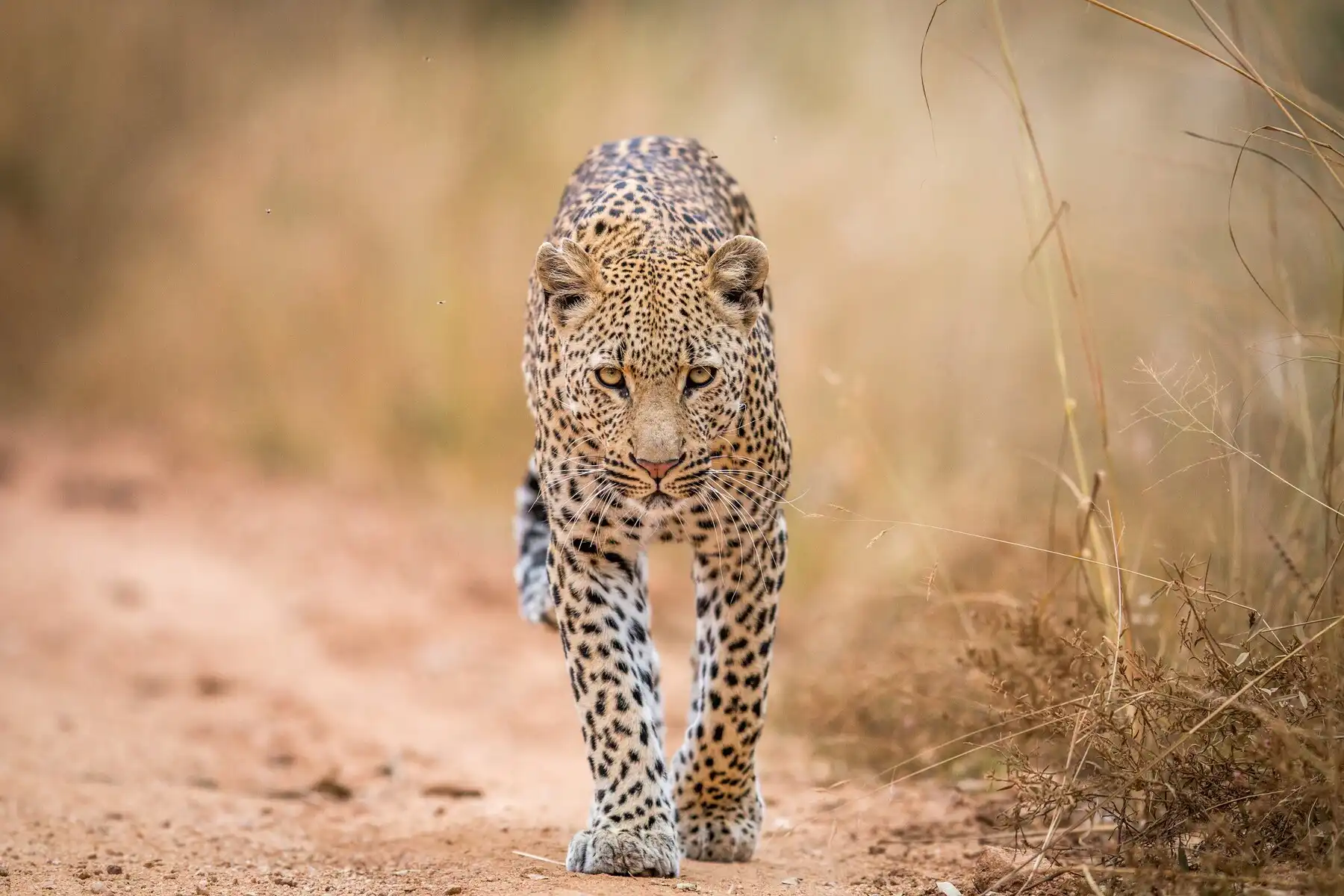
Your first safari shouldn’t feel like a transaction; it should feel like a homecoming. Tanzania is a land of profound beauty and raw power, but it is the people—the guides who can spot a leopard’s tail from a kilometer away and the camp staff who greet you with a warm towel—who make the trip.
At Tanzania Safari Experience, we don’t just show you the animals; we tell the story of the land. By choosing a local authority, you ensure that your presence supports conservation efforts and that your itinerary is built on real-time knowledge of where the herds are moving today, not where they were last year.
Ready to start planning? You can check current entry requirements on the Tanzania Ministry of Natural Resources or contact our team directly via our WhatsApp link to begin crafting your custom route.
