The Ultimate 5-Day Zanzibar Itinerary: A Curated Island Escape
Exploring the lush, emerald heart of Zanzibar, I have often found that travelers arrive at Jozani Forest expecting a simple monkey-spotting walk, only to leave transformed by the whisper of ancient mahogany trees and the complex pulse of the mangroves. As the Director of Tanzania Safari Experience, I’ve walked these coral-rag trails dozens of times, and I can tell you that Jozani is far more than a checkbox on a tourist itinerary—it is the last remaining sanctuary of an island that once was entirely wild.
In 2026, the forest has become a global benchmark for community-led conservation. While most guides will show you the monkeys and lead you to the boardwalk, our team focuses on the “Information Gain”—the hidden details of the Sykes’ monkey’s nocturnal habits, the medicinal secrets of the “Natural Pharmacy,” and the best times to witness the forest’s rare “White-Born” infants.
What is Jozani Forest?
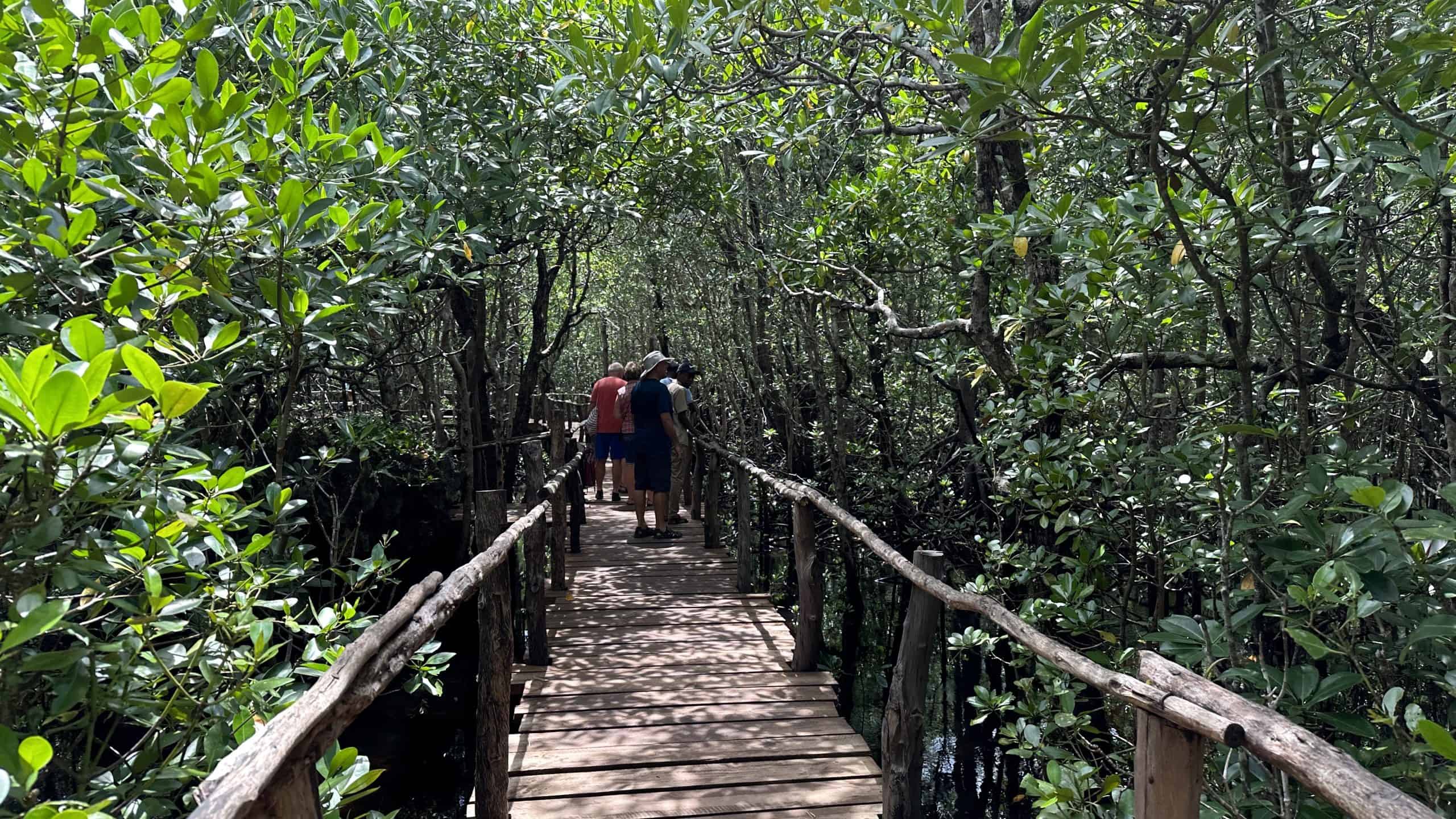
Jozani-Chwaka Bay National Park is Zanzibar’s only national park, protecting 50 square kilometers of rare groundwater forest, coral rag scrub, and salt marshes. It is the world’s exclusive home to the Red Colobus monkey.
The Red Colobus: Meeting Zanzibar’s "Poisonous" Ambassadors
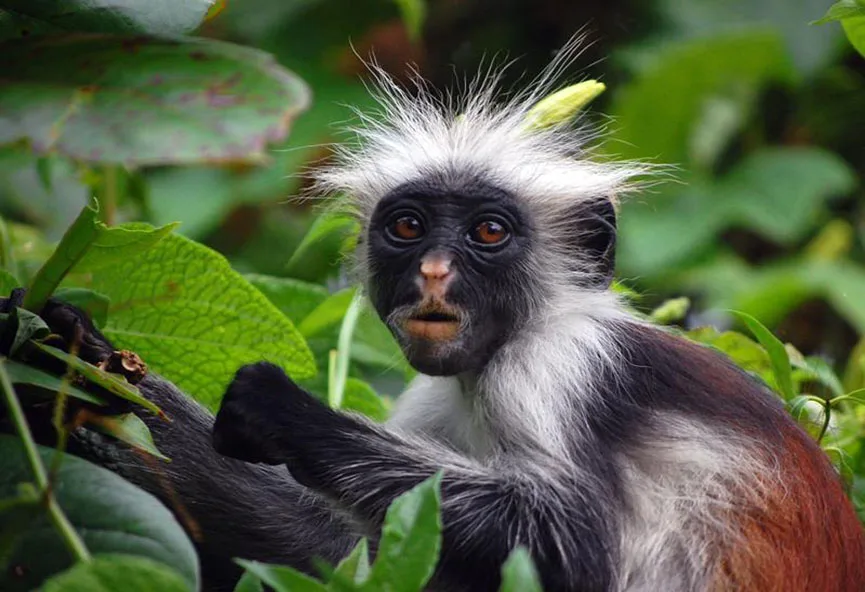
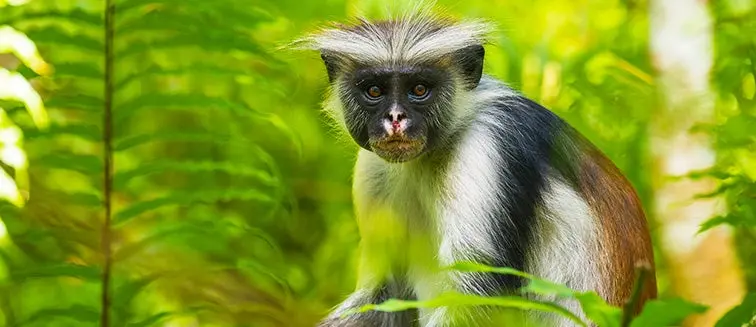
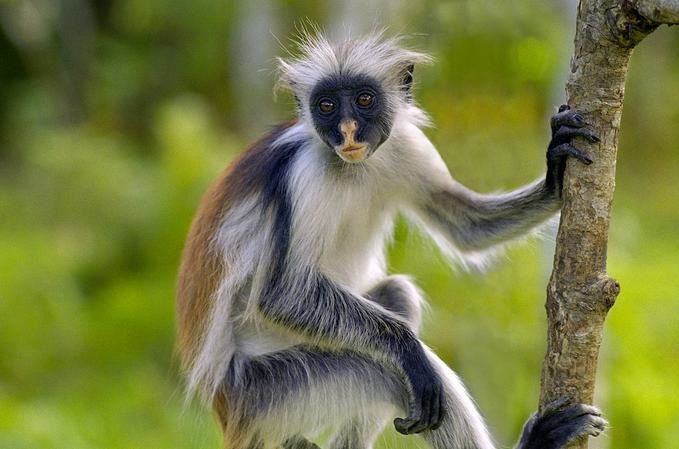
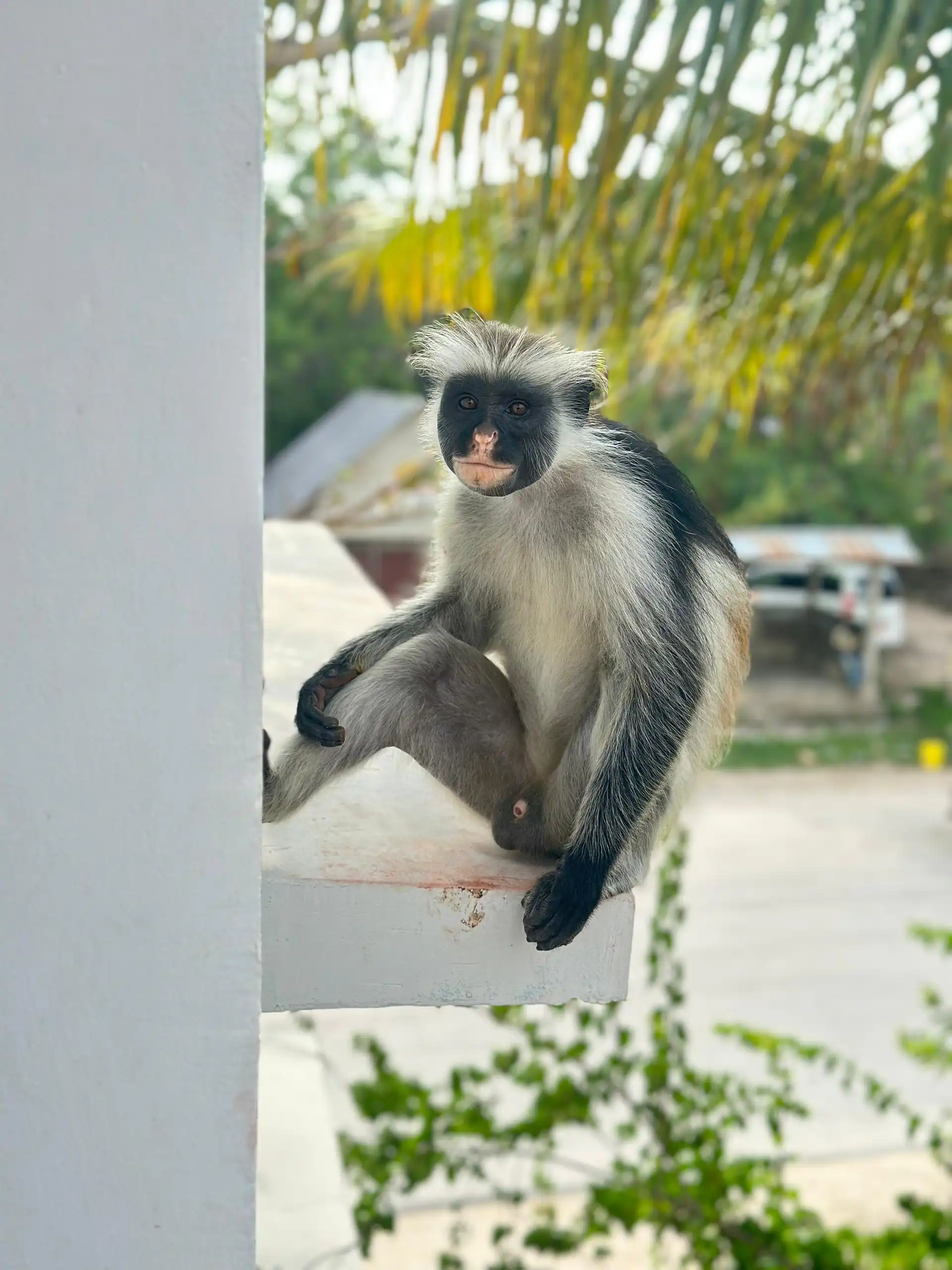
The star of the show is undeniably the Zanzibar Red Colobus (Piliocolobus kirkii). Locally, they are known as Kima Punju, which translates roughly to “poisonous monkey.” This isn’t because they bite, but because of the pungent, fermented odor they emit due to their unique digestive process.
The “Answer Engine” Block
Zanzibar Red Colobus monkeys are endemic primates found only in Jozani Forest. Recognizable by their rust-red backs and white manes, they live in social groups of 20 to 50 individuals.
Unlike the common monkeys you might see elsewhere, the Red Colobus lacks a thumb—an evolutionary trade-off that allows them to swing through the canopy with incredible speed. In 2026, we are seeing a fascinating trend where these monkeys are becoming more terrestrial. Our guides have noted them spending more time on the forest floor, likely due to the cooling effect of the ground during the hotter months.
Pro-Tip from the Trail: Look for the infants. Red Colobus babies are born completely white and only begin to develop their famous “punk-rock” grey and red coloring after several weeks. Seeing a white infant against the deep green mahogany is a highlight for any wildlife photographer.
Zanzibar Photo Gallery – What Awaits You on the Island
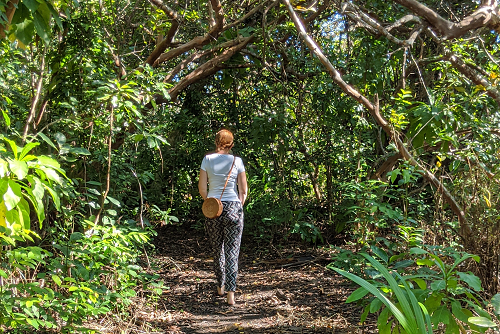
These real photos from our clients showcase the beauty, rhythm, and relaxed charm of Zanzibar—moments you can look forward to on your own island getaway.
At a glance
Tailormade itineraries
Every Tanzania Safari Experience Zanzibar holiday is customized just for you—no fixed packages or set dates. Speak with our Zanzibar travel experts to help you plan your perfect island itinerary.