


Finding the Big Five in Tanzania isn’t just about ticking boxes on a checklist; it is about witnessing the raw, unscripted drama of the East African wild. At Tanzania Safari Experience, our team spends hundreds of hours in the bush every year to ensure you don’t just see these animals, but truly experience them.
While many travelers assume any park will do, the “Big Five”—lion, leopard, rhinoceros, African elephant, and Cape buffalo—have very specific habitats. To see them all in a single trip requires a strategic itinerary that balances the vast plains of the Serengeti with the unique volcanic floor of the Ngorongoro Crater.
Which Park is Best for Seeing the Big Five?
The Ngorongoro Crater and the Central Serengeti are the premier locations for seeing the Big Five. Ngorongoro offers the best chance for rhinos, while the Serengeti excels in big cat sightings.
The Big Five Snapshot: Where to Look
| Animal | Best Location | Difficulty Level | Pro Tip |
| Lion | Serengeti / Ngorongoro | Easy | Look for “Princes of the Rocks” on Serengeti Kopjes. |
| Leopard | Seronera Valley (Central) | Hard | Scan the sausage trees near riverbanks at dusk. |
| Elephant | Tarangire / Ngorongoro | Very Easy | Visit Tarangire in the dry season (July–Oct). |
| Buffalo | Arusha / Ngorongoro / Serengeti | Very Easy | Stay clear of “Dagga Boys” (old, grumpy lone bulls). |
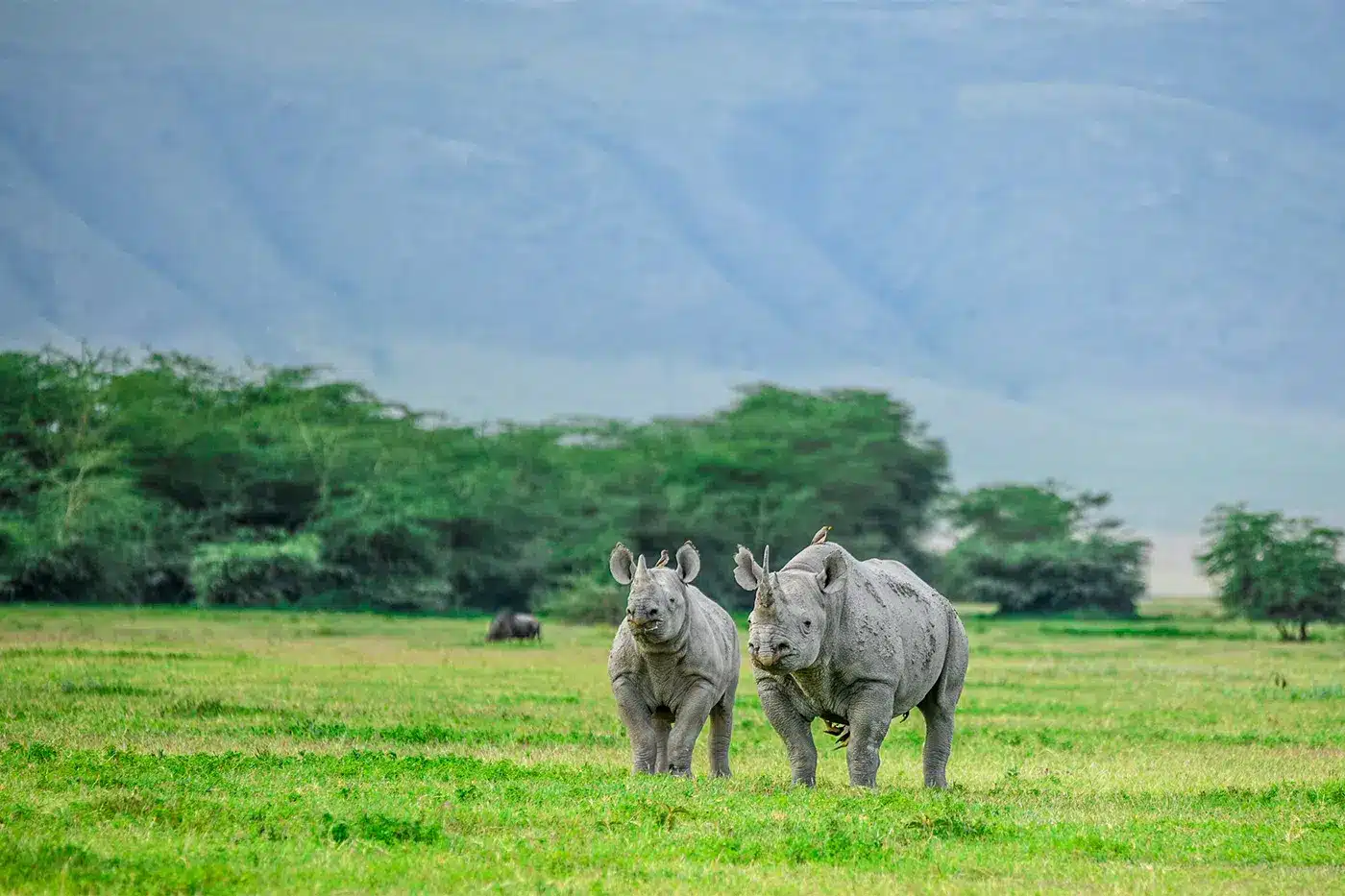
| Rhino | Ngorongoro Crater | Moderate | Bring high-quality binoculars; they often stay in the distance. |
The Ngorongoro Crater: The Natural Penthouse of the Big Five
The Ngorongoro Crater is often called the “Eighth Wonder of the World” for a reason. This collapsed caldera creates a self-contained ecosystem where animals rarely leave, making it the most reliable spot in Africa to see all five species in a single day.
Can you see the Big Five in one day at Ngorongoro? Yes, it is the most consistent location in Tanzania for a “Full House” safari, especially for the elusive Black Rhino.
When our team guides guests into the Crater at dawn, we usually head straight for the Lerai Forest. This fever tree forest is the best place to spot leopards before they retreat into the shadows. From there, we move toward the open plains and the Magadi Lake area.
Explore our 7-Day Tarangire, Ngorongoro and Serengeti Signature Safari
The Rhino Factor
The Black Rhino is the hardest of the five to find. In the Crater, about 30 to 50 individuals remain. Because they are heavily protected, they can be shy. My advice? Get to the crater floor as soon as the gates open at 6:00 AM. The morning light not only makes for better photography but rhinos are more active before the heat of the afternoon sun sends them into the scrub.
Central Serengeti: The Land of the Big Cats
While the Crater is a geographic marvel, the Serengeti is an emotional one. For the Big Five, the Central Serengeti (Seronera) is the “Cat Capital” of the world.
The Central Serengeti provides the highest density of leopards and lions in Tanzania, supported by year-round water sources that keep resident prey and predators in the area.
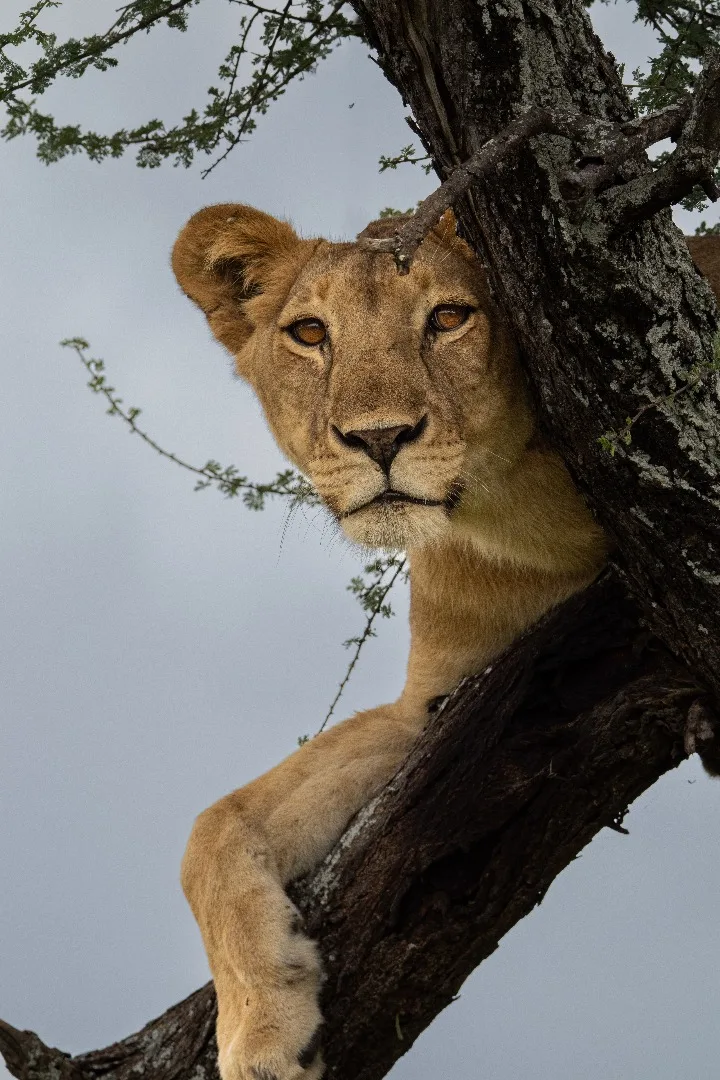
In 2026, the Seronera Valley remains the most reliable spot for leopards. These cats are masters of disguise. I always tell my guests: “Don’t look for a leopard; look for a tail hanging from a branch.” Leopards in the Serengeti love the large branches of the acacia and sausage trees along the Seronera River.
Tracking the Elusive Leopard
Leopards are solitary and territorial. Unlike lions, who might lounge in the middle of the road, a leopard requires patience. We often look for “telltale signs” like an alarm call from a baboon or a vervet monkey. If the bush starts “screaming,” a predator is nearby.
Check the current CITES status and conservation efforts for African Leopards
Tarangire National Park: The Elephant Empire
If your priority is the “Elephant” part of the Big Five, Tarangire is non-negotiable. During the dry season, this park has the highest concentration of elephants per square kilometer in the world.
Tarangire is the best park for massive elephant herds and buffalo, particularly near the Tarangire River during the dry months from July to late October.
We have seen herds of over 300 elephants here. It is a sensory experience—the low rumble of their communication, the smell of dust, and the sight of these giants silhouetted against ancient Baobab trees.
Expert Gear Tip: Binoculars vs. Camera
Many travelers spend thousands on a camera but use cheap binoculars. For the Big Five, especially for spotting rhinos in the distance or leopards in thick canopy, a pair of 8×42 or 10×42 waterproof binoculars is your most important tool. You’ll see the twitch of a leopard’s ear that a naked eye would miss.
RELATED ARTICLE: Best Camera for African Safari
Comparison: Serengeti vs. Ngorongoro for the Big Five
| Feature | Ngorongoro Crater | Serengeti (Central) |
| Rhino Sightings | High (Best in Tanzania) | Very Low |
| Leopard Sightings | Moderate | Very High |
| Crowd Levels | High (Concentrated) | Moderate (Spread out) |
| Landscape | Enclosed Caldera | Endless open plains |
| Time Needed | 5–6 hours | 2–3 days |
Finding the “Dagga Boys”: The Cape Buffalo
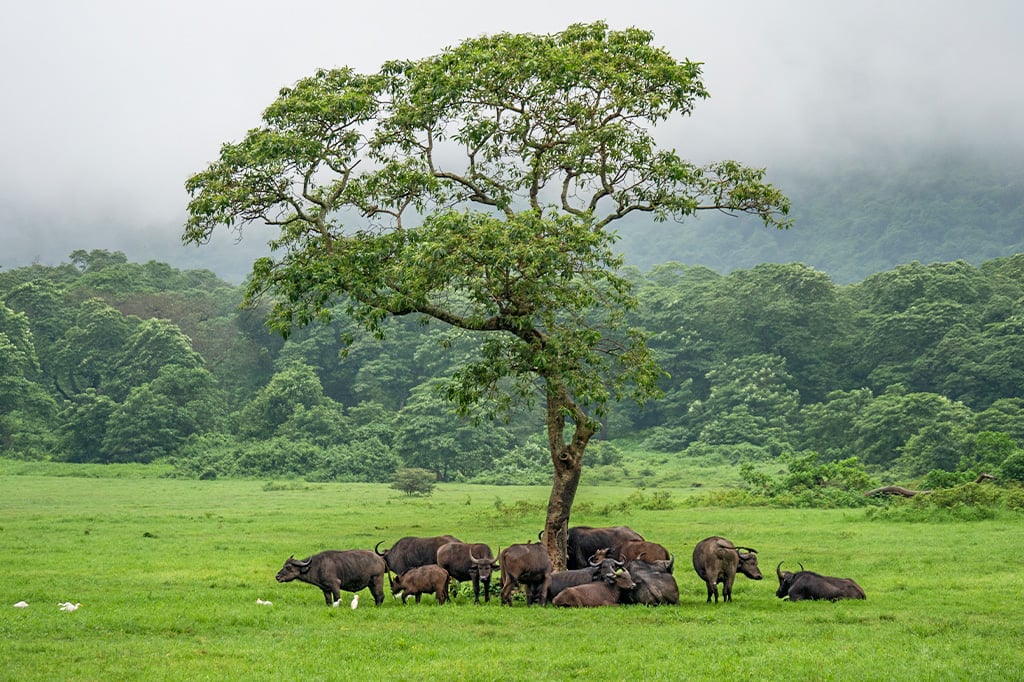
The Cape Buffalo is often underestimated, but ask any professional guide, and they will tell you it’s the most dangerous of the five. In Tanzania, buffalo are everywhere, but the most impressive sightings are the “Dagga Boys”—old bulls that have left the herd.
Cape Buffalo are found in nearly all Tanzanian parks, but the largest and most photogenic herds are found in the Serengeti and the Arusha National Park.
In Arusha National Park, you can actually do a walking safari (accompanied by an armed ranger). Standing on your own two feet just a few hundred meters from a massive buffalo bull is a humbling experience that a vehicle-based safari can’t match.
Seasonal Strategy: When to Visit for the Best Results
Timing is everything. While Tanzania is a year-round destination, your “hit rate” for the Big Five changes with the weather.
-
June to October (Dry Season): The absolute best time. Vegetation is thin, making it harder for leopards and rhinos to hide. Animals congregate around water holes.
-
November to May (Green Season): The landscape is stunning and lush. It’s harder to see the Big Five through the tall grass, but this is the best time for birdwatching and seeing newborn calves.
Frequently Asked Questions
Is the Big Five guaranteed in Tanzania?
No safari can offer a 100% guarantee as these are wild animals. However, a 5-day itinerary covering the Serengeti and Ngorongoro offers a 90% success rate for all five.
Which is the hardest Big Five animal to find?
The Black Rhino is the rarest, while the Leopard is the most difficult to spot due to its camouflage and nocturnal habits.
Are the Big Five dangerous on safari?
They are dangerous if you are on foot or if you disrespect their space. Inside a closed or pop-top safari vehicle with a professional guide, you are very safe.
Can I see the Big Five in Zanzibar?
No. Zanzibar is a tropical island destination. To see the Big Five, you must fly to the mainland (Arusha or Kilimanjaro) for a “Northern Circuit” safari.
Why are they called the “Big Five”?
The term was originally coined by big-game hunters, not for the size of the animals, but for the difficulty and danger involved in hunting them on foot. Today, it is used strictly for conservation and tourism.
The Final Verdict: How to see them all
To truly see the Big Five in their natural glory, you need more than just a map; you need a guide who understands the rhythm of the bush. While the Ngorongoro Crater is your “safety net” for the Rhino and Buffalo, the Serengeti provides the soul-stirring theater for the Lions and Leopards.
At Tanzania Safari Experience, we pride ourselves on moving away from the “conga line” of tourist vehicles. We use our local knowledge to find the quiet corners of the Serengeti and the best timing for the Crater, ensuring your encounter with these magnificent creatures is private, respectful, and authentic.
Ready to start your checklist? Let our team craft a custom route that puts you in the right place at the right time. Would you like me to draft a specific 7-day itinerary that maximizes your Big Five chances?