Bwindi Impenetrable National Park

Uganda Safari Destinations

National Park · South-western Uganda

Bwindi Impenetrable National Park

Explore one of Uganda’s best-known rainforest destinations, where mountain gorilla trekking, remarkable biodiversity and steep forest landscapes create a memorable experience.

Region
South-western Uganda
Known for
Mountain gorilla trekking
Area
About 321–331 km²
Altitude
1,190–2,607 m

Destination Overview

About Bwindi Impenetrable National Park

Bwindi Impenetrable National Park protects a steep, forested ridge system in the far south-west of Uganda, close to the borders with the Democratic Republic of the Congo and Rwanda. The forest is old, dense and spread across hills and narrow valleys, which is where the name “impenetrable” comes from. It is a UNESCO World Heritage Site and one of the most important strongholds of the endangered mountain gorilla.

Most visitors come for one reason: to spend an hour with a habituated gorilla family. Treks start from four trekking sectors around the park – Buhoma, Ruhija, Rushaga and Nkuringo – and each sector has its own gorilla families, trailheads and lodges. Your permit is issued for one sector and one date, so the sector decides where you stay.

Bwindi is also worth time beyond the trek itself. Forest trails, community visits and some of the best montane-forest birding in East Africa make two or three nights here a comfortable plan rather than a rushed one.

Areas of Bwindi Impenetrable National Park: Buhoma

Location

Where Is Bwindi Impenetrable National Park Located?

Bwindi lies in south-western Uganda, in the Kigezi highlands, spread across Kanungu, Kabale and Kisoro districts. Kanungu is the nearest town to the north, and Kabale is the main town to the south-east. The park sits on the eastern edge of the Albertine Rift, so the land rises and falls sharply between about 1,190 m and 2,607 m.

The four trekking sectors are far apart by road. Buhoma is in the north, near Kihihi and the route to Queen Elizabeth National Park’s Ishasha sector. Ruhija is on the eastern ridge, reached from Kabale. Rushaga and Nkuringo are in the south, closer to Kisoro, Lake Mutanda and Mgahinga Gorilla National Park.

Nearby destinations

Road distances are longer and driving times depend on the route and conditions.

Bwindi Impenetrable National Park (park locator)

-1.017, 29.683 · Park locator (approximate centre of the protected area)

Why Visit

Why Visit Bwindi Impenetrable National Park?

  • Mountain gorillas in their forest

    Small groups walk with Uganda Wildlife Authority rangers to find a habituated gorilla family and observe it at close range for a limited time.

  • Four sectors, four different trips

    Buhoma suits itineraries coming from Queen Elizabeth; Ruhija suits birders; Rushaga and Nkuringo combine well with Kisoro, Lake Mutanda and Mgahinga.

  • Exceptional forest biodiversity

    Bwindi holds around 350 recorded bird species, many Albertine Rift endemics, along with forest primates, butterflies and rare plants.

  • Community and culture

    Guided walks with local communities and Batwa-led experiences explain how people and the forest have lived side by side.

Experiences

Things to Do in Bwindi Impenetrable National Park

  1. Gorilla trekking

    The main activity. After a morning briefing at your sector’s starting point, rangers lead a group of up to eight visitors to one habituated family. Once the gorillas are found, the visit is limited to about one hour.

  2. Gorilla habituation experience

    In selected areas, a longer permit lets a very small group spend more time with a gorilla family that is still being habituated. Places are limited and the permit costs more than a standard trek.

  3. Forest and waterfall walks

    Guided nature trails follow streams and forest paths, with time for primates, birds, ferns and butterflies. Routes depend on the sector.

  4. Birdwatching

    Ruhija is the best-known sector for birders, with forest specials that are hard to find elsewhere. A specialist bird guide makes a real difference here.

  5. Community and Batwa experiences

    Village walks, local craft groups and Batwa-led experiences are offered around several sectors.

  6. Cross-forest hike

    A guided trail links Buhoma and Nkuringo on foot, a long but rewarding way to see the forest without a vehicle. Your luggage is driven round separately.

Bwindi Impenetrable National Park

Wildlife and Natural Attractions

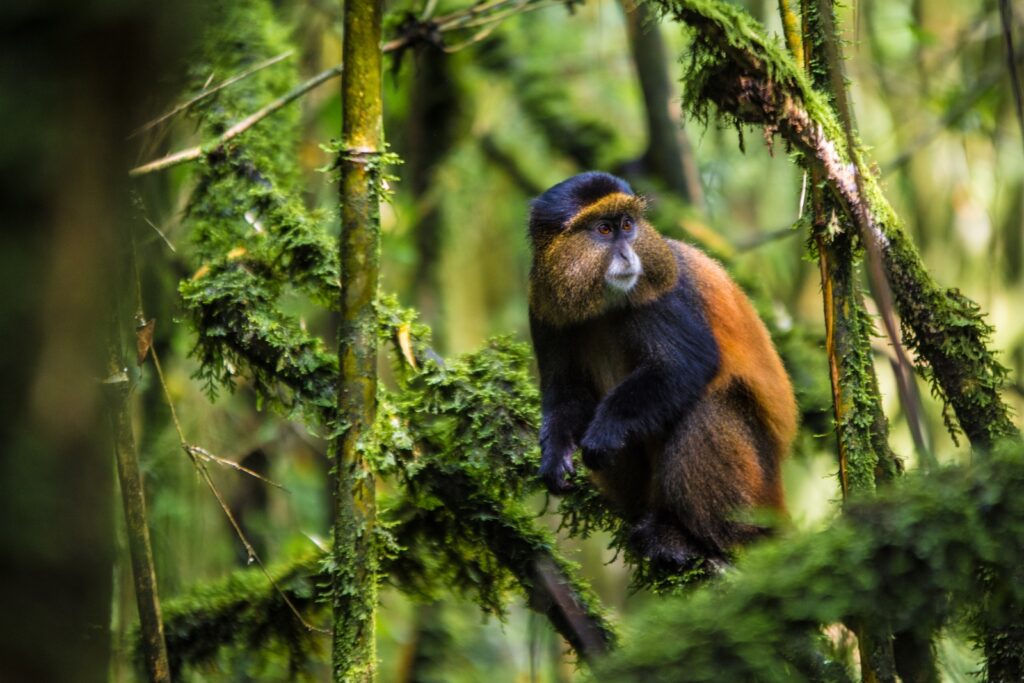
Mountain gorillas are the headline, but Bwindi is a complete montane rainforest. Several primate species share the forest, including black-and-white colobus, L’Hoest’s monkeys and red-tailed monkeys. Chimpanzees live here too, but they are not tracked by visitors in Bwindi. Forest elephants are present in parts of the park but are rarely seen.

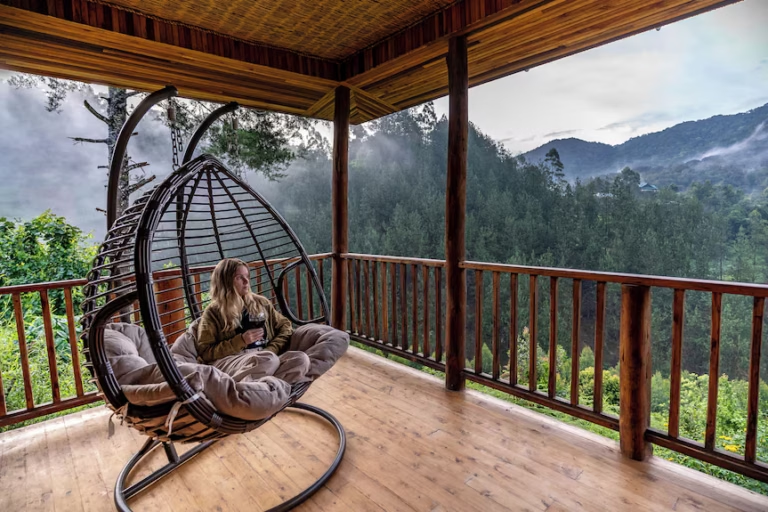
The bird list is long and includes many species found only in the Albertine Rift region. Even on a gorilla trek, the forest itself is part of the experience: tree ferns, giant trees, vines and fast-flowing streams on steep slopes.

When to Go

Best Time to Visit Bwindi Impenetrable National Park

Gorilla trekking runs throughout the year in Bwindi. Many travelers prefer the drier months, when forest trails are usually firmer, but permits are in high demand at those times. In the wetter months the trails are muddier and steeper sections become slippery, while the forest is at its greenest and some lodges offer lower rates.

  • Drier months

    Usually June to August and December to February

    Trails are generally less muddy and many travelers find trekking easier. Permits and lodges are booked early.

  • Wetter months

    Usually March to May and September to November

    Rain is more frequent, often as heavy showers. Trekking continues, but good boots, gaiters and rain gear matter more.

Month by month

January Usually drier

Usually one of the drier months, with cool mornings and generally firmer forest trails.

A good time for trekking; secure your permit and lodge in your chosen sector early.

February Usually drier

Typically fairly dry, although showers remain possible in the forest, often in the afternoon.

A good time for trekking; secure your permit and lodge in your chosen sector early.

March Changeable / transition

The first rains usually begin; showers become more frequent and slopes muddier as the month goes on.

Conditions change quickly. Pack rain gear and keep some flexibility in your plans.

April Usually wetter

Often among the wettest months, with muddy trails and slippery steep sections.

Trekking continues. Allow extra time on muddy slopes, and consider hiring a porter.

May Usually wetter

Rain usually continues, often easing towards the end of the month.

Trekking continues. Allow extra time on muddy slopes, and consider hiring a porter.

June Usually drier

The mid-year drier season usually begins and trail conditions tend to improve.

A good time for trekking; secure your permit and lodge in your chosen sector early.

July Usually drier

Generally dry and a popular month; nights at altitude can be cold.

A good time for trekking; secure your permit and lodge in your chosen sector early.

August Usually drier

Usually dry with occasional showers; a busy month for permits and lodges.

A good time for trekking; secure your permit and lodge in your chosen sector early.

September Changeable / transition

Showers tend to increase later in the month as the second rains approach.

Conditions change quickly. Pack rain gear and keep some flexibility in your plans.

October Usually wetter

The second rainy season is usually under way, with regular showers.

Trekking continues. Allow extra time on muddy slopes, and consider hiring a porter.

November Usually wetter

Often wet, with heavy afternoon rain on some days and very green landscapes.

Trekking continues. Allow extra time on muddy slopes, and consider hiring a porter.

December Changeable / transition

Rain usually eases through the month as drier conditions return.

Conditions change quickly. Pack rain gear and keep some flexibility in your plans.

Typical seasonal patterns for South-western highlands, based on long-term climate – not a weather forecast. Rain is possible in any month and conditions vary from year to year; check a current forecast shortly before you travel.

Getting There

How to Get to Bwindi Impenetrable National Park

Most travelers reach Bwindi by road as part of a longer Uganda safari. From Kampala or Entebbe the drive is a full day, often 8 to 10 hours depending on the sector and stops, so many itineraries break the journey at Lake Mburo National Park or come via Queen Elizabeth National Park.

Scheduled and charter light-aircraft flights from Entebbe or Kajjansi serve airstrips near the park, mainly Kihihi for the northern sector and Kisoro for the southern sectors, followed by a drive to your lodge. The southern sectors can also be reached by road from Kigali in Rwanda, which is often a shorter drive than from Kampala.

By road from Kampala or Entebbe
A full-day drive; often split with a night at Lake Mburo or combined with Queen Elizabeth National Park.
By light aircraft
Flights to Kihihi (for Buhoma) or Kisoro (for Rushaga and Nkuringo), then a road transfer to the lodge.
From Rwanda
The southern sectors can be reached by road from Kigali, crossing the border at Katuna or Cyanika.

Accommodation

Where to Stay in Bwindi Impenetrable National Park

Rates and availability for your dates are confirmed by our safari specialists.

Practical Tips

Useful Travel Information

Permits
Each trekker needs a gorilla permit issued by the Uganda Wildlife Authority for a specific date and sector. Permits are limited and can sell out, especially in the drier months.
Age limit
The Uganda Wildlife Authority sets a minimum age for gorilla trekking (15 years at the time of writing).
Fitness
Treks can last from under an hour to most of the day on steep, muddy ground. A reasonable level of fitness helps, and porters can be hired at the trailhead.
Clothing and footwear
Waterproof walking boots, long trousers, a long-sleeved shirt, a rain jacket and garden gloves for gripping vegetation are recommended.
Health
Gorillas can catch human illnesses. Visitors who are unwell may be asked not to trek, and a distance from the gorillas is maintained during the visit.
Photography
Flash photography is not allowed near the gorillas. The forest is dark, so a camera that handles low light is useful.


Frequently Asked Questions

Bwindi Impenetrable National Park FAQs

Safaris in Uganda

Ready-Made Journeys

Plan a Custom Safari to Bwindi Impenetrable National Park

We can help tailor a Uganda safari around the destinations and experiences that interest you.

Request a Custom Uganda Safari

Start Planning

Plan Your Uganda Safari

Tell us your travel dates and interests, and our safari specialists will prepare a private Uganda itinerary that includes Bwindi Impenetrable National Park, with suitable accommodation and realistic travel times.