



Uganda Safari Destinations
City · Central Uganda
Kampala
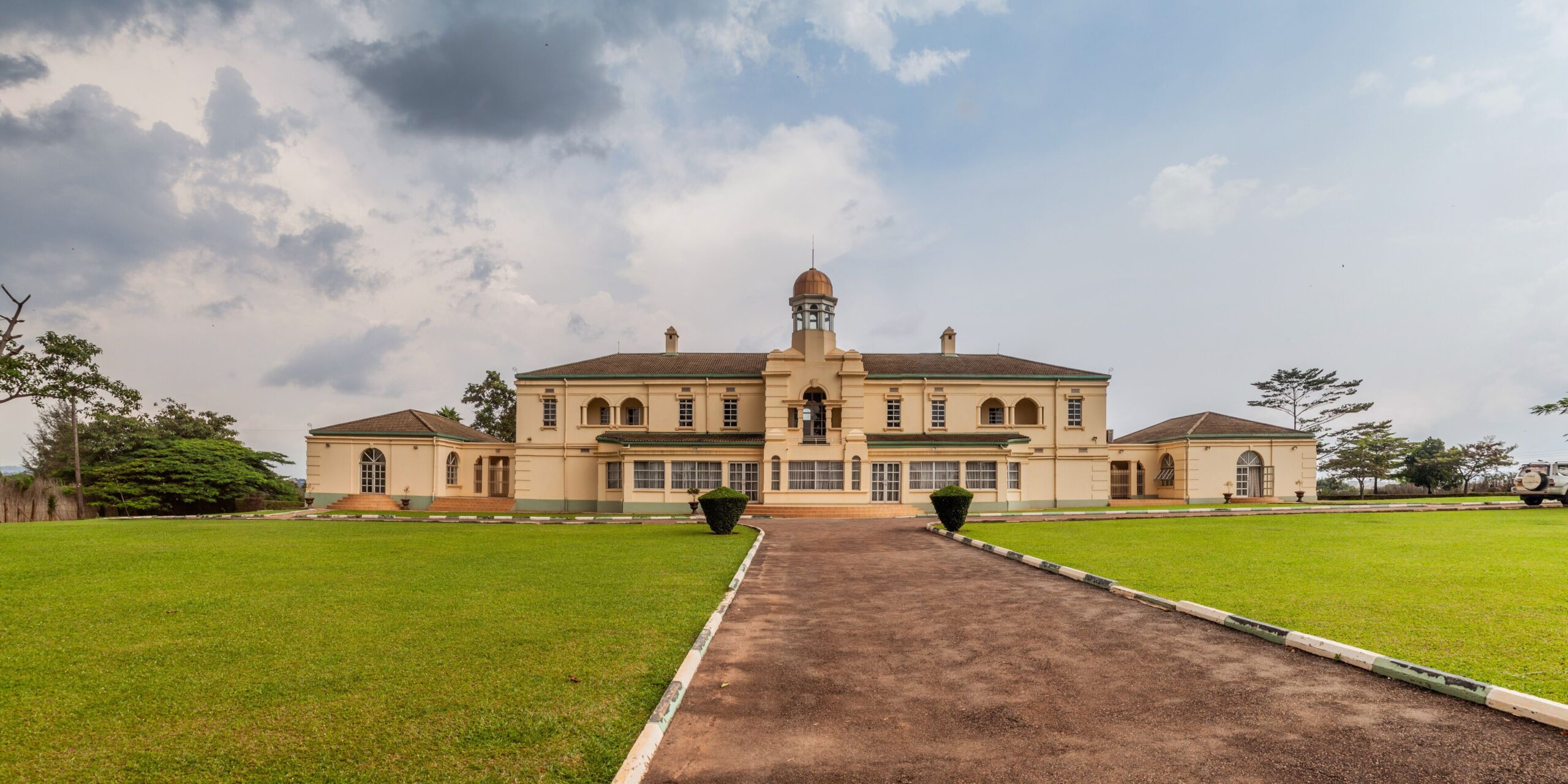
Kampala, Uganda’s lively capital, is spread across green hills near Lake Victoria – a place for royal heritage sites, busy markets, music and dance before or after your safari.
- Region
- Central Uganda
- Known for
- Culture, heritage and markets
- Altitude
- About 1,200 m
- To Entebbe
- About 35–40 km
Destination Overview
About Kampala
Kampala is Uganda’s capital and largest city, built across a series of hills a short distance north of Lake Victoria. It is the political and commercial centre of the country and the historic heart of the Buganda kingdom, whose royal sites and traditions are still part of city life.
For safari travelers, Kampala is more than a transit point. A day or half-day in the city can include the Kasubi Tombs, the Uganda Museum, a hilltop place of worship with sweeping views, a busy market and an evening of traditional music and dance.
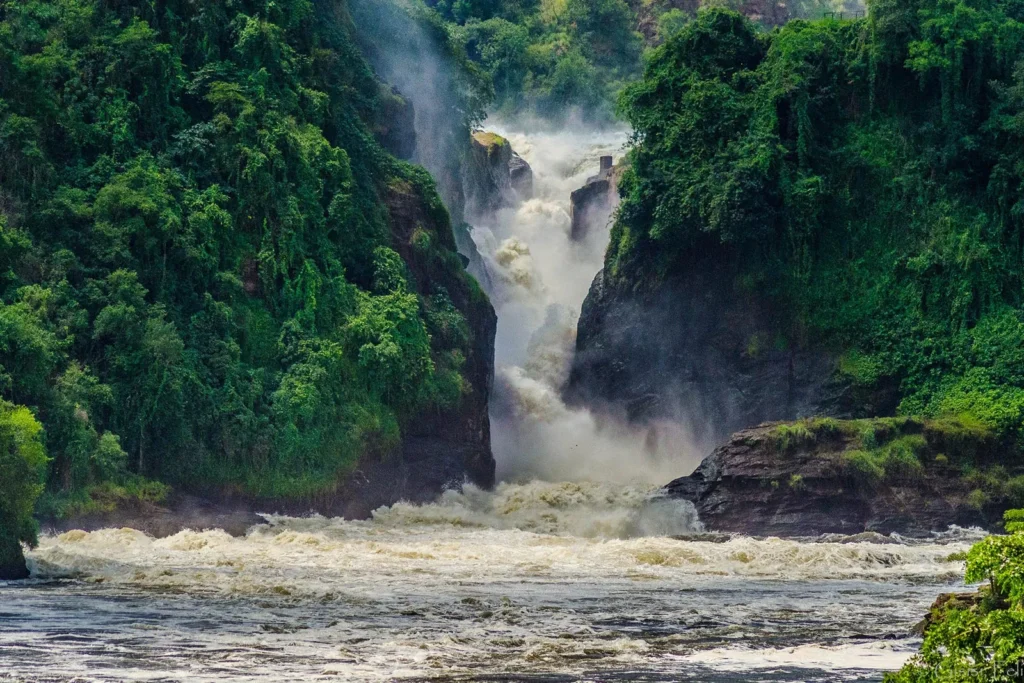
The city is also the starting point for most overland safaris, with roads leading west to Lake Mburo, Bwindi and Queen Elizabeth, north to Murchison Falls and east to Jinja.
Location
Where Is Kampala Located?
Kampala lies in central Uganda, about 35 to 40 km north-east of Entebbe and its international airport. The Kampala–Entebbe Expressway links the two, and the journey usually takes between 45 minutes and an hour and a half depending on traffic.
The city sits at about 1,200 m, which keeps temperatures warm but rarely extreme. Jinja and the source of the Nile are about 80 km to the east.
Nearby destinations
- Entebbe about 30 km in a straight line
- Jinja and the Source of the Nile about 70 km in a straight line
Road distances are longer and driving times depend on the route and conditions.
Why Visit
Why Visit Kampala?
Royal heritage
The Kasubi Tombs, a UNESCO World Heritage Site and burial ground of the Buganda kings, and the Lubiri palace area tell the story of the kingdom.
Museums and places of worship
The Uganda Museum, the Uganda National Mosque, the Bahá’í House of Worship on Kikaya Hill and the Namugongo Martyrs Shrine each reveal a different part of Ugandan life.
Markets and food
From the energy of Owino market to craft stalls and local restaurants, the city gives a direct taste of everyday Uganda.
Music and dance
Evening performances at the Ndere Centre present traditional music and dance from across the country.
Experiences
Things to Do in Kampala
Kasubi Tombs
Visit the royal burial grounds of the Kabakas of Buganda, built in traditional style, with a guide to explain their significance.
Uganda Museum
Ethnographic and natural history collections that give useful background before a safari.
Hilltop places of worship
The Uganda National Mosque in Old Kampala and the Bahá’í House of Worship on Kikaya Hill offer architecture and wide city views.
Namugongo Martyrs Shrine
An important pilgrimage site east of the city centre, especially around Martyrs’ Day in June.
Markets and crafts
Owino (St Balikuddembe) market, craft markets and small galleries for textiles, baskets and art.
Ndere Centre performances
An evening of traditional music and dance performed by a resident troupe several nights a week.
Kampala
City Attractions and Culture
Kampala’s attractions are cultural rather than wild. Buganda royal sites, colonial-era and modern architecture, churches, mosques and the Bahá’í temple sit on and between the city’s hills, each with its own viewpoint.
Green space is never far away. Lake Victoria’s shore lies to the south, the botanical gardens and wildlife education centre are in nearby Entebbe, and Mabira Forest lies on the road to Jinja.
When to Go
Best Time to Visit Kampala
Kampala can be visited at any time of year. Showers and thunderstorms are more frequent in the rainy seasons, usually March to May and October to November, but they are often short. Traffic is a bigger factor than weather: plan city visits outside peak hours where possible.
-
Drier months
Usually June to August and December to February
Comfortable for walking tours and city sightseeing.
-
Rainier months
Usually March to May and October to November
Short heavy showers and storms; plan indoor visits for the afternoon.
Month by month
January Usually drier
Usually one of the drier, sunnier months, warm and humid near the lake.
Good for walking tours and outdoor sites; carry water and sun protection.
February Usually drier
Typically dry and warm, with occasional storms.
Good for walking tours and outdoor sites; carry water and sun protection.
March Changeable / transition
The main rains usually begin, often as heavy afternoon thunderstorms.
Mixed weather; keep a light rain jacket for afternoon storms.
April Usually wetter
Often the wettest month, with frequent heavy showers.
Showers are often short; museums and performances make good rainy-afternoon plans.
May Usually wetter
Rain usually continues, gradually easing towards June.
Showers are often short; museums and performances make good rainy-afternoon plans.
June Usually drier
Usually drier and slightly cooler; a comfortable month for activities.
Good for walking tours and outdoor sites; carry water and sun protection.
July Usually drier
Generally dry and pleasant.
Good for walking tours and outdoor sites; carry water and sun protection.
August Usually drier
Usually dry, with showers becoming a little more frequent.
Good for walking tours and outdoor sites; carry water and sun protection.
September Changeable / transition
Showers increase in many years as the second rains approach.
Mixed weather; keep a light rain jacket for afternoon storms.
October Usually wetter
The second rainy season is usually under way, with afternoon storms.
Showers are often short; museums and performances make good rainy-afternoon plans.
November Usually wetter
Often rainy, with short heavy storms rather than all-day rain.
Showers are often short; museums and performances make good rainy-afternoon plans.
December Changeable / transition
Rain usually eases and drier weather returns.
Mixed weather; keep a light rain jacket for afternoon storms.
Typical seasonal patterns for Central Uganda and the Lake Victoria basin, based on long-term climate – not a weather forecast. Rain is possible in any month and conditions vary from year to year; check a current forecast shortly before you travel.
Getting There
How to Get to Kampala
International visitors arrive at Entebbe International Airport and transfer to Kampala by road, usually in 45 minutes to an hour and a half via the Kampala–Entebbe Expressway, depending on traffic.
From Kampala, main roads lead to every part of the country, which is why most road safaris begin or end here. Many travelers spend their first or last night either in Kampala or in Entebbe, depending on flight times.
- From Entebbe International Airport
- About 45 minutes to 1.5 hours by road via the expressway.
- To Murchison Falls
- About five to six hours north-west by road.
- To Jinja
- About 80 km east, two to three hours depending on traffic.
Accommodation
Where to Stay in Kampala
Looking for Accommodation in Kampala?
Our safari specialists can help you choose suitable accommodation for your itinerary.
Practical Tips
Useful Travel Information
- Traffic
- Kampala traffic can be heavy. Allow extra time for airport transfers and leave early on safari departure days.
- Getting around
- A private driver or guide is the easiest way to visit several sites in one day.
- Dress
- Dress modestly when visiting religious and royal sites; some may ask visitors to cover shoulders and knees or remove shoes.
- Safety
- Use normal city precautions: keep valuables out of sight and use trusted transport after dark.


Frequently Asked Questions
Kampala FAQs
Yes, for a half-day or a day. Kampala offers Buganda royal heritage, museums, places of worship with city views, lively markets and traditional music and dance – a good introduction to Uganda before a safari.
Visit the Kasubi Tombs, the Uganda Museum, the Uganda National Mosque, the Bahá’í House of Worship and the Namugongo Martyrs Shrine, explore markets and craft shops, and see a performance at the Ndere Centre.
About 35 to 40 km. The drive on the Kampala–Entebbe Expressway usually takes 45 minutes to an hour and a half, depending on traffic.
Yes. Most road safaris start or end in Kampala, and a city tour fits well on the first or last day, before the drive to Murchison Falls, Lake Mburo or Jinja.
Entebbe is closer to the airport and quieter; Kampala is better if you want to explore the city. The choice usually depends on your flight times and route.
Safaris in Uganda
Ready-Made Journeys
Plan a Custom Safari to Kampala
We can help tailor a Uganda safari around the destinations and experiences that interest you.
Start Planning
Plan Your Uganda Safari
Tell us your travel dates and interests, and our safari specialists will prepare a private Uganda itinerary that includes Kampala, with suitable accommodation and realistic travel times.
View Uganda Safaris Explore Nearby Destinations View Accommodations Ask for a Quote
