


Whether you are winding down after a dusty week in the Serengeti or flying straight into the spice-scented air of Zanzibar, the “North vs. South” debate is the first hurdle every traveler faces. At Tanzania Safari Experience, our team spends months each year on these shores, and we know that choosing between Nungwi and Paje isn’t about which beach is “better”—it’s about which one matches the rhythm of your soul.
The Ultimate Verdict: Nungwi vs. Paje
Nungwi is best for travelers seeking reliable swimming, vibrant nightlife, and luxury resorts, while Paje is the ultimate destination for kitesurfers, digital nomads, and those who prefer a rustic, bohemian atmosphere.
| Feature | Nungwi (The North) | Paje (The East) |
| Swimming | All-day (Non-tidal) | Tide-dependent (Lagoon style) |
| Vibe | Lively, social, resort-heavy | Relaxed, active, eco-conscious |
| Best For | Couples & Sunset Lovers | Kitesurfers & Solo Travelers |
| Landscape | White cliffs & deep turquoise | Vast sandbanks & palm groves |
| Wind | Calm & sheltered | Consistent (Great for sports) |
Exploring the Northern Hub: Nungwi Beach
Nungwi offers the rare Zanzibar luxury of swimming at any hour because the ocean doesn’t recede for miles, making it the premier choice for traditional beach holidays and social evenings.
When I first stepped onto Nungwi in 2026, the first thing I noticed was the color of the water—a deep, neon turquoise that doesn’t disappear when the tide goes out. Unlike 80% of the island, Nungwi is not “tidal.” This means you don’t have to check a moon phase chart just to take a dip.
The Social Heart of Zanzibar
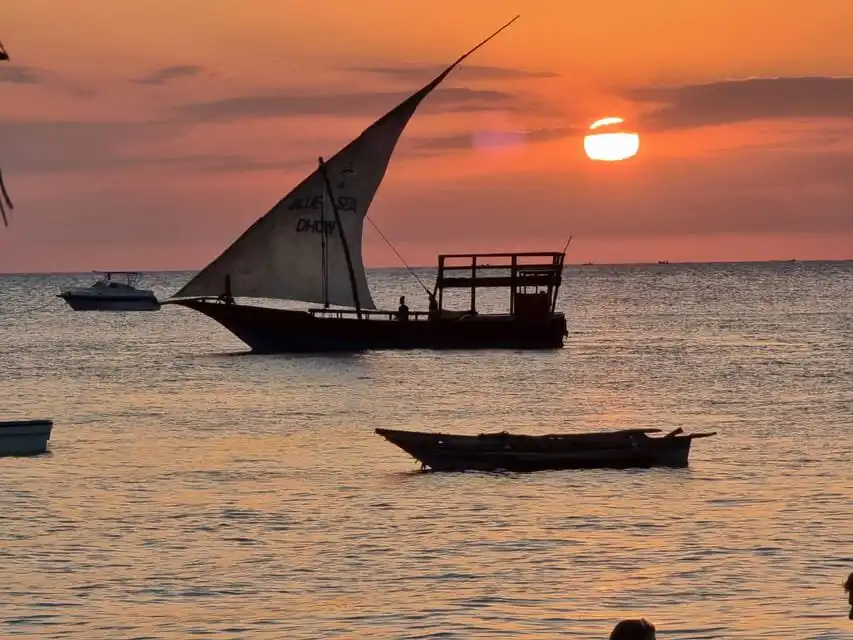
Nungwi is where the island’s energy is most concentrated. The shoreline is a tapestry of dhow-building yards, where craftsmen still use ancient tools, and upscale beach bars that come alive as the sun dips below the horizon. If you enjoy a “sundowner” cocktail with sand between your toes and a bit of live reggae in the background, this is your place.
Expert Pro-Tip: The Secret Sandbank
While most tourists crowd the main Nungwi strip, our team recommends walking North toward the lighthouse at low tide. You’ll find small, hidden pocket beaches tucked into the coral cliffs that offer total privacy—just be sure to head back before the water rises against the rocks.
The Bohemian Spirit of the East: Paje Beach
Paje is a world-class kitesurfing destination characterized by a massive shallow lagoon, a thriving “digital nomad” community, and a laid-back village vibe that feels authentically Zanzibari.
If Nungwi is a polished cocktail, Paje is a cold Safari beer shared with new friends. This is the “cool” side of the island. The landscape here is defined by the dramatic change of the tides. At low tide, the ocean vanishes toward the reef nearly 2 kilometers away, leaving behind shimmering tide pools and seaweed farms tended by local women in colorful khangas.
The Kitesurfing Capital
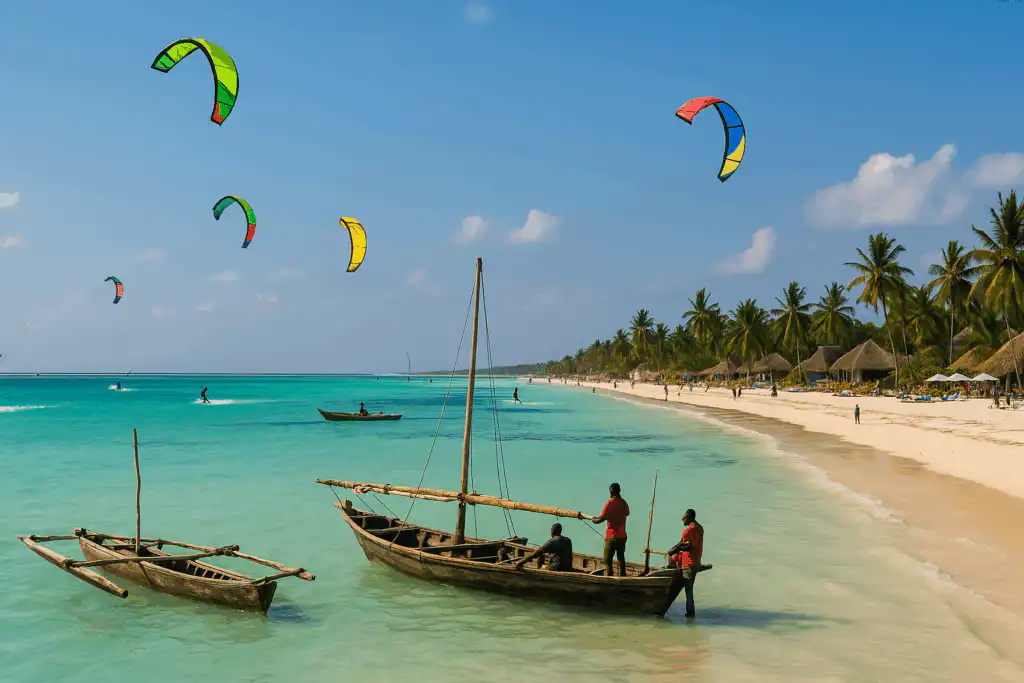
From June to October, the Kusi winds transform Paje into a colorful spectacle of kites. Even if you aren’t a pro, the shallow, waist-deep water makes it the safest place in East Africa to learn. The energy here is youthful and adventurous; you’ll find more hostels, vegan-friendly cafes, and co-working spaces here than anywhere else on the island.
Expert Pro-Tip: The Seaweed Cycle
Don’t view the low tide as a “loss” of the ocean. Instead, take a reef walk. You can see octopus, sea slugs, and vibrant starfish that are usually hidden. Just wear sturdy water shoes—the sea urchins are no joke!
Comparing the Logistics: Ease of Travel and Costs
Nungwi generally features higher-end infrastructure and more expensive resorts, whereas Paje offers a diverse range of budget-friendly bungalows and mid-range eco-lodges perfect for longer stays.
Getting Around
Both locations are roughly 60 to 90 minutes from Abeid Amani Karume International Airport (ZNZ). However, the road to Nungwi is more developed. If you are staying in Nungwi, you can easily walk to Kendwa Beach (its quieter neighbor) in about 15-20 minutes along the sand. In Paje, you’ll likely want to rent a bicycle or a scooter to explore the nearby village of Jambiani.
Accommodation Comparison
-
Nungwi Luxury: Think infinity pools, all-inclusive buffets, and private piers. (e.g., Riu Palace or Essque Zalu).
-
Paje Boutique: Think thatched-roof bungalows, yoga decks, and “sand-floor” restaurants. (e.g., Zanzibar White Sand or various kite-camps).
Which Should You Choose for Your Style?
Your choice depends on whether you value 24/7 ocean access and nightlife (Nungwi) or prefer a windy, active environment with a strong community feel (Paje).
For Honeymooners and Couples
If you want the classic “Postcard Zanzibar” experience—romantic dinners on the beach and sunset cruises—Nungwi is the winner. The sunsets on the North-West coast are undisputed champions. We often suggest our clients start their Tanzania Safari Experience with a bush adventure and end with 4 nights in a Nungwi suite.
For Families
Nungwi’s calm waters are generally safer for young children who want to splash around without worrying about the tide or strong winds. However, Paje’s “tide pool” hours are like a giant, natural discovery museum for curious kids.
For Solo Travelers and Nomads
Paje wins here. The social scene is more “open.” It’s easier to meet people at a beach volleyball game or a shared work table in Paje than it is in the more insular resort culture of Nungwi.
When to Visit Each Beach
The best time for both Nungwi and Paje is during the dry seasons from June to October and December to February, though kitesurfers should specifically target these windy windows.
-
June – October: The “Cool” Dry Season. Perfect for safaris and beach hopping. Paje is very windy (great for kitesurfing).
-
December – February: The “Hot” Dry Season. The water is like glass in Nungwi—perfect for diving at the nearby Mnemba Atoll.
-
March – May: The “Long’s” Rainy Season. Expect heavy downpours. Many smaller lodges in Paje close, while larger Nungwi resorts offer massive discounts.
Top Activities Near the Shores
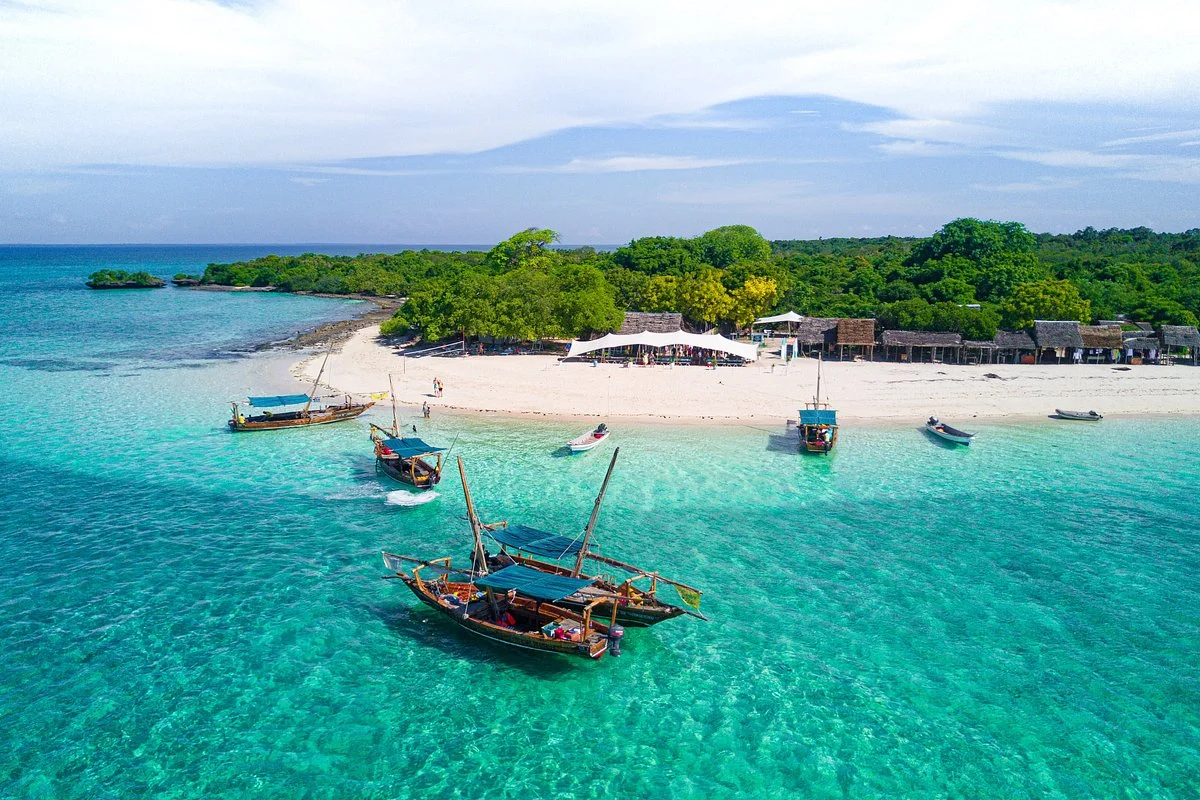
Both regions offer world-class excursions, from diving the famous Mnemba Atoll near Nungwi to visiting the Jozani Forest or the “The Rock” Restaurant from Paje.
Must-Do in the North
-
Mnemba Atoll Snorkeling: A short boat ride from Nungwi. It’s the best place to see wild dolphins and pristine coral.
-
Turtle Sanctuary: Visit the Mnarani Natural Aquarium to see the community-led conservation of Hawksbill and Green turtles.
Must-Do in the South-East
-
The Rock Restaurant: A world-famous eatery perched on a coral outcrop, just a 15-minute taxi from Paje.
-
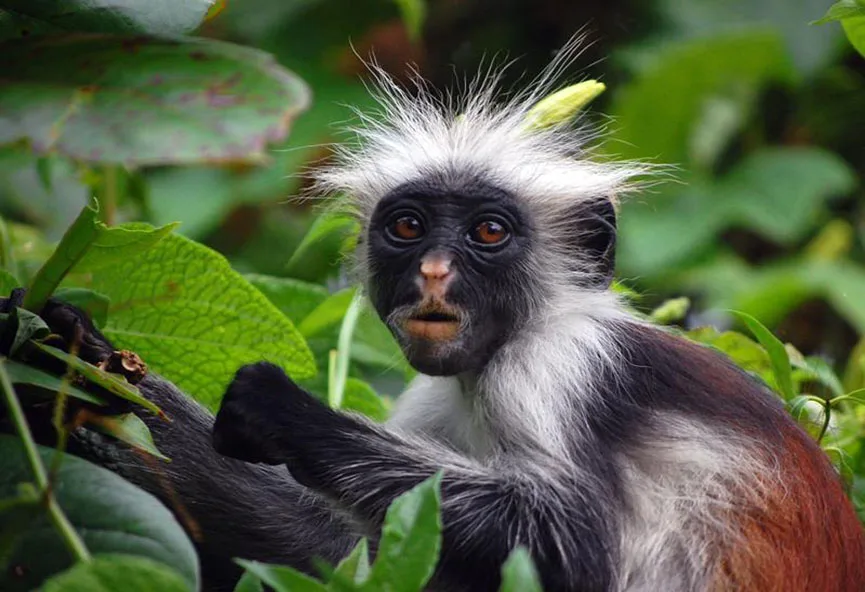
Jozani Chwaka Bay National Park: The only place on Earth to see the rare Red Colobus Monkeys, located halfway between Stone Town and Paje.
Cultural Etiquette and Local Life
While Zanzibar is a tropical paradise, it is also a deeply conservative Muslim society; respecting local customs is essential for an authentic and respectful experience.
When you leave the beach and enter the villages of Nungwi or Paje, it is important to cover your shoulders and knees. This small gesture of respect goes a long way with the locals. You’ll find that the “Jambo” spirit is infectious—don’t be afraid to try some street food like Zanzibar Pizza or Urojo (spicy soup) in the local markets.
RELATED ARTICLE: Is Zanzibar expensive for honeymooners?
Frequently Asked Questions
Can I visit both Nungwi and Paje in one trip?
Absolutely. In fact, we recommend it! Splitting a 7-day trip with 3 days in Paje for adventure and 4 days in Nungwi for relaxation is the perfect “Best of Both Worlds” itinerary.
Is Nungwi or Paje better for snorkeling?
Nungwi is better. It is much closer to the Mnemba Atoll, which is the island’s premier snorkeling and diving destination. While Paje has a reef, the visibility and fish variety in the North are superior.
Are there ATMs in Nungwi and Paje?
Yes, both now have ATMs, but they frequently run out of cash or reject international cards. Always carry enough Tanzanian Shillings or USD (printed after 2006) from Stone Town or the airport.
Is it safe to walk on the beach at night?
Generally, yes, but use common sense. The main tourist stretches are safe, but avoid walking alone on unlit, deserted stretches between Nungwi and Kendwa or Paje and Jambiani late at night.
Which beach has fewer “Beach Boys”?
Nungwi tends to have more “Papasi” (beach boys) offering tours due to the high density of tourists. Paje feels a bit more spread out, though you will encounter vendors in both areas. A polite “Hapana asante” (No thank you) is usually all you need.
Final Verdict
The “better” beach is the one that fits your travel pace. If you want a seamless, high-energy holiday where the ocean is always ready for you and the sunsets are legendary, Nungwi is your winner. If you want to connect with a global community of adventurers, learn a new sport, and embrace the wild rhythm of the tides, Paje will steal your heart.
At Tanzania Safari Experience, we specialize in bridging the gap between the rugged wild of the mainland and the soft sands of the coast. Whether you choose the North or the South-East, our local experts ensure your transition from safari to sea is as effortless as the Indian Ocean breeze.
Ready to plan your island escape? Let our team handle the details so you can focus on the turquoise views.