
Best Camera for African Safari
Best Camera for African Safari [ocean_Date]: The Ultimate Photography Guide
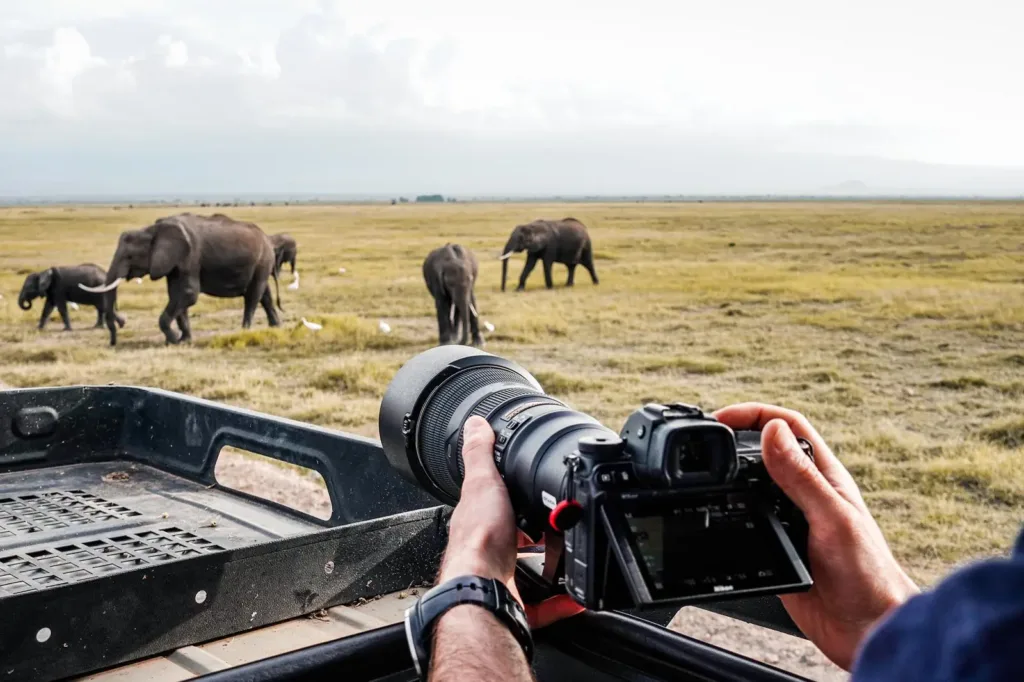
So, you’ve finally booked your dream trip to the Serengeti or the Ngorongoro Crater. You’re ready to see the Big Five, but there is one big question: what is the best camera for african safari adventures?
Whether you are a professional photographer or just want a great photo for your living room wall, having the right gear is everything. In the wild, moments happen in a split second. A lion won’t wait for your camera to focus!
In this guide, we’ll break down the best camera for safari seekers in 2026, from high-end mirrorless beasts to budget-friendly options.
Why Your Smartphone Might Not Be Enough
We love iPhones and Pixels, but they have limits. Africa is vast. Most of the action happens far away. Even the best smartphone zoom often results in “grainy” or “blurry” blobs that were supposed to be leopards.
RELATED ARTICLE: How Much Does a 7 Day Safari Cost in Tanzania?
To truly capture the texture of an elephant’s skin or the intensity in a cheetah’s eyes, you need a dedicated camera with a “long reach” (optical zoom).
Key Features to Look For:
-
Fast Autofocus: Animals move quickly. Your camera needs to lock on instantly.
-
Burst Mode: This lets you take 10, 20, or even 30 photos per second.
-
Weather Sealing: Tanzania can be dusty! A sealed camera body stays safe.
-
Lens Variety: The ability to switch from a wide-angle lens (for sunsets) to a telephoto lens (for wildlife).
Top Picks: The Best Camera for African Safari 2026
1. The Professional Choice: Sony A1 or Canon EOS R3
If budget is no object, these are the kings of the jungle. They offer incredible speed and “Animal Eye Tracking” autofocus.
-
Pros: Mind-blowing detail, 8K video, silent shutter (so you don’t scare the animals).
-
Cons: Very expensive and require high-end lenses.
2. The Best All-Rounder: Canon EOS R7 or Sony A6700
These are “crop sensor” (APS-C) cameras. In the world of safari, a crop sensor is actually a “cheat code” because it makes your lenses zoom in even further.
-
Why it’s great: It’s the best camera for safari if you want pro-level results without the professional price tag.
3. The “All-in-One” Bridge Camera: Sony RX10 IV
Don’t want to carry a bag full of heavy lenses? A bridge camera has a permanent lens that can zoom from very wide to very long.
-
Best for: Travelers who want simplicity and a lightweight setup.
Essential Safari Photography Tips
To get the most out of the best camera for african safari, you need a few tricks up your sleeve.
-
Focus on the Eyes: If the eyes aren’t sharp, the photo won’t feel “alive.”
-
Respect the Golden Hour: The best light is right after sunrise and right before sunset.
-
Don’t Forget the Landscapes: While the lions are great, the vast plains of the Serengeti are just as beautiful. Use a wide lens for these.
-
Bring Extra Batteries: Cold mornings and long days in the bush drain battery life fast.
Expert Insight: Always carry a “beanbag” or a small tripod. Safari vehicles can be shaky, and a steady base ensures your long-range shots stay crisp.
Recommended Lenses for Your Safari
The camera body is only half the battle. You need the right “glass.”
| Lens Type | Best Used For | Recommended Range |
| Telephoto Zoom | Wildlife at a distance | 100-400mm or 200-600mm |
| Wide Angle | Landscapes & Baobab trees | 16-35mm |
| Standard Zoom | Photos of the camp & people | 24-70mm |
Why You Need a Dedicated Camera
While smartphones like the iPhone 17 or Pixel 10 are incredible for landscapes, they struggle with “reach.” Most safari sightings happen at a distance. If you zoom in on your phone, you get “digital noise”—the photo looks like a blurry painting.
A dedicated camera with a telephoto lens uses “optical zoom,” meaning you get crisp, clear details of an elephant’s eyelashes from 100 yards away.
Top 3 Safari Camera Comparisons ([oceanwp_Date] Editions)
Detailed Reviews: Finding the Best Camera for Safari
1. The Pro Powerhouse: Nikon Z8
The Nikon Z8 is currently the gold standard. It is rugged, weather-sealed against Tanzania’s dust, and has some of the best animal-tracking autofocus on the market.
-
Best for: Photographers who want “National Geographic” quality.
-
Pro Tip: Pair it with the Nikkor Z 180-600mm lens for ultimate reach.
2. The “Value King”: Canon EOS R7
The R7 is a “crop sensor” camera. Because the sensor is smaller, it naturally “crops” into the image, giving your lens more zoom. A 400mm lens on this camera behaves like a 640mm lens.
-
Best for: Getting close to the action without carrying a 10-pound lens.
3. The Best Hybrid: Sony A7 IV
If you want to take professional 4K video of the Great Migration and high-res stills, the Sony A7 IV is the best camera for african safari hybrid shooters. Its “Real-time Tracking” is incredibly reliable for moving predators.
RELATED ARTICLE: THE 15 BEST Tanzania Safari Experience
Must-Have Lenses: Reach is Everything
If you are using an interchangeable lens camera, your lens is more important than the body.
-
The “Workhorse”: 100-400mm zoom. Great for large mammals (elephants, giraffes).
-
The “Bird-Watcher”: 200-600mm zoom. Essential for colorful lilac-breasted rollers or distant leopards.
-
The “Storyteller”: 24-70mm. Use this for the vast landscapes and “lifestyle” shots at your lodge.
Safari Camera Checklist: Don’t Leave Home Without These
Even the best camera for safari fails if you forget the basics.
-
Extra Batteries: Mirrorless cameras eat power. Bring at least 3.
-
High-Speed SD Cards: You’ll be taking “bursts” of photos. You need a card that can keep up (V60 or V90 rated).
-
A Bean Bag: Most Tanzanian safari vehicles have pop-up roofs. A bean bag allows you to rest your heavy lens on the edge for a steady shot.
-
Sensor Cleaning Kit: The dust in the Serengeti is fine and gets everywhere. A “rocket blower” is a lifesaver.
Recommended Camera Settings for Wildlife
Don’t let your settings ruin a once-in-a-lifetime moment. Start with these:
-
Mode: Aperture Priority (A or Av).
-
Shutter Speed: Keep it above 1/1000s for moving animals.
-
ISO: Use “Auto ISO” so the camera adjusts to the changing African light.
-
Focus: Continuous AF (AF-C or AI Servo) with “Animal Eye Detection” turned ON.
Preparing for the Dust and Heat
Tanzania is beautiful, but the dust is real. To protect the best camera for safari use, follow these steps:
-
Never change lenses in the open air: Do it inside the vehicle with the windows up.
-
Use a UV Filter: This protects your expensive lens from scratches and dust.
-
Bring a Cleaning Kit: A simple blower and microfiber cloth are lifesavers.
Planning a trip can be stressful, but your gear shouldn’t be. You can Plan your dream safari with Tanzania Safari Experience today to ensure you are in the right place at the right time for those winning shots.
Frequently Asked Questions (FAQ)
What is the best camera for safari on a budget?
The Panasonic Lumix FZ80 or the Canon PowerShot SX70 offer massive zoom ranges for under $600. They are excellent entry-level choices.
Is a mirrorless camera better than a DSLR for safari?
Generally, yes. Mirrorless cameras are lighter and have better “Animal Eye” tracking technology, which is a game-changer for wildlife.
How much zoom do I actually need?
Ideally, you want at least 400mm of reach. Anything less might leave those distant leopards looking like tiny dots in your photos.
Should I rent or buy a camera?
If you don’t plan on taking wildlife photos often, renting a high-end kit can be a great way to use the best camera for african safari without the $5,000 investment.
Choosing the best camera for safari depends on your goals. If you want the absolute best quality, go Mirrorless. If you want ease of use, go with a Bridge camera.
No matter what you choose, remember to look up from the viewfinder once in a while. Africa is best experienced with your own eyes, not just through a lens!
Ready to put that new camera to work? Book your adventure with Tanzania Safari Experience and let our expert guides take you to the heart of the action.
