


What Colors Not to Wear on Safari in Tanzania?
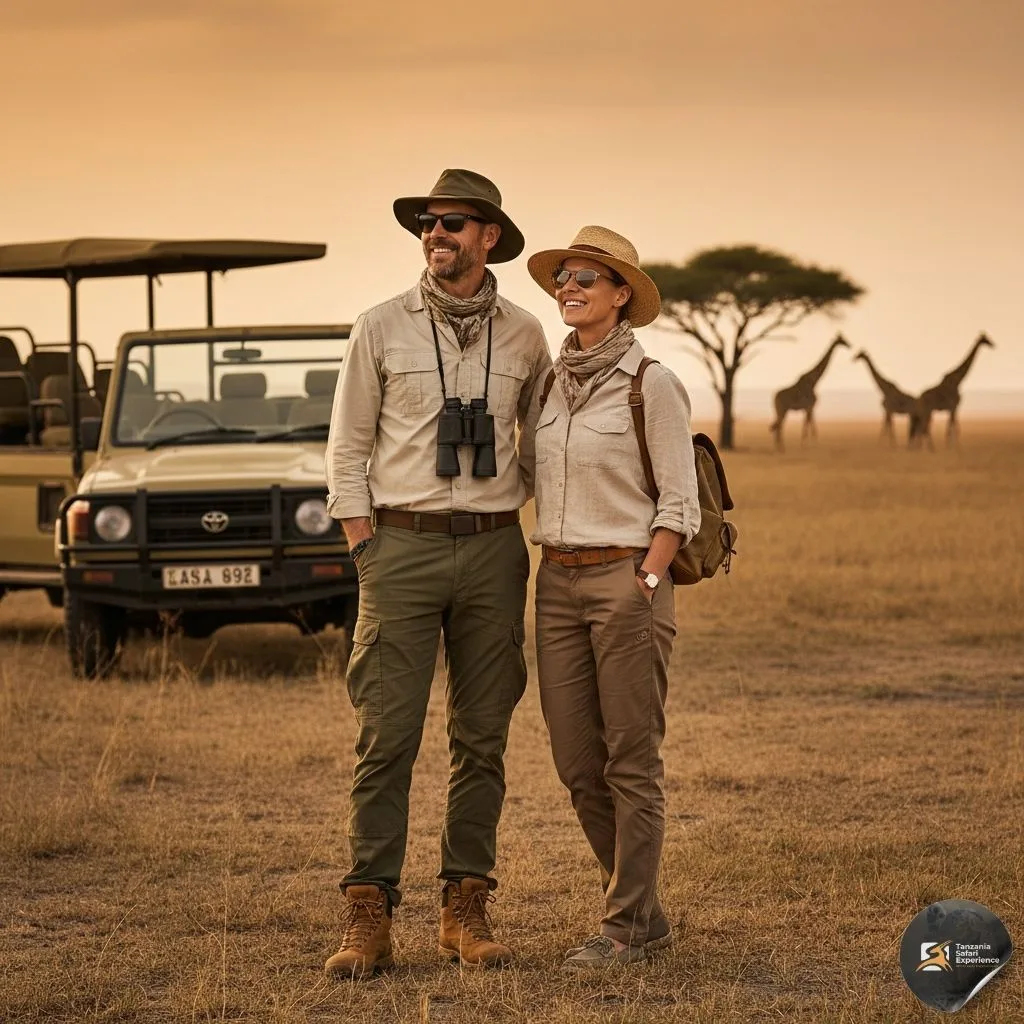
Safari Colors: What NOT to Wear in Tanzania
Embarking on a safari in Tanzania is a dream come true for many. Imagine vast landscapes, incredible wildlife encounters, and breathtaking sunsets. To ensure your adventure is perfect, proper preparation is key. One of the most frequently asked questions revolves around what to pack, and more specifically, what colors not to wear on safari in Tanzania?
RELATED ARTICLE: How Much Does a 7 Day Safari Cost in Tanzania?
Choosing the right clothing colors isn’t just about fashion; it’s crucial for your safety, comfort, and overall safari experience. Certain hues can attract unwanted attention from insects, blend poorly with the environment, or even be perceived as threatening by wildlife. This comprehensive guide will walk you through the color palette to avoid and help you select the best attire for your unforgettable Tanzanian journey.
Why Do Colors Matter on a Tanzania Safari?
The colors you choose for your safari attire have a significant impact for several reasons:
-
Wildlife Camouflage: Blending in with the natural surroundings helps you observe animals without startling them.
-
Insect Repellence: Some colors are known to attract specific insects, particularly tsetse flies, which can deliver painful bites.
-
Dust & Dirt: Safaris are dusty! Certain colors show dirt and dust much more prominently than others.
-
Heat Absorption: Darker colors absorb more heat, which can be uncomfortable in Tanzania’s warm climate.
Understanding these factors is the first step in packing smart for your Tanzanian safari.
The Absolute No-Go Colors for Your Tanzania Safari
Let’s dive straight into the colors you should definitely leave at home when preparing for your Tanzanian safari. Avoiding these will enhance your safety, comfort, and chances of incredible wildlife viewing.
1. Black: A Magnet for Heat and Tsetse Flies
Black might be chic in the city, but it’s one of the worst choices for a safari.
-
Heat Absorption: Tanzania’s sun can be intense. Black fabric absorbs and retains heat, making you feel much hotter than necessary.
-
Tsetse Fly Attraction: Perhaps the most critical reason to avoid black is its strong attraction to tsetse flies. These biting insects are common in certain safari areas and their bites can be quite painful. They are particularly drawn to dark, contrasting colors.
Opt for lighter alternatives to stay cool and minimize unwelcome insect encounters.
2. Dark Blue/Navy: Another Tsetse Fly Favorite
Similar to black, dark blue and navy colors are also known to attract tsetse flies.
-
Insect Attraction: Tsetse flies are highly attracted to dark colors, and dark blues fall into this category. Wearing dark blue can significantly increase your chances of being bitten.
-
Blending Issues: While not as stark as black, dark blue doesn’t blend well with the natural savannah colors.
Stick to lighter, more neutral shades to avoid becoming an insect target.
3. White: Not Practical for Dusty Conditions
While seemingly innocent, bright white is not a practical choice for a safari.
-
Dust Magnet: Safari environments are incredibly dusty. White clothing will quickly show every speck of dirt, dust, and mud, making you look less than pristine within hours.
-
Stains: Beyond dust, accidental spills from food or drinks will stand out glaringly on white fabric.
-
Visibility: While it doesn’t attract tsetse flies, bright white can stand out sharply against the natural backdrop, potentially making you more noticeable to wildlife.
Consider off-white, cream, or very light beige instead if you prefer a lighter look.
RELATED ARTICLE: Is Masai Mara or Serengeti Better ?
4. Bright, Fluorescent, or Neon Colors: A Wildlife Warning
Leave your vibrant rave gear at home! Bright, fluorescent, or neon colors are a definite no-no.
-
Startling Wildlife: These highly visible colors stand out dramatically in the natural environment. This can easily startle animals, causing them to flee before you get a good look or ruining a perfect photographic opportunity.
-
Blending Failure: The goal is to blend into the landscape, not clash with it. Bright colors work against this principle.
Think subtle and natural tones when packing for your Tanzania safari.
5. Camouflage Patterns: Best Left to Rangers
While camouflage might seem logical for blending in, it’s generally discouraged for tourists.
-
Local Sensitivities: In many African countries, including Tanzania, camouflage patterns are associated with military or anti-poaching units. Wearing them as a tourist can cause confusion or even be seen as inappropriate or suspicious by locals and authorities.
-
Unnecessary: The right solid neutral colors will provide ample camouflage without the potential for misinterpretation.
Stick to solid, earthy tones for your clothing choices.
RELATED ARTICLE: THE 15 BEST Tanzania Safari Experience
The Best Colors to Wear on Your Tanzania Safari
Now that we know what to avoid, let’s look at the best colors that will serve you well on your Tanzanian adventure. These choices prioritize comfort, safety, and optimal wildlife viewing.
Earth Tones and Neutrals: Your Safari Staples
-
Khaki: A classic safari color, khaki blends seamlessly with the dry grass and dusty landscapes.
-
Olive Green: Another excellent choice, olive green mimics the foliage and provides good camouflage.
-
Tan/Beige: Light and natural, these colors are practical for dust and blend well.
-
Brown: Various shades of brown are also suitable, offering good camouflage.
-
Grey: Light to medium grey can be a good option, especially lighter shades that don’t attract too much heat.
These colors help you disappear into the bush, allowing for closer and more natural wildlife encounters. They also show dust and minor stains less prominently than white.
Practical Tips for Choosing Safari Clothing
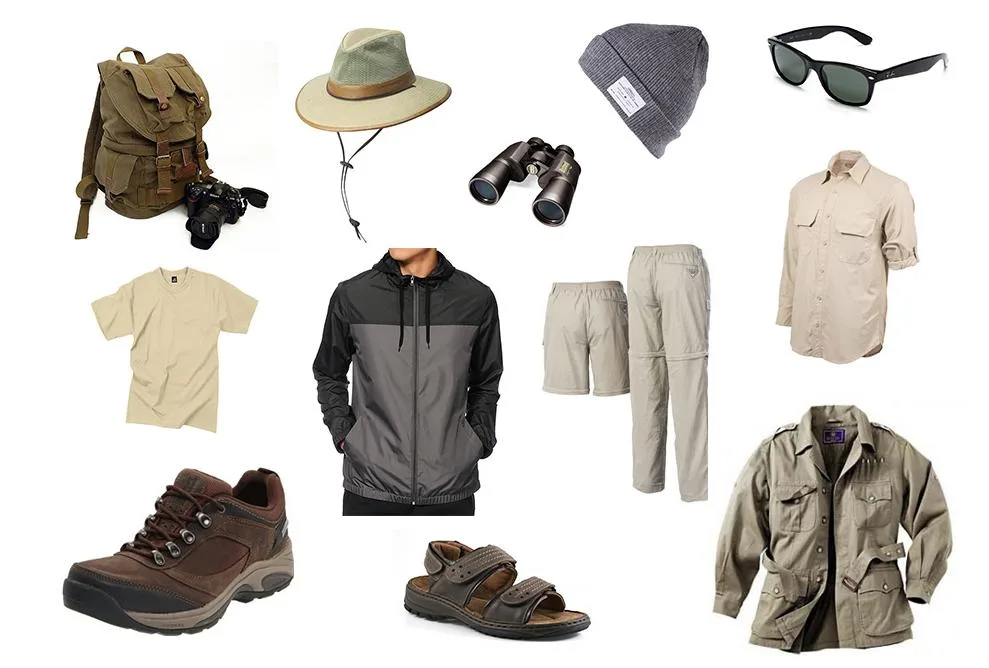
Beyond just color, consider these practical tips for your safari wardrobe:
-
Lightweight and Breathable Fabrics: Cotton, linen, or quick-drying synthetic blends are ideal for the warm climate.
-
Long Sleeves and Trousers: Even in warm weather, long sleeves and trousers offer protection from the sun, thorns, and insect bites. Choose lightweight versions.
-
Layering: Mornings and evenings can be cool, while midday is hot. Pack layers you can easily add or remove.
-
Comfortable Footwear: Sturdy, comfortable closed-toe shoes are essential for walking safaris or even just getting in and out of the vehicle.
-
Hat and Sunglasses: A wide-brimmed hat is crucial for sun protection, and sunglasses protect your eyes from glare and dust.
Addressing Specific Concerns: Tsetse Flies and Heat
Many travelers are particularly concerned about tsetse flies and staying cool.
Avoiding Tsetse Flies
The primary takeaway for tsetse flies is to avoid dark blue and black. While you can’t eliminate the risk entirely, choosing light, neutral colors significantly reduces your attractiveness to these insects. Some safari vehicles are also painted in colors that are less appealing to tsetse flies. Your guide will be well-versed in navigating areas where they might be present.
Staying Cool in the Tanzanian Heat
-
Light-Colored Clothing: As discussed, lighter colors reflect sunlight, helping you stay cooler.
-
Loose-Fitting Attire: Tight clothing restricts airflow. Loose-fitting garments allow air to circulate, aiding in evaporation and cooling.
-
Natural Fabrics: Cotton and linen are breathable and excellent for warm weather.
-
Hydration: Drink plenty of water throughout the day to prevent dehydration, especially when it’s hot.
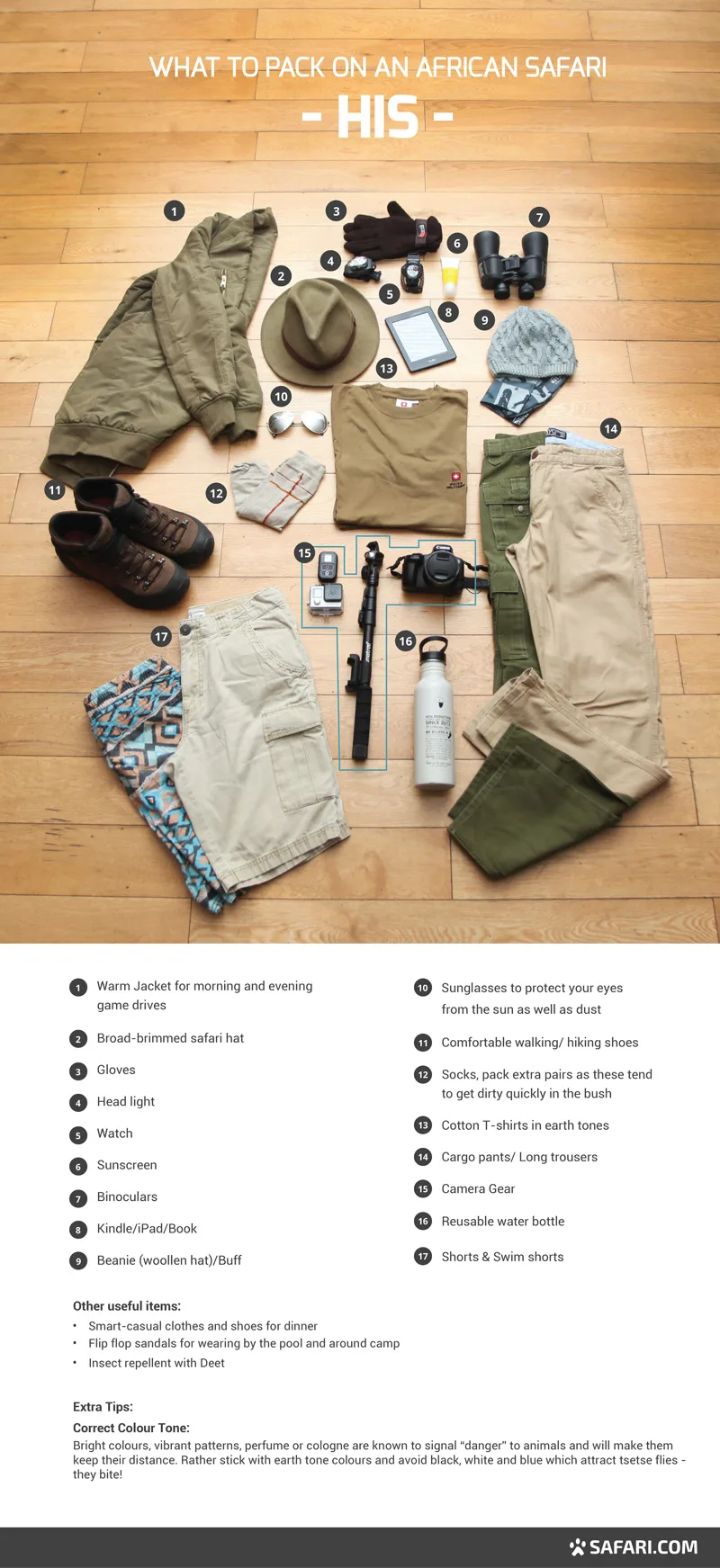
What to Pack: A Quick Checklist
Here’s a concise packing list to help you prepare, keeping color guidelines in mind:
-
Tops: 3-4 long-sleeved shirts (khaki, olive green, tan, light grey)
-
Bottoms: 2-3 pairs of convertible trousers or lightweight safari pants (khaki, tan, olive green)
-
Outerwear: 1 lightweight fleece or jacket for cool mornings/evenings
-
Footwear: 1 pair of comfortable walking shoes/boots, 1 pair of sandals/flip-flops
-
Headwear: 1 wide-brimmed hat
-
Accessories: Sunglasses, insect repellent, sun cream, small daypack, binoculars, camera gear.
Remember, less is often more. Most safari lodges offer laundry services, allowing you to pack lighter.
Beyond Clothing: Other Safari Preparations
While clothing colors are important, don’t forget these other crucial aspects of safari preparation:
-
Health Precautions: Consult your doctor about necessary vaccinations and malaria prophylaxis.
-
Visa Requirements: Check the visa requirements for Tanzania well in advance of your trip. View our complete Guide on how to Applying for a Tanzanian Tourist Visa
-
Currency: The local currency is the Tanzanian Shilling, but US dollars are widely accepted for tourism-related expenses.
-
Photography Gear: Bring extra batteries, memory cards, and a good telephoto lens to capture incredible wildlife moments.
-
Travel Insurance: Always a wise investment for any international travel.
Making the Most of Your Tanzania Safari Experience
Choosing the right colors is just one piece of the puzzle for an unforgettable Tanzanian safari. By understanding the practical reasons behind these recommendations, you’re setting yourself up for a comfortable, safe, and truly immersive wildlife experience.
Imagine quietly observing a herd of elephants, their massive forms silhouetted against the setting sun, without fear of bug bites or standing out like a beacon. The right attire allows you to be a silent observer, truly connecting with the wild heart of Africa.
FAQs About Safari Clothing in Tanzania
To further assist with your planning, here are answers to some common questions about safari clothing:
Q1: Can I wear jeans on a Tanzania safari? A1: While not ideal, one pair of jeans for evenings or travel days is acceptable. However, they are heavy, slow to dry, and can be hot for daytime game drives. Lightweight safari trousers are much more comfortable and practical.
Q2: What about my footwear? Are hiking boots necessary? A2: Sturdy, comfortable closed-toe shoes are essential. Hiking boots are great if you plan on walking safaris or longer treks. Otherwise, comfortable sneakers or walking shoes will suffice for game drives and lodge activities.
Q3: Is it okay to wear short sleeves or shorts? A3: Yes, you can wear short sleeves and shorts, especially during the hottest parts of the day or at the lodge. However, for game drives, particularly in areas with tsetse flies or strong sun, long sleeves and trousers offer better protection.
Q4: Should I bring formal wear for the evenings? A4: No, formal wear is generally not needed. Safari lodges are relaxed. Smart casual attire is perfectly acceptable for dinners, such as a nice shirt or blouse with trousers.
Q5: What if I only have dark clothes? Do I need to buy a whole new wardrobe? A5: While ideal to have appropriate colors, if you have some dark items, try to layer them under lighter clothing or save them for cooler evenings when tsetse flies are less active. Focus on acquiring a few key neutral pieces to mix and match.
Plan Your Dream Tanzania Safari Today!
Now that you’re well-versed in what colors not to wear on safari in Tanzania, you’re one step closer to an incredible adventure. Choosing the right attire is a small but significant detail that will greatly enhance your comfort and enjoyment in the African bush.
Ready to embark on a journey that will create memories to last a lifetime? Plan your dream Tanzania safari with Tanzania Safari Experience today! Our expert guides and meticulously planned itineraries ensure you have the most authentic and breathtaking wildlife encounters, all while experiencing the magic of Tanzania safely and comfortably. Contact us to start crafting your bespoke safari adventure.
