

River Crossings Wildebeest Migration
River Crossings Wildebeest Migration: The Ultimate 2026 Guide
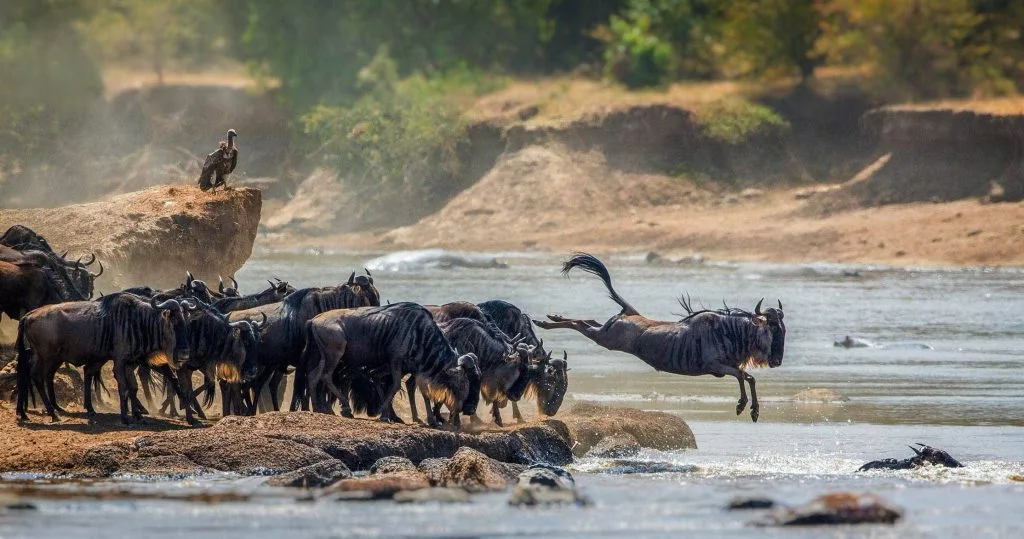
The River Crossings Wildebeest Migration is a natural show that can’t be beat. It happens every year, turning the Serengeti ecosystem into a theater of life and death. While the plains are always full of activity, the river crossings are the most exciting part of the epic trip for over two million wildebeest and thousands of zebras.
For tourists, seeing these amazing crossings is one of the best things they can do in Tanzania. Wildlife lovers and travelers alike are drawn to the Great Migration crossings because of their raw power, survival skills, and natural choreography. It is a rare chance to see nature’s most basic story—survival—up close.
RELATED ARTICLE: Best Things to Do in Serengeti National Park
This guide explores the essential parts of the wildebeest river crossings, from the biological drivers to the best locations and times to witness the event during your Tanzania Safari Experience.
The Truth Behind the Migration Cycle
Many people think that the Wildebeest Migration only happens when the animals jump into the Mara River. However, the movement is a constant, year-round journey driven by rain and the need for fresh pasture.
The cycle starts in the Southern Serengeti in January and February during the calving season. As the rains end in April and May, the herds move West, eventually surging North from June to October.
Key River Crossing Phases
-
Grumeti River Crossings: Occur in the Western Corridor in June and July.
-
Mara River Crossings: The peak event from late July to October in the Northern Serengeti.
-
Return Crossings: A fast-paced southward movement in late October to November.
What Drives the River Crossings Wildebeest Migration?
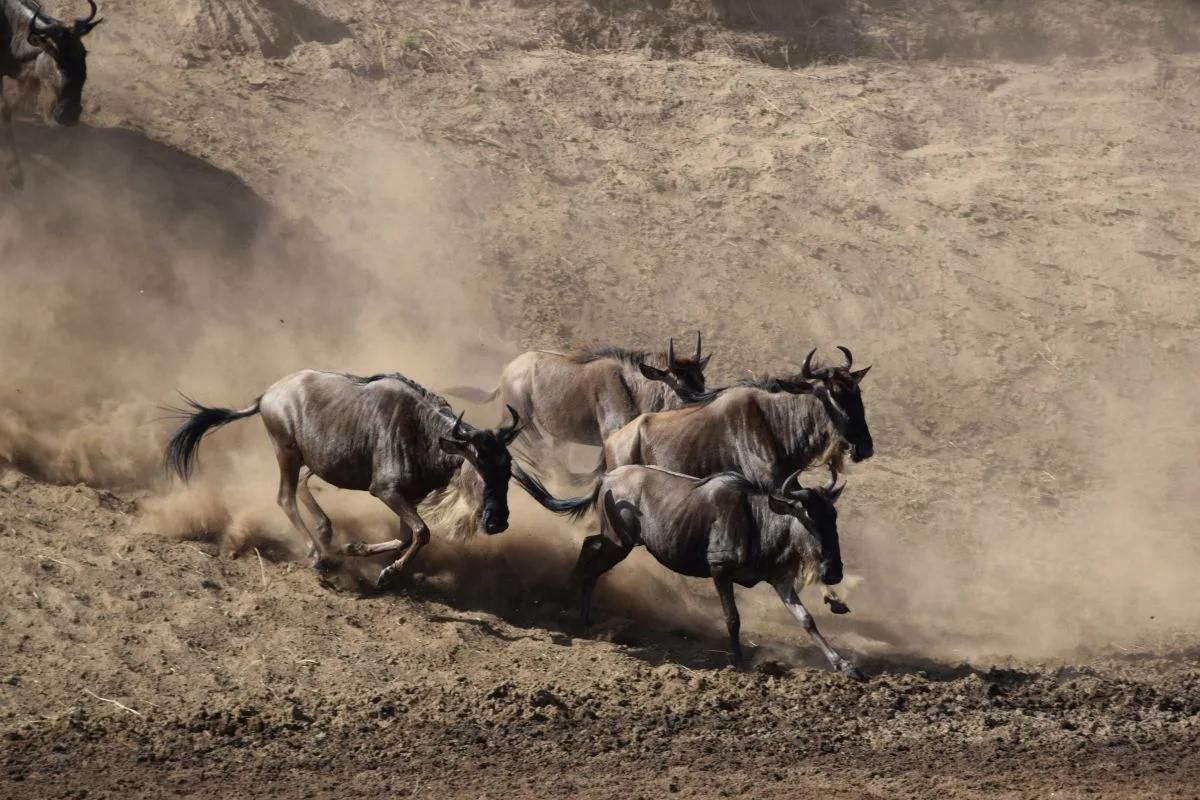
The answer is simple: food. The herds follow the rain to find the phosphorus-rich grass they need to survive. These animals have an amazing ability to sense storms from miles away, guiding them across the vast landscapes of Tanzania’s National Parks.
The River Crossings Wildebeest Migration represents the greatest obstacle in this journey. The water is murky, the banks are steep, and the Nile crocodiles are patient. When the pressure of the herd behind them becomes too great, one brave wildebeest jumps, and the “pulse” of the migration begins—a chaotic, unstoppable flow of life.
RELATED ARTICLE: Tanzania Safari Itineraries for 7–10 Days
The Best Time for River Crossings in the Serengeti
Timing is the most critical factor for your Travel Guide. While the migration is a circle, the river crossings are seasonal.
| Month | Location | Activity |
| June – July | Western Serengeti | Grumeti River Crossings |
| August – September | Northern Serengeti | Peak Mara River Crossings |
| October – November | Kogatende / Lamai | Return crossings to the South |
To maximize your experience, we recommend staying in the Northern Serengeti for at least 3 to 4 days. The timing of a crossing is hard to predict, so patience is your best asset.
Where to Stay: Prime Migration Views
If you want to witness the River Crossings Wildebeest Migration, you must stay where the action is.
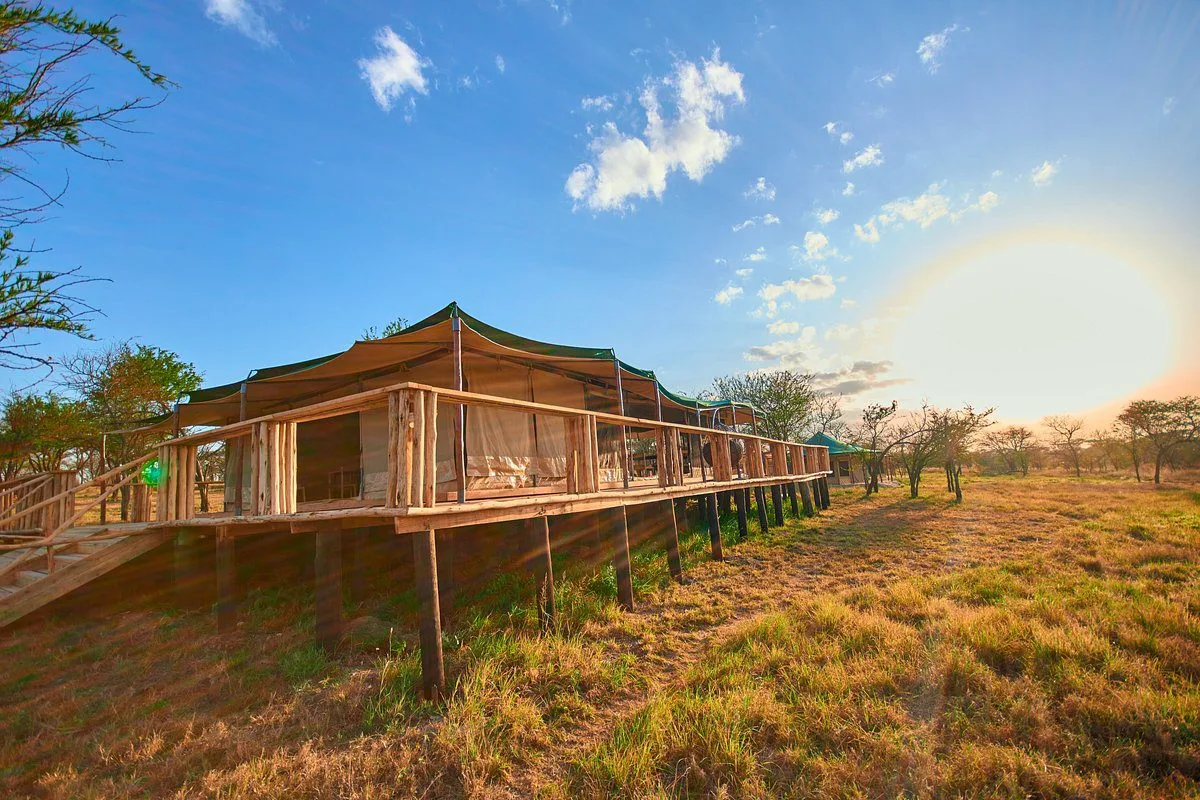
- Mobile Tented Camps: These are the best choice as they move with the herds to stay within striking distance of the river banks.
- Northern Serengeti Lodges: Staying near Kogatende allows you to reach the Mara River in minutes, ensuring you don’t miss a sudden crossing.
- Western Corridor: For the Grumeti phase, stay in the Grumeti Reserve for a more exclusive, private experience with fewer vehicles.
RELATED ARTICLE: How Much Does a 7 Day Safari Cost in Tanzania?
Grumeti vs. Mara River Crossings
Both rivers offer incredible drama, but the “vibe” of the experience differs significantly.
| Feature | Mara River Crossing | Grumeti River Crossing |
| Scale | Massive herds, huge dust clouds | Smaller groups, more intimate |
| Predators | High crocodile and lion density | Large crocodiles, fewer tourists |
| Style | Dramatic, loud, leaping jumps | Cautious, slower movements |
The Mara River is often considered the “World Cup” of wildlife, while the Grumeti is the “hidden gem” for those seeking a quieter Serengeti Safari.
A Must-See Event: Why It Matters
The River Crossings Wildebeest Migration is so massive it can be seen from space. Witnessing 1.3 million wildebeest decide the exact second to plunge into crocodile-infested waters is a visceral experience.
-
The Wait: Herds may gather for days before the first animal jumps.
-
The Danger: It isn’t just crocodiles; the steep, muddy ravines often claim animals that lose their footing.
-
The Success: Seeing a calf make it to the other side against all odds is the highlight of many Tanzania Safari Packages.
Tips for a Rewarding Migration Safari
Trust Your Guide: Professional guides track the “dust clouds” and radio calls to position you perfectly.
Don’t Rush: Avoid “lodge-hopping.” Spend more time in one area to increase your sighting chances.
Private Vehicles: Opting for a private vehicle gives you the freedom to wait at the river as long as you need without pressure from other travelers.
Conservation and the Future
The River Crossings Wildebeest Migration is essential for the African ecosystem. These animals fertilize the soil and provide a vital food source for predators. By booking a Tanzania Safari Experience, you support the conservation of these ancient corridors and help keep the Serengeti wild.
RELATED ARTICLE: Is Masai Mara or Serengeti Better ?
Plan your dream River Crossings Wildebeest Migration safari with Tanzania Safari Experience today. Our expert team ensures you are in the right place at the right time to witness the pulse of Africa in motion.
Frequently Asked Questions (FAQ)
When is the best time to see the Mara River crossing?
The peak window is usually from August to September, though crossings can start as early as July and run into October.
Where are the best river crossing points?
The most iconic points are in the Kogatende region of Northern Serengeti, where there are over 10 recognized crossing spots along the Mara River.
Are the crossings guaranteed?
Nature has no “schedule.” However, by staying in the right area for 3+ days during the dry season, your chances of seeing a River Crossings Wildebeest Migration are very high.
Is it difficult to get to these locations?
The Northern Serengeti is remote. Most travelers take a “bush flight” into the Kogatende airstrip to save time and stay close to the action.
