


THE 15 BEST Things to Do in Zanzibar Island
THE 15 BEST Things to Do in Zanzibar Island: The Definitive 2026 Guide
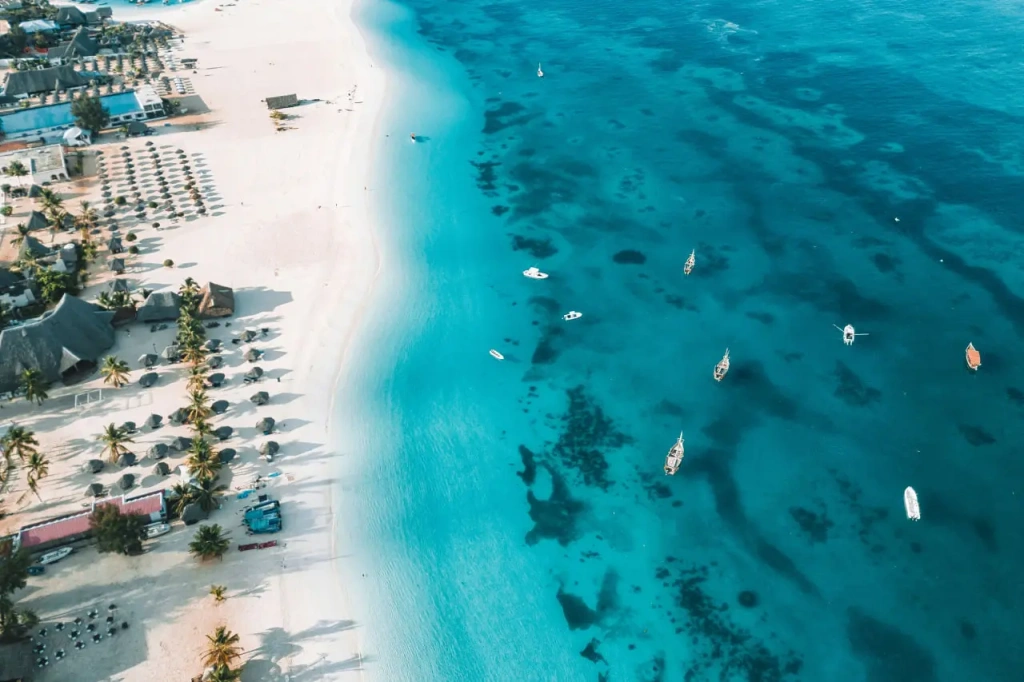
Zanzibar is a name that evokes images of white-sailed dhows, turquoise waters, and the intoxicating scent of cloves drifting on a tropical breeze. Known officially as Unguja, this island is the crown jewel of the Indian Ocean. But with so much beauty, where do you start?
Finding THE 15 BEST Things to Do in Zanzibar Island is about balancing the island’s dark, complex history with its breathtaking natural wonders. Whether you are a solo backpacker, a luxury seeker, or a family on a mission, this guide covers the absolute essentials.
Ready to turn these dreams into reality? Plan your dream Zanzibar safari with Tanzania Safari Experience today.
1. Get Lost in the Labyrinth of Stone Town
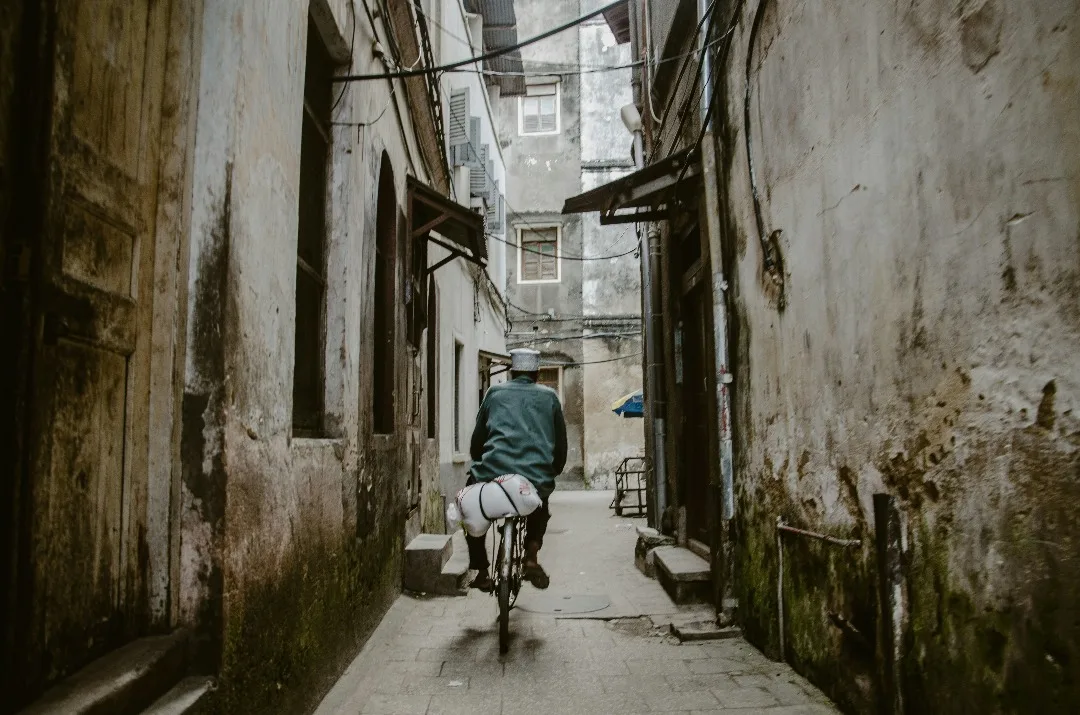
Stone Town isn’t just a neighborhood; it’s a living museum. As a UNESCO World Heritage site, it serves as the cultural heart of Zanzibar. The architecture is a stunning, albeit crumbling, fusion of African, Arab, Indian, and European influences.
-
The Famous Doors: Keep your eyes peeled for the intricately carved wooden doors. Historically, the brass-studded “Indian-style” doors were designed to ward off elephants, while the “Arab-style” doors feature Quranic inscriptions.
-
The House of Wonders (Beit-al-Ajaib): Once the tallest building in East Africa, it was the first to have an elevator and electricity. While it has faced structural challenges recently, its exterior remains a symbol of Zanzibari grandeur.
-
The Old Fort: Built by Omani Arabs in the late 17th century, this heavy stone structure now hosts a cultural center and an open-air amphitheater where you can often catch live music.
2. Snorkel the Crystal Gardens of Mnemba Atoll
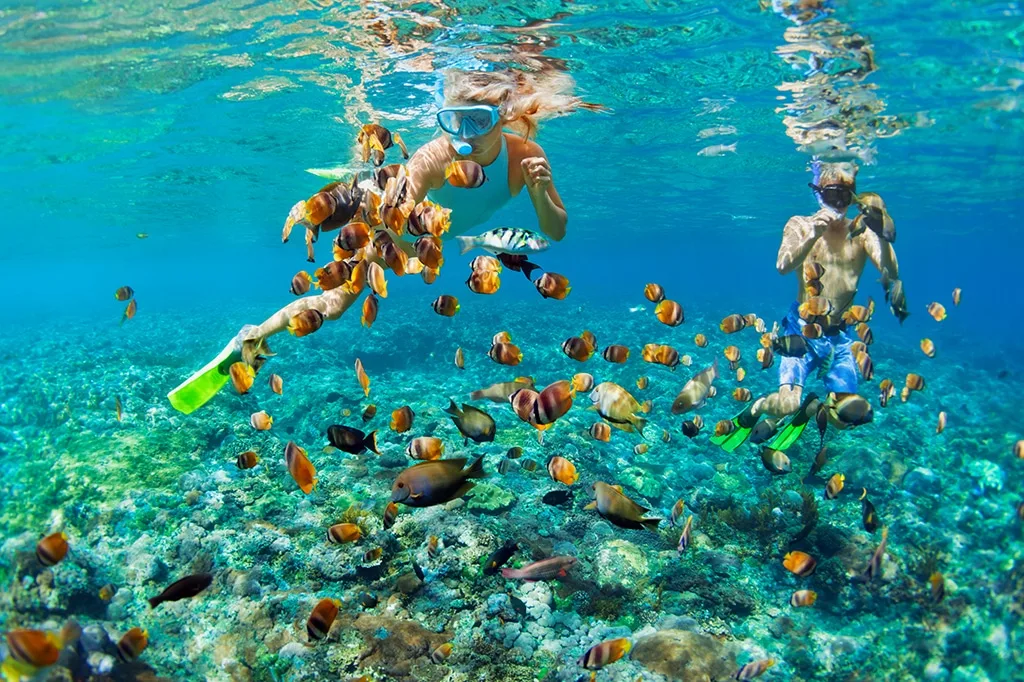
If you ask any local for the top spot on a list of THE 15 BEST Things to Do in Zanzibar Island, Mnemba will be in their top three. This private island is surrounded by a vast coral reef that is strictly protected.
While you cannot step foot on the private island itself (unless you’re staying at the $1,500-a-night lodge), the surrounding marine park is open to everyone. You’ll find schools of Moorish Idols, Blue-spotted Rays, and frequent pods of wild Bottlenose Dolphins. The visibility here often exceeds 20 meters, making it a photographer’s paradise.
3. Meet the Rare Residents of Jozani Chwaka Bay National Park
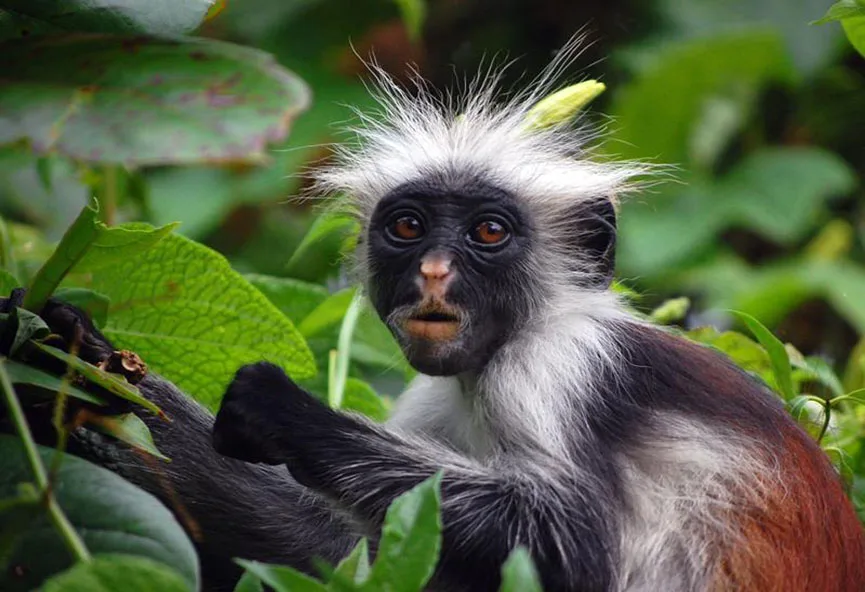
Zanzibar was once covered in dense groundwater forest. Today, Jozani is the last major sanctuary of that ecosystem. It is famous for being the only place on Earth to see the Zanzibar Red Colobus Monkey.
Unlike many primates, these monkeys are incredibly relaxed around humans. You can watch them groom each other and snack on leaves just a few feet away. After seeing the monkeys, follow the trail into the Pete-Jozani Mangrove Boardwalk. Walking through the “floating” forest during high tide is a surreal experience that highlights the island’s biodiversity.
4. The Sensory Journey of a Spice Tour
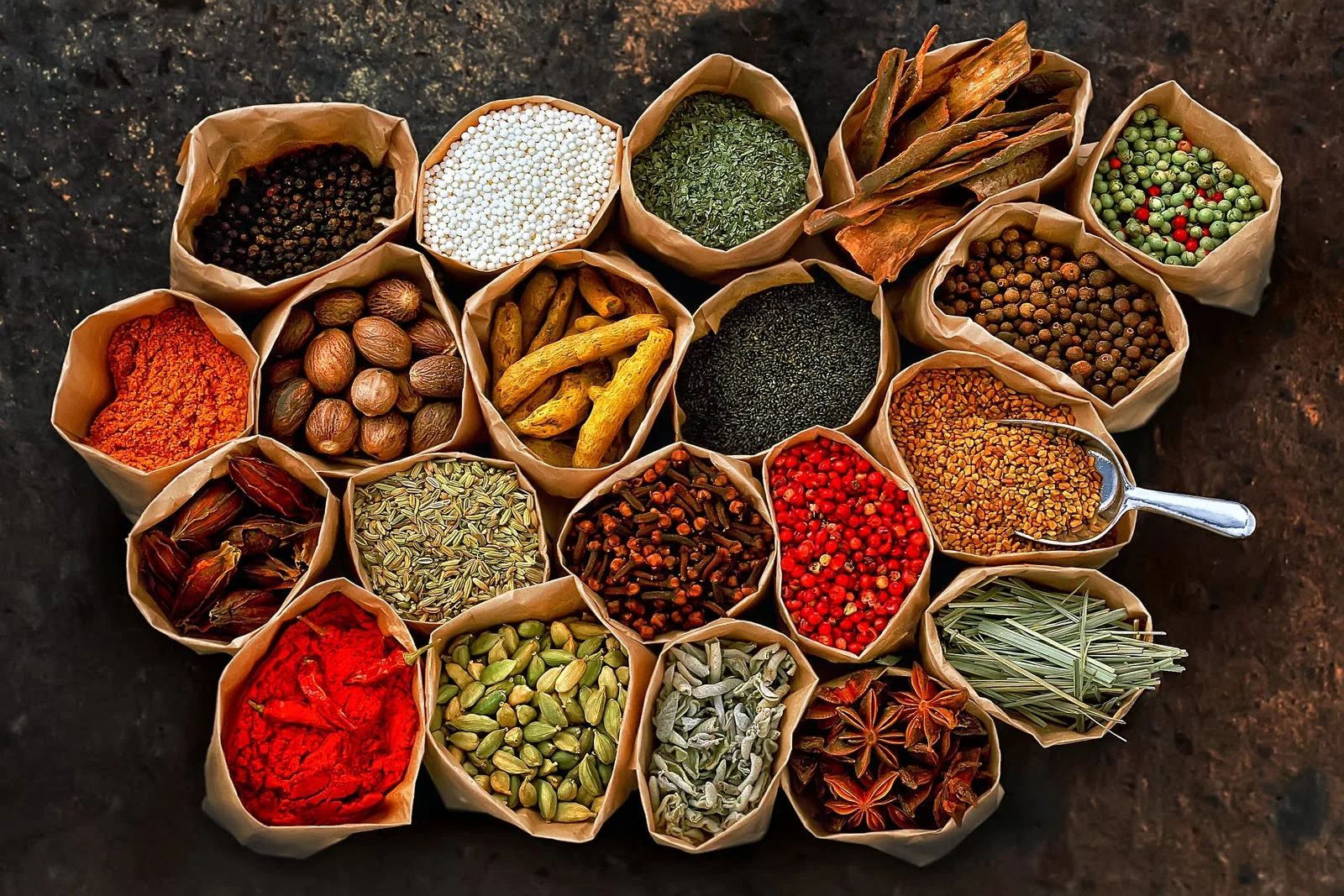
Long before tourism, Zanzibar was the world’s leading producer of cloves. A spice tour is not just a walk through a farm; it’s an interactive history lesson.
You will visit small rural farms where guides climb trees to pick fresh star fruit, shave cinnamon bark right off the tree, and open cocoa pods. You’ll learn that “lipstick fruit” (Bixa orellana) actually works as a natural dye and that vanilla takes years of hand-pollination to grow. Most tours end with a traditional Swahili lunch seasoned with the very spices you just saw.
5. Bask in the Glow of Nungwi and Kendwa Beaches
The north of Zanzibar is unique because it is largely unaffected by the massive tidal shifts seen on the East Coast.
-
Nungwi: This is the social hub. It’s famous for its vibrant nightlife, beachside restaurants, and the Mnarani Marine Turtles Conservation Pond, where you can learn about sea turtle rehabilitation.
-
Kendwa: Just a 10-minute boat ride (or a long walk at low tide) from Nungwi, Kendwa has a much wider beach. It is the best place on the island for a sunset swim, as the water remains deep and calm regardless of the tide.
6. Culinary Magic at The Rock Restaurant
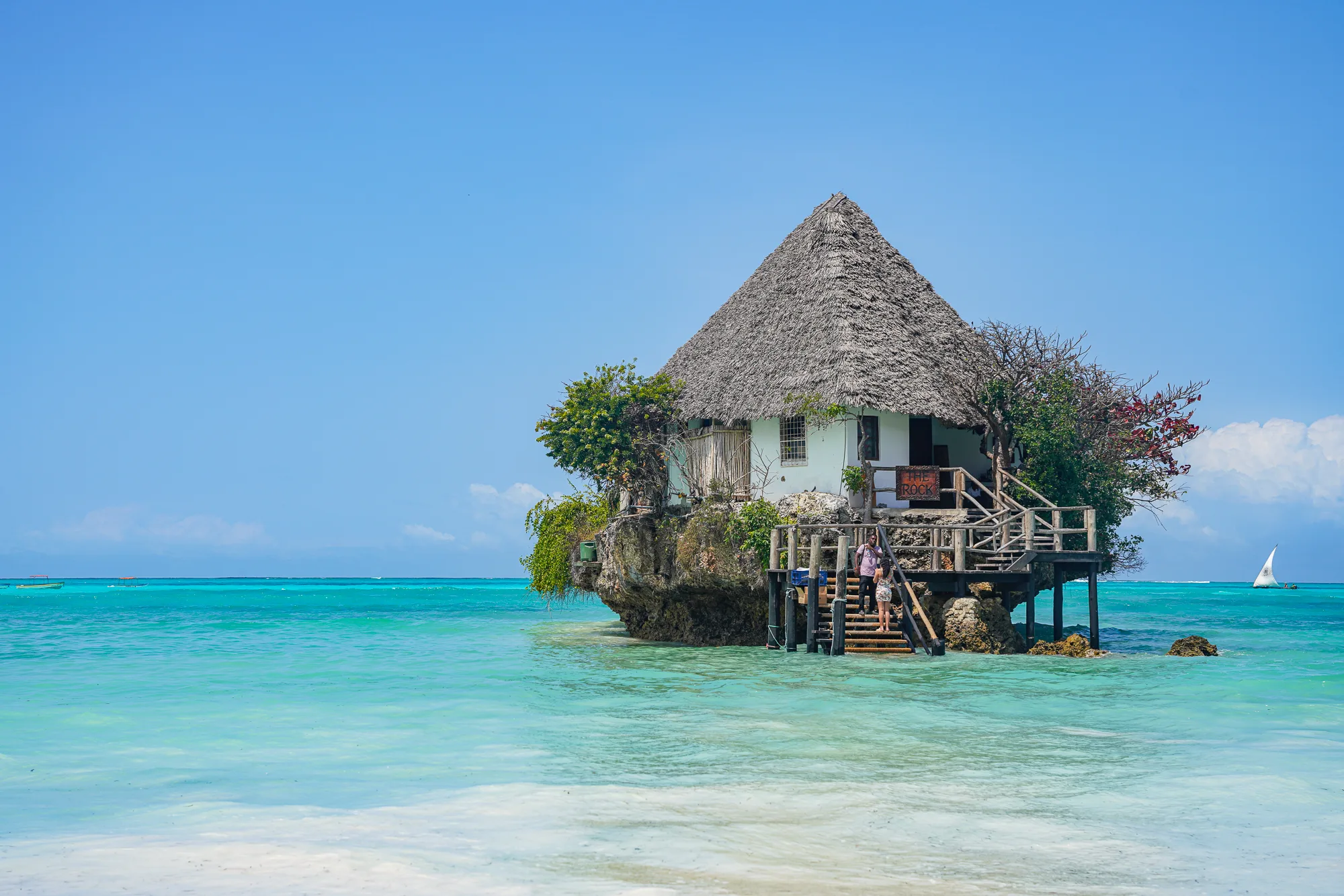
Located on the Michamvi Peninsula, The Rock is arguably the most photographed restaurant in Africa. It sits atop a coral outcrop surrounded by the ocean.
At low tide, you can walk to the stairs. At high tide, a small wooden boat ferries you across the few meters of water. While the view is the main draw, the “Rock Special”—a platter of grilled lobster, cigal, prawns, kingfish, and calamari—is a seafood lover’s dream.
Expert Tip: Book your table at least 2 weeks in advance for a sunset slot.
7. Prison Island: History and Giant Tortoises
Changuu Island, or Prison Island, has a bit of a misnomer. While a prison was built there in the 1890s, it was never actually used to house criminals. Instead, it became a quarantine station for yellow fever.
The real stars here are the Aldabra Giant Tortoises. Originally a gift from the Seychelles in the 19th century, some of these residents now weigh over 200kg and are over 150 years old. Scratching the neck of a tortoise that was alive during the Victorian era is a humbling addition to your Zanzibar itinerary.
8. Sail into the Sunset on a Traditional Dhow
The dhow is the silhouette of the Swahili coast. These hand-built wooden boats have navigated the monsoon winds for over a thousand years.
A sunset cruise usually departs around 4:30 PM. As the crew hoists the massive triangular sail, you can enjoy fresh coconut, hibiscus juice, and local appetizers like samusas. Watching the sky turn from gold to deep violet while the silhouette of Stone Town fades in the distance is pure magic.
RELATED ARTICLE: Tips for a Great Zanzibar Experience
9. Feast at the Forodhani Gardens Night Market
Every evening as the sun sets, the waterfront in Stone Town transforms into a culinary theater. Smoke rises from grills, and lanterns light up tables piled high with seafood.
-
The Must-Try: The Zanzibar Pizza. It’s a thin dough filled with minced meat, egg, cheese, onion, and mayonnaise, then fried on a griddle.
-
The Drink: Freshly pressed sugarcane juice mixed with ginger and lime.
-
The Vibe: Watch out for the “Stone Town Boys”—local divers who perform acrobatic flips off the sea wall into the dark water to entertain the crowds.
10. Kite Surfing in the Shallows of Paje
Paje is the kite surfing capital of East Africa. The combination of a protective reef, flat waist-deep water, and consistent trade winds (the Kusi and Kaskazi) makes it a mecca for the sport.
Even if you aren’t a pro, the sight of hundreds of colorful kites dancing against the bright blue sky is breathtaking. The village of Paje itself has a young, energetic “backpacker-chic” vibe with plenty of vegan cafes and beachfront bars.
RELATED ARTICLE: THE 5 BEST Heritage Hotels in Zanzibar Island
11. The Zanzibar Butterfly Centre
Located near the Jozani Forest, this community-based project is one of Africa’s largest butterfly exhibits. It’s an enormous tropical net-canopy garden.
The center trains local villagers to farm butterfly pupae rather than clearing the forest for charcoal. By visiting, you are directly funding forest conservation. Walking through the enclosure with hundreds of iridescent butterflies landing on your shoulders is a quiet, meditative break from the beach crowds.
12. Safari Blue: The Ultimate Day Trip
If you only do one organized tour, make it Safari Blue. Departing from Fumba in the south, this full-day adventure takes you into the Menai Bay Conservation Area.
You’ll stop at a disappearing sandbank in the middle of the ocean for fruit snacks and snorkeling. Then, you’ll sail to a hidden lagoon surrounded by ancient coral cliffs and mangroves. The day culminates in a massive “Sizzling Seafood” barbecue on Kwale Island, featuring lobster, fish, and calamari served under the shade of a baobab tree.
RELATED ARTICLE: Is Zanzibar cheap or expensive?
13. Swim in the Turquoise Waters of Kuza Cave
Tucked away in the village of Jambiani is Kuza Cave. This ancient limestone cave contains a deep pool of fresh, crystal-clear groundwater.
The water is remarkably cool, providing a refreshing escape from the tropical heat. The site also functions as a cultural center where you can take Swahili cooking classes or watch traditional drumming and dance performances. It’s a hidden gem that many tourists overlook.
14. Cheetah’s Rock: A Responsible Encounter
Cheetah’s Rock is a unique legal wildlife rescue center. This isn’t a “petting zoo”; it’s an educational facility where you can interact with animals that cannot be released back into the wild.
The founder, Jenny, has an incredible bond with the animals. You can see cheetahs, lions, and lemurs in a setting that prioritizes their welfare. Because they limit the number of guests to ensure the animals aren’t stressed, it is a very intimate and high-quality experience.
RELATED ARTICLE: Swimming with Turtles in Zanzibar
15. The Slave Market Memorial and Anglican Cathedral
To truly respect Zanzibar, one must acknowledge its past. The Anglican Cathedral in Stone Town is built directly on the site of the world’s last open slave market.
The altar is positioned exactly where the “whipping tree” once stood. Below the cathedral, you can visit the cramped, dark holding cells where enslaved people were kept before being sold. It is a sobering, powerful experience that provides essential context to the Swahili culture you see today.
Plan Your Perfect 2026 Zanzibar Trip
The Best Time to Go
-
June to October: The long dry season. Perfect for safaris and beaches.
-
January & February: The short dry season. Hot, but the water is at its clearest for snorkeling.
Travel Tips for Success
-
Dress Respectfully: Zanzibar is 99% Muslim. While bikinis are fine on the beach, please cover your shoulders and knees when walking through Stone Town or local villages.
-
Stay Hydrated: The tropical sun is intense. Drink plenty of bottled water.
-
Tipping: Tipping is customary in Zanzibar. For guides, $10-$15 USD per day is a generous standard.
FAQ: Your Zanzibar Questions Answered
Is Zanzibar safe for solo female travelers? Absolutely. Zanzibar is very welcoming. However, avoid walking alone on deserted beaches at night, and always use registered taxis.
Can I combine a safari with a Zanzibar trip? Yes! Most travelers do a 3–5 day safari in the Serengeti or Ngorongoro Crater followed by a week in Zanzibar. Plan your dream Zanzibar safari with Tanzania Safari Experience today to get the best of both worlds.
What currency is used? The Tanzanian Shilling (TZS). However, US Dollars (printed after 2006) are widely accepted for tours and hotels.
Ready to pack your bags? Zanzibar is waiting. Plan your dream Zanzibar safari with Tanzania Safari Experience today and let us handle every detail of your tropical escape!
