


Zanzibar Safari Blue Experience
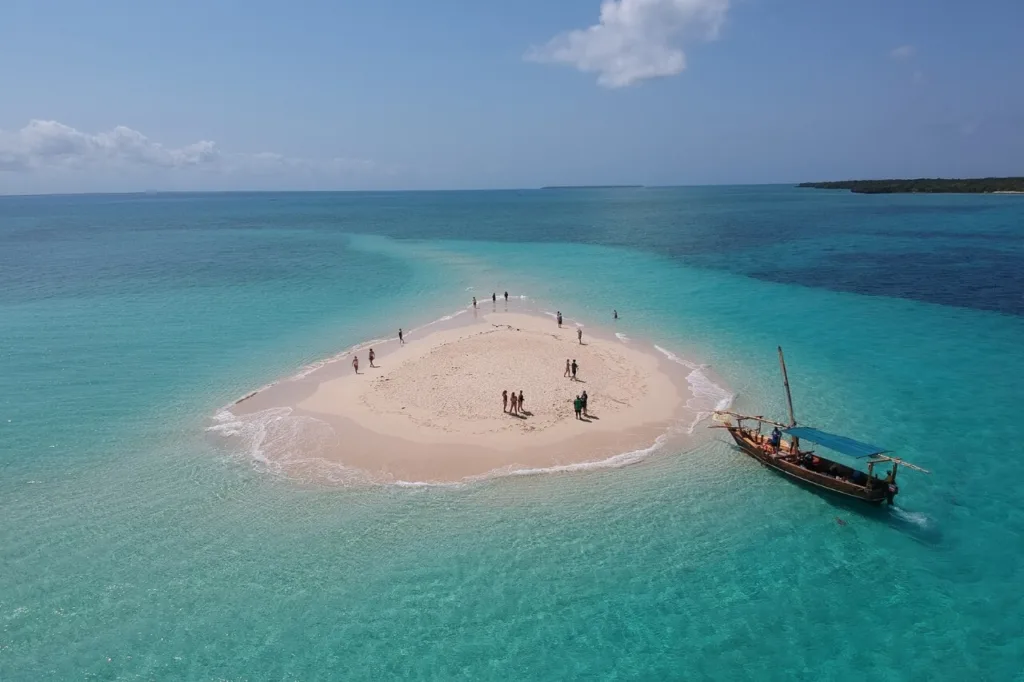
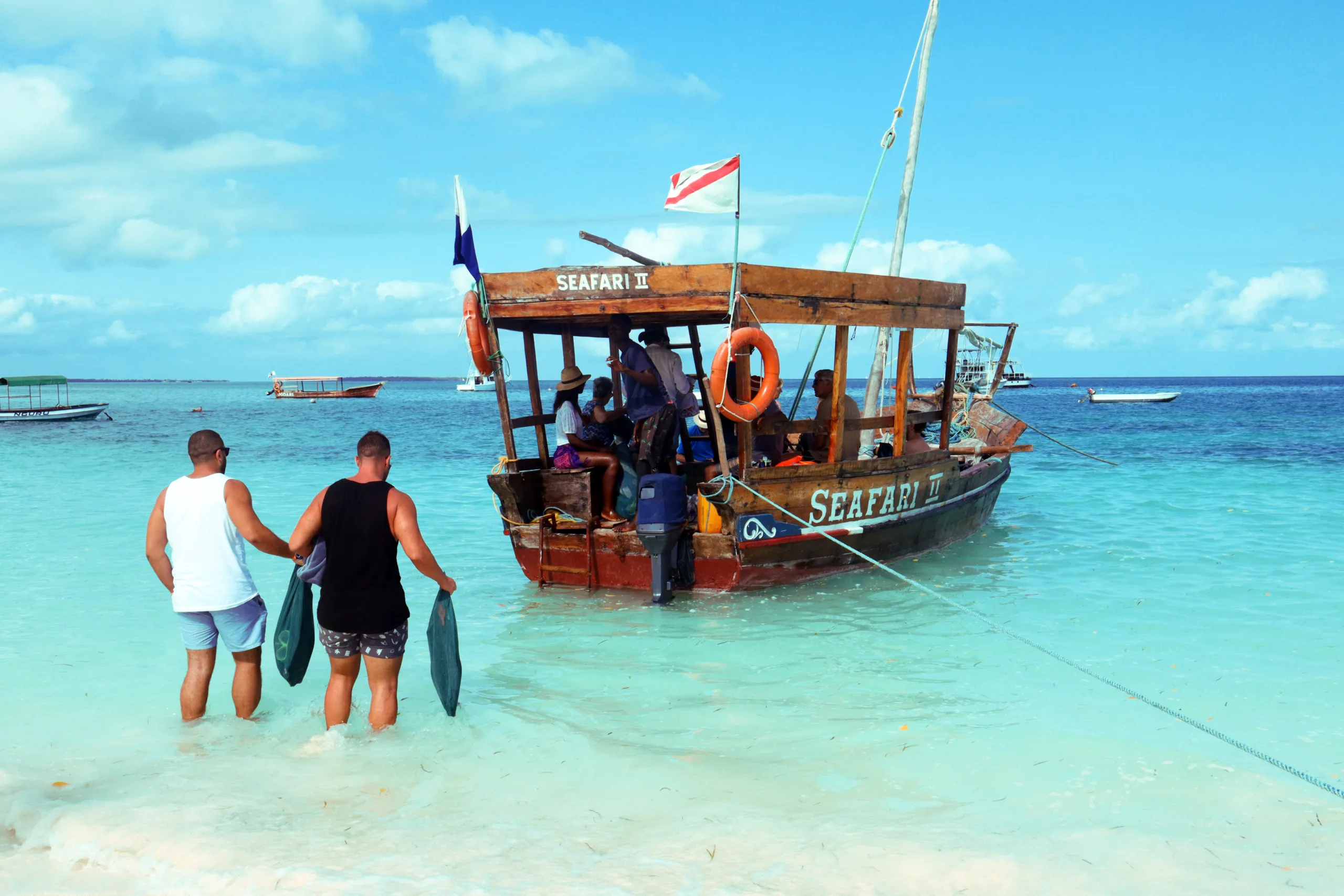
The Indian Ocean is a master of disguise, shifting from deep navy to a translucent, electric turquoise in the blink of an eye. If you are standing on the shores of Zanzibar, you haven’t truly seen the island until you’ve left the land behind for the Zanzibar Safari Blue Experience, a day where the tides dictate the adventure and the “Blue Economy” isn’t just a term, but a way of life.
At Tanzania Safari Experience, we don’t just book tours; we live them. Having navigated the Menai Bay Conservation Area more times than I can count, I can tell you that while many operators claim to offer this “Blue Safari,” the authentic experience is a carefully orchestrated dance between traditional dhow sailing, marine conservation, and Swahili hospitality.
What is the Zanzibar Safari Blue Experience?
The Safari Blue is a full-day nautical adventure in Zanzibar’s Menai Bay, featuring traditional dhow sailing, guided snorkeling at coral reefs, sandbank relaxation, a mangrove lagoon visit, and a Swahili seafood feast.
Since we first began guiding travelers through these waters, the itinerary has remained a classic because it works. However, in 2026, the experience has evolved. There is a stronger focus on the Menai Bay Conservation Area regulations, ensuring that our presence helps protect the dolphins and coral rather than disturbing them.
RELATED ARTICLE: THE 15 BEST Things to Do in Zanzibar Island
Departing from Fumba: The Gateway to the Bay
Your day starts at the quiet fishing village of Fumba, located on the Southwest corner of the island. While Nungwi and Kendwa get the fame for their beaches, Fumba is the authentic heart of Zanzibar’s maritime culture.
Pro-Tip: Most tourists arrive between 9:00 AM and 9:30 AM. If you want the “silent” version of the bay, we always recommend our guests arrive by 8:15 AM. Being the first dhow to hit the water means you get the sandbanks to yourself before the fleet arrives.
The Sandbank: Nature’s Disappearing Act
The first stop is usually a pristine, white sandbank that emerges from the ocean during low tide. It is a surreal feeling to stand on a patch of sand in the middle of the ocean, surrounded by 360 degrees of varying shades of blue.
Why is the sandbank stop so famous?
It offers a “castaway” experience where you can swim in crystal-clear shallow water, enjoy fresh tropical fruit snacks served by the crew, and take world-class photos before the tide rises.
We’ve seen travelers spend hours here just soaking in the sun. Our team brings along “sun-shades” (traditional fabric tents) because the reflection of the sun off the white sand is incredibly intense.
| Feature | What to Expect |
| Water Clarity | High (visibility up to 20 meters) |
| Activities | Sunbathing, wading, photography |
| Refreshments | Fresh mango, pineapple, and watermelon |
| Crowd Level | Moderate (Early arrival is key) |
Snorkeling the Coral Gardens
Once the tide begins to shift, we head to the coral reefs. Unlike the more crowded Mnemba Atoll in the north, the reefs in Menai Bay feel more rugged and diverse. You aren’t just looking at fish; you are looking at a living, breathing ecosystem.
RELATED ARTICLE: THE 10 BEST Hotels in Zanzibar Island
What marine life can you see while snorkeling?
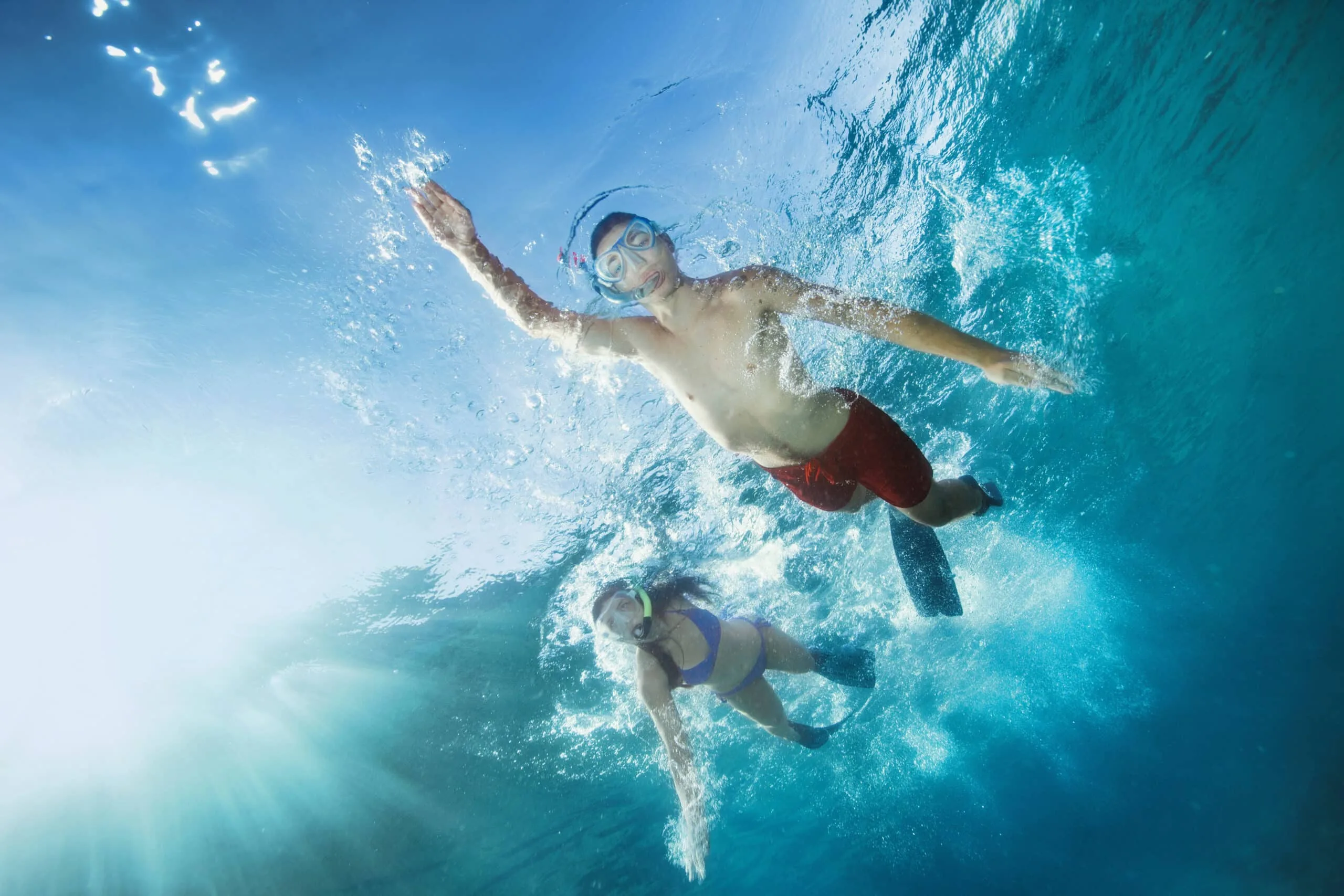
You will encounter vibrant coral formations home to clownfish, zebrafish, parrotfish, and occasionally hawksbill turtles or stingrays, all within the protected waters of the Menai Bay Conservation Area.
Local Expert Secret: Most guides take you to the same primary reef. If the current is right, we ask our captains to drift-snorkel toward the “outer edge.” The water is slightly deeper here, but the coral health is phenomenal, and you’re far more likely to see larger schools of trevally.
The Swahili Seafood Feast on Kwale Island
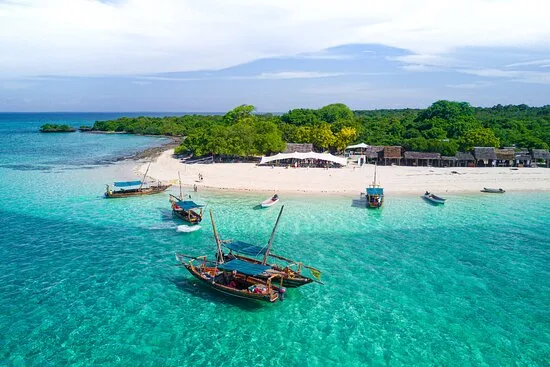
By midday, the scent of wood-fire smoke begins to drift across the water from Kwale Island. This is where the “Safari” part of the name really earns its keep. This isn’t a soggy sandwich lunch; it’s a banquet.
What is served during the Safari Blue lunch?
The lunch features a traditional Swahili seafood BBQ including slipper lobster, grilled fish, calamari, and prawns, served with coconut rice, hand-cut fries, and a variety of spicy dipping sauces.
We ensure our guests get to try the Slipper Lobster—it’s a local delicacy that is sweeter and more tender than the Atlantic variety. For those who aren’t seafood fans, we always have grilled chicken and vegetarian curry prepared over the same aromatic coconut-husk fires.
RELATED ARTICLE: Swimming with Turtles in Zanzibar
Beyond the Beach: The Giant Baobab and Mangroves
After lunch, most people want to nap under a palm tree, but there are two “hidden” spots on Kwale Island you shouldn’t miss.
-
The Fallen Baobab: There is an ancient baobab tree that fell over decades ago but refused to die. Its massive trunk has continued to grow horizontally, creating a natural climbing frame. It’s over 500 years old and a silent witness to the island’s history.
-
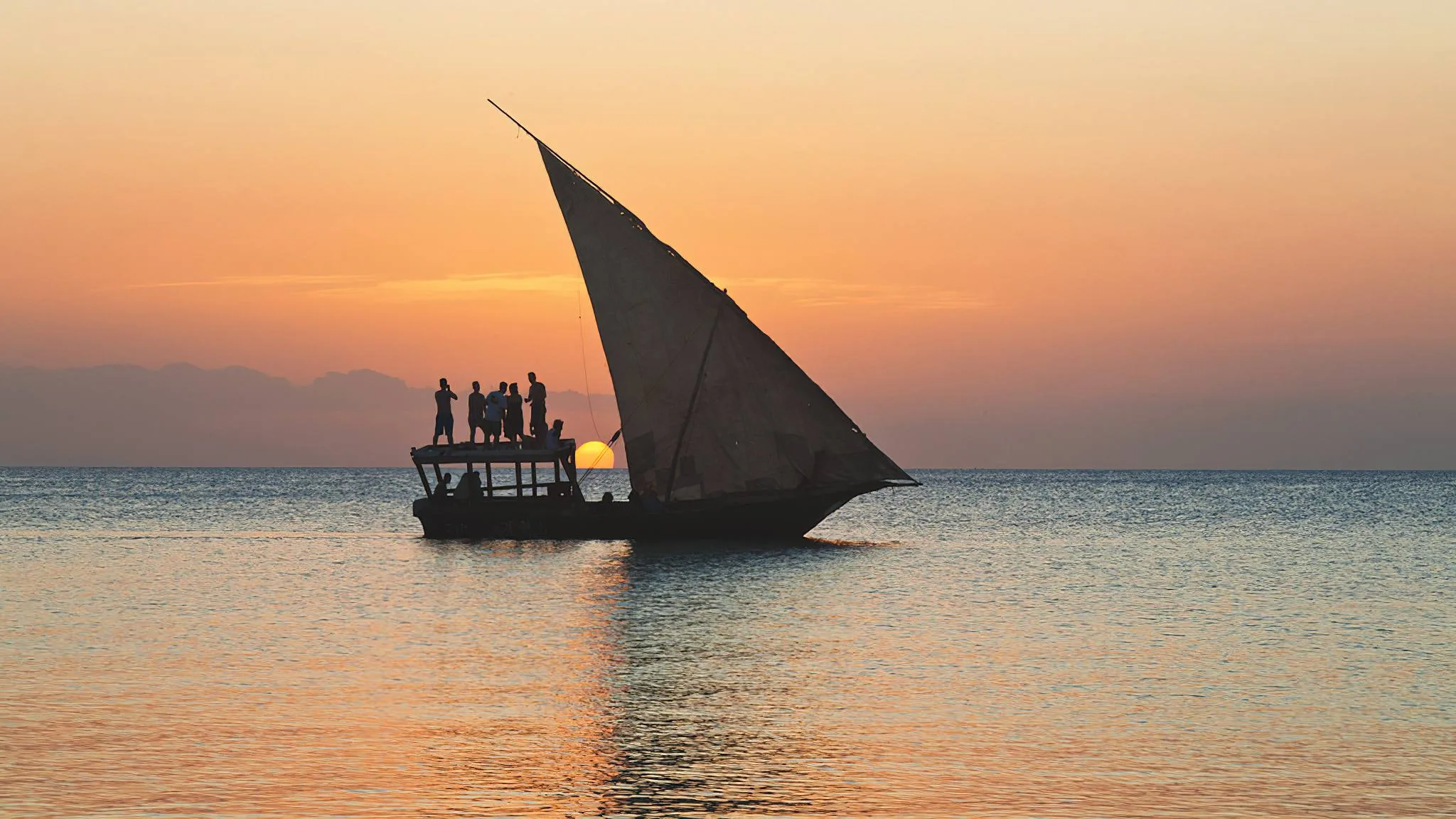
The Mangrove Lagoon: Depending on the tide, we take the dhow (or a smaller outrigger) into a hidden lagoon surrounded by mangroves. The water here is emerald green and perfectly still. It’s a complete contrast to the crashing waves of the outer reef.
Comparison: Group Tour vs. Private Dhow Charter
Many of our clients ask if they should join a group or go private. Here is the breakdown:
| Feature | Standard Group Experience | Private Dhow Charter |
| Cost | Approx. $85–$110 per person | $550+ (Variable by group size) |
| Vibe | Social, energetic, great for solo travelers | Intimate, romantic, tailored pace |
| Food | Buffet style with other groups | Private table, personalized menu |
| Itinerary | Fixed schedule | Flexible (Stay longer at the lagoon!) |
Essential Packing List for 2026
The sun in Zanzibar is no joke—we are just a few degrees south of the equator.
-
Reef-Safe Sunscreen: Since 2025, there has been a major push to protect our corals. Please avoid sunscreens with oxybenzone.
-
Dry Bag: Even on a calm day, dhows are low to the water. A 10L dry bag will save your phone and camera from the occasional splash.
-
Water Shoes: The coral can be sharp, and Kwale Island has some rocky patches.
-
Rash Guard: If you plan on snorkeling for an hour, your back will thank you for the UV protection.
Conservation and the “Dolphin Question”
We often get asked, “Will we see dolphins?”
Dolphins are frequently spotted in Menai Bay, but sightings are never guaranteed; we follow strict ethical viewing guidelines to ensure we don’t chase or stress the animals.
In the past, some operators would “corral” dolphins to give tourists a better look. At Tanzania Safari Experience, we strictly forbid this. If the dolphins choose to swim near the boat, it’s a magical bonus. If not, we respect their space and focus on the incredible marine life below the surface.
The Best Time to Go
While Zanzibar is a year-round destination, the “Kusi” and “Kaskazi” winds affect the sea state.
June to October (Dry Season): The best visibility and calmest seas. Ideal for those prone to seasickness.
January to February: Hot and beautiful, though the occasional short rain might pop up.
March to May: The “long rains.” We generally advise against the Safari Blue during these months as the visibility drops and the dhow rides can be bumpy.
People Also Ask (FAQ)
How much does the Safari Blue experience cost in 2026?
The standard all-inclusive price usually ranges from $80 to $120 USD per person, which includes all entry fees, lunch, drinks, and gear.
Is Safari Blue suitable for non-swimmers?
Yes. We provide high-quality life jackets, and the sandbank stop allows you to enjoy the water while standing in waist-deep shallows.
How long does the tour last?
It is a full-day commitment, typically starting with a hotel pickup at 8:00 AM and returning by 5:30 PM.
Can I do Safari Blue from Nungwi?
Yes, but be prepared for a long drive. Fumba is about 90 minutes from Nungwi. We recommend arranging a private transfer to make the journey more comfortable.
What is the “Bubble Boat” option?
This is a premium semi-private option that uses a more comfortable boat with cushioned seating and a private table for lunch, bridging the gap between a group tour and a full charter.
Final Verdict: Why It Is a Must-Do
The Zanzibar Safari Blue Experience is more than just a boat trip; it’s a sensory overload of salt, sun, and spice. It captures the essence of the “Spice Island” by combining its natural beauty with its rich culinary heritage.
Choosing the right partner is vital. At Tanzania Safari Experience, we pride ourselves on using local captains who have navigated these tides for decades. We ensure that your footprints on the sandbank are the only things you leave behind, and that the memories you take home are as vivid as the turquoise water itself.
