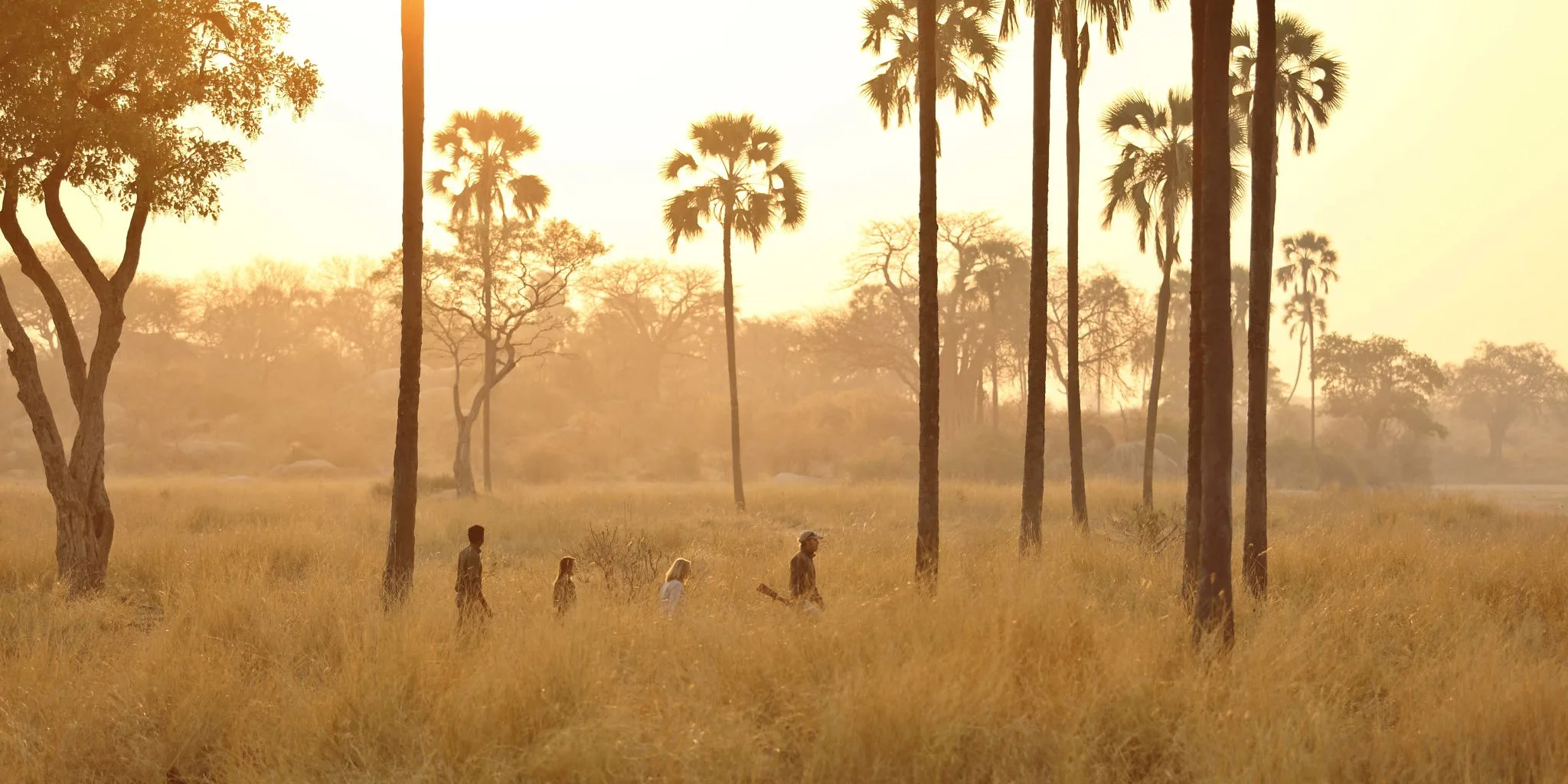

Offbeat Tanzania Safaris
In a world where the Serengeti and Ngorongoro Crater dominate every travel brochure, there is a secret side to East Africa that remains whispered among only the most seasoned explorers. At Tanzania Safari Experience, we’ve spent decades traversing the dust-choked backroads and uncharted waterways of this land to find where the “real” wild still lives—far from the radio chatter of a hundred other safari jeeps.
If you are craving a journey that feels like an 18th-century expedition but with 21st-century comforts, you are looking for an offbeat safari. These aren’t just trips; they are deep immersions into the raw, rhythmic pulse of Africa.

The Hidden West: Katavi’s Raw Wilderness
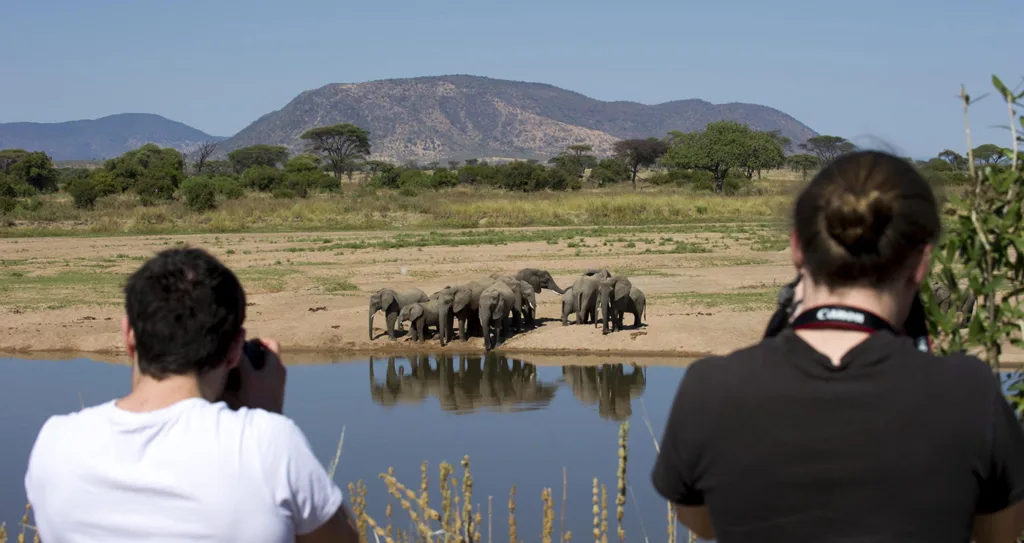
Katavi National Park is Tanzania’s third-largest park yet receives fewer visitors in a year than the Serengeti sees in a single afternoon, offering a brutal, beautiful, and completely private wildlife spectacle.
When our team fly-ins to the Ikuu airstrip in Katavi, the first thing we notice is the silence. There is no hum of distant engines. Instead, you hear the guttural grunts of 200 hippos crammed into a single shrinking mud hole. Katavi is not for the faint of heart; it is a place of dramatic survival. During the dry season (July to October), the Katuma River retreats, forcing thousands of buffalo and elephants into a concentrated area.
RELATED ARTICLE: THE 15 BEST Tanzania Safari Experience
Pro-Tip from the Bush: Don’t just look for the Big Five. In Katavi, ask your guide to find the “Sacred Tamarind Tree.” Legend says it’s inhabited by the spirit of a legendary hunter named Katabi. Locals still leave offerings there, and standing beneath its ancient boughs provides a spiritual connection to the land that a standard game drive simply cannot match.
At a Glance: Katavi vs. The Serengeti
| Feature | Katavi National Park | Serengeti National Park |
| Annual Visitors | Under 2,000 | Over 350,000 |
| Key Spectacle | Massive Hippo Pods & Buffalo Herds | The Great Wildebeest Migration |
| Vibe | Isolation & Raw Nature | Iconic & Social |
| Best For | Repeat Safari-goers | First-time Visitors |
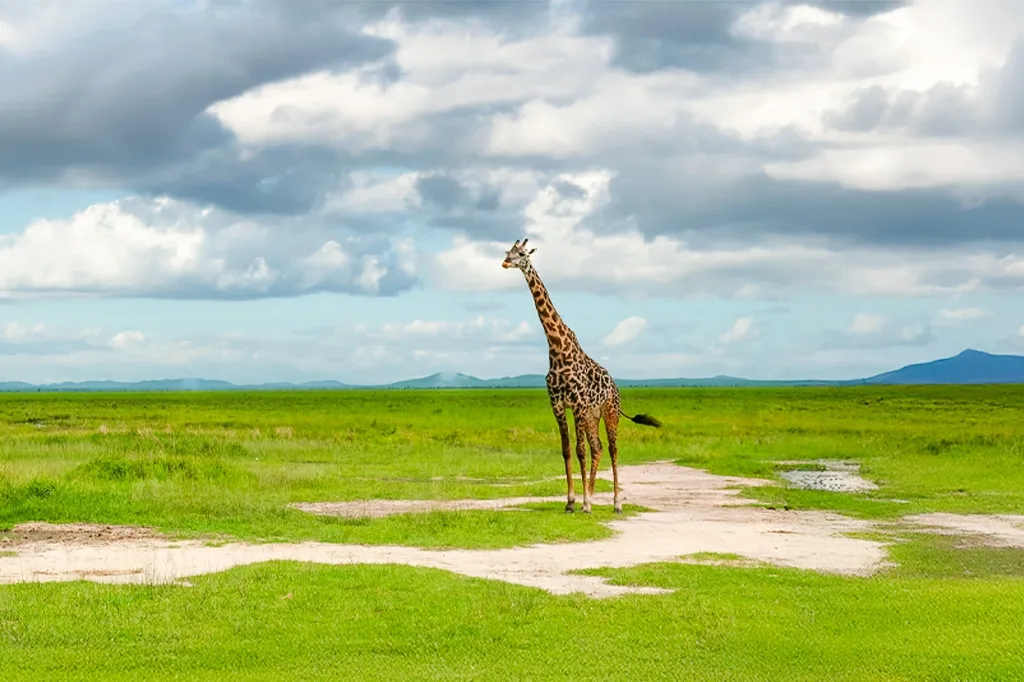
Chimp Trekking in the Mountains of the Moon
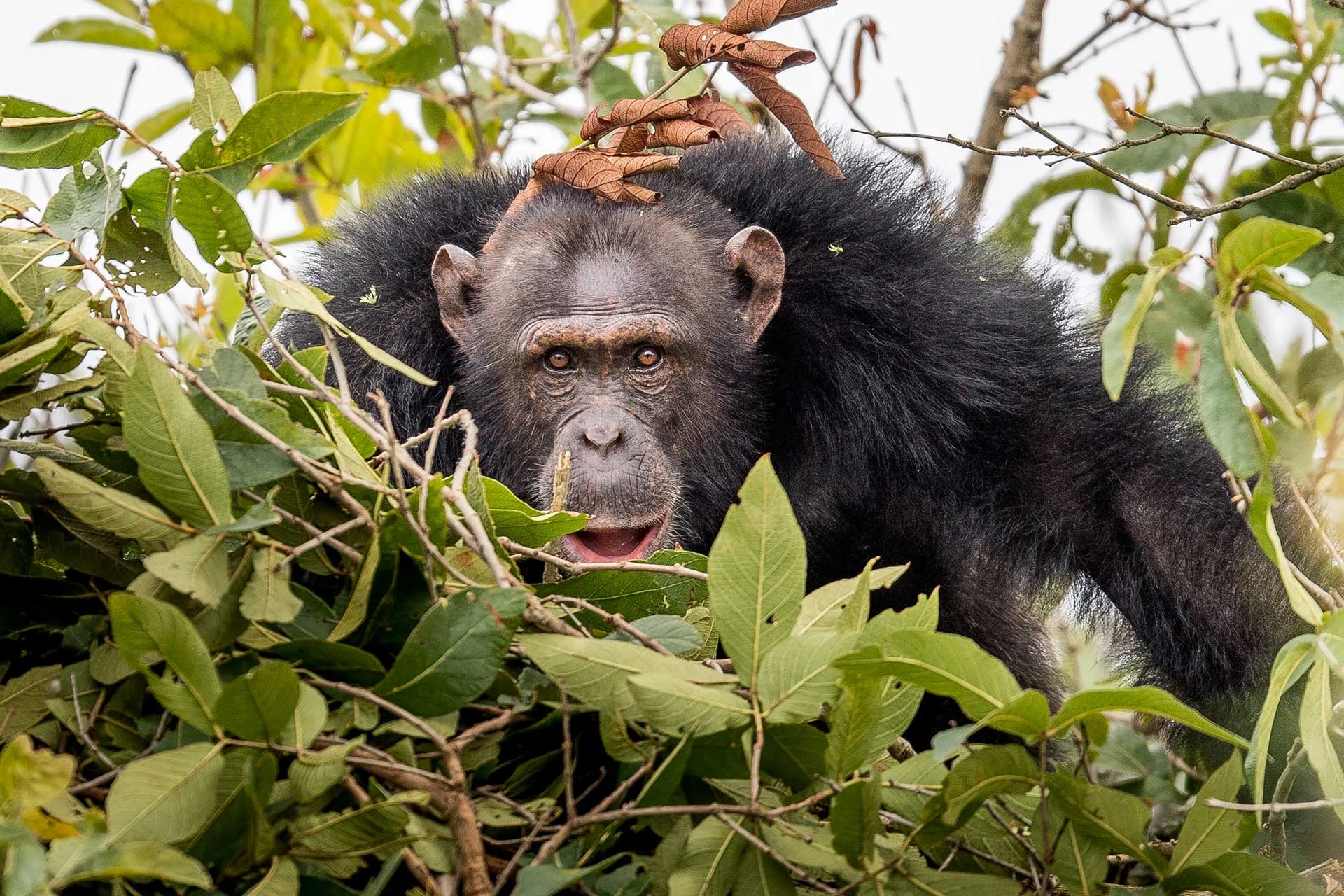
The Mahale Mountains offer the world’s most intimate chimpanzee encounters, where lush rainforests meet the crystal-clear, gin-colored waters of Lake Tanganyika in a breathtaking, road-free paradise.
There are no roads to Mahale. To get here, we take you on a dhow (a traditional wooden boat) across Lake Tanganyika. It feels like arriving on the set of Jurassic Park. The mountains rise sharply from the water’s edge, cloaked in ancient greenery.
Trekking here is a physical and emotional journey. We’ve watched as the “M” group—a habituated community of nearly 60 chimpanzees—goes about their daily lives just feet away from us. They don’t just ignore you; they accept you.
The “Information Gain” Insight: Most people think of chimpanzees as the only draw, but the lake itself is a hidden gem. After a morning trek, we recommend “kayak-snorkeling.” The lake is home to over 250 species of cichlid fish found nowhere else on Earth. It’s like swimming in a giant, freshwater aquarium.
Rubondo Island: The Jurassic Park of Lake Victoria
Rubondo Island is Africa’s largest island national park, a sanctuary where elephants roam sandy beaches and wild chimpanzees were reintroduced in a world-first conservation experiment.
Imagine waking up in a luxury cottage where the “lawn mowers” are actually sitatunga—a rare, semi-aquatic antelope that lives in the marshes. Rubondo is a wild laboratory. In the 1960s, a group of “zoo-born” chimpanzees was released here. Today, their descendants are thriving, and you can participate in “habituation walks” to help researchers track them.
Our Team’s Seasonal Gear Recommendation: If you’re visiting Rubondo between November and March, bring high-quality, waterproof binoculars. This is the peak for migratory birds. The island becomes a transit lounge for thousands of colorful species flying in from Europe.
Southern Circuit Secrets: Ruaha and Nyerere
The Southern Circuit provides a rugged alternative to the North, featuring Ruaha’s massive lion prides and the intricate, water-based safari labyrinths of Nyerere National Park.
While the North is famous for its open plains, the South is characterized by its diversity of movement. In Nyerere (formerly the Selous), we don’t just stay in the car. We take you on boat safaris along the Rufiji River.
-
Ruaha: Known for having 10% of the world’s lion population. We’ve seen prides here 30-strong.
-
Nyerere: The best place for a walking safari. There is a specific thrill in tracking a wild dog on foot, feeling the crunch of the earth beneath your boots.
Offbeat Package Comparison
-
The “Fly-In” Specialist: 4 days in Katavi, 4 days in Mahale. (High budget, maximum isolation).
-
The “Water & Wild” Combo: 3 days in Rubondo Island, 4 days in the Serengeti Western Corridor.
-
The Southern Explorer: 5 days Ruaha, 3 days Nyerere, finishing with 2 days in the Udzungwa Mountains for hiking.
Cultural Immersions Beyond the Boma
Authentic cultural safaris in Tanzania go beyond staged dances, offering genuine opportunities to hunt with the Hadzabe or learn ancient metallurgy with the Datoga tribes.
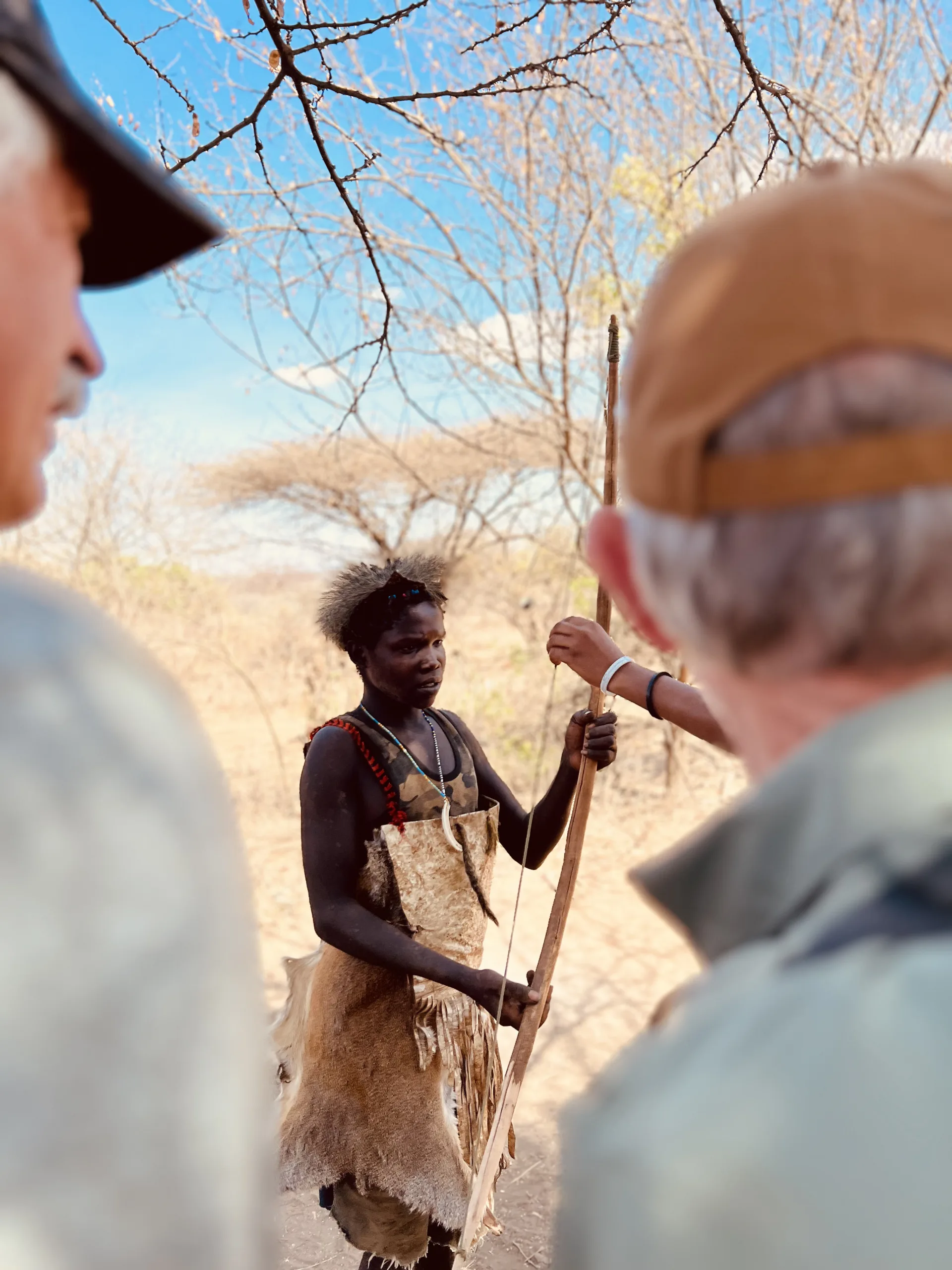
We believe that a safari is incomplete without understanding the people who have coexisted with this wildlife for millennia. Instead of the high-traffic tourist villages near the Ngorongoro gates, we take our guests to the shores of Lake Eyasi.
Here, you can join the Hadzabe—one of the last true hunter-gatherer tribes on the planet—for a morning hunt. There is no script. If they find honey, you eat honey. If they track a kudu, you watch the ancient art of survival in real-time.
Planning Your Logistics: The “Offbeat” Reality
Exploring remote Tanzania requires careful planning, typically involving light aircraft charters and specialized 4×4 vehicles to navigate regions where paved roads are non-existent.
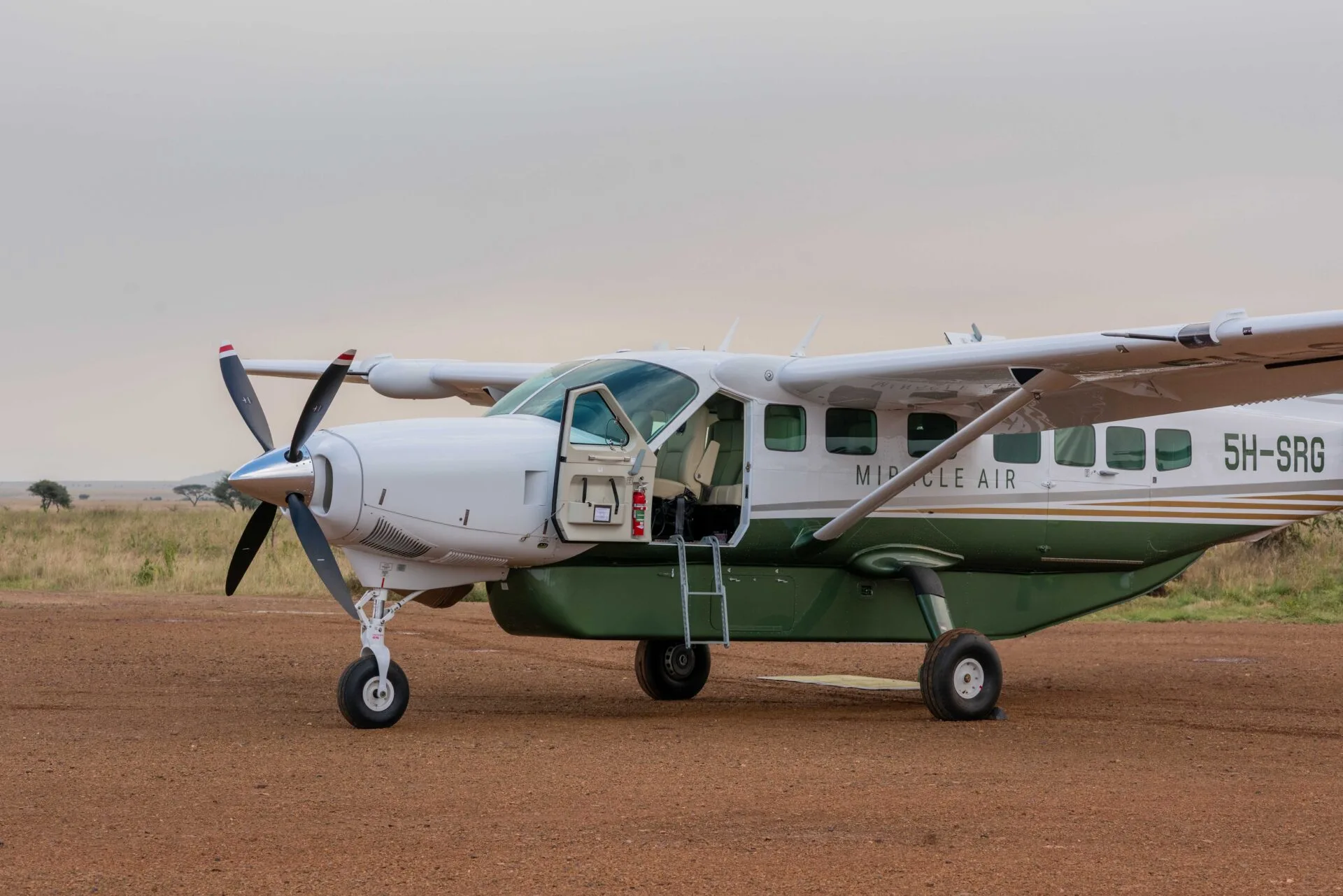
You cannot “self-drive” an offbeat safari. The distances are too vast and the terrain too unforgiving. For instance, driving from Dar es Salaam to Katavi can take up to 20 hours. We recommend “Fly-in” packages to maximize your time in the bush.
Checklist for the Offbeat Traveler:
-
[ ] Soft-sided luggage: Essential for the small Cessna planes used for bush hops.
-
[ ] Neutral colors: Tsetse flies in the West and South are attracted to bright blue and black.
-
[ ] Power banks: Many remote camps rely on solar and may have limited charging windows.
-
[ ] Malaria Prophylaxis: These remote areas are lower in altitude and higher in mosquito activity than the Crater.
Frequently Asked Questions
Are offbeat safaris safe for families?
Yes, but they are better suited for families with older children (12+). The travel times and the “wildness” of the camps require a level of patience and maturity not found in younger kids.
Why are remote safaris more expensive?
The cost is driven by logistics. Operating a high-end lodge in a place like Mahale requires every bottle of wine and every liter of fuel to be shipped in by boat or plane. You are paying for the exclusivity of having an entire national park to yourself.
When is the best time for a Western Circuit safari?
The “sweet spot” is August to October. The bush has thinned out, making wildlife easier to spot, and the animals are tethered to the few remaining water sources.
Do I need special vaccinations?
Yellow Fever is mandatory if you are entering from a high-risk country, and we strongly advise consulting a travel clinic about malaria and typhoid for these deeper bush regions. For more details on health, check the CDC Travel Guidelines.
Can I combine an offbeat safari with Zanzibar?
Absolutely. There are direct bush flights from many southern and western airstrips that can get you to the white sands of Zanzibar in just a few hours. Learn more about the Tanzania National Parks regulations for combined itineraries.
The Final Verdict
The “standard” safari is a wonderful introduction to Africa, but an offbeat safari is a soul-altering experience. It is the difference between watching a movie and being part of the cast.
At Tanzania Safari Experience, we specialize in these “Information Gain” journeys. We don’t just show you the animals; we show you the silence, the culture, and the raw power of a land that remains unchanged by time. Whether it’s the chimpanzees of the West or the lions of the South, we ensure your trip is as authentic as the soil beneath your feet.