


Ultimate 7-10 Day Tanzania Safari Itinerary & Costs
The Definitive Guide to Tanzania Safari: 7-10 Day Itineraries, Real Costs, and Expert Secrets
Planning a journey to the heart of East Africa is a monumental undertaking that requires balancing logistical precision with the raw unpredictability of the wild. At Tanzania Safari Experience, our team doesn’t just book tours; we engineer life-changing expeditions based on decades of collective field knowledge. Whether you are navigating the sheer scale of the Serengeti or the cultural depth of the Lake Eyasi basin, the difference between a standard holiday and a true “Safari” lies in the details that only a local authority can provide.
In 2026, the Tanzanian safari landscape has evolved. It is no longer just about checking the “Big Five” off a list; it is about “Information Gain”—finding those quiet corners of the bush where the crowds disappear and the ancient rhythms of Africa take over.
Understanding the Financial Landscape: How Much Does a Tanzania Safari Really Cost?
What is the average price of a Tanzania safari in 2026?
A high-quality Tanzania safari typically costs between $350 and $850 per person, per day. For a 7-day trip, expect a total of $2,450 to $5,950, while a 10-day journey ranges from $3,500 to $8,500 depending on luxury levels.
To understand these costs, we must break down where your money actually goes. Unlike a standard hotel stay, a safari is an all-inclusive mobile operation.
1. The Park Fee Variable
Tanzania’s National Park fees (TANAPA) and Ngorongoro Conservation Area Authority (NCAA) fees are among the highest in Africa, but they directly fund the world’s most successful conservation efforts. These fees vary significantly from park to park:
-
Serengeti National Park: Approximately $82.60 per person (including VAT).
-
Ngorongoro Crater: Approximately $70.80 per person, plus a mandatory $295 per vehicle, per descent into the crater.
-
Tarangire & Lake Manyara: Approximately $59.00 per person during peak season.
2. Group Size: The Secret to Cost Optimization
One of the most frequent questions our specialists receive is how to lower costs without sacrificing quality. The answer lies in the Group Size. Our custom 4×4 Land Cruisers accommodate up to 6 or 7 passengers, but we believe a group size of 2 to 5 is optimal.
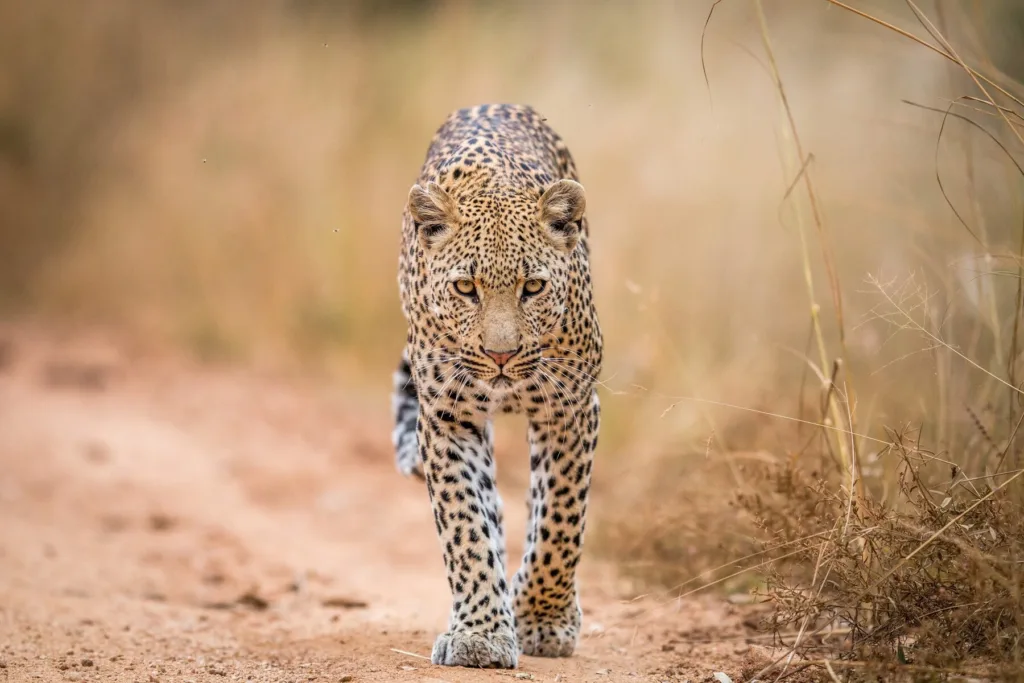
Because the daily cost of the vehicle, fuel, and the expert guide (ranging from $250–$400/day) is fixed, splitting that cost between four people instead of two can save you thousands over a 10-day trip. Furthermore, fewer people in the vehicle means more room for camera gear and better 360-degree visibility when a leopard is spotted in a high acacia branch.
RELATED ARTICLE: Risk Or Adventure? $550 Balloon Safari Experience In Serengeti National Park, Tanzania
Accommodations: From “Roughing It” to Absolute Opulence
Your choice of “bush home” defines the texture of your experience. We categorize accommodations into three distinct tiers to help you align with your budget and comfort requirements.
Budget: Public Camping
For the adventurous soul, public campsites within the parks offer the most raw experience. You sleep in sturdy canvas tents on high-quality foam mattresses. Our team provides a private chef who travels with you, preparing fresh, hot meals over a mobile stove. You share bathroom facilities with other travelers, but the reward is sitting around a campfire under a canopy of stars that no city light can dim.
Mid-Range: Tented Camps (The “Hemingway” Style)
This is the “sweet spot” for 80% of our guests. These are permanent or semi-permanent camps where the “tents” feature wooden floors, real beds with fine linens, and en-suite bathrooms with hot “bucket” showers or solar-powered plumbing. It offers the authentic sounds of the night—the distant “whoop” of a hyena or the low rumble of an elephant—with the comforts of a hotel.
Luxury: Permanent Lodges & Private Villas
Think infinity pools overlooking the Serengeti plains, private butlers, and world-class gastronomy. Lodges like those in the Grumeti Reserve or perched on the rim of the Ngorongoro Crater provide an ultra-exclusive sanctuary. Here, the focus is on absolute privacy and bespoke service.
Comparison Box: Which Level is Right for You?
| Feature | Budget Camping | Mid-Range Tented | Luxury Lodge |
| Bed Type | Foam Mattress/Sleeping Bag | Real Bed / Fine Linens | Designer Suite / King Bed |
| Bathroom | Shared / Public | Private En-suite | Private / Spa-like / Tub |
| Privacy | Low (Social atmosphere) | High (Private tents) | Absolute (Secluded villas) |
| Cost (Daily) | $200 – $350 | $450 – $700 | $900 – $2,500+ |

Logistics: Flying vs. Driving
Is it better to fly or drive between Tanzanian parks?
Driving (the “Circuit” style) is more affordable and offers a deeper connection to the landscape, while flying (the “Fly-in” style) maximizes game-viewing time by skipping 6-8 hour transit drives.
The Drive Experience:
Driving from Arusha to the Serengeti allows you to see the “real” Tanzania—the colorful markets of Mto wa Mbu, the high altitude wheat farms of Karatu, and the shifting vegetation as you climb the Rift Valley escarpment. It is, however, dusty and can be physically tiring.
The Flight Experience:
Using internal “bush flights” from Arusha or Kilimanjaro directly into Serengeti airstrips (like Seronera or Kogatende) turns a 10-hour drive into a 50-minute scenic flight.
Our Pro-Tip: We highly recommend a “Hybrid Itinerary.” Drive from Arusha through Tarangire and Ngorongoro to enjoy the scenery, then fly back from the Serengeti to Arusha on your final day. This saves you from repeating the long drive back and gives you one last bird’s-eye view of the Great Migration.
Cultural Immersion: The Human Heart of the Safari
A safari that only looks at animals is only half a story. To truly understand Tanzania, you must meet the people who have coexisted with this wildlife for eons.
The Maasai Boma
The Maasai are the iconic guardians of the East African plains. A visit to a traditional Boma (homestead) allows you to witness their unique architecture, learn about their pastoral lifestyle, and participate in traditional songs and dances. We ensure our visits are to communities that benefit directly from the tourism income, supporting local schools and water projects.
The Hadzabe & Datoga: A Step Back in Time
Near Lake Eyasi, you can find the Hadzabe, one of the last remaining hunter-gatherer tribes on Earth. This is not a “performance.” You can join the men on a morning bow-and-arrow hunt or forage with the women. Nearby, the Datoga tribe—expert blacksmiths—demonstrate how they have melted down scrap metal to create arrowheads and jewelry for centuries.

Choosing Your Itinerary: 7 vs. 10 Days
The 7-Day “Northern Circuit Highlights”
-
After two decades behind the wheel, I know that a 7-day trip isn’t just a “shortened” version of a longer one—it needs to be a concentrated shot of the best this land has to offer. You want quality, you want variety, and you don’t want to spend your entire holiday sitting in a car.
If you have 7 days, we have to be surgical about the route. We drop the transit fluff and focus on the “heavy hitters.” Here is how I structure a 7-day itinerary that respects your time and maximizes your sightings.
The 7-Day “Northern Circuit Core” Itinerary
Day 1: Arrival & The Arusha Reset You land at Kilimanjaro (JRO). I don’t rush you into the bush immediately. We settle into a lodge on the outskirts of Arusha, surrounded by coffee plantations. We use this afternoon for your briefing. We’ll look at the map, talk about what you really want to see, and check your gear. A calm start leads to a sharper safari.
Day 2: Tarangire – The Elephant Kingdom We depart early to beat the heat. Tarangire is non-negotiable for a 7-day trip. In the dry season, the concentration of elephants here is mind-blowing. We focus on the Silale Swamp. It’s not just the elephants—it’s the baobabs. I’ll take you to the spots where the herds gather near the river. It’s raw, it’s loud, and it’s spectacular.
Day 3: Lake Manyara – The Rift Valley Gateway We head toward the Great Rift Valley. Manyara is different—it’s a lush groundwater forest. You get the contrast of primates (baboons and blue monkeys), huge flocks of flamingos on the soda lake, and, if we are patient, those famous tree-climbing lions. It’s a perfect “middle” park to break up the drive before the Serengeti.
Day 4: Serengeti – Entering the Endless Plains We drive through the Ngorongoro Conservation Area en route to the Serengeti. We stop at the crater rim for the view—it hits you every time. Then, the plains open up. We enter the Serengeti and spend the afternoon on a game drive in the Seronera Valley. This is “Big Cat” territory. We look for leopards in the acacias and lions on the kopjes.
Day 5: Full Day in the Serengeti This is your day. No rushing, no checking out. We are out at sunrise—this is when the predators are working. We track. We listen for alarm calls. We follow the dust trails of the herds. Because we aren’t moving camps, we can go wherever the action is.
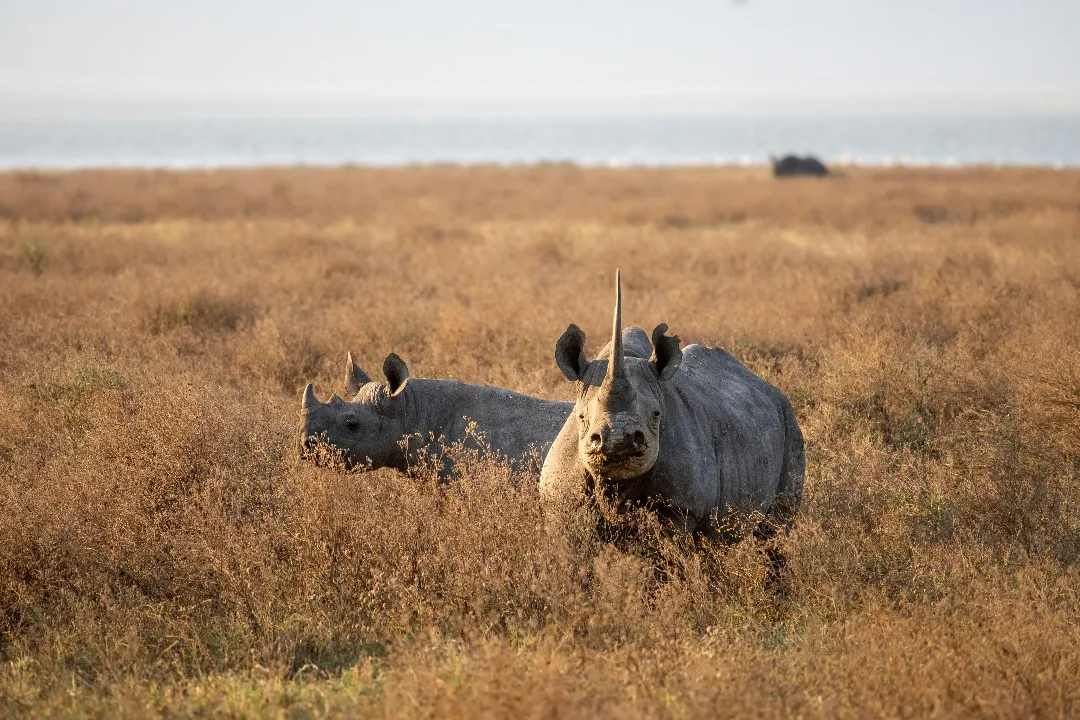
Day 6: Ngorongoro Crater – The Garden of Eden We leave the Serengeti and head back to the Ngorongoro Highlands. We don’t just “visit” the crater; we own it for the day. We descend early, before the other vehicles, to find the Black Rhino. The crater floor is an amphitheater of life—you’ll see more species in one day here than anywhere else on the planet. We picnic by the hippo pool and drive up the steep exit road by late afternoon.
Day 7: The Final Morning & Departure A short, final morning game drive near the crater rim or the Karatu area, followed by a leisurely breakfast. Then, we drive back to Arusha. If you have an evening flight, we can stop at a local market for authentic souvenirs before I drop you at the airport.
Why this works:
-
Logical Flow: You are always moving forward, never backtracking.
-
Diversity: You get the dry savannah (Tarangire), the lush forest/lake (Manyara), the infinite plains (Serengeti), and the volcanic caldera (Ngorongoro).
-
Pacing: You are spending 2 nights in the Serengeti, which is critical. A 7-day trip that tries to add more parks than these four usually ends up being 80% driving and 20% safari. This keeps you in the bush.
-
I’ve spent the last 20 years behind the wheel of a Land Cruiser, tracking everything from the silent footfall of a leopard to the thunderous migration of a million wildebeest. A safari isn’t a checklist; it’s a rhythm. If you try to rush it, you miss the story the bush is telling.
Here is my 10-day “Deep Wilderness” itinerary—the one I’d take my own family on if I wanted them to truly understand the pulse of Tanzania.
The 10-Day “Deep Wilderness & Culture” Expedition
Day 1: Arrival in Arusha We keep it slow. After your flight, we head to a lodge tucked away in the coffee forests. You need to reset your internal clock. We use this time to talk about your interests—are you here for the “Big Five,” or do you want to learn how to track a lion’s spoor?
Day 2: Tarangire – The Land of Giants We don’t just “see” Tarangire; we get under its skin. The park is famous for its ancient, massive baobabs, but the real magic is the Silale Swamp. While others congregate near the main gates, I’ll take you deep into the southern circuit. In the dry season, the elephants move in family groups here to drink. You’ll sit in the silence, watching them interact—the matriarch leading, the calves playing in the mud—it’s moving to see how much like us they are.
Day 3: Tarangire to Mto wa Mbu After a morning of watching the bush wake up, we head toward the Rift Valley. We stop in Mto wa Mbu, a vibrant “melting pot” village. We’ll take a walk through the banana plantations and rice paddies. It’s a chance to see how Tanzanians actually live, off the safari trail.
Day 4: The Lake Eyasi Cultural Deep-Dive This is the day that stays with you. We wake up before the sun to meet the Hadzabe, one of the last true hunter-gatherer tribes on Earth. You aren’t watching a show; you are walking with them. You’ll learn how they use their bows, how they find water in the dry ground, and how they communicate with clicks. Later, we visit the Datoga blacksmiths, who have been turning scrap metal into arrowheads for generations. It’s humbling.
Day 5: Ngorongoro Crater – The Garden of Eden We descend at dawn. The Crater is a closed ecosystem—a natural amphitheater. Because the grass is short, the game viewing is almost “cheating.” You’ll likely see the Black Rhino here, one of the rarest sights in the world. We take our picnic lunch by the hippo pool, but stay alert—the kites will try to steal your sandwich!
Day 6: Drive to Central Serengeti We move into the “Endless Plains.” As we climb out of the Ngorongoro Highlands, the vegetation changes—it dries out, and the horizon opens up. We spend the afternoon in the Seronera Valley. This is predator country. Leopards love these kopjes (rocky outcrops).
Day 7: Full Day in Central Serengeti We spend today hunting for the “Big Cats.” I have my favorite spots where I know the lion prides like to lounge. We’ll spend the whole day out here with a packed breakfast, tracking the movements of the herds. You learn quickly that a safari is 90% patience and 10% pure adrenaline.
Day 8: Migration Tracking (The Wild Card) This is where my experience matters. Depending on the time of year, I know where the “Great Migration” is. If it’s July–Oct, we head North to the Mara River for the heart-stopping river crossings. If it’s Jan–March, we head to the Ndutu plains for the calving season—it’s a rough, beautiful cycle of life where you might see a cheetah hunting in the high grass.
Day 9: The “Slow Safari” Day Most people spend this day rushing. We won’t. We’ll spend the day in a remote sector. We might turn off the engine and just listen—the wind in the acacia, the distant call of a fish eagle. This is where you connect. You’ll notice the small things: a dung beetle rolling its burden, the way a giraffe moves in perfect silence.
Day 10: The Scenic Flight Home We take one last sunrise game drive on our way to the airstrip. Flying out over the Serengeti is the grand finale—you finally see the scale of the landscape from above. You’ll land in Arusha or connect to Zanzibar, but you’ll leave a piece of your heart back in the plains.

When to Go: The 2026 Seasonality Guide
When is the best time for a Tanzania safari?
The “Best” time depends on your priority. For sheer wildlife volume, June to October is unbeatable. For photographers and birdwatchers, the “Green Season” of November to May offers stunning light and lush backgrounds.
-
The Great Migration (River Crossings): Late July to October in the Northern Serengeti.
-
The Calving Season: January to March in the Southern Serengeti (Ndutu).
-
Peak Dry Season (June–Oct): Animals are forced to water holes; sightings are “easy” but parks are busier.
-
The “Long Rains” (April–May): Many camps close, but the ones that remain open offer massive discounts. Expect afternoon downpours but stunning, green landscapes.

Frequently Asked Questions (FAQ)
Is a 10-day safari too tiring?
It can be if you drive every day. However, our 10-day itineraries include “multi-night stays” in the same camp, allowing you to unpack, relax, and truly soak in the environment without moving every morning.
How do park fees work if I stay multiple days?
Park fees are generally charged in 24-hour increments. If you enter the Serengeti at 2:00 PM on Monday and leave at 10:00 AM on Wednesday, you are charged for two 24-hour periods. Our team handles all these complex calculations in your quote.
Can children join these safaris?
Yes! Tanzania is a wonderful family destination. We recommend a minimum age of 6 for long game drives. We also select family-friendly lodges with interconnected tents and “Junior Ranger” programs.
What is the “Big Five”?
The term was originally coined by big-game hunters for the five most dangerous animals to hunt on foot: Lion, Leopard, Elephant, Cape Buffalo, and Rhino. Today, they are the most sought-after sightings for photography.
Is Zanzibar a good add-on?
Absolutely. After 7–10 days of early mornings and dusty roads, 3–4 days on the white sand beaches of Zanzibar is the perfect way to end your journey.
Why Local Expertise Wins
A Tanzania safari is an investment in a memory that will last a lifetime. While large international travel agencies can book your hotels, they often lack the “ground-level” knowledge of which Serengeti camp has moved to follow the rains, or which guide has the best eye for spotting a camouflaged leopard in a sausage tree.
At Tanzania Safari Experience, we pride ourselves on being Subject Matter Experts who live here. We know the seasonal shifts, the hidden tracks, and the community leaders. When you book with us, you aren’t just a tourist; you are a guest in our home.
