


Walking Safari Experience in Tanzania
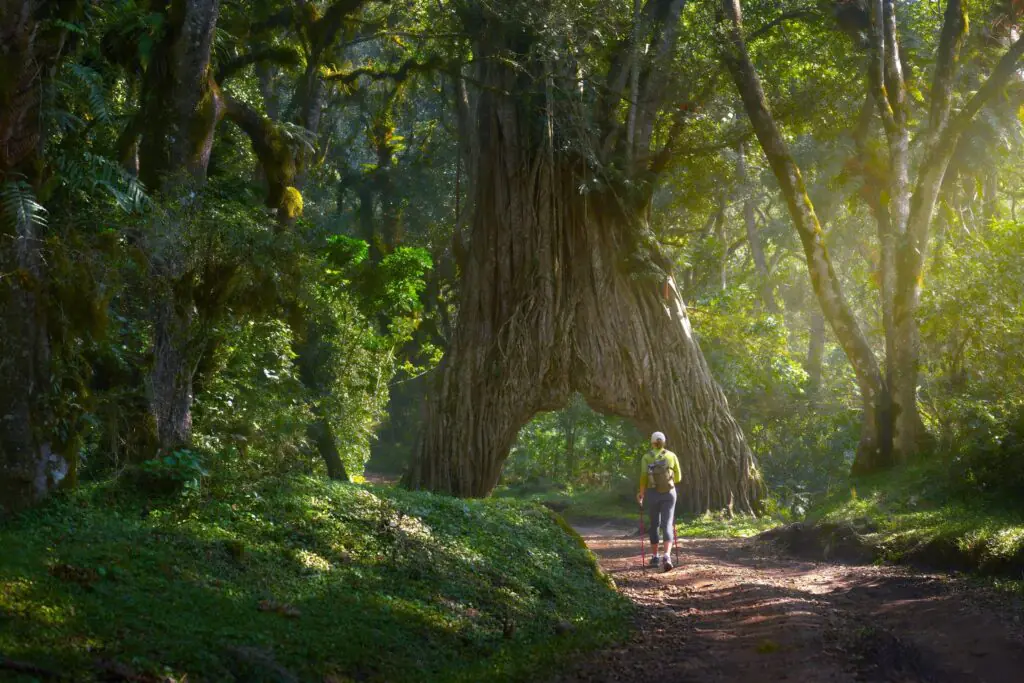
Deep in the heart of the Maasai Steppe, the engine cuts out, and the silence of the African bush rushes in like a tide. It is only when you step off the green metal floor of a 4×4 and onto the red Tanzanian soil that the true Walking Safari Experience in Tanzania begins.
At Tanzania Safari Experience, our team believes that if you haven’t felt the crunch of dry savanna grass under your boots or tracked the fresh, dinner-plate-sized pugmark of a lion, you haven’t truly seen Africa. In 2026, the walking safari has evolved from a niche adventure into the gold standard for travelers seeking “Information Gain”—the kind of deep, sensory knowledge that a camera lens simply cannot capture.
The Raw Reality of a Walking Safari
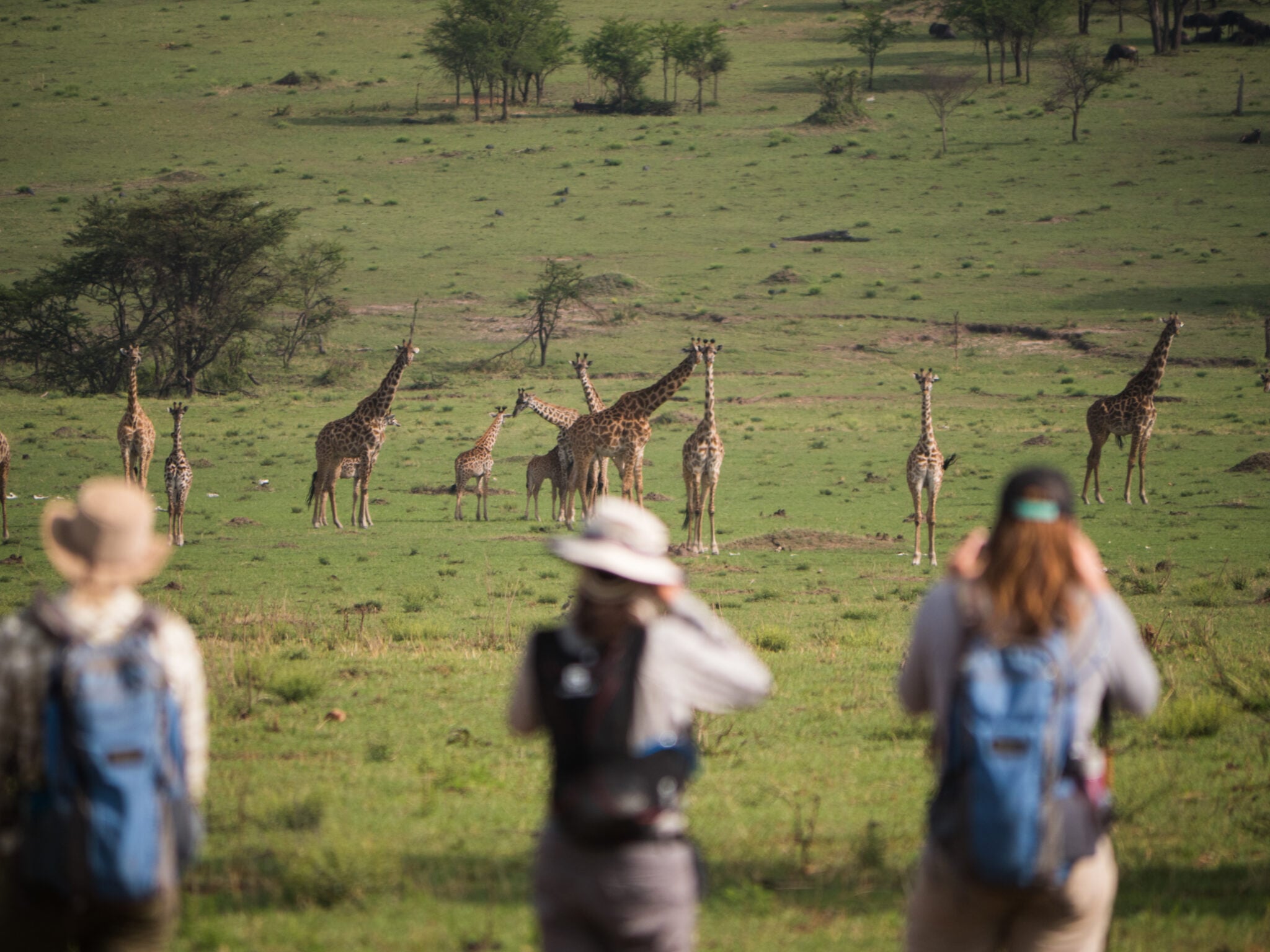
A walking safari is an immersive, guided trek through protected wilderness where participants explore the ecosystem on foot. Unlike vehicle tours, it focuses on tracking, botany, and intimate, sensory wildlife encounters.
When you are in a vehicle, you are an observer. When you are on foot, you are a participant. I remember a morning in Ruaha National Park when we crouched behind a fallen baobab. We weren’t looking at a lion; we were watching a dung beetle navigate a miniature mountain range of elephant bolus. Our guide, a man who could read the wind like a book, explained how this tiny architect was the literal foundation of the park’s soil health.
This is the “Human Touch” of a walking safari. You aren’t just looking for the Big Five; you are learning the “Little Five” and the complex web that connects them.
Comparison: Foot vs. Four-Wheels
| Feature | Walking Safari | Traditional Game Drive |
| Perspective | Eye-level, intimate, and raw | Elevated, distant, and safe |
| Pace | Slow (3–5 km per morning) | Fast (covers 50+ km) |
| Focus | Tracks, plants, insects, behavior | Large predators and panoramas |
| Senses | All five engaged | Primarily sight and sound |
| Adrenaline | High (ground-level vulnerability) | Moderate (safe inside steel) |
RELATED ARTICLE: Ultimate 7-10 Day Tanzania Safari Itinerary & Costs
Where to Walk: Tanzania’s Premier Zones
Tanzania’s best walking safaris occur in Nyerere National Park (Selous), Ruaha, and private concessions bordering the Serengeti. These areas offer the highest concentration of wildlife and expert armed ranger support.
While most northern parks offer short “nature walks,” true multi-day walking safaris are best experienced in the south. However, 2026 has seen a surge in “Wilderness Zones” within the Serengeti, allowing for more authentic treks than ever before.
1. Nyerere National Park (The Selous)
This is the ancestral home of the walking safari. Our team often recommends the Stiegler’s Gorge area. The terrain is varied—ranging from thick riverine bush to open borassus palm forests.
-
Expert Insight: Watch for the African Wild Dog. Nyerere is one of their last strongholds, and seeing them on foot is a spiritual experience.
2. Ruaha National Park
Ruaha is for the purist. It is rugged, dry, and filled with ancient baobabs. Because there are fewer vehicles here, the animals are more “wild.” Walking along the Great Ruaha River during the dry season (July–October) allows you to see the desperate drama of survival as herds congregate at the last remaining water pools.
3. The Serengeti Wilderness Zones
You won’t find these on a standard map. These are “non-motorized” zones where vehicles are strictly prohibited. Walking here during the Great Migration—feeling the vibration of a million hooves in the soles of your feet—is something no YouTube video can replicate.
Arusha National Park: The “Home of the Walk”
Located just 45 minutes from Arusha city, this park is our team’s favorite “secret” spot. It is the only place in the north where you can walk through the “Little Serengeti” and stand beneath the Tululusia Waterfall.
-
The Experience: You aren’t just walking on flat plains; you are trekking through the foothills of Mount Meru.
-
The Highlight: This is the best place to see the Abyssinian Black-and-White Colobus Monkey. On foot, you can hear the “whooshing” sound of their long tails as they leap between ancient cedar trees—a sound you’d never hear over a car engine.
Safety and the “Silent Code”
Safety is maintained through a mandatory armed ranger escort, strict single-file formations, and a “silent code.” Guides are trained to read animal body language to avoid any direct confrontation.
A common myth is that walking safaris are “dangerous.” In reality, they are meticulously controlled. Before you take your first step, our team at Tanzania Safari Experience provides a briefing on the “Silent Code.”
-
Single File: We always walk in a line. To an animal, a line of humans looks like one large, strange, but non-threatening organism.
-
The Wind is Everything: We always walk against the wind. If the animals can’t smell us, we can observe their natural behavior without causing stress.
-
No Running: In the bush, the only thing that runs is prey. If we encounter a large mammal, we stand our ground and follow the ranger’s hand signals.
The Expert Gear Checklist
Essential gear includes neutral-colored (khaki/olive) breathable clothing, sturdy broken-in hiking boots, a wide-brimmed hat, and high-quality 8×42 binoculars for spotting wildlife from a safe distance.
Don’t be the traveler who shows up in bright white sneakers. Not only do they get dirty instantly, but bright colors (including blue and black, which attract tsetse flies) make you stand out.
-
The “Pro” Footwear Tip: Don’t bring heavy, stiff mountaineering boots. You need “Scout” style boots or lightweight trail runners with good grip. The ground is often sandy or uneven, and you need to feel the terrain.
-
The Layering Rule: It is 10°C at 6:00 AM and 30°C by 11:00 AM. Wear a zip-off trouser and a light fleece that can be stowed in your daypack.
RELATED ARTICLE: Risk Or Adventure? $550 Balloon Safari Experience In Serengeti National Park, Tanzania
Seasonal Timing: When to Lace Up
The best time for a walking safari is the Dry Season (June to October). Vegetation is sparse, providing better visibility, and animals are forced to stay near permanent water sources.
| Month | Conditions | Walking Quality |
| June – Oct | Dry, thin bush, cool mornings | Gold Standard (Best visibility) |
| Jan – Feb | “Short Dry,” green but manageable | Excellent (Birthing season) |
| Mar – May | Heavy rains, tall grass | Limited (Too much cover/mud) |
| Nov – Dec | Short rains, humid | Good (Great for birding) |
Information Gain: Things You Only Learn on Foot
To give you the “SME” (Subject Matter Expert) edge, here are three things our guides teach that you won’t find in a standard guidebook:
1. The “Toothpaste” Tree
The Salvadora persica (Toothbrush tree) is everywhere. We’ll show you how to snap a twig, fray the end, and use the natural antibiotic fibers to clean your teeth. It tastes like horseradish and works better than plastic.
2. The Alarm Clock of the Bush
You’ll learn to ignore the “pretty” bird songs and listen for the Grey Go-away-bird or the Oxpecker. Their specific “Hiss” or “Kay-waaa” calls are the forest’s early warning system that a predator is nearby.
3. Reading the “Newspaper”
The ground is the morning newspaper. A “drag mark” might mean a leopard moved a kill. A “scuff” in the dirt could be a territorial marking from a rhino. We spend our mornings “reading” what happened while we were asleep.
Comparison: Luxury Walking vs. Fly-Camping
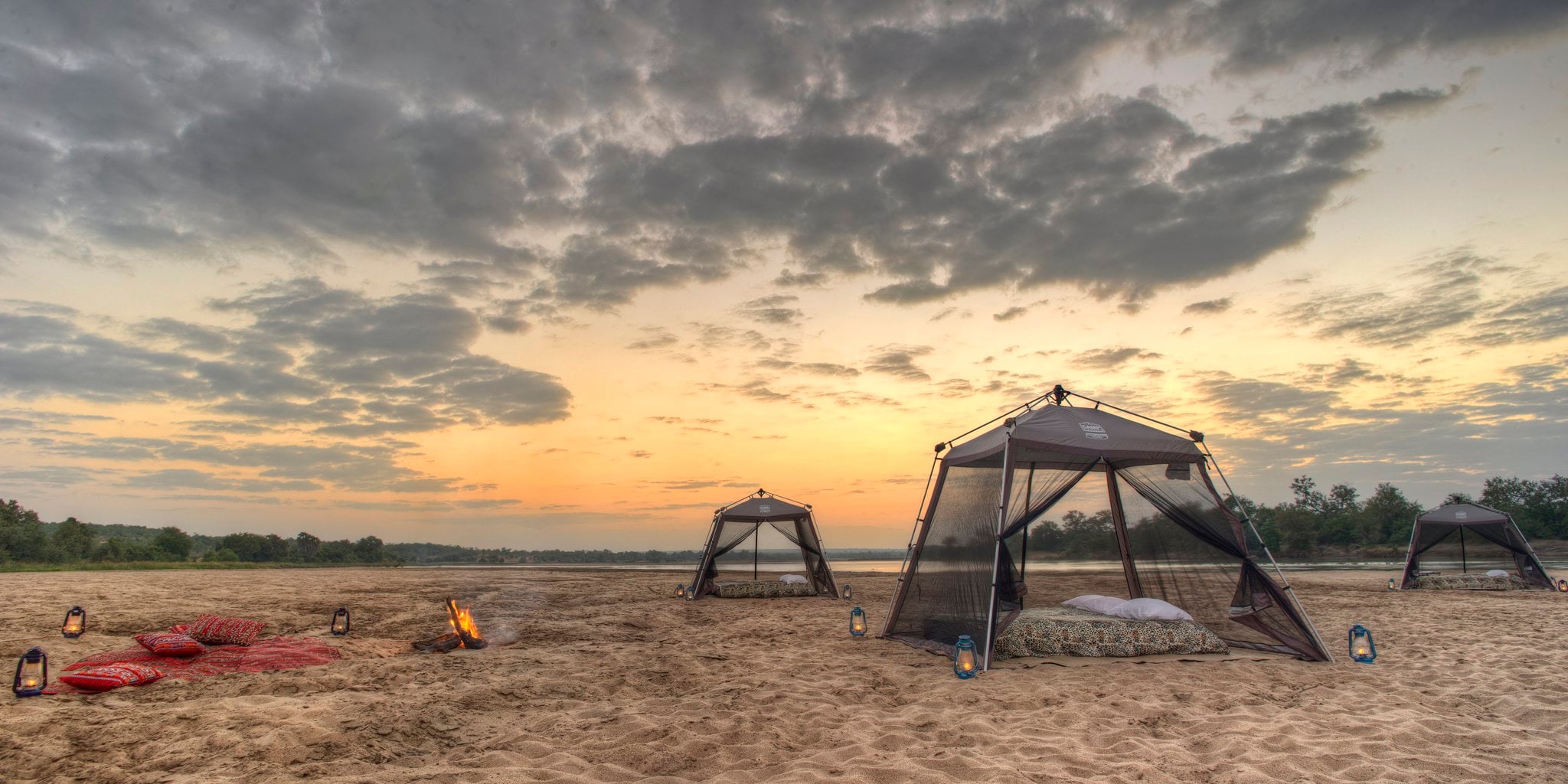
Luxury walking safaris feature permanent camps with hot showers, while fly-camping involves setting up temporary, lightweight tents in remote areas for a more rugged, “under-the-stars” experience.
-
Luxury Walk: You walk for 4 hours, arrive at a pre-set camp with a gin and tonic waiting, and sleep in a canvas tent with a real bed.
-
Fly-Camping: You carry a small pack, help set up a mosquito-net tent, and cook over an open fire. It’s raw, it’s loud (the lions sound like they are in the tent), and it’s the most authentic way to see Tanzania.
Frequently Asked Questions
Can children go on a walking safari?
Most National Parks in Tanzania have a minimum age limit of 12 for walking safaris due to safety regulations and the need for participants to remain quiet and follow instructions.
Do I need to be a marathon runner?
No. A walking safari is not a hike; it is a slow stroll. We usually cover about 5 to 10 kilometers over four hours, with plenty of stops to look at plants, tracks, and birds.
Will we see the Big Five?
It is possible, but not the goal. Walking safaris prioritize the ecosystem. However, encountering an elephant or buffalo on foot is far more impactful than seeing twenty of them from a car.
What happens if it rains?
In the dry season, rain is rare. If it does rain, we usually wait it out at camp, as wet ground makes tracking difficult and can be slippery for walkers.
Is there a bathroom on the trail?
We use the “Bush Toilet” method. Your guide will ensure privacy and safety, and we follow a “Leave No Trace” policy, carrying out all waste.
The Final Verdict
The Walking Safari Experience in Tanzania is the antidote to the modern, fast-paced world. It forces you to slow down, to breathe the scent of wild sage, and to realize your place in the natural order.
At Tanzania Safari Experience, we don’t just lead walks; we facilitate connections between humans and the wild. Our local guides grew up in these landscapes, and their expertise ensures that your journey is as safe as it is transformative. If you are ready to trade the hum of an engine for the heartbeat of the bush, the trails are waiting.
