


When Is Winter in Tanzania
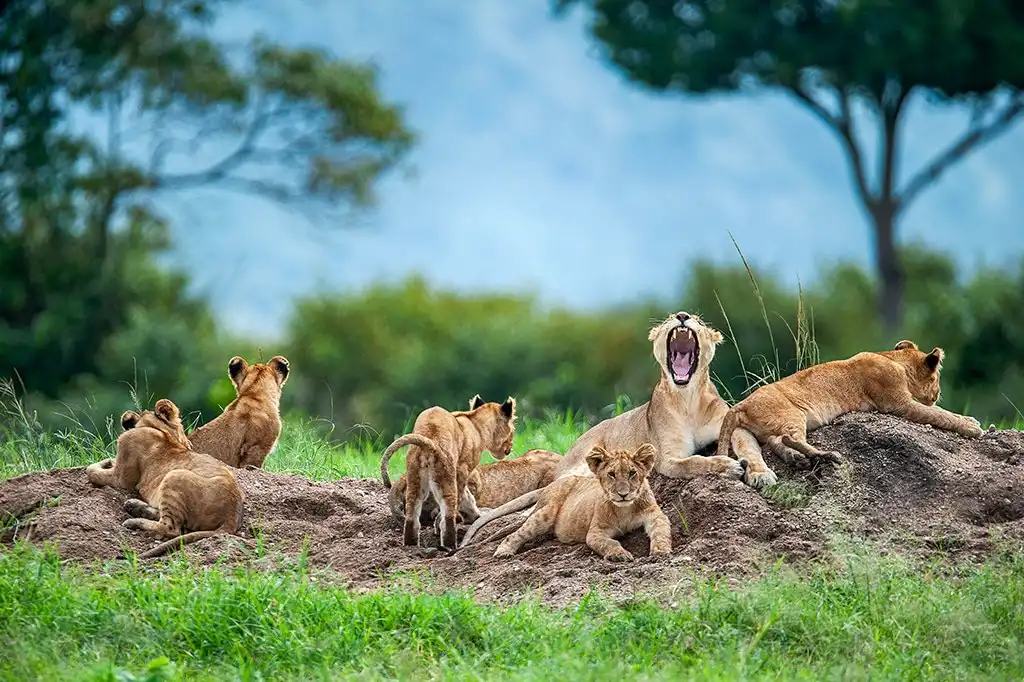
When Is Winter in Tanzania? A Guide to the Coolest Safari Secrets
If you are looking for a traditional four-season calendar in East Africa, you’ll be searching for a long time. In Tanzania, “winter” doesn’t mean snow-covered streets; it means the arrival of the long dry season, characterized by crystalline blue skies and the most comfortable temperatures of the year.
Our team at Tanzania Safari Experience has spent decades navigating the plains of the Serengeti and the crater floor of Ngorongoro. We’ve learned that timing your trip to coincide with the Tanzanian winter is the secret to seeing the “Big Five” without the sweltering humidity of the tropical summer. Whether you are chasing the Great Migration or looking for a crisp morning in the highlands, understanding the nuances of the June-to-August window is essential.
Defining the Tanzanian Winter: June to August
Tanzania’s winter occurs from June through August, serving as the peak of the long dry season. During these months, humidity is at its lowest, and temperatures remain a mild 20°C to 27°C.
This period is widely considered the best time for a safari. Because there is almost no rainfall, the thick vegetation of the rainy season dies back, and water sources begin to dry up. This creates a “magnifying glass” effect for wildlife viewing: animals are forced to congregate around the remaining permanent water holes, making them incredibly easy to spot.
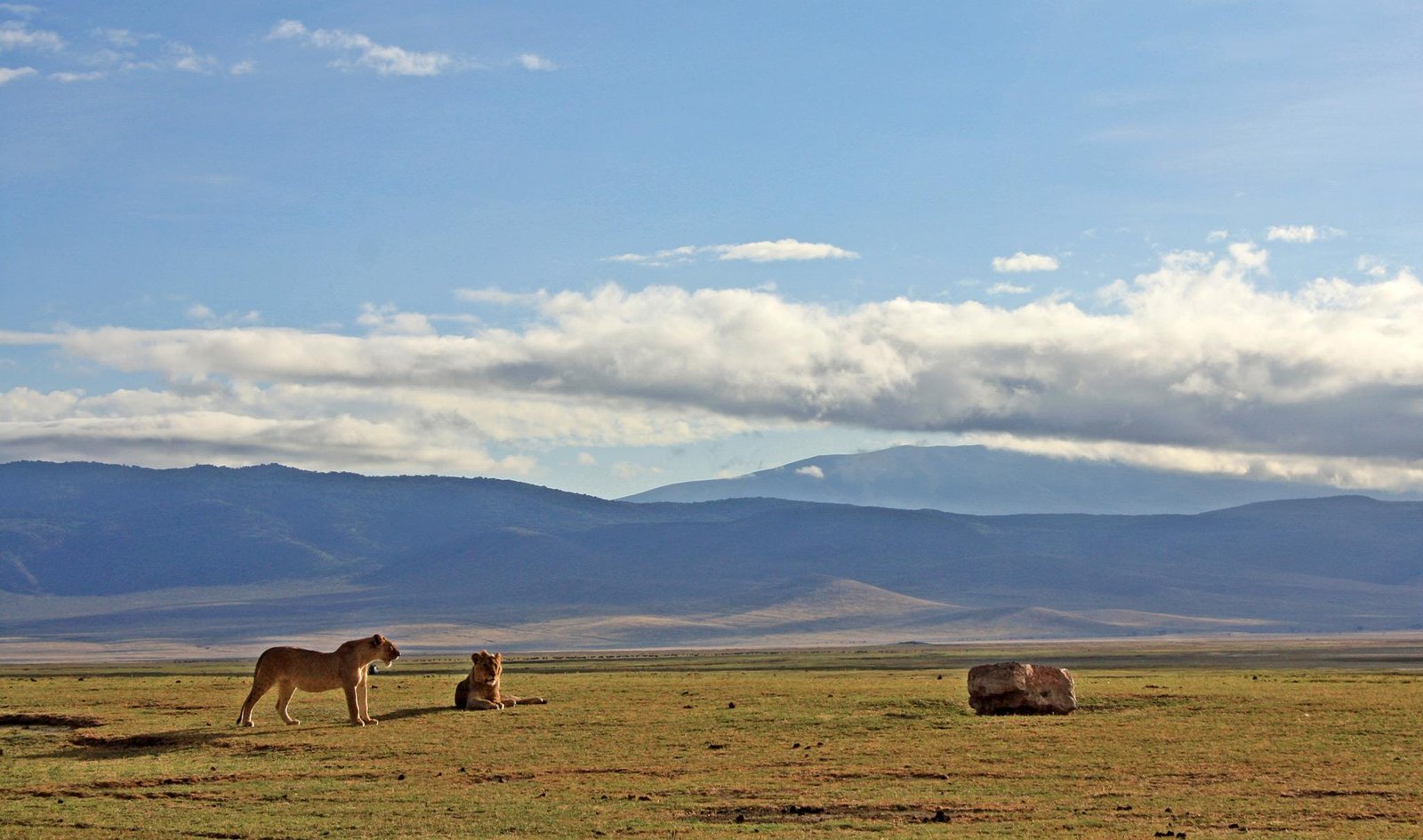
Regional Weather Breakdown 2026
While the general rule is “dry and cool,” Tanzania’s varied topography creates distinct microclimates. Our guides often joke that you can experience three seasons in a single day when driving from the humid coast to the rim of the Ngorongoro Crater.
| Region | Daytime Avg (°C) | Nighttime Avg (°C) | What to Expect |
| Northern Circuit (Serengeti/Arusha) | 22°C – 26°C | 10°C – 14°C | Bright sun, dust, and crisp, cold mornings. |
| Ngorongoro Highlands | 18°C – 20°C | 5°C – 8°C | Very cold nights; frost is possible on the crater rim. |
| Coastal Islands (Zanzibar/Mafia) | 28°C – 30°C | 21°C – 23°C | Milder humidity, breezy trade winds, and clear water. |
| Southern Parks (Ruaha/Nyerere) | 27°C – 29°C | 15°C – 18°C | Hotter than the north, but significantly drier than summer. |
Pro-Tip from the Field: If you are visiting the Ngorongoro Crater in July, do not be fooled by the African sun. The altitude at the rim is over 2,300 meters. I always tell our guests to pack a genuine winter fleece and a beanie for the 6:00 AM descent. You will thank me when you’re watching the sunrise over the caldera!
The Wildlife Spectacle: Why Winter Wins
Winter in Tanzania is synonymous with the Great Migration‘s most dramatic moments, as millions of wildebeest and zebras move into the Western and Northern Serengeti to find water.
By late June, the herds have usually exhausted the grass in the south and begin their trek toward the Grumeti and Mara Rivers. This is “Action Season.” Because the air is dry, the visibility is unparalleled. You won’t just see a lion; you’ll see the dust kicked up by its paws as it stalks through the golden, short-cropped grass.
Comparison: Winter vs. Summer Safari
-
Winter (June-Aug):
-
Pros: Minimal mosquitoes (low malaria risk), easy wildlife spotting, perfect photography lighting, no rain delays.
-
Cons: Peak season prices, higher vehicle density in popular areas.
-
-
Summer (Dec-Feb):
-
Pros: Lush green landscapes, “Calving Season” (thousands of babies), lower prices.
-
Cons: High humidity, frequent afternoon thunderstorms, thick bush hides predators.
-
RELATED ARTICLE: Come on a Tanzania safari with us
Packing for the “Cool” Tropics
Layering is the golden rule for a Tanzania winter. You must prepare for a 20-degree temperature swing between the sunrise game drive and the midday sun.
Many travelers make the mistake of packing only shorts and t-shirts. However, an open-sided safari vehicle moving at 30km/h at 6:30 AM feels like a refrigerator.
-
The “Base Layer”: Moisture-wicking t-shirts (avoid bright whites; they get dusty instantly).
-
The “Mid Layer”: A high-quality wool sweater or light down jacket.
-
The “Shell”: A windbreaker to block the breeze during early morning drives.
-
The “Bottoms”: Zip-off trousers are actually useful here—long for the morning, short for the afternoon.
Expert Insights: Hidden Winter Gems
While everyone flocks to the Serengeti, our team recommends two “Winter Specials” for travelers looking for something unique:
-
Tarangire National Park: During the dry winter months, Tarangire has the highest concentration of elephants in the world. As the surrounding lands dry up, thousands of elephants migrate to the Tarangire River. It is, in my opinion, the most underrated winter destination in Africa.
-
The Kuzi Monsoon (Zanzibar): From June to September, the Kuzi wind blows from the south. While it makes the sea a bit choppier, it brings a refreshing cool breeze that makes the coastal heat much more bearable. It’s the best time for kite surfing in Paje!
For more detailed information on park-specific conditions, you can check the official Tanzania National Parks (TANAPA) guidelines or consult the World Meteorological Organization for real-time climate data.
Frequently Asked Questions
Does it snow in Tanzania during winter?
Snow only occurs at the extreme altitudes of Mount Kilimanjaro and Mount Meru. You will not see snow on the plains or in the cities, though frost is common in the highlands.
Is it too cold to swim in Zanzibar in July?
Not at all. The Indian Ocean remains a pleasant 25°C to 26°C. The air is slightly cooler and less humid, which many visitors find more comfortable for sunbathing than the heat of January.
When exactly does the “Winter” start and end?
The transition usually begins in late May as the rains stop. The coolest months are June and July, with temperatures starting to climb again in late August and September.
Are there many mosquitoes in the Tanzanian winter?
Because it is the dry season, standing water is scarce, which significantly reduces the mosquito population. While malaria precautions are still necessary, the “annoyance factor” is at its lowest.
Can I see the Great Migration in August?
Yes. August is prime time for the Mara River crossings in Northern Serengeti. This is when the wildebeest brave crocodile-infested waters to reach the green pastures of the Masai Mara.
Final Verdict: Is Winter the Best Time to Visit?
If your priority is world-class wildlife viewing and comfortable weather, then yes, the Tanzanian winter is the undisputed champion. While you will share the parks with more people than in the rainy season, the sheer volume of animals visible around water sources is a trade-off worth making.
At Tanzania Safari Experience, we specialize in finding the quiet corners of the Serengeti even during the peak winter months. We believe that an authentic trip isn’t just about seeing the animals; it’s about being in the right place at the right time to witness the raw rhythm of nature.
