
7 days Lemosho Route Kilimanjaro Climb

Clear Cancellation Terms

Clear Cancellation Policies

Expert Local Guides

10+ years in Tanzania

No Hidden Fees

All-inclusive pricing

24 / 7 Support

We're always available

Overview of the 7 days Lemosho Route Kilimanjaro Climb

A 7 Day Lemosho Route Kilimanjaro climb is a strong choice for travelers who want the scenery of the western approach while giving themselves more acclimatization time than the faster six day itinerary.

The route begins through rainforest on the western side of Kilimanjaro, crosses the Shira Plateau, passes Lava Tower and Barranco Wall, then continues through Karanga to Barafu before the final ascent to Uhuru Peak at 5,895 metres.

The biggest advantage of this itinerary is the overnight stay at Karanga Camp. Instead of trekking directly from Barranco to Barafu, you have another day at altitude before summit night, giving your body more time to adapt and reducing unnecessary fatigue.

At Tanzania Safari Experience, we normally recommend the seven day Lemosho Route over the six day version for most fit climbers. If you have even more time and want the most gradual Lemosho itinerary, the eight day option is worth considering.

Quick Kilimanjaro Overview

Best for: Fit first time Kilimanjaro climbers and experienced hikers

Recommended duration: 7 days

Best season: January to early March and June to October

Route: Lemosho

Highest point: Uhuru Peak at 5,895m

Difficulty level: High

Accommodation: Mountain camping

Main highlight: Shira Plateau, Lava Tower, Barranco Wall and Uhuru Peak

Photography: Excellent landscape and summit photography

Acclimatization: Better than the six day Lemosho itinerary

Starting point: Londorossi Gate

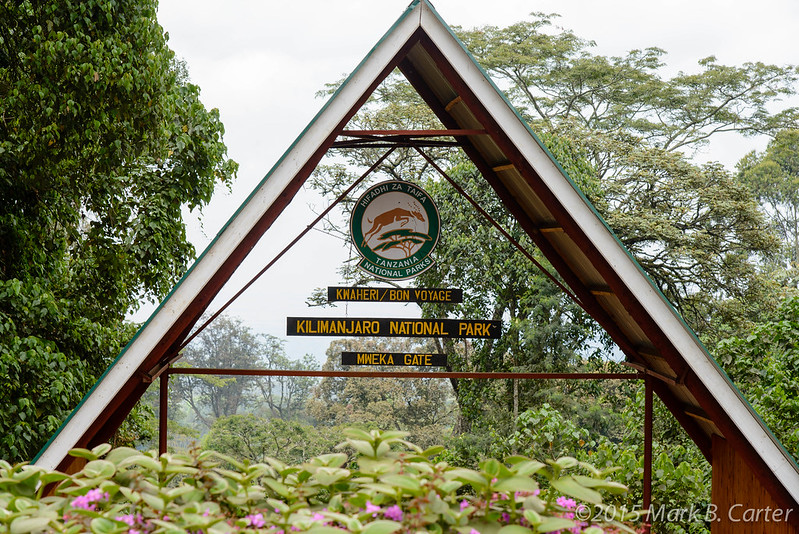
Finishing point: Mweka Gate

7 days Lemosho Route Kilimanjaro Climb - Summit Success Rate

The 7 Day Lemosho Route has an estimated summit success rate of around 85% to 90% when climbers follow a well managed itinerary. The extra night at Karanga Camp is important because it gives the body more time to acclimatize before moving to Barafu and attempting Uhuru Peak. However, no success rate can be guaranteed because every climber responds differently to altitude.

The best way to improve your chance of reaching the summit is to walk slowly, stay properly hydrated, eat even when your appetite drops, rest at camp and report altitude symptoms honestly to your guide. Arrive with good hiking fitness, train for consecutive walking days, use suitable cold weather equipment and avoid trying to keep a fast pace. On Kilimanjaro, good acclimatization and disciplined pacing usually matter more than speed or athletic ability.

Kilimanjaro Success Rate Calculator

US units
Metric
How many days is your climb?
Active (run 3–5 km)
Climbed above 4,000 m (13,100 ft) in the last 2 years?
Do you smoke regularly?
—
Estimated Summit Success Rate
Quick breakdown of factors:
• Route base rate: %
• Climb duration adjustment: %
• Fitness adjustment: %
• Prior high-altitude experience: %
• Smoking status: %
• Age & weight influence: %
This is an estimated probability based on reported summit success rates and physiological factors.
Real outcomes depend heavily on weather, guide quality, hydration, group support, and personal resilience.
This tool is for informational purposes only — always consult your doctor before high-altitude trekking.

Day-by-Day Itinerary 7 days Lemosho Route Kilimanjaro Climb — Tanzania Safari

Your safari is carefully planned to maximize wildlife viewing while still giving you time to relax and enjoy the journey. Here’s what you can expect day by day.

Climb Mount Kilimanjaro Itinerary

1Day

Londorossi Gate to Mti Mkubwa Camp | Elevation: 2,100m to 2,650m
Londorossi Gate to Mti Mkubwa Camp | Elevation: 2,100m to 2,650m

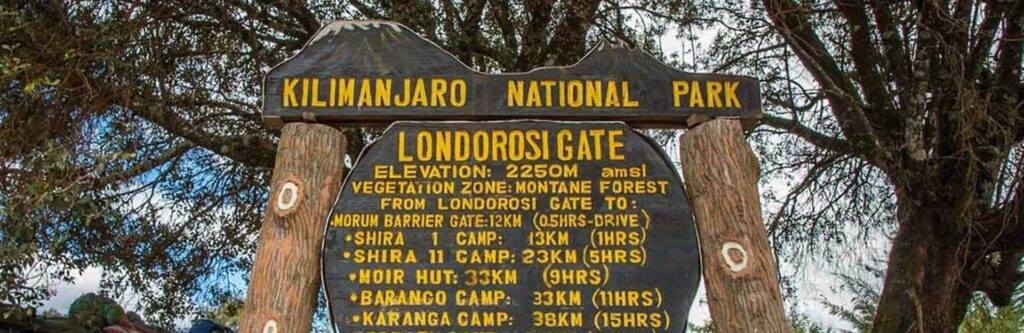
Your Kilimanjaro climb begins with registration at Londorossi Gate before driving toward the Lemosho trailhead.

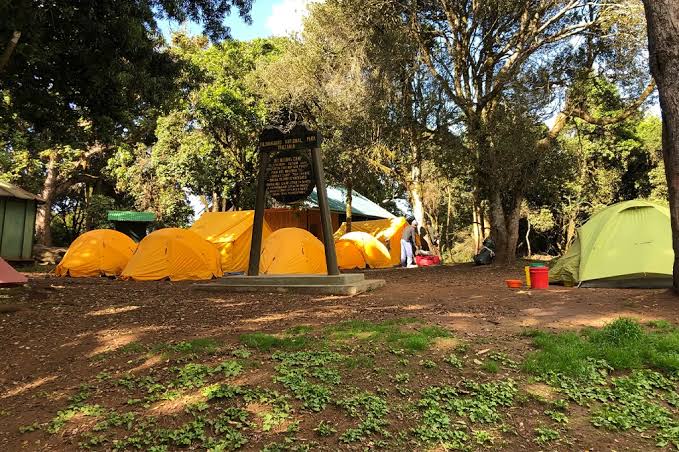
From the trailhead, you begin walking through humid montane rainforest toward Mti Mkubwa, also known as Big Tree Camp.

The trek covers approximately 6 km and normally takes around three to four hours. The first day is intentionally shorter, allowing you to settle into your trekking rhythm without using unnecessary energy.

The forest can be wet and muddy, particularly after rain. Keep your waterproof jacket accessible and use trekking poles if the trail becomes slippery.

Colobus monkeys and blue monkeys may sometimes be seen in the forest, although wildlife sightings should never be treated as guaranteed.

You spend your first night at Mti Mkubwa Camp at approximately 2,650 metres.

Trekking time
3 to 4 hours
Distance
Approximately 6 km
2Day

Mti Mkubwa Camp to Shira 2 Camp | Elevation: 2,650m to 3,850m

Mti Mkubwa Camp to Shira 2 Camp | Elevation: 2,650m to 3,850m

Day two is one of the longer trekking days of this itinerary. You leave Mti Mkubwa at approximately 2,650 metres and climb to Shira 2 Camp at around 3,850 metres.

The day’s distance is approximately 16 km and normally requires seven to eight hours of walking.

As you gain elevation, the dense rainforest gradually disappears and the landscape opens into heath and moorland.

You eventually reach the Shira Plateau, one of the most distinctive areas of the Lemosho Route.

This itinerary bypasses Shira 1 Camp and continues directly toward Shira 2. That means the increase in sleeping altitude is significant, so walking slowly becomes increasingly important.

Views toward Kibo can be excellent when cloud conditions allow.

Once you arrive at Shira 2, focus on eating, drinking and resting rather than pushing yourself around camp unnecessarily.

Trekking time
7 to 8 hours
Distance
Approximately 16 km
3Day

Shira 2 Camp to Lava Tower to Barranco Camp | Elevation: 3,850m to 4,630m to 3,900m

Shira 2 Camp to Lava Tower to Barranco Camp | Elevation: 3,850m to 4,630m to 3,900m

Day three is one of the most important acclimatization days of the seven day Lemosho Route.

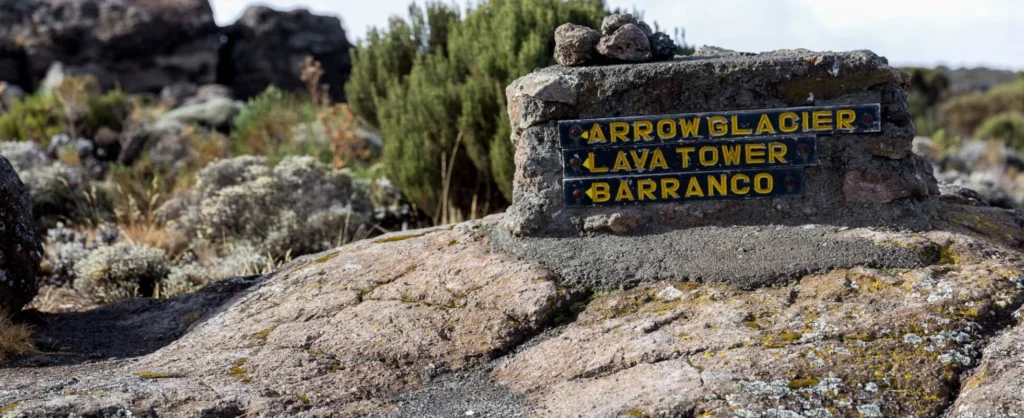
You leave Shira 2 at approximately 3,850 metres and gradually climb toward Lava Tower at about 4,630 metres.

The air becomes noticeably thinner as you approach Lava Tower. Your normal walking pace at lower altitude will no longer feel appropriate, so listen to your guide and keep your rhythm slow.

After reaching Lava Tower, you normally have time to rest and eat before beginning the descent toward Barranco Camp.

Barranco sits at approximately 3,900 metres.

This climb high and sleep lower pattern is useful because your body experiences an elevation above 4,600 metres before spending the night several hundred metres lower.

Many climbers notice that breathing and appetite improve as they descend toward Barranco.

Trekking time
6 to 7 hours
Distance
Approximately 10 km
4Day

Barranco Camp to Karanga Camp | Elevation: 3,900m to 3,960m

Barranco Camp to Karanga Camp | Elevation: 3,900m to 3,960m

Day four begins with one of the best known features of Kilimanjaro, the Barranco Wall.

From camp, the wall can look intimidating. In practice, it is a steep scramble rather than technical rock climbing.

There are sections where you use your hands for balance, and your guides will help control spacing and movement through narrower areas.

Once above the wall, you continue across a series of valleys and ridges toward Karanga Camp.

The total distance is approximately 5 km, but the changing terrain means the walk normally takes around four to five hours.

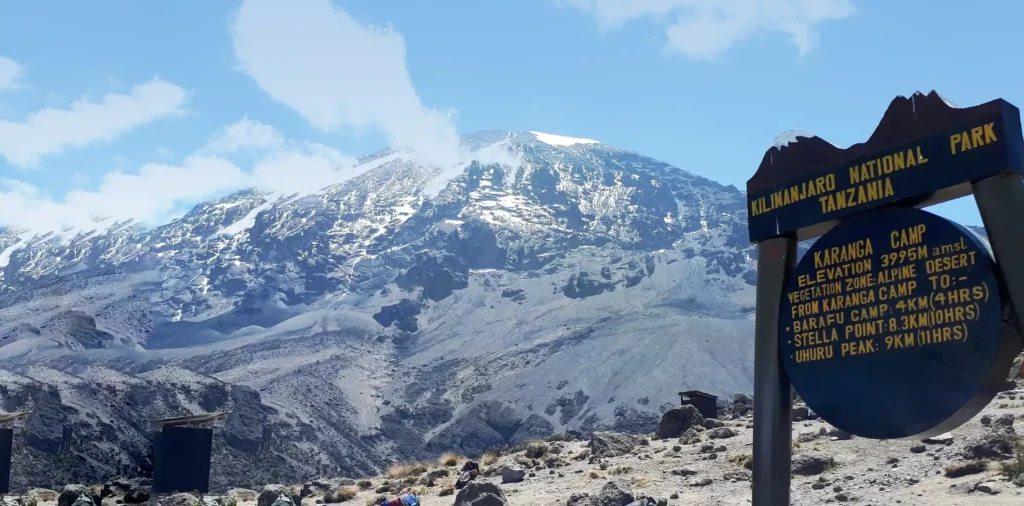
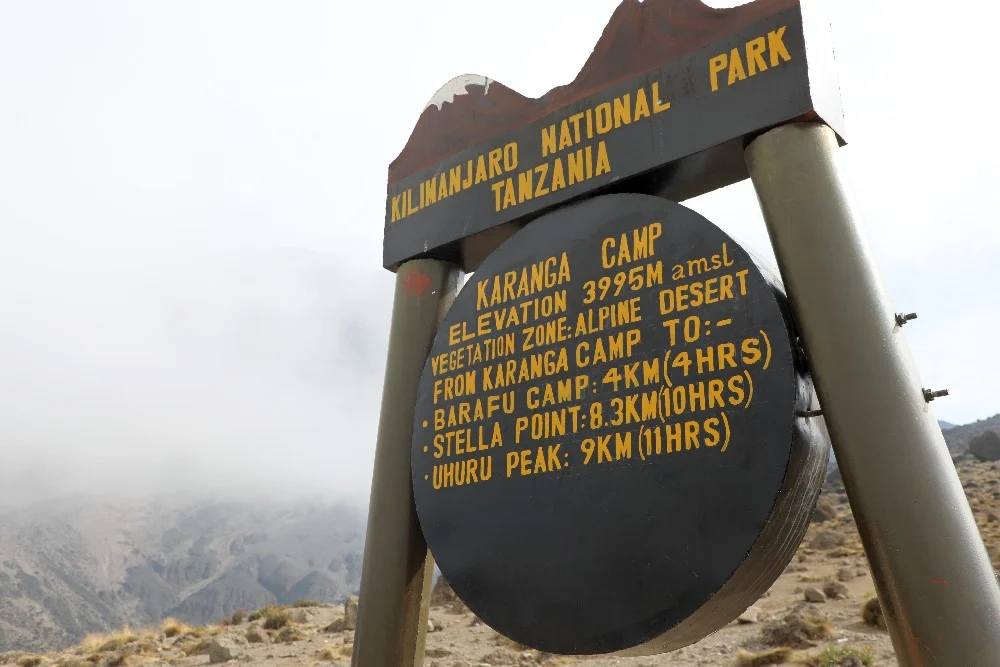
Karanga sits at approximately 3,960 metres.

The overnight stay here is one of the main advantages of the seven day itinerary. Instead of continuing directly to Barafu, you stop and give your body another night at altitude before moving higher.

Expert Recommendation from Tanzania Safari Experience

Do not judge this day by the short distance.

The purpose of staying at Karanga is not simply to make the itinerary easier. It provides additional acclimatization and recovery time before reaching Barafu and beginning the summit attempt.

Trekking time
4 to 5 hours
Distance
Approximately 5 km
5Day

Karanga Camp to Barafu Base Camp | Elevation: 3,960m to 4,670m

Karanga Camp to Barafu Base Camp | Elevation: 3,960m to 4,670m

Day five is deliberately shorter.

You leave Karanga Camp at approximately 3,960 metres and climb toward Barafu Base Camp at around 4,670 metres.

The trek covers approximately 4 km and usually takes around three to four hours.

The landscape becomes increasingly dry and exposed as you approach Barafu.

Although the walking distance is short, do not underestimate the altitude. Even slow uphill walking can feel tiring above 4,000 metres.

Arriving at Barafu early gives you time to eat, organize your summit clothing and equipment and rest.

Dinner is normally served early, with climbers encouraged to try sleeping from around 18:00.

You may only sleep for a few hours before your guide wakes you for the summit attempt.

Prepare your headlamp, gloves, warm layers, water and summit snacks before going to bed.

Trekking time
3 to 4 hours
Distance
Approximately 4 km
6Day

Barafu Camp to Uhuru Peak to Mweka Camp | Elevation: 4,670m to 5,895m to 3,100m

Barafu Camp to Uhuru Peak to Mweka Camp | Elevation: 4,670m to 5,895m to 3,100m

Summit day is the longest and most demanding stage of the climb.

Most climbers wake at approximately 23:30 and prepare to begin walking around midnight.

You leave Barafu at approximately 4,670 metres and climb slowly through darkness using headlamps.

The trail becomes increasingly difficult as altitude increases. Loose scree, freezing temperatures and reduced oxygen make even simple walking tiring.

Your first major target is Stella Point at approximately 5,756 metres on the crater rim.

Depending on your pace, you may reach this area around sunrise.

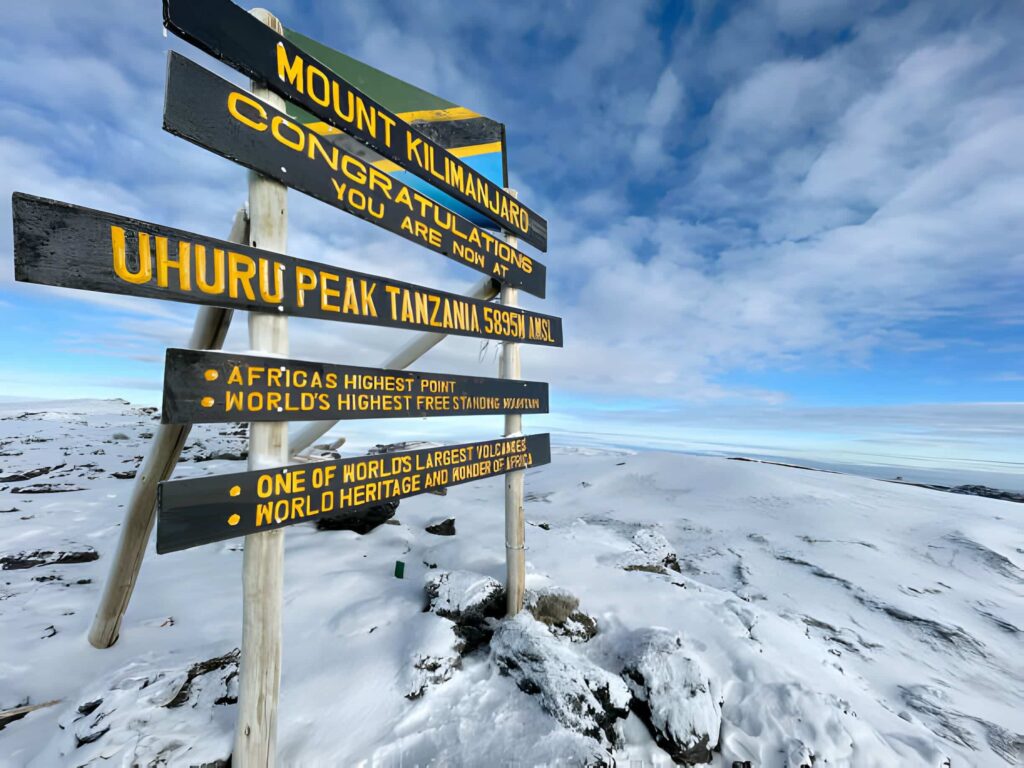
From Stella Point, the trail continues around the crater toward Uhuru Peak at 5,895 metres.

Reaching Uhuru Peak means you have reached the highest point in Africa.

After photographs and a short stop, you begin descending.

You return toward Barafu for a short rest before continuing much farther down the mountain to Mweka Camp at approximately 3,100 metres.

The complete day covers approximately 17 km and can take around 11 to 14 hours.

Trekking poles are particularly useful during the long descent because tired legs and loose ground can place considerable pressure on your knees.

Trekking time
11 to 14 hours
Distance
Approximately 17 km
7Day

Mweka Camp to Mweka Gate | Elevation: 3,100m to 1,640m

Mweka Camp to Mweka Gate | Elevation: 3,100m to 1,640m

Your final day begins at Mweka Camp at approximately 3,100 metres.

You descend approximately 10 km through increasingly dense vegetation toward Mweka Gate at around 1,640 metres.

Walking normally takes three to four hours.

The trail can become muddy and slippery after rainfall, so do not pack away your trekking poles too early.

Once you reach Mweka Gate, the final mountain procedures are completed.

Successful summit climbers normally receive their summit certificates, and this is also when the team concludes the mountain expedition.

After leaving the gate, you transfer back to Moshi or Arusha for a shower, proper meal and well deserved rest.

We recommend avoiding a tight international flight connection immediately after the climb because descent times, gate procedures and road conditions can vary.

Trekking time
3 to 4 hours
Distance
Approximately 10 km

Looking for 7 days Lemosho Route Kilimanjaro Climb for your dates ?

Receive a free Tanzania safari quote straight to your email within 6 hours! Customize your preferences, and we’ll craft a unique experience just for you. Prices vary based on group size and accommodation choice.

We've got you covered

Our tours combine high-quality safari experiences with excellent value. The price provided clearly outlines what is included, such as accommodation, park fees, private safari transport, guide services, selected flights, and transfers listed in your itinerary.

Connect with our local experts for personalized travel planning

Plan your 7 days Lemosho Route Kilimanjaro Climb today

Plan Your Mount Kilimanjaro Climb

Contact Details
Select a country to set the international calling code.
Trek Information
Group Information
Additional Information

We use this information only to prepare and respond to your Kilimanjaro trek request. Privacy Policy

7 days Lemosho Route Kilimanjaro Climb TripAdvisor Reviews

SEE WHAT OUR GUESTS HAVE TO SAY ABOUT THEIR TANZANIA SAFARI EXPERIENCE.

*For the most recent reviews/testimonials from our guests, please visit our TripAdvisor page and Trustpilot.

Verified reviews

Traveler Reviews

Our guests consistently rate their experience highly thanks to our attention to detail, expert guides, and personalized service. From seamless planning to unforgettable wildlife encounters, we focus on delivering exceptional journeys.

5.0

7 Reviews

Read all reviews on Tripadvisor

Tanzania - Safari - Experience

An unforgettable safari – thank you, Laurent and Praygod! We booked a nine-day private safari with Tanzania Safari Experience and could not have been happier. From the very first message to the end of our trip, we felt incredibly well looked after. Planning everything with Laurent was a pleasure. We had plenty of questions, and he always replied so quickly, with friendly, detailed and helpful answers. He listened to our wishes and made the whole process feel easy and reassuring. Our guide, Praygod, made the experience truly special. He was such a pleasant person to spend our days with: knowledgeable, well organised and always happy to share insights about the animals and the Serengeti. We could really tell how much effort he put into making every day memorable. Laurent’s recommendation to spend an extra night in the northern Serengeti also worked out wonderfully for us. We enjoyed so many amazing wildlife sightings, and on our final safari day we experienced the most emotional highlight of all: a river crossing at the Mara River! It was an extraordinary moment and the perfect finale to our safari. Our camps and lodges deserve a special mention as well. All the places we stayed were excellent, with lovely rooms / tents and very comfortable beds. The food was delicious throughout the trip and even the packed lunches on our game drives were great. We felt very well looked after at every stop. Thank you, Laurent and Praygod, for the wonderful memories. For us, this safari was perfect, and we would happily book with Tanzania Safari Experience again!

Safari57822134082via Tripadvisor

Fantastic, from beginning to end!

They were super attentive and fast from the first contact. Easy communication. Our guide was wonderful. I knew about the animals and the parks. Super high spirits and great driver. Car in good condition and great accommodations. We recommend 100%

le0nissa0via Tripadvisor

2 besties on safari

We had Kunda as a guide and what can I say? He was so devoted to his job, we loved every second, he has such big knowledge of the wilderness in Tanzania and beyond and he always added the right touch of irony to keep us laughing during the 5 day safari with him! Totally recommend, thanks a million Kunda 🙏 Also, during our planning and booking we asked sooooo many questions to Laurent and he was always there to support us with our interrogations and make the best to make our dream vacation as true as it could be. Thank you for everything guys! You did really an awesome job and we will remember this trip for a lifetime 🤗

Resort17039024546via Tripadvisor

Do you need a visa to visit Tanzania?

Most travelers to Tanzania need a visa, which can be obtained online or on arrival at the airport. Use the widget below to select your citizenship and see the type of visa required and how long the application will take.

● Tanzania Entry Guide

Visa requirements checker

Select your citizenship to instantly see what you need before your Tanzania safari.

Visa required
—
Visa type
—
Cost (USD)
—
Approval time
—
As a Tanzanian citizen, no visa is required for entry into Tanzania.

Everything You Need to Know About Your Safari

Planning a Tanzania safari often comes with important questions, from choosing the right travel season to understanding what to pack, where to stay, and what to expect each day. We have answered the questions travelers ask most often before booking, helping you prepare properly and plan your safari with confidence.

The seven day Lemosho Route offers a better balance between acclimatization, trekking time and overall trip length. You still move relatively quickly during the first part of the climb, but the additional night at Karanga provides valuable recovery time before reaching Barafu Base Camp.

The route starts on the quieter western side of Kilimanjaro.

During the first days, you move through rainforest and open moorland before crossing the Shira Plateau. Higher on the mountain, the Lemosho trail joins other routes, so expect more climbers around Barranco, Karanga and Barafu.

One important point is that seven days does not make Kilimanjaro easy.

You are still walking at high altitude for consecutive days, sleeping in tents and eventually attempting a long summit climb during the night.

The difference is that the itinerary gives your body more time to adjust.

Other Related Trekking Packages