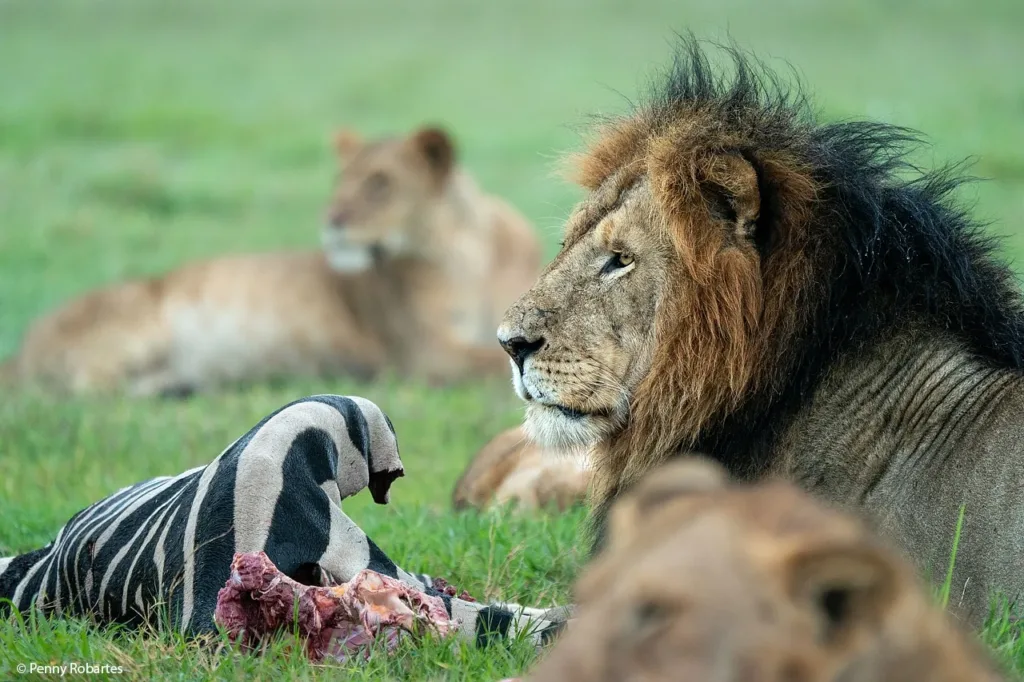
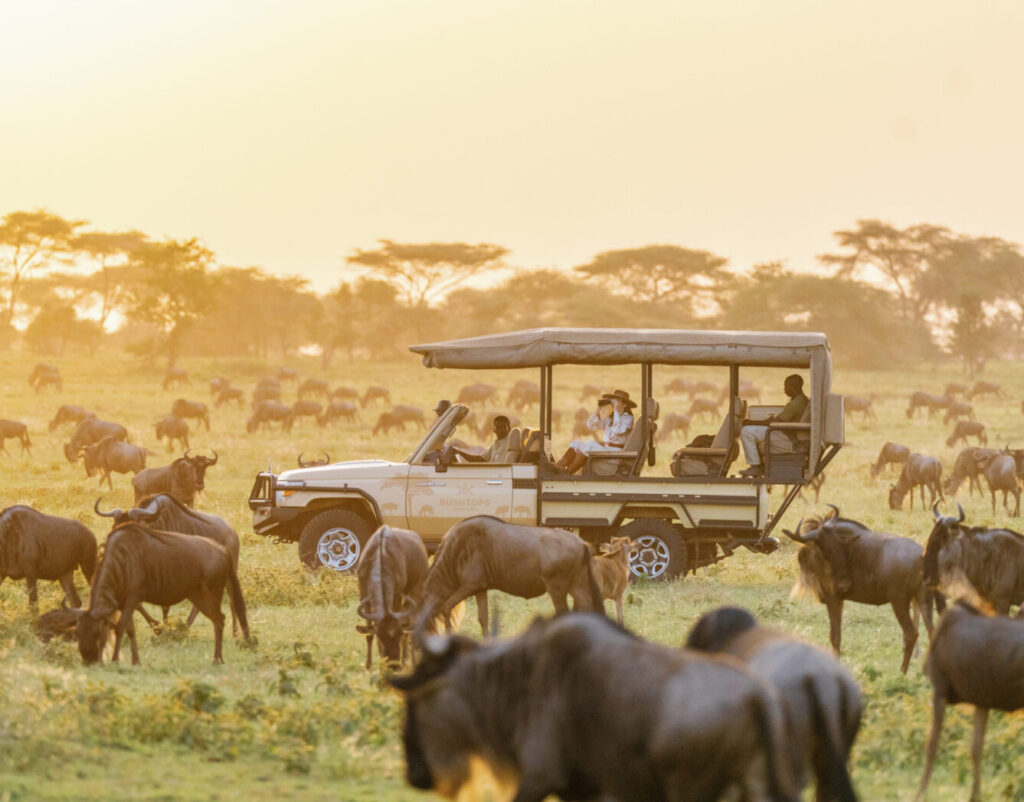
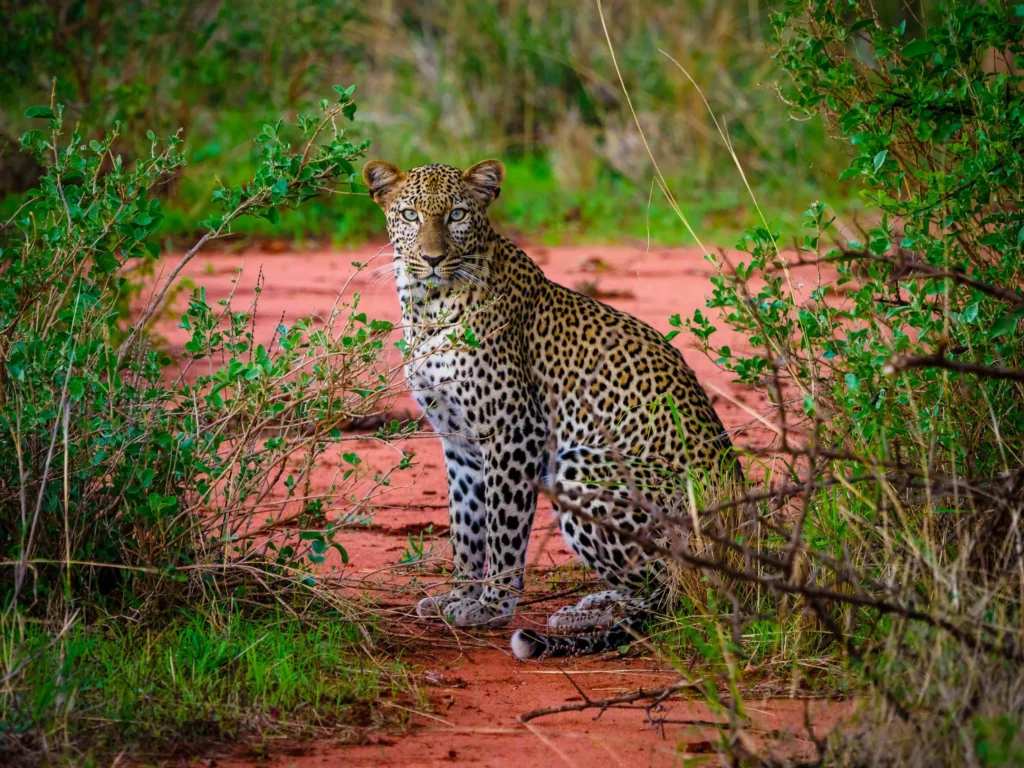
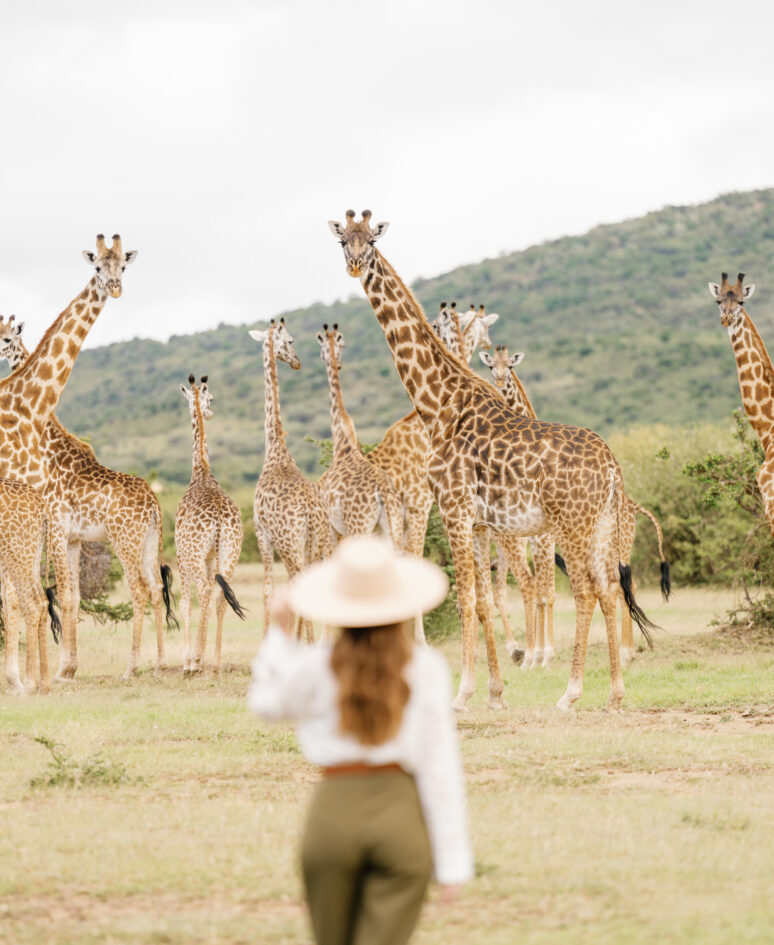
The Maasai Mara supports lions, elephants, buffalo, giraffes, cheetahs, leopards, hippos, crocodiles, hyenas, zebras, wildebeest and many antelope species, but sightings vary every day. Multiple game drives give you a much better wildlife experience than trying to see everything during one short visit.
Lions are among the animals most commonly associated with the Maasai Mara, but even lions can spend long periods sleeping in grass or shade.
Cheetahs often favor open areas where they can watch for prey. Leopards are generally harder to locate because they are more secretive and may rest in vegetation or trees.
Elephants, giraffes, zebras, wildebeest, topi, impala and other herbivores can appear across large areas of the reserve.
Your guide’s experience becomes important because finding wildlife is not simply about driving quickly. It involves reading tracks, observing animal behavior, communicating with other guides and understanding where animals are likely to move.
Morning vs Midday vs Evening Game Drives
Morning generally provides cooler conditions, active wildlife and excellent photography light. Midday can become warmer and quieter, while late afternoon often brings renewed animal activity and softer light. A complete safari day gives you access to all three periods instead of limiting your wildlife experience to only a few hours.
Morning
Early mornings are often productive for predators.
Temperatures are cooler, animals are moving and lighting can be excellent for photography.
You should expect cooler temperatures inside an open safari vehicle, especially before sunrise. A light fleece or jacket can make the first hour much more comfortable.
Midday
The sun becomes stronger and some predators rest.
This is often when travelers become impatient, but remaining observant matters. Elephants may approach water, herbivores continue feeding and predators can change position unexpectedly.
Midday is also useful for lunch and a short rest before continuing your afternoon search.
Late Afternoon
Temperatures begin dropping again.
Animals that rested through the hottest period can become more active, while the lower sunlight improves photography conditions.
The final hour before leaving the reserve can sometimes produce excellent sightings, which is why we avoid mentally ending a game drive too early.
When Is the Best Time for This Kenya Safari Experience?
This itinerary can operate throughout the year, but the Maasai Mara changes noticeably between dry and wetter periods. July through October is strongly associated with Great Migration activity, while greener months can offer rich landscapes, young animals, fewer dry conditions and excellent resident wildlife viewing.
| Period |
Typical Experience |
What to Expect |
| January to February |
Generally warmer and relatively dry |
Good general wildlife viewing |
| March to May |
Longer rainy period |
Greener landscapes and possible muddy roads |
| June |
Transition toward drier conditions |
Good wildlife viewing and developing migration activity |
| July to October |
Dry season and migration period |
Large herds may enter the Mara ecosystem |
| November |
Short rains possible |
Greener scenery and changing conditions |
| December |
Mixed conditions |
Good resident wildlife and holiday travel demand |
The Great Migration should be understood as a moving wildlife system rather than a fixed attraction.
Wildebeest and zebra movements depend on rainfall, grazing and water. Even during months traditionally associated with the Maasai Mara, nobody can honestly promise the exact position of the herds months in advance.
Resident wildlife remains an important reason to visit regardless of migration timing. Lions, elephants, giraffes, buffalo, antelopes, hippos and many other animals live within the greater ecosystem throughout the year.