Diani BeachDiani Beach
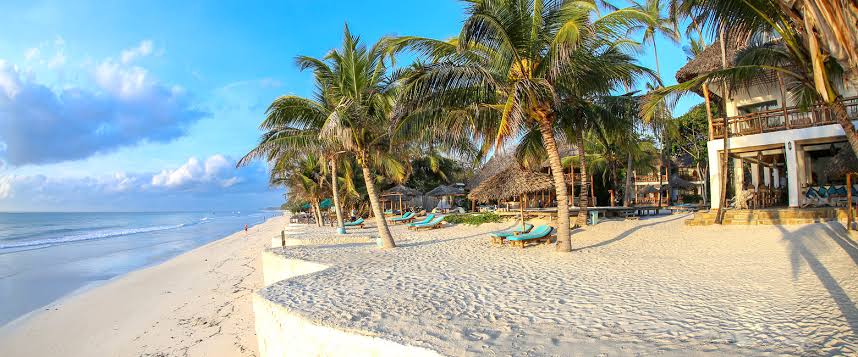
Diani Beach is Kenya’s leading beach destination, located about 30 kilometers south of Mombasa along the country’s Indian...
Explore PlaceUse ↑ and ↓ to navigate, Enter to select, Esc to close

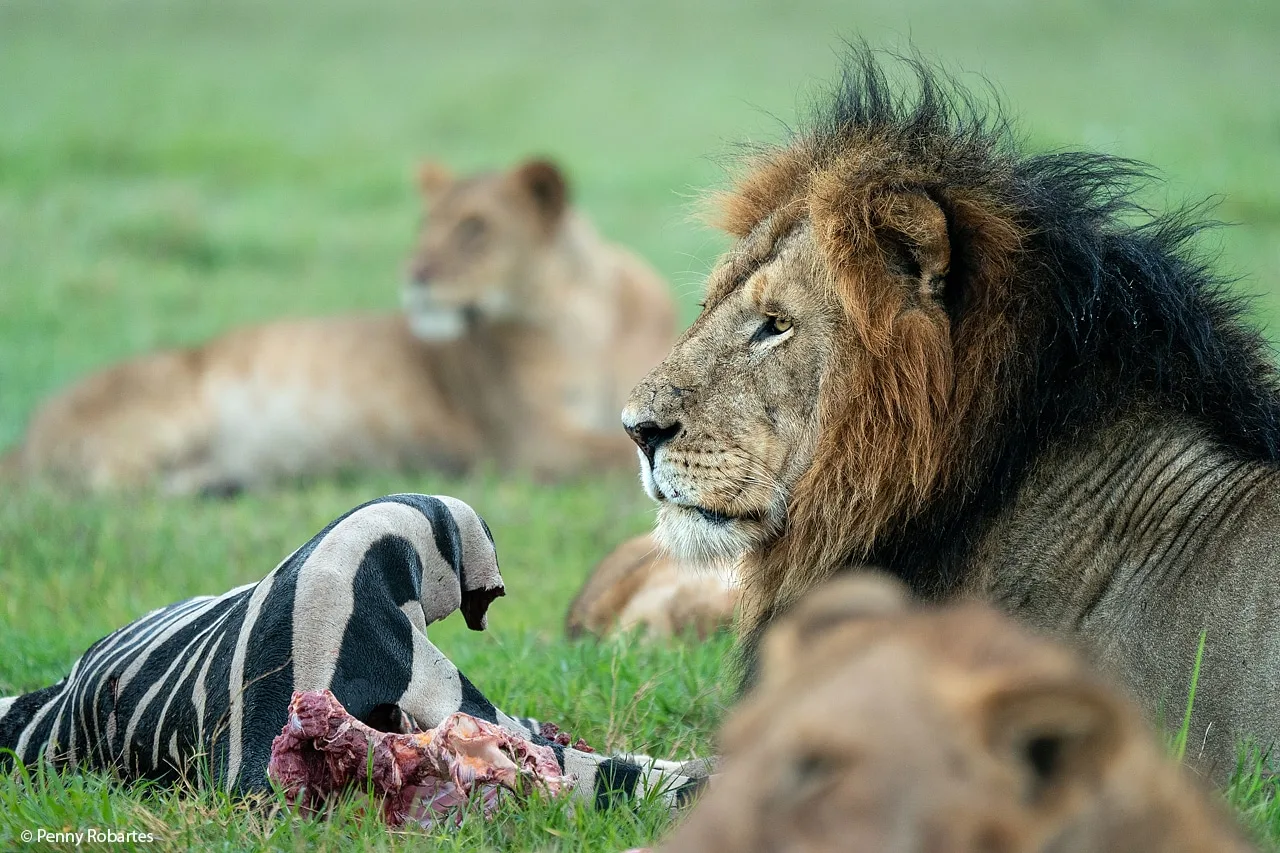
The Maasai Mara Game Reserve is one of Kenya’s most important wildlife areas and forms part of the wider Serengeti ecosystem. Located in southwestern Kenya along the border with Tanzania, the reserve is known for its open savannah, large concentrations of wildlife, and excellent opportunities to see lions, elephants, cheetahs, leopards, buffalo, giraffes, hippos, and many other species.
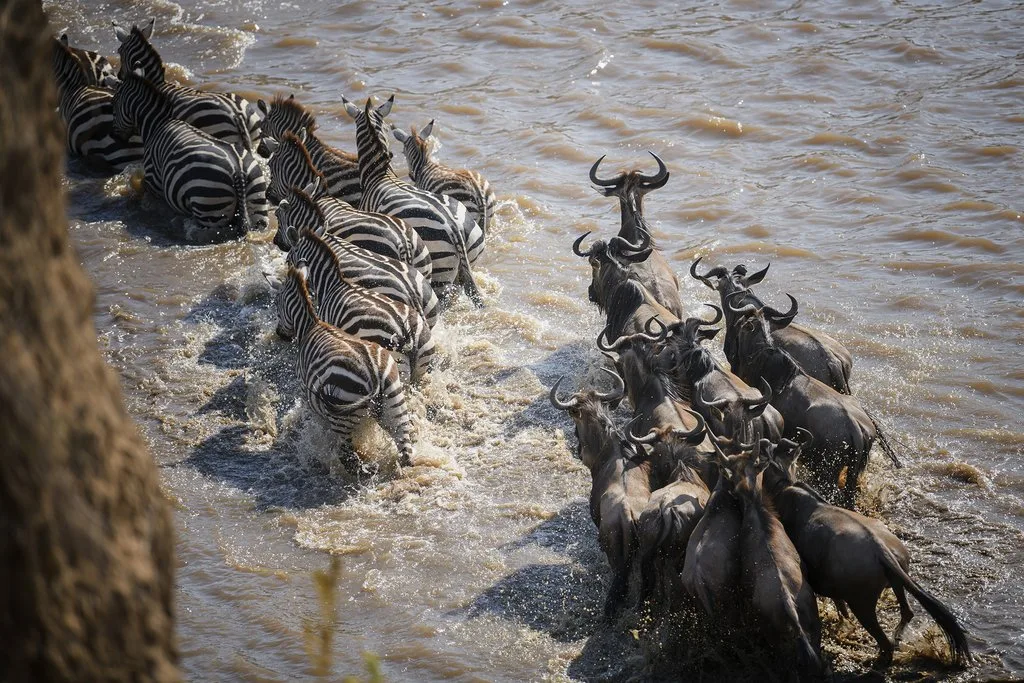
The Mara is especially famous for the Great Wildebeest Migration. Between roughly July and October, large herds of wildebeest and zebra move into the Maasai Mara from Tanzania’s Serengeti, with some attempting dramatic crossings of the Mara River. River crossings are never guaranteed on a particular day, so several nights in the area usually give travelers a better chance of witnessing migration activity.
Game drives are the main activity, normally taking place early in the morning and again in the afternoon when wildlife is more active. Travelers can also arrange hot air balloon safaris, visit Maasai communities, or spend longer days exploring different sections of the reserve.
For travelers who want strong wildlife viewing, open landscapes, big cats, and the possibility of seeing the migration, the Maasai Mara is one of the best safari destinations to include in a Kenya itinerary. I normally recommend spending at least two to three nights, with longer stays being especially worthwhile during the migration season.
Diani BeachDiani Beach is Kenya’s leading beach destination, located about 30 kilometers south of Mombasa along the country’s Indian...
Explore Place
Masai Mara Game ReserveThe Maasai Mara Game Reserve is one of Kenya’s most important wildlife areas and forms part of the...
Explore Place
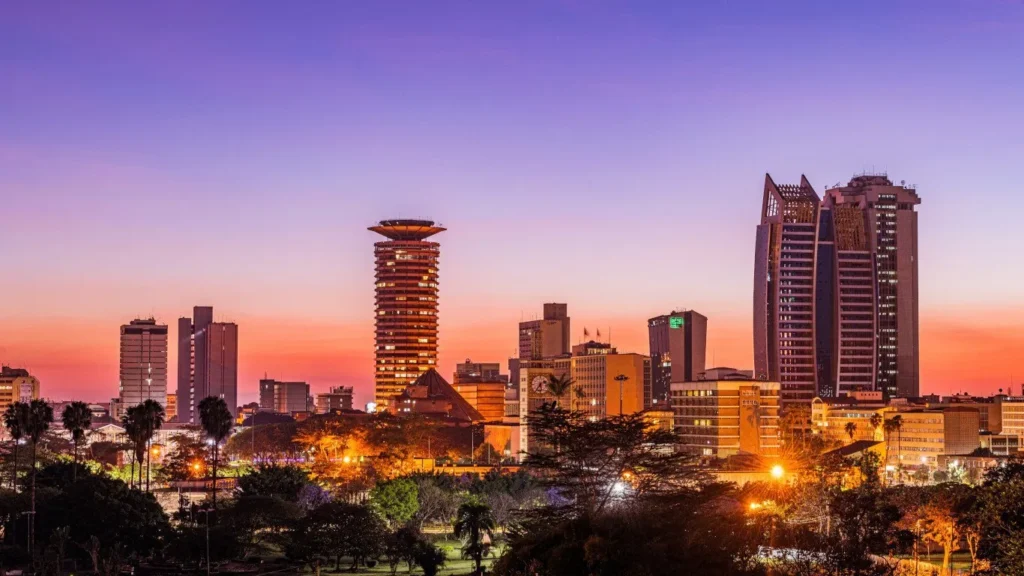
Kenya SafariNairobi is Kenya’s capital and one of East Africa’s most important cities. It is often the starting or...
Explore Place
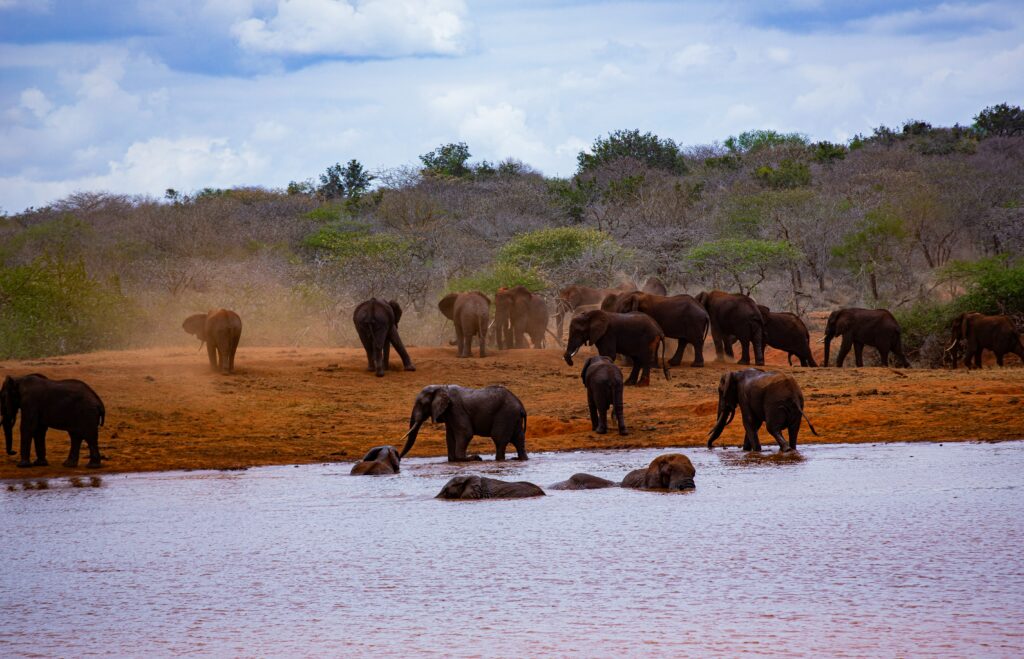
Kenya SafariTsavo East National Park is one of Kenya’s largest and oldest national parks, covering an area of approximately...
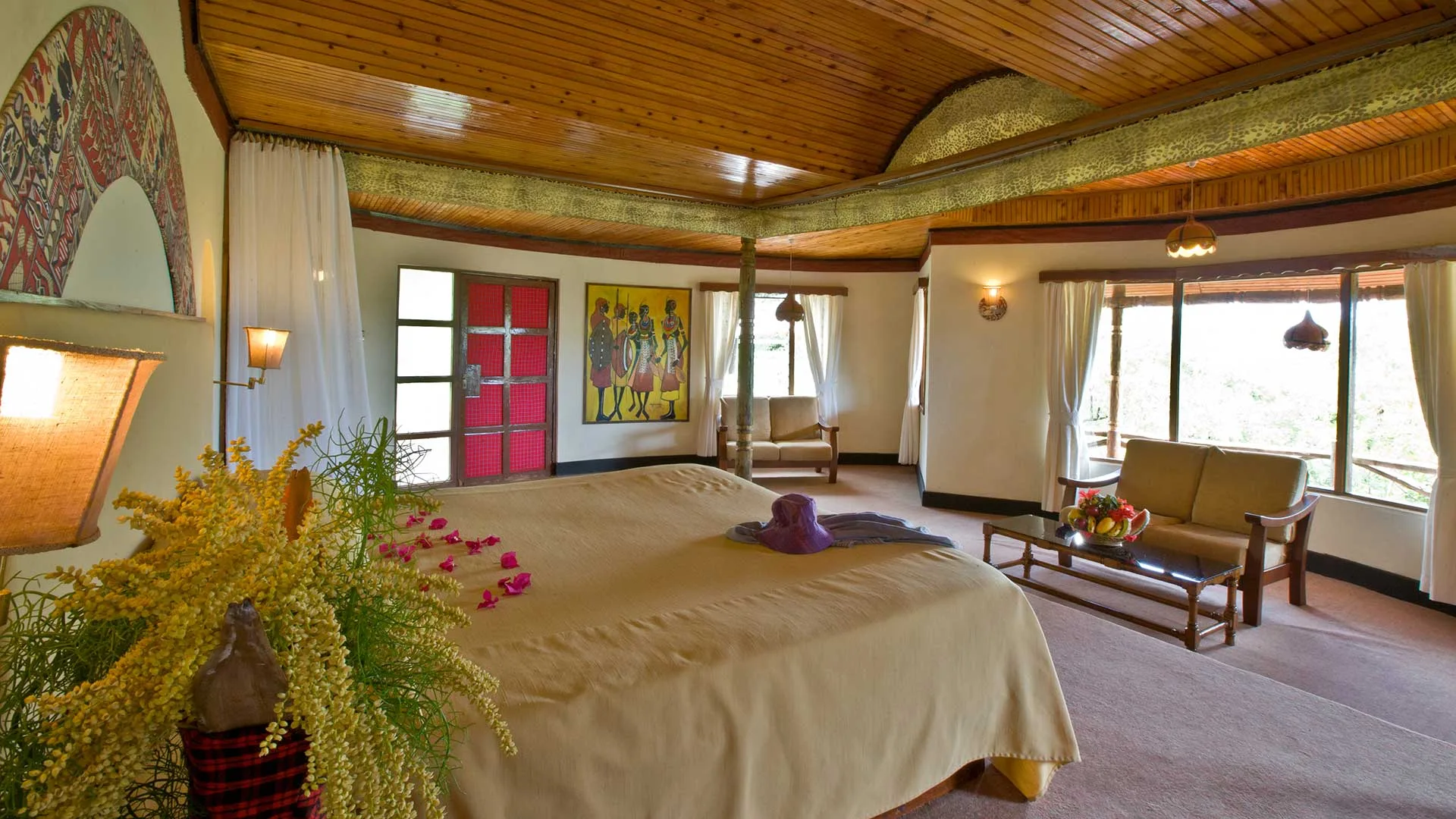
Explore PlaceCarefully selected stays that match the safari experience, location, comfort level, and overall value we want for our guests. From charming lodges to authentic tented camps, each option is chosen to keep your journey smooth, comfortable, and memorable.
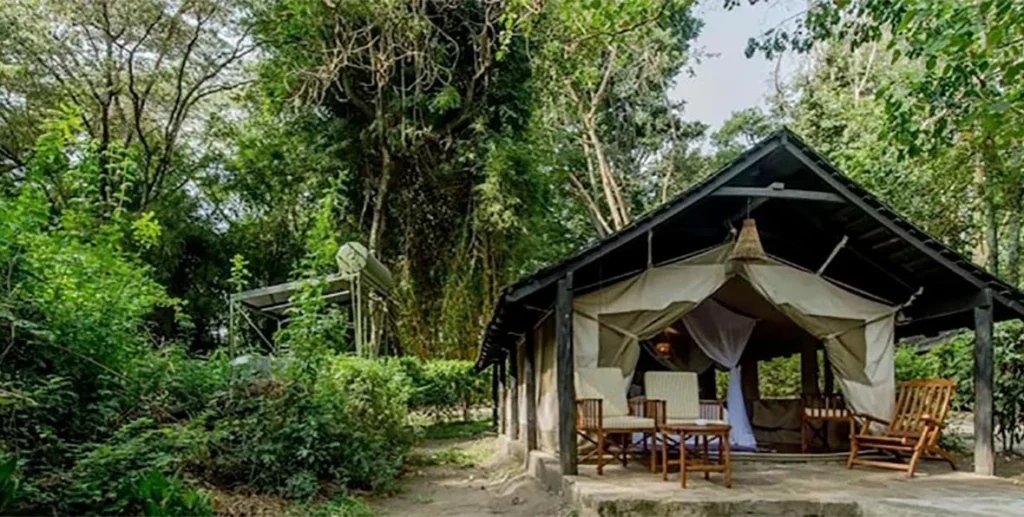
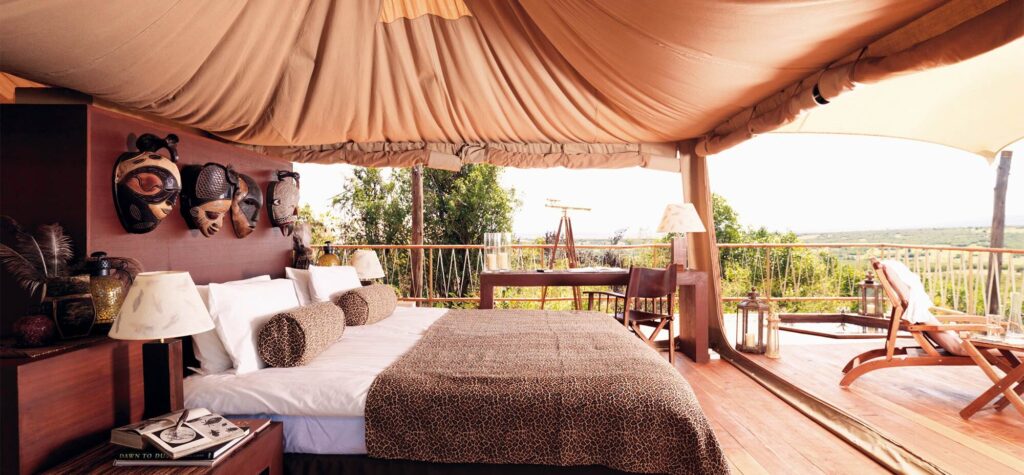
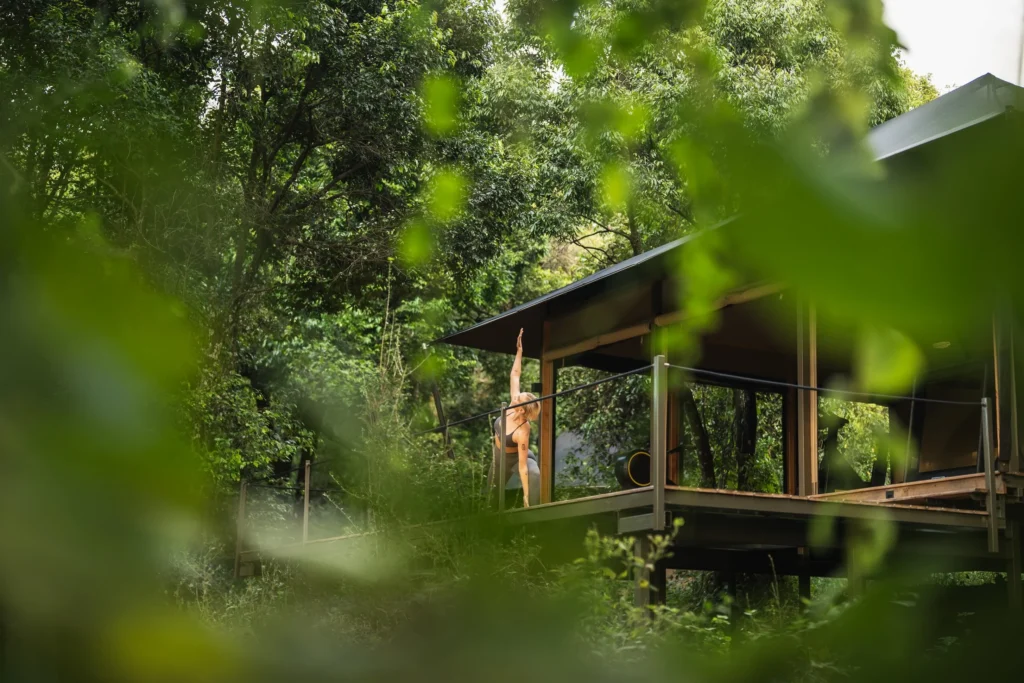
Mara Bushtops Camp is a high end luxury safari camp located within the Mara Siana Wildlife Conservancy, directly bordering Kenya’s famous Masai Mara National…
View Accommodation
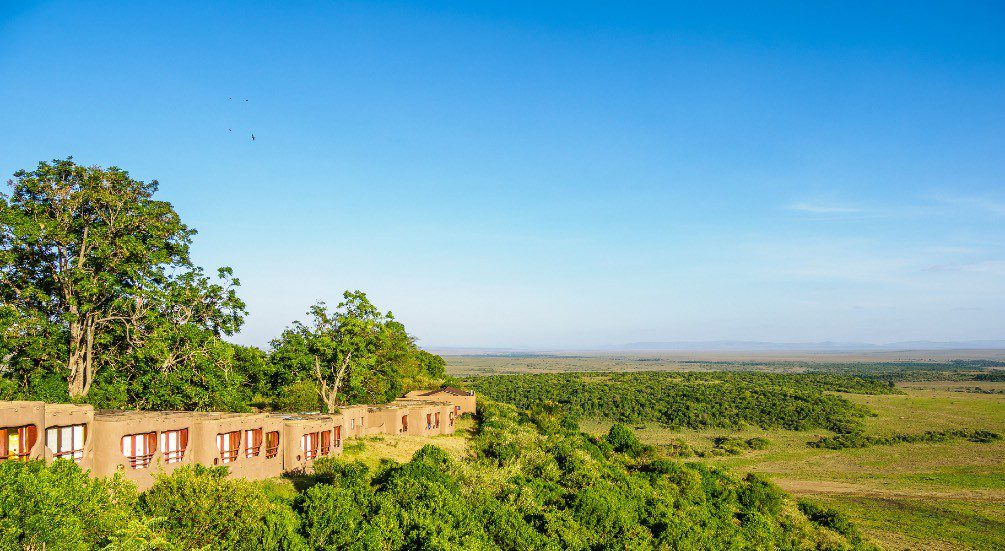
Mara Serena Safari Lodge is a luxury safari lodge located high on Ol Donyo Oseiya Hill in the Mara Triangle, one of the most…
View Accommodation
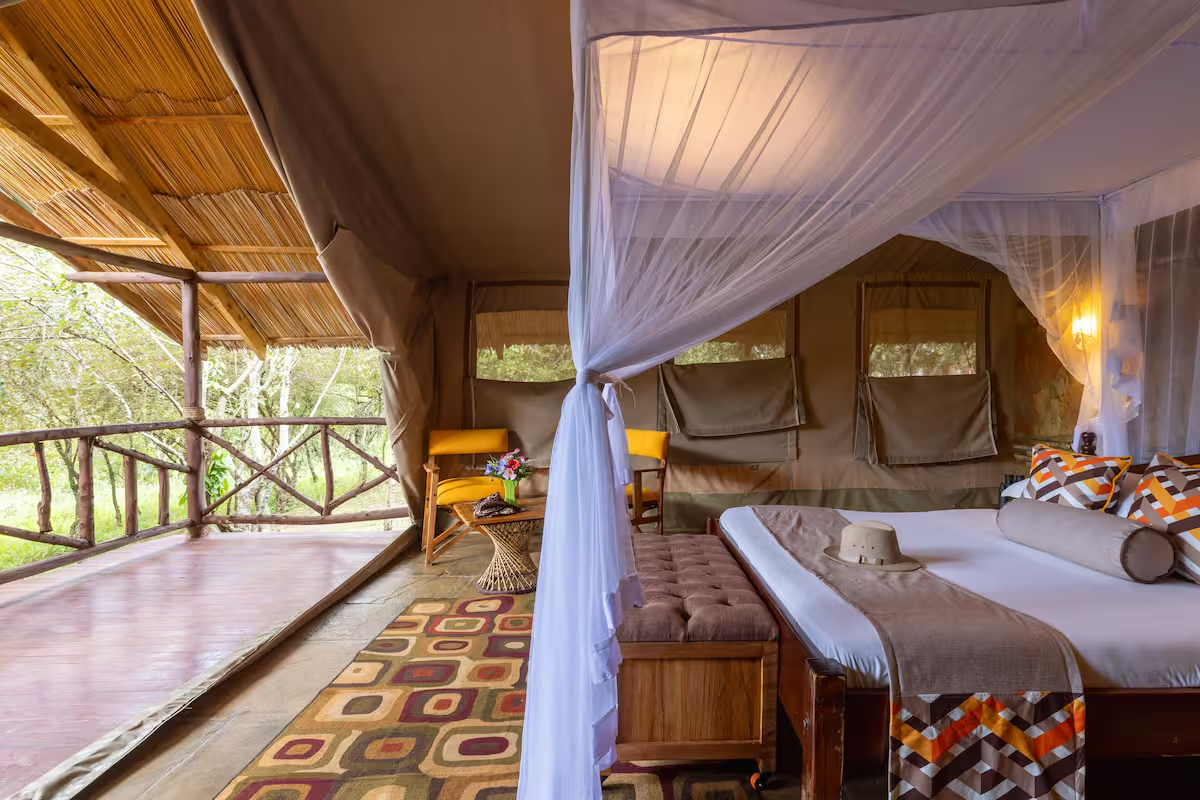
Sentrim Mara Camp is a comfortable mid range safari camp located close to Sekenani Gate in the Masai Mara Game Reserve, Kenya. Set across…
View Accommodation
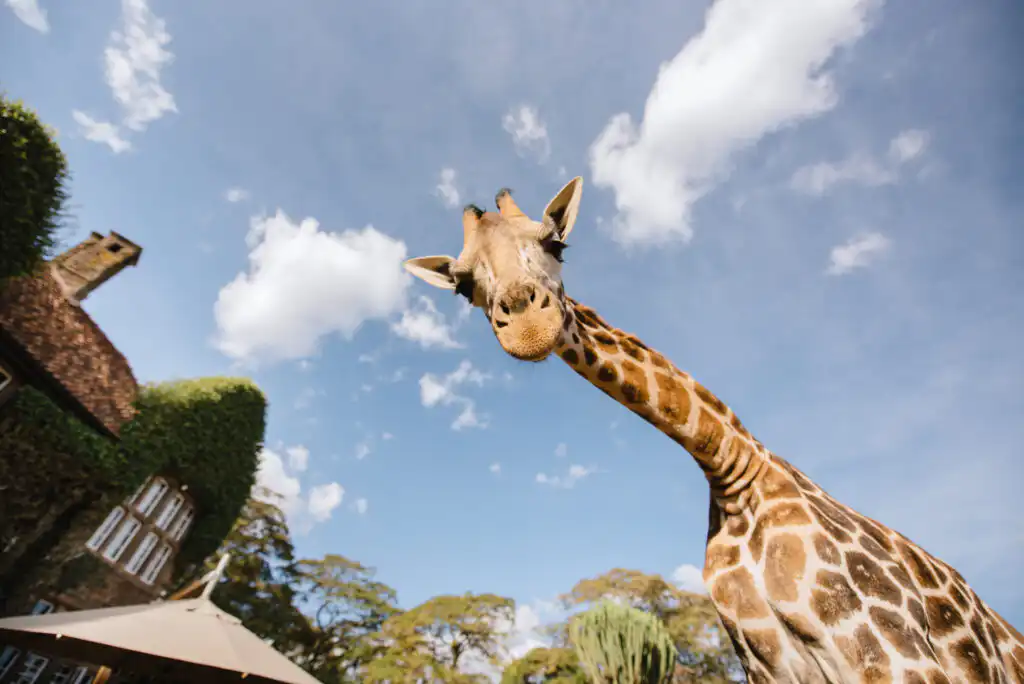
Giraffe Manor is one of Nairobi’s most distinctive luxury hotels, best known for the Rothschild’s giraffes that roam the property and regularly approach the…
View AccommodationOur tours combine high-quality safari experiences with excellent value. The price provided clearly outlines what is included, such as accommodation, park fees, private safari transport, guide services, selected flights, and transfers listed in your itinerary.
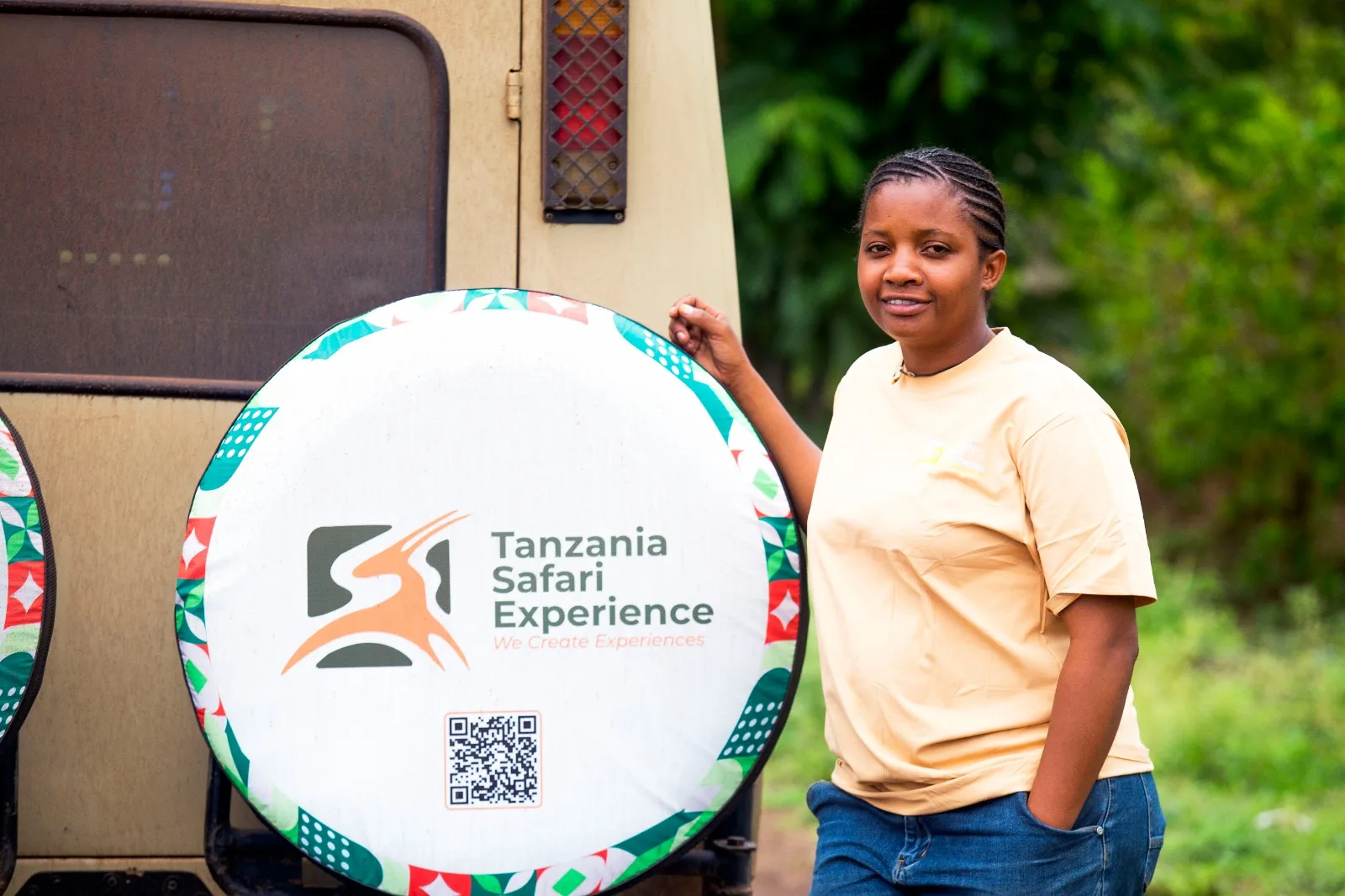
*For the most recent reviews/testimonials from our guests, please visit our TripAdvisor page and Trustpilot.
We toured with Tanzania Safari Experience for an eight day trip to Tanzania. Five days of safari and then three days of beach vacation in Zanzibar. They were great to work with and customized everything exactly the way we wanted it. The lodges we were booked in were all incredible, particularly the Lahia Tented Lodge in the Serengeti. Our driver, Jay, seemed to know every road in every national park and as a result the wildlife viewing was unparalleled. There were times where we were the only vehicle seeing lions or hippos. The owner, Laurent, was extremely responsive and any issues we had in-country with our logistics were immediately sorted by him. He genuinely wanted us to have a first-rate experience. The only thing we were unprepared for is that some of the days in the safari vehicle were very long (10+ hours) and the roads can be really rough. But there were plenty of cold drinks in the car and it was worth it to see the wildlife. The safari/beach split was a great way to do the vacation and the beaches of Zanzibar were beautiful with clear blue water.
This company exceeded everything we’d hoped for. From the start, the tour operator had everything covered — a detailed itinerary laid out well in advance, quick responses to any questions, and a genuine attentiveness that made the whole thing feel effortless. The accommodation was seriously impressive. Not what I was expecting at all — comfortable, well-appointed, and luxurious. We also spent time right in the heart of the bush. A proper treat. The two people who really made this trip were our guide Mariki and photographer Agnes. Mariki’s knowledge of the bush and animal behaviour is something else — he always seemed to know exactly where to go, and his instincts paid off every single time. Agnes has a brilliant eye and captured shots we could never have got ourselves. As for the wildlife — we saw far more than we ever imagined we would. Elephants, lions, leopard, buffalo, giraffe, zebra, hippos — the lot. As a first safari, I couldn’t have asked for more. Would recommend without hesitation.
We had an amazing safari with Tanzania Safari Experience, and honestly the whole trip was put together really well by Laurent and his team. From our first message to the last day, they were easy to reach, quick to reply, and clear about everything. The plan made sense, the timing was smooth, and we didn’t have to stress about anything. Uncle J was a big part of what made it special. He knows the parks incredibly well and seems to notice things before anyone else. He’d position the vehicle perfectly for photos and often got us to sightings before the crowds built up. We were lucky to see [your highlights: migration / lions / cheetahs / elephants / a crossing], and every drive felt exciting and different. The vehicle was comfortable and in good shape, and everything ran on schedule. If you’re looking for a well-organized safari with a great guide, I’d definitely recommend Tanzania Safari Experience.

Every safari adventure begins with a question. Whether it’s your first or second time, it’s natural to wonder about the best time to visit, what to pack, or how the journey works. Here, we’ve answered the most common questions travelers ask before booking their Kenya safari, so you can plan with confidence and look forward to unforgettable memories.
Yes. Maasai Mara Game Reserve is one of the best safari destinations in Kenya and one of the strongest choices in East Africa for travelers who want consistent wildlife viewing. The landscape is dominated by open grasslands, scattered acacia trees, river systems, and rolling plains, which makes it easier to spot animals compared with heavily wooded reserves.
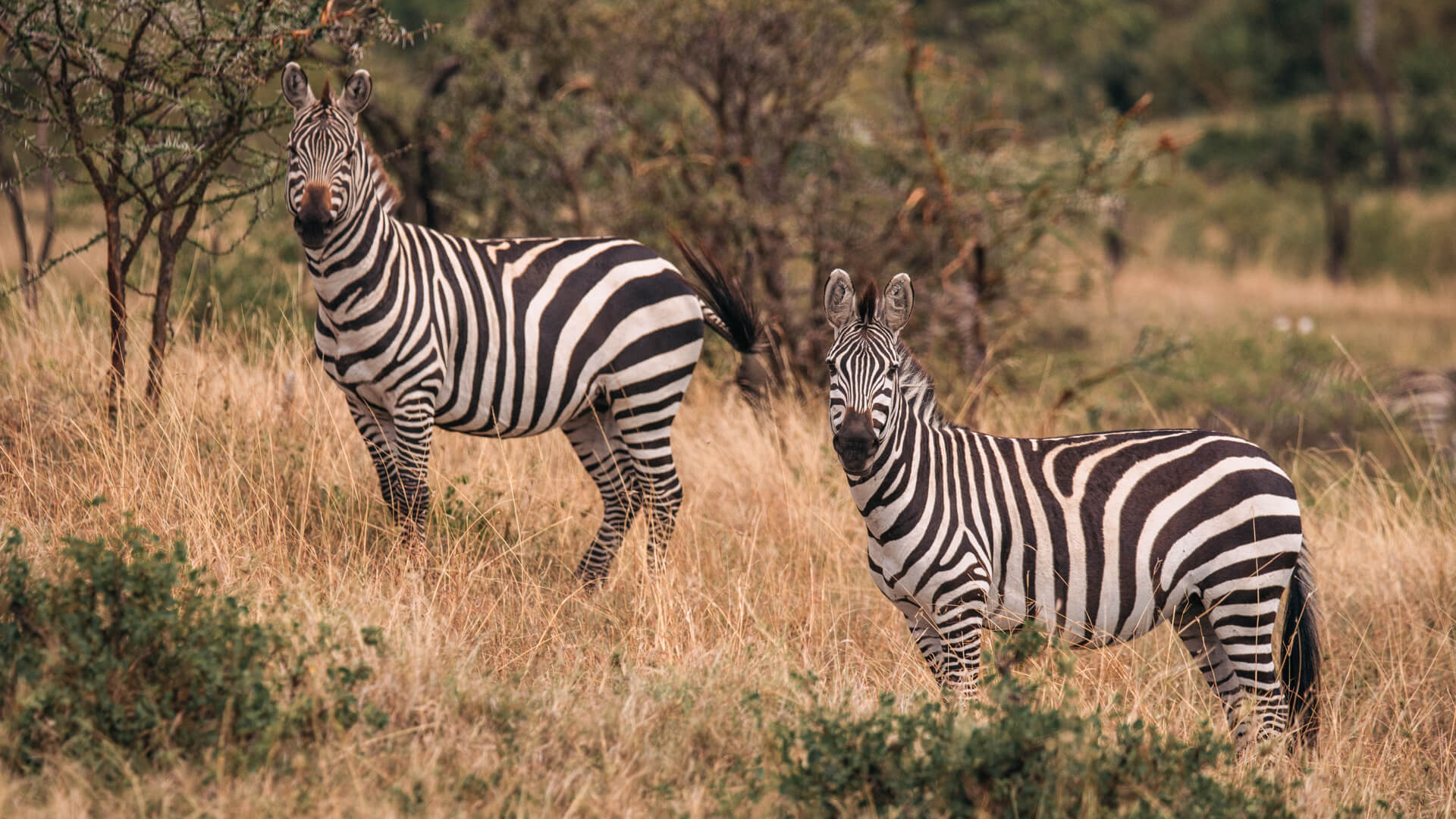
The Mara is particularly famous for its predators. Lions are commonly seen, while cheetahs, leopards, hyenas, and jackals are also present. You can also see elephants, buffalo, giraffes, zebras, wildebeest, hippos, crocodiles, antelopes, and many species of birds.
The reserve is especially worthwhile for first time safari travelers because you can often see a wide variety of wildlife within a relatively short period. However, it is also rewarding for repeat visitors because animal behavior, predator activity, migration movements, and landscapes change throughout the year.
The Maasai Mara can be visited throughout the year, and there is no single month that is best for every traveler. The right time depends on whether your priority is the Great Migration, predator sightings, quieter conditions, photography, or lower seasonal rates.
July to October is the most famous period because large numbers of wildebeest and zebra may move into the Maasai Mara from Tanzania’s Serengeti. This is also the period when travelers hope to witness Mara River crossings. However, migration timing is controlled by rainfall and grass conditions, so exact movements vary from year to year.
Outside the migration months, the Maasai Mara still has excellent resident wildlife. Lions, elephants, giraffes, buffalo, hippos, antelopes, and many other species remain in the ecosystem throughout the year. Travelers visiting outside peak migration season can also benefit from fewer safari vehicles in some areas.
Yes. The Maasai Mara is one of the main places where travelers can experience the Great Wildebeest Migration. Large herds normally move north from Tanzania’s Serengeti and may enter the Maasai Mara during the middle and later part of the year.
The most famous part of the migration is the crossing of the Mara River. Wildebeest may gather near the river for hours or even days before deciding to cross. Some herds may also cross at different locations or change direction completely.
For this reason, no responsible safari operator should guarantee a river crossing on a specific day. Staying several nights in the migration area gives you more opportunities to follow herd movements and increases your chances of seeing meaningful migration activity.
For most travelers, I recommend spending at least 2 to 3 nights in the Maasai Mara. This normally gives you enough time for several game drives and allows you to explore more than one section of the reserve.
If wildlife photography, predators, or the Great Migration are your main priorities, 3 to 4 nights is usually a better choice. Wildlife does not follow a schedule, so having additional game drives gives you more chances to find animals and observe natural behavior without rushing.
A one night visit is possible, but I generally consider it too short when long road transfers are involved. You may spend a large portion of your trip traveling instead of actually enjoying the reserve.
Maasai Mara has an excellent variety of wildlife. Common sightings include lions, elephants, buffalo, giraffes, zebras, wildebeest, impalas, topi, gazelles, warthogs, hippos, crocodiles, hyenas, and several species of antelope.
The reserve is particularly well known for big cats. Lions are frequently encountered, while cheetahs often use the open plains for hunting. Leopards are present as well, although they can be more difficult to locate because they often rest in trees or dense vegetation.
Birdlife is also very strong. Travelers interested in birds can see eagles, vultures, secretary birds, storks, kingfishers, ostriches, and many smaller species throughout the ecosystem.
Yes, the Maasai Mara is home to all members of the Big Five: lion, leopard, elephant, buffalo, and black rhino. However, this does not mean that every traveler will see all five during one safari.
Lions, elephants, and buffalo are generally easier to find. Leopards require more patience, while black rhinos are much rarer and can be difficult to locate.
A good guide will focus on giving you the best overall wildlife experience rather than simply rushing between locations to complete a checklist. Some of the most interesting safari moments involve hunting behavior, family interactions, young animals, or unusual encounters that have nothing to do with the Big Five.
Maasai Mara Game Reserve is located in Kenya, while Serengeti National Park is located in Tanzania. They are part of the same larger ecosystem, and wildlife moves naturally between the two areas.
The Serengeti is much larger and contains several distinct regions, including the central, northern, western, and southern areas. Maasai Mara is smaller, which can sometimes make wildlife feel more concentrated.
Both destinations offer excellent wildlife viewing. The Serengeti gives travelers more space and a wider range of landscapes, while the Maasai Mara is particularly strong for big cats, open plains, and migration viewing during the period when the herds move north.
For travelers with enough time, combining the Serengeti and Maasai Mara can provide a very complete East African safari experience.
You can stay inside the Maasai Mara National Reserve, outside the reserve boundaries, or in one of the surrounding private conservancies.
Staying inside or very close to the reserve can reduce driving time to major wildlife areas. This is particularly useful for travelers focused on early morning game drives or the migration.
Private conservancies surrounding the Mara offer a different type of safari experience. Depending on the conservancy and property, activities may include night game drives, guided walking safaris, bush meals, and more controlled vehicle numbers.
The best location depends on your budget, travel dates, and wildlife priorities. During migration season, location becomes especially important because staying far from the main herd activity can result in long daily drives.
Yes. Hot air balloon safaris are available in several parts of the Maasai Mara and are one of the most popular optional activities.
Balloon flights normally begin around sunrise. Travelers are collected from their accommodation early in the morning and transferred to the launch site. The flight provides an aerial view of the plains, rivers, wildlife, and surrounding landscape.
The exact route cannot be controlled because the balloon follows the wind. This means every flight is different. Ballooning should be considered an additional experience rather than a replacement for traditional game drives.
Yes. Maasai Mara can be an excellent safari destination for families, especially when the itinerary is planned around the ages and interests of the children.
Because wildlife concentrations can be high, children often do not need to spend extremely long periods driving before seeing animals. Private safari vehicles are particularly useful for families because game drive times can be adjusted more easily.
Families should choose accommodation carefully. Some camps have minimum age limits for certain activities, while others are specifically designed to accommodate children. Parents should also consider swimming pools, family rooms, meal flexibility, and the distance between the lodge and the main wildlife areas.
Yes. Maasai Mara can be combined with Tanzania destinations such as Serengeti National Park, Ngorongoro Crater, Tarangire National Park, Lake Manyara, Arusha, Kilimanjaro, and Zanzibar.
However, Maasai Mara and Serengeti are in different countries. Safari vehicles normally do not simply drive freely from one park into the other through the wildlife boundary. Cross border itineraries require proper planning around immigration points, vehicle arrangements, flights, and transfer times.
A Kenya and Tanzania safari works best when enough days are available. Trying to include Maasai Mara, Serengeti, Ngorongoro, and several other parks in a very short itinerary can create too much driving and reduce the quality of the safari.
Maasai Mara is a well established safari destination that receives travelers from around the world. Safari camps, lodges, guides, and reserve authorities operate within an established tourism system.
The biggest safety rule is simple: wildlife must always be treated as wild. Travelers should remain inside the safari vehicle unless their guide confirms that it is safe to leave. You should never approach animals, walk around camp at night without following lodge procedures, or ignore instructions from professional guides.
Many camps escort guests between their rooms and the main lodge areas after dark because animals can move freely through unfenced safari properties.
The Maasai Mara National Reserve is the main protected wildlife area managed as a public reserve, while private conservancies are protected areas surrounding the reserve that operate under separate land management arrangements.
Inside the main reserve, traditional game drives are the primary activity. In some conservancies, travelers may also have access to walking safaris, night drives, off road wildlife viewing, and bush dining experiences, depending on local regulations.
Conservancies can also limit the number of vehicles around wildlife sightings, which may create a quieter safari experience. However, travelers focused on the Great Migration should consider location carefully because major river crossing areas are primarily associated with specific sections of the wider Mara ecosystem.
Yes. Maasai Mara is commonly visited from Nairobi either by road or by scheduled domestic flight.
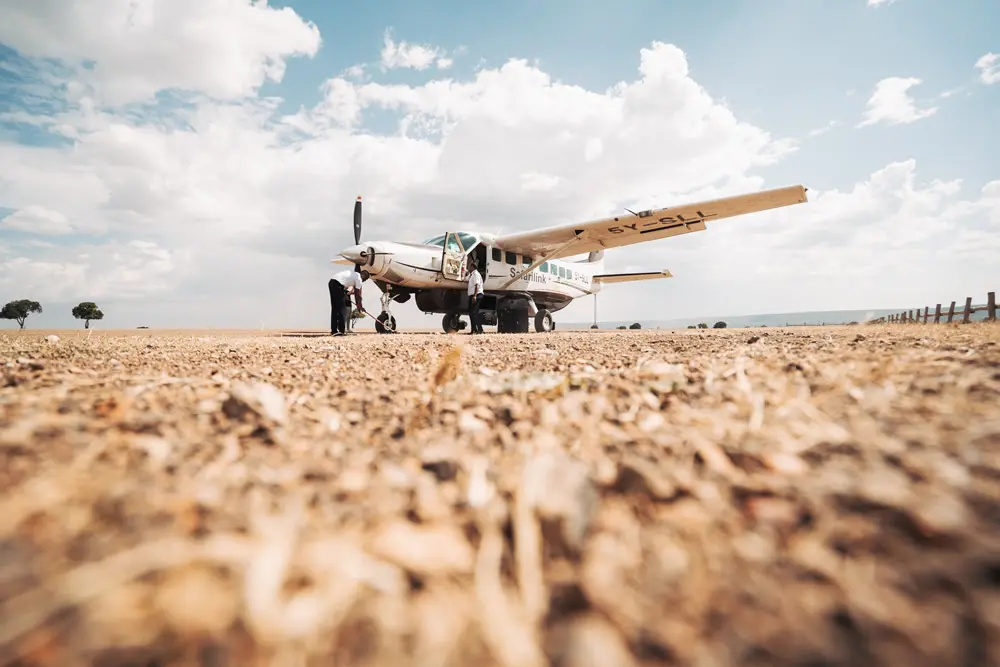
Driving allows travelers to see more of the Kenyan countryside but takes considerably longer. Flying is much faster and can be especially useful for travelers with limited time or those staying at higher end camps.
The best option depends on your overall itinerary, budget, and available days. For a short safari, flying can save valuable game viewing time. For a longer Kenya itinerary, traveling by road may fit naturally with other destinations such as Lake Naivasha or Lake Nakuru.
Pack comfortable, lightweight clothing in neutral colors, together with a warm layer for early morning and evening game drives. Temperatures can feel surprisingly cool before sunrise, especially in an open safari vehicle.
Useful items include sunscreen, sunglasses, a hat, binoculars, a camera, spare batteries, personal medication, insect repellent, and comfortable closed shoes.
Avoid overpacking. Most safari camps are relaxed, and formal clothing is usually unnecessary. If your safari includes domestic flights, baggage limits may also be stricter than those used by international airlines.

We use essential cookies to keep the website working. With your permission, we also use limited analytics and load external content such as maps, reviews, and videos. We do not use analytics for advertising or personal profiling.
Required for website security, core functionality, and remembering your privacy choice.
Helps us measure general website usage and performance. It is not used for advertising or personal profiling.
Allows content such as maps, customer reviews, and videos to load from third party providers. These providers may receive technical information when their content is loaded.