7 Days Tanzania Safaris – Calving Season Safari In Ndutu

Local Safari ExpertsTanzania-based safari team
Transparent PricingClear itinerary pricing
Professional GuidesExperienced local driver-guides
Safari SupportHelp before and during your trip
The journey ahead

Tour Overview

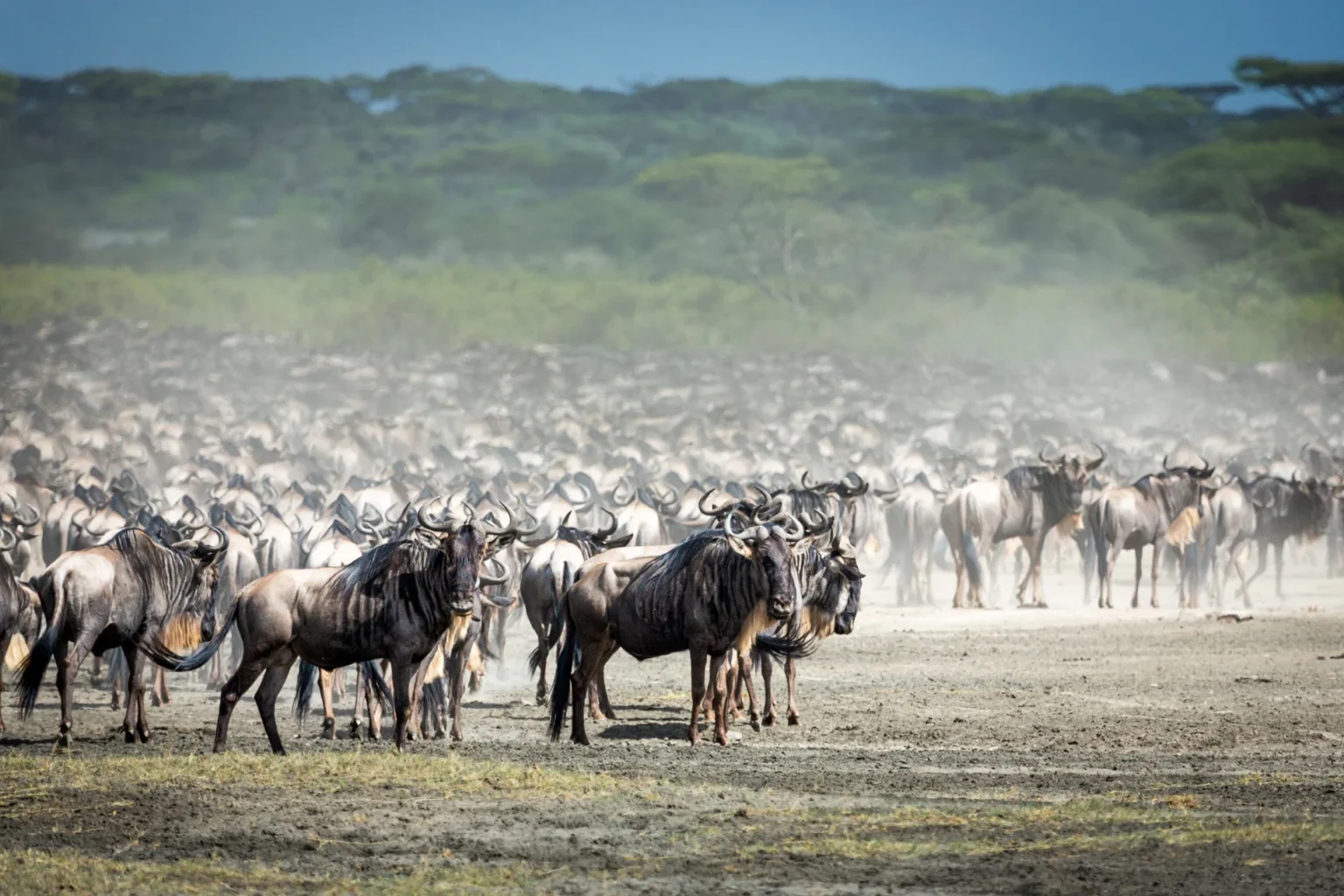
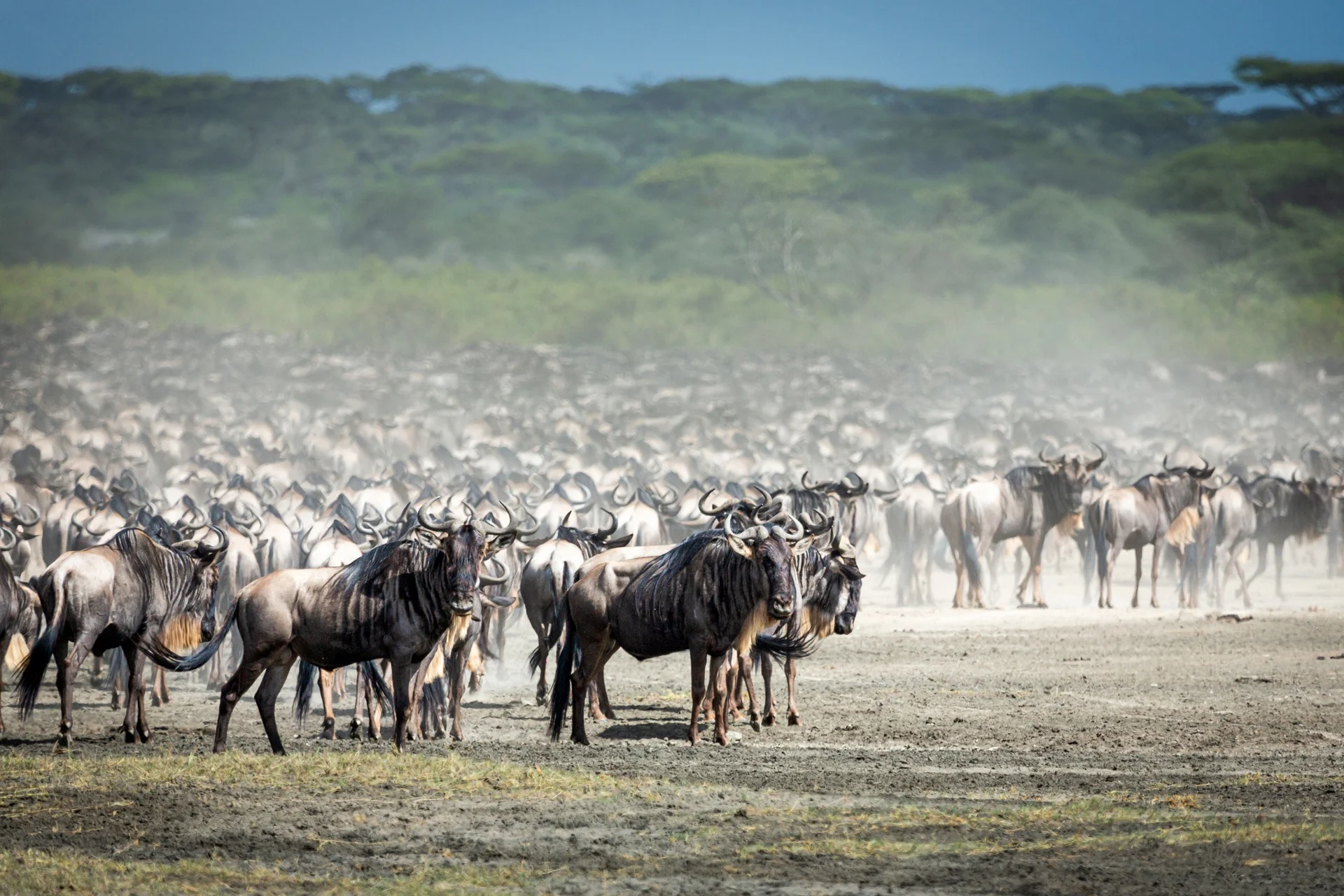
Experience Tanzania's Great Wildebeest Migration calving season on this 7-day safari through Ndutu, Central Serengeti and Ngorongoro Crater. Designed for travel between January and March, this itinerary takes you to the southern Serengeti ecosystem, where enormous herds of wildebeest gather on the nutrient-rich plains to give birth, attracting predators such as lions, cheetahs and hyenas.

The highlight of this safari is two nights inside Ndutu, one of the most important areas for witnessing the wildebeest calving season. Staying directly in Ndutu means you can begin exploring the surrounding plains without lengthy daily transfers from Karatu, giving you more time to search for newborn calves, migrating herds and predator activity.

February is generally the peak month for wildebeest calving, although the herds may occupy the Ndutu and southern Serengeti plains during January and March depending on rainfall and grazing conditions.

Beyond the migration, your journey continues to Central Serengeti for excellent year-round wildlife-viewing opportunities, including searches for lions, leopards and cheetahs. You'll then explore Ngorongoro Crater, one of Tanzania's most remarkable wildlife destinations and a place where you may have an opportunity to spot the endangered black rhinoceros.

With two nights in Ndutu, two nights in Central Serengeti and a carefully planned route through Ngorongoro, this safari combines the seasonal drama of the Great Migration with the broader wildlife diversity of Tanzania's northern safari circuit.

Safari Highlights

  • Witness the Great Wildebeest Migration calving season in Ndutu.
  • Newborn Wildebeest Sightings
  • Lions, Cheetahs & Hyenas
  • 2 Nights Inside Ndutu
  • Full-Day Serengeti Game Drive
  • Ngorongoro Crater Safari
  • Private 4×4 Safari Experience

AT A GLANCE

  • 6 Nights
  • Tanzania
  • Wildbeest Calving Season
  • Private Safari

TAILORMADE ITINERARIES

Every Tanzania Safari Experience journey can be customized around your travel dates, interests, accommodation preferences and pace. Speak with our safari experts and we will help you create the right itinerary for your trip.

SAFARI SPOTS

  • Arusha
  • Southern Serengeti (Ndutu)
  • Serengeti National Park
  • Ngorongoro Crater
Your safari

Day-by-Day Itinerary

Day 1

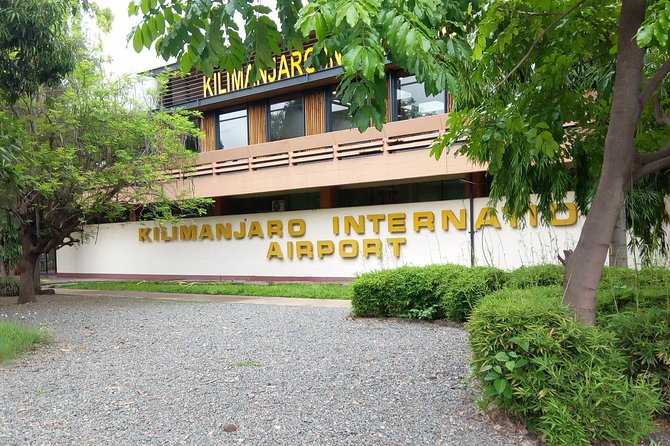
Arrival at Kilimanjaro Airport – Transfer to Arusha

Arusha Approx. 1 hr 20 mins drive Approx. 53.1 km Full Board

Welcome to Tanzania! Upon arrival at Kilimanjaro International Airport, you'll be met and transferred to your accommodation in Arusha, the starting point for your Great Migration calving-season safari.

The drive to Arusha takes approximately 1–1.5 hours, depending on your hotel's location and traffic conditions.

After your flight, you'll have time to relax and prepare for the adventure ahead. Arusha sits at the gateway to Tanzania's northern safari circuit and provides a convenient overnight stop before traveling toward the Serengeti ecosystem.

Your safari team can introduce you to the upcoming route and help you prepare for the journey into Ndutu.

Tomorrow, you'll leave the city behind and head toward the southern plains, where the wildebeest gather during their annual calving season.

Day 2

Arusha to Ndutu – Entering the Great Migration Calving Grounds

After breakfast, you'll depart Arusha with your professional safari guide and travel toward Ndutu, passing through the Ngorongoro highlands and the changing landscapes of northern Tanzania.

The journey generally takes approximately 5–7 hours or longer, depending on road conditions, stops and conservation-area entry procedures.

As you approach Ndutu, the scenery gradually opens into expansive grasslands, seasonal lake environments and scattered acacia woodland.

Between January and March, these plains are among the most important destinations for travelers hoping to witness the Great Wildebeest Migration's calving season.

Depending on seasonal rainfall and the movement of the herds, you may begin encountering groups of wildebeest, zebras and other grazing animals as you enter the wider Ndutu ecosystem.

Your guide will explore suitable wildlife areas during the time available after arrival, searching for migration herds and resident wildlife.

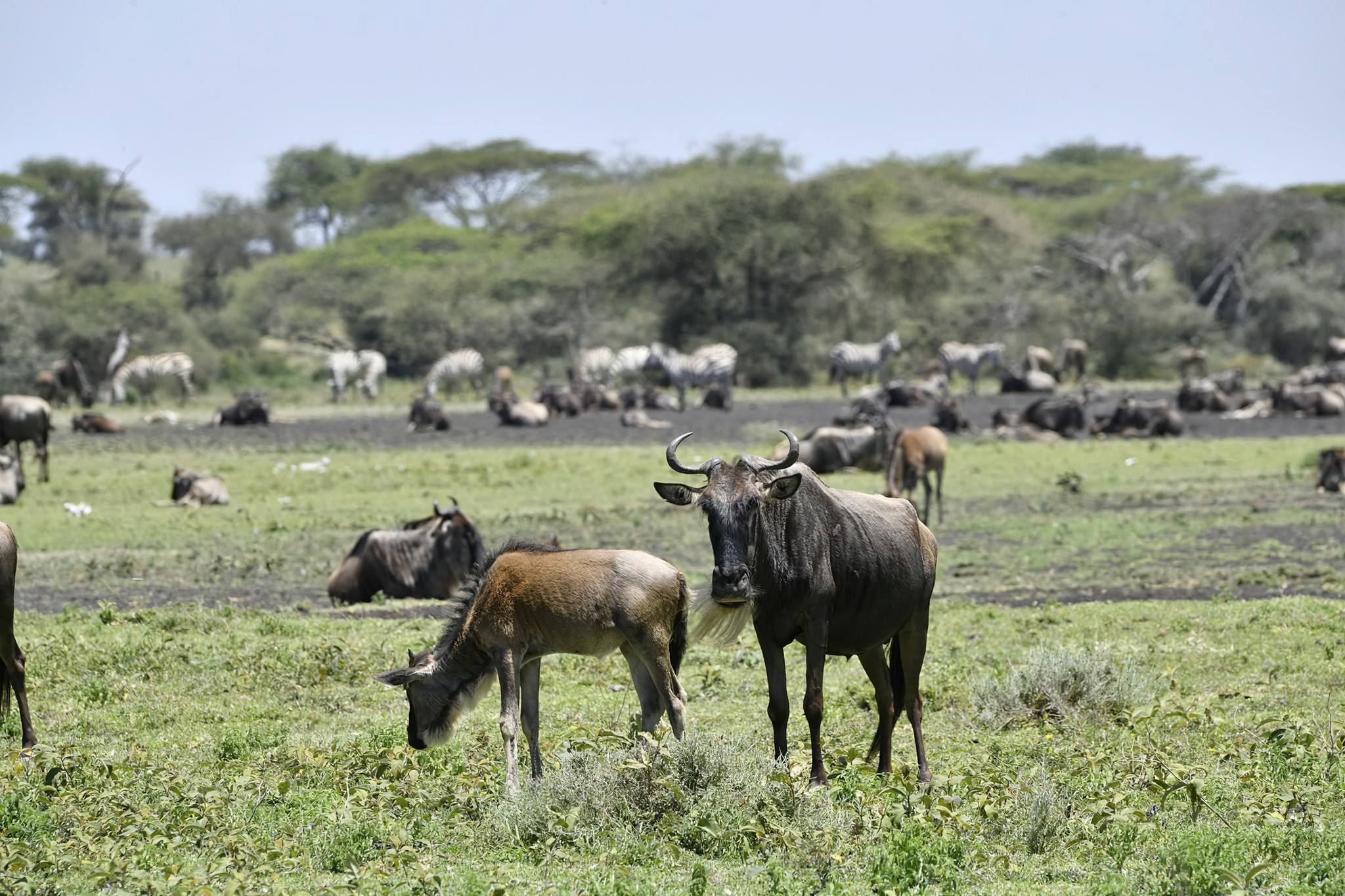
During peak calving periods, the grasslands can support large concentrations of wildebeest, including mothers accompanied by newborn calves. Lions, cheetahs and hyenas may also be found in areas where prey is abundant.

As the afternoon progresses, you'll make your way to your accommodation inside Ndutu.

This location is especially valuable because tomorrow's full-day game drive begins right in the area you have come to explore.

Day 3

Full-Day Ndutu Game Drive – Witness the Wildebeest Calving Season

Today is the centerpiece of your seven-day safari: a full day exploring Ndutu during the Great Wildebeest Migration calving season.

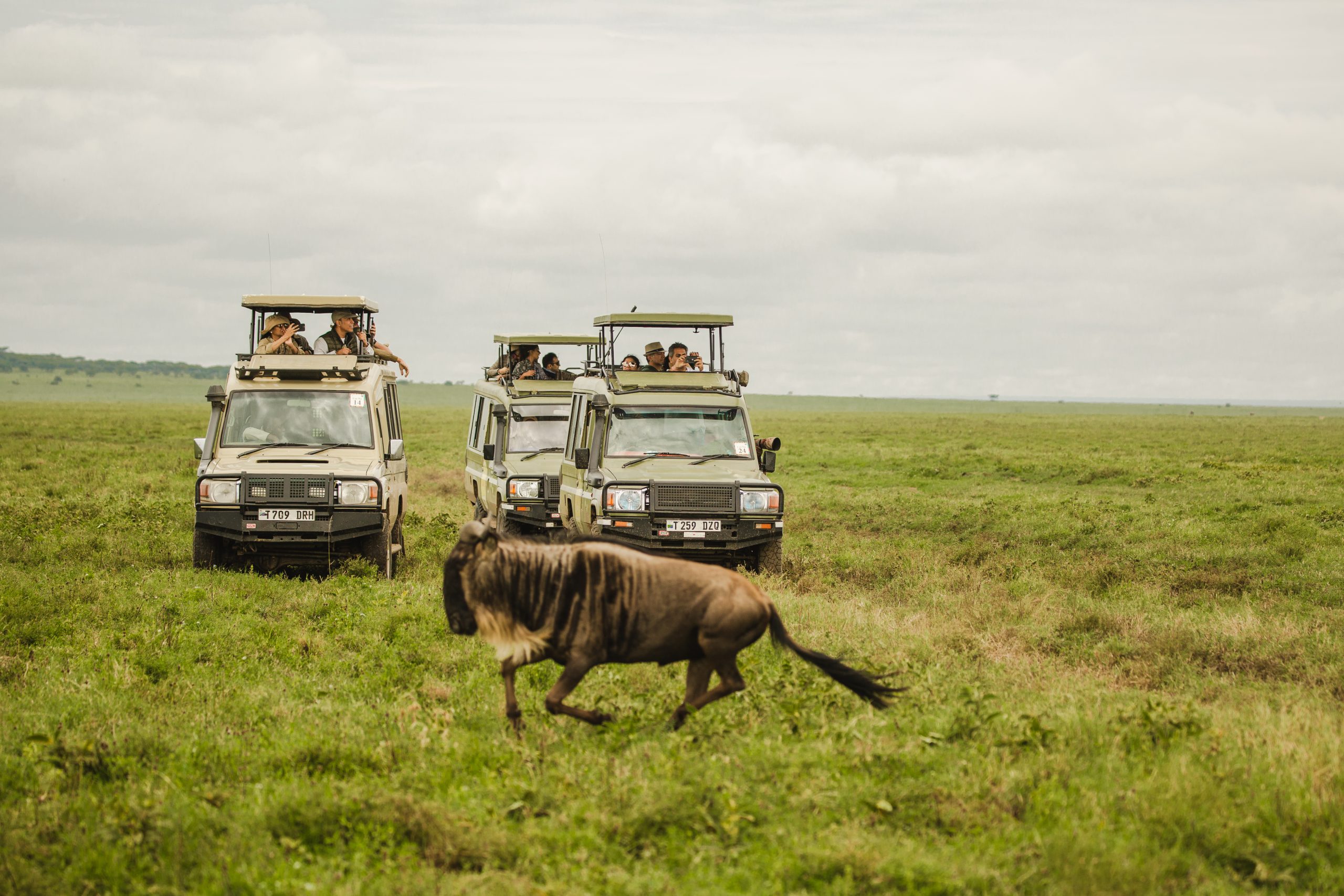
After breakfast, you'll head into the surrounding plains with your safari guide, searching for migrating wildebeest herds, newborn calves and the predators that follow them.

During the peak calving period, the southern Serengeti ecosystem becomes one of Africa's most important wildlife breeding grounds. Large numbers of female wildebeest give birth within a relatively short seasonal window, creating extraordinary opportunities to observe the early stages of life in the wild.

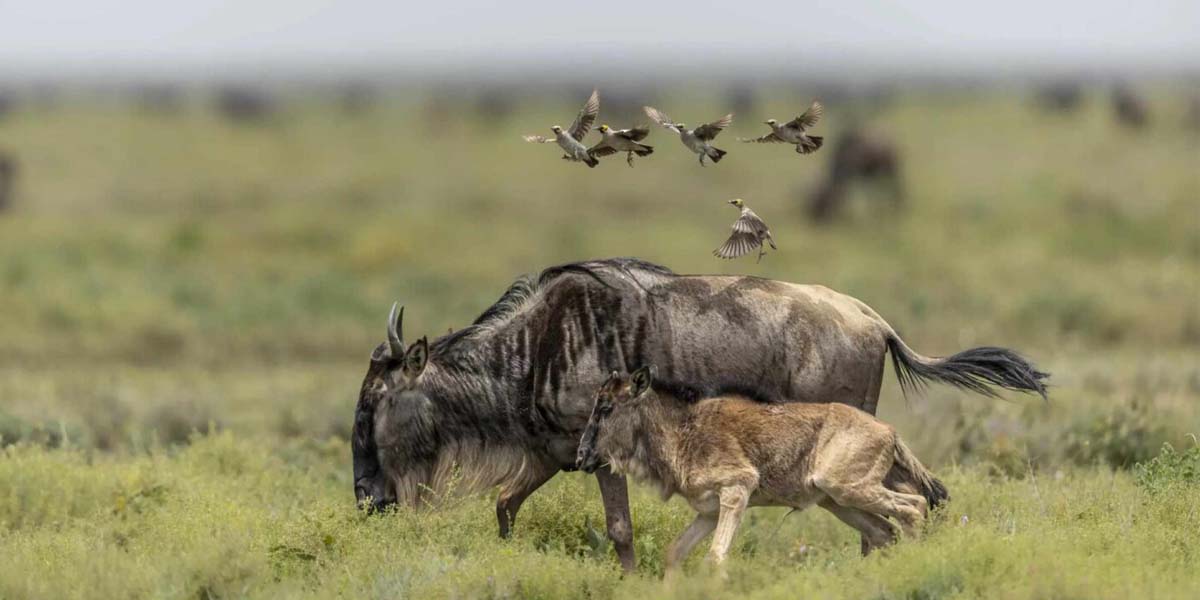
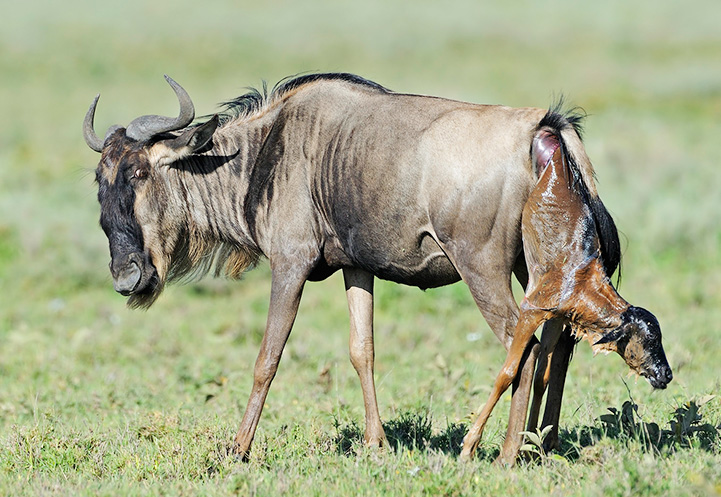
A newborn wildebeest calf can usually stand and begin walking remarkably quickly. This ability is essential because the herds must remain mobile, and young animals are vulnerable to predators.

You may see calves staying close to their mothers, gathering in groups or moving across the plains with larger herds.

Predator activity is another major attraction.

Cheetahs may search for prey across the open grasslands, while lions and hyenas take advantage of hunting and scavenging opportunities. Your guide will look for signs of activity and choose game-viewing areas based on local conditions.

Ndutu is also known for its contrasting habitats. The surrounding grasslands, acacia woodland and seasonal lakes support additional wildlife, including giraffes, antelopes and numerous bird species.

Having the entire day here allows you to explore without rushing toward another destination.

Instead of treating the migration as a brief sightseeing stop, you'll have time to observe animal behavior, photograph the landscape and appreciate the scale of the herds when they are present.

Your guide will adapt the route to current wildlife movements, while allowing time for rest and meals.

After an extensive day of game viewing, return to your accommodation inside Ndutu.

Day 4

Ndutu to Central Serengeti – Following the Wildlife-Rich Plains

After breakfast, you'll leave Ndutu and travel toward Central Serengeti, continuing your exploration of Tanzania's most famous wildlife ecosystem.

This journey introduces you to another side of the Serengeti.

While Ndutu is particularly important for seasonal wildebeest calving, Central Serengeti is known for its substantial resident wildlife populations and predator-viewing opportunities throughout the year.

Depending on the location of the migration herds and the route taken, you may encounter wildlife while traveling northward from Ndutu.

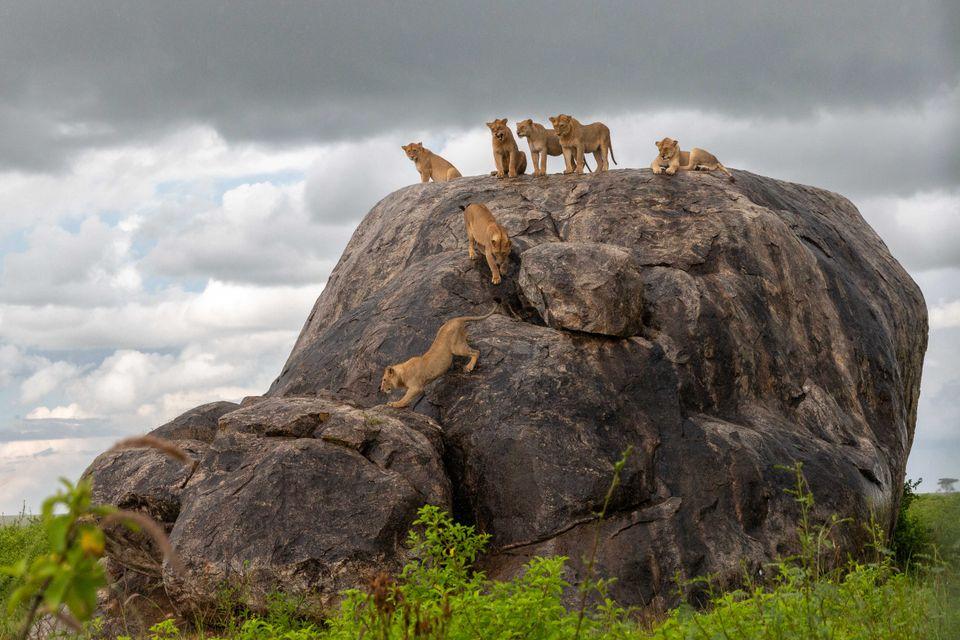
As you enter the central region, the landscape features open plains, acacia woodland, riverine vegetation and rocky outcrops known as kopjes.

The wider Seronera area provides suitable habitats for lions, leopards and other predators.

Your guide will look for wildlife during the journey, with opportunities to stop for sightings when conditions and timing allow.

One advantage of combining Ndutu with Central Serengeti is that the experience doesn't depend entirely on finding the migration herds. Even when most wildebeest are concentrated farther south, Central Serengeti offers its own wildlife-viewing opportunities.

You'll arrive at your accommodation in Central Serengeti after your game-drive journey.

Activities: Full Day Game Drive In Serengeti Central

Day 5

Full-Day Central Serengeti – Big Cats and Resident Wildlife

Today you'll spend a full day exploring Central Serengeti, one of Tanzania's most rewarding areas for observing predators and other resident wildlife.

After breakfast, head out across the grasslands and woodland habitats surrounding the Seronera region.

Central Serengeti is well known for its lion populations. Your guide may search around kopjes, open grasslands and other habitats where prides are sometimes encountered resting, socializing or hunting.

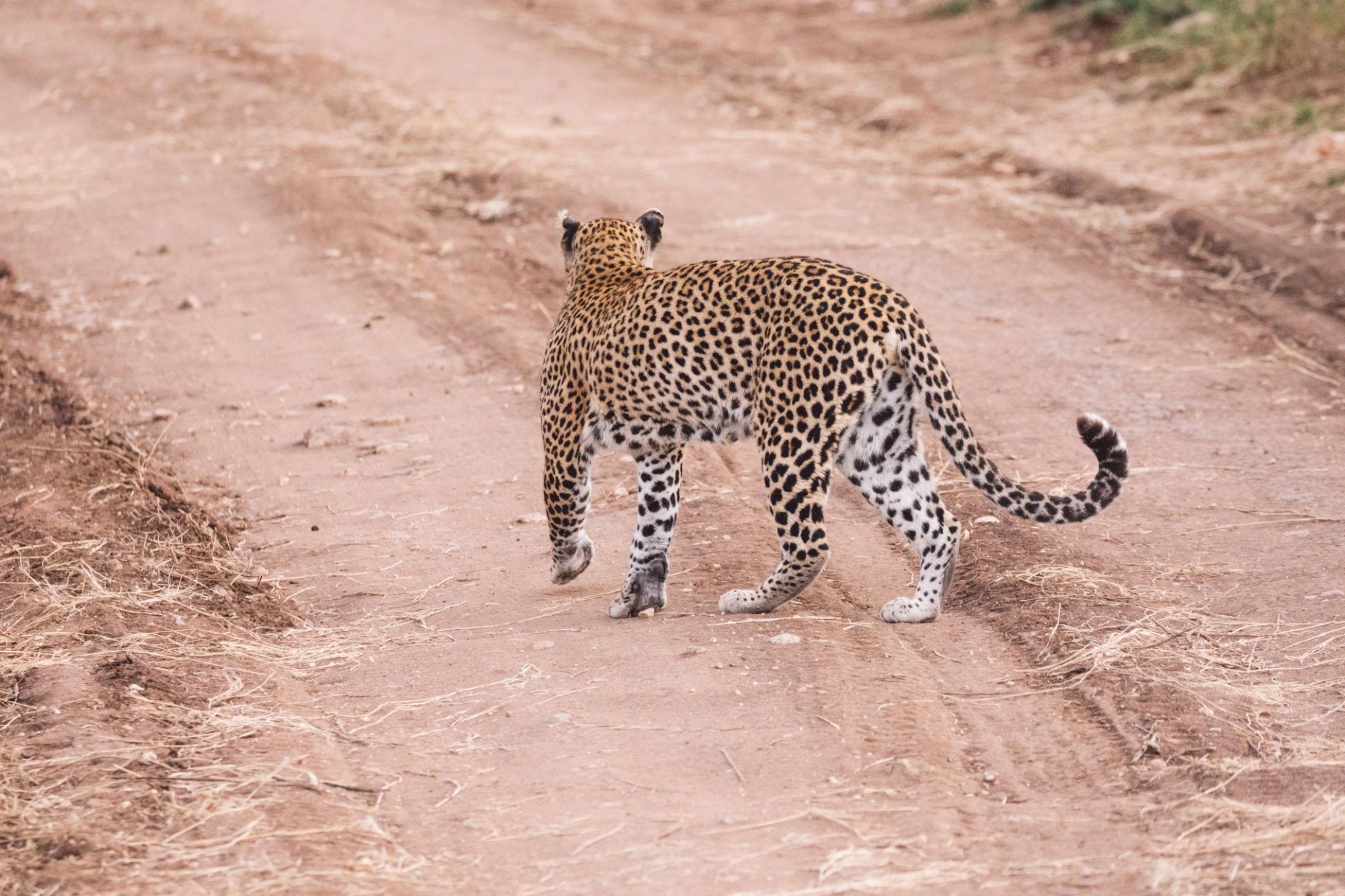
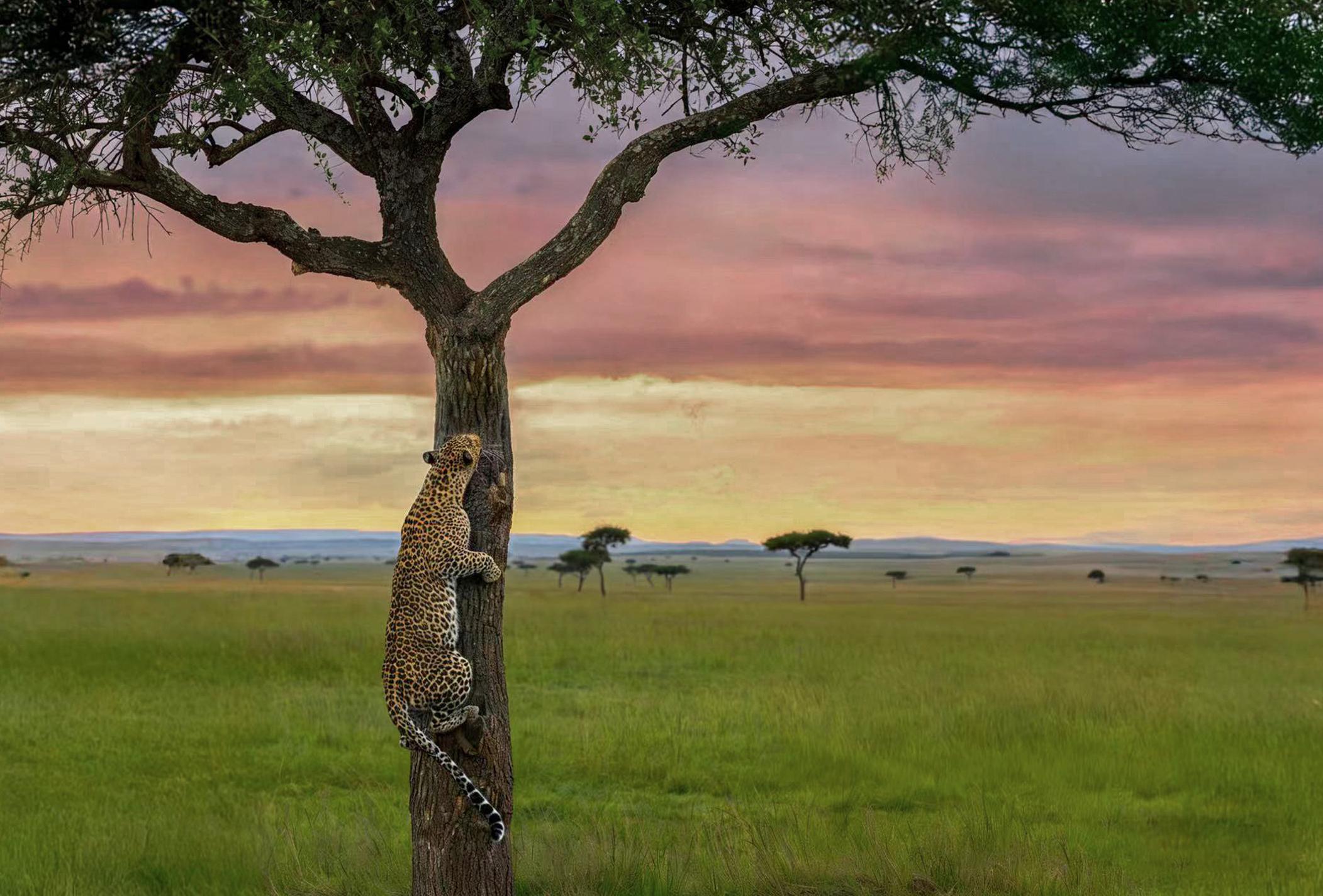
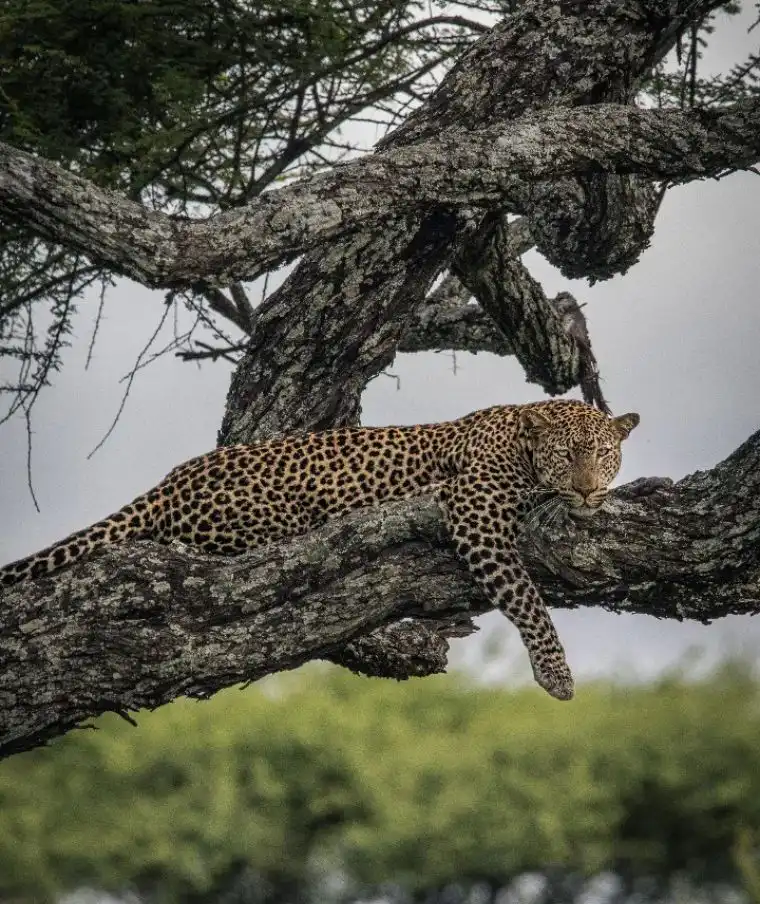
Leopards are another important wildlife attraction, although they can be challenging to spot. Your guide may explore suitable riverine woodland and tree-lined habitats where leopards are sometimes seen resting in branches or moving through vegetation.

Cheetahs may also be encountered in appropriate open habitats.

Beyond big cats, Central Serengeti is home to elephants, buffaloes, giraffes, zebras, antelopes, hippos and an impressive variety of birds.

Because you're not changing accommodation today, your guide can devote more time to exploring different areas and following promising wildlife activity.

This is particularly useful for wildlife photography, where patience often makes a meaningful difference.

The value of a full-day Serengeti game drive is not measured only by the number of animals you see. It's also about having time to watch interactions and behavior without continuously driving toward your next overnight stop.

After your day's exploration, return to your accommodation in Central Serengeti.

Activities: Full Day Game Drive In Serengeti Central

Day 6

Central Serengeti to Ngorongoro Crater – Game Drive in the World's Famous Caldera

Ngorongoro Crater Full Board

After breakfast, you'll depart Central Serengeti and travel toward Ngorongoro Conservation Area, continuing through the highlands toward the Ngorongoro Crater.

Allow approximately 4–5 hours or more to reach the crater area, depending on your starting location, road conditions and stops. The crater game drive takes place separately from this transfer.

Upon arrival, you'll descend approximately 600 meters to the crater floor and begin exploring one of Tanzania's most distinctive wildlife habitats.

Unlike the vast open plains of the Serengeti, Ngorongoro Crater offers a relatively compact landscape containing grassland, wetlands, woodland and freshwater habitats.

The crater supports a variety of wildlife, including lions, buffaloes, zebras, wildebeest, elephants, hippos and several antelope species.

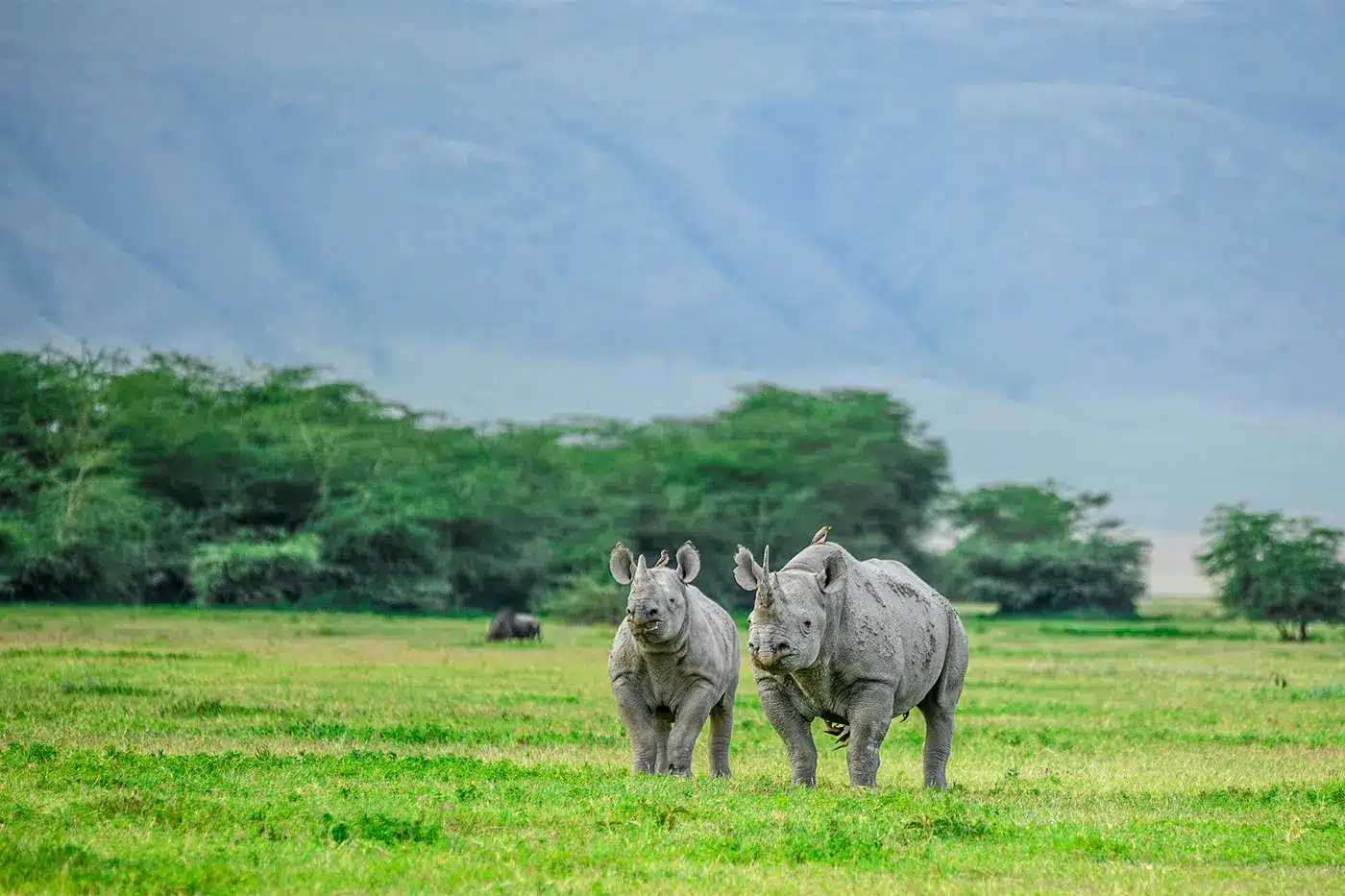
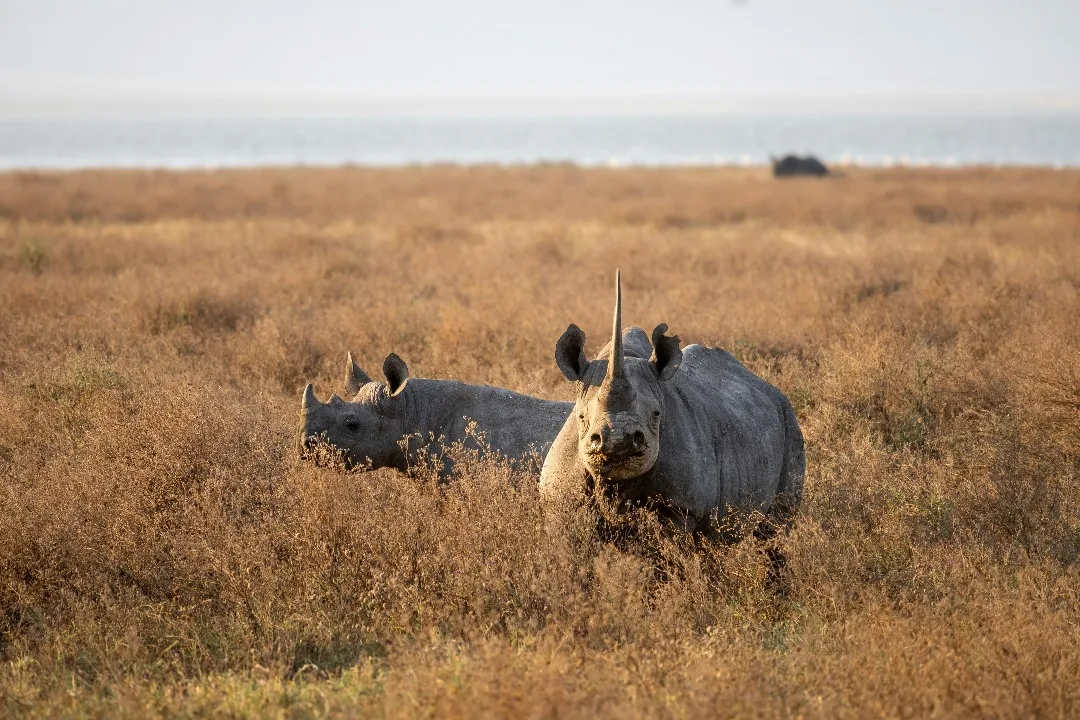
It is also one of the areas in northern Tanzania where visitors may have an opportunity to spot the critically endangered black rhinoceros, although sightings cannot be guaranteed.

Your guide will explore the crater's established game-drive routes, allowing you to observe wildlife within this remarkable volcanic landscape.

Ngorongoro provides an excellent contrast to the previous days in Ndutu and Central Serengeti. Rather than concentrating on seasonal migration movements, you'll experience wildlife living within the crater's distinctive ecosystem.

After completing your game drive, ascend from the crater and continue to Karatu for your final overnight stay.

Activities: Game Drive In Ngorongoro Crater

Day 7

Karatu to Arusha – End of Your Tanzania Safari

After breakfast, you'll check out of your accommodation and begin the return drive to Arusha.

The journey usually takes approximately 2.5–3.5 hours, depending on road and traffic conditions.

As you travel through the highlands and surrounding communities, you'll have time to reflect on the wildlife experiences of the previous days.

From searching for newborn wildebeest calves on the Ndutu plains to exploring Central Serengeti's big-cat habitats and descending into Ngorongoro Crater, this safari brings together three different aspects of Tanzania's northern wildlife circuit.

Upon arrival in Arusha, your safari comes to an end.

Additional airport transfers or onward travel arrangements can be organized as part of your personalized safari quotation.

Clear from the start

What’s Included & Excluded

Included

  • Park fees
  • All activities (unless labeled as optional)
  • All accommodation as stated in the itinerary
  • A professional driver/guide
  • All transportation (unless labeled as optional)
  • All Taxes/VAT
  • Roundtrip airport transfer
  • All Meals (as specified in the day-by-day section)
  • Air Ambulance Service by AMREF Flying Doctors
  • At Least 1 Pair Of Binoculars

Excluded

  • International flights (from/to home)
  • Additional accommodation before and at the end of the tour
  • Tips to your safari guide ($30–50 per day per car)
  • Personal items (souvenirs, travel insurance, visa fees, etc.)
  • Government imposed increase of taxes and/or park fees
  • Alcohol drinks
  • Visas and visa fees where relevant
  • Additional activities not offered as scheduled by the accommodation
  • Lunch and dinner in hotel (only before and after safari)
Simple, transparent pricing

Safari Price

Choose the group size closest to your trip. We’ll confirm the final quote around your dates and preferences.

Starting fromUSD 2,500per person

Group sizePrice per person
1 PersonUSD 5,044
2 PeopleUSD 3,500
3–4 PeopleUSD 2,931
5–6 PeopleUSD 2,723
7+ PeopleUSD 2,500
Travel with confidence

Real Traveller Experiences

You’ve seen the journey, accommodation and pricing. Now hear from travellers who experienced Tanzania with us.

Guest Reviews

Reviews from Tripadvisor
Tripadvisorreviews
See all
5
Excellent · 4 reviews
Travellers’ Choice
  • mattropolis
    mattropolis
    July 31, 2026

    Great Tanzanian vacation

    We toured with Tanzania Safari Experience for an eight day trip to Tanzania. Five days of safari and then three days of beach vacation in Zanzibar. They were great to work with and customized everything exactly the way we wanted it. The lodges we were booked in were all incredible, particularly the Lahia Tented Lodge in the Serengeti. Our driver, Jay, seemed to know every road in every national park and as a result the wildlife viewing was unparalleled. There were times where we were the only vehicle seeing lions or hippos. The owner, Laurent, was extremely responsive and any issues we had in-country with our logistics were immediately sorted by him. He genuinely wanted us to have a first-rate experience. The only thing we were unprepared for is that some of the days in the safari vehicle were very long (10+ hours) and the roads can be really rough. But there were plenty of cold drinks in the car and it was worth it to see the wildlife. The safari/beach split was a great way to do the vacation and the beaches of Zanzibar were beautiful with clear blue water.

    Family · July 31, 2026
    Read more
  • nicolykiardopoul2018
    nicolykiardopoul2018
    June 2, 2026

    Safari May 2026

    This company exceeded everything we’d hoped for. From the start, the tour operator had everything covered — a detailed itinerary laid out well in advance, quick responses to any questions, and a genuine attentiveness that made the whole thing feel effortless. The accommodation was seriously impressive. Not what I was expecting at all — comfortable, well-appointed, and luxurious. We also spent time right in the heart of the bush. A proper treat. The two people who really made this trip were our guide Mariki and photographer Agnes. Mariki’s knowledge of the bush and animal behaviour is something else — he always seemed to know exactly where to go, and his instincts paid off every single time. Agnes has a brilliant eye and captured shots we could never have got ourselves. As for the wildlife — we saw far more than we ever imagined we would. Elephants, lions, leopard, buffalo, giraffe, zebra, hippos — the lot. As a first safari, I couldn’t have asked for more. Would recommend without hesitation.

    Friends getaway · June 2, 2026
    Read more
  • 370godsong
    370godsong
    January 3, 2026

    Great Experience with Tanzania Safari Experience

    We had an amazing safari with Tanzania Safari Experience, and honestly the whole trip was put together really well by Laurent and his team. From our first message to the last day, they were easy to reach, quick to reply, and clear about everything. The plan made sense, the timing was smooth, and we didn’t have to stress about anything. Uncle J was a big part of what made it special. He knows the parks incredibly well and seems to notice things before anyone else. He’d position the vehicle perfectly for photos and often got us to sightings before the crowds built up. We were lucky to see [your highlights: migration / lions / cheetahs / elephants / a crossing], and every drive felt exciting and different. The vehicle was comfortable and in good shape, and everything ran on schedule. If you’re looking for a well-organized safari with a great guide, I’d definitely recommend Tanzania Safari Experience.

    Solo travel · January 3, 2026
    Read more
Good to know

Frequently Asked Questions

When Is the Best Time for the Wildebeest Calving Season in Ndutu?

January, February and March are the main months to consider for a wildebeest calving-season safari in Ndutu, but February is generally the strongest choice for travelers specifically hoping to witness newborn calves in large numbers.

The exact timing depends on seasonal rainfall and the availability of fresh grass.

January – Herds Gather on the Southern Plains

January is often an excellent period for encountering the Great Migration in the southern Serengeti ecosystem.

Depending on rainfall, large herds may be grazing around Ndutu and the surrounding southern plains.

Some calving activity may begin during January, while predator activity can increase as the herds gather.

For travelers visiting early in the season, flexibility is important because the main herd concentrations may still be shifting.

February – Peak Wildebeest Calving Season

February is generally considered the peak of the wildebeest calving season.

During this period, substantial numbers of calves are born across the southern Serengeti plains over a relatively short time.

The abundance of newborn animals creates opportunities to observe family behavior, herd movement and predator-prey interactions.

For photographers and wildlife enthusiasts whose primary goal is to experience the calving season, February is typically the month we would prioritize.

Even in February, actual sightings depend on where the herds are grazing and the conditions on the day.

March – Young Calves and Moving Herds

March can remain rewarding for migration viewing, particularly during the earlier part of the month when herds may still be present in the Ndutu and southern Serengeti region.

Many calves born during the peak season are now stronger and moving with the herds.

As seasonal conditions change, some groups may begin spreading into other areas in search of suitable grazing.

Rainfall can also influence road conditions, grass height and wildlife visibility.

March is therefore a worthwhile option, but the exact distribution of animals becomes increasingly important when planning game drives.

Why This Safari Combines Ndutu and Central Serengeti

A calving-season safari should prioritize time in the southern Serengeti ecosystem, but there is also value in exploring Central Serengeti.

Ndutu provides the primary opportunity to experience the seasonal migration and calving activity, while Central Serengeti adds a different type of game viewing.

Ndutu is the seasonal highlight. Its open plains are particularly relevant to migrating wildebeest, newborn calves and predators that follow the herds during the calving season.

Central Serengeti adds year-round wildlife diversity. Its resident animal populations, riverine habitats and kopjes create opportunities to search for lions, leopards and other wildlife beyond the main seasonal migration concentrations.

Ngorongoro Crater completes the experience with an opportunity to view wildlife in a compact volcanic landscape, including species such as buffaloes, elephants, hippos and potentially black rhinos.

This combination is ideal for travelers who want the calving season to be a major highlight but also want a broader Serengeti and Ngorongoro experience.

One important planning consideration is that this itinerary includes two nights in Ndutu, rather than spending the entire safari following the migration. Travelers whose single overriding priority is maximizing time with the calving herds may prefer an itinerary with additional nights in Ndutu.

Can I see wildebeest giving birth during this safari?

You may have an opportunity to witness wildebeest giving birth, particularly during the peak calving period in February. However, individual births are unpredictable, and no operator can guarantee that you will see one. You may also encounter newborn calves, mothers caring for their young and other calving-season activity.

Is January or February better for a Ndutu calving safari?

February is generally the better choice if witnessing large-scale calving is your main priority. January can offer excellent migration viewing, but the timing and concentration of the herds depend on rainfall and grazing conditions.

Why do wildebeest give birth around Ndutu?

The southern Serengeti's nutrient-rich short grasses provide valuable grazing for pregnant wildebeest and mothers with young calves. Seasonal rainfall encourages fresh grass growth, making the region particularly important during the breeding and calving period.

Why is accommodation inside Ndutu better for this safari?

Staying inside Ndutu helps reduce unnecessary daily transfers from locations outside the area. This allows your guide more flexibility to explore the surrounding plains and respond to current wildlife movements, particularly during your full-day game drive.

Plan it with a local safari expert

Like This Safari?

Tell us your travel dates and group size, and we’ll customize “7 Days Tanzania Safaris – Calving Season Safari In Ndutu” for you.

7 Days Tanzania Safaris – Calving Season Safari In NdutuFrom USD 2,500
—
Response within 24 hours No obligations
Travel preparation

Do you need a visa to visit Tanzania?

Select your country to see the saved visa requirement, estimated fee and official application information.

Visa requirements can change. Always confirm the latest requirements with the Tanzania Immigration Department before travel.