


Lemosho Summit Success Rate: What Climbers Should Realistically Expect in 2026
Most climbers choosing the Lemosho Route have one of the best chances of reaching Uhuru Peak, especially on 7- or 8-day itineraries with proper acclimatization, pacing, hydration, and an experienced mountain crew.
If you are choosing a Kilimanjaro route based on your best chance of standing on the summit, Lemosho is one of the strongest options on the mountain. At Tanzania Safari Experience, we recommend it often—not because it is the easiest route, but because it gives your body more time to adapt to altitude, and that changes everything.
Many people search for one magic number, but the truth is more useful than that: your summit success rate on Lemosho depends less on fitness alone and far more on acclimatization strategy, pacing, sleep, hydration, and your guide team’s decisions. That is where most online articles stay too shallow. We will go deeper.
Quick Answer: What Is the Lemosho Summit Success Rate?
The Lemosho Route has one of Kilimanjaro’s highest summit success rates, especially on 8-day climbs, where success can be significantly higher than shorter routes due to better altitude adaptation.
In practical terms, Lemosho is considered a high-success route because it starts more gradually and allows a better “climb high, sleep low” pattern than several shorter alternatives.
Typical Real-World Summit Expectations
| Lemosho Itinerary | General Summit Outlook | What It Means in Real Life |
|---|---|---|
| 6 Days | Lower | Too rushed for many first-time high-altitude trekkers |
| 7 Days | Strong | Good balance of time and affordability |
| 8 Days | Excellent | One of the best summit setups on Kilimanjaro |
At Tanzania Safari Experience, we usually advise climbers to think like this:
- 6 days = more risk
- 7 days = solid
- 8 days = smartest for most people
That may sound simple, but it is the most honest way to frame it.
Why Lemosho Has a Higher Summit Success Rate Than Many Other Routes
Lemosho succeeds because it gives your body more time and a better altitude profile, which reduces exhaustion, improves recovery, and increases your odds of handling summit night successfully.
This is the core reason Lemosho performs so well: it respects altitude better than most rushed itineraries.
Kilimanjaro is not mainly a “fitness mountain.” That is one of the biggest misconceptions. A marathon runner can fail, while someone with moderate fitness and excellent pacing can succeed. The main challenge is how your body responds to reduced oxygen at altitude.
Why Lemosho Works Better
- It starts on the western side of Kilimanjaro with a more gradual opening
- It provides better altitude staging
- It usually includes the Barranco acclimatization pattern
- It offers more time before summit night
- It reduces the need to “chase the mountain”
By the time you reach the higher camps, your body has often had a better chance to adjust than on shorter routes like Umbwe or compressed Machame itineraries.
A More Honest Way to Think About Success
Many people assume:
“If I’m fit, I’ll summit.”
That is not a reliable assumption.
A better version is:
“If I’m fit, paced properly, hydrated, sleeping well, and given enough days, I’ll improve my summit odds.”
That is why Lemosho consistently performs well.
What Actually Determines Your Summit Success on Lemosho
Your success depends on altitude adaptation, itinerary length, pace, guide quality, sleep, hydration, nutrition, weather, and how early symptoms are managed—not simply how athletic you are.
This is where many climbers make costly mistakes: they focus on gear and gym training, but ignore the biological and operational factors that matter more on Kilimanjaro.
1) Number of Days on the Mountain
This is the biggest factor.
If two climbers are equally fit, and one climbs Lemosho in 6 days while the other climbs it in 8 days, the 8-day climber usually has the stronger summit setup.
2) Pace
On Kilimanjaro, slower is stronger.
If your guide allows you to walk too fast early on, you can feel “great” for the first few days and then crash at altitude. A proper Lemosho climb often feels almost too slow in the beginning.
That is a good sign.
3) Hydration
Most summit failures are not caused by one dramatic problem. They come from stacked small mistakes:
- too little water
- poor appetite
- mild headache ignored
- bad sleep
- cold exposure
- poor pacing
Together, they become serious.
4) Guide Team Quality
A strong mountain crew does more than carry bags.
A good Kilimanjaro guide should:
- watch your breathing pattern
- notice changes in appetite
- check your walking rhythm
- monitor headache progression
- adjust pace before you ask
- make conservative, smart calls
That is one of the reasons choosing a reputable operator matters so much.
5) Summit Night Conditions
Even well-prepared climbers can struggle on summit night because it combines:
- extreme cold
- darkness
- fatigue
- altitude
- mental pressure
This is the real test of the route.
RELATED ARTICLE: Kilimanjaro Packages From South Africa
Lemosho 7 Days vs 8 Days: Which One Gives Better Summit Chances?
The 8-day Lemosho itinerary usually gives the best summit chance because it offers a more forgiving acclimatization profile, better recovery, and less pressure before the final ascent.
If your main goal is reaching the summit, not just “doing Kilimanjaro,” then the extra day is usually worth it.
Comparison Box: 7 Days vs 8 Days
| Factor | 7 Days Lemosho | 8 Days Lemosho |
|---|---|---|
| Acclimatization | Good | Better |
| Fatigue Management | Moderate | Strong |
| Recovery Time | Less | More |
| Summit Pressure | Higher | Lower |
| Best For | Fit trekkers with limited time | Most climbers, first-timers, safer summit strategy |
Our Honest Recommendation
As your safari and mountain experts at Tanzania Safari Experience, we recommend:
- 7 days if you are fit, prepared, and limited on time
- 8 days if summit success is your top priority
That extra day is not “just another camp.” It can be the difference between:
- feeling controlled on summit night
or - feeling completely drained before the hardest section begins
That is a major distinction.
Does Fitness Guarantee a Lemosho Summit? No—and Here’s Why
Strong fitness helps, but it does not protect you from altitude. Many summit failures happen to fit trekkers who underestimate acclimatization, pace too fast, or neglect recovery.
This is one of the most important truths to understand before climbing Kilimanjaro.
The Common Mistake
A lot of climbers think:
- “I run regularly”
- “I do CrossFit”
- “I hike on weekends”
- “I’ll be fine”
That logic is incomplete.
What Fitness Actually Helps With
Fitness improves:
- leg endurance
- uphill comfort
- recovery between camps
- mental resilience
- ability to carry yourself efficiently
But it does not guarantee:
- tolerance to altitude
- good sleep at elevation
- appetite retention
- headache resistance
- oxygen efficiency
A very fit person can fail if they treat the climb like a race.
A moderately fit person can succeed if they climb intelligently.
That is why discipline beats ego on Kilimanjaro.
The Biggest Reasons People Fail to Summit on Lemosho
Most failed summit attempts happen because of altitude symptoms, poor pacing, dehydration, rushed itineraries, cold exposure, or preventable energy loss during the first five days.
This part matters because it shows you what to avoid—not just what to hope for.
Top Summit Failure Causes
1. Choosing Too Short an Itinerary
Trying to “save time” often costs the summit.
2. Walking Too Fast Early
This is one of the most common avoidable errors.
3. Not Drinking Enough Water
The mountain is dry, and many trekkers under-hydrate without realizing it.
4. Losing Appetite
If you stop eating well for multiple days, summit night becomes much harder.
5. Poor Sleep and Recovery
Bad sleep is normal at altitude, but repeated poor nights add up fast.
6. Cold Management Problems
Cold drains energy quickly, especially at higher camps.
7. Ignoring Early Symptoms
A mild headache is not always serious—but pretending it does not matter can become serious.
The Hard Truth
Many summit failures are not “bad luck.”
They are often the result of:
- poor route choice
- rushed scheduling
- weak altitude strategy
- inexperience
- or trying to be “tough” instead of smart
That is why preparation matters more than bravado.
Local Pro Tips That Improve Lemosho Summit Success
The smartest summit strategies are often small, local, and practical: control your pace early, protect your appetite, stay warm before you feel cold, and never treat summit night casually.
This is the kind of advice that usually gets skipped online, but it is what actually helps on the mountain.
Our Local Pro Tips
1. Start Drinking Seriously from Day 1
Do not wait until Shira or Barranco to “focus on hydration.” Start immediately.
2. Keep One “Never Sleep Cold” Layer Untouched
Carry one thermal top or fleece that you only wear in camp or inside your sleeping bag. Never hike in it. Keeping one guaranteed dry warm layer is a game changer.
3. Eat Before You Feel Hungry
At altitude, hunger becomes unreliable. You need to eat on schedule, not only by appetite.
4. Protect Your Lips and Nose Early
The wind and dry air can punish you before summit night even starts. Most trekkers pack sunscreen but forget lip care and nasal moisture.
5. Do Not Show Off on Barranco Wall
Barranco Wall is exciting, but it is not where you “prove strength.” Stay controlled, efficient, and calm.
6. Summit Night Starts the Afternoon Before
Your summit is often won or lost before you even leave camp:
- nap if you can
- drink early
- eat enough at dinner
- avoid unnecessary walking around camp
- organize your summit gear before dark
That is real mountain discipline.
What Lemosho Feels Like Day by Day Before Summit Night
Lemosho usually feels scenic and manageable early on, then gradually becomes more demanding as altitude accumulates, especially from Barranco onward toward the final summit push.
Understanding the rhythm of the route helps you prepare mentally.
Early Days
The first section often feels beautiful, open, and deceptively comfortable. This is where many climbers become overconfident.
Middle Days
Once you move through the Shira and Lava Tower/Barranco zone, altitude starts to become more noticeable. You may feel:
- slower
- less hungry
- more tired in camp
- mildly headachy
That can still be completely normal.
Late Stage
By Karanga and Barafu, the climb becomes less about scenery and more about:
- efficiency
- calm breathing
- body management
- mental control
Important Perspective
A lot of climbers think:
“If I feel a bit bad, I’m failing.”
Not necessarily.
On Kilimanjaro, you do not need to feel amazing. You need to feel stable enough to keep moving safely.
That is a more realistic and useful benchmark.
Best Preparation Plan for a Higher Lemosho Summit Success Rate
The best preparation combines steady cardio, uphill walking, leg endurance, recovery work, hydration habits, and mental pacing practice—not just intense gym workouts or random fitness bursts.
Preparation should be specific, not dramatic.
Best Training Priorities
- Long walks or hikes
- Stair climbing
- Incline treadmill sessions
- Zone 2 cardio
- Leg endurance work
- Core stability
- Mobility and recovery
What You Do NOT Need
You do not need to become an elite athlete.
You need to become someone who can:
- walk for hours repeatedly
- recover overnight
- manage discomfort
- stay calm when tired
Simple Weekly Prep Structure
| Training Type | Goal |
|---|---|
| Long walk/hike | Build time-on-feet endurance |
| Stairs/incline | Simulate uphill effort |
| Easy cardio | Improve oxygen efficiency |
| Strength | Support knees, hips, posture |
| Recovery | Prevent fatigue accumulation |
Mental Preparation Matters Too
Summit success is not only physical.
Train yourself to be comfortable with:
- moving slowly
- not rushing
- eating when you do not feel like it
- continuing when conditions are cold and uncomfortable
That is closer to Kilimanjaro reality than “hardcore fitness motivation.”
What Gear Helps Most With Summit Success on Lemosho?
The best gear for summit success is not the most expensive gear—it is the gear that keeps you dry, warm, layered correctly, and able to recover well every day.
You do not need to overbuy. But you do need to pack intelligently.
High-Impact Gear Checklist
- Broken-in hiking boots
- Warm down or insulated jacket
- Waterproof shell
- Thermal base layers
- Fleece or mid-layer
- Warm summit gloves
- Buff or neck gaiter
- Warm hat
- Headlamp with spare batteries
- Good daypack
- Hydration system or bottles
- Trekking poles
Most Underestimated Items
These are the items people often regret neglecting:
- warm gloves
- lip balm
- extra socks
- dry sleeping clothes
- insulated water bottle cover
- toe warmers for cold-sensitive trekkers
Comparison Box: Smart Packing vs Overpacking
| Smart Packing | Overpacking |
|---|---|
| Layered warmth | Heavy duplicates |
| Dry essentials | Too many “just in case” clothes |
| Reliable summit gear | Fashion-based packing |
| Function first | Weight without purpose |
The goal is not to carry more.
The goal is to carry what protects your energy.
Best Time of Year for Better Lemosho Summit Conditions
The best summit conditions on Lemosho are usually during the drier climbing periods, when trails are more stable, gear stays drier, and summit night is more manageable overall.
Lemosho can be climbed in different months, but not all periods feel the same.
Generally Better Conditions
Most climbers prefer the drier windows because they usually offer:
- better trail comfort
- clearer views
- drier camps
- easier layering
- more predictable summit night conditions
What Matters More Than “Perfect Weather”
Do not assume dry season automatically means easy.
Even in the best months, summit night can still bring:
- freezing temperatures
- strong wind
- low visibility
- intense fatigue
Our Honest Advice
If you are flexible, choose:
- a good climbing month
and - the longer itinerary
That combination is far more powerful than relying on “good weather” alone.
Lemosho vs Other Kilimanjaro Routes for Summit Success
Lemosho is one of the best all-around routes for summit success because it balances scenery, acclimatization, route flow, and overall climb comfort better than many shorter alternatives.
This is where route choice becomes strategic.
Comparison Box: Route Success Logic
| Route | Summit Strength | Main Trade-Off |
|---|---|---|
| Lemosho | Excellent | Longer and often slightly pricier |
| Machame | Strong | Can feel more crowded |
| Marangu | Moderate | Faster acclimatization pressure |
| Umbwe | Lower for many trekkers | Very steep and aggressive |
| Northern Circuit | Extremely strong | Longest itinerary |
Our View
If someone asks us:
“What route gives me a very good summit chance without making the climb unnecessarily harsh?”
Lemosho is almost always in that conversation.
It gives you:
- beautiful variation
- strong acclimatization structure
- good psychological rhythm
- a premium summit setup without requiring the very longest route
That balance is why it remains one of our most recommended climbs.
Best Internal Resources for Planning Your Climb
The smartest climbers prepare beyond the route itself by learning about altitude, gear, and timing before they arrive in Tanzania.
You may also find these helpful while planning your Kilimanjaro trip:
Helpful External Resources
For factual trip preparation and mountain health awareness, we also recommend reviewing:
These are useful for general health planning, but your actual climb success still depends mostly on route design and on-mountain execution.
Frequently Asked Questions About Lemosho Summit Success Rate
Is Lemosho the easiest route on Kilimanjaro?
Lemosho is not the easiest in terms of effort, but it is one of the smartest routes because it gives climbers better acclimatization and a stronger summit setup.
What is better for summit success: Lemosho or Machame?
Both are strong routes, but Lemosho often feels more forgiving early on and is especially attractive for climbers prioritizing acclimatization and overall route flow.
Can a beginner summit Kilimanjaro on Lemosho?
Yes, many beginners summit successfully on Lemosho if they choose enough days, prepare properly, and climb with an experienced mountain team.
Is 7 days enough for Lemosho?
For many trekkers, yes. But 8 days usually gives a stronger margin for altitude adaptation and is often the better choice for summit-focused climbers.
What is the hardest part of the Lemosho Route?
Summit night is usually the hardest part due to cold, darkness, fatigue, and altitude—not the technical difficulty of the trail itself.
Final Verdict: Is Lemosho the Best Route for Summit Success?
If your priority is maximizing your chance of reaching Uhuru Peak, Lemosho is one of the best routes on Kilimanjaro—especially when climbed over 7 or 8 days with the right team.
That is the real answer.
Not because it is easy.
Not because it is trendy.
But because it is well-designed for human physiology.
At Tanzania Safari Experience, we recommend Lemosho to many climbers because it gives you something extremely valuable on Kilimanjaro: time.
Time to adapt.
Time to pace.
Time to recover.
Time to summit more intelligently.
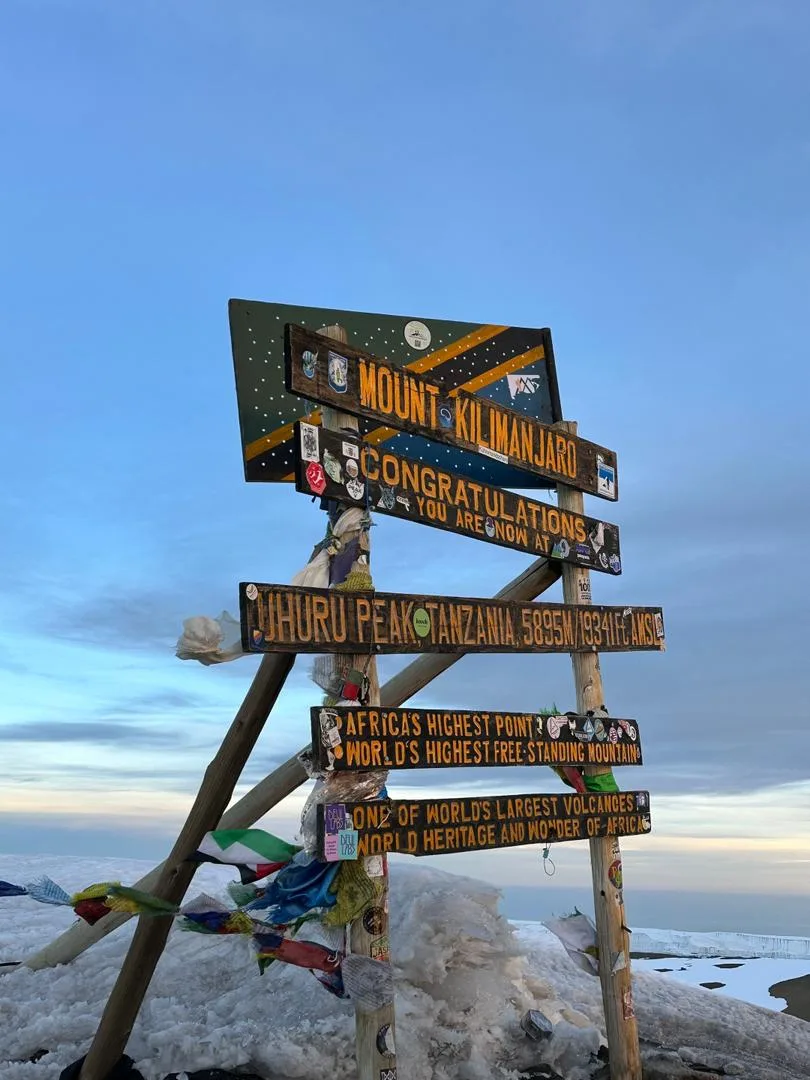
And on this mountain, that is often what separates a photo at the trailhead from a photo at Uhuru Peak.
If you want to climb Kilimanjaro with a local team that understands not just the route, but the small details that improve your summit chances, Tanzania Safari Experience can help you plan it properly from the beginning.