


The question of whether a Kenyan safari is worth it in 2026 often surfaces when travelers weigh it against neighboring giants like Tanzania. After years of leading expeditions across the East African plains, I can tell you that the answer isn’t a simple “yes”—it’s about understanding the specific “why” behind the cost and the crowd.
At Tanzania Safari Experience, we believe in total transparency. Kenya is a powerhouse of accessibility and predator density, but 2026 has brought significant changes to park fees and logistics that every traveler must consider before booking.
The Reality of a Kenya Safari in 2026
A Kenyan safari is worth it for travelers seeking high-density wildlife, easier logistics from major flight hubs, and more budget-friendly accommodation variety compared to its southern neighbors.
When we talk about “worth,” we have to address the elephant in the room: the 2024–2026 price hikes. In the past, Kenya was the clear “budget” alternative to Tanzania. Today, with Masai Mara peak season fees reaching $200 per person per day, the gap has narrowed. However, we still find that Kenya wins on variety. From the red elephants of Tsavo to the rhino sanctuaries of Ol Pejeta, the diversity of landscapes within a 5-hour drive of Nairobi remains staggering.
Comparison: Kenya Safari Tiers in 2026
| Feature | Budget (Group Joining) | Mid-Range (Private) | Luxury (Fly-In) |
| Daily Cost (USD) | $220 – $350 | $450 – $750 | $1,200 – $2,500+ |
| Vehicle Type | Safari Minivan (Pop-top) | 4×4 Land Cruiser | 4×4 Land Cruiser |
| Accommodation | Public Campsites/Budget Tents | Permanent Tented Camps | Ultra-Luxe Boutique Lodges |
| Crowd Exposure | High (Main Reserve Gates) | Moderate (Private Conservancies) | Low (Exclusive Concessions) |
Why the “Human Factor” Makes the Difference
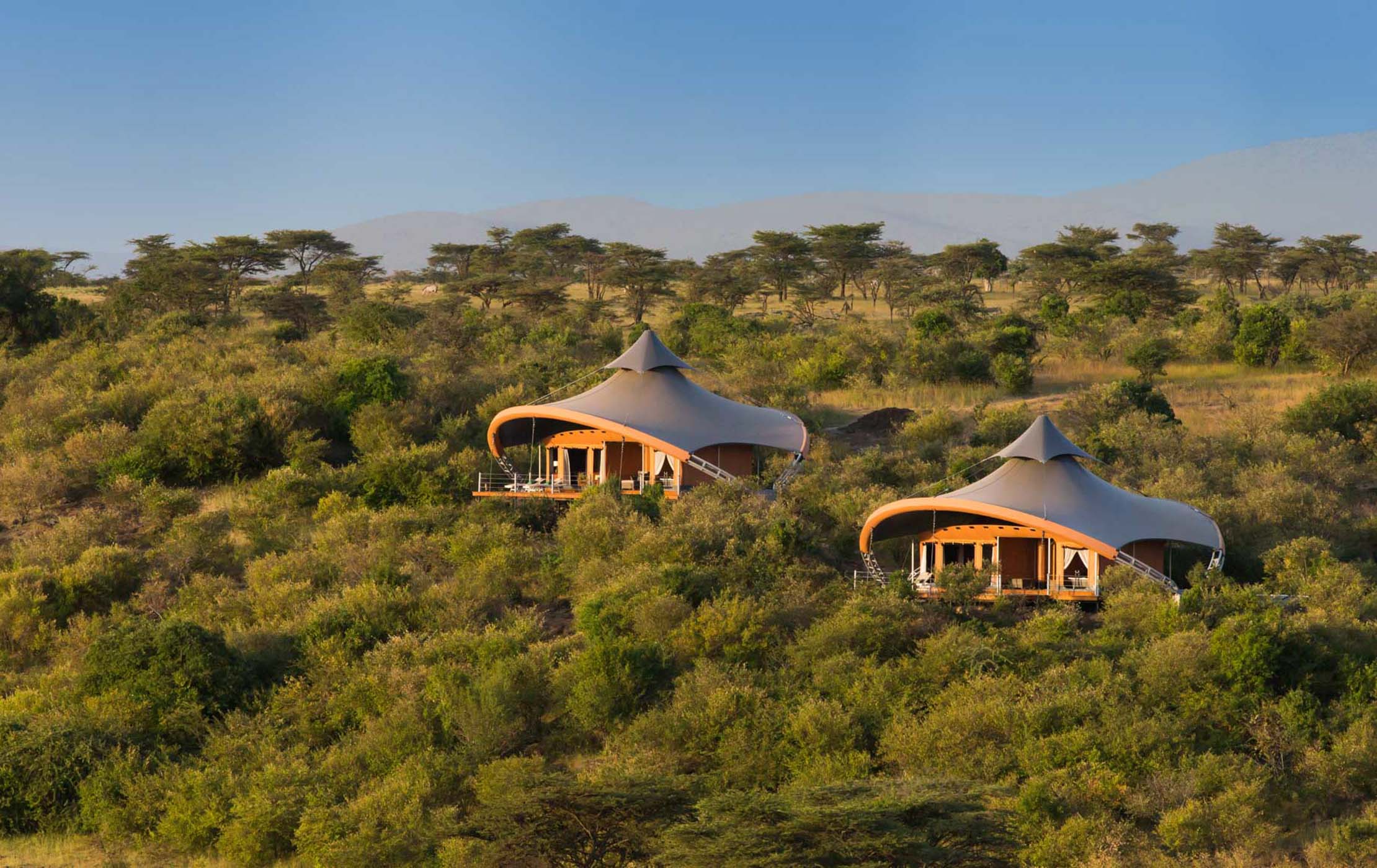
I recently took a group to the Mara Triangle during the shoulder season. While the “Big Five” are the headline, the real value of a Kenyan safari lies in the conservancy model. Our team often steers guests toward private conservancies like Mara North or Olare Motorogi.
Pro-Tip: If you stay inside the national reserve, you are restricted to the roads. In a private conservancy, we can take you off-road to follow a leopard into the brush or arrange a “sundowner” in the middle of the savannah—experiences that are technically illegal in the main parks.
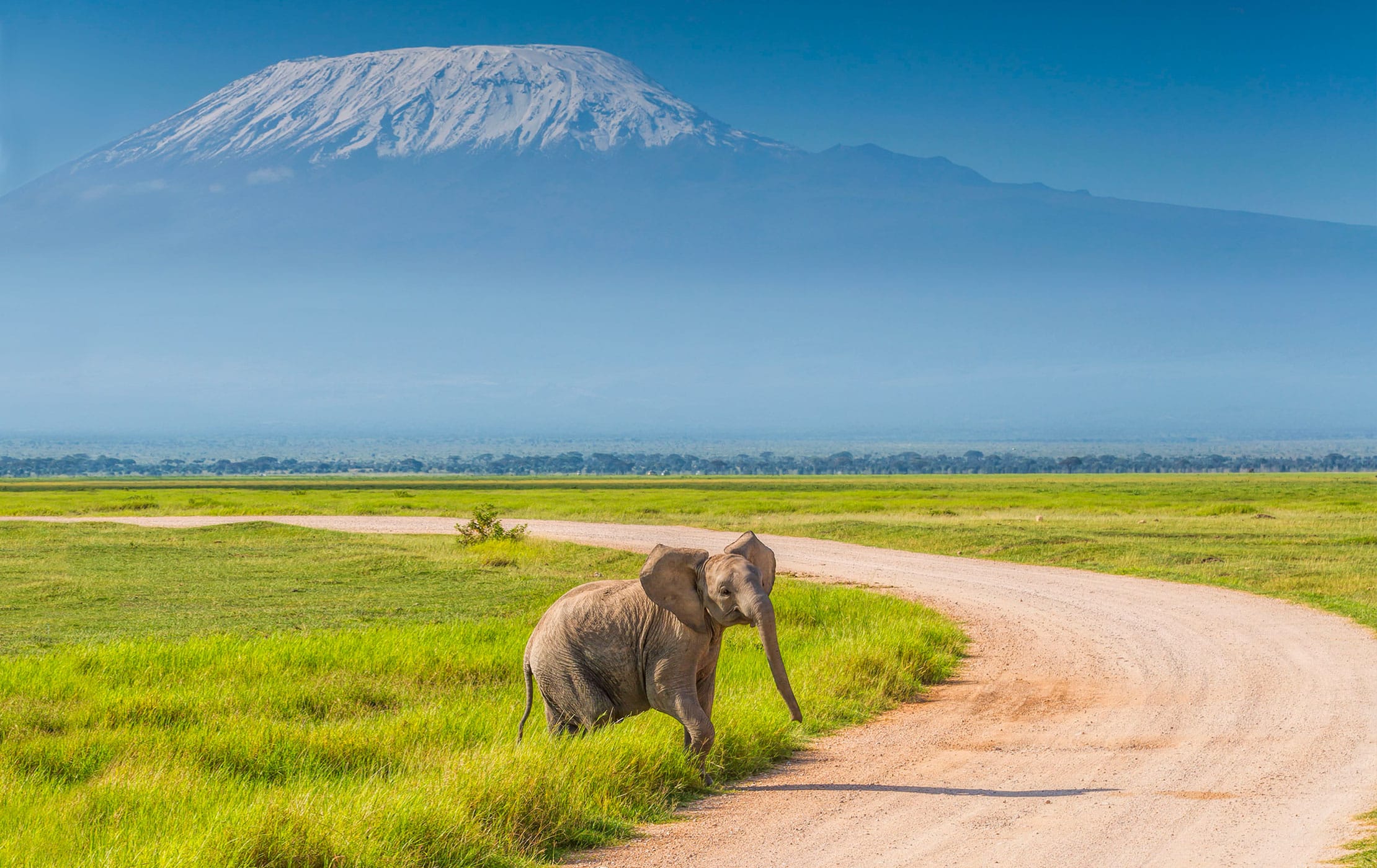
The Great Migration: Timing Your Worth
The Great Migration is the most spectacular wildlife show on earth, occurring in Kenya’s Masai Mara typically between late July and October.
Many travelers think the Migration is a year-round Kenya event. It isn’t. Our partners at Tanzania Safari Experience will tell you that the herds spend 9 months of the year in Tanzania. If you visit Kenya in April, you’ll see resident wildlife (which is still incredible), but you won’t see the million-strong herds.
“If your heart is set on the river crossings, you must book for August or September. If you want the best value, February in the Mara is a hidden gem—the grass is short, the predators are active, and the prices are nearly 40% lower.”
Hidden Costs vs. Hidden Value
Is it worth the money? Let’s look at what you get for your dollar in 2026.
-
Connectivity: Nairobi’s Jomo Kenyatta International Airport (JKIA) is the busiest hub in East Africa. You can often save $500 on international airfare by flying into Nairobi versus Kilimanjaro or Dar es Salaam.
-
The “SGR” Train: Our team loves using the Madaraka Express train to link Nairobi to Tsavo and Mombasa. It’s a high-speed, scenic, and incredibly cheap way to see the countryside that Tanzania doesn’t yet match.
-
Conservation Impact: When you visit places like Reteti Elephant Sanctuary (External Link) or the Sheldrick Wildlife Trust, your entry fees go directly into world-leading conservation.

Kenya vs. Tanzania: The Ultimate Verdict
Tanzania offers a more raw, vast, and “wild” feeling with fewer crowds in parks like the Serengeti and Nyerere. Kenya offers better infrastructure, more cultural interaction (Samburu and Maasai), and is generally easier for families with small children.
| Factor | Kenya | Tanzania |
| Best For | First-timers, Families, Short Trips | Wilderness Purists, Honeymooners |
| Ease of Travel | Excellent (Good roads & many flights) | Moderate (Longer drives or bush flights) |
| Wildlife Density | Extremely High (Small, concentrated parks) | Very High (Vast, sprawling ecosystems) |
| Standard Vehicle | Minivans common in budget tiers | 4×4 Land Cruisers are the standard |
Internal Link Placeholder: Read our deep dive on [Tanzania Safari Cost Breakdown] to compare these figures.
The “Information Gain” Insights: What Others Won’t Tell You
-
The “Star-Bed” Experience: In regions like Laikipia, you can sleep on a raised wooden platform under the night sky. It is the ultimate “worth it” moment that most generic guides skip.
-
The Plastic Ban: Kenya is incredibly strict about plastic. Don’t bring plastic bags or disposable water bottles. We provide reusable canisters for all our guests.
-
The ETA System: As of 2026, the old E-visa is gone. You must apply for an Electronic Travel Authorization (ETA) at least 72 hours before arrival. It’s faster but non-negotiable.
Sample 2026 Itinerary: The “Value” Route
If you want the maximum “worth,” we recommend this 7-day loop:
-
Day 1-2: Amboseli. Catch the “Big Tuskers” with Mt. Kilimanjaro in the background.
-
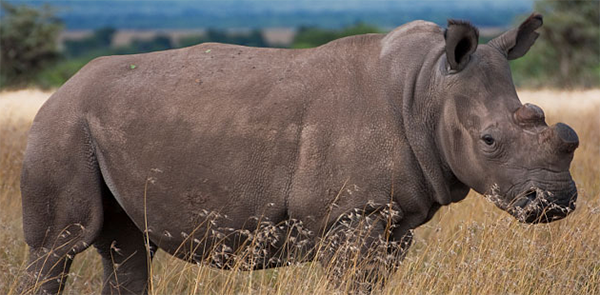
Day 3-4: Ol Pejeta. See the world’s last two Northern White Rhinos. This is a “must-do” for 2026.
-
Day 5-7: Masai Mara (Conservancy). End with the big cats and the Mara river.
Frequently Asked Questions
How much does a Kenya safari cost per day in 2026?
A mid-range private safari typically costs between $450 and $650 per person, per day, including all park fees, meals, transport, and accommodation.
Is Kenya or Tanzania better for a first-time safari?
Kenya is often cited as better for first-timers due to shorter travel distances between parks and a wider range of hotel-style lodges that feel familiar to Western travelers.
Is it safe to go on a safari in Kenya right now?
Yes, the safari circuit is highly regulated and very safe. We recommend booking through reputable members of KATO (Kenya Association of Tour Operators) (External Link).
Can I see the Big Five in Kenya?
Absolutely. Parks like the Masai Mara and Ol Pejeta are among the best places in the world to see all five (lion, leopard, elephant, buffalo, and rhino) in a single trip.
What should I pack for a 2026 safari?
Focus on layers. Mornings are freezing (around 10°C), while afternoons hit 28°C. Neutral colors (khaki, olive) are essential to blend in and avoid attracting Tsetse flies.
The Final Verdict: Is it Worth It?
A Kenya safari remains one of the most transformative travel experiences on the planet. While the costs have risen, the quality of guiding and the success of conservation efforts in 2026 mean your money goes further in protecting the very animals you come to see.
However, if you are looking for that classic, endless-horizon wilderness without the hum of other engines, a tailored trip with Tanzania Safari Experience might be your true calling. We specialize in getting you away from the “safari traffic” and into the heart of the raw African bush.