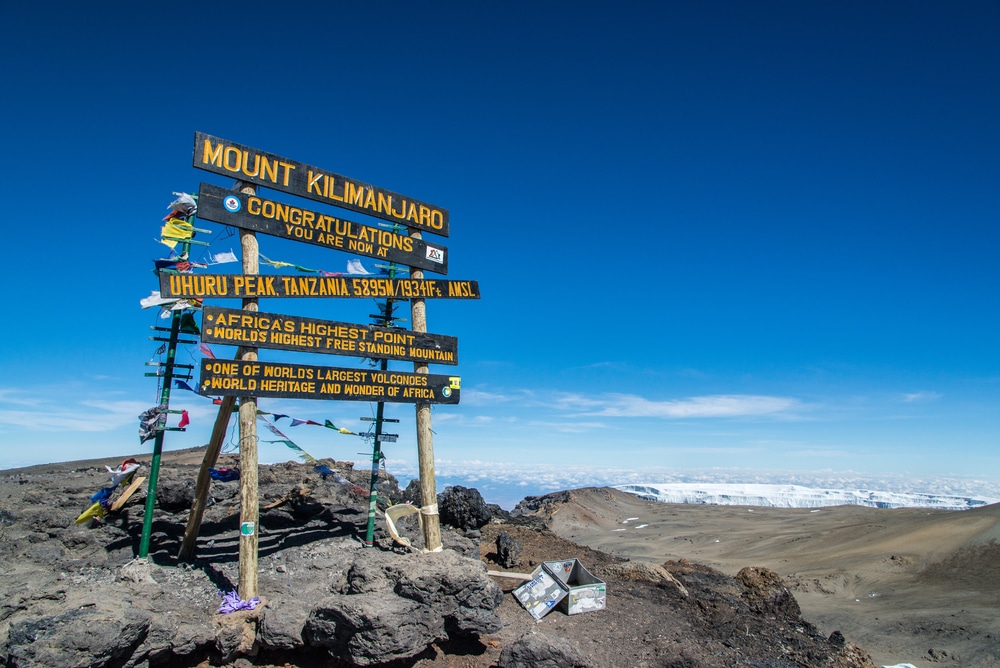
A 6 days Lemosho Route Kilimanjaro climb is a fast and physically demanding way to reach Uhuru Peak, and we recommend it mainly for very fit trekkers who already understand how their bodies respond to altitude.
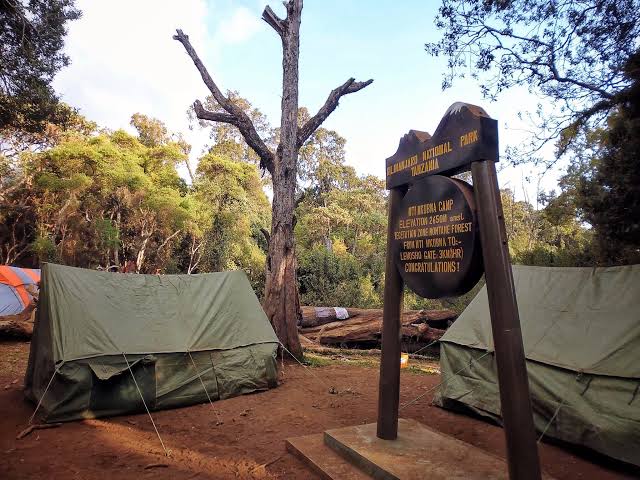
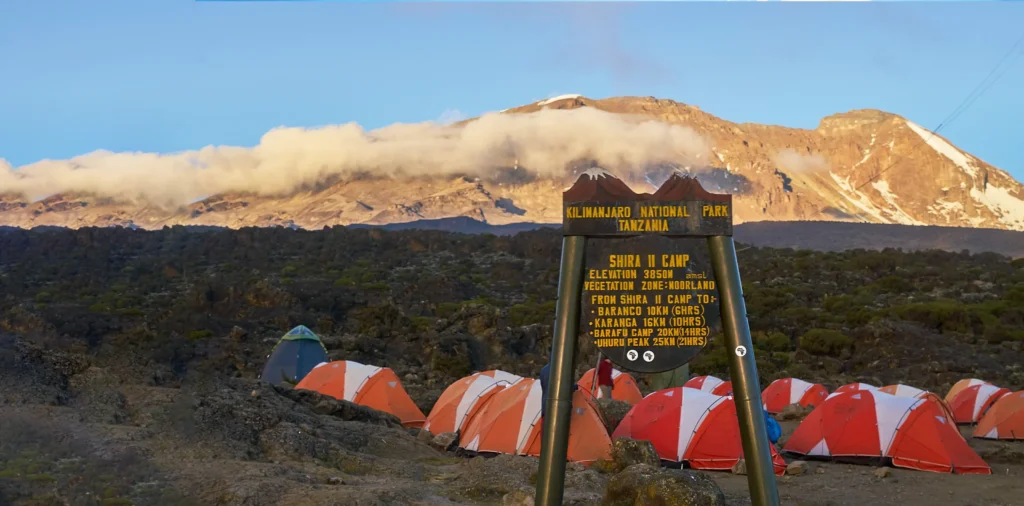
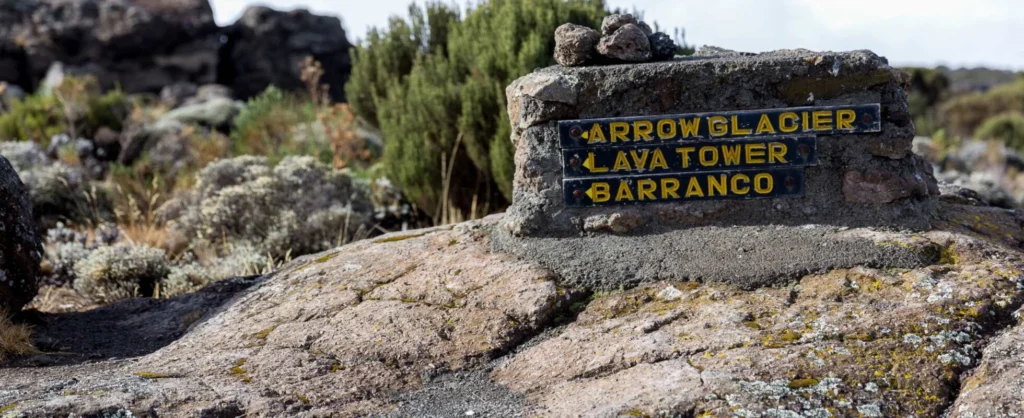
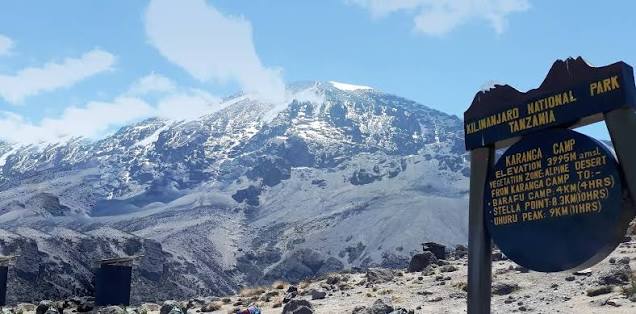
You still experience the main strengths of the Lemosho Route, including the western forest, Shira Plateau, Lava Tower, Barranco Wall and the southern slopes of Kilimanjaro. What changes is the amount of recovery and acclimatization time available between those sections.
The biggest misunderstanding is assuming that six days means the same Lemosho experience completed slightly faster. It does not. The schedule removes valuable acclimatization time, particularly by going directly from Forest Camp to Shira Camp 2 and later from Barranco Camp to Barafu Camp without sleeping at Karanga.
At Tanzania Safari Experience, we usually recommend seven or eight days on Lemosho for most climbers. We offer the six day version when the climber understands the additional difficulty and has a strong reason for choosing the shorter schedule.
Quick Safari Overview
The 6 day Lemosho Route is best viewed as an accelerated Kilimanjaro expedition rather than the standard Lemosho experience. It combines some of the mountain’s best scenery with a demanding altitude profile, making fitness, pacing, hydration and acclimatization particularly important.
Best for: Very fit trekkers with previous mountain or altitude experience
Recommended stay: 6 days on the mountain, although 7 or 8 days is safer for acclimatization
Best season: January to early March and June to October
Best wildlife experience: Kilimanjaro is primarily a mountain trek, although monkeys and other forest wildlife may occasionally be seen at lower elevations
Travel style: Private guided mountain expedition
Difficulty level: High
Photography: Excellent for forest landscapes, Shira Plateau, Lava Tower, Barranco Wall, sunrise near the summit and views above the cloud layer
Accommodation style: Mountain tents and public campsites
Main highlight: Reaching Uhuru Peak at 5,895 metres
Value for money: Good for capable climbers with limited time, but extra acclimatization days usually provide better value than simply choosing the shortest itinerary