Updated 2026

Lemosho Route Kilimanjaro Guide: Itinerary, Cost & Success Rate

Home / Lemosho

Lemosho Route Kilimanjaro Climb: Everything You Need to Know

Mount Kilimanjaro is not just a climb. It is a test of patience, pacing, and how well you respect altitude. At Tanzania Safari Experience, we recommend the Lemosho Route for most trekkers because it gives you one of the best combinations of scenery, acclimatization, and summit success on the mountain.

We have helped travelers prepare for Kilimanjaro from the first packing question to the final summit push, and if there is one thing we have learned, it is this: the route you choose can shape your entire experience. Lemosho is not the cheapest option, and it is not the shortest, but for many climbers, it is the smartest.

Why the Lemosho Route Is One of the Best Ways to Climb Kilimanjaro

Direct answer: The Lemosho Route is one of Kilimanjaro’s best trails because it offers excellent acclimatization, diverse scenery, fewer crowds at the start, and a strong summit success rate.

The Lemosho Route begins on the western side of Mount Kilimanjaro, moving through rainforest, moorland, alpine desert, and finally the arctic summit zone. It is often chosen by climbers who want a more complete mountain experience rather than simply the fastest way up.

What makes it stand out is not only beauty. It is also strategy.

Unlike shorter routes that push trekkers uphill too quickly, Lemosho allows more time for the body to adjust to altitude. That matters more than many people realize. On Kilimanjaro, fitness helps, but acclimatization often decides who reaches Uhuru Peak.

From our experience guiding travelers in Tanzania, the people who enjoy Kilimanjaro the most are not always the strongest hikers. They are often the ones who:

  • walk slowly
  • hydrate properly
  • sleep as much as possible
  • choose a route with enough acclimatization time

Lemosho gives you that advantage.

lemosho route kilimanjaro success rate

US units
Metric
Fitness & Stamina
Active (can run ~3 km / 2 miles)
Sedentary Beginner Active Very fit Elite
Climbed above 4,000 m (13,100 ft) in last 2 years?
Do you smoke regularly?
Estimated Summit Success Rate
Quick breakdown of factors:
• Route base rate: %
• Climb duration adjustment: %
• Fitness adjustment: %
• Prior high-altitude experience: %
• Smoking status: %
• Age & weight influence: %
This is an estimated probability based on reported summit success rates and physiological factors.
Real outcomes depend heavily on weather, guide quality, hydration, group support, and personal resilience.
This tool is for informational purposes only — always consult your doctor before high-altitude trekking.

Routes like Lemosho, Machame, Rongai, and the Northern Circuit have the highest summit success rates on Kilimanjaro with itineraries of 7 days or longer. We recommend choosing a 7–8 day climb as the optimal length to give your body enough time to acclimatize and to greatly reduce the risk of Acute Mountain Sickness (AMS).

Quick Overview of the Lemosho Route

Direct answer: The Lemosho Route is a scenic western approach to Kilimanjaro that usually takes 7 or 8 days and is considered one of the best routes for summit success.

FeatureLemosho Route
Starting SideWestern Kilimanjaro
Typical Duration7 or 8 days
DifficultyModerate to challenging
Summit SuccessHigh compared to shorter routes
Best ForFirst-time climbers, scenic trekkers, better acclimatization
SceneryRainforest, moorland, alpine desert, summit glaciers
Crowd LevelLower at the beginning, busier after joining Machame

One thing many articles miss is this: Lemosho feels like several mountains in one trip.

The first days are lush, green, and humid. Then the route opens into giant valleys and lava-shaped ridges. Later, it becomes harsh, dry, and wind-exposed. By summit night, it feels almost lunar.

That changing landscape is part of why climbers love it.

Climb Mount Kilimanjaro Photo Gallery

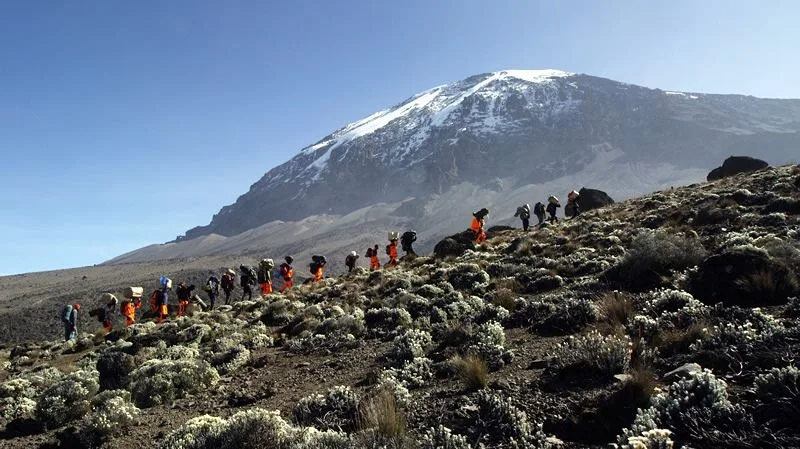
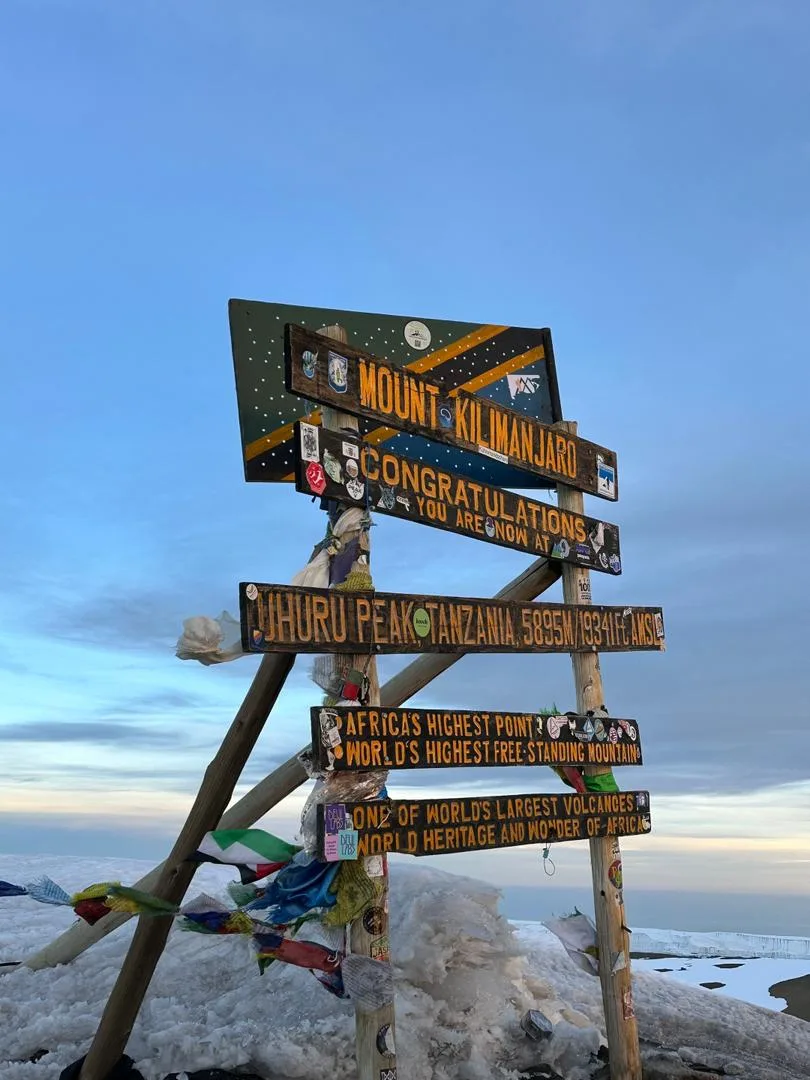
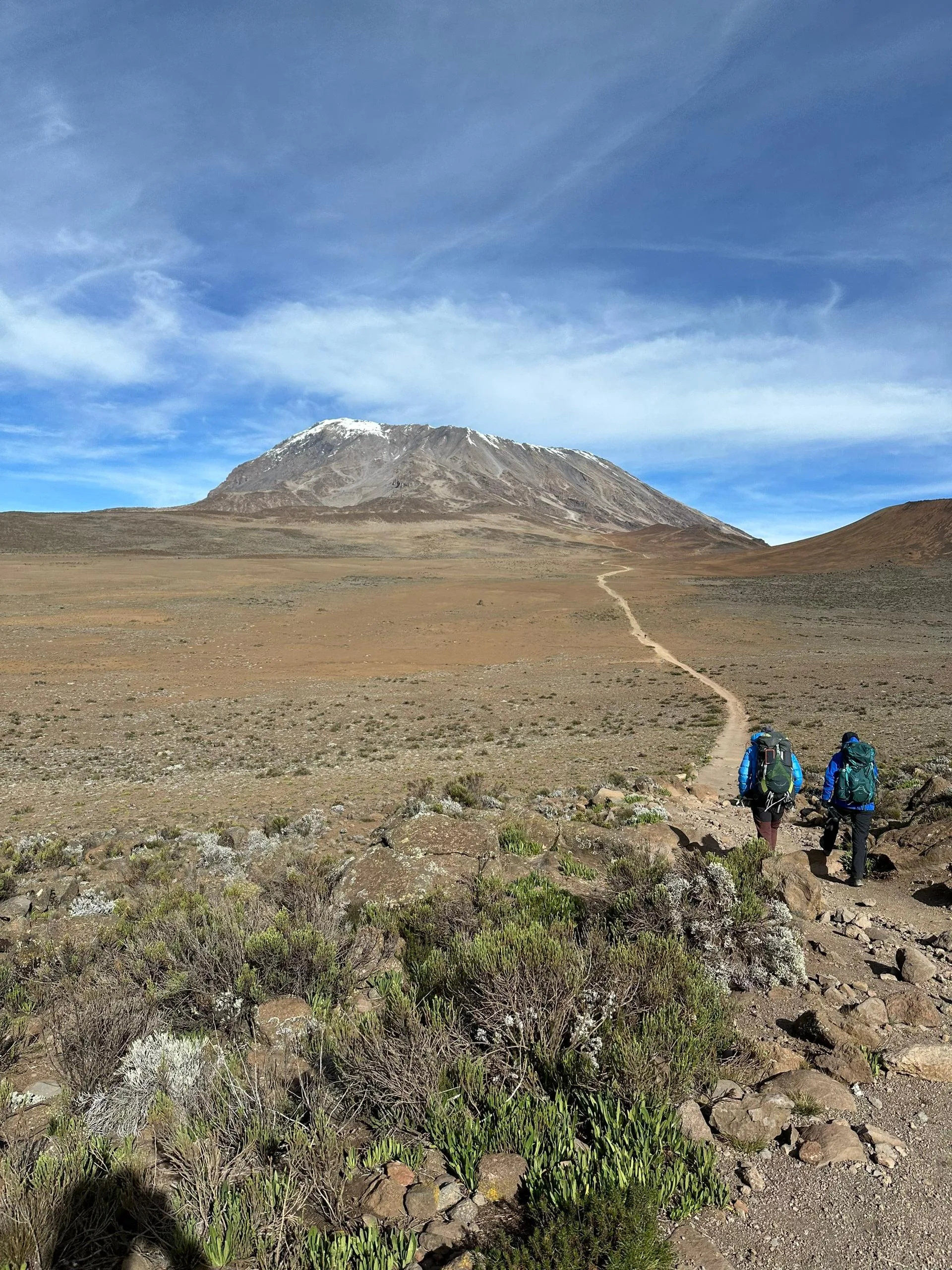
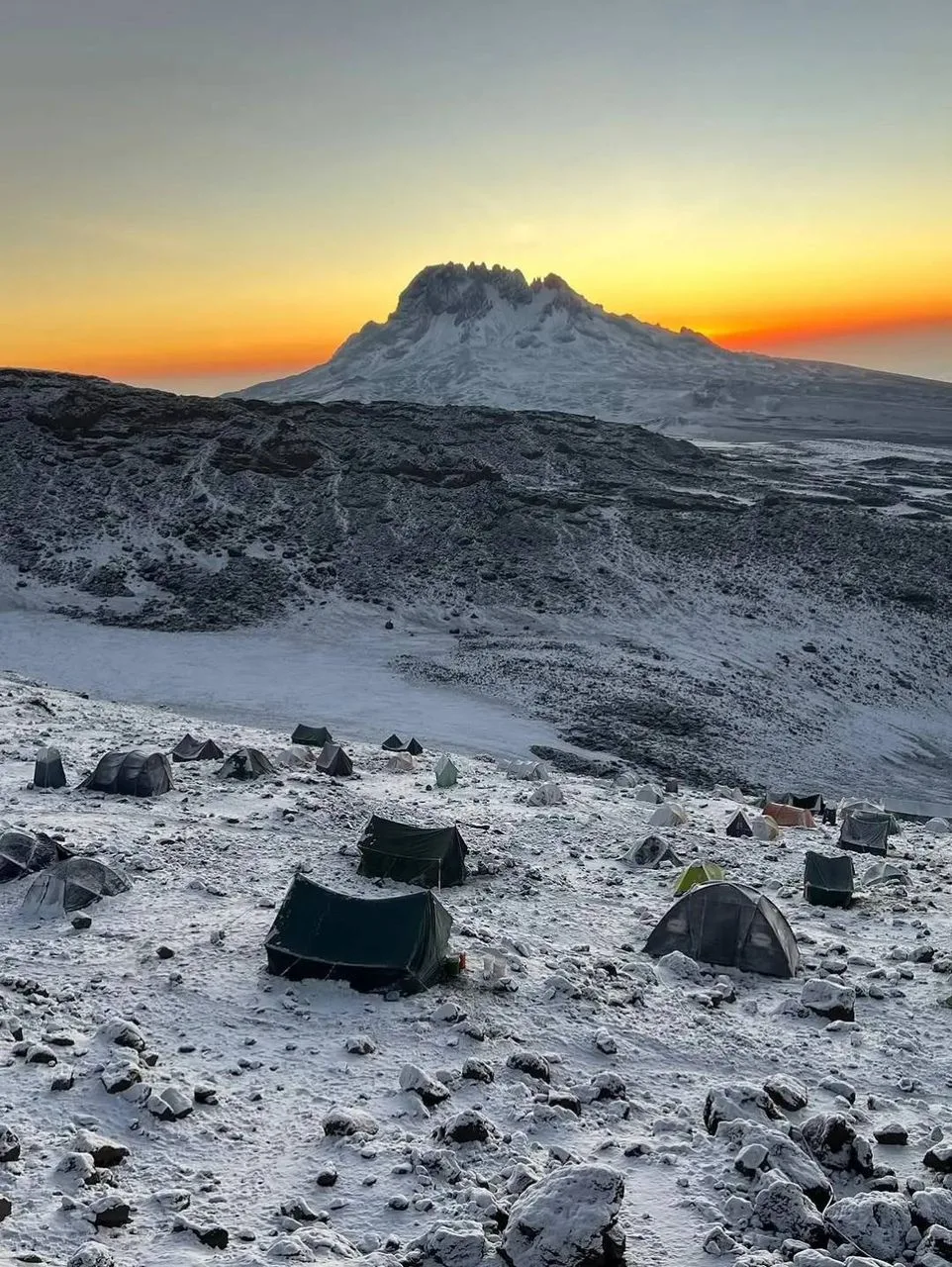
These are real photos from our clients during their Mount Kilimanjaro climbs, showcasing the changing landscapes, trekking routes, and unforgettable moments you can experience on your own Kilimanjaro adventure.

Climb Mount Kilimanjaro Highlights

At a glance

Tailormade itineraries

Every Tanzania Safari Experience adventure is customized just for you—no fixed tours or set dates. Speak with our Tanzania Safari experts to help you plan your perfect Tanzania Safari itinerary.

Lemosho Route Itinerary: Day-by-Day Breakdown

Direct answer: The standard Lemosho Route itinerary takes 7 or 8 days, starting from Londorossi Gate and gradually ascending to Uhuru Peak before descending via Mweka Route.

The 8-day itinerary is the version we most often recommend because it gives your body a better chance to adapt.

Day 1: Londorossi Gate to Mti Mkubwa Camp

Direct answer: Day 1 is a relatively easy forest hike from Londorossi Gate to Mti Mkubwa Camp, allowing climbers to settle into the pace of the mountain.

Your Kilimanjaro adventure begins with registration formalities and a drive to the trailhead. The first walk is through dense montane forest, where the air is humid and the path is shaded by tall trees.

This is not a dramatic summit day. It is an adjustment day.

You may already notice one of Kilimanjaro’s hidden challenges: everyone wants to walk too fast on the first day. That is a mistake.

At Tanzania Safari Experience, we always remind climbers:

“If your walking pace feels embarrassingly slow, you are probably doing it right.”

Pro tip from our team: The forest section can be muddy even in relatively dry months. Gaiters are often more useful here than people expect.


Day 2: Mti Mkubwa Camp to Shira 1 Camp

Direct answer: Day 2 climbs out of the forest into moorland, where trekkers begin to feel the mountain open up dramatically.

This is where Lemosho starts showing its personality.

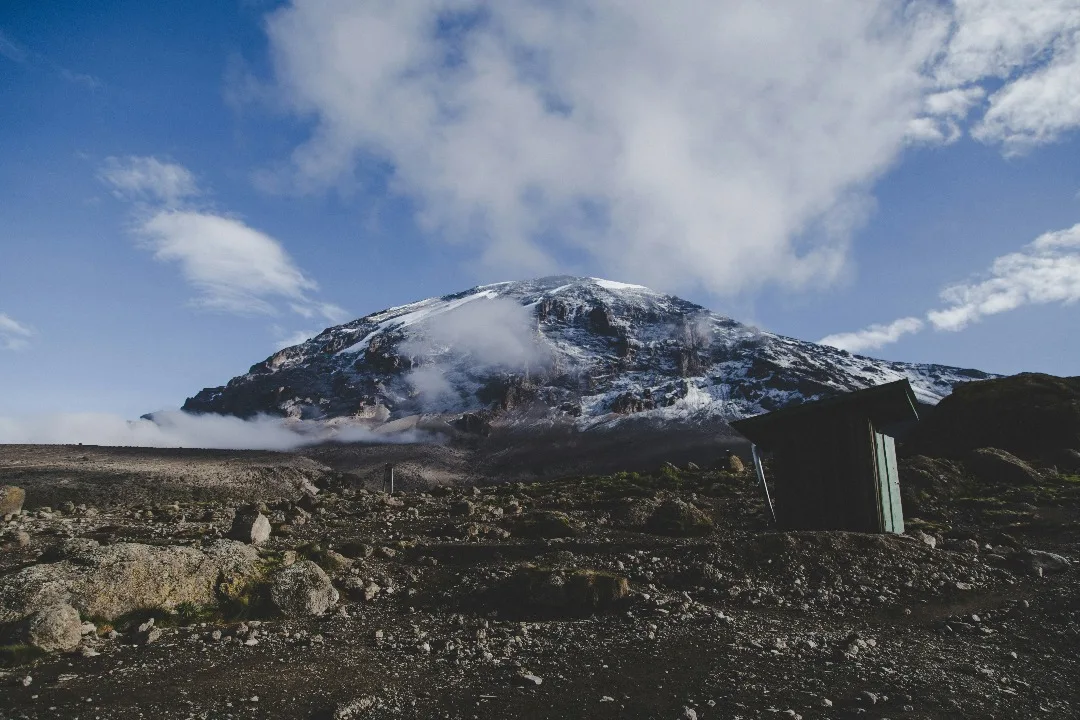
You leave the trees behind and enter open landscapes with giant heather, volcanic rock, and wider mountain views. The sense of space changes quickly. For many climbers, this is the first moment Kilimanjaro begins to feel truly big.

The altitude also starts becoming real.

Even if you still feel strong, this is when your guide will start paying close attention to:

  • headache symptoms
  • hydration levels
  • appetite
  • walking rhythm

A lot of people assume altitude sickness only affects “unfit” climbers. That is false. We have seen very athletic people struggle and steady, average walkers summit comfortably.


Day 3: Shira 1 Camp to Shira 2 Camp

Direct answer: Day 3 is a shorter acclimatization-focused day across the Shira Plateau, helping climbers gain altitude more gradually.

This is one of the most underrated days on the route.

The Shira Plateau is wide, beautiful, and exposed, with long views and a sense of silence that many trekkers remember for years. It is not the most dramatic day in photos, but it is one of the most important for your body.

The pace remains slow, and that is intentional.

Local guide insight: Wind exposure on the plateau can feel colder than the temperature suggests. Many climbers overdress in the morning and then sweat too much. Layering properly matters more than wearing “heavy” gear.


Day 4: Shira 2 Camp to Lava Tower to Barranco Camp

Direct answer: Day 4 is a key acclimatization day, climbing high to Lava Tower before descending to Barranco Camp to help the body adapt to altitude.

This is one of the most important days on the entire climb.

You hike up toward Lava Tower, reaching a much higher altitude than your sleeping camp. Then you descend to Barranco Camp. This “climb high, sleep low” pattern is exactly what helps many trekkers acclimatize better.

It is also the day when altitude starts separating expectations from reality.

You may feel:

  • slower than expected
  • less hungry
  • more tired than usual
  • slightly headachy

That does not automatically mean something is wrong. It often means your body is working.

What many climbers do not know: Appetite loss is very common at altitude, but it becomes dangerous if it leads to under-fueling. Even when you do not feel like eating, you still need calories.

Our team usually encourages:

  • soup first
  • small portions often
  • hot tea between meals

That simple strategy helps more than forcing large meals.


Day 5: Barranco Camp to Karanga Camp

Direct answer: Day 5 includes the famous Barranco Wall and a shorter trekking day to Karanga Camp, which helps conserve energy for summit night.

This is one of the most memorable sections of the Lemosho Route.

You start by climbing the Barranco Wall, which looks intimidating in photos but is usually much more manageable than people expect. It is more of a scramble than a technical climb.

Still, this section reveals a useful truth:
fear before the obstacle is often worse than the obstacle itself.

Once above the wall, the trail continues through dramatic alpine terrain toward Karanga.

Pro tip from our guides: Keep your gloves accessible, not buried deep in your duffel. Morning rock scrambling on Barranco can feel cold on the hands, especially in windy conditions.


Day 6: Karanga Camp to Barafu Camp

Direct answer: Day 6 is a shorter but serious climb to Barafu Camp, where trekkers rest and prepare for the summit attempt.

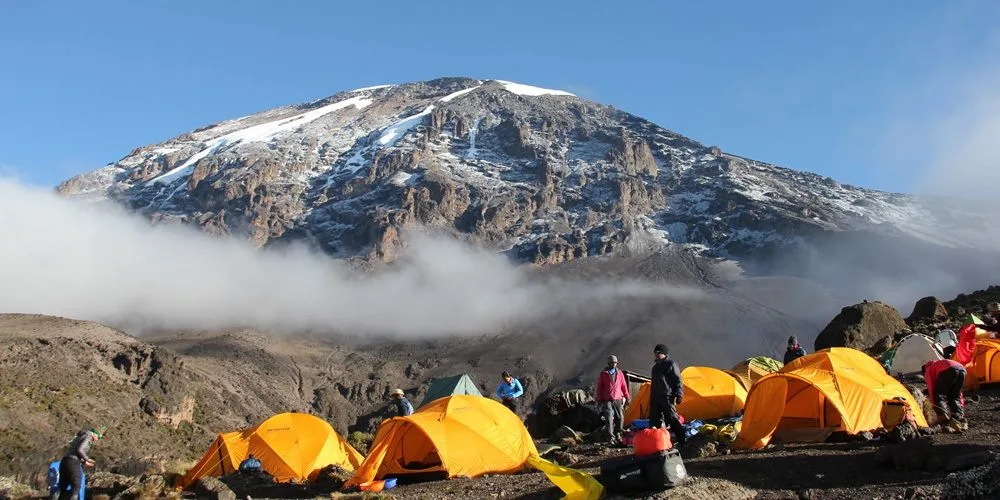
Barafu is not a place most people enjoy. It is exposed, rocky, cold, and mentally tense because everyone knows summit night is coming.

This is where Kilimanjaro becomes psychological.

You are usually asked to:

  • arrive
  • eat
  • organize summit gear
  • rest
  • try to sleep early

That last part is harder than it sounds.

Very few climbers sleep well at Barafu. That is normal.

What matters most here is preparation. Before you lie down, your summit gear should already be ready:

  • headlamp
  • spare batteries
  • warm layers
  • gloves
  • snacks
  • water
  • insulated outerwear

If you leave this disorganized, summit night becomes much harder than it needs to be.


Day 7: Barafu Camp to Uhuru Peak to Mweka Camp

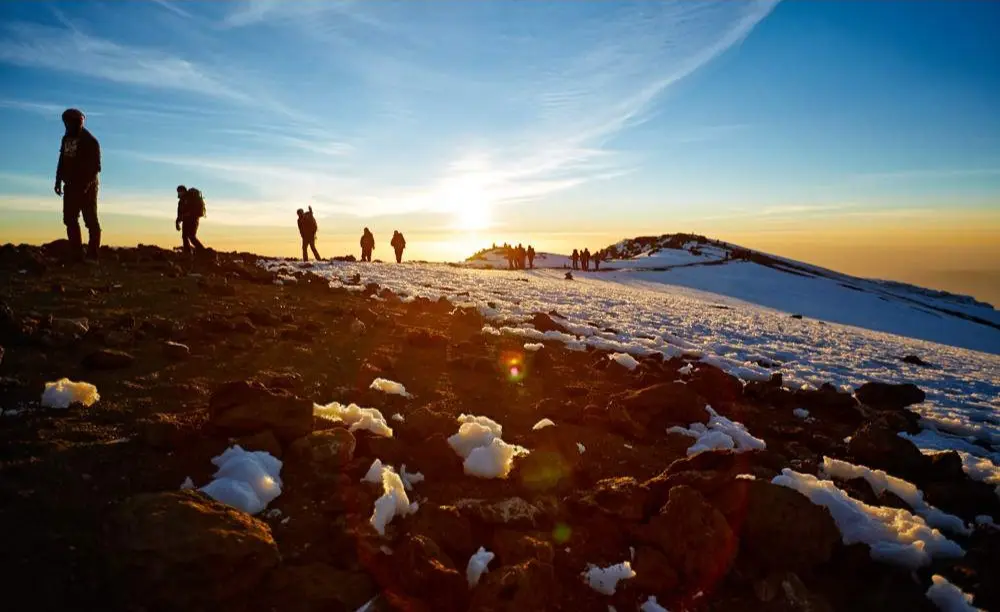
Direct answer: Summit day starts around midnight, reaches Uhuru Peak at sunrise or early morning, then descends all the way to Mweka Camp.

This is the hardest day of the climb.

It is cold. It is dark. It is slow. And for many people, it is emotionally far more difficult than expected.

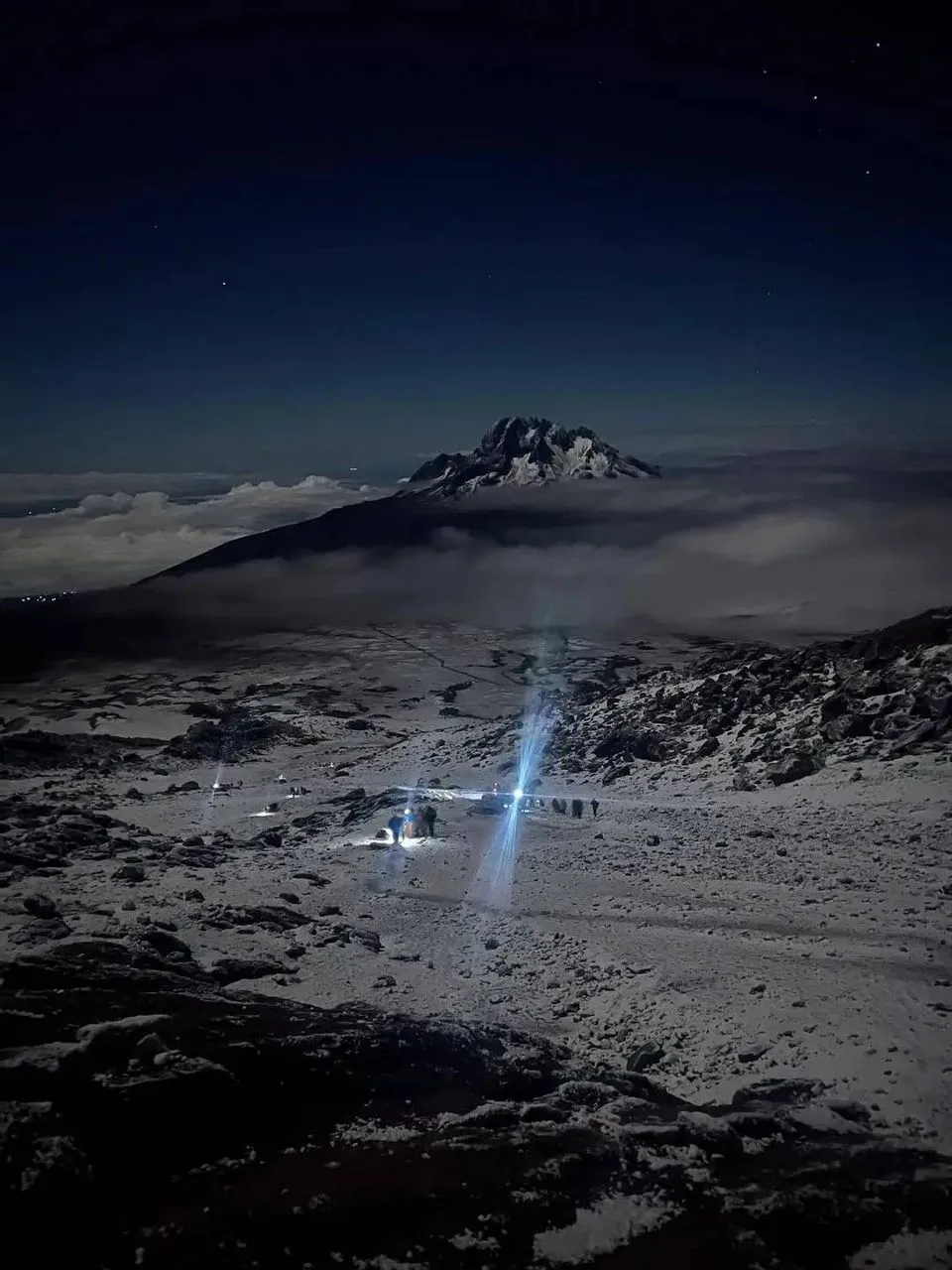
The summit push usually begins just after midnight. The trail rises in long switchbacks over scree and frozen ground. Progress can feel painfully slow.

That is exactly why Lemosho’s better acclimatization matters.

Many climbers imagine the summit as a heroic sprint. In reality, it is usually a quiet, stubborn grind.

And then, eventually, the signs appear:

  • Stella Point
  • crater rim
  • sunrise light
  • and finally, Uhuru Peak (5,895 m / 19,341 ft)

That moment is different for everyone. Some people cry. Some laugh. Some just stare because they are too tired to react.

From our experience, the most emotional part is not always reaching the summit. Often, it is realizing:

“I can actually do this.”

After photos and a short summit stop, you descend back to Barafu, rest briefly, then continue down to Mweka Camp.

It is a very long day.


Day 8: Mweka Camp to Mweka Gate

Direct answer: The final day descends through rainforest to Mweka Gate, where climbers receive certificates and complete the trek.

The last day is mostly downhill through forest.

Your knees may be more tired than your lungs by this point. Trekking poles help a lot here, especially after summit night.

At the gate, you sign out, collect your summit certificate, and finally let the climb sink in.

And yes, the first shower afterward usually feels legendary.

TALK TO AN EXPERT

Do you have any question or want a custom itinerary?

7-Day vs 8-Day Lemosho Route: Which One Is Better?

Direct answer: The 8-day Lemosho Route is better for most climbers because it offers stronger acclimatization and a higher chance of reaching the summit safely.

OptionBest ForMain AdvantageMain Drawback
7-Day LemoshoExperienced trekkers with limited timeSaves one dayLower acclimatization margin
8-Day LemoshoMost climbersBetter summit odds and more comfortSlightly higher cost

If your schedule allows it, we strongly recommend the 8-day version.

Some travelers assume that if they are fit, they can safely choose the shorter version. That assumption is shaky. Altitude does not care much about your gym routine.

If your goal is simply “get to the top as fast as possible,” the shorter itinerary may seem attractive. But if your real goal is to actually summit and enjoy the experience, the extra day is usually worth it.

Lemosho Route Cost: How Much Does It Really Cost?

Direct answer: Most Lemosho Route climbs cost between roughly $2,100 and $3,800+ per person, depending on group size, operator quality, inclusions, and climb duration.

This is where many online guides become misleading. They often show a price without explaining what that price actually includes.

A proper Kilimanjaro climb price usually covers:

  • park and rescue fees
  • licensed mountain guides
  • porters and cook
  • mountain tents
  • meals on the mountain
  • transfers to and from the climb
  • camping or hut logistics depending on route

What changes the cost most is not just “luxury” versus “budget.” It is also:

  • number of climbing days
  • group size
  • equipment quality
  • guide-to-client ratio
  • porter treatment standards
  • safety systems

Typical Lemosho Route Cost Range

Climb StyleApproximate Cost Per Person
Budget Group Climb$2,100 – $2,600
Mid-Range Climb$2,600 – $3,300
Premium Private Climb$3,300 – $4,500+

What is often not included:

  • tips for mountain crew
  • flights
  • visa
  • travel insurance
  • personal gear rental
  • hotel nights before/after if not bundled

Important reality check: If a Kilimanjaro climb price looks dramatically cheaper than the market, ask hard questions. Someone is usually absorbing that cost, and too often, it is the mountain crew.

At Tanzania Safari Experience, we believe climbers should ask not only:

“How much does the climb cost?”

But also:

“How are the guides and porters being treated?”

That is not just ethics. It affects your climb quality too.

Lemosho Route Success Rate: What Are Your Real Chances?

Direct answer: The Lemosho Route has one of Kilimanjaro’s better summit success rates, especially on the 8-day itinerary, because it gives climbers more time to acclimatize.

The exact success rate varies by operator, guide quality, itinerary length, and climber preparation. Any guide claiming one universal number without context is oversimplifying.

That said, Lemosho consistently performs better than shorter, more aggressive routes.

General Summit Success Expectations

Route VersionTypical Success Outlook
7-Day LemoshoGood to very good
8-Day LemoshoVery strong for properly prepared climbers

What most affects summit success:

  1. Acclimatization time
  2. Pacing
  3. Hydration
  4. Guide quality
  5. Sleep and nutrition
  6. Mental resilience on summit night

One mistake many climbers make is treating Kilimanjaro like a pure endurance challenge. It is not. It is closer to a controlled altitude campaign.

A skeptical way to look at it:

  • If you fail, it is not always because you were unfit
  • If you succeed, it is not always because you were “stronger”
  • Often, it comes down to how intelligently the climb was managed

That is why route choice matters.


How Difficult Is the Lemosho Route?

Direct answer: The Lemosho Route is physically demanding but non-technical, meaning most healthy trekkers can do it with proper preparation, pacing, and acclimatization.

You do not need ropes, crampons, or climbing experience.

But you do need:

  • endurance
  • patience
  • cold-weather tolerance
  • mental discipline

The hardest parts are usually:

  • altitude
  • summit night fatigue
  • recovery from poor sleep
  • maintaining appetite and hydration

Lemosho Difficulty Snapshot

FactorDifficulty Level
Technical ClimbingLow
Altitude ChallengeHigh
Daily Hiking EffortModerate to High
Summit NightVery High
Overall ExperienceDemanding but achievable

The route is often described as “easier” than some alternatives. That is only partly true. It is more forgiving, not easy.

That distinction matters.


Best Time to Climb the Lemosho Route

Direct answer: The best time to climb the Lemosho Route is during Kilimanjaro’s drier seasons, especially January to March and June to October.

The mountain can be climbed year-round, but weather changes the experience significantly.

Best Seasons

SeasonWhat to Expect
January to MarchCooler, quieter, often clearer summit conditions
June to OctoberPopular, drier, excellent trekking season
April to MayWet season, muddier trails, lower visibility
NovemberShort rains, mixed conditions

Our honest local view:

If you want the most balanced climbing experience, we often like:

  • late January to early March
  • late June to early October

Each has a different feel.

January–March can feel a little greener and quieter.
June–October tends to be more classically “trekking season.”

Local planning tip: The mountain weather changes fast, but the western side on Lemosho can feel especially damp in the forest after rain. Waterproof footwear matters more here than some packing lists admit.


What to Pack for the Lemosho Route

Direct answer: Packing correctly for Lemosho means layering for heat, cold, rain, and wind, while keeping summit night gear especially well organized.

A bad packing setup can make a good climb miserable.

Kilimanjaro Packing Essentials

  • waterproof hiking boots
  • thermal base layers
  • insulated jacket
  • waterproof shell jacket and pants
  • trekking poles
  • headlamp with spare batteries
  • warm gloves and liner gloves
  • sun hat and beanie
  • hydration system and water bottles
  • lip balm and sunscreen
  • blister care
  • energy snacks

What people forget most often:

  • spare gloves
  • enough socks
  • lip protection
  • dry bag liners
  • comfortable camp shoes

Guide insight: One of the smartest things you can pack is a separate summit-night pouch with your critical gear. When you are half-awake at midnight in the cold, organization becomes survival-level useful.


Lemosho Route vs Other Kilimanjaro Routes

Direct answer: Lemosho is often better than shorter routes for acclimatization and scenery, though it may cost more and take longer.

Comparison Box: Lemosho vs Other Popular Routes

RouteBest ForStrengthWeakness
LemoshoMost trekkersScenery + acclimatizationHigher cost, longer
MachameStrong hikersPopular and scenicMore crowded
MaranguSimplicity seekersHut accommodationLower acclimatization profile
RongaiDrier side climbGood in some wet periodsLess dramatic scenery
Northern CircuitMaximum acclimatizationHighest success potentialLongest itinerary

If someone asks us for the best “all-rounder” route, Lemosho is often the answer.

Not because it is perfect, but because it avoids many of the compromises other routes force.


Expert Recommendation From Tanzania Safari Experience

Direct answer: We recommend the 8-day Lemosho Route for most climbers because it offers one of the best balances of scenery, altitude adaptation, and summit potential.

As your safari and Kilimanjaro experts at Tanzania Safari Experience, our honest recommendation is simple:

Choose Lemosho if you want to give yourself a realistic, well-supported chance of enjoying the mountain and reaching the summit.

We especially recommend it for:

  • first-time Kilimanjaro climbers
  • couples
  • private climbers
  • photographers
  • travelers who want a less rushed ascent

We would be more cautious recommending it only if:

  • your schedule is extremely tight
  • you are prioritizing the absolute lowest possible cost over route quality

And even then, we would still challenge that choice, because the cheapest route is not always the smartest route.

Looking for Climb Lemosho Route for your dates ?

Receive a free Tanzania safari quote straight to your email within 6 hours! Customize your preferences, and we’ll craft a unique experience just for you. Prices vary based on group size and accommodation choice.

We've got you covered

Our tours are top-notch but give you great value. The price we tell you upfront covers most of the costs for one person, like flights and all transfers.

Tanzania Safari Specialist- Agness Boma

Connect with our local experts for personalized travel planning

Plan your Lemosho today

Request a Program
Response within 24 hours
No obligations

Lemosho TripAdvisor Reviews

SEE WHAT OUR GUESTS HAVE TO SAY ABOUT THEIR TANZANIA SAFARI EXPERIENCE.

*For the most recent reviews/testimonials from our guests, please visit our TripAdvisor page and Trustpilot.

Kilimanjaro Summit Stories Begin Here

Finding meaning in the slow climb, the shifting light, and the quiet lessons Kilimanjaro reveals along the way.
Kilimanjaro Helicopter Tour - Day Trips in Tanzania

The snow-capped crown of Africa is often reserved for those willing to endure days of thin air and frozen trails, but the …

Kilimanjaro Machame Route Climb - Kilimanjaro Experience

Mount Kilimanjaro’s Machame Route isn’t just a path to the roof of Africa; it’s a masterclass in shifting ecosystems, grit, and the …

Calculate Your Kilimanjaro Summit Success Rate

The Truth About the Summit: How to Honestly Calculate Your Kilimanjaro Success Rate Reaching the roof of Africa isn’t just about physical …

Kilimanjaro Packages From South Africa

Kilimanjaro Packages From South Africa: The Ultimate Climber’s Guide Standing on the “Roof of Africa” is a dream for many South Africans, …

Everything You Need to Know Before You Climb Mount Kilimanjaro

Every Kilimanjaro adventure begins with a question. Whether it’s your first time or a return climb, it’s natural to wonder about the best time to climb Mount Kilimanjaro, what to pack, how difficult the trek is, and how the journey works. Here, we’ve answered the most common questions climbers ask before booking their climb Mount Kilimanjaro experience, so you can plan with confidence and focus on reaching the Roof of Africa.

Climbing Mount Kilimanjaro usually takes between 6 and 9 days, depending on the route you choose. Longer routes allow better acclimatization, which greatly improves summit success and overall comfort. At Tanzania Safari Experience, we generally recommend 7 or 8 days on the mountain for the best balance between safety and success.

Many people wonder how hard it is to climb Mount Kilimanjaro, and the main challenge is altitude rather than technical difficulty. You do not need climbing experience, but you should be prepared for long walking days, cold temperatures near the summit, and thin air. With proper preparation, pacing, and experienced guides, most determined climbers can reach the summit.

Yes, beginners can absolutely climb Mount Kilimanjaro. In fact, many successful climbers are first-time trekkers. The key is choosing the right route, allowing enough days for acclimatization, and climbing with professional guides who monitor your health and pace throughout the journey.

The best time to climb Mount Kilimanjaro is during the dry seasons, from January to March and from June to October. These months offer more stable weather, clearer views, and safer trail conditions. While the mountain can be climbed year-round, dry-season climbs are generally more comfortable and have higher success rates.

The cost to climb Mount Kilimanjaro typically ranges from USD 1,800 to 3,500 per person, depending on the route, number of days, and level of service. Prices include park fees, guides, porters, meals, and safety equipment. Cheaper options often reduce acclimatization days or safety standards, which can affect your chances of reaching the summit.

You cannot climb Mount Kilimanjaro completely solo, as park regulations require all climbers to be accompanied by a registered guide. However, you can choose a private climb with your own guide and support team, allowing for a personalized pace and a more flexible experience.

Yes, Tanzania is considered one of the safest safari destinations in Africa. National parks are well-managed, and guides are highly trained to ensure your safety. While in cities, it’s always best to take normal precautions, such as avoiding walking alone at night. Traveling with a trusted operator ensures a smooth and safe experience.

Climbing Mount Kilimanjaro is considered safe when done with experienced guides, proper acclimatization, and responsible planning. Professional teams monitor climbers daily for altitude symptoms and carry emergency equipment. Choosing the right operator and itinerary plays a major role in overall safety.

No technical climbing skills are required to climb Mount Kilimanjaro. It is a high-altitude trek rather than a technical mountain climb. What matters most is endurance, mental determination, and allowing your body enough time to adjust to the altitude.

You can increase your summit success by choosing a longer route, climbing during the dry season, maintaining a slow and steady pace, and using a summit success rate calculator before booking. At Tanzania Safari Experience, we design itineraries based on these factors to give climbers the best possible chance of reaching Uhuru Peak.

Absolutely. With Tanzania Safari Experience, your safari can include a personal photographer to capture your wildlife encounters, family moments, and scenic landscapes throughout your trip, ensuring you take home lasting memories.