

Ngorongoro Crater Safari – Travel Guide, Map & More!
Ngorongoro Crater Tours & Safari Packages
These are sample itineraries. All our trips are tailor-made and fully customizable*. We’ll adjust every detail to suit your wishes, interests, and travel style. *Except for group trips
12 Days Tanzania Family Safaris
- Bush to Beach Safari
Starting From
On Request
Per Person On Twin Sharing
8 Days Tanzania Classic Safari Itinerary
- Tanzania Classic Safari.
Starting From
On Request
Per Person On Twin Sharing
7 Days The Great Serengeti Migration Safari
- The Great Wildebeest Migration
Starting From
On Request
Per Person On Twin Sharing
6 Days Migration Safari In Tanzania
- The Great Wildebeest Migration
Starting From
On Request
Per Person On Twin Sharing
Ultimate 6 Days Tanzania Safaris Experiences
- Ultimate Tanzania Safari Experience
Starting From
On Request
Per Person On Twin Sharing
4 Days Serengeti Tanzania Safari From Zanzibar
- Fly In and Out From Zanzibar
Starting From
On Request
Per Person On Twin Sharing
Ngorongoro Crater Safari Guide 2026/2027
A Ngorongoro Crater safari feels like driving into a natural wildlife arena built by ancient fire and time. At Tanzania Safari Experience, we know this place not from brochures, but from real safari days, early morning descents, dusty roads, changing weather, and guests who often go silent when the crater floor opens below them.
Ngorongoro Crater is one of the easiest places in Tanzania to see a huge concentration of wildlife in one day. Lions, elephants, buffalo, zebras, wildebeest, hippos, flamingos, hyenas, and sometimes black rhinos can all be seen inside the crater.
But here is the truth many travelers miss: Ngorongoro is not just “another safari stop.” It has its own rhythm. The time you enter, where you sleep the night before, the route your guide takes, and the season you visit can completely change your experience.
What Is Ngorongoro Crater?
Ngorongoro Crater is a massive collapsed volcano in northern Tanzania, now home to one of Africa’s densest wildlife populations. It sits inside the Ngorongoro Conservation Area, between Lake Manyara and Serengeti National Park.
The crater formed millions of years ago when a giant volcano erupted and collapsed inward. Today, what remains is a huge bowl-shaped landscape about 600 meters deep, with grasslands, forests, swamps, lakes, and open plains.
For a safari guest, this means one simple thing: many different animals live in a relatively small area.
Inside the crater, you can see:
- Lions resting in open grass
- Elephants moving near the Lerai Forest
- Buffalo grazing close to water
- Hippos in pools
- Flamingos around Lake Magadi
- Hyenas patrolling the plains
- Warthogs, jackals, gazelles, zebras, and wildebeest
- Black rhinos, if luck and timing are on your side
Ngorongoro is often called a “natural zoo,” but I do not like that phrase. The animals are wild. The crater is open enough for animals to move in and out, though many stay because food, water, and shelter are available throughout the year.
Ngorongoro Crater Photo Gallery
Explore our Ngorongoro Crater Photo Gallery, showcasing stunning views, adventurous climbs, and unforgettable wildlife moments from Tanzania’s most famous park.
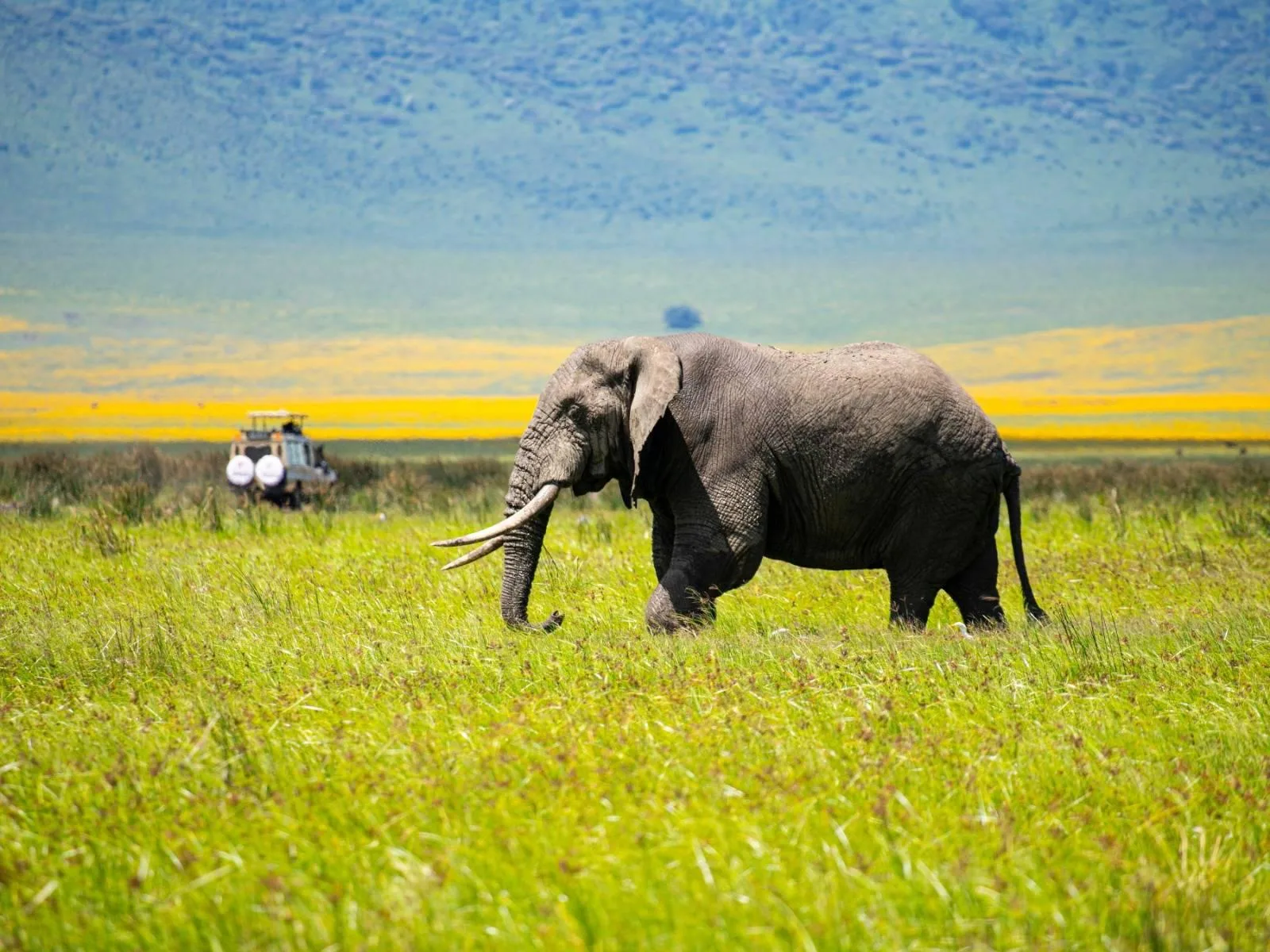
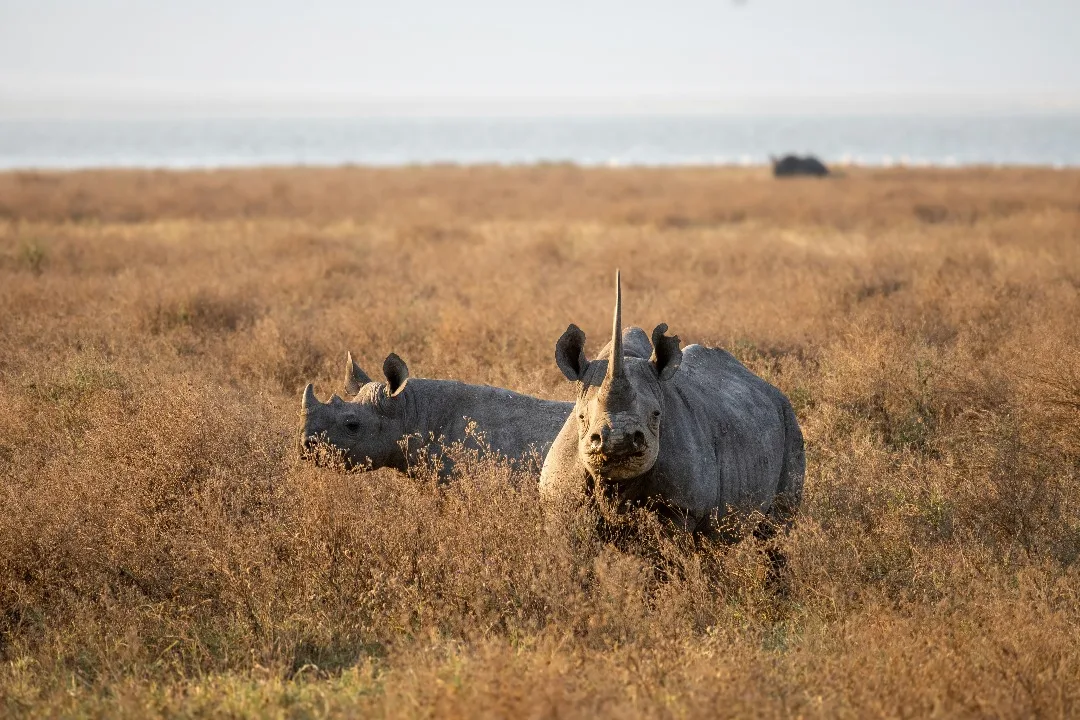
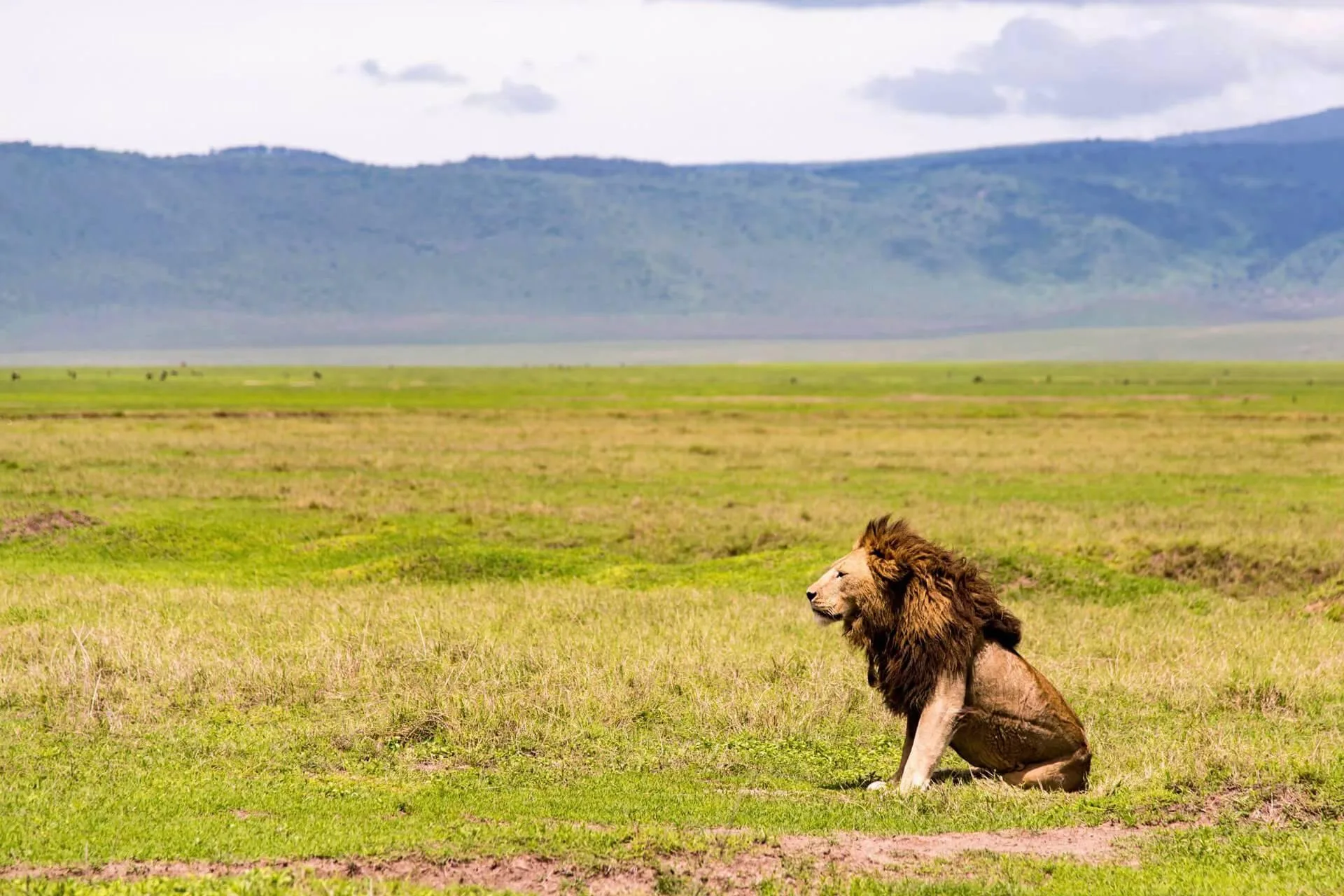
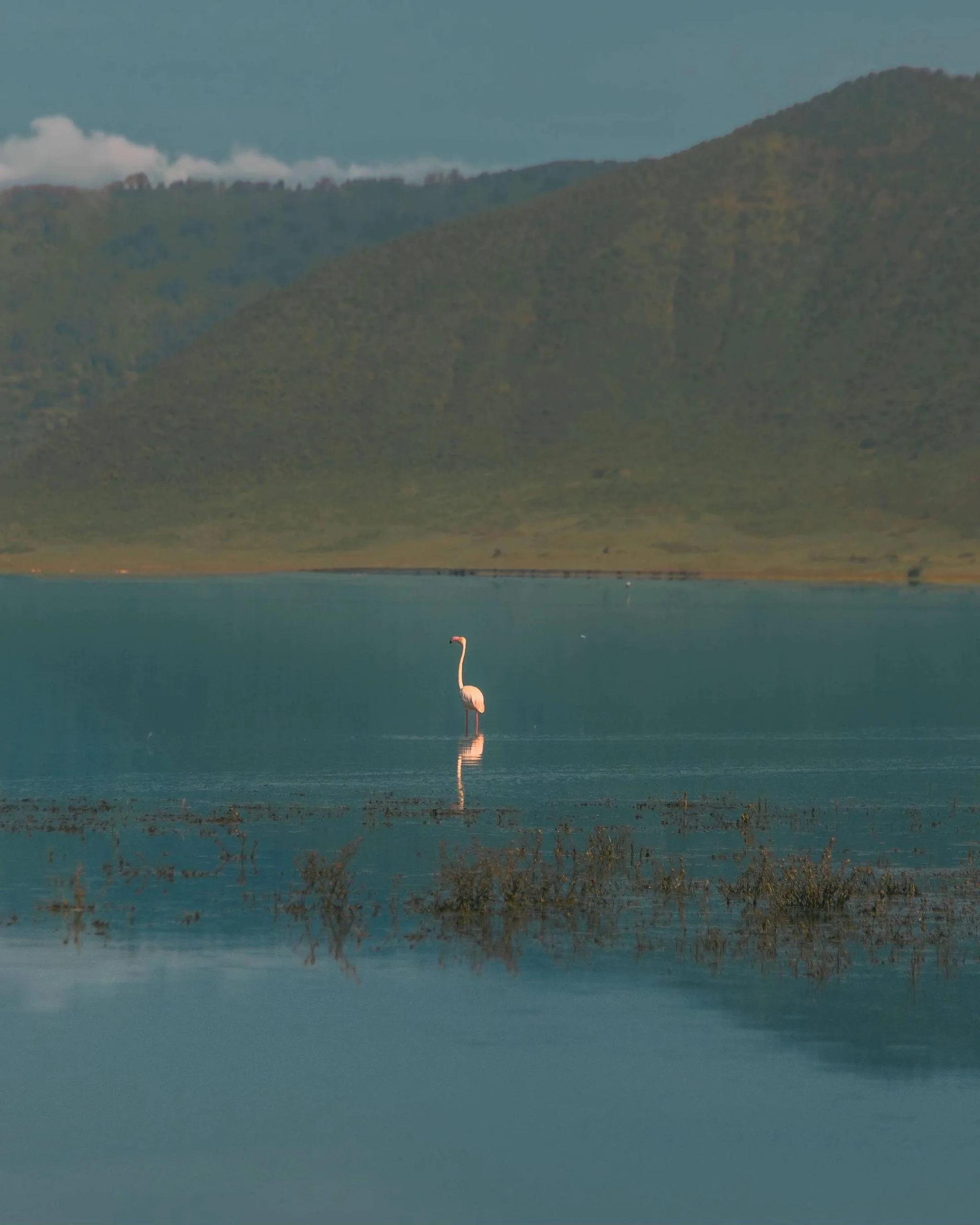
Expert recommendation
As your safari experts at Tanzania Safari Experience, we recommend visiting Ngorongoro as part of a well-planned Northern Tanzania route, not as a rushed standalone stop.
For first-time visitors, our best balanced route is usually:
Tarangire → Serengeti → Ngorongoro → Arusha or Zanzibar
This gives you three different safari feelings:
- Tarangire: elephants, baobabs, and wild landscapes
- Serengeti: endless plains, predators, and big movement
- Ngorongoro: concentrated wildlife inside a dramatic crater
For travelers with limited time, we recommend:
Tarangire + Ngorongoro
This is one of the strongest short safari combinations in Tanzania.
For honeymooners, families, and photographers, we recommend a private safari. It gives you more control, less rushing, and better comfort.
For budget travelers, shared camping can work, but be ready for fixed schedules and colder nights near Ngorongoro.
Laurent Karume
Tanzania Safari Specialist
Ngorongoro Crater Highlights
- Breathtaking crater views
- Home to the Big Five
- Rare black rhinos
- Huge flocks of flamingos and migratory birds
- Luxury crater rim lodges
- Explore one of Africa’s richest ecosystems
- Experience authentic Maasai culture nearby
- Unforgettable safari drives
At a glance
- Tanzania
- Safari Destination
Tailormade itineraries
Every Tanzania Safari Experience adventure is customized just for you—no fixed tours or set dates. Speak with our Tanzania Safari experts to help you plan your perfect Tanzania Safari itinerary.
📍 Where is the Ngorongoro Crater Located?
Ngorongoro Crater is in northern Tanzania, about 190 kilometers from Arusha by road. It is usually visited as part of a Northern Tanzania safari with Tarangire, Lake Manyara, and Serengeti.
Most safaris to Ngorongoro begin from Arusha. From Arusha, the drive usually takes around 3.5 to 4 hours depending on traffic, road conditions, and stops along the way.
Simple Location Guide
| Route | Drive Time | Best For |
|---|---|---|
| Arusha → Ngorongoro | 3.5–4 hrs | Short safaris |
| Tarangire → Ngorongoro | 2.5–3.5 hrs | 3–5 day trips |
| Mto wa Mbu → Ngorongoro | 1–1.5 hrs | Easy access |
| Serengeti → Ngorongoro | 3–5 hrs | Classic route |
| Karatu → Crater Gate | 30–45 mins | Early descent |
Simple Map-Style Route
Arusha → Mto wa Mbu → Karatu → Ngorongoro Gate → Crater Rim → Crater Floor
If you continue toward Serengeti:
Ngorongoro → Olduvai Gorge area → Naabi Hill Gate → Serengeti National Park
For many of our guests, we build Ngorongoro into the middle or end of the safari. A smart route can reduce unnecessary backtracking and give you more time watching wildlife instead of sitting in the car.
Strong Local Advice
If you only have two days, do Tarangire and Ngorongoro. That combination gives you elephants, baobabs, big landscapes, crater wildlife, and a strong safari feeling without wasting too much time on the road.
If you have five days or more, add Serengeti. Ngorongoro is powerful, but Serengeti gives you the true feeling of space and wilderness.
Ngorongoro Crater Safari Costs in 2026
Ngorongoro safari cost depends on accommodation, transport, group size, park fees, season, and whether the trip is private or shared. Private safaris cost more but give better flexibility and comfort.
Ngorongoro is not the cheapest safari destination in Tanzania because conservation fees, vehicle access, guiding, fuel, accommodation, and logistics all matter.
Simple Cost Factors
| Cost Factor | Why It Changes the Price |
|---|---|
| Accommodation level | Budget camp, mid-range lodge, luxury lodge |
| Private or shared safari | Private gives full flexibility |
| Number of travelers | More people can reduce per-person cost |
| Season | High season usually costs more |
| Route design | Serengeti add-ons increase distance and cost |
| Crater access | Ngorongoro has special conservation and vehicle-related fees |
Budget vs Mid-Range vs Luxury
| Style | What It Feels Like | Best For |
|---|---|---|
| Budget camping | Simple, adventurous, basic facilities | Travelers focused on wildlife over comfort |
| Mid-range lodge | Comfortable rooms, good meals, strong value | Couples, friends, families |
| Luxury lodge | Premium rooms, views, service, privacy | Honeymoons, special trips |
Our Position
At Tanzania Safari Experience, we do not like throwing random prices without understanding the route. A weak itinerary can look cheap but waste your time. A strong itinerary uses your budget wisely and protects the actual safari experience.
The goal is not just to “visit Ngorongoro.” The goal is to enter at the right time, use the right route, and connect it properly with the rest of your safari.
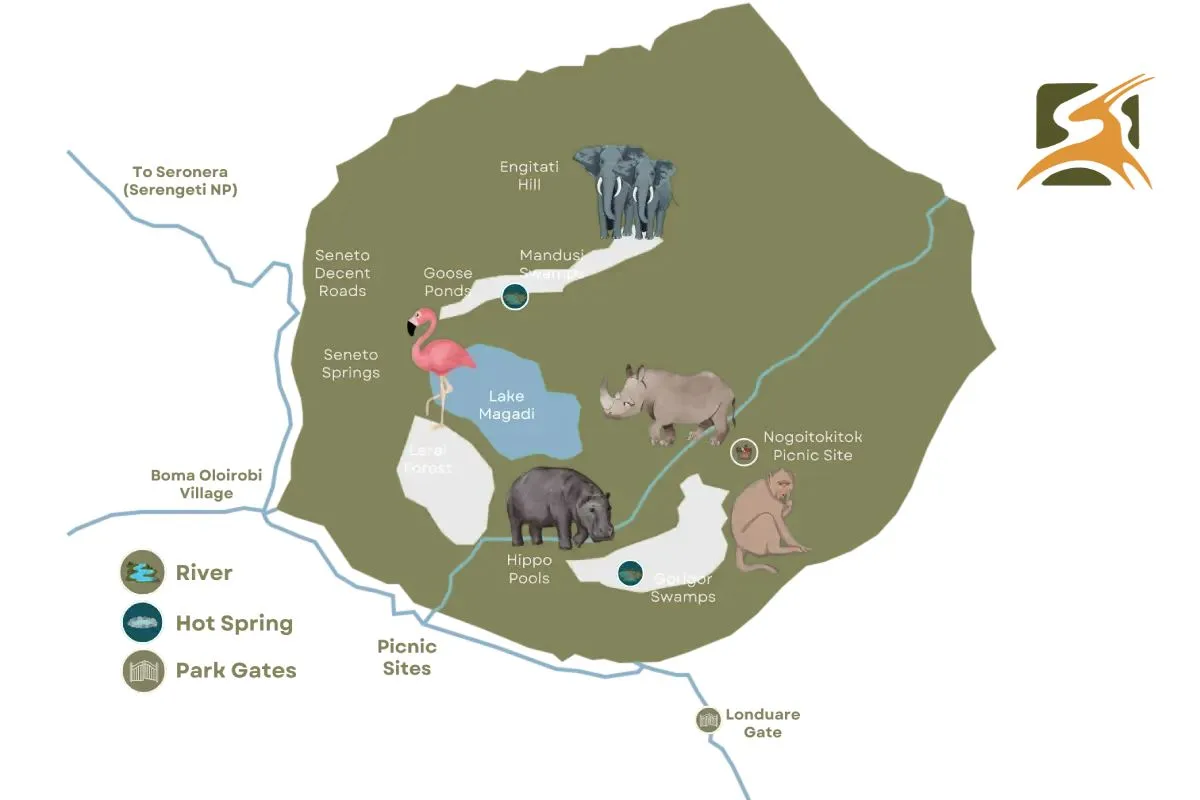
Ngorongoro Crater Size and Altitude
One of the most fascinating aspects of this destination is its sheer scale. Many visitors wonder: How big is the Ngorongoro Crater? The answer is impressive. The Ngorongoro Crater size is about 260 square kilometers (100 square miles), making it the largest intact caldera in the world. It has a diameter of around 19 kilometers (12 miles), which means game drives inside feel like exploring a natural wildlife park enclosed by massive walls.
At an altitude of 2,200 meters (7,200 feet) above sea level, the crater is also unique in terms of climate. Its high elevation brings cooler weather compared to the Serengeti plains. Mornings and evenings can be chilly, so packing a light jacket is recommended. This elevation also creates fertile soils, green landscapes, and a year-round water supply that supports thousands of animals.
Private Safari or Group Safari for Ngorongoro?
A private Ngorongoro safari gives better timing, comfort, and route control. A group safari is more affordable, but it follows fixed schedules and offers less flexibility for pacing, stops, and accommodation.
Both can work. The right choice depends on your budget and travel style.
Comparison Box
| Safari Type | Best Advantage | Main Limitation |
|---|---|---|
| Private safari | Flexible timing, private vehicle, custom route | Higher cost |
| Group safari | Lower cost, social experience | Fixed route and schedule |
| Lodge safari | Comfort and better rest | More expensive than camping |
| Camping safari | Affordable and adventurous | Less comfort, colder nights |
When Private Makes More Sense
Choose private if:
- You are on honeymoon
- You travel with children
- You want photography time
- You dislike rushing
- You want better lodge choices
- You are combining Ngorongoro with Serengeti
- You want airport or Zanzibar connections handled smoothly
When Group Makes More Sense
Choose group if:
- Your budget is tight
- You are flexible with timing
- You do not mind sharing the vehicle
- You are okay with fixed routes
- You care more about wildlife than comfort
Our team can arrange both styles, but I will be direct: if Ngorongoro is part of a once-in-a-lifetime trip, private usually gives a better experience.
Our guide knew exactly where the leopards were hiding. It was the trip of a lifetime.
The Difference
Why Travel With Us?
We don’t just book trips; we craft memories. Our team on the ground ensures every detail is perfect, from the moment you land until you wave goodbye.
Local Expertise
Founded and run by Tanzanians who know the bush.
Sustainable Travel
We support local communities and conservation efforts.
Curated Luxury
Hand-picked lodges offering the best comfort and views.
Ngorongoro Crater Accommodation
Choosing the right Ngorongoro Crater accommodation can make your safari experience even more magical. Most lodges and camps are located on the rim of the crater, offering spectacular views and quick access to the floor below. Waking up to sunrise over the crater rim is an unforgettable experience.
For those seeking luxury, the AndBeyond Ngorongoro Crater Lodge is one of the most exclusive places to stay. Often referred to as the “Game Lodge at the Top of the World,” it offers opulent suites with panoramic views. Another high-end choice is the Sanctuary Ngorongoro Crater Camp, a luxury tented camp that combines comfort with an authentic safari atmosphere.
Travelers looking for mid-range options will find cozy lodges and tented camps that balance affordability with comfort. Many of these accommodations focus on sustainability, ensuring your stay contributes to conservation efforts. No matter your budget, staying at the crater rim guarantees spectacular scenery and easy access to game drives.
When is the best time to visit Ngorongoro Crater?
Ngorongoro Crater can be visited year-round, but the experience changes by season. June to October offers the easiest wildlife viewing because the weather is dry and animals are easier to spot. November to May brings greener scenery, fewer visitors, excellent birdlife, and dramatic crater views.
Dry season
Shoulder season
Rainy season
Looking for Ngorongoro Crater Safari for your dates ?
Receive a free Tanzania safari quote straight to your email within 6 hours! Customize your preferences, and we’ll craft a unique experience just for you. Prices vary based on group size and accommodation choice.
We've got you covered
Our tours are top-notch but give you great value. The price we tell you upfront covers most of the costs for one person, like flights and all transfers.
- Park fees
- All activities (unless labeled as optional)
- All accommodation as stated in the itinerary
- A professional driver/guide
- All transportation (unless labeled as optional)
- All Taxes/VAT
- Roundtrip airport transfer
- All Meals (as specified in the day-by-day section)
- Air Ambulance Service by AMREF Flying Doctors;
- At Least 1 Pair Of Binoculars;
- International flights (from/to home)
- Additional accommodation before and at the end of the tour
- Tips to your safari guide ($30-50 per day per car).
- Personal items (souvenirs, travel insurance, visa fees, etc.)
- Government imposed increase of taxes and/or park fees
- Alcohol drinks
- Visas and visa fees where relevant
- Additional activities not offered as scheduled by the accommodation
- Lunch and dinner in hotel (only before and after safari);

Connect with our local experts for personalized travel planning
Plan your Ngorongoro Crater today
Ngorongoro Crater TripAdvisor Reviews
SEE WHAT OUR GUESTS HAVE TO SAY ABOUT THEIR TANZANIA SAFARI EXPERIENCE.
*For the most recent reviews/testimonials from our guests, please visit our TripAdvisor page and Trustpilot.
EXCELLENTVerified Great Experience with Tanzania Safari Experience We had an amazing safari with Tanzania Safari Experience, and honestly the whole trip was put together really well by Laurent and his team. From our first message to the last day, they were easy to reach, quick to reply, and clear about everything. The plan made sense, the timing was smooth, and we didn’t have to stress about anything.Uncle J was a big part of what made it special. He knows the parks incredibly well and seems to notice things before anyone else. He’d position the vehicle perfectly for photos and often got us to sightings before the crowds built up. We were lucky to see [your highlights: migration / lions / cheetahs / elephants / a crossing], and every drive felt exciting and different.The vehicle was comfortable and in good shape, and everything ran on schedule. If you’re looking for a well-organized safari with a great guide, I’d definitely recommend Tanzania Safari Experience.Posted onVerified An absolutely brilliant tour / travel company What can I say. How do you explain PERFECTION. I will try. From the outset of our trip Ramadhan and Laurent were excellent. We gave them our requirements and budget and they prepared a program that was outstanding. The whole safari went like clockwork. We were met and briefed by Ramadhan on our arrival and introduced to our driver and guide extraordinar Ngoi. We visited Tarangier, Serengeti, Ngorongoro and the Ngorongoro Crater and Zanzibar. Absolutely brilliant trip, we saw the most extraordinary game. All the accommodation arranged for us was magnificent, especially the tented camps, where we were visited by a lion and elephant, scary but exhilarating.So if you are looking for an unforgettable experience look no further than Laurent and Ramadhan from Tanzania Safari Experience. They truly put clients first and foremost and deliver on their promises.Cheers from a very satisfied Chris and Terri HarveyVerified by TrustindexTrustindex verified badge is the Universal Symbol of Trust. Only the greatest companies can get the verified badge who has a review score above 4.5, based on customer reviews over the past 12 months. Read more
Everything You Need to Know About Your Safari
Every safari adventure begins with a question. Whether it’s your first or second time, it’s natural to wonder about the best time to visit, what to pack, or how the journey works. Here, we’ve answered the most common questions travelers ask before booking their Tanzania safari, so you can plan with confidence and look forward to unforgettable memories.
Ngorongoro Crater is located in northern Tanzania, inside the famous Ngorongoro Conservation Area. It lies about 180 kilometers west of Arusha, the main starting point for most safaris in Tanzania. The crater is often included as part of the northern safari circuit, along with Serengeti National Park, Tarangire National Park, and Lake Manyara National Park. Because of its location, Ngorongoro Crater is easy to combine with other destinations, making it one of the most popular stops on a Tanzania safari tour.
Ngorongoro Crater was formed over two million years ago when a massive volcano erupted and then collapsed on itself, creating the world’s largest intact volcanic caldera. The fertile volcanic soil and unique geography created a natural sanctuary that now supports an incredible variety of animals and plants. This formation makes the crater not only a wildlife haven but also a UNESCO World Heritage Site due to its geological significance and breathtaking beauty.
The crater is home to more than 25,000 large animals, making it one of the most wildlife-rich places in Africa. Visitors can expect to see lions, elephants, buffalo, leopards, and the critically endangered black rhino—making it one of the best places to spot the famous Big Five. Beyond these, the crater is also home to zebras, wildebeest, hippos, hyenas, and a variety of antelopes. The alkaline Lake Magadi at the crater’s base is often filled with pink flamingos, and birdwatchers can spot over 500 bird species.
The best time to visit Ngorongoro Crater depends on what you want to see. During the dry season (June to October), wildlife tends to gather around water sources, making animals easier to spot during game drives. The weather is also cooler and roads are easier to navigate. The wet season (November to May) transforms the crater into a lush green paradise with spectacular scenery and excellent birdwatching opportunities. This season is also less crowded, making it ideal for those who prefer a quieter safari experience.
Ngorongoro Crater is about 19 kilometers in diameter and covers an area of 260 square kilometers. Despite its size, the crater is a self-contained ecosystem that provides a permanent home for wildlife throughout the year. Its open grasslands, acacia forests, swamps, and lakes create diverse habitats where animals thrive without needing to migrate. The scale of the crater also makes it possible to experience a wide range of landscapes in a single game drive.
The rim of Ngorongoro Crater sits at about 2,200 meters (7,200 feet) above sea level. This high altitude creates a cool and mild climate, making it very comfortable for safari travelers compared to the hotter savannah plains. Temperatures at the rim can be chilly in the mornings and evenings, so it’s advisable to bring warm clothing. Inside the crater, however, the temperature is generally warmer, especially during the daytime, making it pleasant for game drives year-round.
Yes, Ngorongoro Crater is absolutely worth visiting and is often considered a must-see on any Tanzania safari. The unique combination of breathtaking scenery, rich history, and incredible wildlife makes it one of the most rewarding safari experiences in Africa. It is one of the few places in the world where you can see the Big Five in a single day, while also enjoying rare sightings such as black rhinos and flocks of flamingos. The crater’s dramatic views from the rim and the rich cultural heritage of the surrounding Maasai communities add even more to the experience.
Most visitors spend one or two days exploring Ngorongoro Crater. A full-day game drive is often enough to see the highlights, as the area is relatively compact compared to other parks. However, spending at least one night at a lodge on the crater rim gives you the chance to enjoy both sunset and sunrise views over the caldera—an unforgettable experience. Longer stays can be combined with visits to nearby destinations like Serengeti National Park or Lake Manyara for a more complete Tanzania safari adventure.
Looking for more?
We can design a safari for you from scratch, or you can choose from our tailor-made safari proposals below. You’ll receive a free Tanzania safari proposal with no obligation, featuring trips created for nature lovers, families, and adventure seekers.
8 Days Tanzania Classic Safari Itinerary
- Tanzania Classic Safari Itinerary
Starting From
On Request
Per Person On Twin Sharing
7 Days The Great Serengeti Migration Safari
- The Great Serengeti Migration Safari
Starting From
On Request
Per Person On Twin Sharing
6 Days Tanzania Safari Tour
- Tanzania Safari
Starting From
On Request
Per Person On Twin Sharing
4 Days Tanzania Safari Tour
- Tanzania Safari Unlimited Game Drive
Starting From
On Request
Per Person On Twin Sharing