
Serengeti Wildebeest Migration — Complete Travel Guide
The Greatest Show on Earth: A Guide to the Serengeti Wildebeest Migration
The Great Migration is not just a trip; it is a primal encounter with the raw rhythm of the natural world. Our team at Tanzania Safari Experience has spent decades tracking these herds, and we are here to ensure you witness this spectacle beyond the crowded tourist loops.
The Serengeti Wildebeest Migration is a year-round movement of 1.5 million animals seeking fresh grazing. To see it, you must time your visit to specific regions: South (Jan-March), Central (April-June), or North (July-October).
📌 Fun Fact (Serengeti wildebeest migration facts): Each year, over 250,000 wildebeest die from exhaustion, predators, and river crossings. Yet, the cycle continues, proving the resilience and determination of these incredible animals.
Understanding the Endless Cycle
The migration is often misunderstood as a single “event.” In reality, it is a perpetual loop driven by the search for water and phosphorus-rich grass. I’ve often seen travelers arrive in the wrong region because they relied on static guidebooks rather than real-time migration patterns.
The Answer Engine: Migration Timing
The herds move clockwise through the Serengeti. Witness the calving season in the south from January to March, the dramatic Grumeti crossings in June, and the world-famous Mara River crossings from July.
| Season | Region | Highlight | Expert Tip |
| Jan – March | Southern Serengeti / Ndutu | Mass Calving | Best for predator action (lions/cheetahs). |
| April – May | Central Serengeti (Seronera) | Long Rains / Greenery | Lowest crowds; great for photography. |
| June – July | Western Corridor | Grumeti River Crossing | Huge crocodiles and territorial displays. |
| Aug – Oct | Northern Serengeti (Kogatende) | Mara River Crossing | The most iconic and dramatic river scenes. |
| Nov – Dec | Eastern Serengeti / Central | The Return South | Short rains bring the herds back quickly. |
The Calving Season: Life and Death in the South
Between January and March, the short-grass plains of Ndutu become a nursery. Over 8,000 calves are born every single day.
The Answer Engine: Why Visit in February?
February is the peak of the calving season. It offers the highest concentration of wildlife on earth, attracting apex predators like lions and hyenas who take advantage of the vulnerable young.
Pro-Tip from the Bush: Most people book “Center Serengeti” lodges year-round. If you are visiting in February, stay in Mobile Tented Camps in the Ndutu region. These camps move with the herds, ensuring you wake up surrounded by the “low lowing” sound of a million wildebeest—a sound you will never forget.
Serengeti Wildebeest Migration Photo Gallery
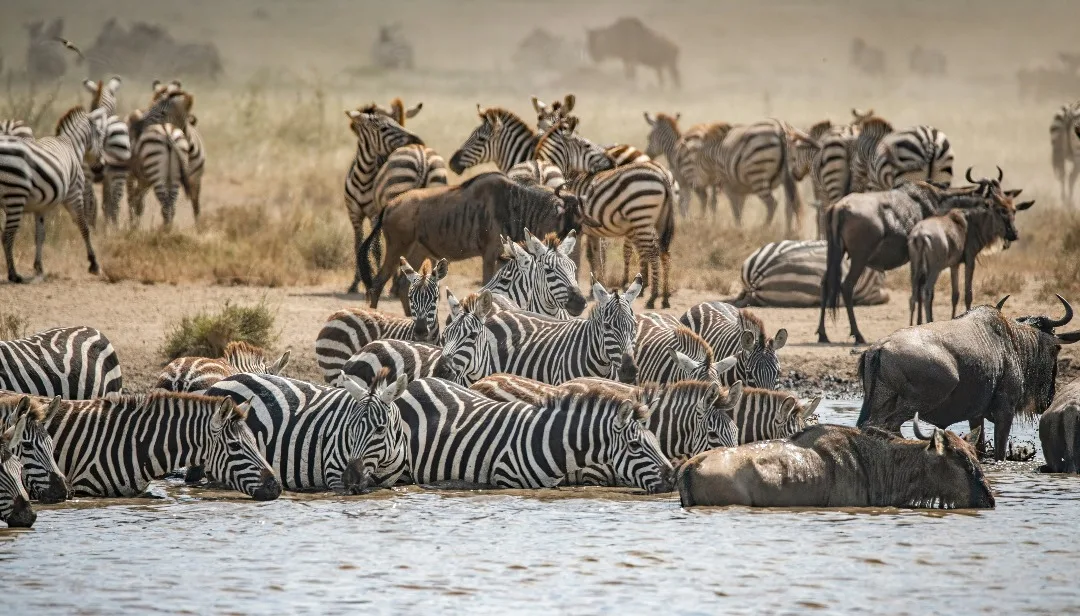
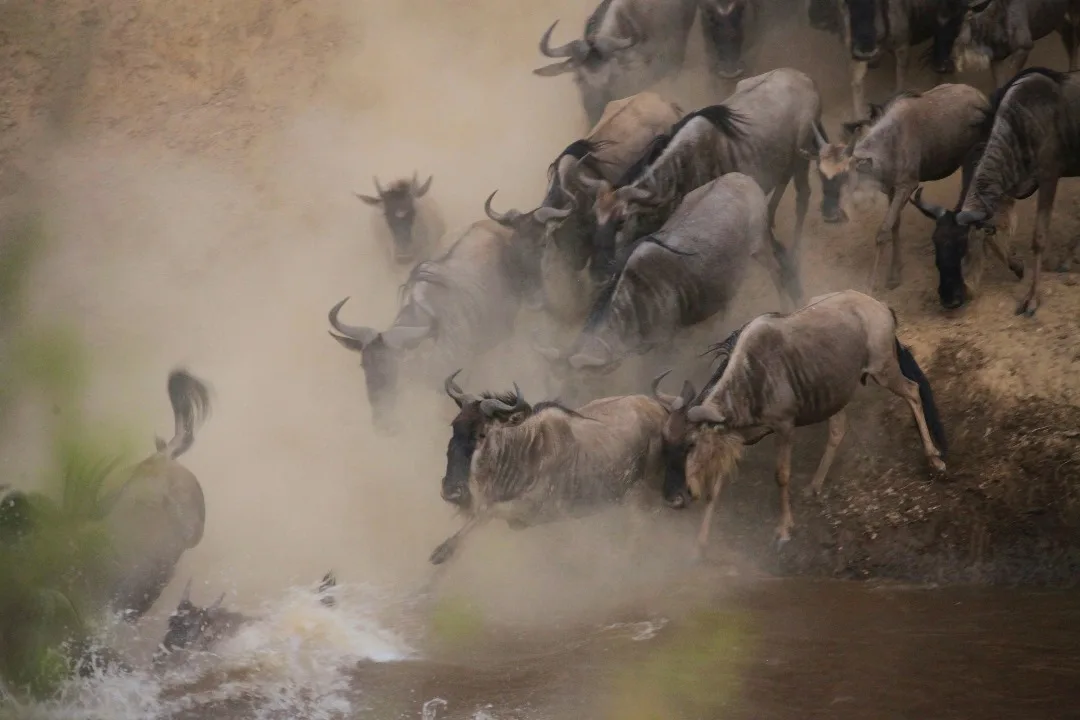
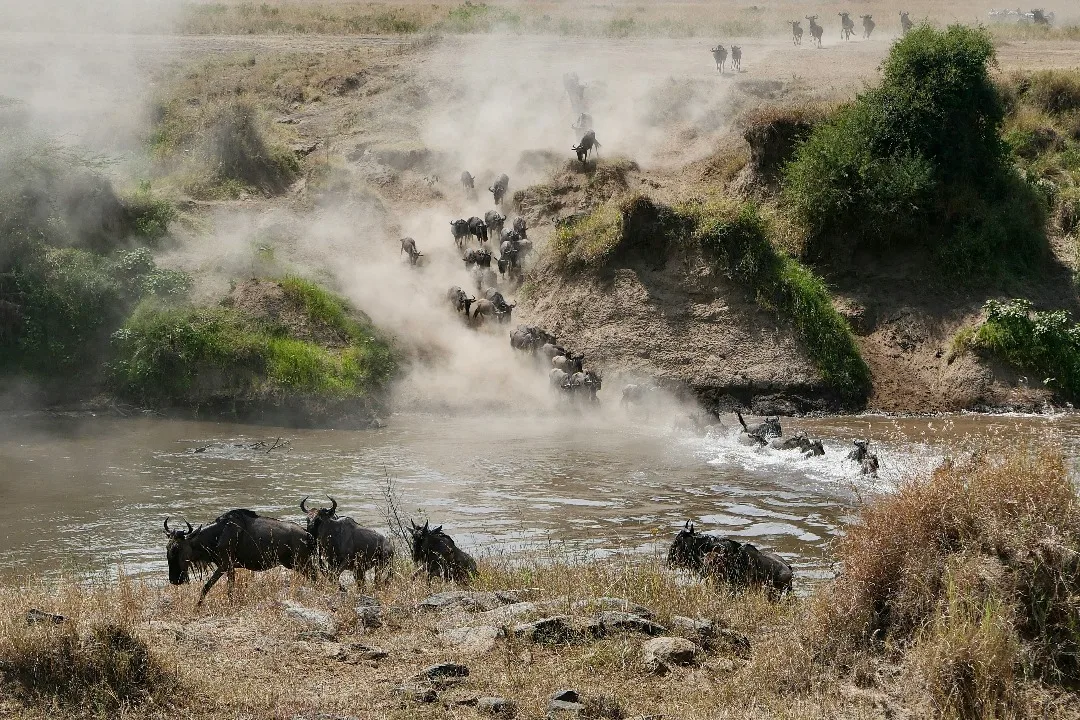
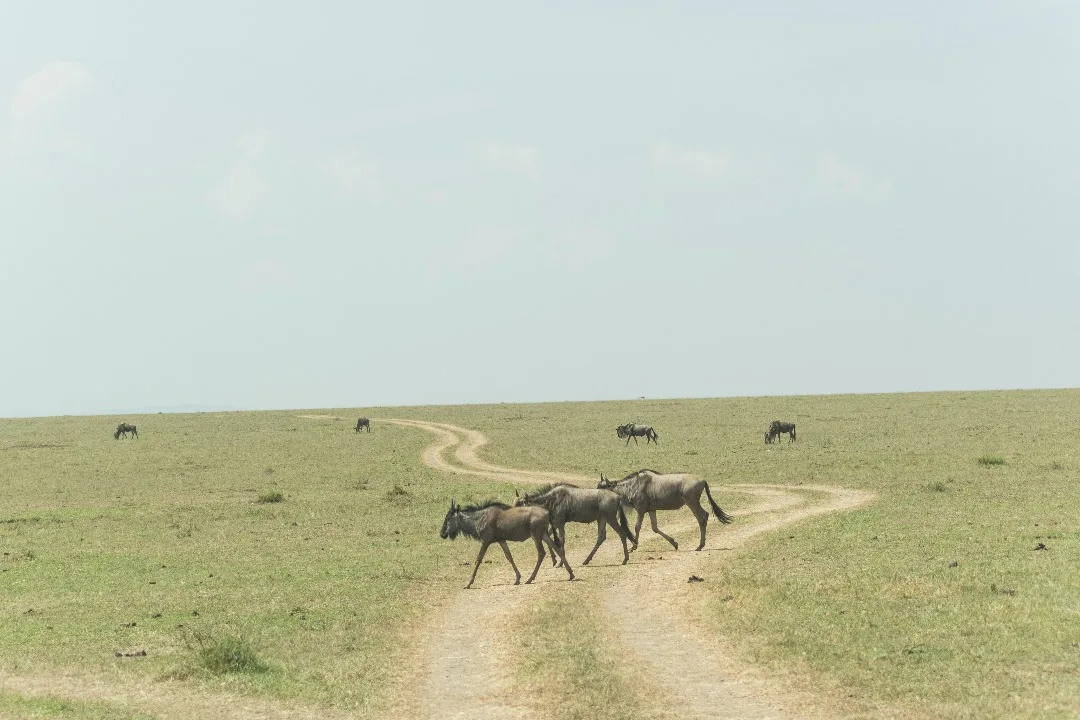
Below are stunning photos captured during the Serengeti Wildebeest Migration, showcasing the breathtaking moments of millions of wildebeest and zebras on their epic journey across the plains.
Expert recommendation
Before booking your Serengeti Wildebeest Migration safari with Tanzania Safari Experience, it’s highly recommended to request a free safari consultation with one of our Tanzania safari specialists. The migration is a dynamic event, with wildebeest moving between different parts of the Serengeti and even crossing into Kenya’s Maasai Mara depending on the season. This means that the best location for you to witness the migration depends entirely on your travel dates. With expert guidance, we’ll carefully plan your safari to ensure you are in the right place at the right time, maximizing your chances of experiencing the drama and beauty of the Great Migration up close.
Laurent Karume
Tanzania Safari Specialist
Serengeti Wildebeest Migration Highlights
- Over 1.5 million wildebeest migrate every year.
- The journey covers 1,200 miles across Tanzania and Kenya.
- Best time to see river crossings: July–September.
- Calving season in Serengeti: January–March.
- One of the Seven Natural Wonders of Africa.
At a glance
- Tanzania
- Safari
Tailormade itineraries
Every Tanzania Safari Experience adventure is customized just for you—no fixed tours or set dates. Speak with our Tanzania Safari experts to help you plan your perfect Tanzania Safari itinerary.
What Is the Serengeti Wildebeest Migration?
The Great Wildebeest Migration is a year-round movement of wildebeest, zebras, and antelopes across Tanzania’s Serengeti National Park and into Kenya’s Maasai Mara National Reserve. It is considered one of the Seven Natural Wonders of Africa and a UNESCO World Heritage phenomenon.
The scale of the migration is hard to imagine. Every year, wildebeest and other grazers cover nearly 1,800 miles (2,900 km) in their endless search for fresh pastures and water. The migration involves:
1.5 million wildebeest
250,000 zebras
500,000 gazelles
Together, these animals form massive columns that stretch as far as the eye can see. Along the way, predators like lions, leopards, cheetahs, hyenas, and crocodiles follow closely, creating some of the most thrilling wildlife encounters you can witness on safari.
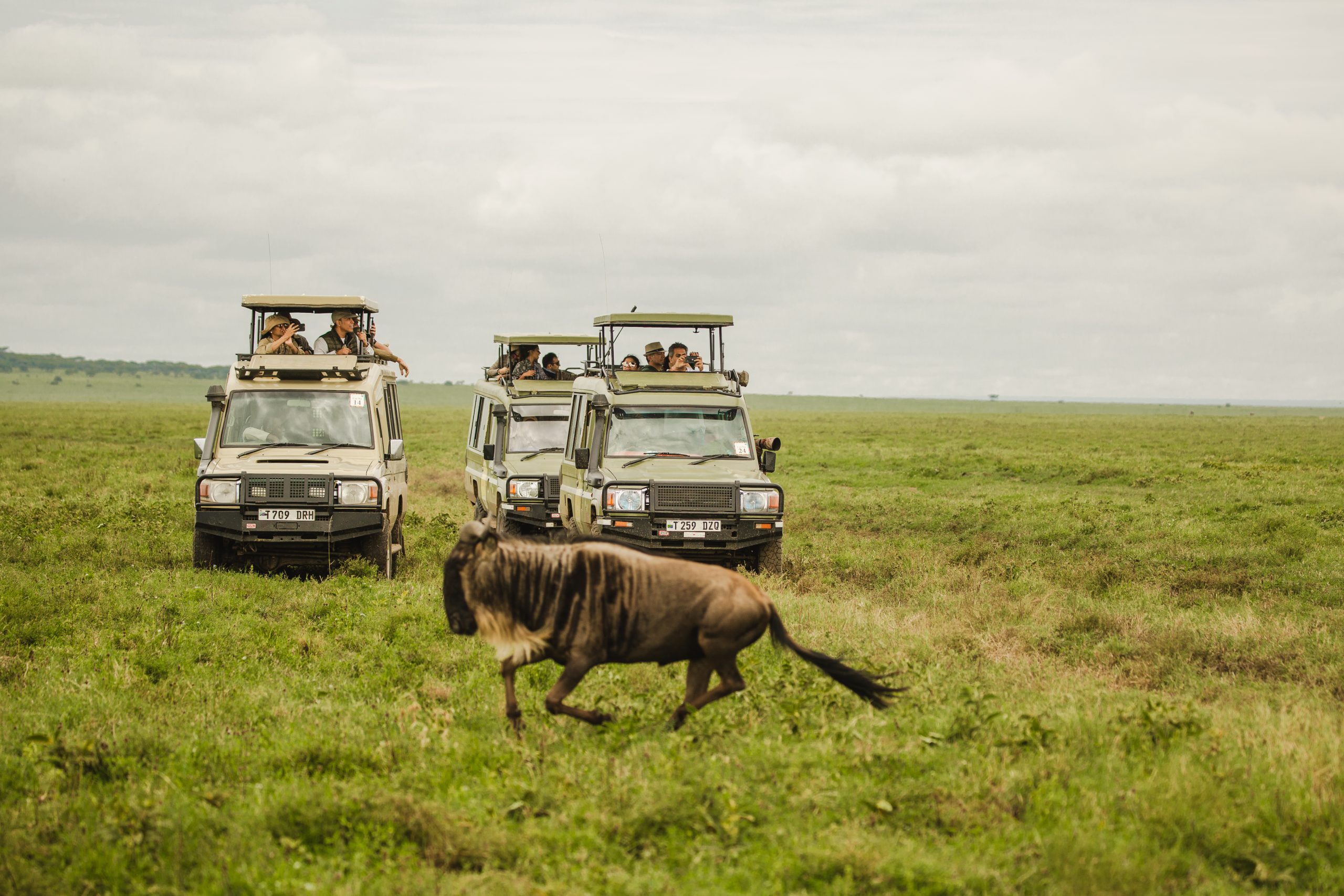
📌 Fun Fact (Serengeti Wildebeest Migration Facts): Did you know wildebeest have an incredible ability to smell rainfall from miles away, while zebras are great at remembering migration routes? Together, they make the perfect team for the Great Migration.
Why Do Wildebeest Migrate in the Serengeti?
A common question asked by travelers is: “Why do wildebeest migrate in the Serengeti?” The answer lies in survival and instinct.
The Serengeti ecosystem is driven by seasonal rainfall. Wildebeest migrate to follow the rains because it brings fresh grass and reliable water sources. Without moving, they would run out of food and water, so the migration is literally a matter of life and death.
There is also safety in numbers. By traveling in huge herds, wildebeest reduce their risk of being targeted by predators. While thousands may fall prey to lions, hyenas, or crocodiles, millions survive because of the collective power of the herd.
This instinctual journey has happened for thousands of years, making the Serengeti Wildebeest Migration one of the most fascinating and important ecological events on Earth.
Ready to plan your next adventure?
Tell us your ideas, and we’ll craft a personalized travel itinerary within 3 hours.
Chat On WhatsApp
Enquire Now
Google Meeting
🗺 Serengeti Wildebeest Migration Map & Routes
A Serengeti wildebeest migration map helps explain how this epic journey unfolds. The migration follows a clockwise pattern across Tanzania and Kenya, moving with the rains.
Southern Serengeti (Dec – Mar): The herds gather in the short-grass plains for calving.
Central Serengeti (Apr – Jun): Columns of wildebeest move northwards.
Western Corridor (May – Jul): Herds cross the Grumeti River, facing crocodiles.
Northern Serengeti & Maasai Mara (Jul – Oct): The dramatic Mara River crossings take place.
Return to Serengeti (Nov): The herds move south again as the cycle restarts.
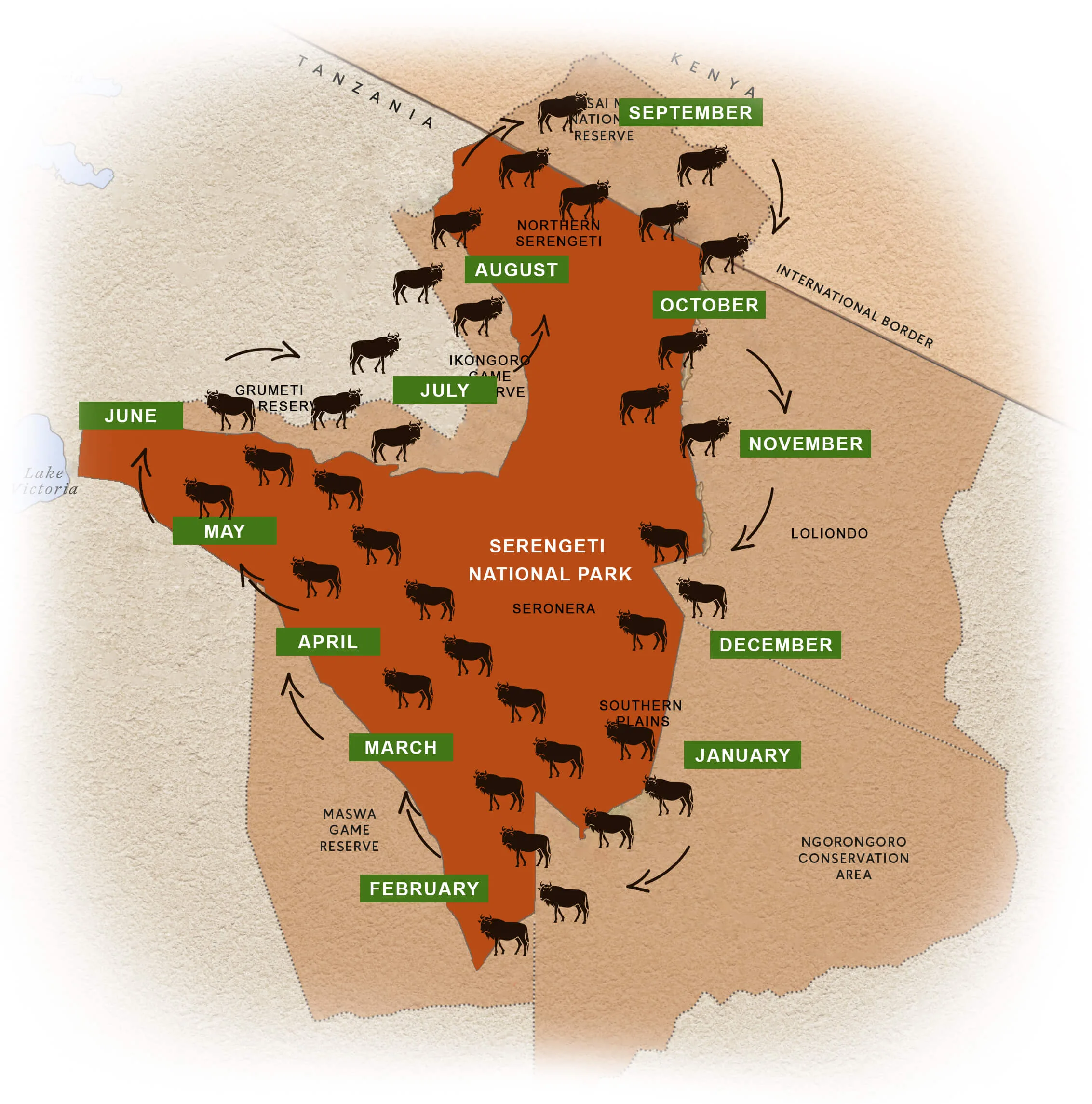
Serengeti National Park Areas Explained
The Serengeti National Park is vast and diverse, divided into different areas that each offer unique safari experiences. Knowing the main regions of the Serengeti helps travelers plan the perfect Tanzania safari itinerary.
Migration Seasons
December - March Calving Season
Eastern & Southern Serengeti
April - June Mating Season
Central & Western Serengeti, (heading north)
July - November River Crossings
Northen Serengeti & Maasai Mara
Month-by-Month Guide — Serengeti Wildebeest Migration 2026
Below is the month-by-month guide to the Serengeti Wildebeest Migration 2026, showing where the herds are likely to be during different times of the year.
January – March: Calving Season in the South
From late December to March, the herds gather in the Ndutu region of the southern Serengeti. This is where the grass is short and nutrient-rich, perfect for calving. In just a few weeks, more than 400,000 wildebeest calves are born.
This is an incredible time to visit, as you can see thousands of baby wildebeest take their first steps, often minutes after birth. But it’s also a dangerous season—predators like lions, cheetahs, and hyenas know that the calves are vulnerable, leading to dramatic hunting scenes.
Photographers love this time of year, as it offers the perfect balance of new life and predator action.
April – June: The Long March North
As the rains fade in the south, the herds begin their long trek northwards through the central Serengeti. This period is sometimes called the “long march” because huge columns of wildebeest, stretching for kilometers, can be seen moving together.
It’s a dramatic sight—the ground shakes as thousands of hooves thunder across the plains. Predators continue to follow, and travelers often witness exciting chases. This is also a quieter safari season, making it a good time for travelers who prefer fewer crowds.
July – August: Grumeti & Mara River Crossings
This is the most famous stage of the migration. By July, the herds reach the Western Corridor and face the first big challenge—the Grumeti River. Crossing this crocodile-infested river is extremely dangerous, and many wildebeest do not survive.
By late July and August, the herds move into the Northern Serengeti and attempt the Mara River crossings. This is the most iconic part of the migration, where thousands of wildebeest plunge into the river at once, battling strong currents and crocodiles. It’s dramatic, chaotic, and unforgettable.
For many safari travelers, this is the ultimate migration experience, and it’s considered the best time for a wildebeest migration safari.
September – October: The Maasai Mara Feast
Once across the river, the herds spread out across the Maasai Mara in Kenya. The grass here is lush, and predators follow the herds, creating endless wildlife action.
This is still an excellent time to visit, especially if you want to see the wildebeest in the Maasai Mara with plenty of predator interaction.
November – December: Returning to the Serengeti
As the short rains arrive in Tanzania, the herds begin their journey south, returning to the Serengeti. By December, they are back in the southern plains, ready for the next calving season.
This circular journey continues every year, making the Serengeti Wildebeest Migration a never-ending spectacle.
Looking for Serengeti Wildebeest Migration for your dates ?
Receive a free Tanzania safari quote straight to your email within 6 hours! Customize your preferences, and we’ll craft a unique experience just for you. Prices vary based on group size and accommodation choice.
Best Safari Camps & Lodges for the Migration
To get the best out of your Serengeti wildebeest migration safari, your choice of accommodation is just as important as your timing. Many safari camps and lodges are strategically located along the migration routes, ensuring you’re always close to the action.
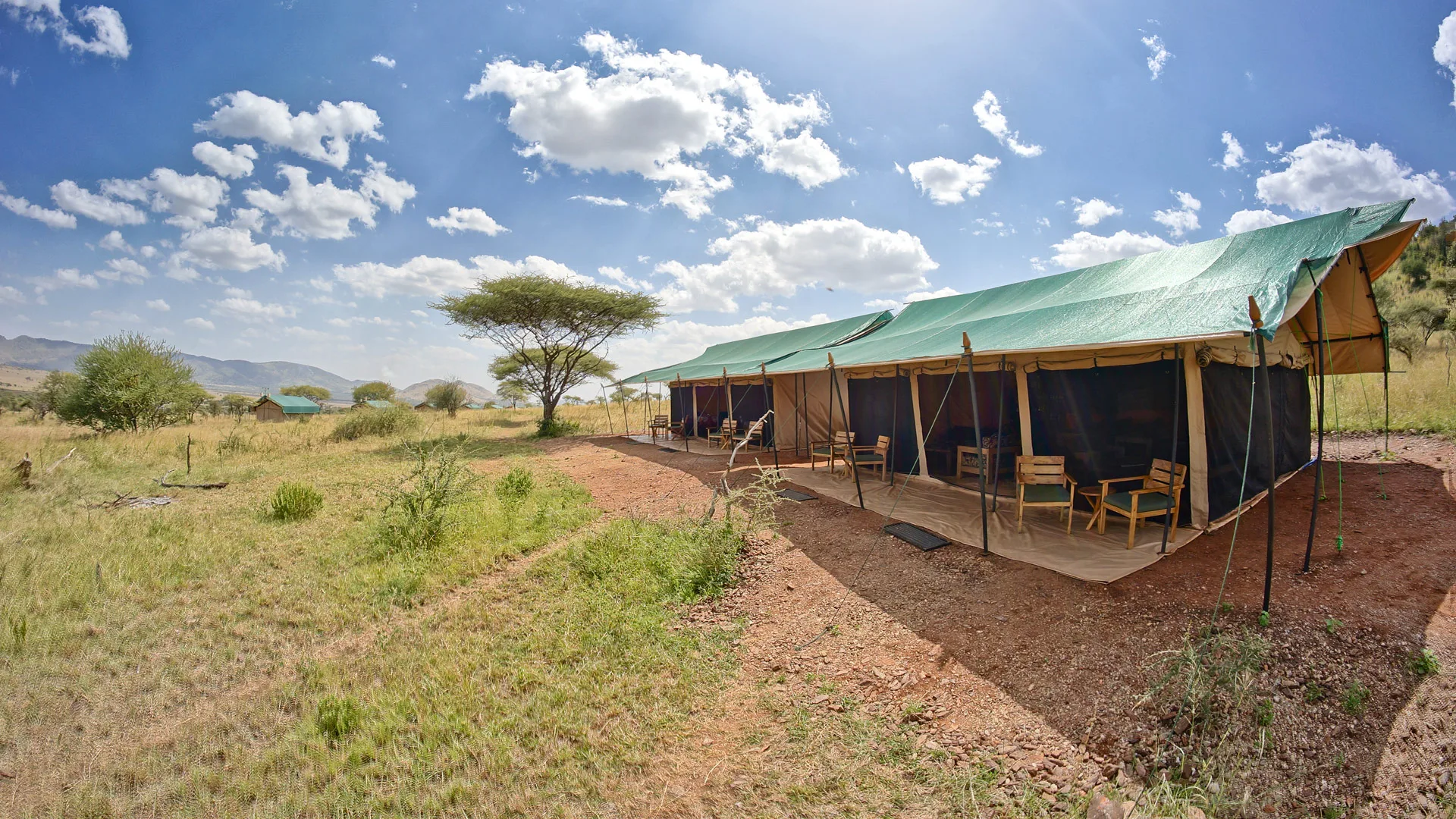
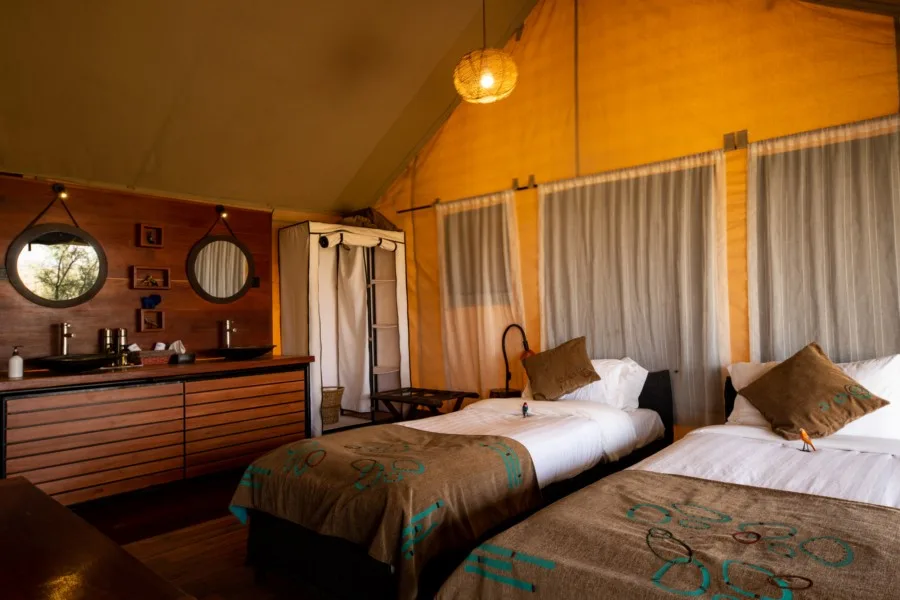
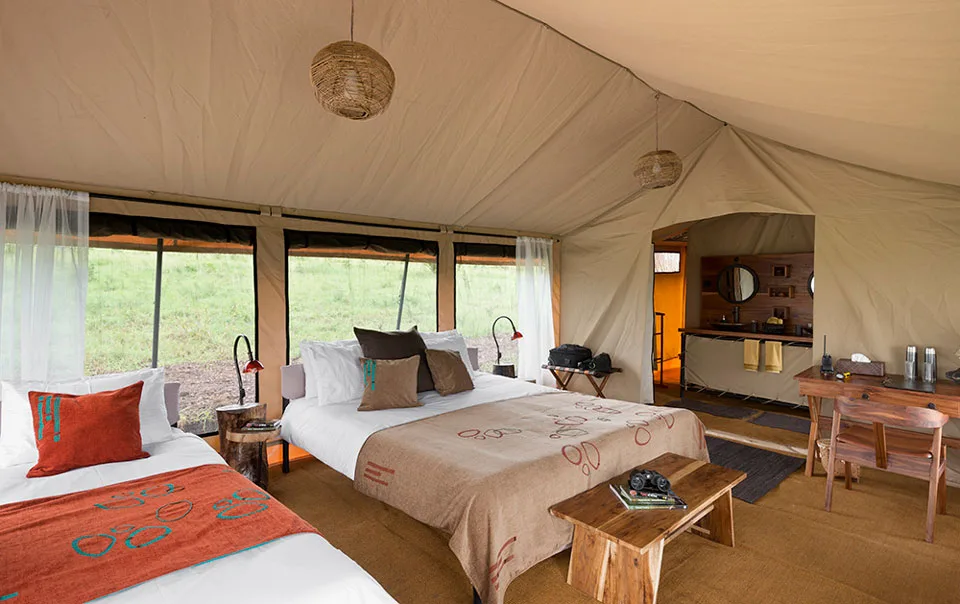
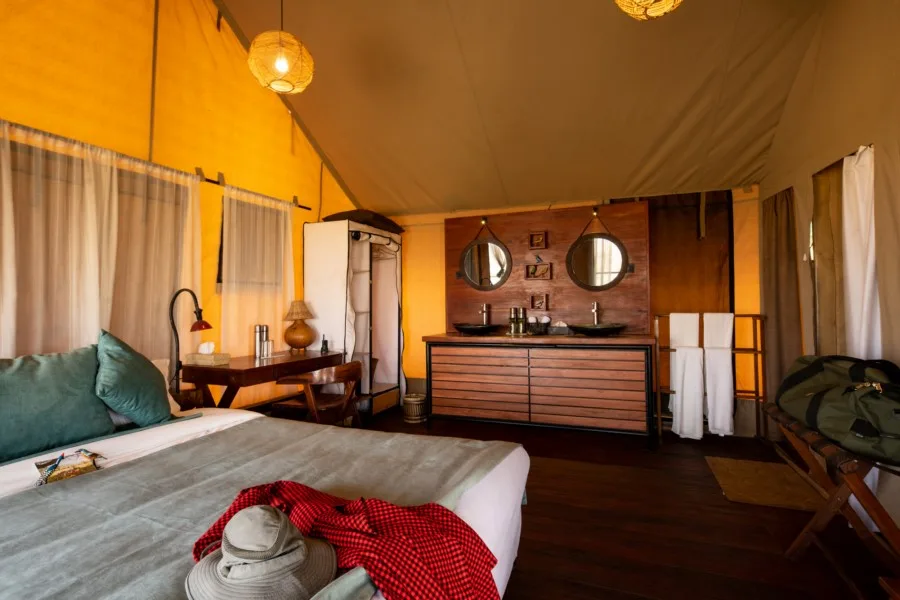
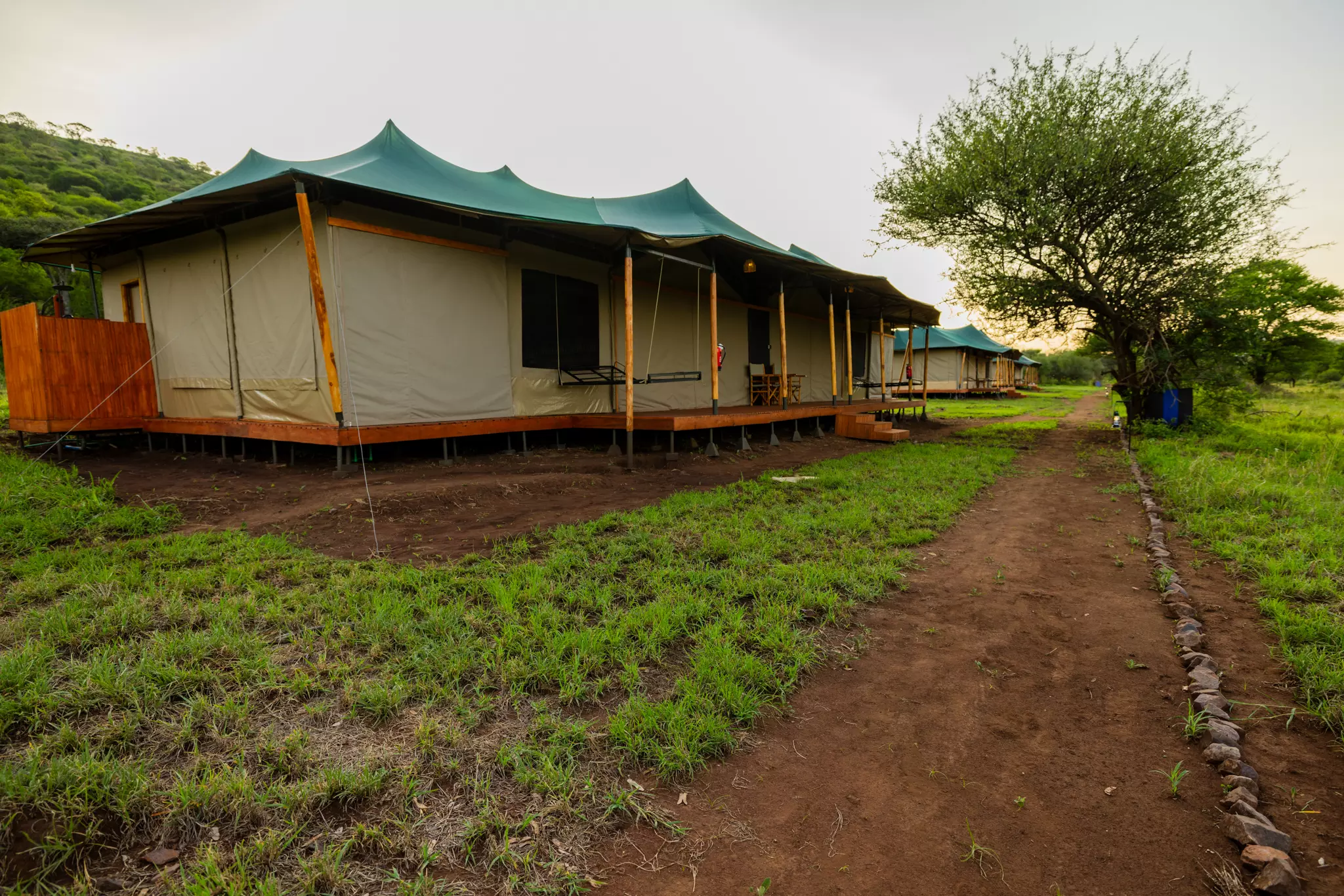
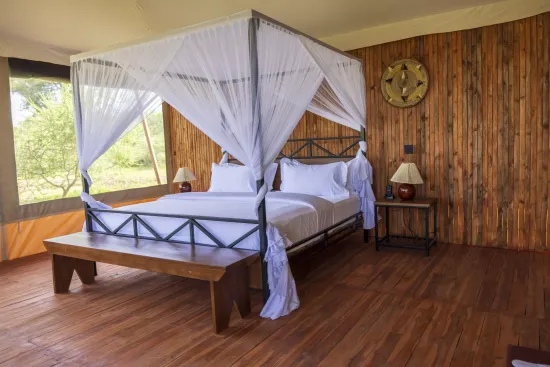
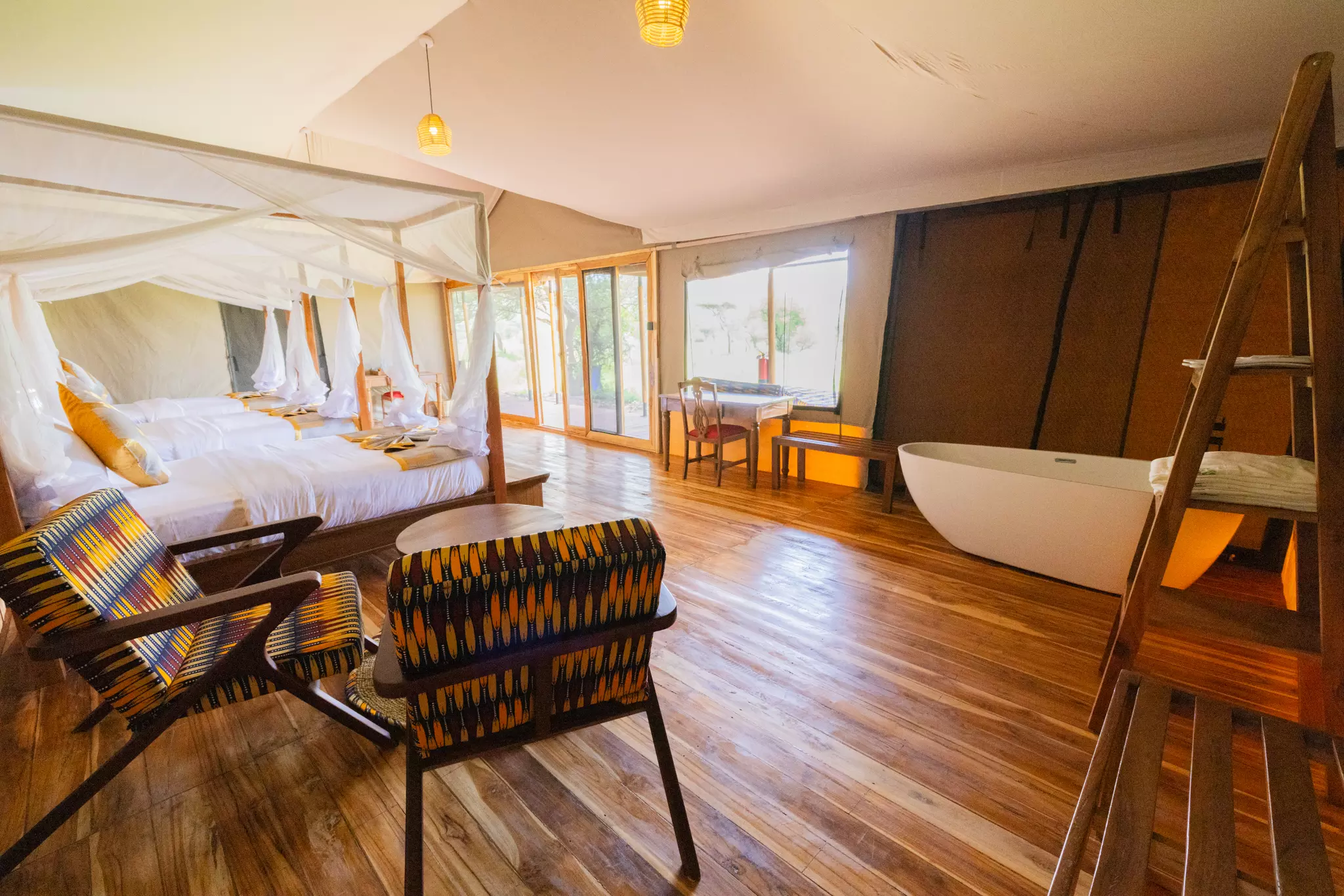
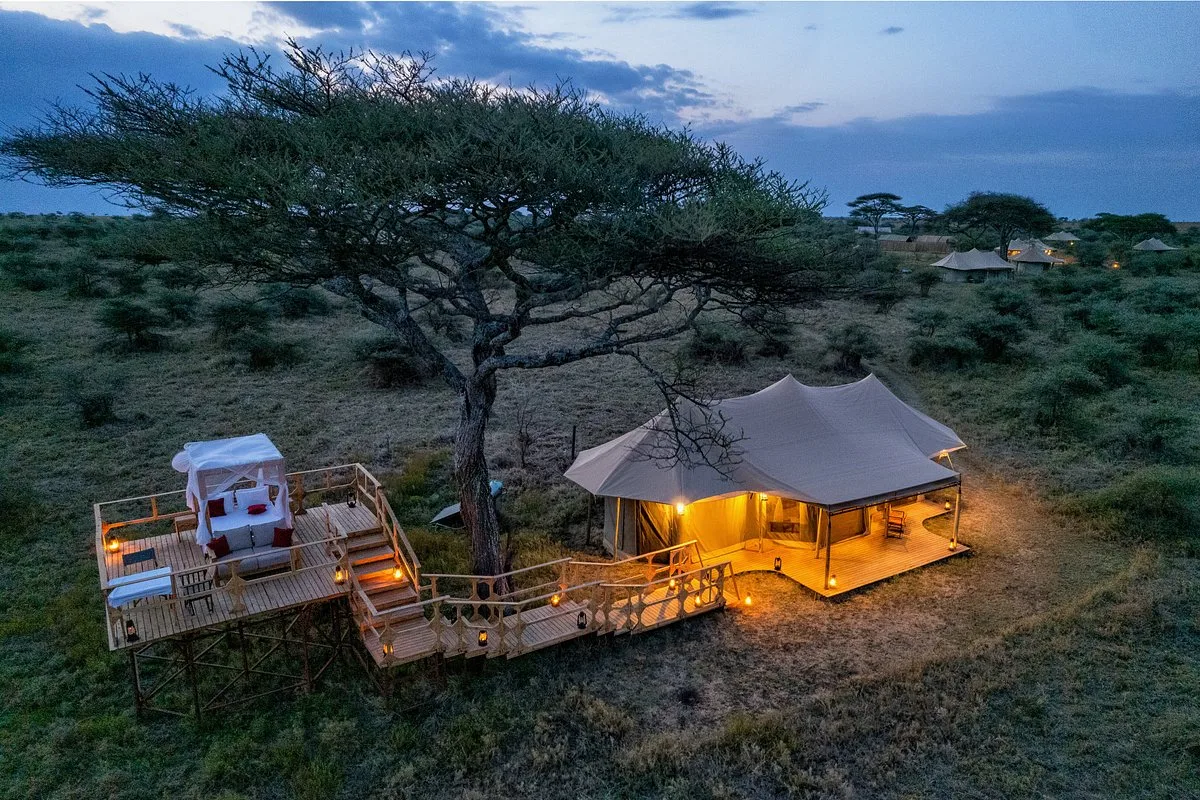
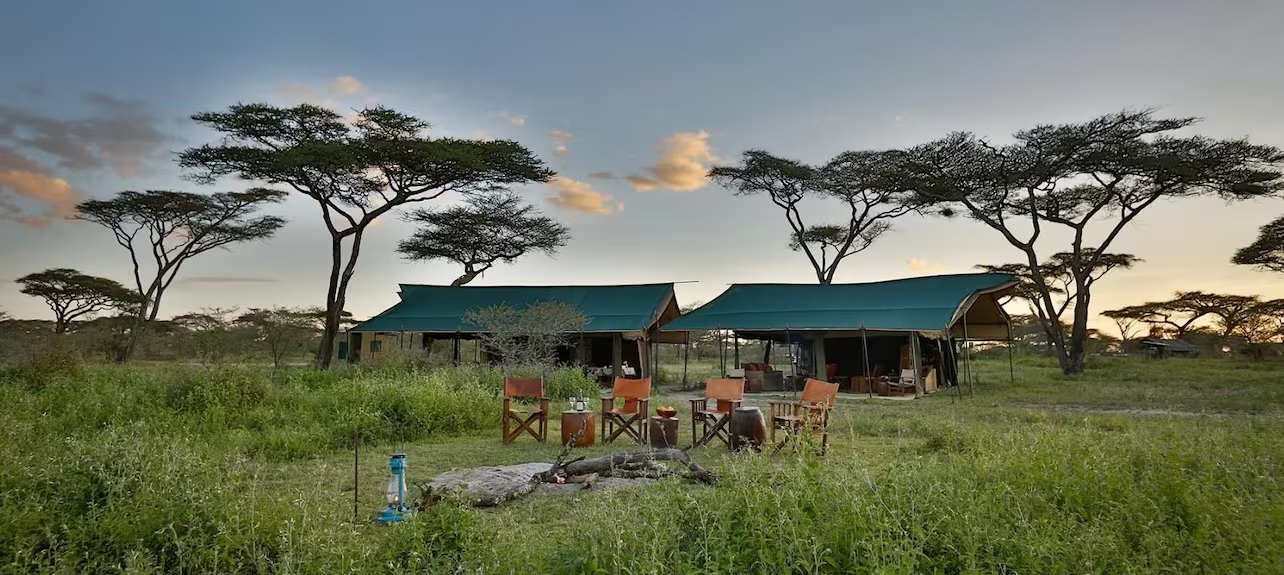
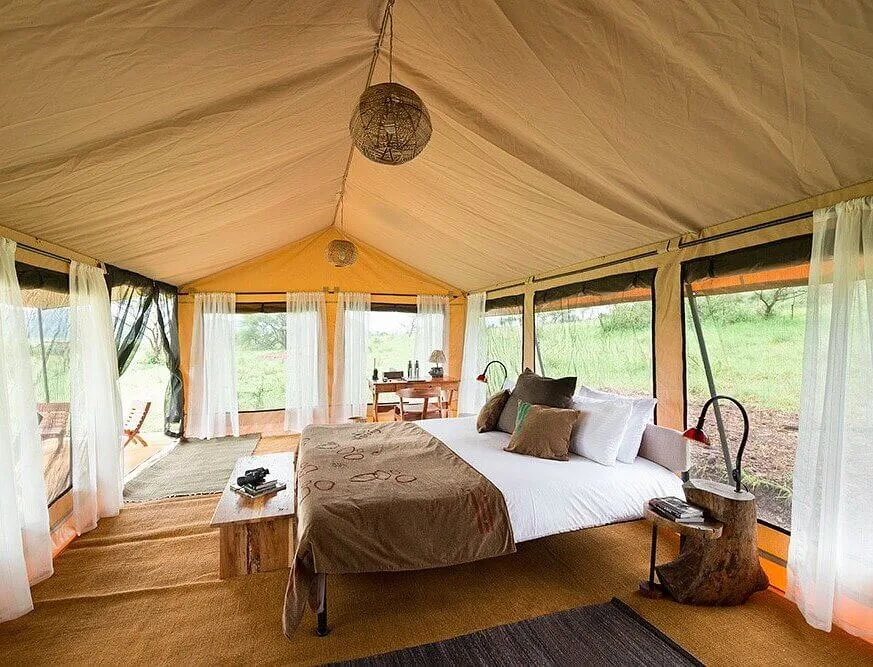
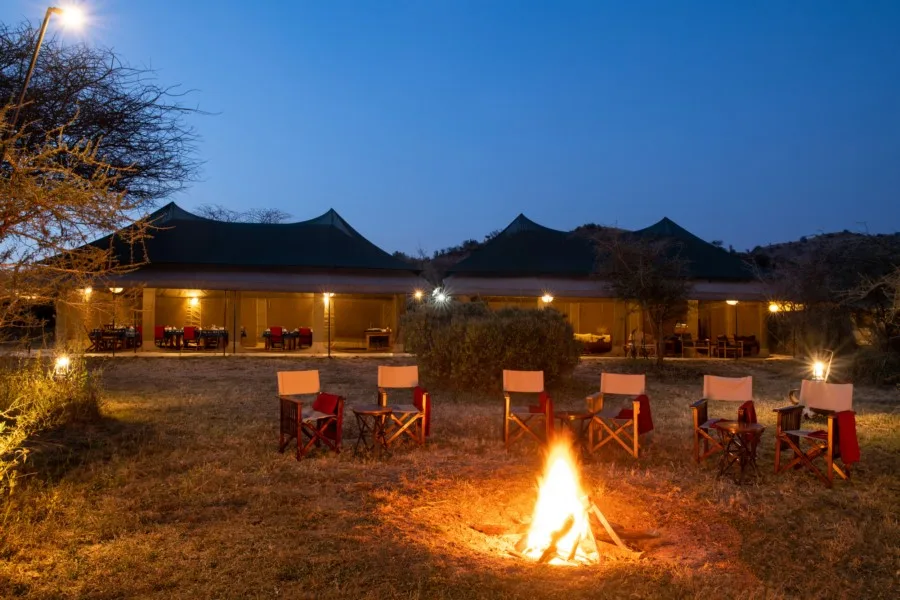
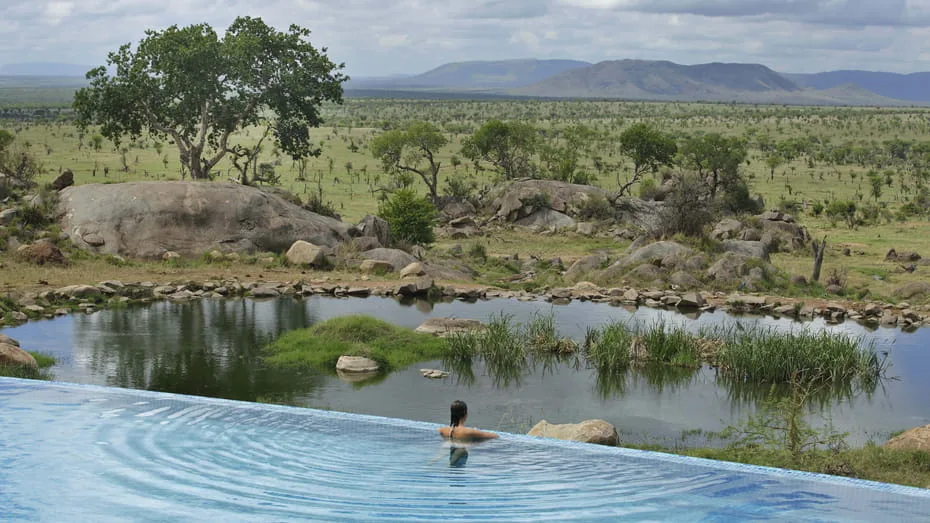
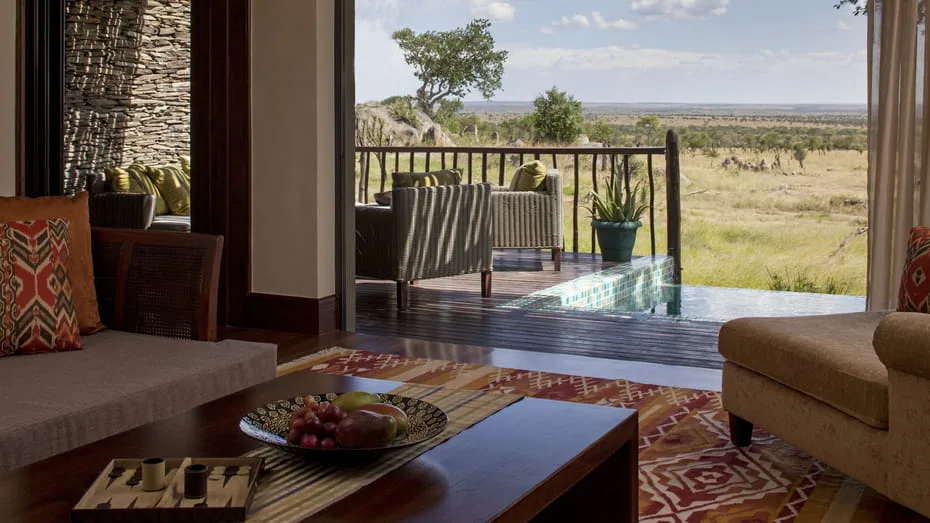
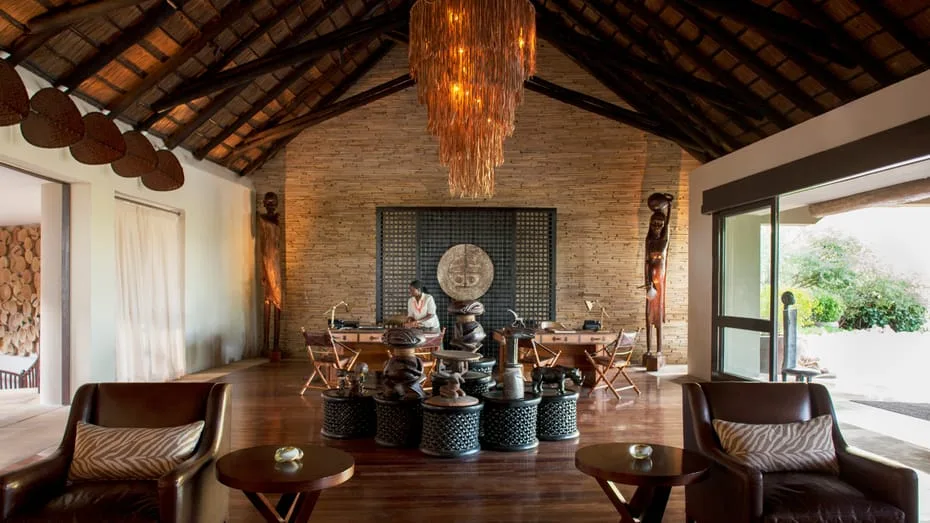
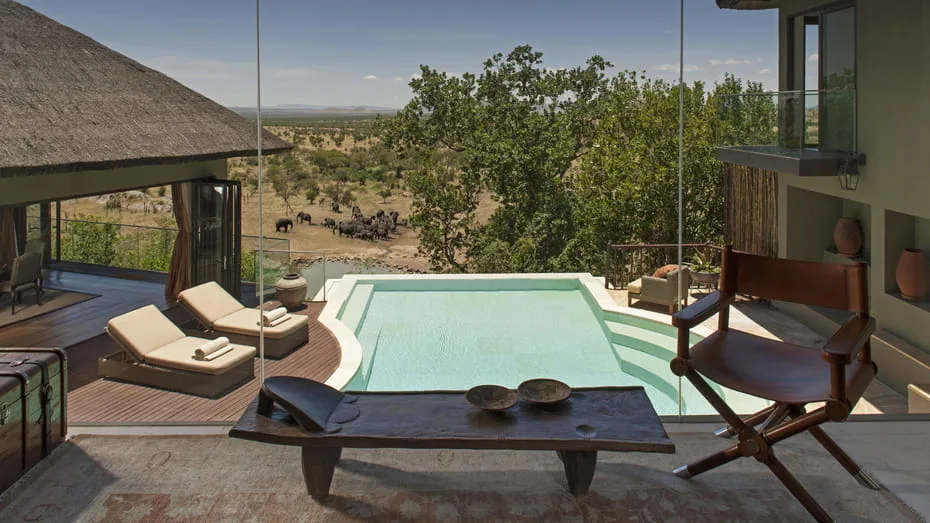
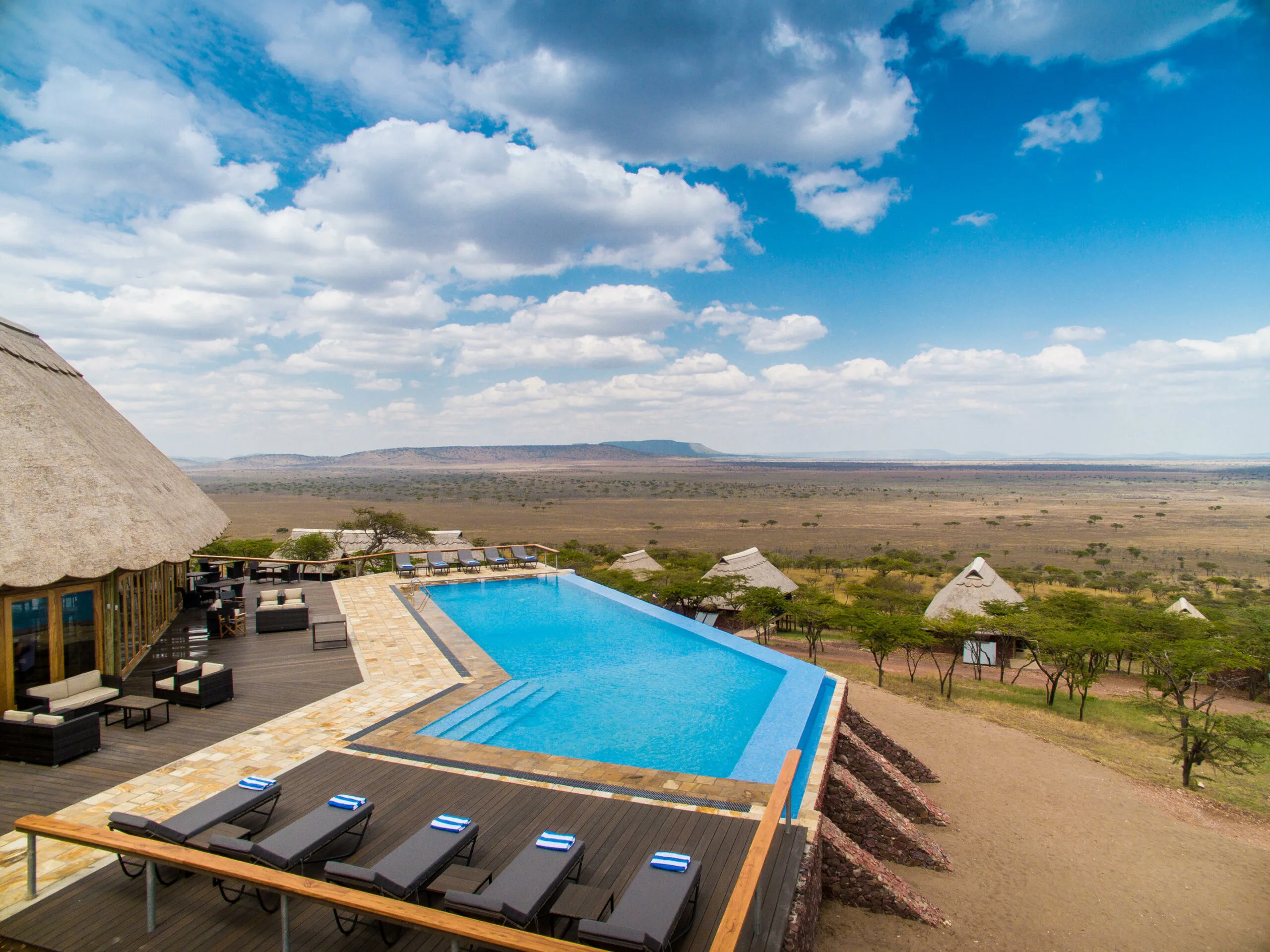
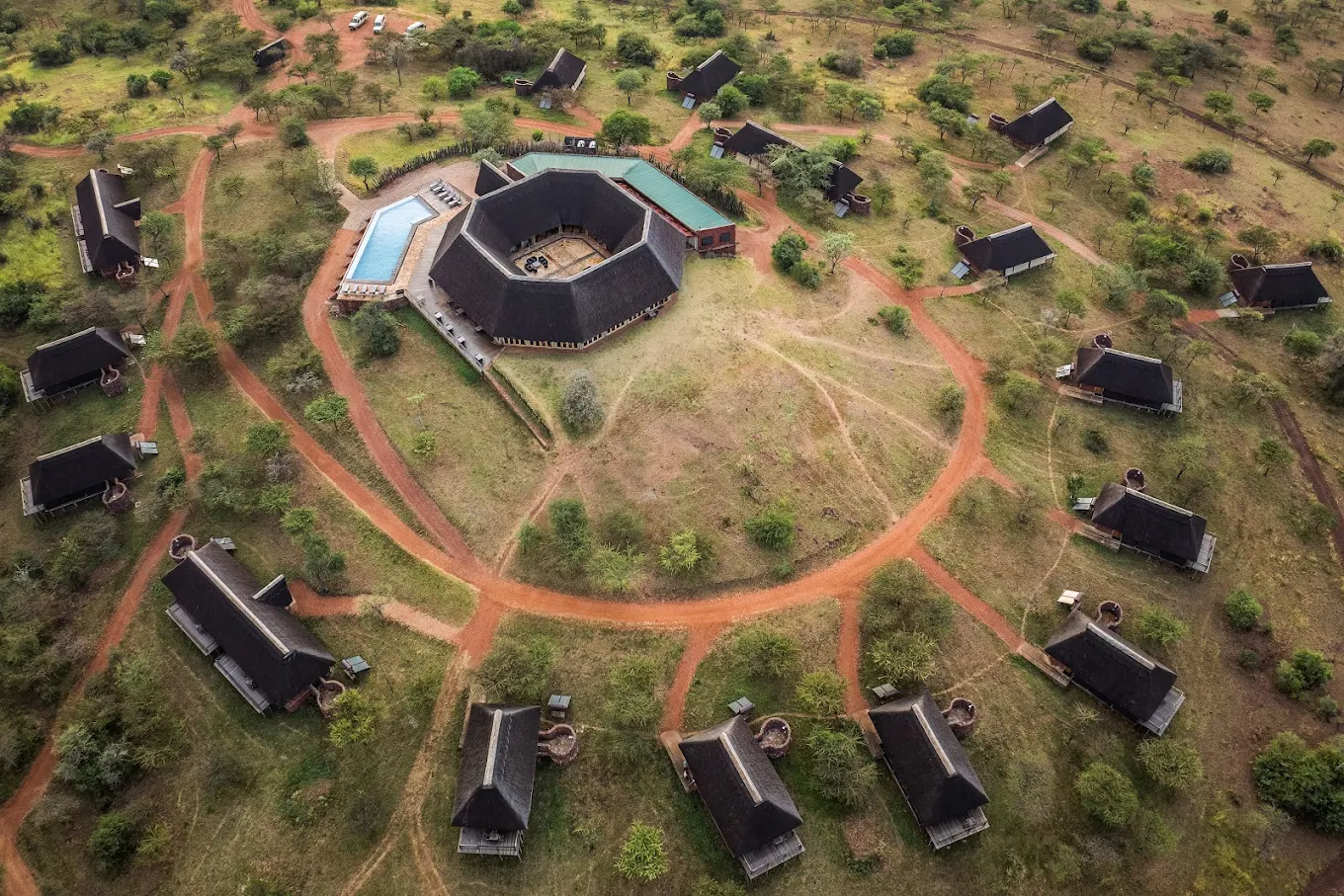
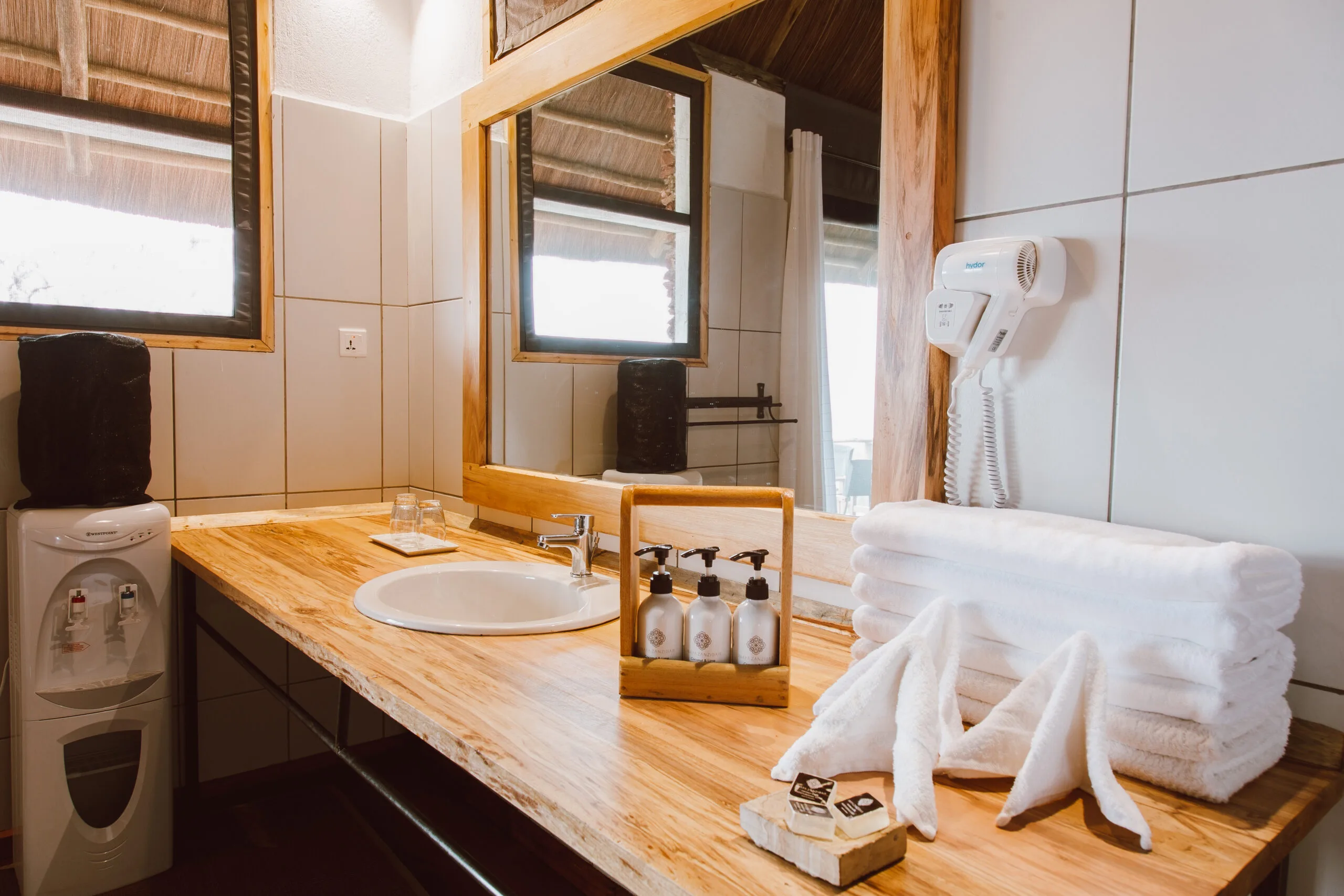
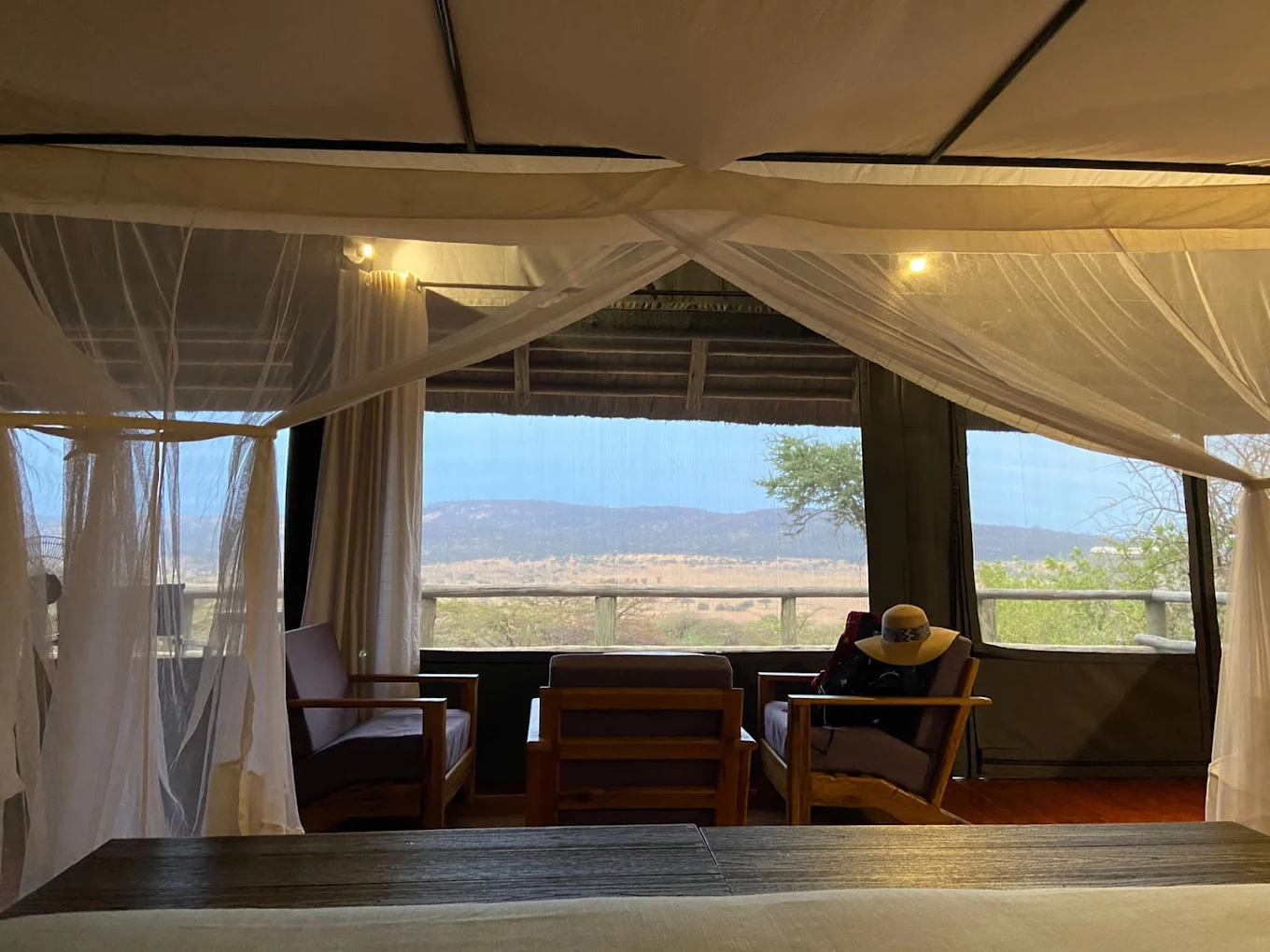
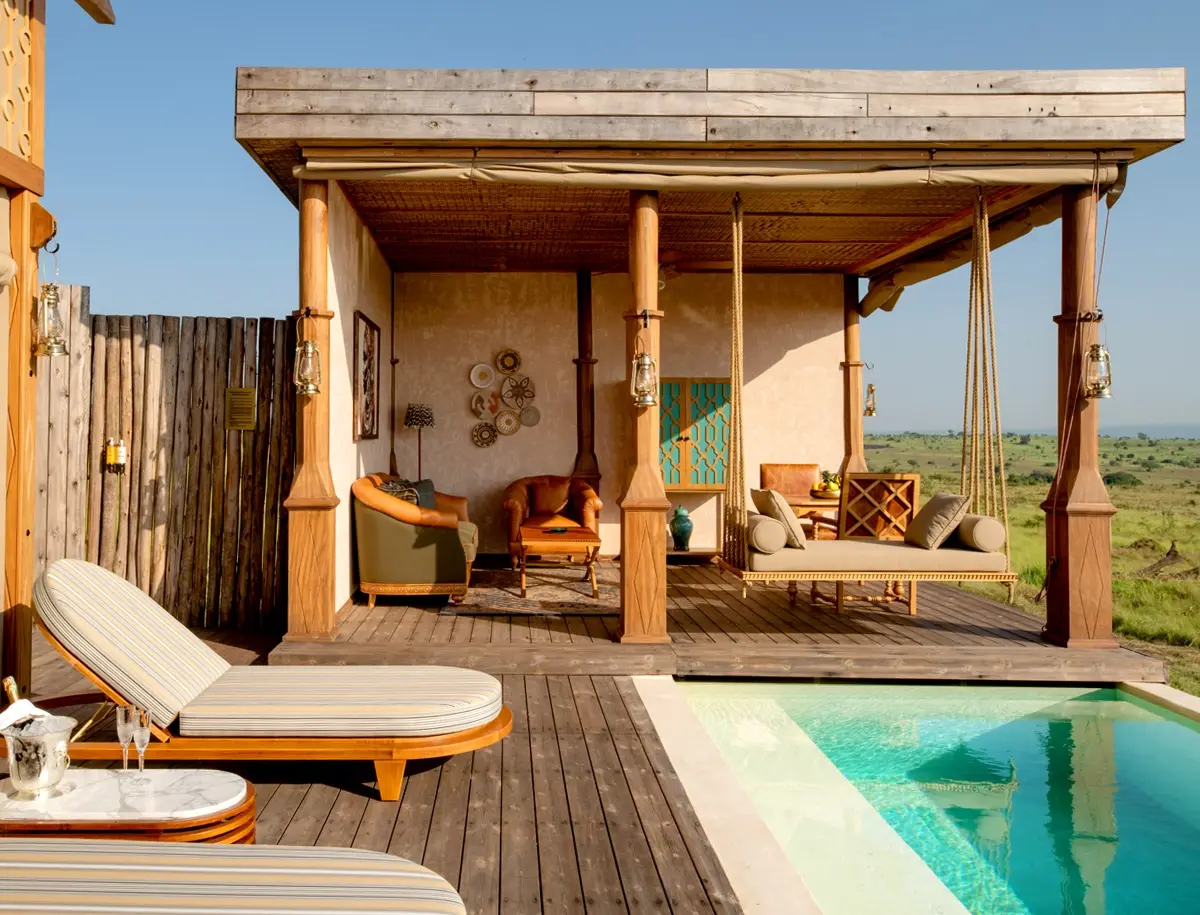
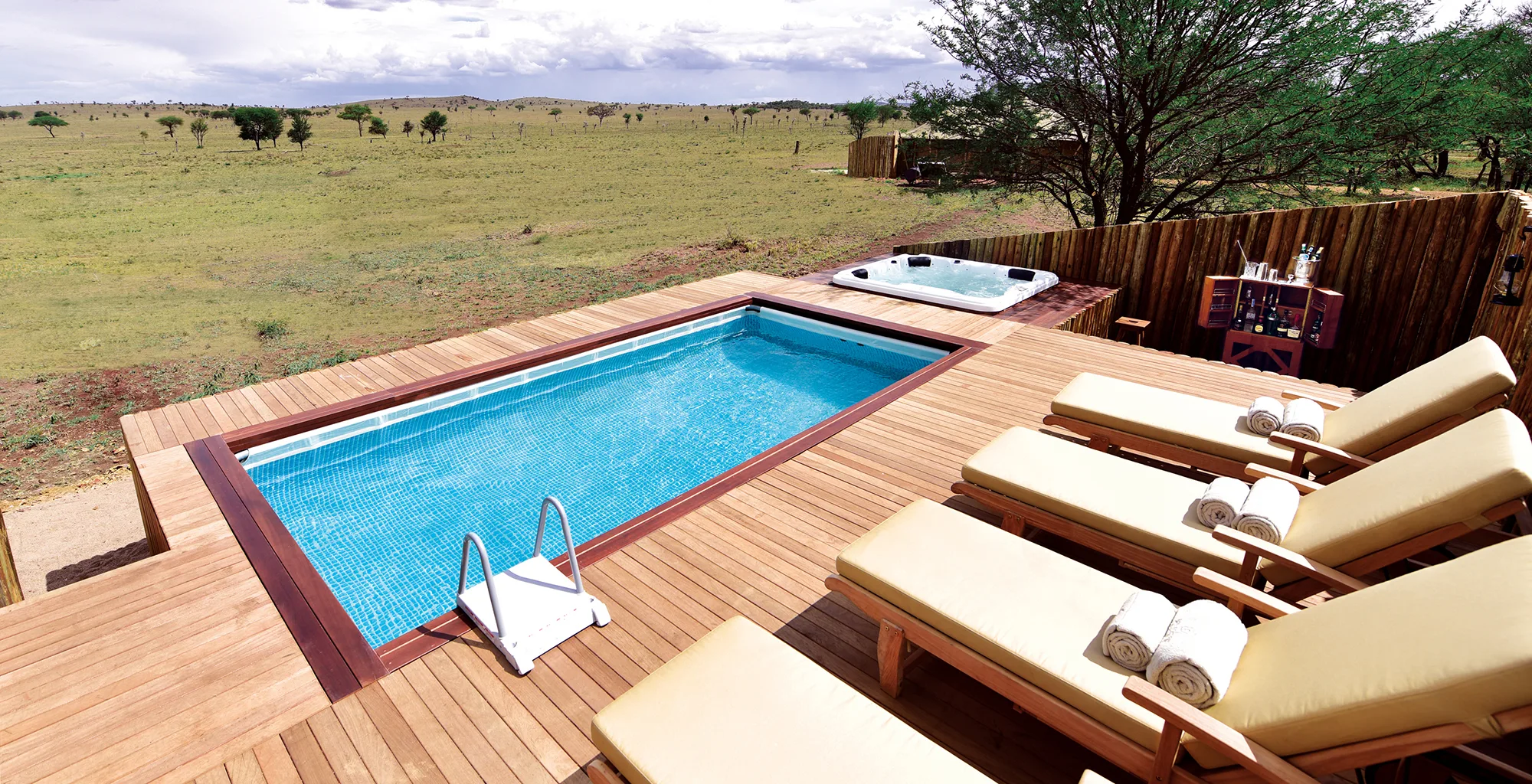
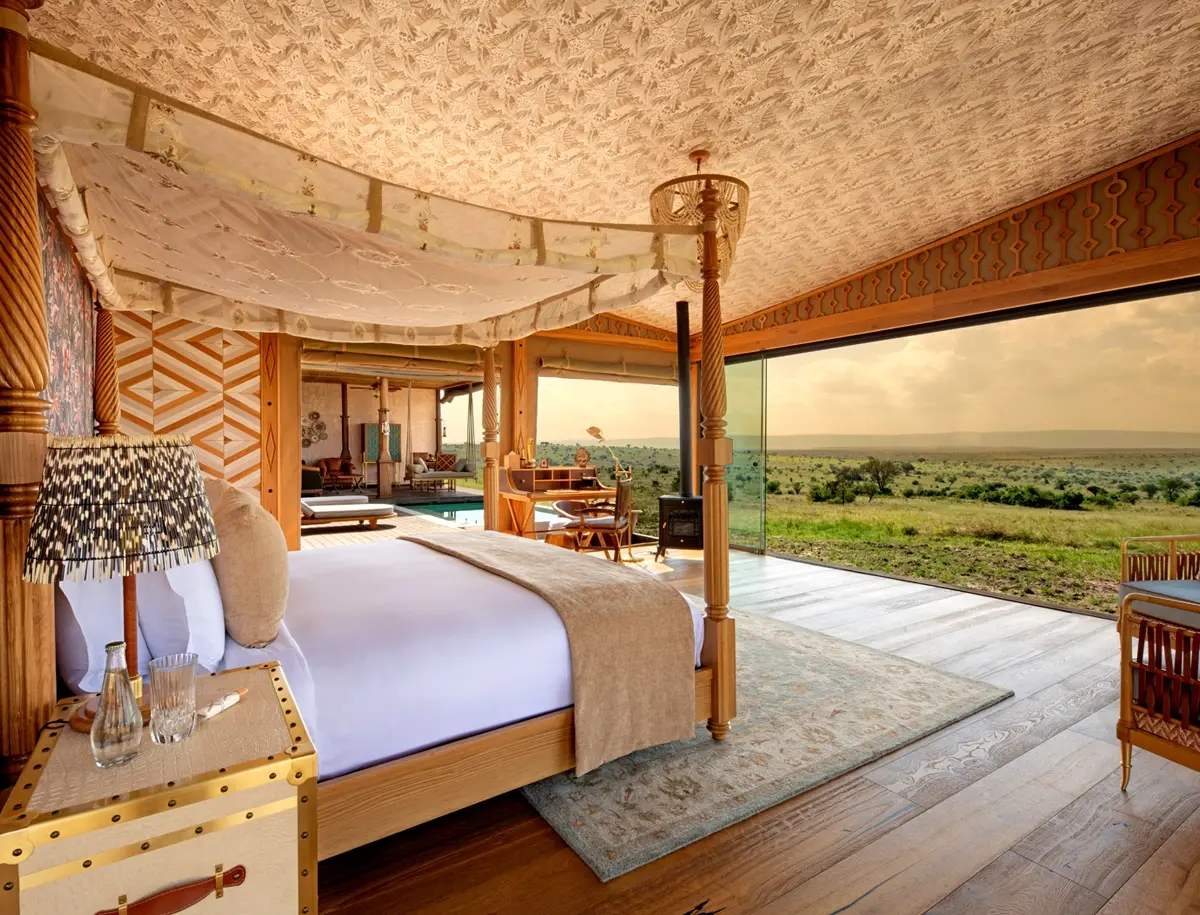
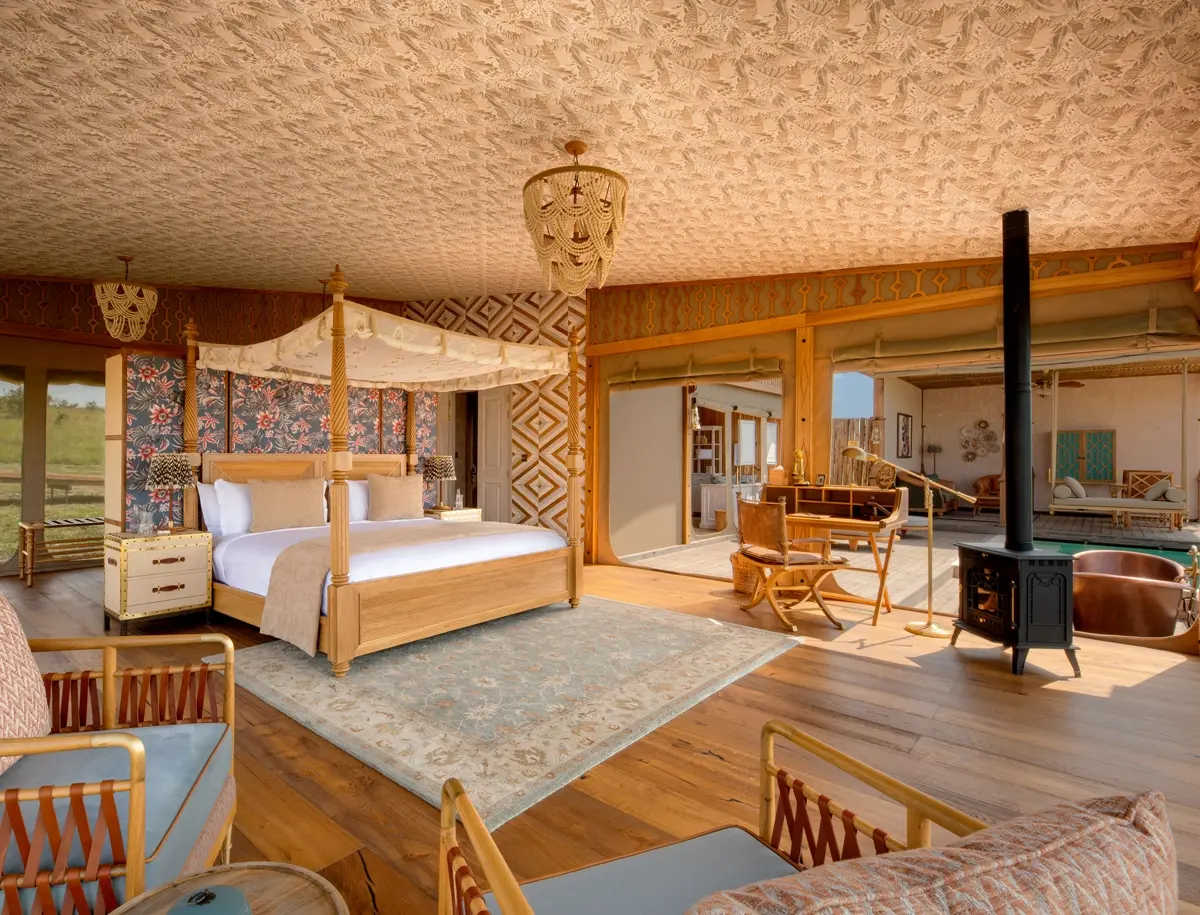
📌 Pro Tip: Always ask about Serengeti wildebeest migration packages prices when booking. Costs vary depending on the season, camp type, and location.
Looking for more?
We can design a safari for you from scratch, or you can choose from our tailor-made safari proposals below. You’ll receive a free Tanzania safari proposal with no obligation, featuring trips created for nature lovers, families, and adventure seekers.
5 Days Ndutu Migration Safari Calving Season
- Ndutu Migration Safari Calving Season
Starting From
On Request
Per Person On Twin Sharing
8 Days Tanzania Classic Safari Itinerary
- Tanzania Classic Safari
Starting From
On Request
Per Person On Twin Sharing
8 Days Serengeti Wildebeest Migration Safari
- Serengeti Wildebeest Migration Safari
Starting From
On Request
Per Person On Twin Sharing
3 Days Ndutu Migration Safari Calving Season
- Ndutu Migration Safari Calving Season
Starting From
On Request
Per Person On Twin Sharing
We've got you covered
Our tours are top-notch but give you great value. The price we tell you upfront covers most of the costs for one person, like flights and all transfers.
- Park fees
- All activities (unless labeled as optional)
- All accommodation as stated in the itinerary
- A professional driver/guide
- All transportation (unless labeled as optional)
- All Taxes/VAT
- Roundtrip airport transfer
- All Meals (as specified in the day-by-day section)
- Air Ambulance Service by AMREF Flying Doctors;
- At Least 1 Pair Of Binoculars;
- International flights (from/to home)
- Additional accommodation before and at the end of the tour
- Tips to your safari guide ($30-50 per day per car).
- Personal items (souvenirs, travel insurance, visa fees, etc.)
- Government imposed increase of taxes and/or park fees
- Alcohol drinks
- Visas and visa fees where relevant
- Additional activities not offered as scheduled by the accommodation
- Lunch and dinner in hotel (only before and after safari);
Connect with our local experts for personalized travel planning
Plan your Serengeti Wildebeest Migration Safari today
Everything You Need to Know About Your Safari
Every safari adventure begins with a question. Whether it’s your first or second time, it’s natural to wonder about the best time to visit, what to pack, or how the journey works. Here, we’ve answered the most common questions travelers ask before booking their Tanzania safari, so you can plan with confidence and look forward to unforgettable memories.
The Serengeti Wildebeest Migration is the world’s largest land migration, where over 1.5 million wildebeest, along with zebras and gazelles, move across Tanzania’s Serengeti and Kenya’s Maasai Mara in search of fresh grazing and water.
The migration is a year-round event, but its highlights vary: calving season is from January to March, the dramatic river crossings happen between July and September, and by October–November the herds begin moving back to southern Serengeti.
Wildebeest migrate in search of greener pastures and water. Their movement follows seasonal rainfall patterns, ensuring they have enough food, while also helping balance the Serengeti ecosystem by regenerating grasslands.
The best place depends on the season: southern Serengeti for calving (Jan–Mar), western corridor for river crossings (May–June), and northern Serengeti near the Mara River for dramatic crossings (July–Sep). Expert planning ensures you’re in the right place at the right time.
Around 1.5 to 2 million wildebeest take part in the migration, joined by 200,000 zebras and 400,000 gazelles, making it one of the most extraordinary wildlife spectacles on Earth.
Yes, December is a great time to visit the Serengeti as the herds begin gathering in the southern plains for calving season. It’s also less crowded compared to peak river crossing months, offering an amazing safari experience.
Yes, Tanzania is considered one of the safest safari destinations in Africa. National parks are well-managed, and guides are highly trained to ensure your safety. While in cities, it’s always best to take normal precautions, such as avoiding walking alone at night. Traveling with a trusted operator ensures a smooth and safe experience.