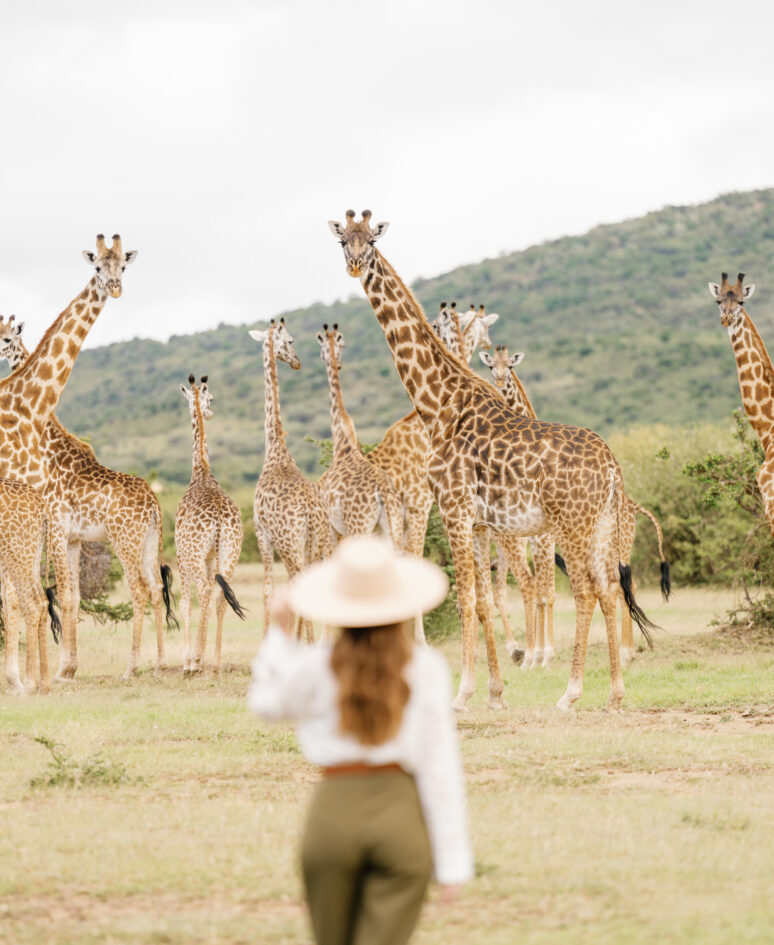
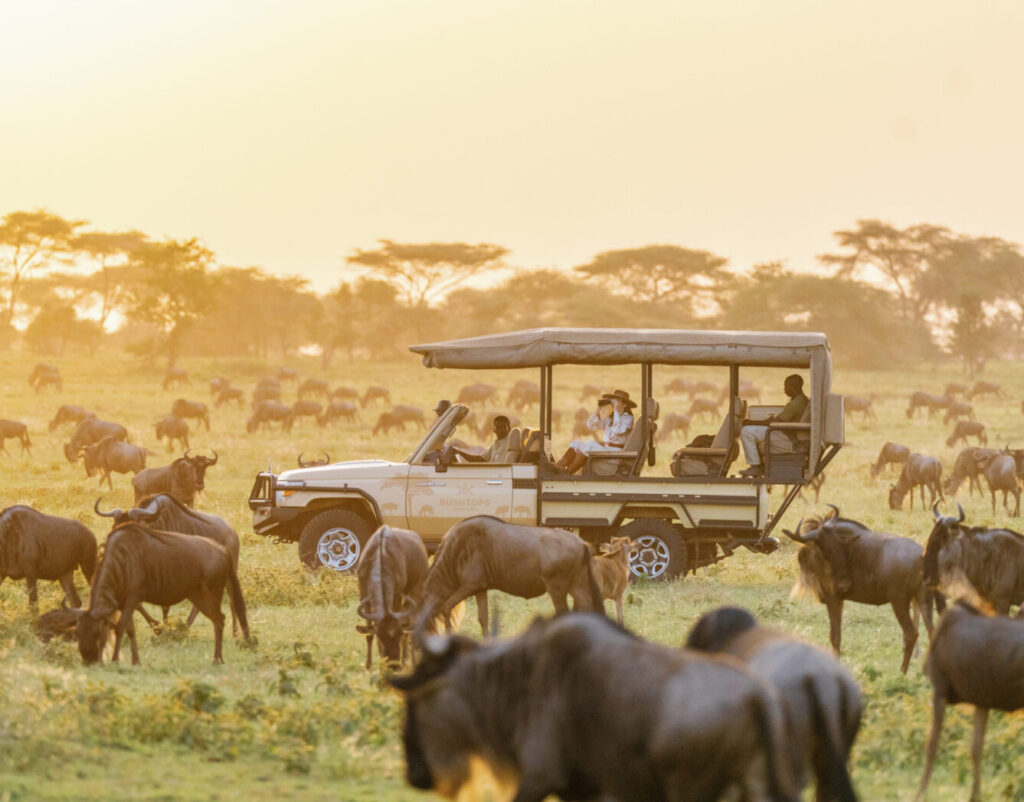
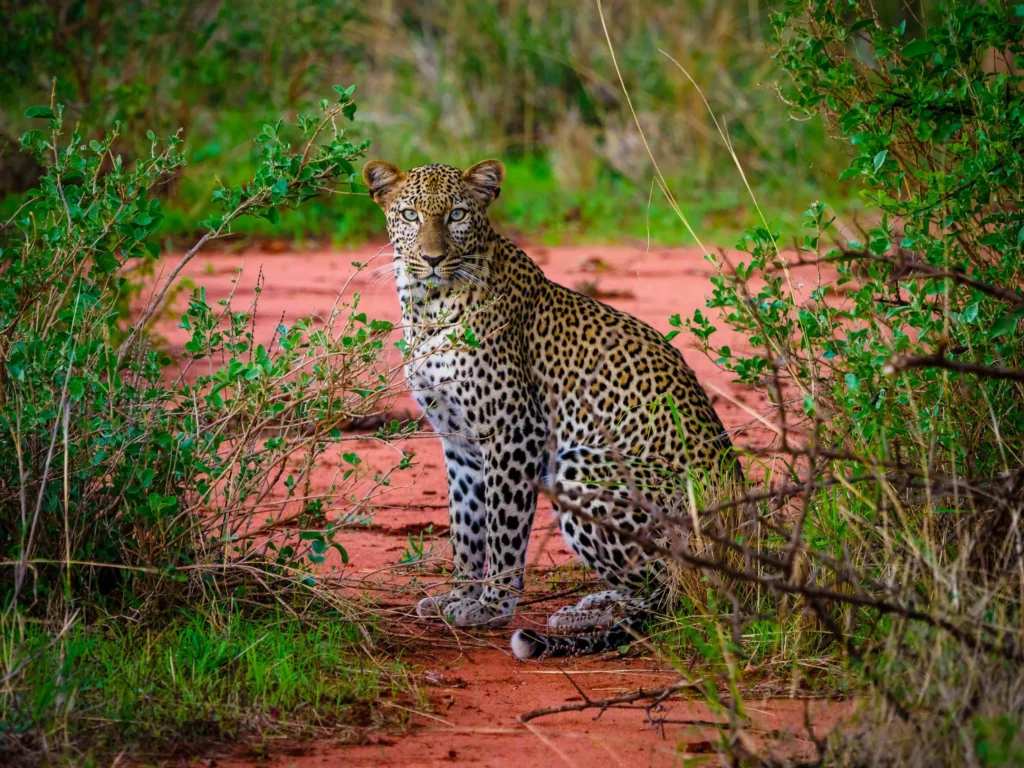
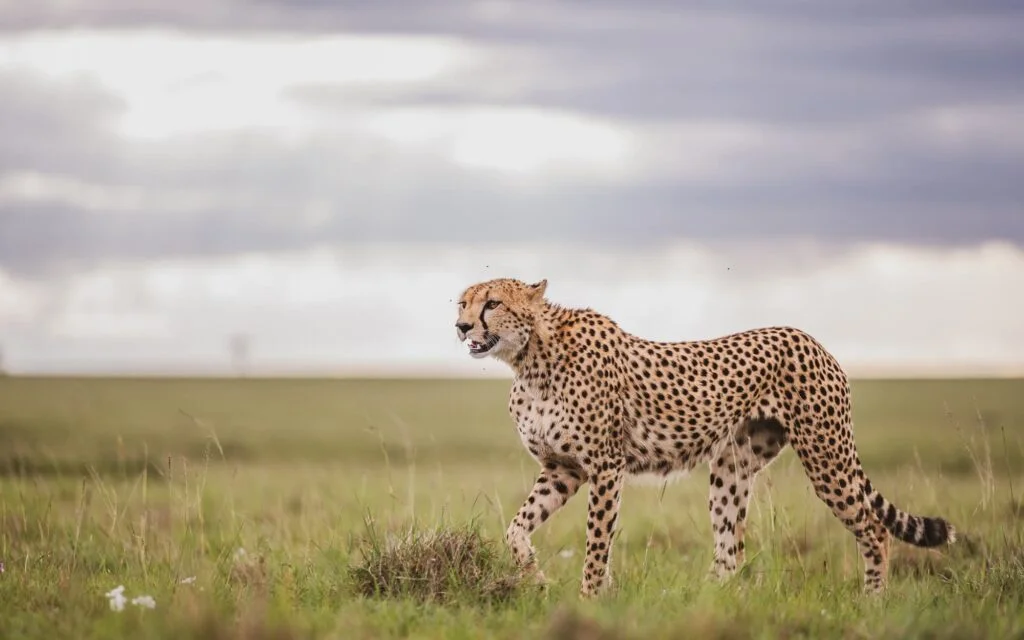
A four day Masai Mara safari can give you opportunities to see lions, elephants, buffalo, giraffes, cheetahs, hyenas, zebras, wildebeest, hippos, crocodiles and numerous antelope species. Leopards and rhinos are also possible, although sightings depend heavily on location, timing and natural wildlife movement.
The Mara is particularly strong for predator viewing. Lions are commonly associated with the ecosystem, while cheetahs often use open plains where they can scan for prey.
Leopards require more patience. They frequently use trees, riverine vegetation and thicker areas, making them considerably harder to locate than lions.
You may also see jackals, warthogs, topi, eland, hartebeest, impala, gazelles, baboons and many bird species throughout the safari.
Wildlife Expectations
| Wildlife |
General Viewing Opportunity |
| Lions |
Very good |
| Elephants |
Very good |
| Buffalo |
Very good |
| Giraffes |
Very good |
| Cheetahs |
Good |
| Leopards |
Possible but less predictable |
| Hyenas |
Good |
| Wildebeest |
Common, with major concentrations varying seasonally |
| Hippos |
Good around suitable rivers and pools |
| Rhinos |
Possible but never something we promise |
What many travelers do not realize is: seeing more species is not always better than spending quality time at a good sighting. Watching a pride of lions interact for thirty minutes can be far more rewarding than racing around trying to tick five additional animals from a list.
Morning vs Midday vs Evening in the Maasai Mara
Morning and late afternoon generally provide the most comfortable temperatures and attractive photography conditions, while midday can still produce excellent sightings around water, shade or an active predator. A full day game drive gives you access to all three periods instead of limiting wildlife viewing to only the traditional morning and evening windows.
Morning
Early morning is one of our preferred periods for safari.
Temperatures are cooler and predators may still be active after the night. Lions can be moving between territories, hyenas may be returning from feeding and herbivores are beginning their day across the plains.
Morning light is also softer for photography.
Midday
Many animals rest as temperatures rise, but midday should not automatically be considered poor safari time.
Elephants may gather near water, hippos can be visible around rivers and predators may rest close to tracks or beneath trees.
Unexpected sightings also happen during the middle of the day when fewer vehicles are moving between popular areas.
Late Afternoon
Wildlife activity often begins increasing again as temperatures fall.
This period can be particularly good for predators starting to move and herbivores becoming more active.
The softer afternoon light can also produce excellent photography before you return to your lodge or camp.