Updated 2026

Climb Mount Kilimanjaro — Routes, Cost, Best Time & Tips

Home / Kilimanjaro

Climb Mount Kilimanjaro – The Complete Travel Guide in 2026

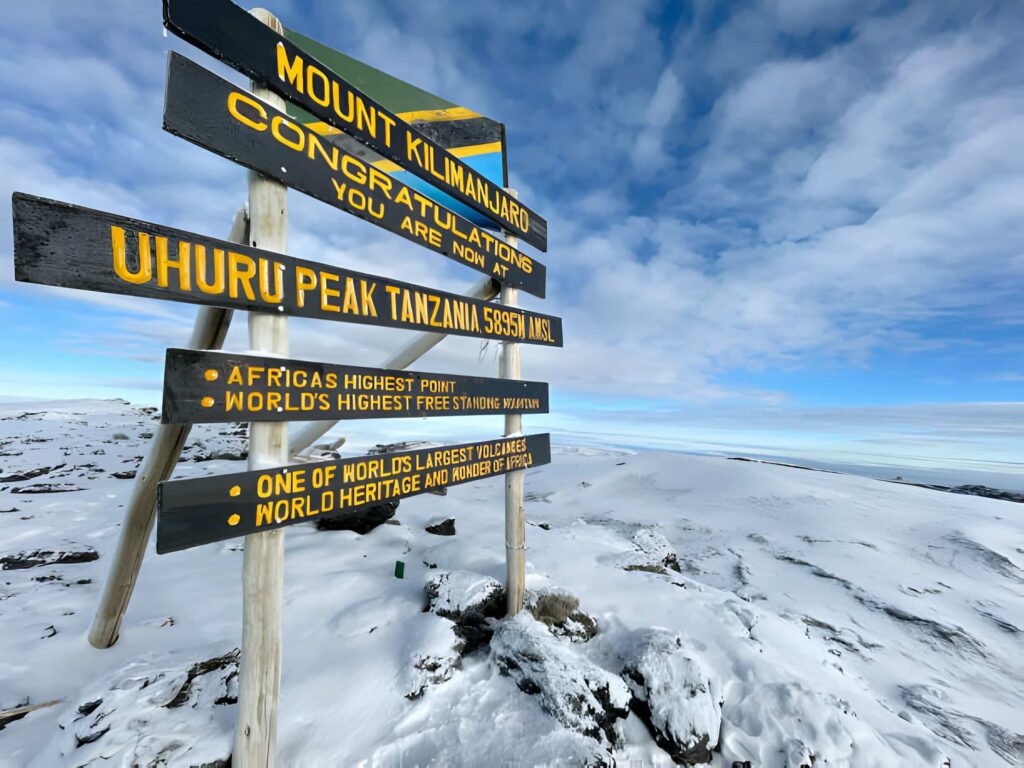
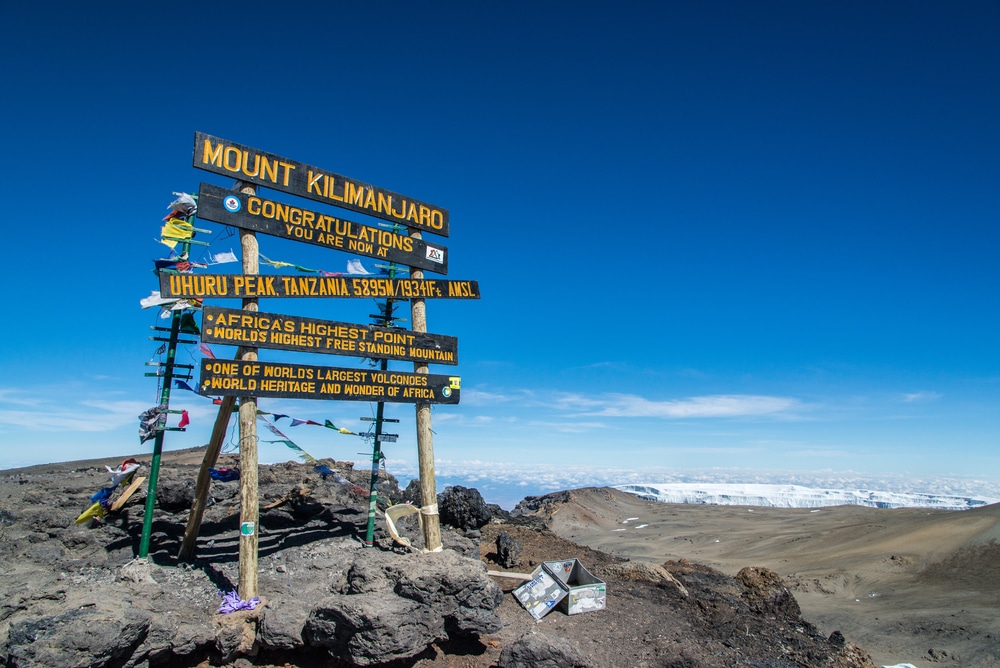
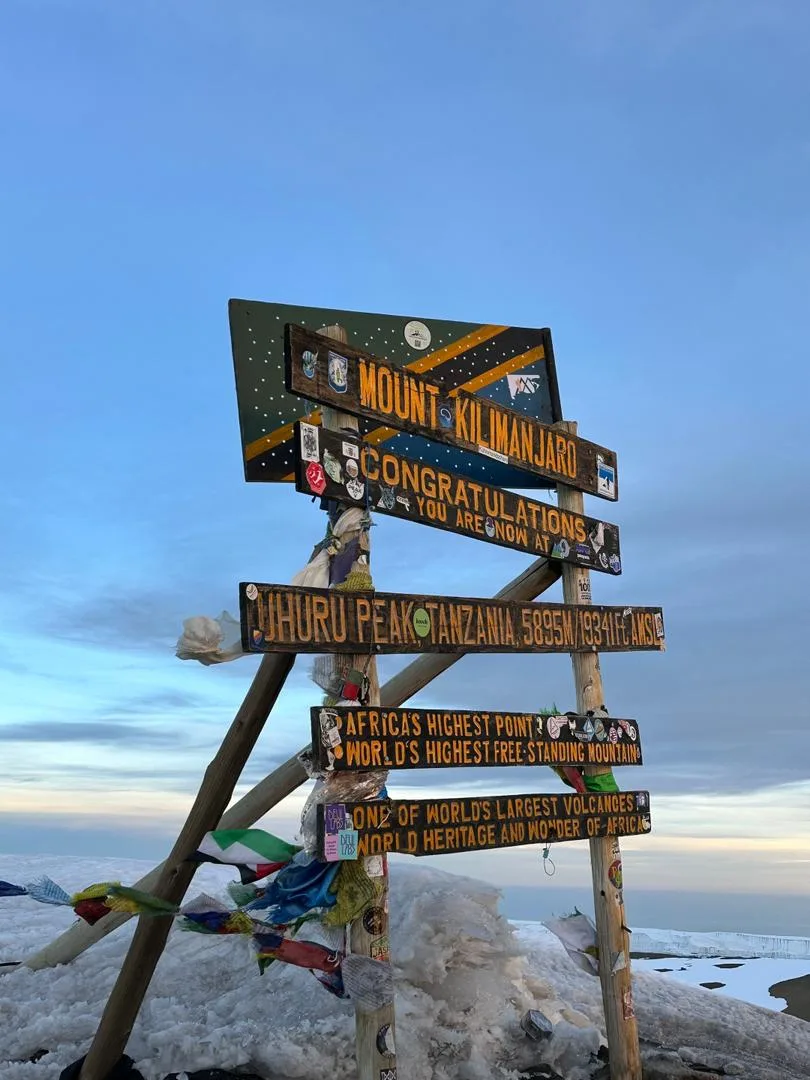
To climb Mount Kilimanjaro is one of the most powerful travel experiences in Africa. Standing at 5,895 meters above sea level, Mount Kilimanjaro is the highest mountain in Africa and the tallest free-standing mountain in the world. Located in northern Tanzania, this legendary peak attracts adventurers from all over the globe who dream of reaching Uhuru Peak, the Roof of Africa.

Unlike many famous mountains, climbing Mount Kilimanjaro does not require technical climbing skills or previous mountaineering experience. What it does require is preparation, patience, and the right support team. In this complete guide, we explain everything you need to know about climb Mount Kilimanjaro Tanzania, including routes, cost, difficulty, best time to go, and realistic expectations for your journey.

As your local experts at Tanzania Safari Experience, this guide is written to help you plan safely, confidently, and successfully.

Calculate Your Success Rate for Reaching Kilimanjaro's Summit

Climbed >13k ft in last 12 mo? *

Your Assessment

BMI: ()

    Routes like Lemosho, Machame, Rongai, and the Northern Circuit have the highest summit success rates on Kilimanjaro with itineraries of 7 days or longer. We recommend choosing a 7–8 day climb as the optimal length to give your body enough time to acclimatize and to greatly reduce the risk of Acute Mountain Sickness (AMS).

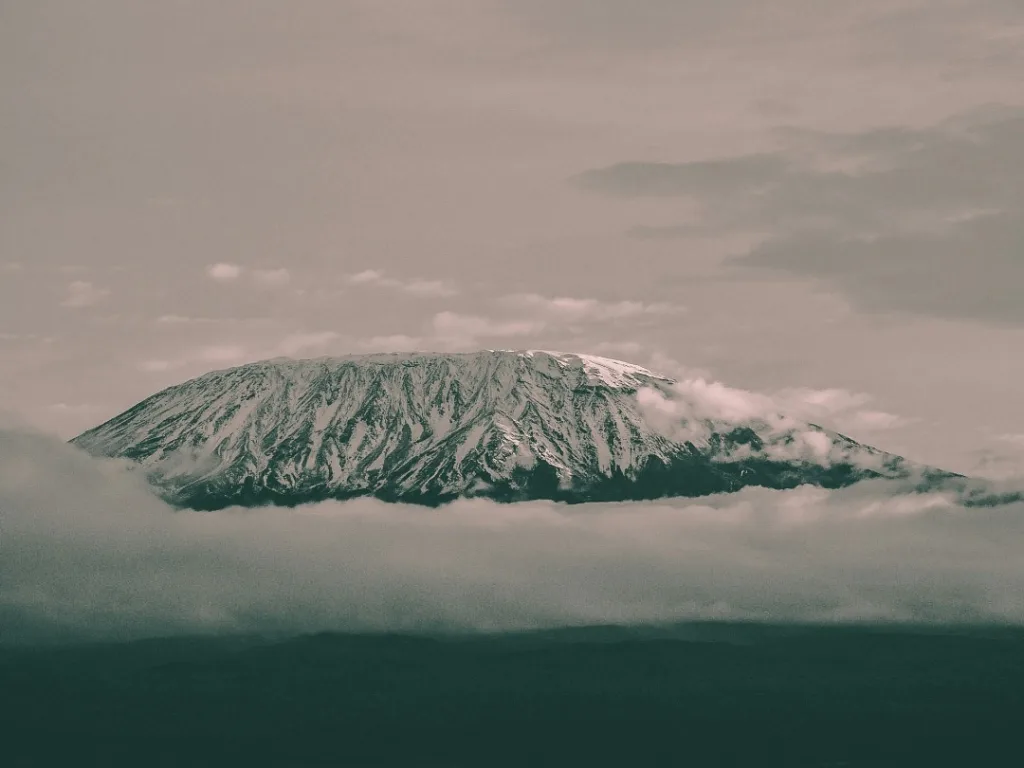
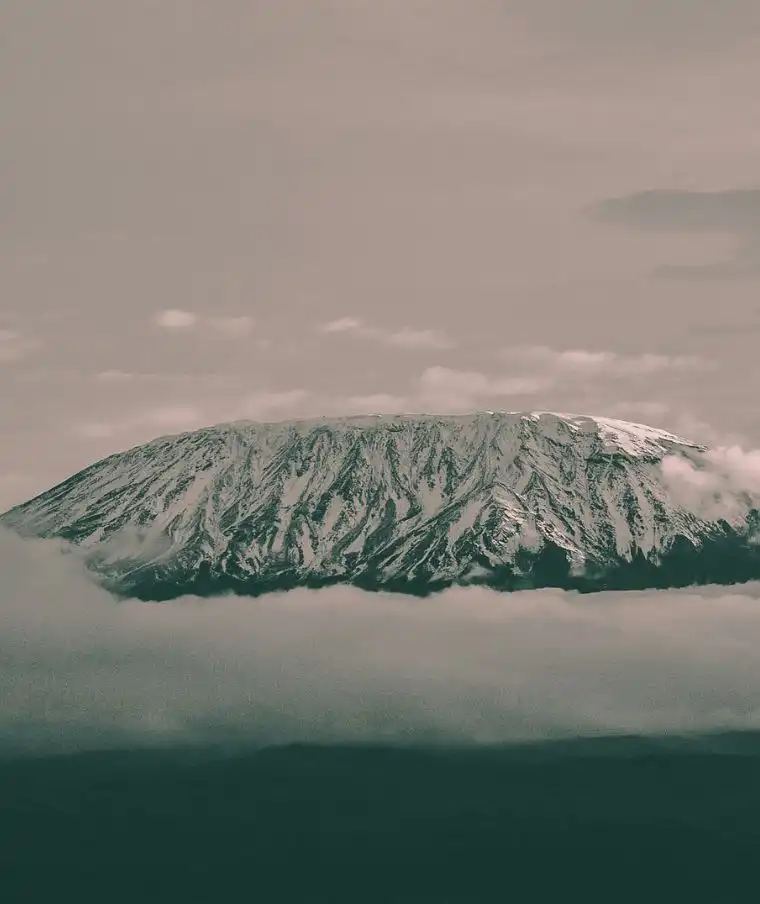
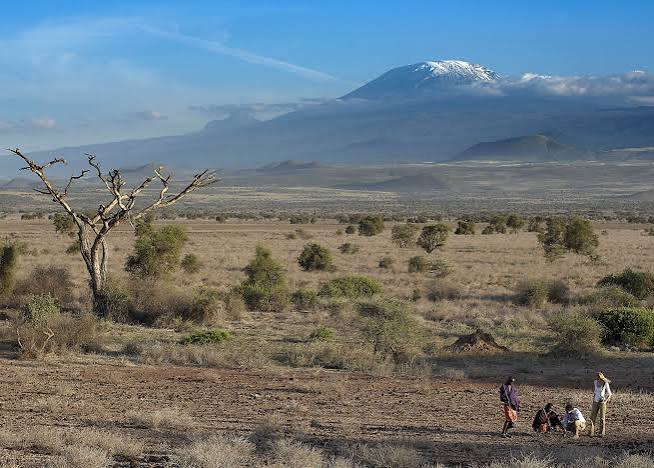
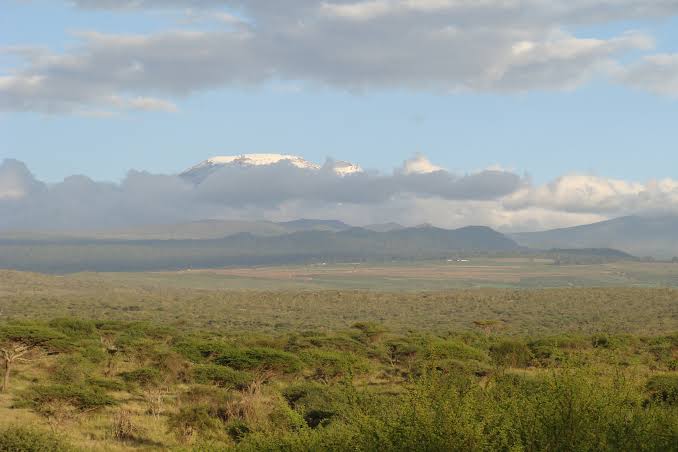
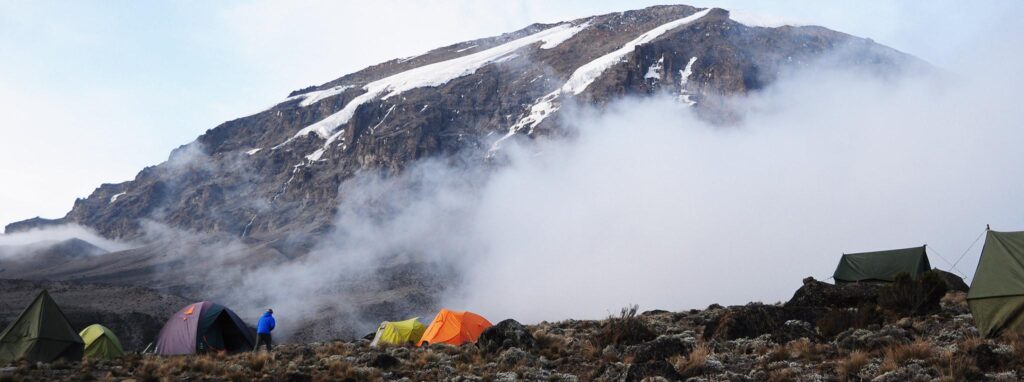
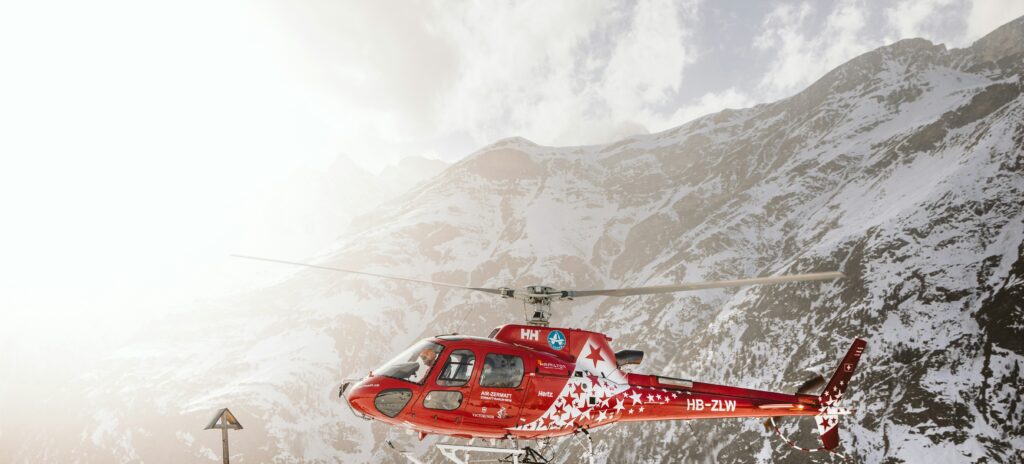
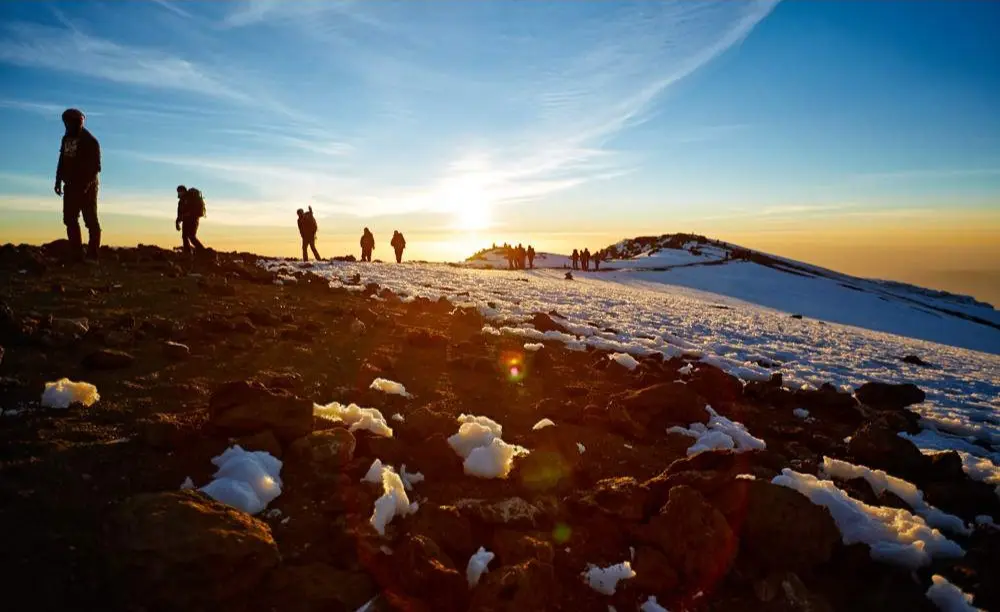
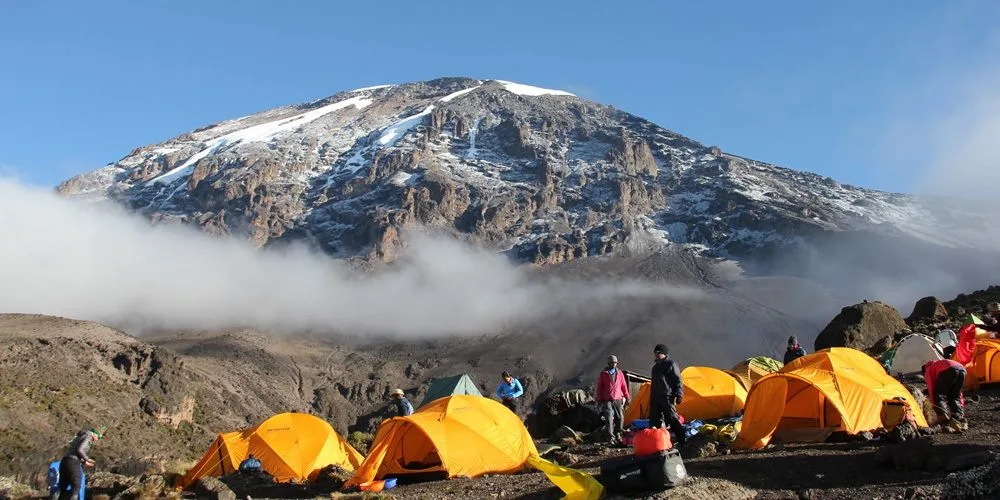
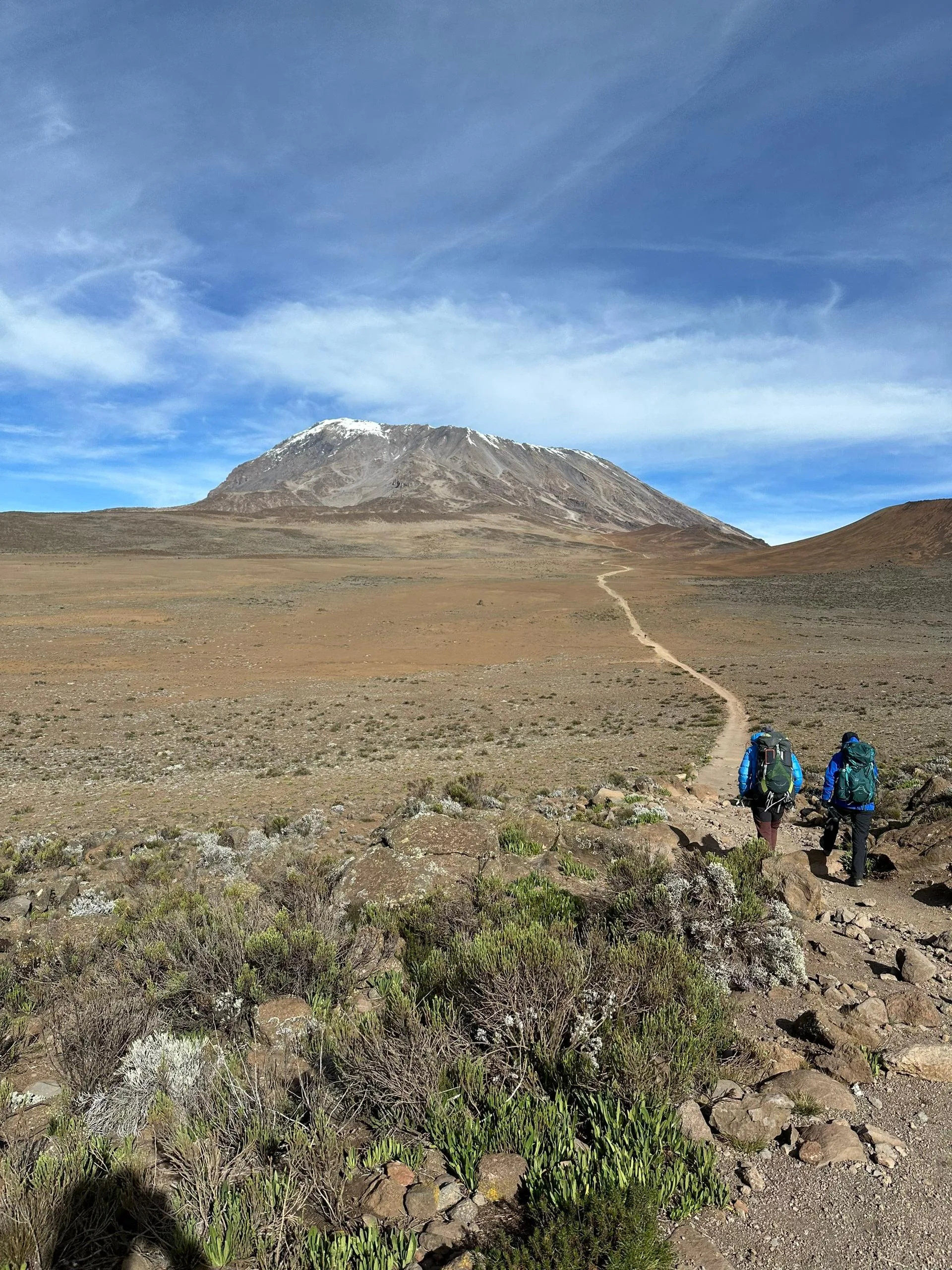
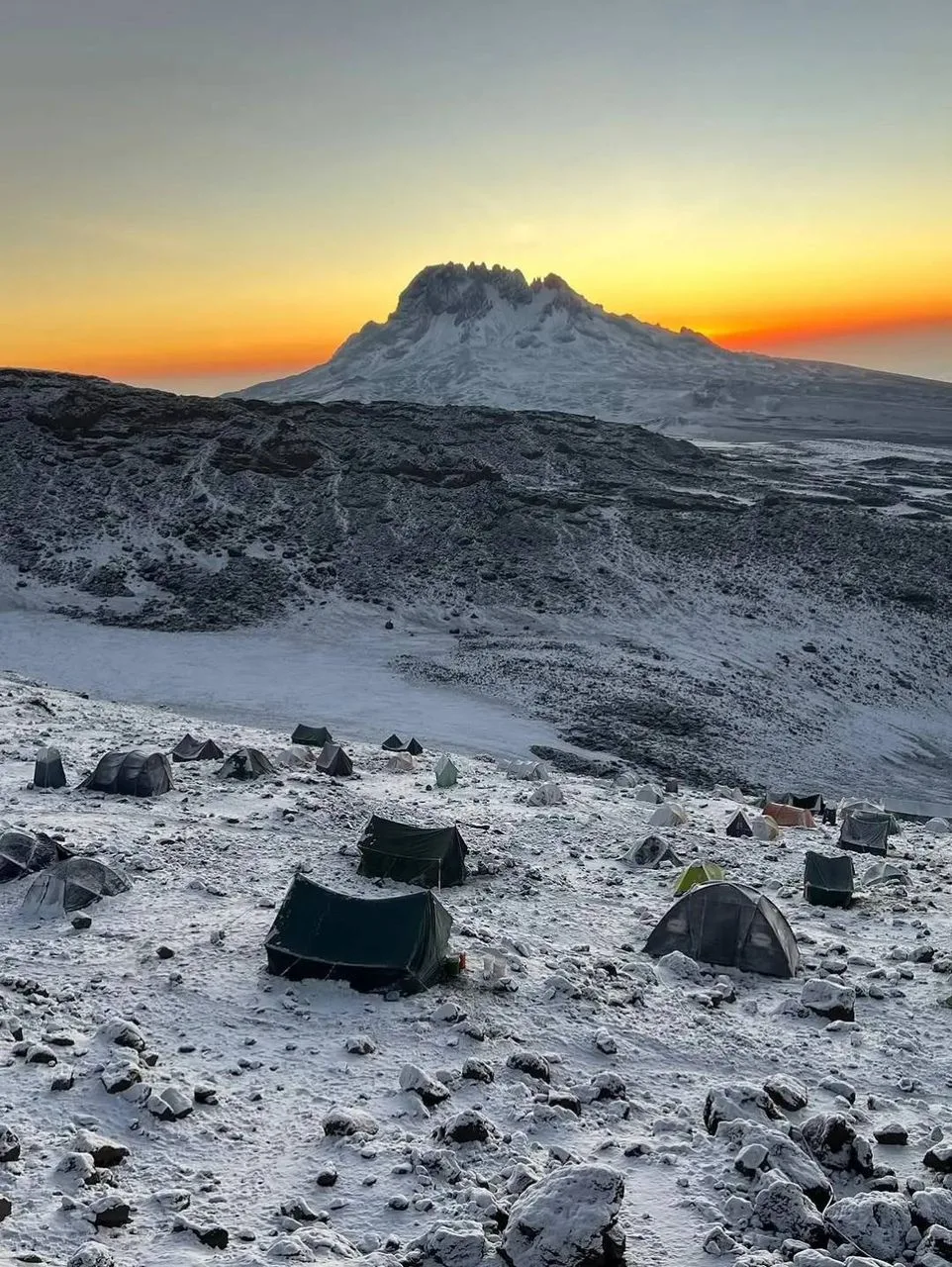
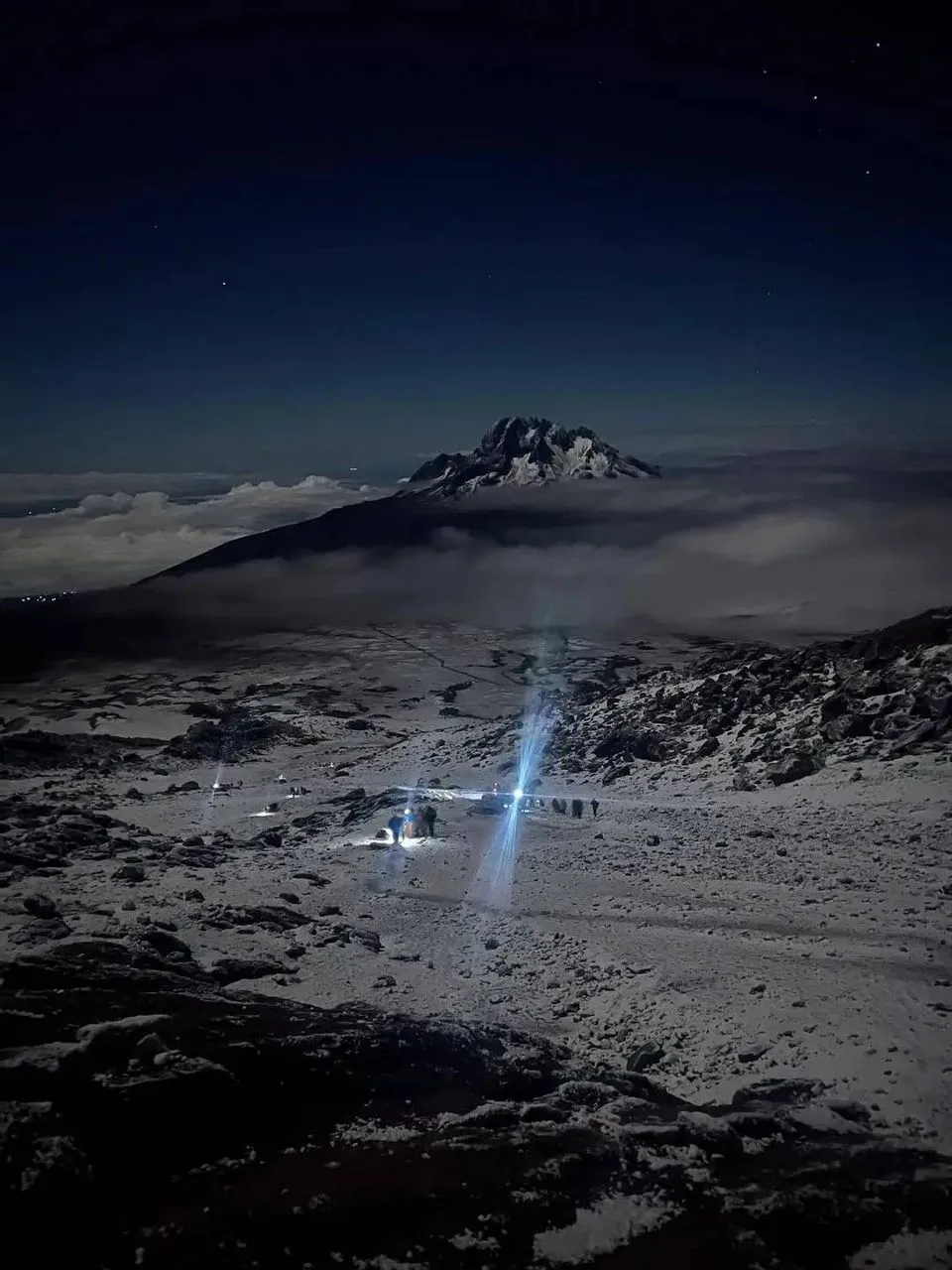
    Climb Mount Kilimanjaro Photo Gallery

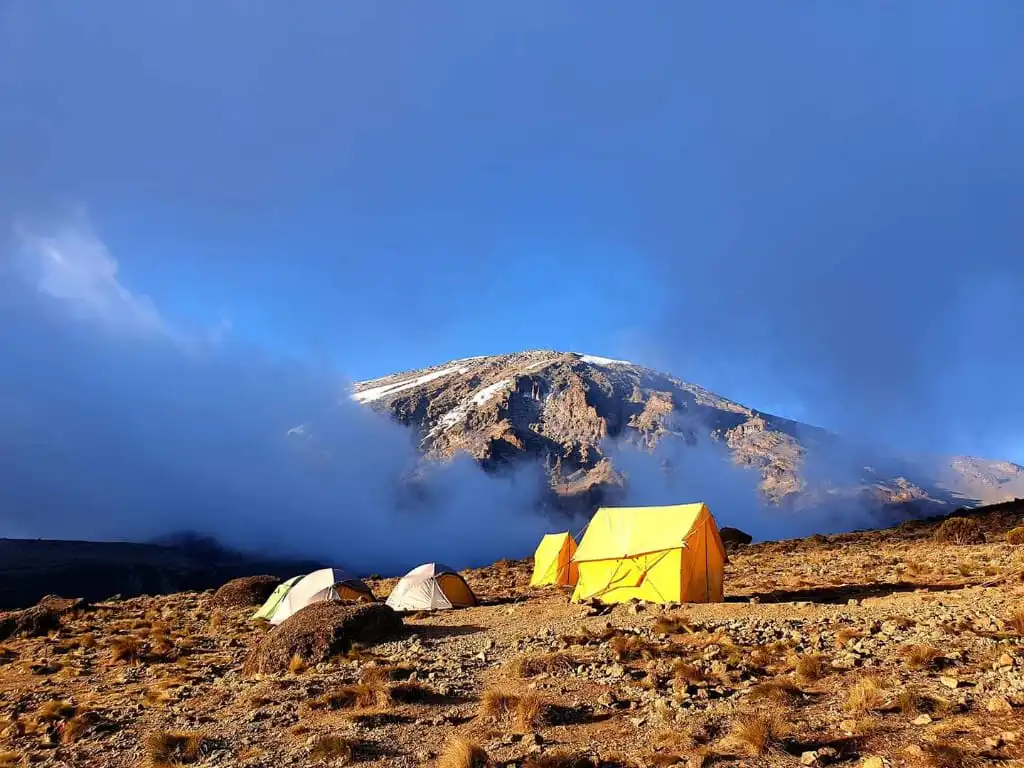
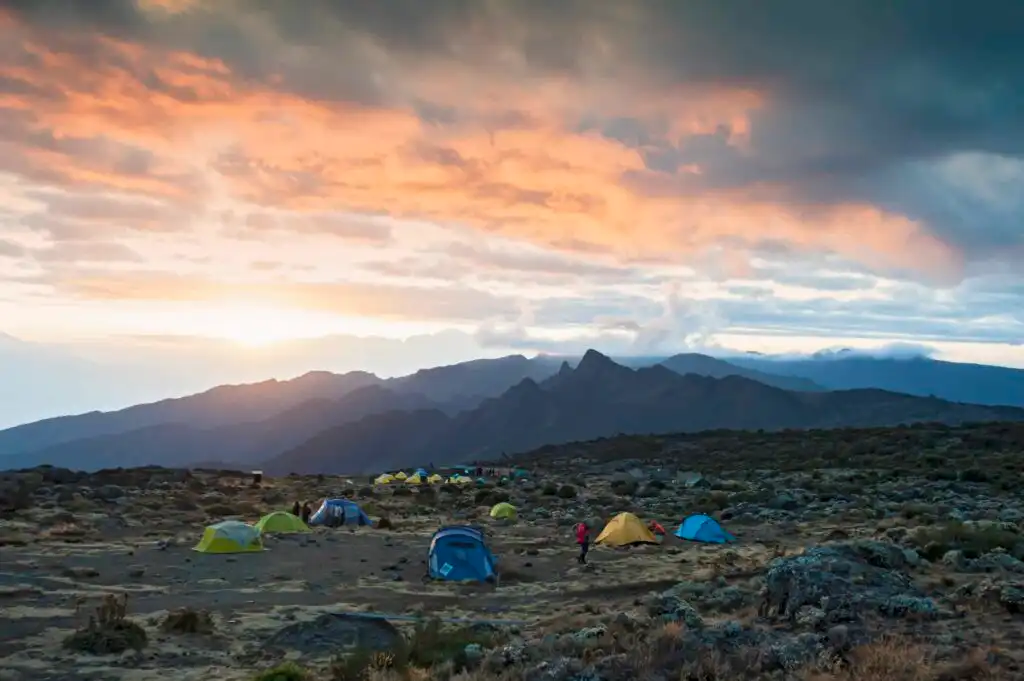
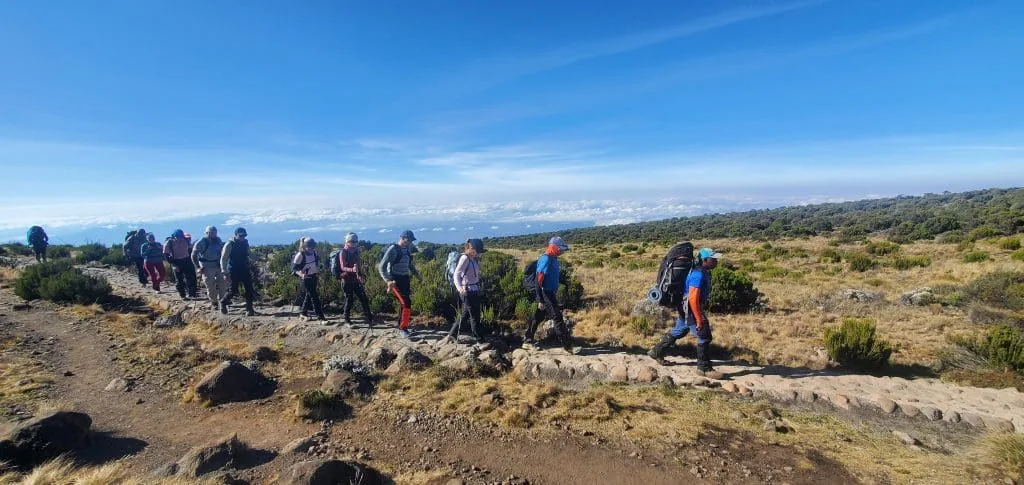
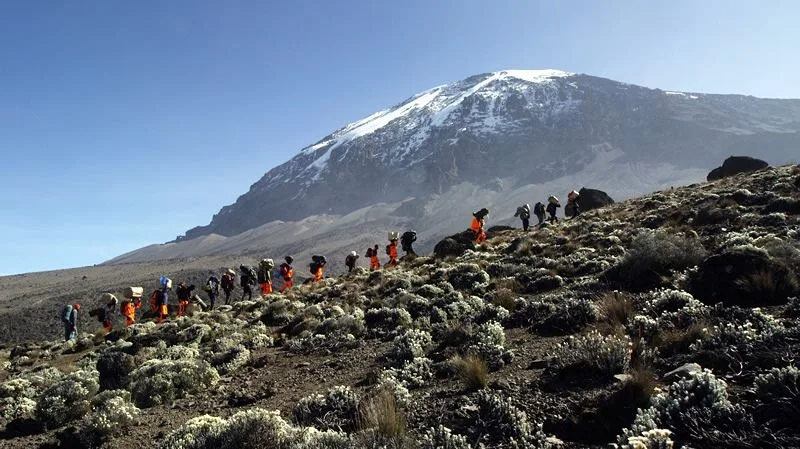
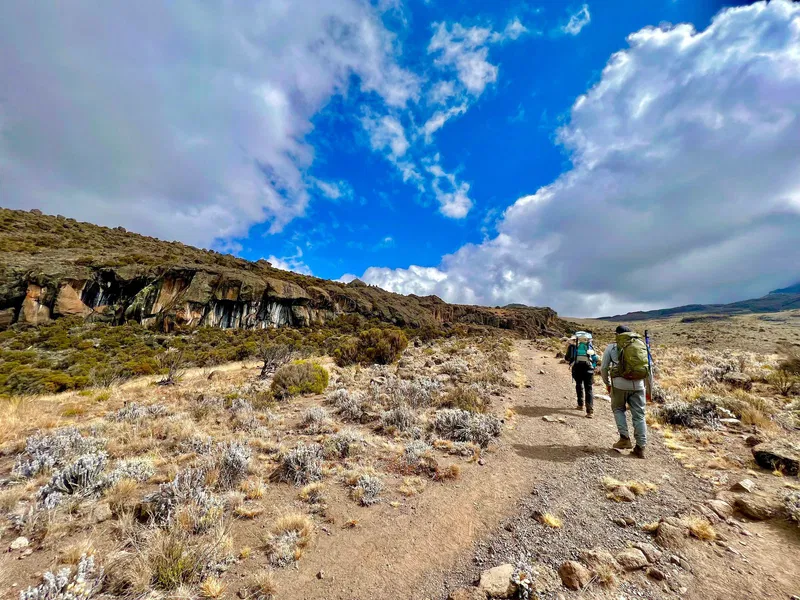
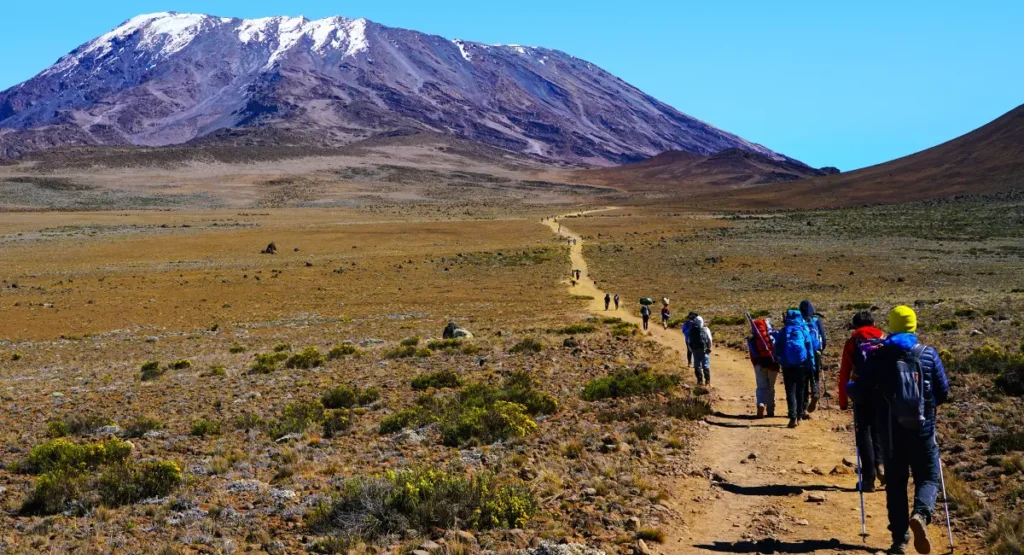
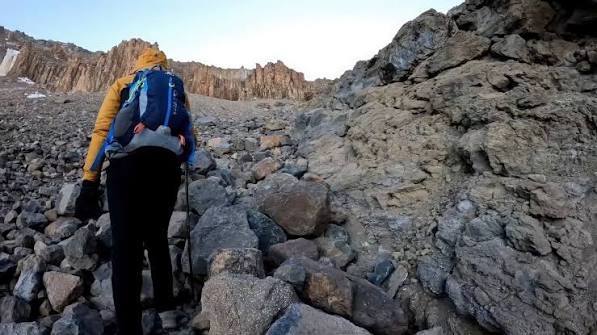
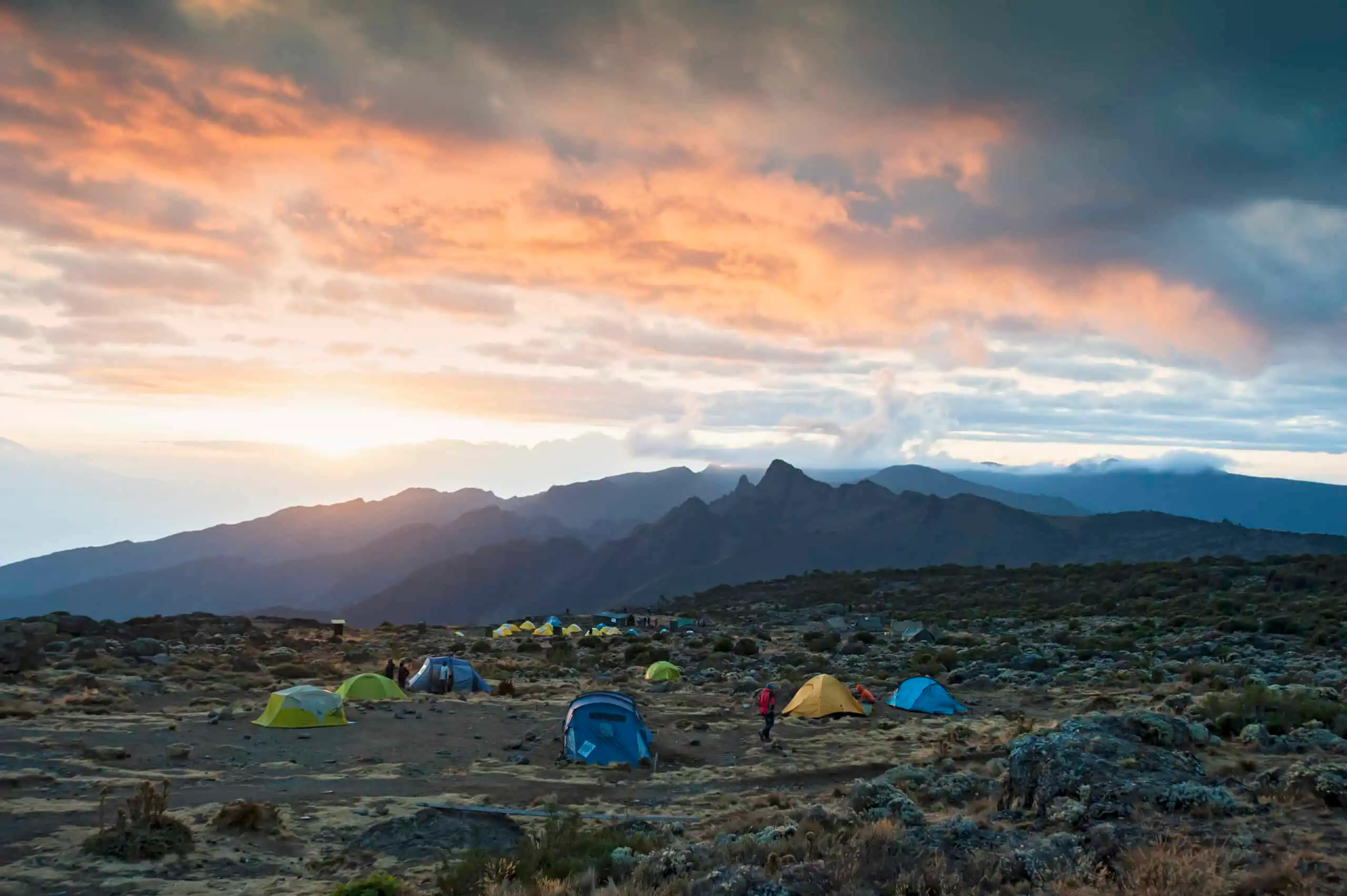
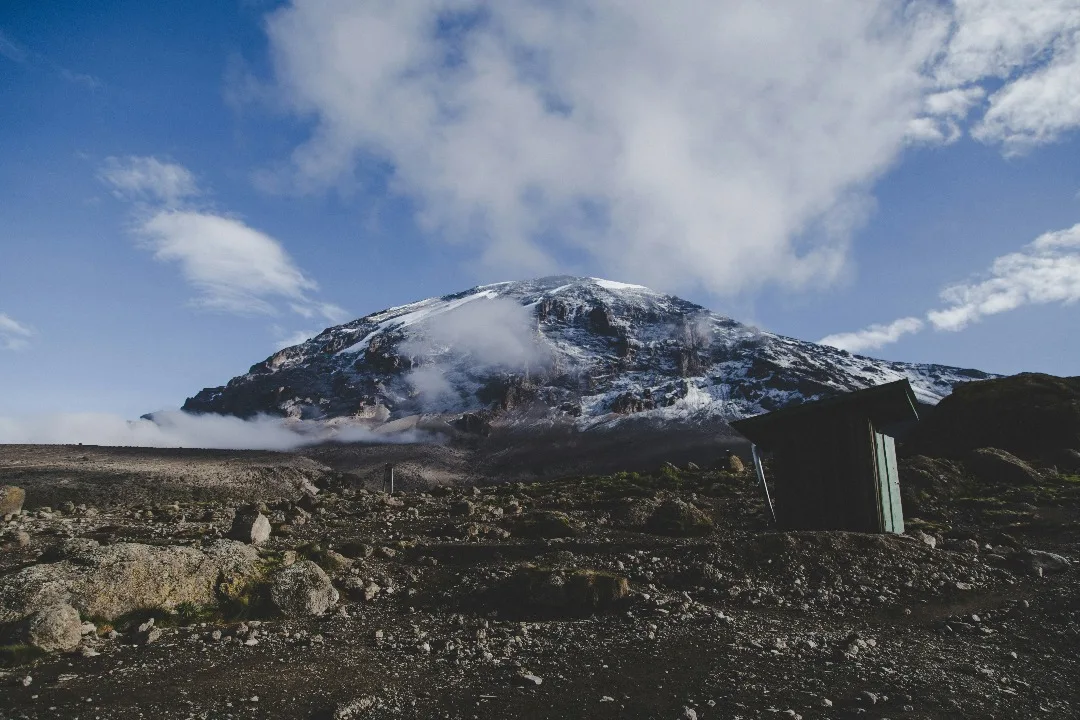
    These are real photos from our clients during their Mount Kilimanjaro climbs, showcasing the changing landscapes, trekking routes, and unforgettable moments you can experience on your own Kilimanjaro adventure.

    Expert recommendation

    As your trekking experts at Tanzania Safari Experience, we believe that a successful and enjoyable Kilimanjaro climb comes down to smart planning rather than rushing to the summit. From our hands-on experience guiding climbers from around the world, we consistently see higher success rates among those who choose longer routes with proper acclimatization. Giving your body enough time to adjust to altitude greatly reduces the risk of altitude sickness and significantly improves your chances of safely reaching Uhuru Peak.

    We also recommend planning your climb during the dry seasons, especially from January to March and from June to October, when weather conditions are more stable and trails are safer. Equally important is climbing with experienced local guides who understand the mountain, weather patterns, and altitude effects. Before you climb Mount Kilimanjaro, make sure to use a summit success rate calculator to understand how route choice and number of days impact your chances of success. At Tanzania Safari Experience, we use these calculations when designing our itineraries to give our climbers the best possible opportunity to stand on the Roof of Africa.

    Tanzania Safari Specialist

    Laurent Karume

    Climb Mount Kilimanjaro Specialist

    Climb Mount Kilimanjaro Highlights

    At a glance

    Tailormade itineraries

    Every Tanzania Safari Experience adventure is customized just for you—no fixed tours or set dates. Speak with our Tanzania Safari experts to help you plan your perfect Tanzania Safari itinerary.

    Climb Mount Kilimanjaro Packages

    Professional climb Mount Kilimanjaro packages include everything you need for a safe ascent. These packages usually cover park fees, experienced guides, porters, meals, camping equipment, and emergency support.

    At Tanzania Safari Experience, our packages are carefully designed to focus on safety, fair porter treatment, and proper acclimatization, rather than rushing to the summit.

    7-Day Machame Route Guide

    Starting From

    On Request

    Per Person On Twin Sharing

    8-Day and 7-Day Options Lemosho Route

    Starting From

    On Request

    Per Person On Twin Sharing

    6-Day Marangu Itinerary

    Starting From

    On Request

    Per Person On Twin Sharing

    5-Day Marangu Route Itinerary

    Starting From

    On Request

    Per Person On Twin Sharing

    Umbwe Route Itinerary (6 or 7 Days)

    Starting From

    On Request

    Per Person On Twin Sharing

    9-Day Umbwe Route Trek Itinerary

    Starting From

    On Request

    Per Person On Twin Sharing

    Choose a private Mount Kilimanjaro climb if you prefer a fully personalized adventure. You’ll climb with your own group of family or friends, supported by our experienced team, following a schedule and pace designed specifically for you. Private climbs are perfect for travelers who value privacy, flexibility, and a customized itinerary that matches their comfort level and goals.

    Alternatively, you can join one of our open group Kilimanjaro climbs and experience the journey alongside climbers from different parts of the world. Group climbs create a strong sense of teamwork and shared achievement, while still maintaining the same high safety standards, professional guiding, and quality service provided on every Tanzania Safari Experience expedition.

    How Hard Is It to Climb Mount Kilimanjaro?

    Can a Beginner Climb Kilimanjaro?

    Many travelers ask, how hard is it to climb Mount Kilimanjaro? The climb is physically demanding but mentally even more challenging. You walk for several hours each day, often on steep or rocky terrain, and summit night can last 10 to 14 hours.

    The main difficulty is altitude sickness, not strength. Even very fit people can struggle if they ascend too quickly. This is why choosing the right route and number of days is critical. With good preparation, climbing Mount Kilimanjaro for beginners is absolutely achievable.

    Based on our experience and climb data from 7 to 8-day Kilimanjaro routes, these longer itineraries offer some of the highest chances of reaching the summit successfully. Allowing more time on the mountain helps your body adapt naturally to the altitude, which is the most important factor in achieving a safe and successful climb to Uhuru Peak.

    At the heart of our climbs are highly trained local guides with strong medical and altitude-awareness training, supported by comprehensive safety systems on every expedition. We provide bottled oxygen when needed, well-equipped medical kits, reliable climbing gear, and carefully selected routes designed for smooth acclimatization. At Tanzania Safari Experience, every detail is planned to prioritize your safety, comfort, and the best possible chance of standing on the Roof of Africa.

    What You Need to Know Before You Climb Kilimanjaro

    Where Is Mount Kilimanjaro Located?

    Mount Kilimanjaro is located in northern Tanzania, close to the Kenyan border. The mount Kilimanjaro country is Tanzania, and the mountain is protected within Kilimanjaro National Park, a UNESCO World Heritage Site. The closest gateway town is Moshi, which serves as the main base for climbers preparing for their ascent.

    Kilimanjaro’s location near the equator makes it even more fascinating. In just a few days, climbers pass through rainforest, heathland, alpine desert, and finally Arctic conditions near the summit. This dramatic change in landscapes is one of the highlights of climbing Mount Kilimanjaro.

    Can You Climb Mount Kilimanjaro?

    One of the most common questions is, can you climb Mount Kilimanjaro? The simple answer is yes. Mount Kilimanjaro is considered a trekking peak, not a technical climb. This means no ropes, ice axes, or climbing equipment are required.

    That said, altitude is the real challenge. The air becomes thinner as you ascend, making breathing more difficult. With proper acclimatization, a steady pace, and an experienced climb Mount Kilimanjaro guide, most healthy people can reach the summit successfully.

    How Hard Is It to Climb Mount Kilimanjaro?

    Many travelers ask, how hard is it to climb Mount Kilimanjaro? The climb is physically demanding but mentally even more challenging. You walk for several hours each day, often on steep or rocky terrain, and summit night can last 10 to 14 hours.

    The main difficulty is altitude sickness, not strength. Even very fit people can struggle if they ascend too quickly. This is why choosing the right route and number of days is critical. With good preparation, climbing Mount Kilimanjaro for beginners is absolutely achievable.

    Kilimanjaro Hike Difficulty Explained

    The Kilimanjaro hike difficulty varies depending on the route, the number of days, and your body’s response to altitude. Longer routes allow more time to acclimatize and are generally easier on the body, even though they involve more walking days.

    Shorter routes may appear easier on paper, but they increase the risk of altitude sickness. From our experience at Tanzania Safari Experience, climbers who choose longer itineraries enjoy higher success rates and a more comfortable experience.

    How Long Does It Take to Climb Mount Kilimanjaro?

    A very important planning question is how long does it take to climb Mount Kilimanjaro. Most climbs last between 6 and 9 days on the mountain, depending on the route chosen.

    If you ask how long to climb Mount Kilimanjaro, remember that extra days greatly improve acclimatization and summit success. For most travelers, 7 or 8 days is the ideal balance between time and comfort.

    How Many Days Does It Take to Climb Mount Kilimanjaro?

    If you are wondering how many days does it take to climb Mount Kilimanjaro, the answer depends on your route and pace. Budget itineraries may offer 5 or 6 days, but these have lower success rates.

    We strongly recommend choosing itineraries that prioritize safety and acclimatization rather than speed.

    Kilimanjaro Hike Distance and Elevation

    The Kilimanjaro hike distance and elevation varies by route, but most climbers walk between 60 and 75 kilometers round trip. The total elevation gain is nearly 4,900 meters from the starting point to Uhuru Peak.

    This rapid elevation gain over a short time is what makes Kilimanjaro challenging, even though no technical climbing is involved.

    Best Time to Climb Mount Kilimanjaro

    The best time to climb Mount Kilimanjaro is during the dry seasons, when trails are safer and views are clearer. The most popular months are January to March and June to October.

    During these periods, weather conditions are more stable, and summit success rates are higher. Climbing Mount Kilimanjaro in December is also possible, although occasional rain can occur.

    Popular Routes to Climb Mount Kilimanjaro

    There are several established routes, each offering a unique experience when you climb Mount Kilimanjaro.

    The Machame Route is popular for its scenery and good acclimatization profile. The Lemosho Route is ideal for those seeking fewer crowds and a higher summit success rate. The Marangu Route is the only route with hut accommodation and is often chosen by budget travelers. The Rongai Route approaches from the north and is quieter and drier.

    Choosing the right climb Mount Kilimanjaro tour is one of the most important decisions you will make.

    Looking for Climb Mount Kilimanjaro for your dates ?

    Receive a free Tanzania safari quote straight to your email within 6 hours! Customize your preferences, and we’ll craft a unique experience just for you. Prices vary based on group size and accommodation choice.

    We've got you covered

    Our tours are top-notch but give you great value. The price we tell you upfront covers most of the costs for one person, like flights and all transfers.

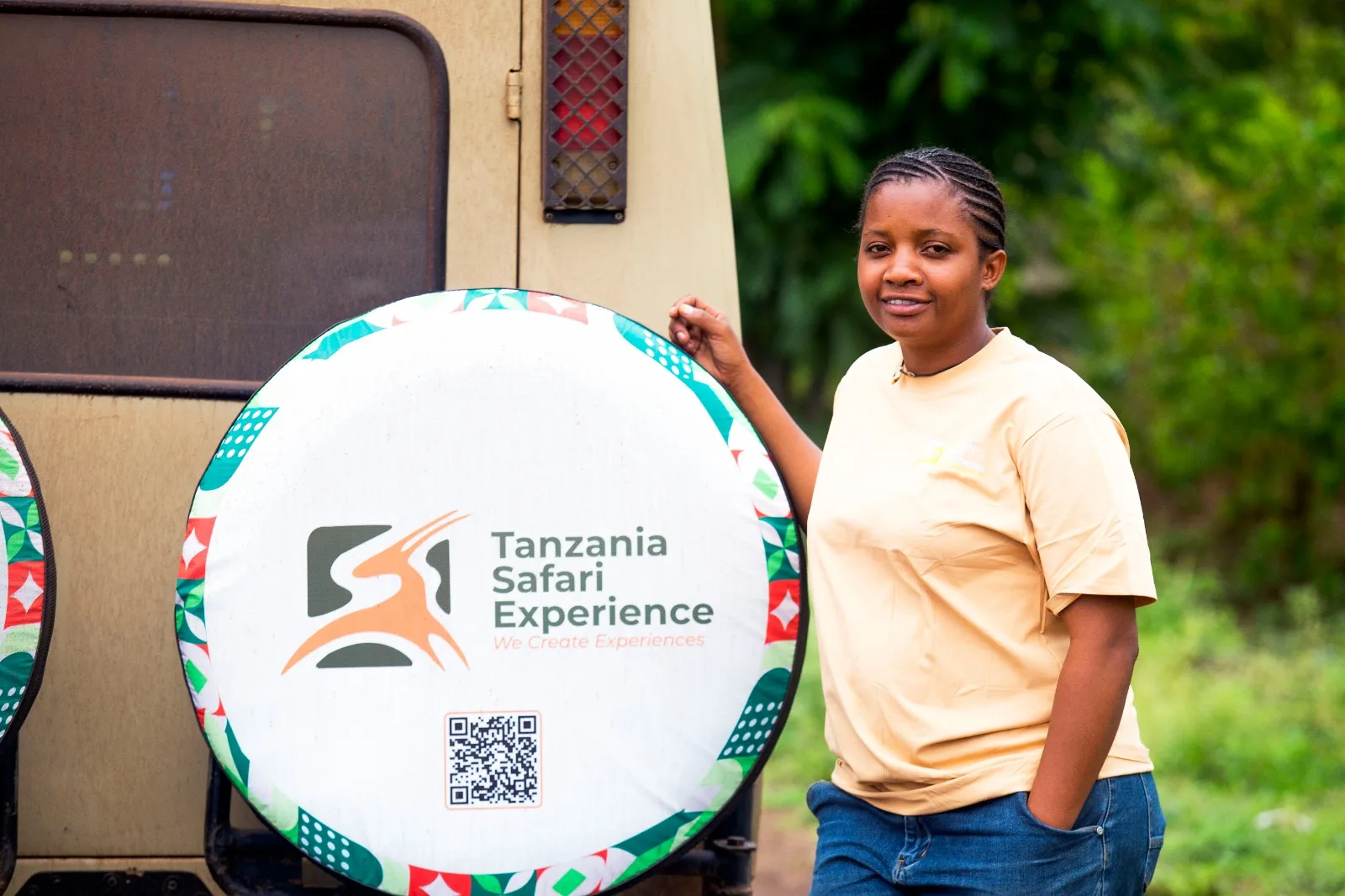
    Tanzania Safari Specialist- Agness Boma

    Connect with our local experts for personalized travel planning

    Plan your Kilimanjaro today

    Request a Program
    Response within 24 hours
    No obligations

    Kilimanjaro TripAdvisor Reviews

    SEE WHAT OUR GUESTS HAVE TO SAY ABOUT THEIR TANZANIA SAFARI EXPERIENCE.

    *For the most recent reviews/testimonials from our guests, please visit our TripAdvisor page and Trustpilot.

    Looking for more?

    We can design a safari for you from scratch, or you can choose from our tailor-made safari proposals below. You’ll receive a free Tanzania safari proposal with no obligation, featuring trips created for nature lovers, families, and adventure seekers.

    7 Days Tanzania Safari

    Starting From

    On Request

    Per Person On Twin Sharing

    7 Days The Great Serengeti Migration Safari

    Starting From

    On Request

    Per Person On Twin Sharing

    6 Days Tanzania Safari Tour

    Starting From

    On Request

    Per Person On Twin Sharing

    4 Days Tanzania Safari Tour

    Starting From

    On Request

    Per Person On Twin Sharing

    Everything You Need to Know Before You Climb Mount Kilimanjaro

    Every Kilimanjaro adventure begins with a question. Whether it’s your first time or a return climb, it’s natural to wonder about the best time to climb Mount Kilimanjaro, what to pack, how difficult the trek is, and how the journey works. Here, we’ve answered the most common questions climbers ask before booking their climb Mount Kilimanjaro experience, so you can plan with confidence and focus on reaching the Roof of Africa.

    Climbing Mount Kilimanjaro usually takes between 6 and 9 days, depending on the route you choose. Longer routes allow better acclimatization, which greatly improves summit success and overall comfort. At Tanzania Safari Experience, we generally recommend 7 or 8 days on the mountain for the best balance between safety and success.

    Many people wonder how hard it is to climb Mount Kilimanjaro, and the main challenge is altitude rather than technical difficulty. You do not need climbing experience, but you should be prepared for long walking days, cold temperatures near the summit, and thin air. With proper preparation, pacing, and experienced guides, most determined climbers can reach the summit.

    Yes, beginners can absolutely climb Mount Kilimanjaro. In fact, many successful climbers are first-time trekkers. The key is choosing the right route, allowing enough days for acclimatization, and climbing with professional guides who monitor your health and pace throughout the journey.

    The best time to climb Mount Kilimanjaro is during the dry seasons, from January to March and from June to October. These months offer more stable weather, clearer views, and safer trail conditions. While the mountain can be climbed year-round, dry-season climbs are generally more comfortable and have higher success rates.

    The cost to climb Mount Kilimanjaro typically ranges from USD 1,800 to 3,500 per person, depending on the route, number of days, and level of service. Prices include park fees, guides, porters, meals, and safety equipment. Cheaper options often reduce acclimatization days or safety standards, which can affect your chances of reaching the summit.

    You cannot climb Mount Kilimanjaro completely solo, as park regulations require all climbers to be accompanied by a registered guide. However, you can choose a private climb with your own guide and support team, allowing for a personalized pace and a more flexible experience.

    Yes, Tanzania is considered one of the safest safari destinations in Africa. National parks are well-managed, and guides are highly trained to ensure your safety. While in cities, it’s always best to take normal precautions, such as avoiding walking alone at night. Traveling with a trusted operator ensures a smooth and safe experience.

    Climbing Mount Kilimanjaro is considered safe when done with experienced guides, proper acclimatization, and responsible planning. Professional teams monitor climbers daily for altitude symptoms and carry emergency equipment. Choosing the right operator and itinerary plays a major role in overall safety.

    No technical climbing skills are required to climb Mount Kilimanjaro. It is a high-altitude trek rather than a technical mountain climb. What matters most is endurance, mental determination, and allowing your body enough time to adjust to the altitude.

    You can increase your summit success by choosing a longer route, climbing during the dry season, maintaining a slow and steady pace, and using a summit success rate calculator before booking. At Tanzania Safari Experience, we design itineraries based on these factors to give climbers the best possible chance of reaching Uhuru Peak.

    Absolutely. With Tanzania Safari Experience, your safari can include a personal photographer to capture your wildlife encounters, family moments, and scenic landscapes throughout your trip, ensuring you take home lasting memories.