


Essential Things to Know Before Your Safari in Tanzania
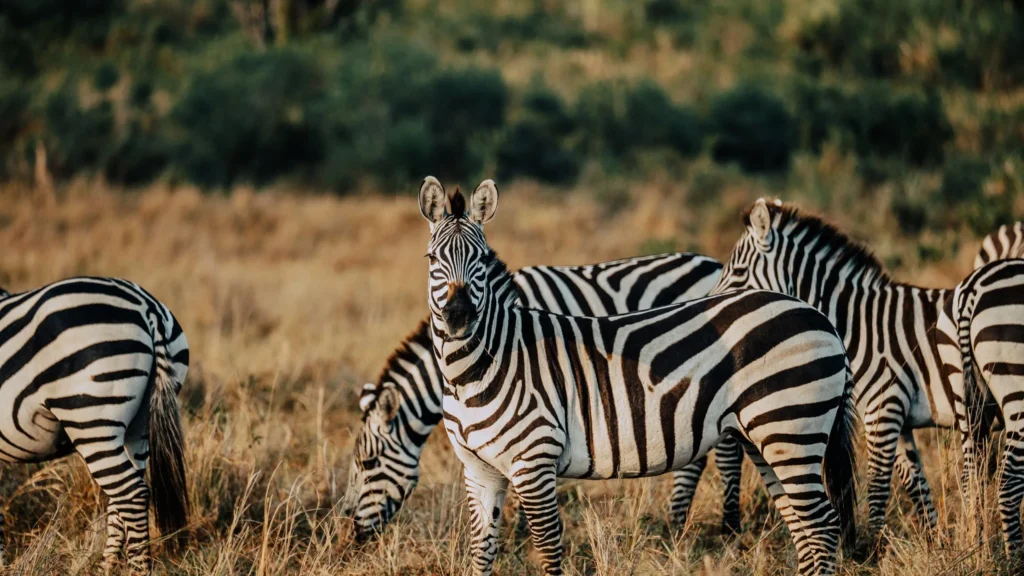
Planning your first safari can feel exciting and overwhelming at the same time. After helping travelers explore Tanzania for years, our team at Tanzania Safari Experience has learned that a few simple preparations can make the difference between a good safari and an unforgettable one.
A safari is not just a holiday. It is waking up to lions roaring in the distance, watching elephants cross the road in front of your vehicle, and seeing sunsets that look like they belong in a movie. Before you arrive in Tanzania, there are a few important things you should know to make your journey smoother, safer, and more enjoyable.
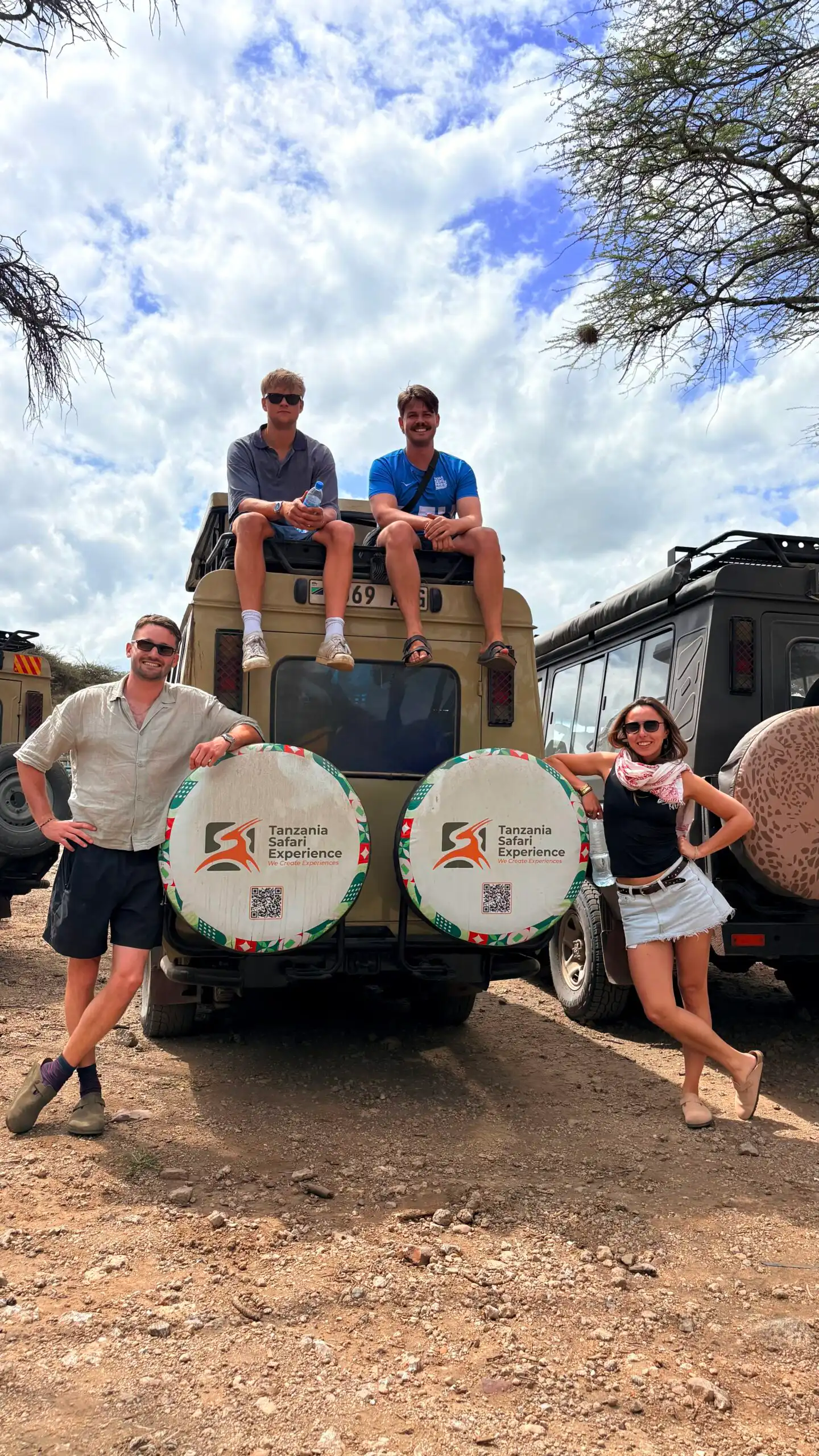
Essential Safari Facts at a Glance
| Topic | What You Need to Know |
|---|---|
| Arrival | Arrive in Arusha at least one day before safari |
| Start Time | Most safaris begin between 7:00 AM and 8:30 AM |
| Clothing | Neutral colors work best |
| Currency | USD and EUR widely accepted |
| Luggage | Soft bags are preferred |
| Internet | Available in many lodges but can be limited |
| Best Wildlife Viewing | June to October |
| Great Migration Calving | January to February |
| Great Migration River Crossings | June to July |
| Travel Insurance | Strongly recommended |
Safari Schedule and Timing
Quick Answer: Most Tanzania safaris start early in the morning, usually between 7:00 AM and 8:30 AM, because wildlife is most active during cooler hours.
One of the biggest surprises for first-time visitors is how early safari days begin. Animals are naturally more active in the morning before the African sun becomes strong.
Our team at Tanzania Safari Experience normally confirms the exact pickup time one day before departure.
Local Insight
Many guests ask if they can arrive in Arusha and start the safari immediately. While possible, we always recommend arriving one day earlier. International flights can experience delays, and having a relaxing night before your adventure starts makes a huge difference.
Typical Safari Day
| Time | Activity |
|---|---|
| 6:00 AM | Breakfast |
| 7:00 AM | Safari departure |
| Morning | Wildlife viewing |
| 12:30 PM | Picnic or lodge lunch |
| Afternoon | Game drive |
| 6:00 PM | Return to lodge |
Health and Safety During Safari
Quick Answer: Tanzania is a safe safari destination when you follow your guide’s instructions and prepare basic travel health essentials before arrival.
Before traveling, speak with your doctor regarding malaria prevention options.
Most travelers do not require a yellow fever certificate unless arriving from a country where yellow fever is present.
What We Recommend Packing
- Personal medications
- Motion sickness tablets
- Small first aid kit
- Hand sanitizer
- Insect repellent
- Sunscreen
Pro Tip from Our Team
Many travelers focus on insect repellent but forget lip balm. The dry safari air and sunshine can make lips surprisingly dry, especially in Serengeti and Ngorongoro.
What Clothes Should You Wear on Safari?
Quick Answer: Lightweight neutral-colored clothing is ideal because it stays comfortable, blends into natural surroundings, and helps avoid attracting insects.
Packing correctly can dramatically improve your safari experience.
Best Safari Colors
✅ Khaki
✅ Olive Green
✅ Beige
✅ Brown
✅ Grey
Colors to Avoid
❌ Bright neon colors
❌ Black
❌ Dark blue
Dark blue and black can attract tsetse flies in certain regions.
Safari Packing Checklist
- Sun hat
- Sunglasses
- Light jacket
- Comfortable walking shoes
- Long-sleeved shirt
- Camera
- Power bank
- Reusable water bottle
Local Expert Tip
Even during hot months, mornings in Ngorongoro Crater can be surprisingly cold. Many guests wish they had packed a light fleece or sweater.
How Flexible Are Safari Plans?
Quick Answer: Modern Tanzania safaris can be customized around your interests, travel dates, budget, and preferred accommodation style.
Not every traveler wants the same experience.
Some visitors dream about seeing the Great Migration. Others want cultural experiences or luxury lodges with stunning views.
At Tanzania Safari Experience, we regularly create customized itineraries ranging from short 2-day adventures to extended journeys across multiple parks.
Popular Safari Styles
| Safari Type | Ideal For |
|---|---|
| Private Safari | Couples, families |
| Group Safari | Budget-conscious travelers |
| Luxury Safari | Premium experiences |
| Photography Safari | Wildlife photographers |
| Fly-In Safari | Less driving time |
Understanding Safari Accommodation Options
Quick Answer: Tanzania offers accommodation ranging from basic camping to world-class luxury lodges, allowing every traveler to find a suitable option.
Many first-time visitors assume a safari means sleeping in a tent in the wilderness.
While that option exists, safari accommodation today is incredibly diverse.
Accommodation Comparison
| Budget Camping | Mid-Range Lodge | Luxury Lodge |
|---|---|---|
| Affordable | Comfortable | Premium |
| Shared facilities possible | Private rooms | Exceptional service |
| Adventure-focused | Balanced experience | Maximum comfort |
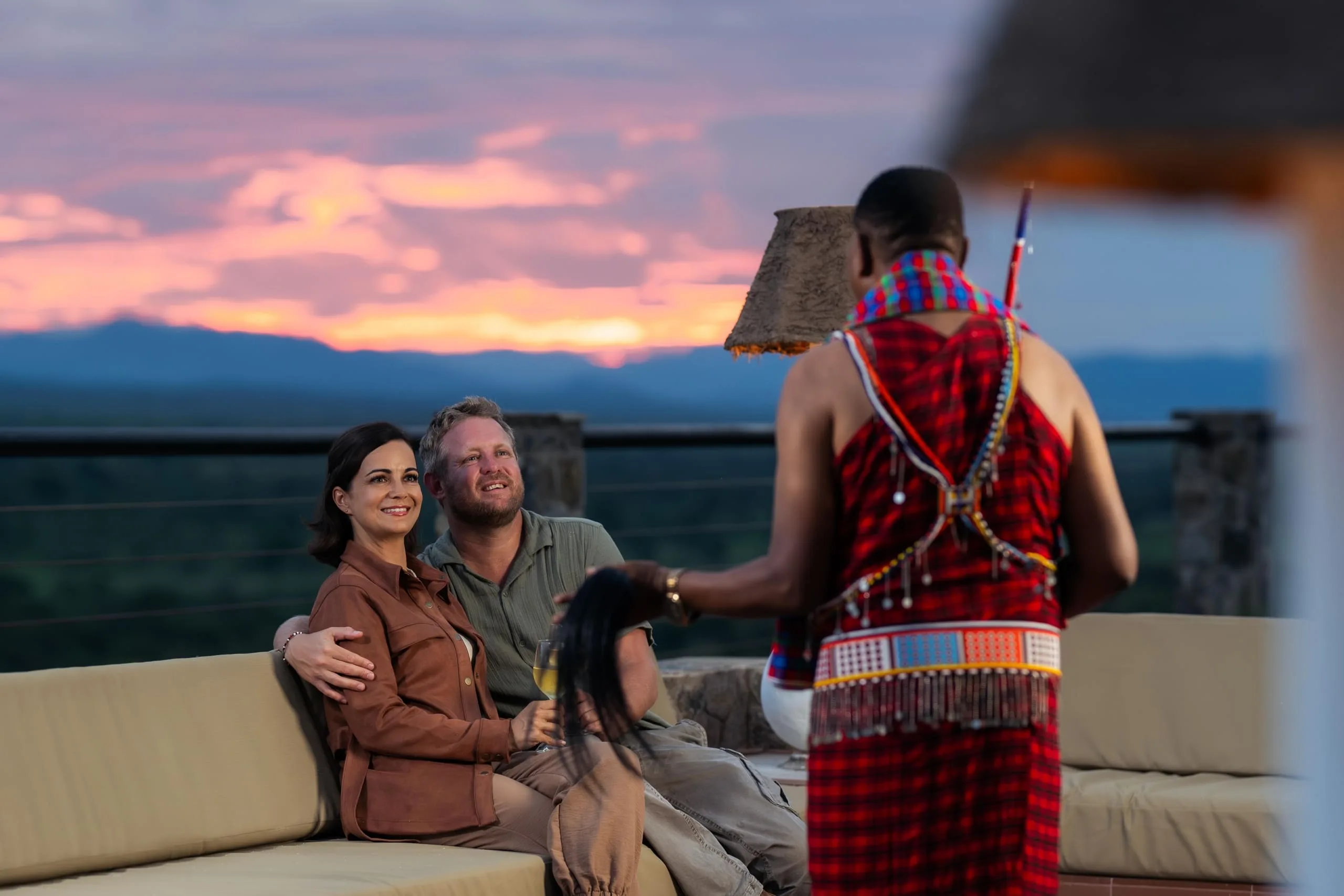
What We Tell Our Guests
The wildlife outside is often identical regardless of accommodation category. The difference mainly comes down to comfort, room size, amenities, and dining experiences.
Meals and Dietary Requirements
Quick Answer: Most safari packages include breakfast, lunch, dinner, snacks, and drinking water, with dietary requirements accommodated when shared in advance.
Food quality often surprises visitors.
Many travelers expect basic meals and are amazed by the variety available.
Common dietary options include:
- Vegetarian
- Vegan
- Gluten-free
- Dairy-free
Local Insight
One thing guests love is enjoying lunch in the middle of the wilderness while zebras and giraffes graze nearby.
It becomes one of the most memorable moments of the entire safari.
Luggage Rules You Should Know
Quick Answer: Soft-sided bags are strongly recommended because they fit more easily into safari vehicles and domestic aircraft.
Hard suitcases create logistical challenges during transfers.
Recommended Luggage
✅ Duffel bags
✅ Soft travel bags
✅ Small backpacks
Domestic Flight Guideline
Many internal safari flights allow approximately 23 kg per passenger in soft luggage.
Always verify limits before travel.
Money, Payments, and Currency
Quick Answer: US Dollars, Euros, and Tanzanian Shillings are commonly used, while cards are accepted in many places but may involve transaction fees.
Common Payment Methods
| Method | Availability |
|---|---|
| USD Cash | Widely accepted |
| EUR Cash | Common |
| Credit Cards | Many lodges |
| Tanzanian Shillings | Useful locally |
Local Expert Advice
Carry some cash for tipping, small purchases, and cultural visits. Remote locations may not always have reliable card processing.
Safari Tipping Explained
Quick Answer: Tipping is optional but appreciated as a way to recognize excellent service from guides and lodge staff.
Typical guidelines:
| Service | Suggested Amount |
|---|---|
| Safari Guide | $10–$20 per person per day |
| Lodge Staff | $5–$10 per person per day |
The most important thing is that tipping should reflect your satisfaction and comfort level.
Photography and Camera Equipment
Quick Answer: A camera with zoom capability, extra batteries, and spare memory cards will help you capture the best wildlife moments.
Animals do not always stand next to the vehicle.
A zoom lens allows you to photograph wildlife safely from a respectful distance.
Recommended Gear
- Camera
- Zoom lens (200–400mm)
- Spare batteries
- Memory cards
- Binoculars
Pro Photographer Tip
Many travelers spend all day taking photos and forget to simply watch. Put the camera down occasionally and enjoy the moment with your own eyes.
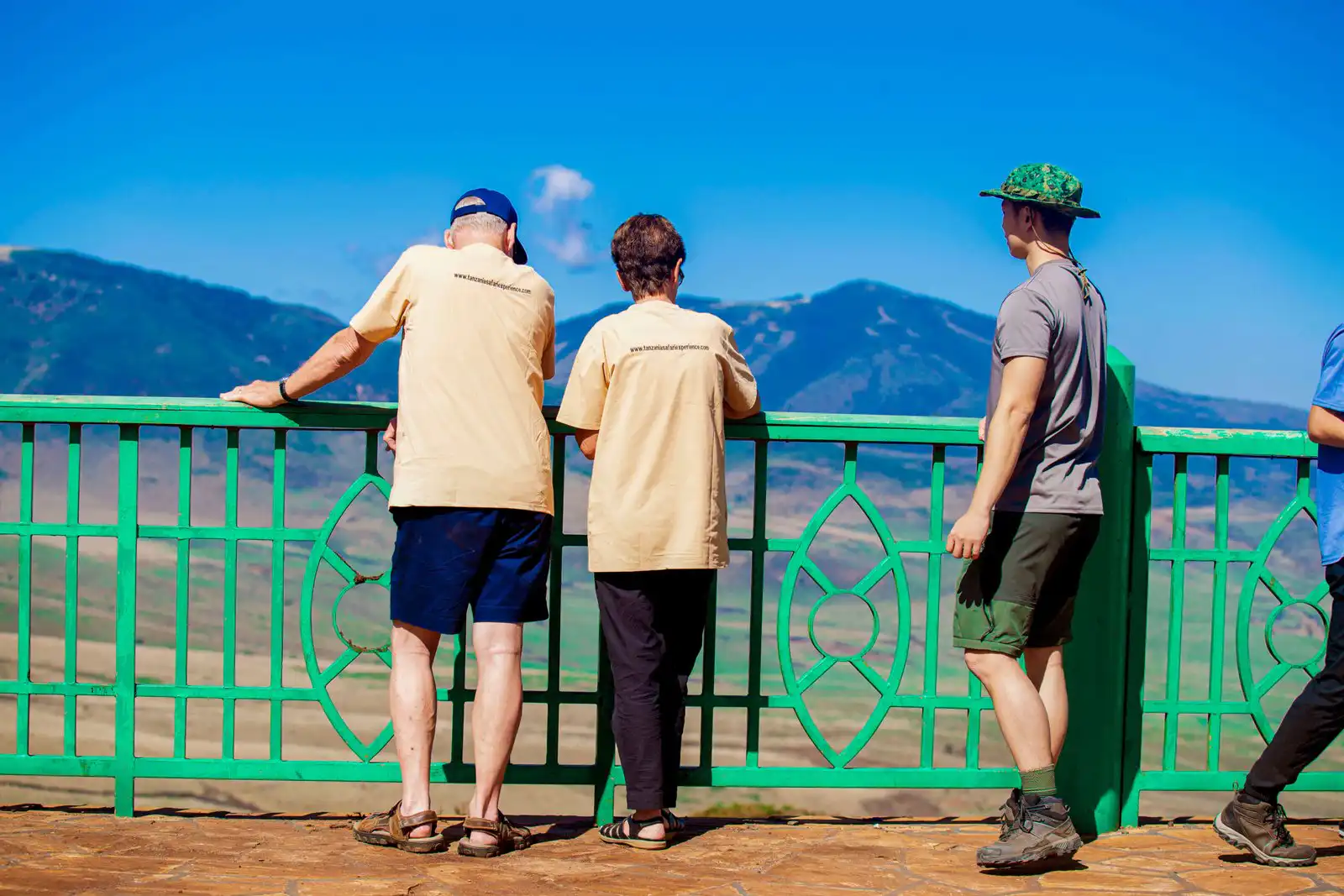
Internet, Charging, and Staying Connected
Quick Answer: Most lodges offer Wi-Fi, but speeds can vary, especially in remote wilderness areas.
Safari vehicles commonly include charging ports.
Bring These Items
- Power bank
- Charging cables
- Universal adapter
Reality of Safari Internet
In some parts of Serengeti, you may be hundreds of kilometers from the nearest town.
The trade-off for slower internet is experiencing one of the most untouched wildlife environments on Earth.
Best Time to Visit Tanzania
Quick Answer: Tanzania offers wildlife viewing throughout the year, but different seasons provide different experiences.
Wildlife Calendar
| Season | Highlights |
|---|---|
| January–February | Calving season |
| March–May | Green landscapes |
| June–July | River crossings |
| June–October | Peak wildlife viewing |
| November–December | Beautiful scenery and fewer crowds |
What We Often Recommend
There is no single perfect month.
A traveler interested in newborn animals may love January.
Someone focused on river crossings may prefer June or July.
The best time depends on what you want to experience.
Safari Rules Every Visitor Should Follow
Quick Answer: Respect wildlife, follow your guide’s instructions, and help preserve Tanzania’s natural environment.
Safari Etiquette Checklist
✅ Stay inside the vehicle when instructed
✅ Keep noise levels low
✅ Respect wildlife space
✅ Dispose of waste responsibly
✅ Follow park regulations
Local Perspective
The best safari guides are not simply drivers. They are wildlife experts who understand animal behavior. Listening to their instructions enhances both safety and sightings.
Optional Experiences That Make a Safari Even Better
Quick Answer: Activities such as hot air balloon safaris and cultural visits can add unforgettable experiences to your Tanzania journey.
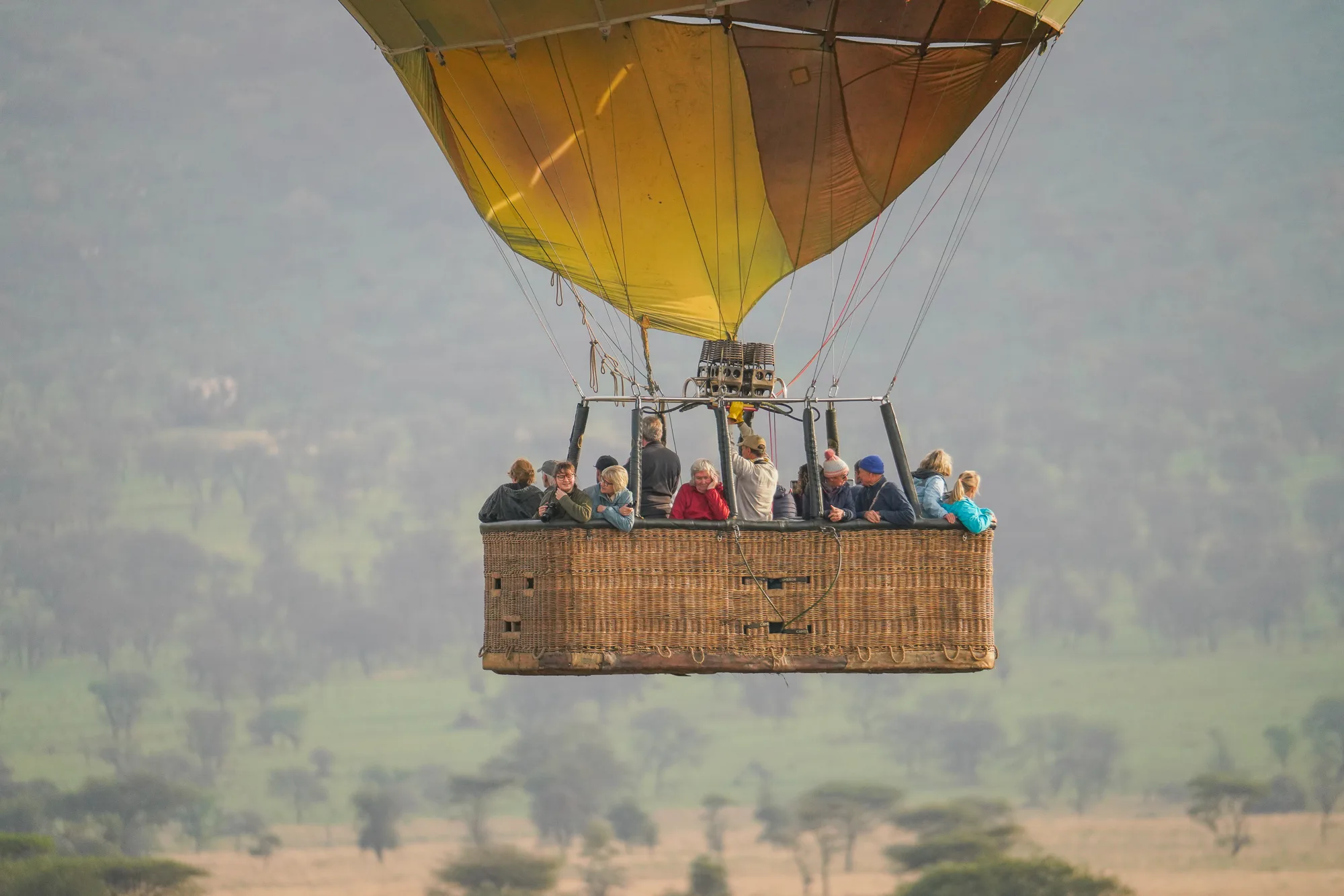
Hot Air Balloon Safari
Watching sunrise over the Serengeti from a balloon is one of the most remarkable experiences available in East Africa.
Many guests describe it as the highlight of their trip.
Cultural Visits
You can also combine wildlife with cultural experiences.
Popular options include:
- Maasai village visits
- Hadzabe experiences near Lake Eyasi
- Datoga cultural encounters
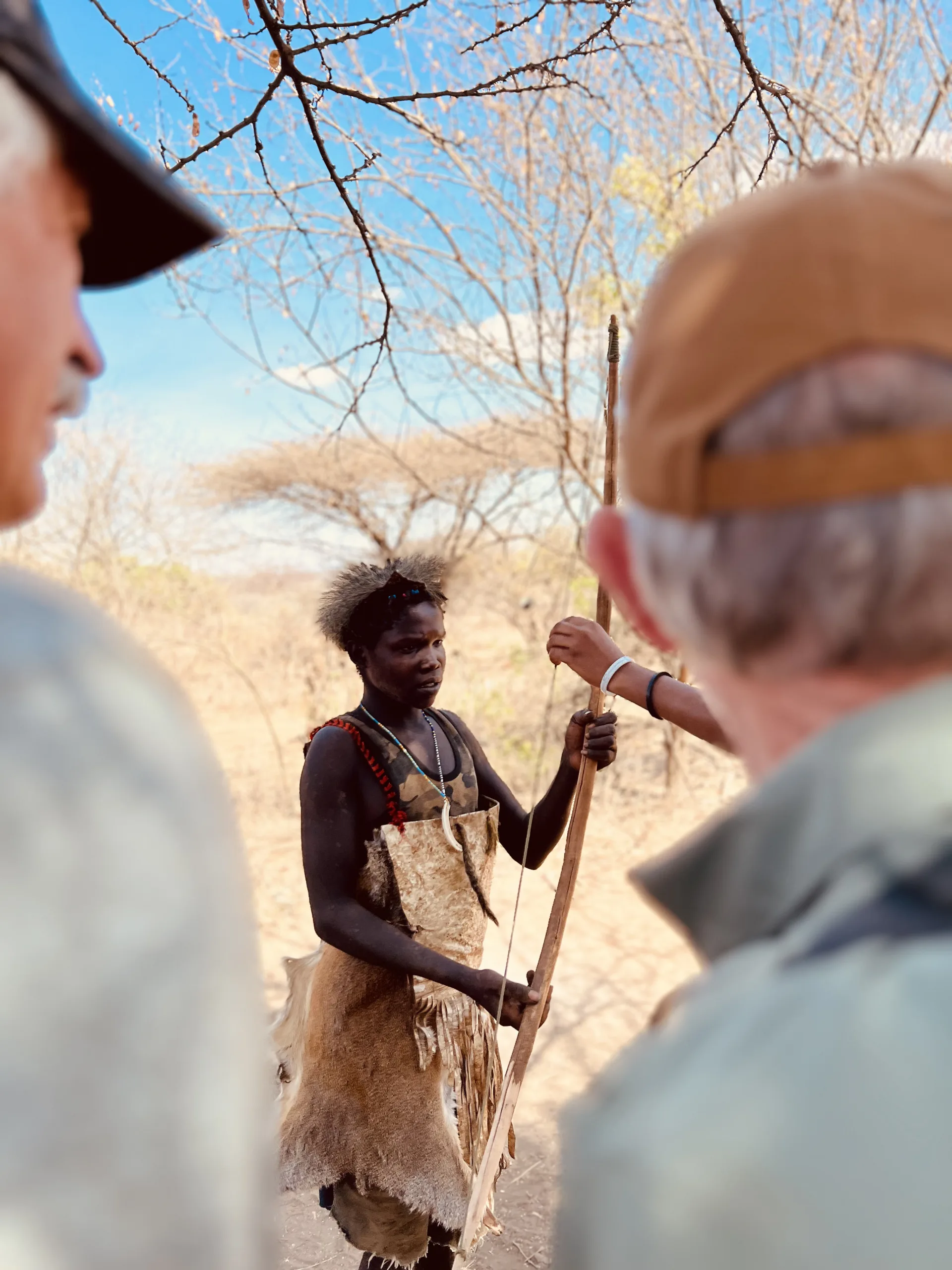
These visits provide a deeper understanding of Tanzania beyond wildlife.
Travel Insurance Matters More Than Most People Think
Quick Answer: Comprehensive travel insurance helps protect against unexpected disruptions such as medical situations, trip cancellations, and baggage delays.
Coverage should ideally include:
- Emergency medical assistance
- Trip interruption
- Lost luggage
- Flight delays
Many travelers never need to use it, but having coverage provides peace of mind throughout the trip.
Emergency Support During Safari
Quick Answer: Professional safari operations maintain communication systems and support networks to assist travelers when needed.
At Tanzania Safari Experience, guest support continues throughout the safari.
Our guides carry communication devices and remain connected with operational teams.
This ensures assistance can be arranged whenever necessary.
Tanzania Safari Preparation Infographic
Before You Fly
✈️ Arrive one day early
📄 Check passport validity
💵 Carry some cash
🛡️ Arrange travel insurance
📷 Prepare camera equipment
What to Pack
👕 Neutral clothing
🧢 Hat
🕶️ Sunglasses
🔋 Power bank
👟 Comfortable shoes
🧴 Sunscreen
During Safari
🦁 Follow guide instructions
📸 Respect wildlife distance
🚯 Leave no litter
💧 Stay hydrated
🌅 Enjoy every moment
Frequently Asked Questions
Do I need vaccinations before a Tanzania safari?
Vaccination requirements depend on your travel route. Yellow fever certificates are usually required only when arriving from certain countries where yellow fever is present.
Can children go on safari?
Yes. Many safari lodges and itineraries are suitable for families with children.
Is Tanzania good for a first safari?
Absolutely. Tanzania offers exceptional wildlife viewing, experienced guides, and a wide variety of safari styles.
How many days should a first safari last?
Most first-time visitors enjoy a safari lasng between 5 and 8 days, allowing enough time to explore multiple parks.
Will I see the Big Five?
While wildlife sightings can never be guaranteed, Tanzania is one of Africa’s best destinations for seeing lions, elephants, buffaloes, leopards, and rhinos.
If this is your first safari, preparation is much simpler than most people imagine. Arrive well-rested, pack practical clothing, bring a sense of adventure, and trust experienced local guides.
As your safari experts at Tanzania Safari Experience, we help travelers turn dream safaris into real experiences every day. From planning the right itinerary to supporting you throughout your journey, our team ensures you experience Tanzania the way it should be experienced—through authentic wildlife encounters, local knowledge, and unforgettable moments that stay with you long after you return home.
Updated: 2026
