


Mount Meru – All You SHOULD Know Before Going
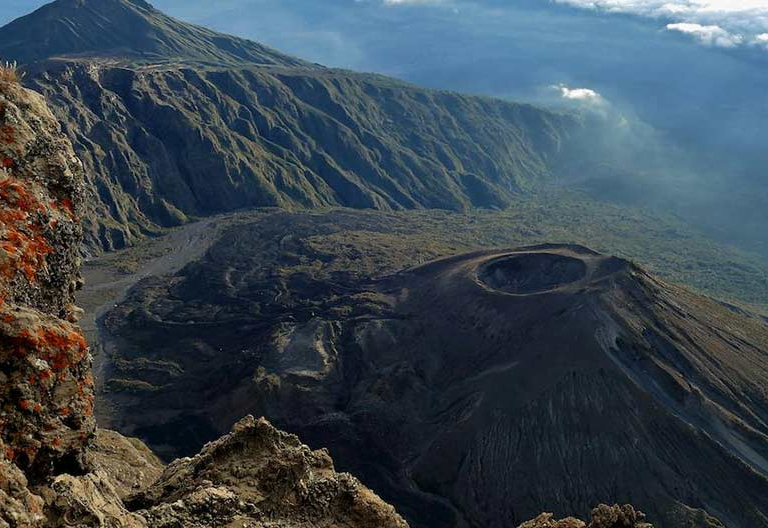
Mount Meru is the right climb for travelers who want a serious mountain experience, strong wildlife encounters, fewer climbers, and a realistic introduction to high altitude trekking in Tanzania.
The mountain rises to 4,566 metres inside Arusha National Park. It is Tanzania’s second highest mountain and offers forest trails, open moorland, volcanic scenery, exposed ridges, and wide views toward Mount Kilimanjaro.
Many people treat Mount Meru as an easy practice climb before Kilimanjaro. That assumption is misleading. The trek is shorter than Kilimanjaro, but the summit night is steep, cold, physically demanding, and partly exposed.
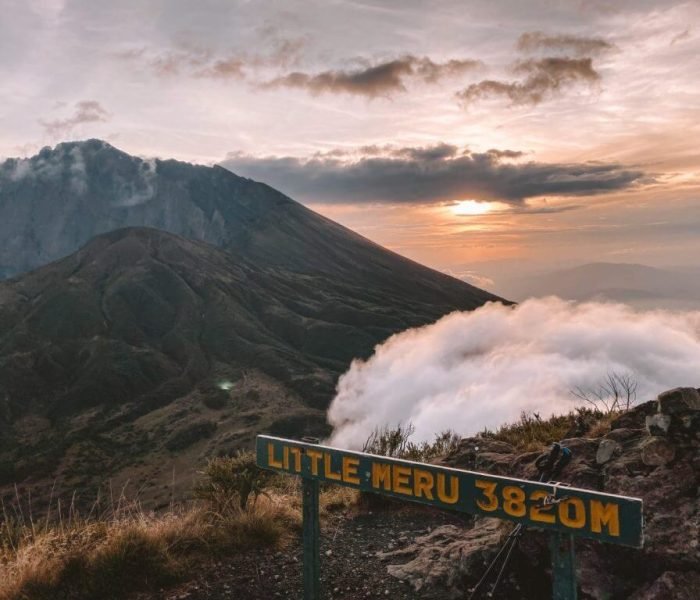
At Tanzania Safari Experience, we normally recommend the four day route instead of rushing the mountain in three days. The additional time improves recovery, allows a visit to Little Meru, and gives most climbers a more manageable summit attempt.
Mount Meru Quick Overview
Mount Meru combines wildlife, mountain trekking, high altitude, and volcanic scenery within one compact journey. The standard climb takes three or four days, uses basic mountain huts, and requires an armed park ranger. The four day option provides the best balance between acclimatization, enjoyment, safety, and summit potential.
Best for: Active travelers, Kilimanjaro preparation, photographers, and hikers seeking a quieter mountain
Recommended stay: Four days and three nights
Best season: June to October and December to February
Best wildlife experience: The forest section between Momella Gate and Miriakamba Hut
Travel style: Guided mountain trekking with hut accommodation
Difficulty level: Moderate during the first days, challenging on summit night
Photography: Excellent for sunrise, crater views, wildlife, forest landscapes, and Mount Kilimanjaro
Accommodation style: Basic shared mountain huts
Main highlight: Reaching Socialist Peak at 4,566 metres along the crater rim
Value for money: Strong value for travelers who want both wildlife and mountain trekking
How Long Does It Take to Climb Mount Meru ?
Climbing Mount Meru usually takes three or four days. Both itineraries follow the same main route, but the four day climb gives you more time to adjust to altitude, complete the Little Meru acclimatization walk, recover after summit night, and enjoy the mountain without rushing.
A three day climb is faster and more physically demanding. After reaching Socialist Peak, climbers must descend for many hours, which can make summit day extremely tiring. This option is better suited to experienced hikers who are already acclimatized and comfortable with long trekking days.
The four day route is the better choice for most travelers. It usually includes one night at Miriakamba Hut, two nights at Saddle Hut or a more balanced descent schedule, and additional time for acclimatization before the summit attempt.
Summit day is the longest part of the climb. You normally leave Saddle Hut around midnight and spend approximately five to seven hours reaching Socialist Peak. After sunrise at the summit, you descend to Saddle Hut and continue farther down the mountain.
In our experience at Tanzania Safari Experience, four days provides the best balance between safety, altitude adjustment, recovery, and enjoyment. Choosing three days only to reduce the price may save some money, but it creates a harder schedule and gives your body less time to adapt.
Is Mount Meru Worth Climbing?
Mount Meru is worth climbing when you want more than a standard hiking trip. It offers wildlife on foot, changing vegetation, a dramatic crater, sunrise views, and a demanding summit night. It is also one of Tanzania’s strongest preparation climbs for people planning to attempt Mount Kilimanjaro.
What makes Mount Meru different is the variety experienced within a relatively short distance. The lower route passes through grassland and forest where giraffes, buffaloes, warthogs, monkeys, antelopes, and many bird species may be seen.
Higher on the mountain, the landscape becomes colder and more open. Forest vegetation gives way to giant heather, volcanic rock, ash, and narrow ridges overlooking the crater.
The mountain is also much quieter than Kilimanjaro. You may still meet other groups at the huts and along the summit trail, but the overall experience normally feels less crowded.
In our experience at Tanzania Safari Experience, Mount Meru works particularly well for travelers who appreciate the journey itself. Anyone interested only in collecting a summit certificate may underestimate how much of the mountain’s value comes from the wildlife, scenery, and changing environments.
How Difficult Is Mount Meru?
Mount Meru is a challenging high altitude trek rather than a simple nature walk. The first two days are manageable for hikers with reasonable fitness, but summit night involves darkness, cold temperatures, steep volcanic slopes, rocky sections, and several hours above 3,500 metres before reaching Socialist Peak.
The mountain is lower than Kilimanjaro, but lower does not mean easy. The route gains altitude quickly, especially when completed in three days.
The main physical challenge is summit night. Climbers usually leave Saddle Hut around midnight and ascend through Rhino Point and Cobra Point before continuing along the crater rim toward Socialist Peak.
Some sections are steep and exposed. You may need to use your hands for stability on rocky ground, especially near Rhino Point. This is not technical rock climbing, but it requires concentration, balance, and confidence in darkness.
The descent is also tiring. After reaching the summit, you must return to Saddle Hut and normally continue farther down the mountain. Weak knees, poor footwear, or inadequate preparation often become more noticeable during the descent than during the ascent.
What Is the Mount Meru Summit Success Rate?
There is no reliable, centralized, publicly audited success rate covering every Mount Meru operator and climbing schedule. Claims of extremely high success should therefore be treated carefully. Fitness, altitude response, weather, pacing, route length, guide decisions, and personal health all affect whether a climber reaches Socialist Peak.
A four day itinerary generally offers a better chance than a three day itinerary because the body receives more time to adjust and recover before summit night.
Good fitness helps, but fitness alone does not guarantee success. A strong runner can still experience altitude sickness, while a slower climber who walks steadily, drinks enough water, eats properly, and follows the guide’s pace may perform better.
The most useful measure is not a promotional percentage. It is whether the itinerary gives you enough time, whether the guide checks your condition carefully, and whether you are willing to turn back when continuing would be unsafe.
At Tanzania Safari Experience, we never treat the summit as more important than the climber. Reaching Socialist Peak is the goal, but returning safely is the priority.
Should You Climb Mount Meru in Three or Four Days?
Most travelers should choose the four day Mount Meru climb. The three day route follows the same main trail but compresses the descent and recovery period. It may reduce the overall cost, but it creates a harder schedule and gives the body less time to adjust before the summit attempt.
| Comparison | Three Days | Four Days |
|---|---|---|
| Best for | Experienced and well acclimatized hikers | Most first time Mount Meru climbers |
| Pace | Fast and physically demanding | More balanced and manageable |
| Acclimatization | Limited | Better |
| Little Meru | Often skipped | Usually included |
| Summit recovery | Long descent after the summit | More manageable descent |
| Overall experience | Efficient but tiring | Better for acclimatization, scenery, and recovery |
The four day route normally includes an acclimatization walk to Little Meru after reaching Saddle Hut. This gives you extra altitude exposure before returning to sleep lower.
That short acclimatization climb also helps guides assess how your body is responding. Headache, nausea, unusual fatigue, poor coordination, and loss of appetite should never be ignored.
The three day climb can work for experienced hikers who are already acclimatized or have recently spent time at altitude. Choosing it only because it is cheaper is usually poor planning.
Expert Recommendation from Tanzania Safari Experience
Choose four days unless you already know that your body performs well at altitude and you are comfortable with long mountain days.
The price difference is usually small compared with the value of better acclimatization, less pressure, and a safer recovery after summit night.
What Is the Mount Meru Route Like?
Mount Meru has one principal trekking route beginning at Momella Gate inside Arusha National Park. Climbers ascend through forest to Miriakamba Hut, continue to Saddle Hut, attempt Socialist Peak through Rhino Point and Cobra Point, and then descend along the same general route.
The route changes quickly. The lower section may feel like a walking safari, while the upper section feels like a true alpine climb.
Unlike Kilimanjaro, Mount Meru does not offer several different commercial routes. Your main decision is therefore the number of days rather than the trail itself.
The huts create a more structured experience than camping. However, the rooms and facilities are basic. Travelers expecting private rooms, hot showers, and lodge style service will be disappointed.
Day 1: Momella Gate to Miriakamba Hut
The first day begins with a transfer from Arusha to Momella Gate inside Arusha National Park. The drive normally takes about one to one and a half hours, depending on your accommodation location, road conditions, and park entry procedures.
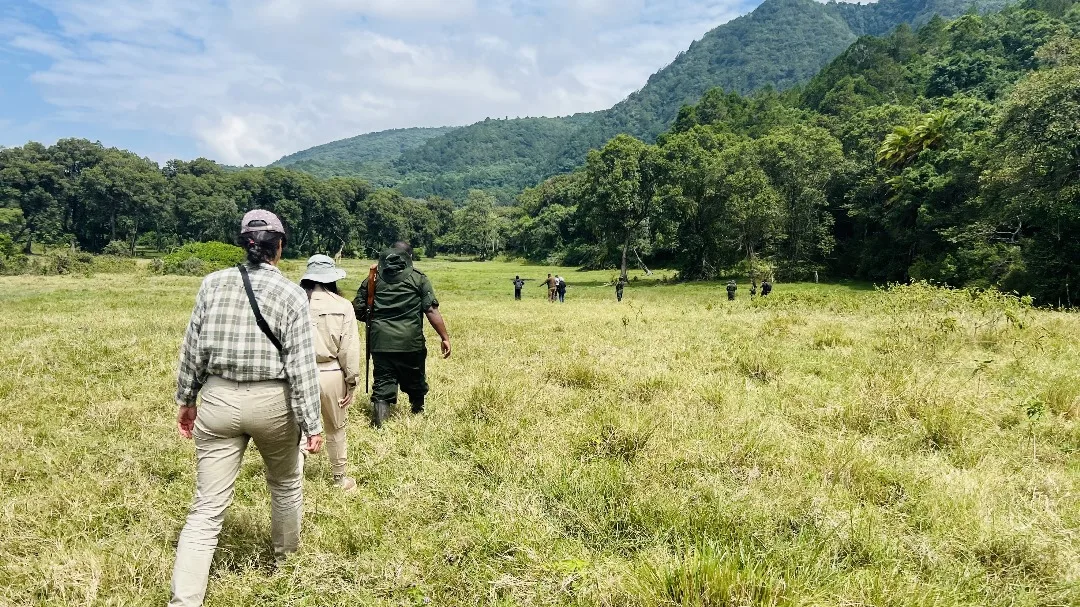
After registration, you meet the mountain crew and the armed park ranger who accompanies climbers through wildlife areas. The ranger is required because animals such as buffaloes, giraffes, and warthogs may be encountered along the lower trail.
The trek to Miriakamba Hut usually takes approximately four to six hours. The exact route may follow the shorter trail or a longer path near the Momella area, depending on park conditions and the ranger’s decision.
The climb begins at a comfortable altitude, but the first day should not be treated as a race. Walking too fast may waste energy needed later and can make the altitude gain feel harder.
Miriakamba Hut sits at approximately 2,500 metres. After arrival, you eat, prepare your equipment for the next day, and rest in shared mountain accommodation.
Day 2: Miriakamba Hut to Saddle Hut
The second day climbs through montane forest and into more open vegetation. As altitude increases, the trail becomes steeper and views begin opening toward the crater, ash cone, surrounding highlands, and distant Mount Kilimanjaro when the sky is clear.
The walk to Saddle Hut normally takes about three to five hours. It is shorter than the first day, but the altitude gain makes steady pacing important.
Saddle Hut stands at approximately 3,570 metres. The air is noticeably thinner, temperatures become colder, and some climbers begin feeling mild altitude effects such as headache, reduced appetite, or disturbed sleep.
On a four day climb, you normally have time to attempt Little Meru in the afternoon. The climb takes roughly one to two hours each way, depending on pace.
Little Meru reaches approximately 3,820 metres. You then return to Saddle Hut to eat, prepare your summit equipment, and rest before the midnight departure.
Day 3: Saddle Hut to Socialist Peak and Miriakamba Hut
Summit night begins around midnight. Climbers leave Saddle Hut wearing warm layers and headlamps before ascending toward Rhino Point, which stands at approximately 3,800 metres.
The trail continues through rocky terrain toward Cobra Point. This section requires careful footing, especially when the ground is wet, windy, icy, or covered by loose volcanic material.
The final approach follows the crater rim toward Socialist Peak at 4,566 metres. Progress can feel slow because of the altitude, cold, steep ground, and accumulated fatigue.
When conditions are clear, sunrise reveals the crater, ash cone, surrounding plains, and Mount Kilimanjaro rising in the distance. Clouds can arrive quickly, so no view is guaranteed.
After the summit, you descend to Saddle Hut for food and a short rest before continuing to Miriakamba Hut. This becomes a long day, often lasting ten to fourteen hours in total.
Day 4: Miriakamba Hut to Momella Gate
The final day descends from Miriakamba Hut through the forest toward Momella Gate. The walk normally takes about two to four hours, depending on the chosen trail, wildlife movements, weather, and your pace.
The descent is easier on the lungs but may be uncomfortable for tired knees. Trekking poles are particularly useful during this section.
Wildlife sightings remain possible, although animals move freely and cannot be guaranteed. Your ranger controls the group’s pace and may stop the climbers when animals are close to the route.
After reaching Momella Gate, the group completes park procedures and receives summit certificates when applicable. You then return to Arusha for a shower, proper meal, and rest.
A safari should not normally begin immediately after returning from the mountain unless the schedule allows enough time for recovery. Tired travelers enjoy their wildlife experience less and may struggle with long road transfers.
What Is the Best Time to Climb Mount Meru?
The most reliable climbing periods are generally June through October and December through February. These months often provide drier trails and clearer mornings, but mountain weather remains unpredictable. Rain, cloud, wind, cold temperatures, and poor visibility can occur during any month of the year.
| Period | Typical Conditions | What to Expect |
|---|---|---|
| June to October | Drier and cooler | Popular conditions, dusty lower trails, cold summit nights |
| December to February | Warm lower slopes with clearer periods | Good climbing window, occasional rain still possible |
| March to May | Long rainy season | Muddy trails, heavier cloud, wet equipment, reduced visibility |
| November | Short rains | Variable conditions, greener scenery, possible afternoon showers |
The dry season is easier for most climbers because the rocky summit sections are normally less slippery. However, dry weather does not mean warm weather. Summit temperatures can fall below freezing.
The rainy season offers greener forest scenery and fewer climbers, but wet roots, mud, cloud, and slippery volcanic rock make the climb more demanding.
What works best for most guests is choosing a reliable season while still packing for rain. Mountain weather does not follow a perfect calendar.
How Much Does It Cost to Climb Mount Meru
Climbing Mount Meru generally costs between USD 850 and USD 1,520 per person. The final price depends on whether you choose a three day or four day climb, your group size, required mountain equipment, accommodation in Arusha, transfers, and the services included in your package.
The climbing price normally covers Arusha National Park fees, mountain hut accommodation, rescue fees, an armed park ranger, a professional mountain guide, porters, a cook, meals, drinking water, and transfers between Arusha and Momella Gate.
The four day climb normally costs more because it includes an additional park day, one more night in the mountain huts, extra meals, and another day of support from the mountain crew. However, we recommend the four day itinerary for most travelers because it provides better acclimatization and a more manageable schedule.
You should also budget separately for travel insurance, equipment rental, crew tips, airport transfers, accommodation before and after the climb, personal expenses, and any safari or Zanzibar extension.
At Tanzania Safari Experience, we provide a clear quotation showing exactly what is included and excluded. This helps you understand the full cost before booking and prepare properly for your Mount Meru climb.
What Wildlife Can You See on Mount Meru?
Mount Meru offers wildlife encounters that are unusual on a high altitude trek. The lower route passes through Arusha National Park, where climbers may see giraffes, buffaloes, warthogs, bushbuck, blue monkeys, black and white colobus monkeys, antelopes, and numerous bird species.
Wildlife is most likely during the lower sections of the climb. Sightings depend on season, weather, vegetation, animal movement, and the route selected by the ranger.
Buffaloes are one reason an armed ranger accompanies every climbing group. They can be unpredictable, especially when surprised at close range.
Climbers must stay with the ranger and follow instructions. Walking ahead for photographs or leaving the trail creates unnecessary risk.
Many travelers expect continuous wildlife sightings because the trek begins inside a national park. In reality, this remains a mountain climb. Wildlife is an added advantage, not a guaranteed game drive.
Why Is an Armed Ranger Required?
An armed ranger is required because the Mount Meru route crosses wildlife habitat inside Arusha National Park. The ranger manages encounters with animals, keeps the group together, selects safe stopping points, and may adjust the route according to wildlife activity, weather, or trail conditions.
The ranger is not a replacement for your mountain guide. The mountain guide manages pacing, altitude, health checks, crew coordination, and summit decisions.
The ranger normally accompanies several climbers or groups when park operations require it. This means the first section may sometimes move according to the ranger’s shared schedule.
Travelers should not interpret the presence of a firearm as a sign that the climb is dangerous every minute. It is a practical park safety measure.
The correct response to wildlife is calm cooperation. Do not approach animals, use flash at close range, block their movement, or separate from the group.
What Are the Mount Meru Huts Like?
Mount Meru climbers normally sleep in Miriakamba Hut and Saddle Hut. These are practical mountain shelters with shared sleeping rooms and basic facilities. They protect climbers from weather better than tents, but they should not be confused with private lodges or comfortable safari camps.
Sleeping arrangements usually involve bunk beds or shared dormitory spaces. Privacy is limited, and noise from other climbers or crews is possible.
Bathrooms are basic. Water availability and washing conditions may vary, so wet wipes and personal hygiene supplies are useful.
Temperatures inside Saddle Hut can become cold at night. A proper sleeping bag remains essential even though you are sleeping inside a building.
Earplugs can make a major difference. Summit groups wake at different times, crew members prepare meals, and other climbers may move around during the night.
Expectations Versus Reality
The huts make the climb more convenient, but they do not make it luxurious.
Come prepared for shared space, simple meals, limited washing, cold nights, and early departures. Travelers who accept these conditions normally enjoy the experience more than those expecting hotel standards.
What Food Is Served on Mount Meru?
Mountain meals are designed to provide energy rather than restaurant style dining. A typical climb may include porridge, eggs, toast, fruit, soup, rice, potatoes, pasta, vegetables, meat, snacks, tea, coffee, and other practical dishes based on supplies and dietary requirements.
Appetite often decreases as altitude increases. Even when you do not feel hungry, eating small portions helps maintain energy.
Inform Tanzania Safari Experience about allergies, intolerances, religious dietary requirements, or vegetarian preferences before the climb. Last minute changes are harder to manage on the mountain.
Carry a few familiar snacks that you know you can eat when tired. Energy bars, nuts, sweets, biscuits, or electrolyte products can help, but they should support the main meals rather than replace them.
Drinking enough water is equally important. Your guide will advise how much to carry each day and when bottles should be refilled.
How Fit Do You Need to Be?
You do not need to be a professional athlete, but you should be able to walk uphill for several hours on consecutive days. Your preparation should include cardiovascular endurance, leg strength, balance, and experience carrying a daypack over uneven ground.
Good training activities include long walks, hill climbing, stair sessions, cycling, controlled running, and strength exercises for the legs and core.
The most useful preparation is hiking. Gym fitness does not fully reproduce rocky trails, long descents, cold temperatures, and several hours on your feet.
Begin consistent training at least six to eight weeks before departure. Travelers starting from a low fitness level should allow more time.
One mistake we frequently see is training hard but ignoring recovery. Arriving with an injury, exhausted legs, or poor sleep can damage your summit chances.
How Does Altitude Affect Mount Meru Climbers?
Altitude affects each person differently, regardless of age, fitness, or previous sporting ability. Common mild symptoms include headache, tiredness, reduced appetite, light nausea, poor sleep, and shortness of breath. Symptoms that become severe or continue worsening require immediate attention from your guide.
Walk slowly from the first day. Trying to prove fitness by moving fast increases fatigue and may interfere with acclimatization.
Drink regularly, eat properly, remain warm, and tell the guide exactly how you feel. Hiding symptoms does not make you stronger.
Severe headache, repeated vomiting, confusion, loss of coordination, breathing difficulty at rest, or unusual behaviour can indicate a serious altitude problem. Descent may become necessary.
The summit is optional. Safe descent is not.
Is Mount Meru Good Preparation for Kilimanjaro?
Mount Meru is one of the best preparation climbs for Kilimanjaro because it exposes trekkers to mountain huts, cold nights, early summit departures, slow pacing, reduced oxygen, long descents, and several consecutive days of hiking. It also reaches enough altitude to provide useful acclimatization.
The greatest benefit appears when Mount Meru is climbed shortly before Kilimanjaro with an appropriate recovery period between the two mountains.
Mount Meru also tests equipment. You learn whether your boots create blisters, whether your headlamp is strong enough, and whether your gloves keep your hands warm.
It also reveals how you respond mentally. Summit night requires patience, concentration, and willingness to keep moving slowly when tired.
However, completing Mount Meru does not guarantee success on Kilimanjaro. Kilimanjaro is higher, longer, colder, and places the body under greater altitude stress.
Mount Meru Versus Mount Kilimanjaro
Mount Meru and Mount Kilimanjaro offer different experiences. Meru is shorter, quieter, steeper in some places, and stronger for wildlife encounters. Kilimanjaro is higher, longer, more famous, and more demanding because climbers spend additional time at extreme altitude.
| Feature | Mount Meru | Mount Kilimanjaro |
|---|---|---|
| Highest point | 4,566 metres | 5,895 metres |
| Typical duration | Three or four days | Five to nine days |
| Accommodation | Mountain huts | Tents on most routes, huts on Marangu |
| Wildlife | Strong possibility on lower slopes | Less central to the experience |
| Crowds | Usually quieter | Busier on popular routes |
| Altitude risk | Significant | Higher |
| Best use | Independent climb or Kilimanjaro preparation | Major high altitude expedition |
Mount Meru is not simply a smaller version of Kilimanjaro. Its wildlife setting, crater ridge, exposed rocky sections, and hut system give it a distinct character.
Travelers with enough time can climb both. Those with limited time should choose according to their fitness, altitude experience, budget, and main goal.
What Should You Pack for Mount Meru?
Mount Meru requires proper mountain equipment because conditions change from warm forest to freezing summit temperatures. Essential items include layered clothing, waterproof protection, reliable footwear, a warm sleeping bag, headlamp, gloves, trekking poles, sun protection, personal medication, and a comfortable daypack.
Your clothing system should include a moisture controlling base layer, an insulating middle layer, and a waterproof outer layer.
Carry warm gloves and a spare pair. Wet or ineffective gloves can make summit night miserable.
Your boots should already be broken in. New boots may cause blisters, pressure points, or damaged toenails during the long descent.
A headlamp must have fresh batteries. Do not depend on a phone torch during summit night.
Trekking poles reduce strain on the knees and improve stability on loose volcanic ground.
Useful personal items include lip balm, sunscreen, sunglasses, toilet paper, wet wipes, hand sanitizer, blister treatment, electrolyte products, earplugs, and waterproof bags for clothing.
What Are the Main Mount Meru Safety Risks?
The main risks are altitude sickness, falls on rocky terrain, cold exposure, dehydration, exhaustion, poor visibility, slippery trails, and wildlife encounters on the lower slopes. These risks are manageable when climbers follow guide instructions, use suitable equipment, maintain a steady pace, and report symptoms honestly.
Weather can change quickly near the crater rim. Strong wind, rain, ice, or cloud may force the guide to delay or stop the summit attempt.
The exposed sections around Rhino Point require concentration. Travelers with a serious fear of heights should discuss this before booking.
Dehydration becomes easy in cold conditions because climbers may not feel thirsty. Drink consistently rather than waiting until you feel dry.
The guide has the final authority on mountain safety. A decision to turn around may feel disappointing, but arguing with a safety decision is reckless.
Common Mount Meru Mistakes
The most common Mount Meru mistakes are underestimating summit night, choosing three days only to reduce cost, bringing unsuitable footwear, walking too fast, ignoring altitude symptoms, arriving without proper rain protection, and expecting comfortable accommodation. Each mistake reduces enjoyment and may affect safety.
Common Mistake: Treating Mount Meru as Easy
Shorter does not mean easier. The summit ridge is steep, cold, rocky, and physically serious.
Common Mistake: Racing the First Day
Fast walking does not prove strength. It wastes energy and may make altitude adjustment harder.
Common Mistake: Bringing New Boots
The mountain is not the place to test footwear. Wear your boots during training before arriving in Tanzania.
Common Mistake: Hiding Symptoms
Your guide cannot manage a problem you refuse to report. Honest communication protects you and the rest of the group.
Better Alternative
Choose four days, train consistently, arrive rested, follow a slow pace, and treat the summit as one part of the journey rather than the only measure of success.
Who Should Not Climb Mount Meru?
Mount Meru may not suit travelers with uncontrolled heart or respiratory conditions, serious mobility limitations, recent injuries, severe fear of exposed heights, or no willingness to accept basic hut accommodation. Anyone with a medical concern should seek professional medical advice before booking.
The climb also may not suit travelers who dislike cold, long walking days, shared rooms, basic toilets, and unpredictable weather.
People expecting constant wildlife viewing should choose a safari instead. The wildlife section is valuable, but most of the journey remains a mountain trek.
A traveler with limited fitness may still climb successfully after proper training. A traveler who refuses to train, follow instructions, or slow down becomes a risk to themselves and the team.
How Much Does a Mount Meru Climb Cost?
The cost of climbing Mount Meru depends on the number of days, group size, park fees, ranger services, guide and crew costs, food, transfers, equipment rental, and operator standards. A lower quotation may exclude services that are essential for a safe and properly organized climb.
Ask exactly what the price includes. Park fees, hut fees, rescue fees, ranger charges, guide services, crew wages, meals, transport, and taxes should be clearly explained.
Equipment rental may cost extra. Personal clothing, boots, travel insurance, tips, visas, flights, and accommodation before or after the climb are often separate.
A three day climb may appear cheaper, but price should not be the only factor. Saving a small amount while creating a harder schedule is rarely good value.
The cheapest operator is not automatically unsafe, and the most expensive operator is not automatically the best. Compare guide experience, crew treatment, inclusions, communication, equipment standards, emergency planning, and itinerary quality.
Can You Combine Mount Meru With a Safari?
Mount Meru combines well with a northern Tanzania safari because the climb begins near Arusha, the main starting point for Tarangire, Lake Manyara, Ngorongoro Crater, and Serengeti itineraries. The main planning issue is allowing enough recovery time before long drives or demanding safari schedules.
Most travelers prefer to climb first and safari afterward. The safari provides a comfortable recovery period with less physical effort.
We usually recommend at least one proper night in Arusha after the climb before beginning a longer safari. This allows time for a shower, equipment repacking, laundry, and sleep.
A short Tarangire or Ngorongoro safari can follow Mount Meru. Travelers with more time can continue to Serengeti for a fuller wildlife experience.
If this were our own journey, we would avoid climbing Mount Meru, returning to Arusha, and immediately driving several hours to a distant park on the same day.
Why Climb Mount Meru With Tanzania Safari Experience?
Tanzania Safari Experience plans Mount Meru climbs around safety, realistic pacing, clear inclusions, and honest preparation. We help travelers choose between three and four days, arrange mountain crews and transfers, explain equipment requirements, and connect the climb with Arusha accommodation, safaris, or Kilimanjaro.
We do not market Mount Meru as an easy walk. You deserve to understand the cold, altitude, basic huts, exposed summit sections, and physical demands before paying a deposit.
Our role begins before the climb. We help review your preparation, rental needs, arrival schedule, dietary requirements, and onward travel plan.
During the climb, your guide monitors pace, symptoms, weather, and group condition. Summit decisions are based on safety rather than pressure.
After the climb, we can arrange your return to Arusha, additional accommodation, a private Tanzania safari, Zanzibar extension, or onward Kilimanjaro expedition.
Expert Recommendation from Tanzania Safari Experience
The four day Mount Meru climb is the strongest choice for most travelers. It gives you a better paced ascent, time to climb Little Meru, more opportunity to evaluate altitude response, and a less punishing descent schedule after reaching Socialist Peak.
Do not book Mount Meru because someone described it as an easy alternative to Kilimanjaro. Book it because you want a genuine high altitude trek with wildlife, volcanic scenery, basic mountain living, and a demanding summit night.
Arrive fit, use tested equipment, walk slowly, and listen to your guide. Those decisions matter more than confidence, speed, or promotional summit claims.
Frequently Asked Questions About Mount Meru
Is Mount Meru difficult to climb?
Mount Meru is moderately difficult during the first two days and challenging during summit night. The final ascent includes steep volcanic ground, rocky sections, cold temperatures, darkness, and exposed areas near the crater rim.
You do not need technical climbing experience, but you need good fitness, balance, suitable footwear, and the ability to walk for many hours.
The four day route is more manageable than the three day route and is the better choice for most first time climbers.
How many days do you need to climb Mount Meru?
Mount Meru can be climbed in three or four days. Both schedules use the same main trail and reach the same summit.
The three day climb compresses the descent and is better suited to experienced hikers who are already acclimatized.
Tanzania Safari Experience normally recommends four days because it allows better recovery, an acclimatization climb to Little Meru, and a more balanced experience.
Can a beginner climb Mount Meru?
A beginner can climb Mount Meru with proper training, suitable equipment, a realistic four day itinerary, and guidance from an experienced mountain team.
The climber should be comfortable walking uphill for several hours and should prepare through regular hiking, stair training, cardiovascular exercise, and leg strengthening.
A completely untrained beginner should not expect determination alone to compensate for poor fitness, altitude, cold, and long mountain days.
Is Mount Meru more difficult than Kilimanjaro?
Mount Meru is lower and shorter than Kilimanjaro, but parts of its summit route are steeper and more exposed.
Kilimanjaro creates greater altitude pressure because it reaches 5,895 metres and normally requires more days on the mountain.
Most climbers consider Kilimanjaro the larger overall challenge, while Mount Meru may feel more technical underfoot during specific rocky sections.
Can you see Mount Kilimanjaro from Mount Meru?
Mount Kilimanjaro can often be seen from the upper slopes and summit ridge of Mount Meru when the sky is clear.
The best visibility is commonly around sunrise before clouds build over the surrounding highlands.
A clear view cannot be guaranteed because cloud, rain, haze, and changing mountain weather may hide Kilimanjaro completely.
Do you need an armed ranger on Mount Meru?
Yes, an armed Arusha National Park ranger accompanies climbers through the wildlife areas of Mount Meru.
The ranger manages animal encounters, keeps the group together, and makes route decisions based on park conditions.
Climbers must remain behind the ranger and should never leave the group to approach or photograph wildlife.
Where do you sleep on Mount Meru?
Climbers normally sleep at Miriakamba Hut and Saddle Hut in shared mountain accommodation.
The huts provide shelter and basic sleeping facilities, but bathrooms, privacy, washing water, and comfort are limited.
Bring a warm sleeping bag, earplugs, personal hygiene supplies, and realistic expectations about shared mountain living.
What is the best month to climb Mount Meru?
The most reliable months are generally June through October and December through February.
These periods often have drier conditions, but cold, rain, cloud, and strong wind remain possible at any time.
March through May is wetter, while November may bring shorter rains and changing trail conditions.
Is Mount Meru safe?
Mount Meru is generally safe when climbed with qualified guides, an authorized ranger, proper equipment, and a realistic itinerary.
Altitude sickness, slippery terrain, cold exposure, wildlife, and exhaustion remain genuine risks that must be managed carefully.
Follow guide instructions, report symptoms immediately, walk slowly, and accept that turning around may sometimes be the safest decision.
Is Mount Meru good before Kilimanjaro?
Mount Meru is excellent preparation for Kilimanjaro because it provides real experience with altitude, cold, summit night, mountain pacing, equipment, and consecutive trekking days.
It can also help the body begin acclimatizing when the two climbs are scheduled correctly.
You still need a suitable Kilimanjaro route because completing Mount Meru does not remove the risks created by Kilimanjaro’s higher altitude.
Can Mount Meru be combined with Serengeti?
Yes, Mount Meru can be combined with Serengeti because both journeys can be organized from Arusha.
We recommend resting in Arusha after the climb before beginning the long drive toward Serengeti or taking a scheduled flight into the park.
A rushed transfer immediately after descending Mount Meru may create unnecessary fatigue and reduce your enjoyment of the safari.
Do I need travel insurance for Mount Meru?
You should have travel insurance covering high altitude trekking, emergency treatment, evacuation, trip interruption, and the maximum elevation reached on Mount Meru.
Standard travel policies may exclude trekking above a particular altitude, so read the terms carefully.
Carry the policy details, emergency contact information, and proof of coverage during the trip.
