Get PDF Safari Packing List + Useful Tips
Our safari packing list covers everything you need to prepare for a Tanzanian safari — what to wear, how to plan, where to stay, safari etiquette, insurance tips, and more.
Get PDF


Chat With LaurentAsk me about your safariUse ↑ and ↓ to navigate, Enter to select, Esc to close

Clear Cancellation Policies
10+ years in Tanzania
All-inclusive pricing
We're always available
A 4 days Tanzania safari is ideal for travelers who want to experience the Serengeti, Ngorongoro Crater and Tarangire without spending several days driving between Arusha and the Serengeti. This itinerary starts with a flight from Arusha directly into Central Serengeti, giving you more useful safari time from the first day.
This trip works particularly well for travelers adding a safari after climbing Mount Kilimanjaro, visitors with limited holiday time, couples, photographers, and anyone who wants a short safari without trying to squeeze too many parks into four days.
The biggest advantage is the flight into Serengeti. Driving from Arusha to Central Serengeti normally takes most of a day once stops, road conditions and park formalities are considered. Flying allows you to arrive inside the Serengeti and begin your game drive almost immediately.
In our experience at Tanzania Safari Experience, four days works best when the itinerary concentrates on three strong wildlife areas rather than trying to visit every northern park. Two nights in Central Serengeti, followed by Ngorongoro Crater and Tarangire, creates a much better balance between wildlife viewing and travel time.

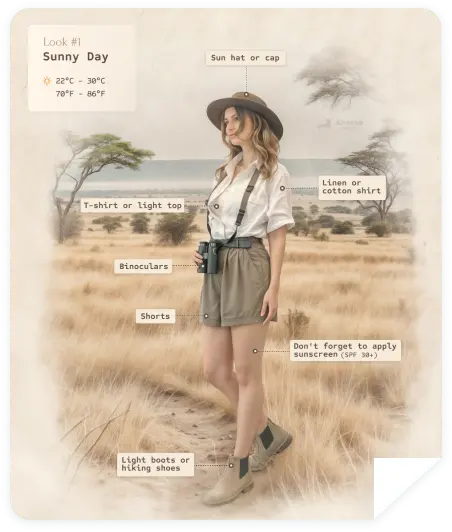
Our safari packing list covers everything you need to prepare for a Tanzanian safari — what to wear, how to plan, where to stay, safari etiquette, insurance tips, and more.
Get PDFEvery Tanzania Safari Experience adventure is customized just for you—no fixed tours or set dates. Speak with our Tanzania Safari experts to help you plan your perfect Tanzania Safari itinerary.
Your safari is carefully planned to maximize wildlife viewing while still giving you time to relax and enjoy the journey. Here’s what you can expect day by day.
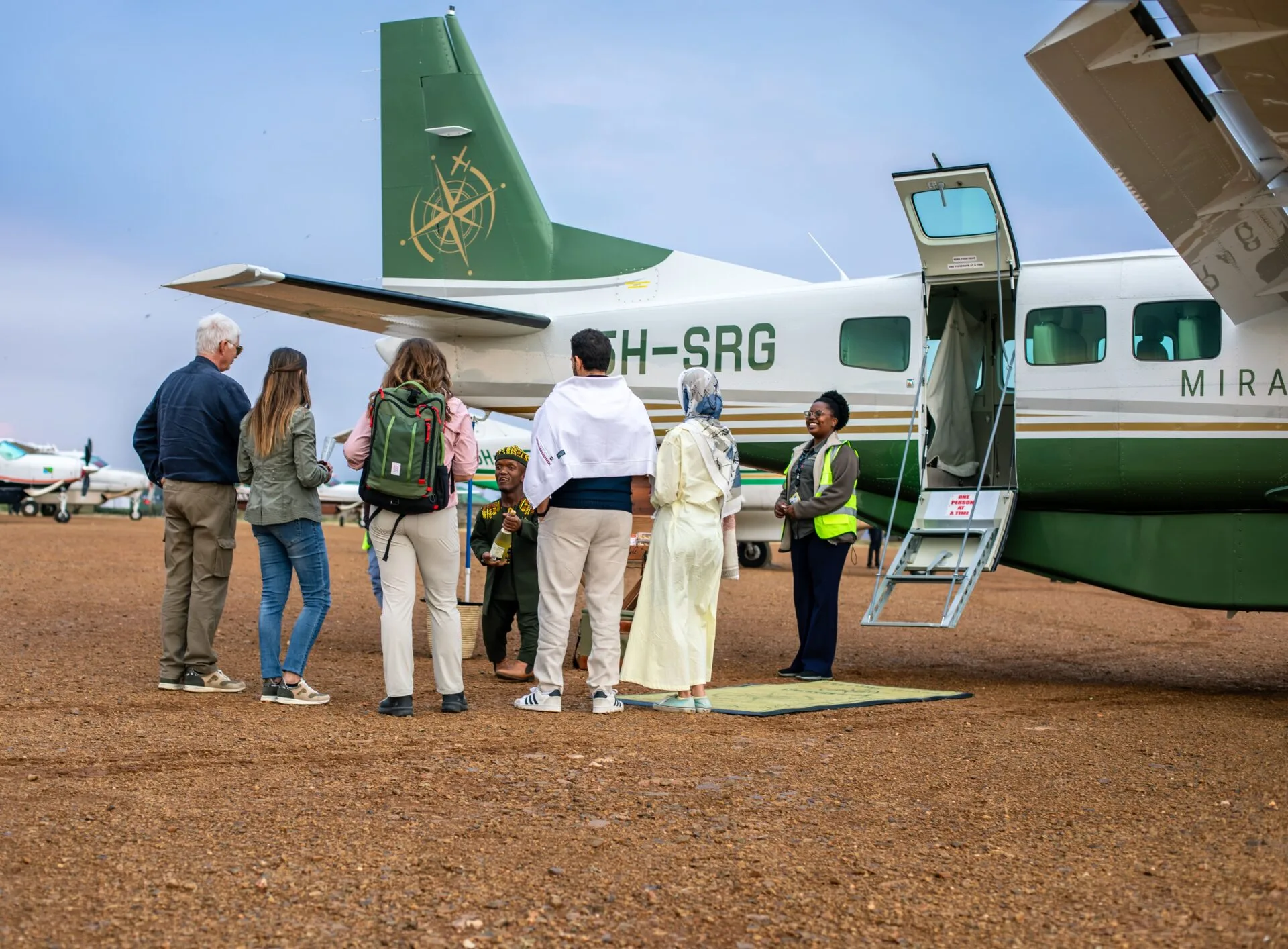
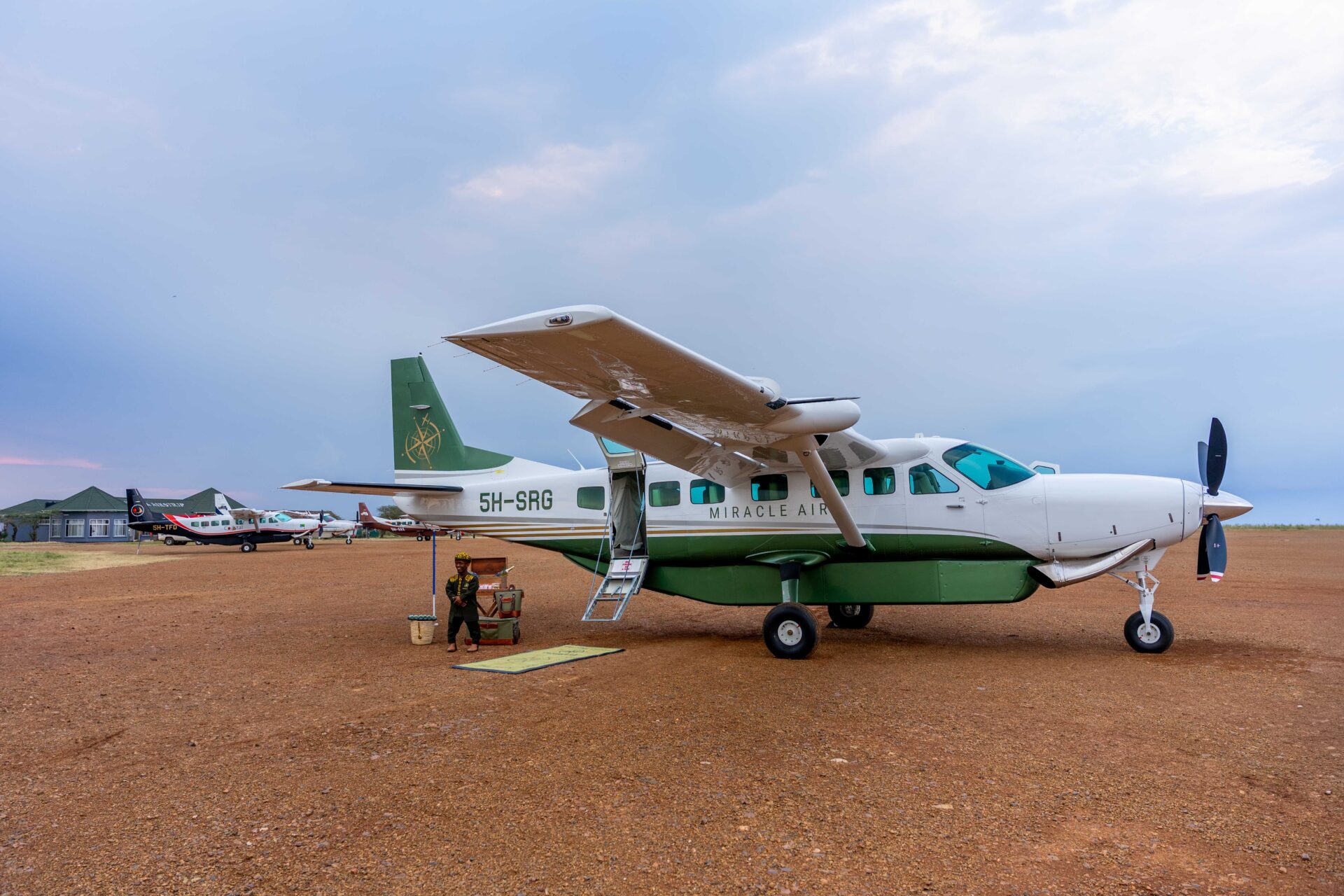
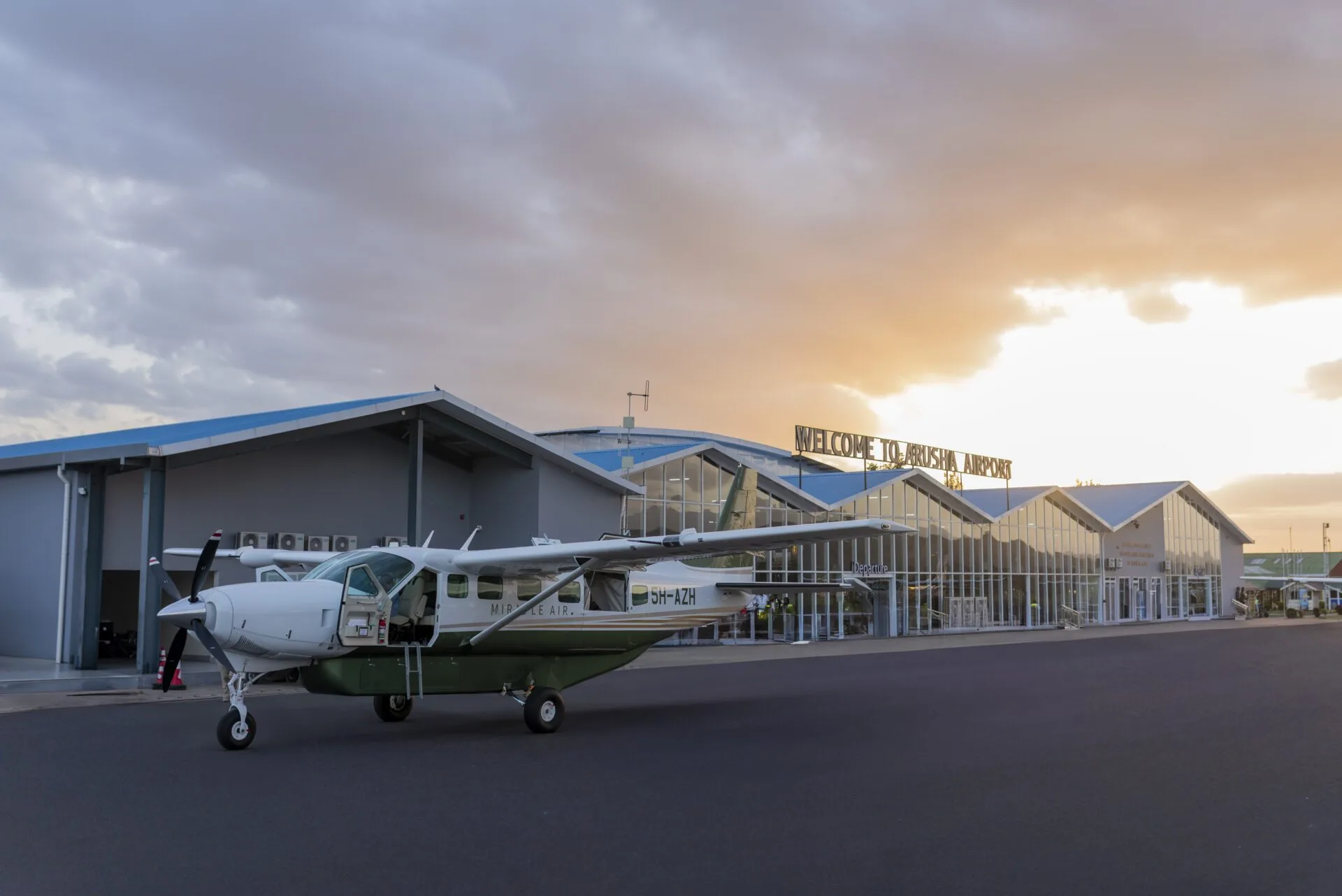
Your safari begins at Arusha Airport with a scheduled flight to Seronera Airstrip in Central Serengeti. After landing, your Tanzania Safari Experience guide will meet you at the airstrip and begin your first game drive immediately, allowing you to use the afternoon for wildlife viewing instead of spending most of the day driving from Arusha.
Central Serengeti is one of the most reliable wildlife areas in Tanzania because permanent water sources support animals throughout much of the year.
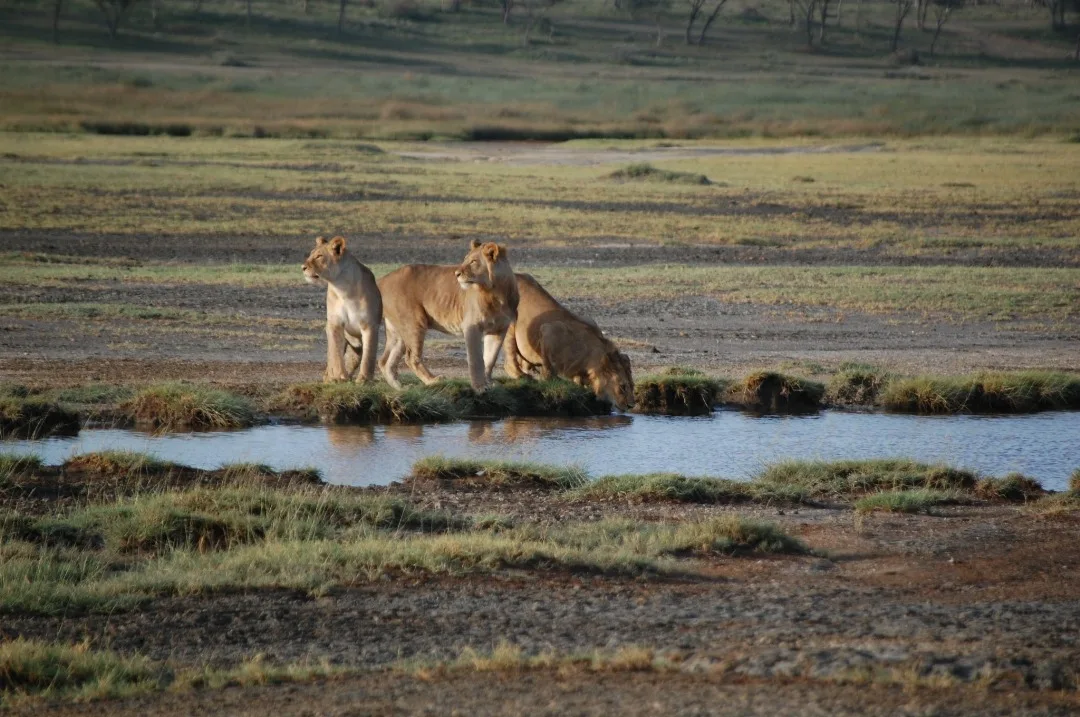
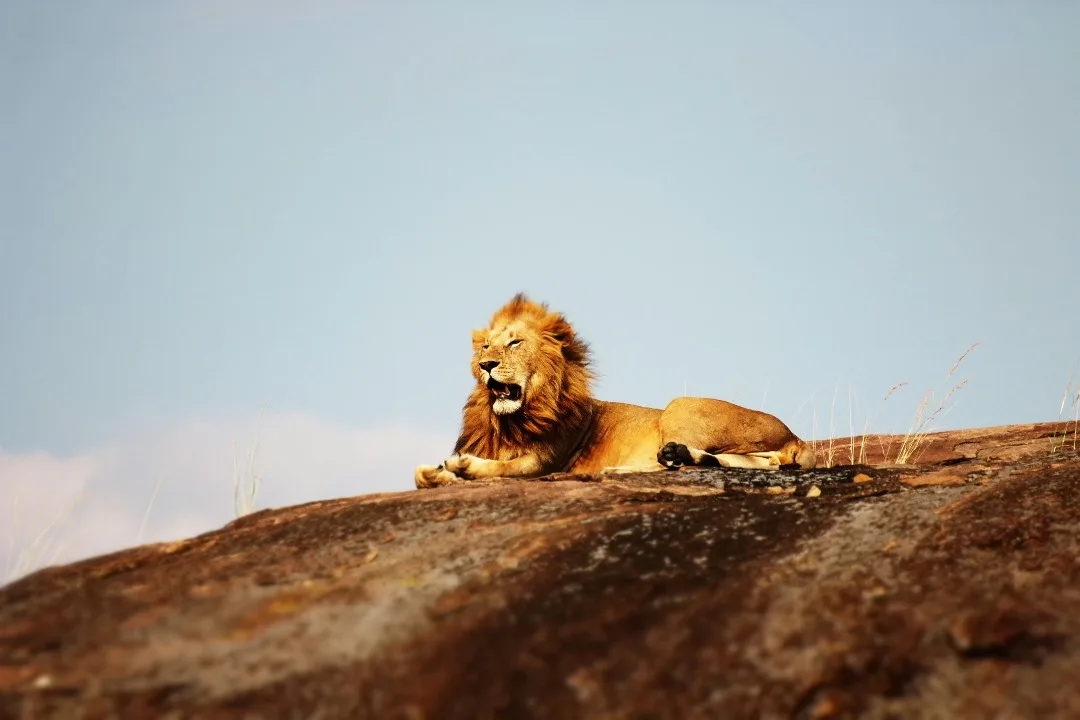
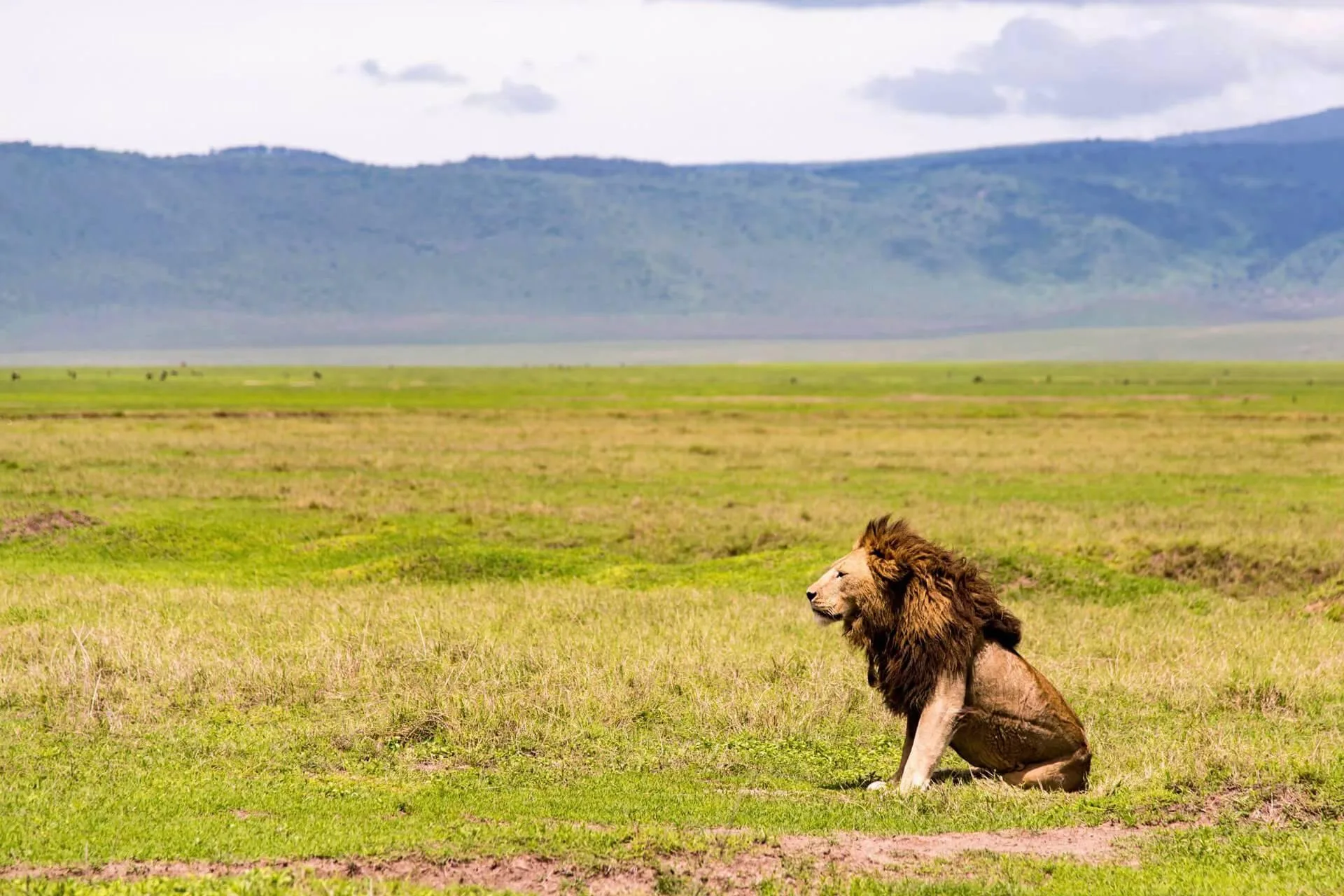
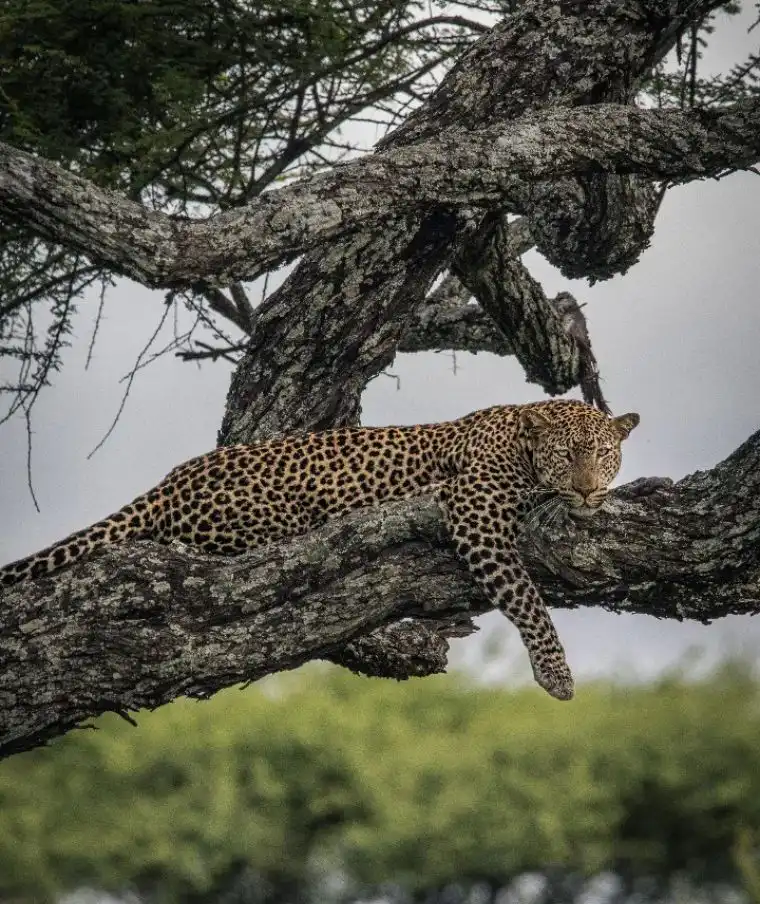
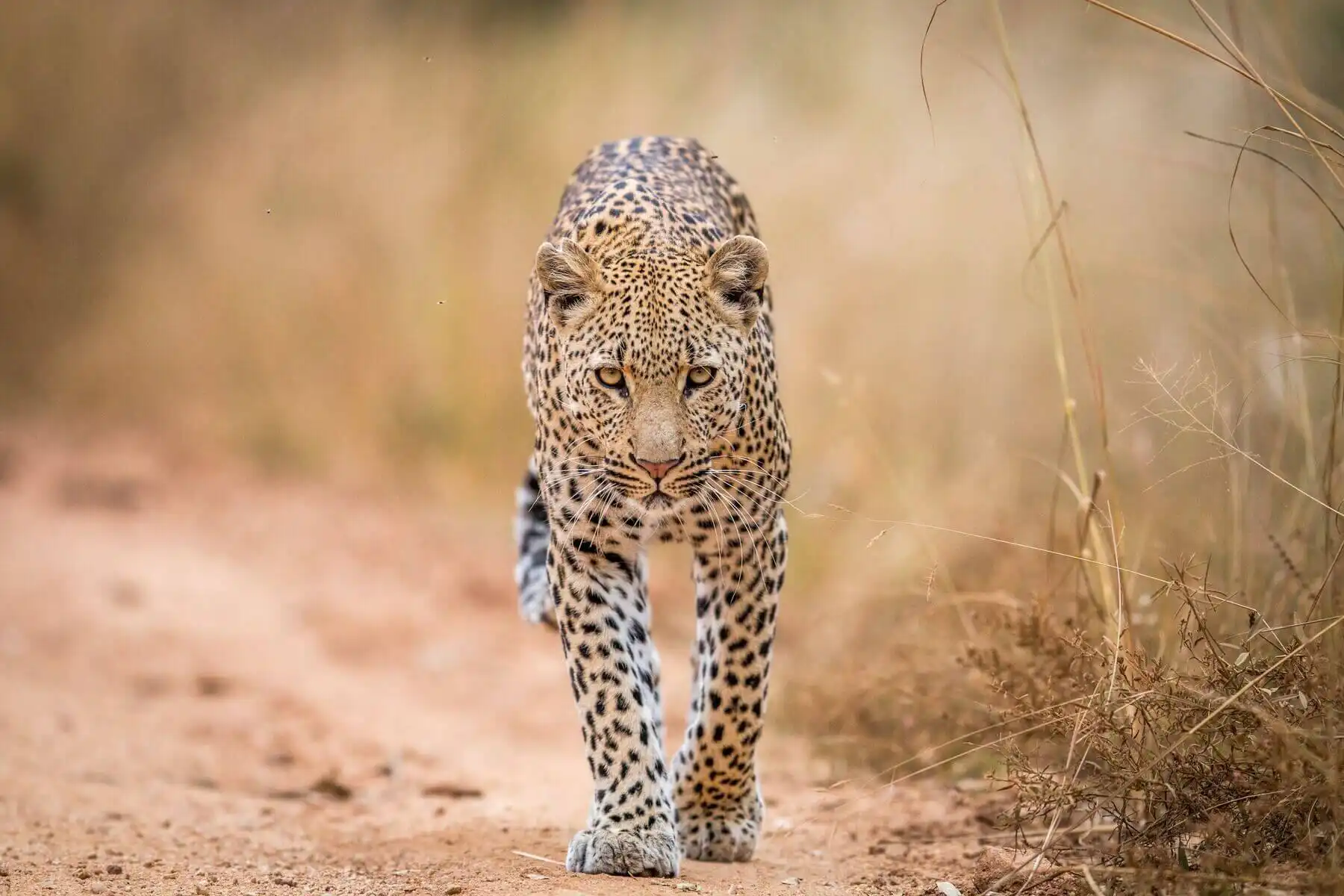
The Seronera area is particularly well known for predators. Lions are frequently encountered, while leopards are often associated with the riverine woodland and larger trees around the Seronera Valley.
Cheetahs prefer more open country where they can watch for prey.
You may also encounter elephants, giraffes, buffaloes, hippos, hyenas, jackals, zebras, wildebeest, gazelles and many smaller species.
Your exact game drive route should not be fixed too rigidly in advance.
Wildlife moves constantly. Your guide will adjust the route according to recent sightings, animal movement, road conditions and information shared between professional guides in the park.
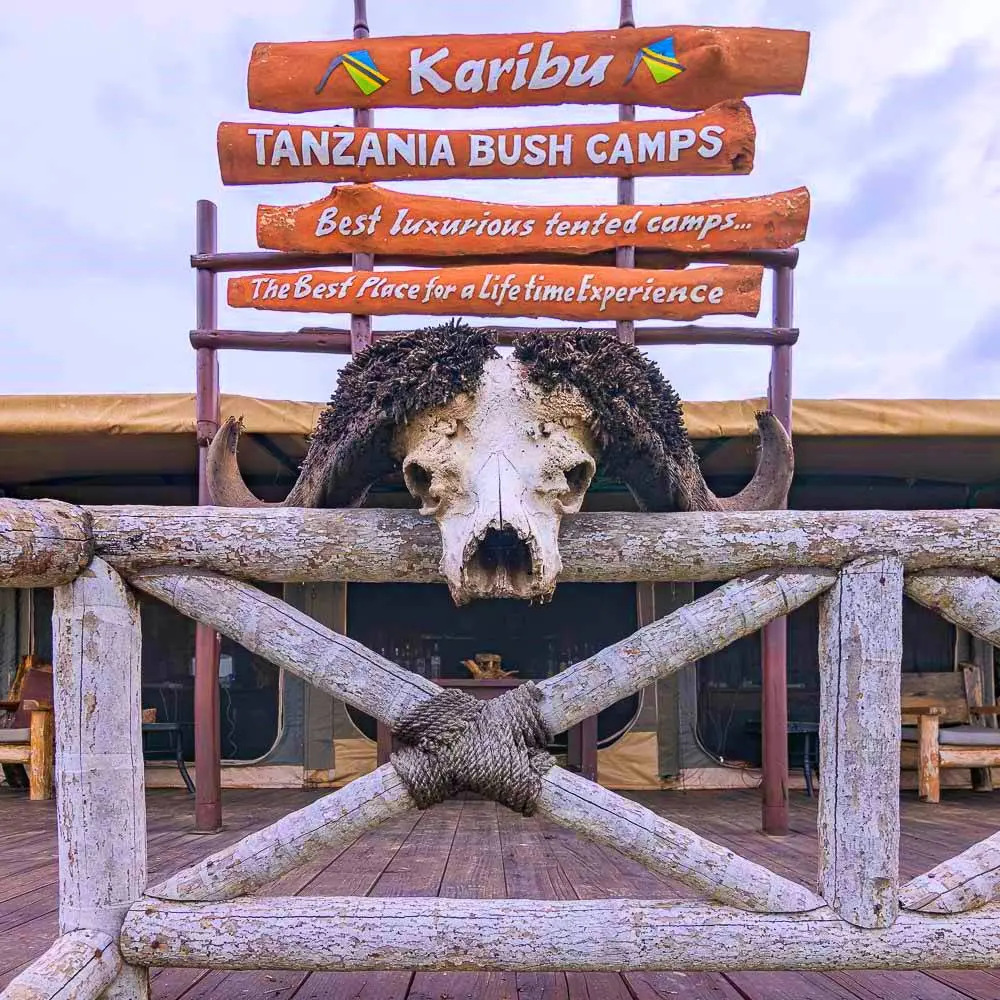
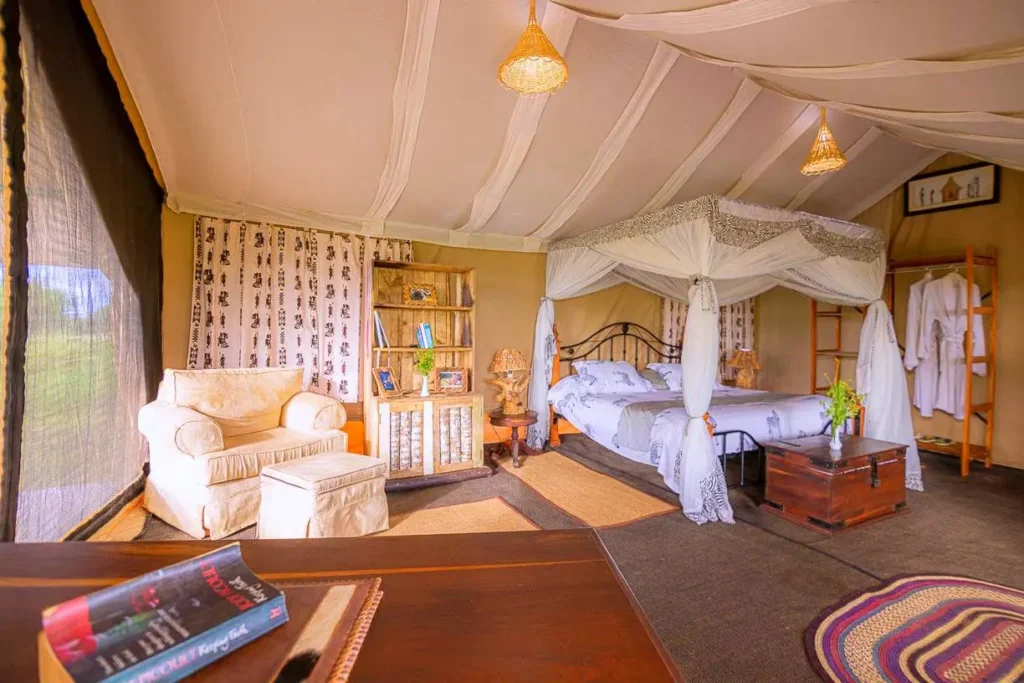
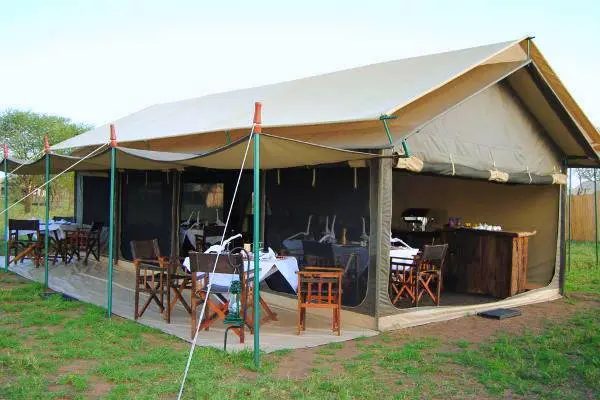
Later in the day you continue to Serengeti Tanzania Bush Camps for dinner and your first night in the Serengeti.
The camp puts you in a practical location for starting the following day’s game drive without needing a long morning transfer.
Day two is dedicated completely to Central Serengeti, giving your guide enough time to follow wildlife rather than constantly watching the clock for the next destination. A full day in the Serengeti significantly improves your chances of finding predators, observing animal behavior and exploring different habitats away from the immediate Seronera Airstrip area.
We normally recommend starting early.
The first hours after sunrise are cooler, the light is softer for photography and predators can still be active after hunting during the night.
Lions may be moving between hunting areas and resting places. Hyenas are often active, and herbivores begin spreading across the plains.
By midday, temperatures usually increase.
Many animals become less active, particularly large cats. Lions may spend hours sleeping in the shade while leopards can disappear into trees or vegetation.
That does not mean midday is wasted.
Elephants, giraffes, hippos and many plains animals remain visible, and quieter periods can provide opportunities to watch behavior rather than simply driving from one sighting to another.
The afternoon becomes interesting again as temperatures begin dropping.
This is one reason a full day is much stronger than rushing through Serengeti in a few hours.
You have time to wait.
Good safari experiences are often created by patience. A leopard sleeping in a tree may eventually climb down. Lions resting beneath an acacia may suddenly begin moving. A group of elephants can approach a water source after you have been waiting nearby.
Best Choice
If photography matters to you, tell your guide before the safari begins. The route, positioning and amount of time spent at sightings can then be adjusted around photography rather than simply trying to see the largest possible number of animals.
You return to Serengeti Tanzania Bush Camps for your second night.
Day three combines your final Serengeti wildlife viewing with a journey toward Ngorongoro Crater. After leaving Central Serengeti, you travel through changing landscapes before descending into the crater for a game drive, where a large concentration of wildlife lives within a relatively compact area compared with the open plains of Serengeti.
This is a longer and more active safari day.
Leaving Serengeti does not mean the wildlife viewing suddenly stops. Depending on the route and season, animals can be encountered while traveling toward the Ngorongoro Conservation Area.
Eventually the scenery begins changing.
The broad Serengeti plains gradually give way to the volcanic highlands surrounding Ngorongoro.
Once you reach the crater rim, the road descends roughly 600 metres toward the crater floor.
Ngorongoro offers a different style of safari from Serengeti.
Serengeti rewards exploration and patience across a huge ecosystem. Ngorongoro places many species within a much smaller area.
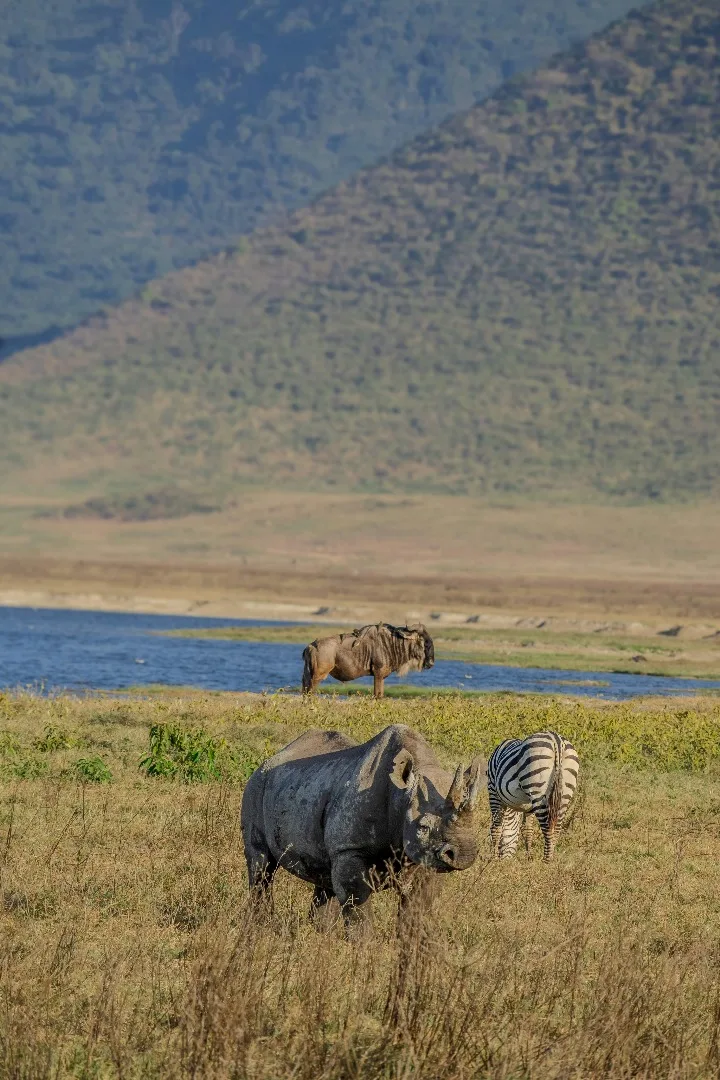
You can commonly encounter buffaloes, zebras, wildebeest, gazelles, hippos, elephants, lions, hyenas and numerous bird species.
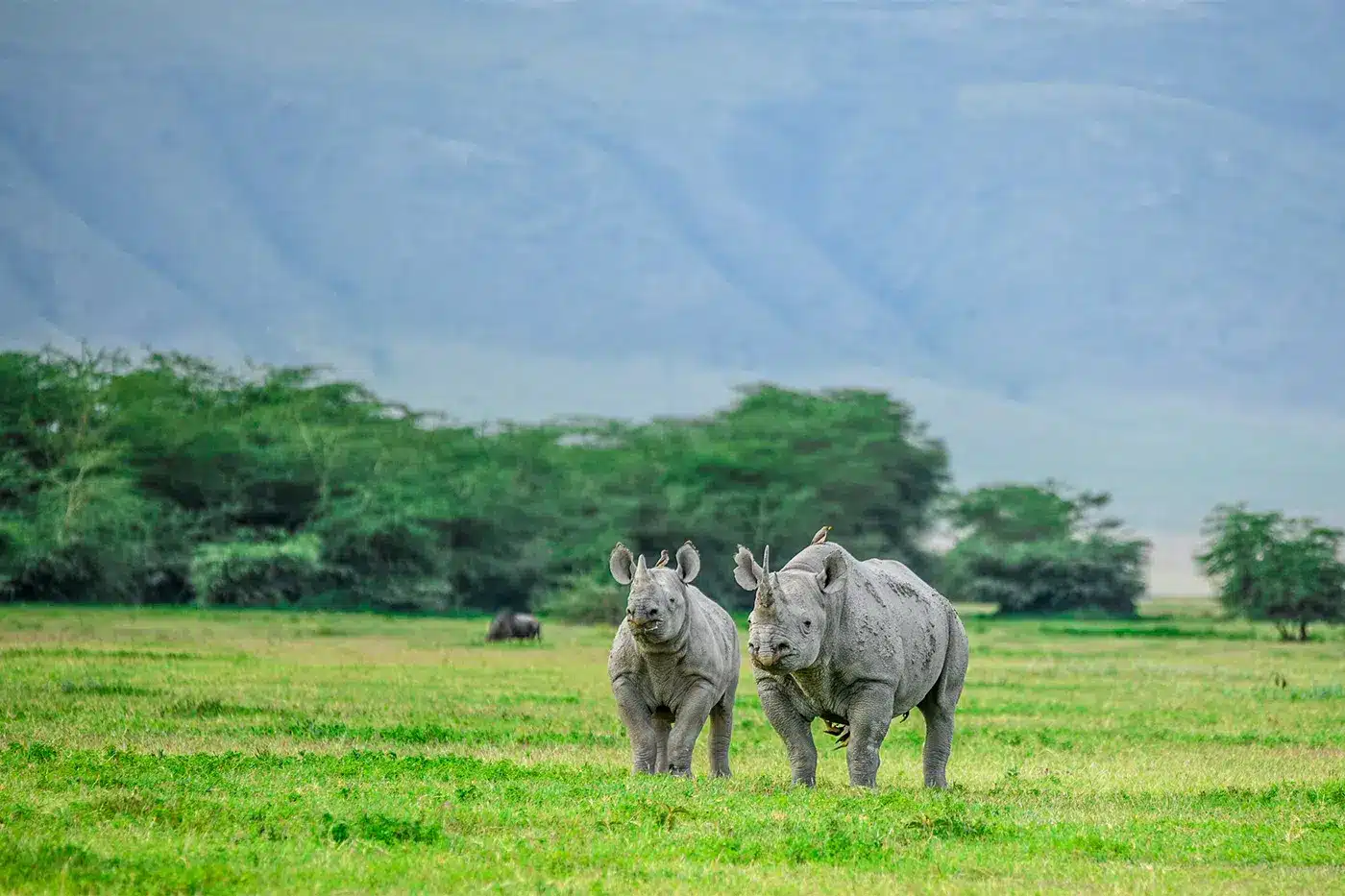
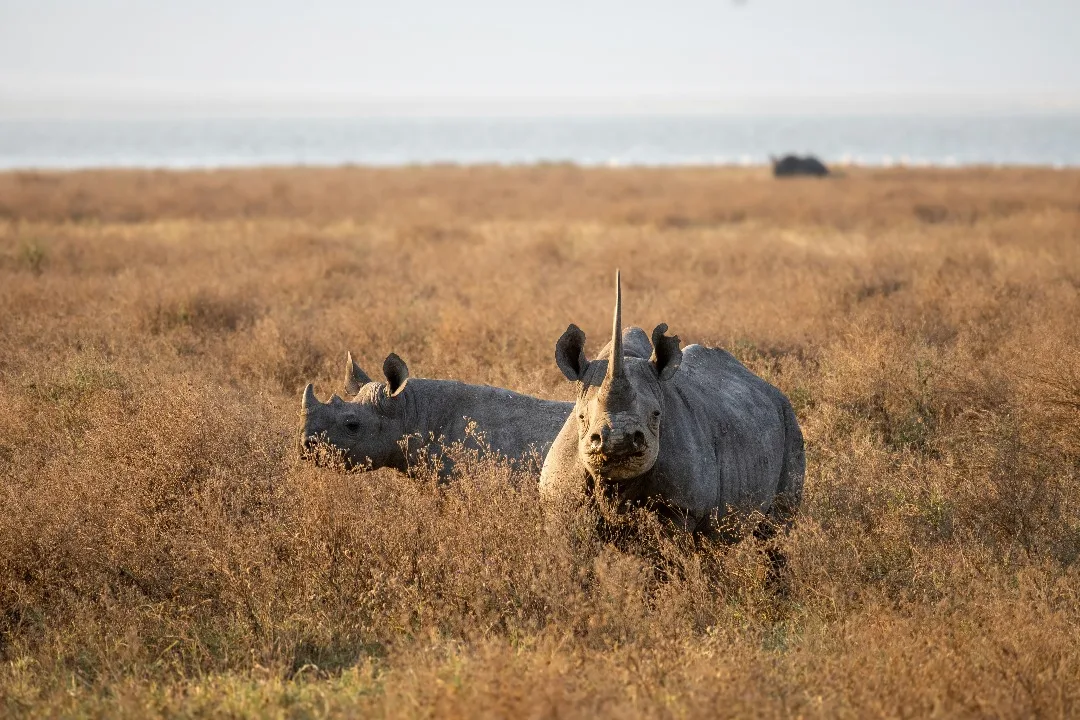
The crater is also one of the better places in northern Tanzania to potentially see a black rhinoceros, although sightings can never be guaranteed.
After your crater game drive, you climb back toward the highlands and continue to Mawe Mawe Manyara Lodge for dinner and overnight.
Expect to feel tired by the end of this day.
That is normal. You have combined road travel with several hours of wildlife viewing, which is why a comfortable evening and good night’s rest are valuable before the final safari day.
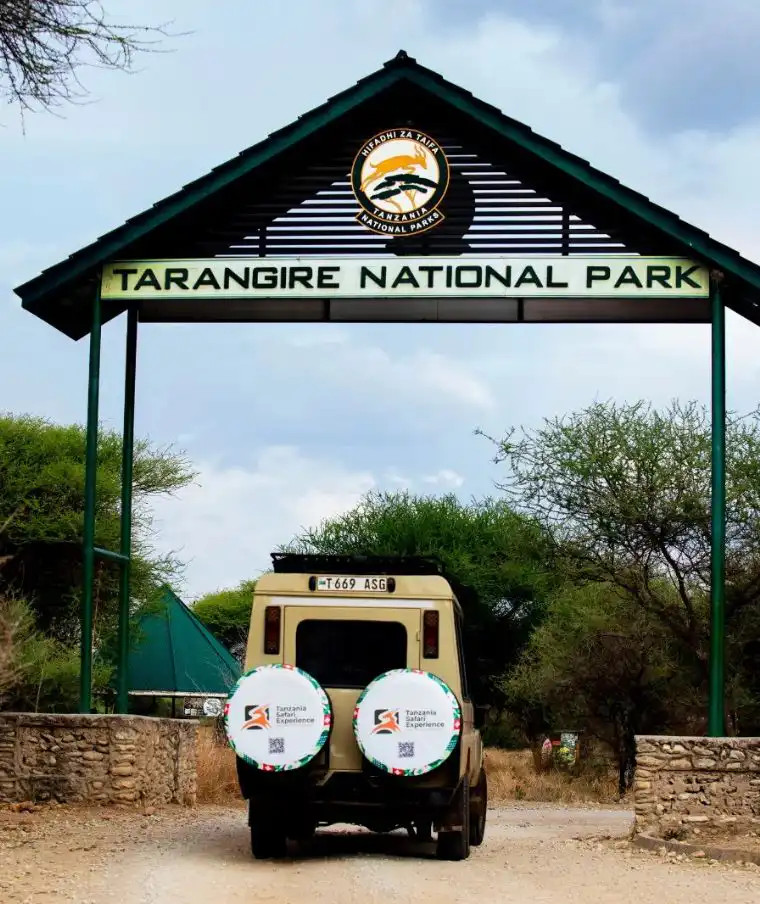
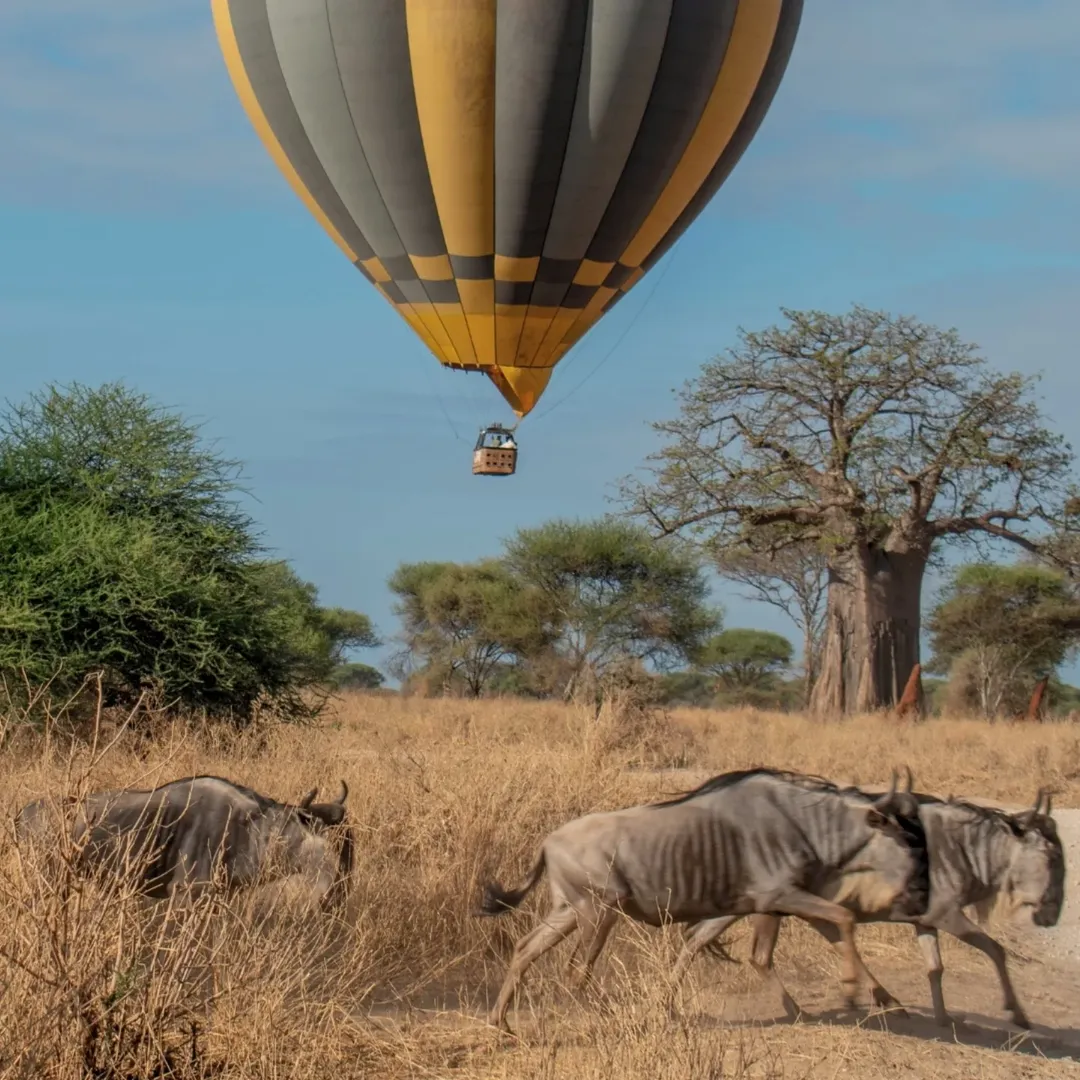
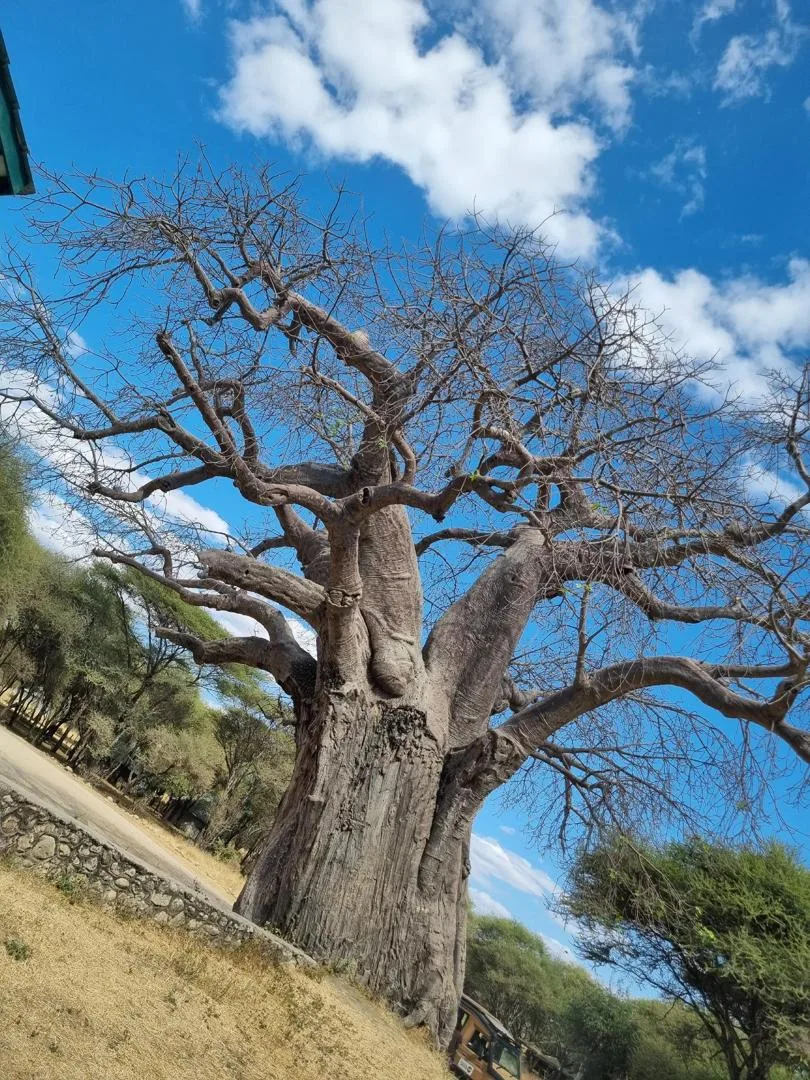
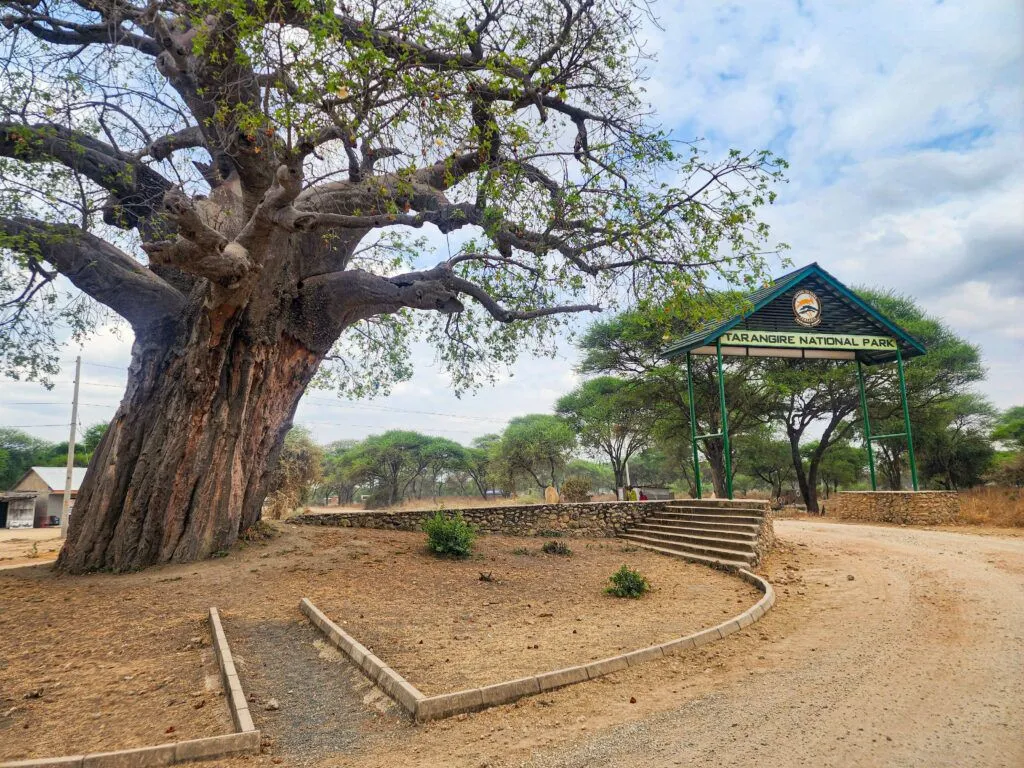
Your final day takes you to Tarangire National Park before continuing to Kilimanjaro International Airport for your departure flight. Tarangire adds a noticeably different landscape to the itinerary, with large baobab trees, the Tarangire River and strong elephant viewing making it worthwhile even after several days in Serengeti and Ngorongoro.
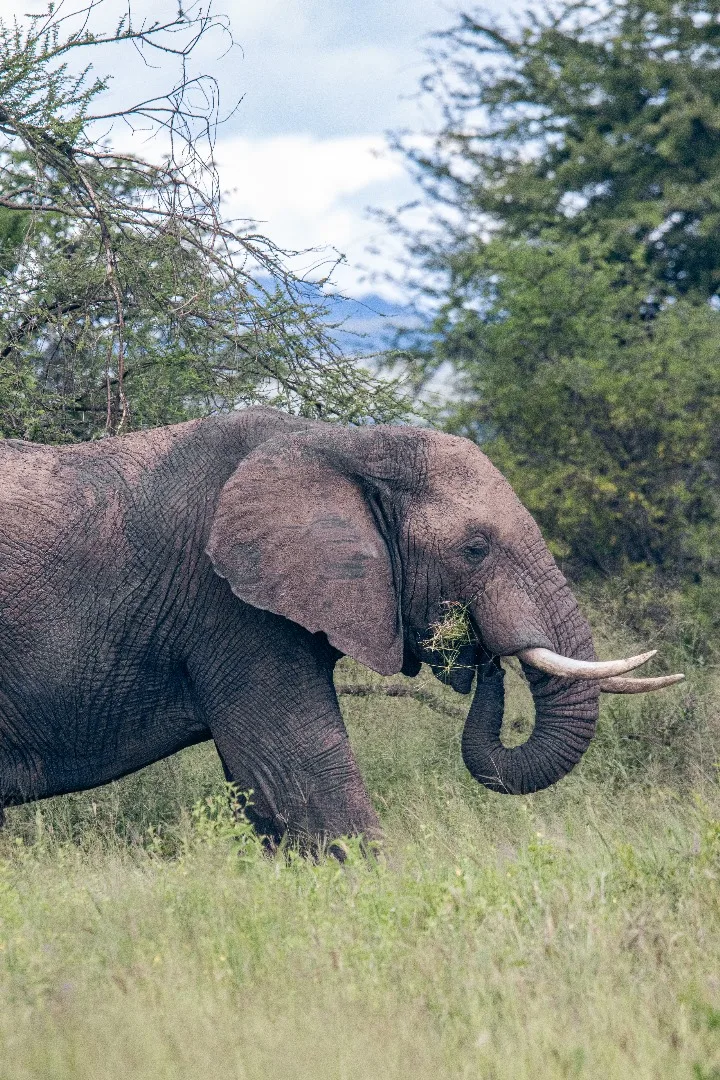
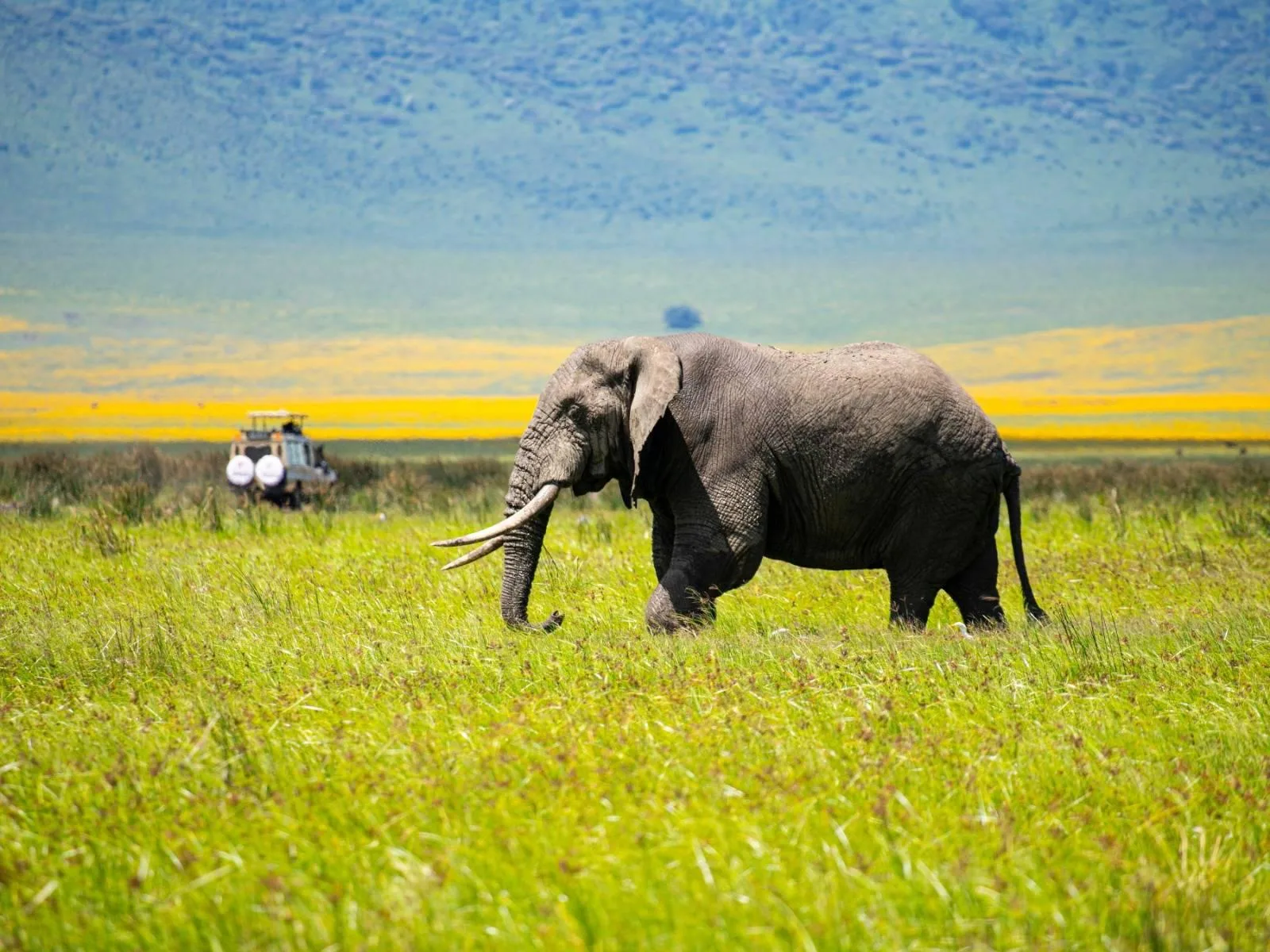
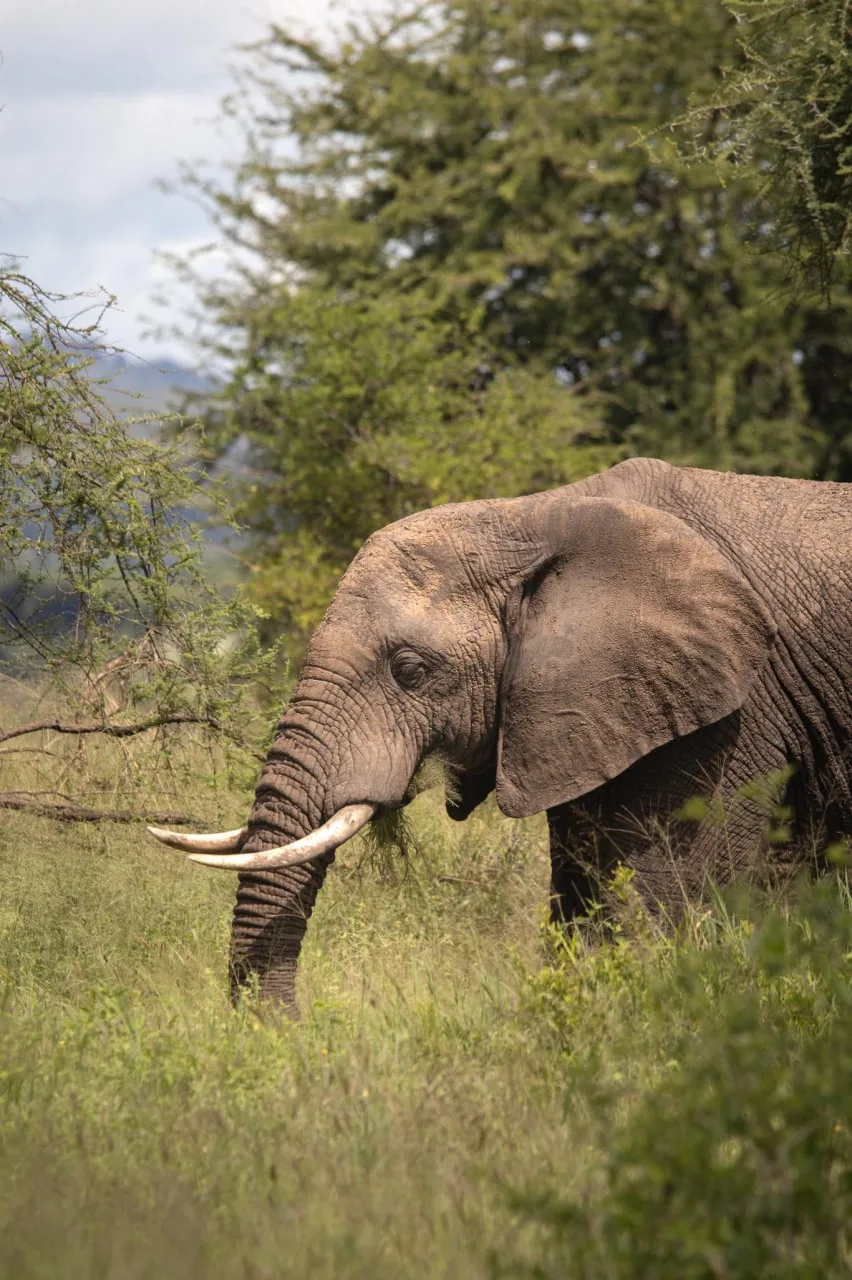
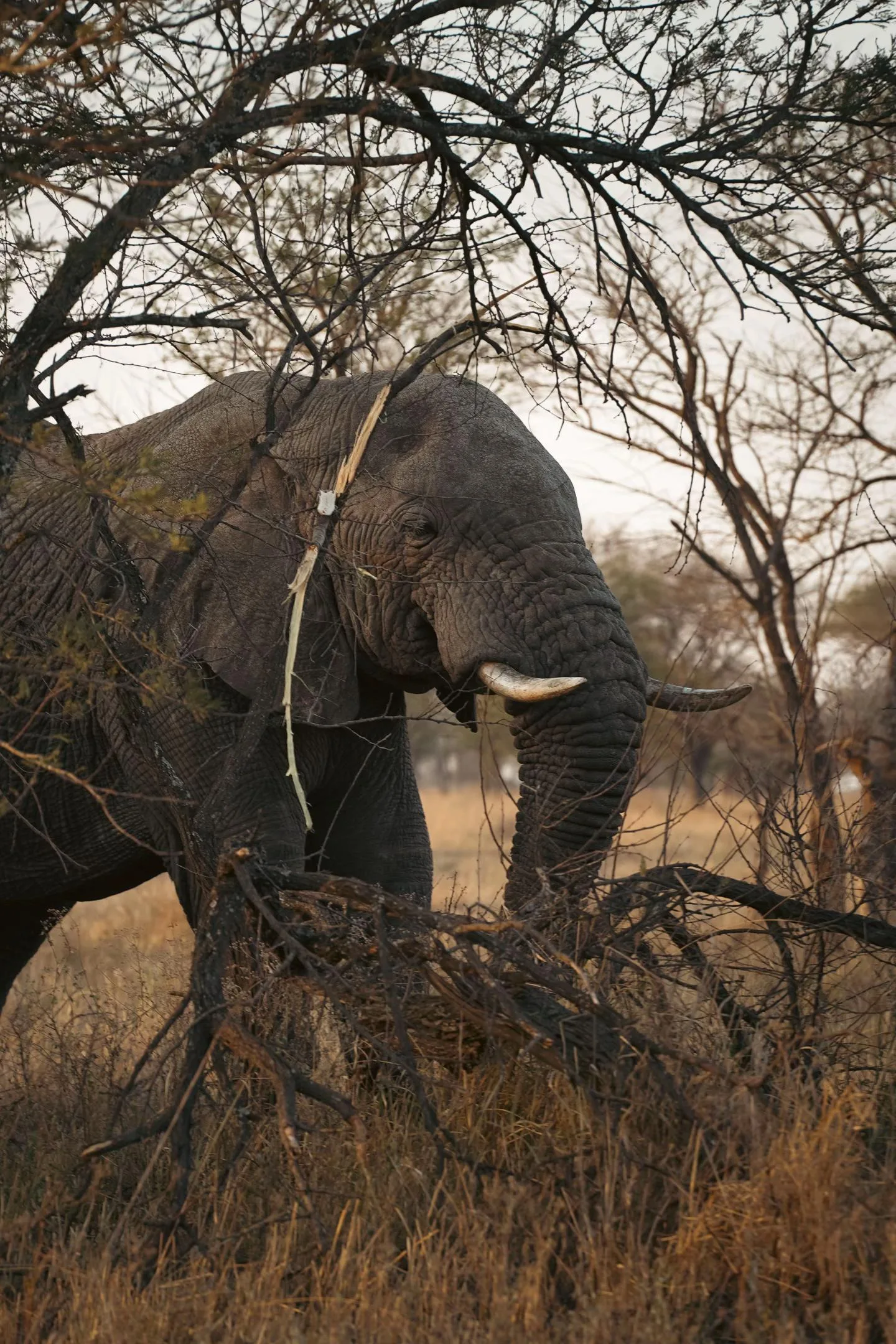
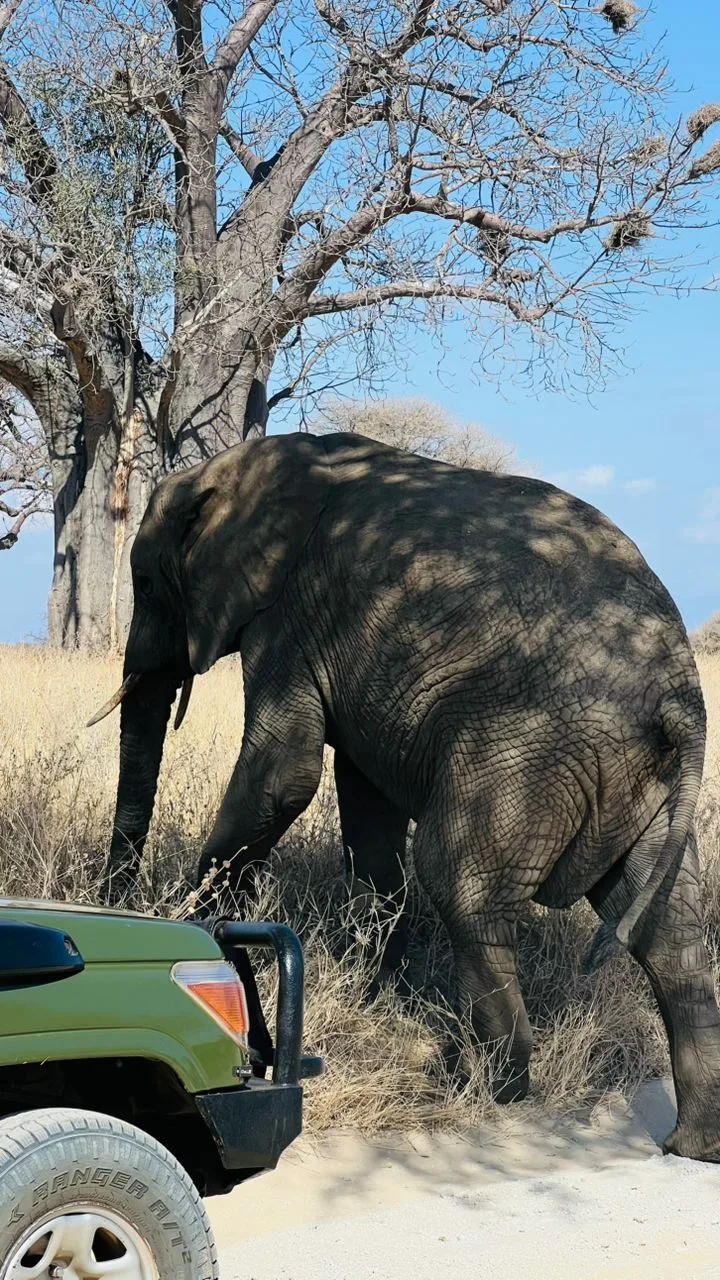
Tarangire is particularly famous for elephants.
It is common to encounter family groups moving between woodland, water sources and open areas.
During the drier months, the Tarangire River becomes increasingly important because wildlife gathers around remaining water.
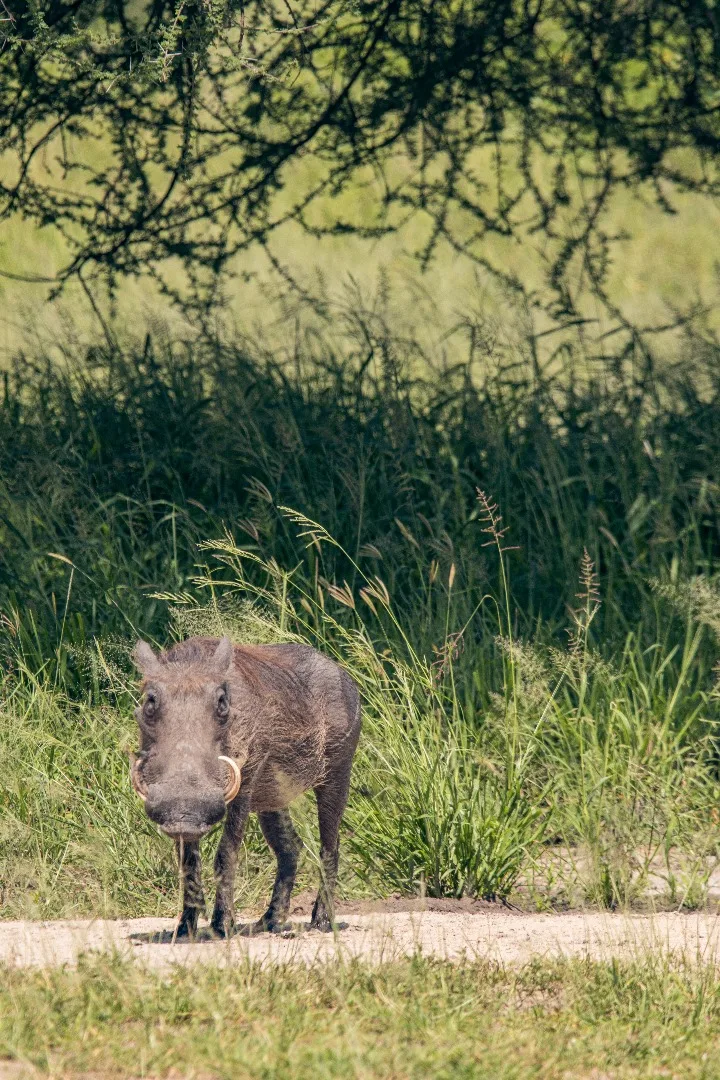
You may also see giraffes, zebras, wildebeest, impalas, warthogs, buffaloes and predators.
Baobab trees are another major feature of the park and create some of the most recognizable landscapes in northern Tanzania.
Because this is your departure day, the length of the game drive depends on your international flight time.
We plan the day backward from the required airport arrival time rather than trying to squeeze in a fixed safari schedule.
Allowing enough time for the transfer to Kilimanjaro International Airport is more important than adding one final rushed game drive.
If your flight departs early, we may recommend changing the final day’s structure or adding another night in Arusha.
Your safari should end calmly rather than with unnecessary concern about reaching the airport.
Receive a free Tanzania safari quote straight to your email within 6 hours! Customize your preferences, and we’ll craft a unique experience just for you. Prices vary based on group size and accommodation choice.
Our tours combine high-quality safari experiences with excellent value. The price provided clearly outlines what is included, such as accommodation, park fees, private safari transport, guide services, selected flights, and transfers listed in your itinerary.

*For the most recent reviews/testimonials from our guests, please visit our TripAdvisor page and Trustpilot.
We toured with Tanzania Safari Experience for an eight day trip to Tanzania. Five days of safari and then three days of beach vacation in Zanzibar. They were great to work with and customized everything exactly the way we wanted it. The lodges we were booked in were all incredible, particularly the Lahia Tented Lodge in the Serengeti. Our driver, Jay, seemed to know every road in every national park and as a result the wildlife viewing was unparalleled. There were times where we were the only vehicle seeing lions or hippos. The owner, Laurent, was extremely responsive and any issues we had in-country with our logistics were immediately sorted by him. He genuinely wanted us to have a first-rate experience. The only thing we were unprepared for is that some of the days in the safari vehicle were very long (10+ hours) and the roads can be really rough. But there were plenty of cold drinks in the car and it was worth it to see the wildlife. The safari/beach split was a great way to do the vacation and the beaches of Zanzibar were beautiful with clear blue water.
This company exceeded everything we’d hoped for. From the start, the tour operator had everything covered — a detailed itinerary laid out well in advance, quick responses to any questions, and a genuine attentiveness that made the whole thing feel effortless. The accommodation was seriously impressive. Not what I was expecting at all — comfortable, well-appointed, and luxurious. We also spent time right in the heart of the bush. A proper treat. The two people who really made this trip were our guide Mariki and photographer Agnes. Mariki’s knowledge of the bush and animal behaviour is something else — he always seemed to know exactly where to go, and his instincts paid off every single time. Agnes has a brilliant eye and captured shots we could never have got ourselves. As for the wildlife — we saw far more than we ever imagined we would. Elephants, lions, leopard, buffalo, giraffe, zebra, hippos — the lot. As a first safari, I couldn’t have asked for more. Would recommend without hesitation.
We had an amazing safari with Tanzania Safari Experience, and honestly the whole trip was put together really well by Laurent and his team. From our first message to the last day, they were easy to reach, quick to reply, and clear about everything. The plan made sense, the timing was smooth, and we didn’t have to stress about anything. Uncle J was a big part of what made it special. He knows the parks incredibly well and seems to notice things before anyone else. He’d position the vehicle perfectly for photos and often got us to sightings before the crowds built up. We were lucky to see [your highlights: migration / lions / cheetahs / elephants / a crossing], and every drive felt exciting and different. The vehicle was comfortable and in good shape, and everything ran on schedule. If you’re looking for a well-organized safari with a great guide, I’d definitely recommend Tanzania Safari Experience.
Most travelers to Tanzania need a visa, which can be obtained online or on arrival at the airport. Use the widget below to select your citizenship and see the type of visa required and how long the application will take.
Select your citizenship to instantly see what you need before your Tanzania safari.
Planning a Tanzania safari often comes with important questions, from choosing the right travel season to understanding what to pack, where to stay, and what to expect each day. We have answered the questions travelers ask most often before booking, helping you prepare properly and plan your safari with confidence.
Four days is enough for a rewarding Tanzania safari when the route is planned carefully. The important factor is not simply the number of days but how those days are used. Flying directly into Serengeti allows this itinerary to include meaningful time in Serengeti, Ngorongoro Crater and Tarangire without turning the safari into a race between parks.
A common mistake is looking at a map and assuming that several northern Tanzania parks can easily be combined because they appear relatively close together.
Safari travel does not work like normal highway travel.
Road conditions change, wildlife sightings cause stops, park gates require formalities and game drives naturally take time. A four day safari containing too many destinations often means spending more time inside the vehicle traveling between parks than actually watching wildlife.
That is why this itinerary gives Central Serengeti two days.
Serengeti is normally the destination travelers most want to experience, and reducing it to only a few hours would weaken the entire safari.
Expert Recommendation from Tanzania Safari Experience
For a four day safari, we would rather give you two quality days in Serengeti and visit three wildlife areas properly than promise five parks that you barely have time to experience.
Flying from Arusha to Central Serengeti saves valuable safari time and removes one of the longest road transfers from a short itinerary. Instead of spending much of your first day driving toward Serengeti, you land at Seronera Airstrip inside the national park and continue directly into a game drive with your private safari vehicle and guide.
The flight itself also gives you a different perspective of northern Tanzania.
After leaving Arusha, the landscape gradually changes as you travel toward Serengeti. Depending on the flight routing, there may be brief stops at other bush airstrips before reaching Seronera.
Your safari guide meets you at the airstrip.
There is no need to drive back toward a town or hotel before starting the safari. Once luggage is loaded into the Land Cruiser, the wildlife experience begins.
This matters more than many first time visitors realize.
If you only have four days, every half day spent transferring between destinations has a noticeable effect on the experience.
| Option | Approximate experience | Best for |
|---|---|---|
| Fly from Arusha to Seronera | Arrive inside Serengeti and start game viewing the same day | Short safaris and travelers prioritizing Serengeti |
| Drive from Arusha | Long travel day with game viewing mainly later in the journey | Longer itineraries with additional parks en route |
| Fly both directions | Maximum Serengeti time | Very short Serengeti focused safaris |
| Fly in and drive out | Combines efficient arrival with Ngorongoro and Tarangire afterward | This 4 day itinerary |
For this particular itinerary, flying into Serengeti and driving back through Ngorongoro and Tarangire is the strongest combination.
You save time where it matters most while still experiencing the changing landscapes of northern Tanzania on the return journey.
This itinerary gives you access to three wildlife areas with very different strengths. Central Serengeti is strongest for predator viewing and open plains wildlife, Ngorongoro Crater offers high wildlife density within a compact area, while Tarangire is particularly rewarding for elephants, baobab landscapes and dry season wildlife around the Tarangire River.
No responsible safari operator should guarantee particular wild animal sightings.
Animals are not enclosed and their movement changes according to rainfall, food, water, breeding activity and other natural factors.
However, visiting several different ecosystems increases the variety of wildlife you are likely to encounter.
| Wildlife | Serengeti | Ngorongoro | Tarangire |
|---|---|---|---|
| Lions | Excellent | Excellent | Good |
| Leopards | Very good | Possible | Possible |
| Cheetahs | Very good | Possible | Possible |
| Elephants | Good | Good | Excellent |
| Buffaloes | Good | Excellent | Very good |
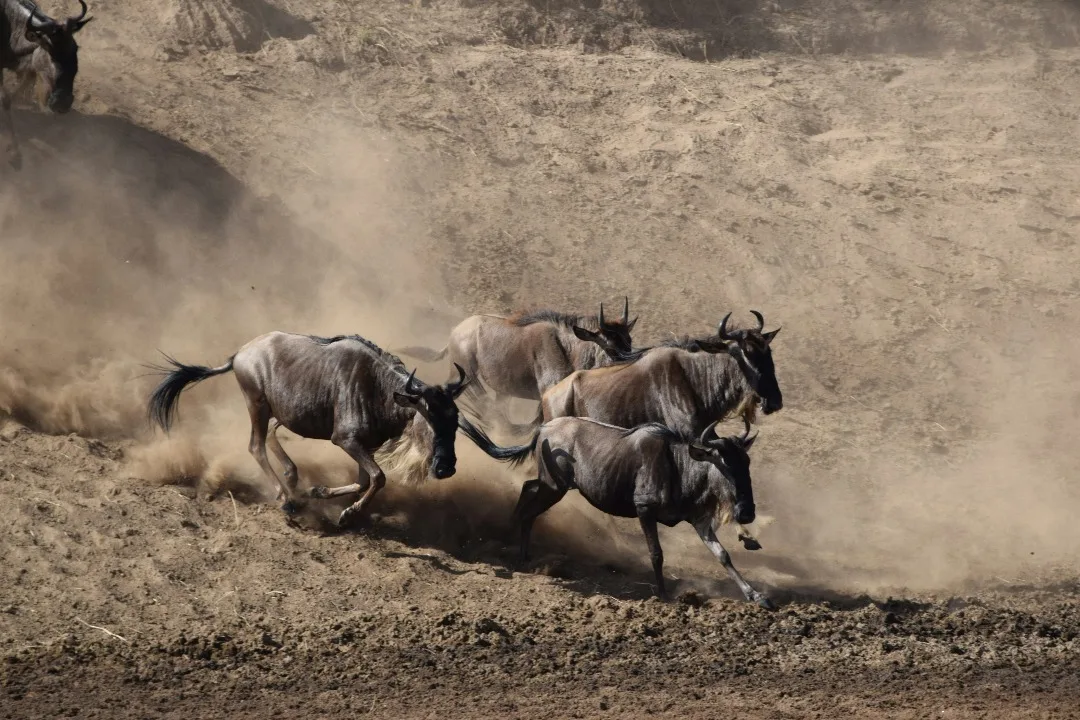
| Wildebeest | Excellent | Excellent | Seasonal |
| Zebras | Excellent | Excellent | Very good |
| Hippos | Good | Excellent | Possible |
| Black rhino | Rare | Possible | Extremely rare |
| Giraffes | Excellent | Not normally on crater floor | Excellent |
One interesting detail many travelers miss is that giraffes are not normally seen on the Ngorongoro Crater floor.
You are far more likely to encounter them in Serengeti, Tarangire and the surrounding conservation landscapes.
This safari can operate throughout the year because Central Serengeti, Ngorongoro Crater and Tarangire maintain wildlife populations across different seasons. The experience changes throughout the year, however, so the best travel period depends on whether your priority is migration activity, dry weather, greener scenery, photography or fewer safari vehicles.
This is the main dry season.
Road conditions are generally easier and wildlife increasingly concentrates around permanent water sources.
Tarangire becomes particularly strong as animals gather around the Tarangire River.
Central Serengeti remains productive, although much of the Great Migration can be farther north during parts of this period.
Short rains usually begin transforming the landscape.
The exact timing and intensity of rainfall vary from year to year.
The plains become greener and photography can be excellent, particularly when dramatic skies appear after afternoon showers.
The main wildebeest calving activity normally takes place farther south around Ndutu and the southern Serengeti ecosystem rather than Central Serengeti.
If witnessing the calving season is your main objective, we would modify this itinerary to place you closer to Ndutu.
Central Serengeti remains excellent for resident wildlife throughout this period.
These are generally the wetter months.
Rain can affect some roads and afternoon storms are possible, but the parks remain open and wildlife viewing continues.
The landscape is very green and visitor numbers can be lower than during the main dry season.
| Period | Conditions | Best reason to travel |
|---|---|---|
| January to March | Green season | Calving season with itinerary adjustment toward Ndutu |
| April to May | Main rains | Green scenery and generally fewer vehicles |
| June to October | Dry season | Wildlife concentration and easier road conditions |
| November to December | Short rains | Green landscapes and changing migration movement |
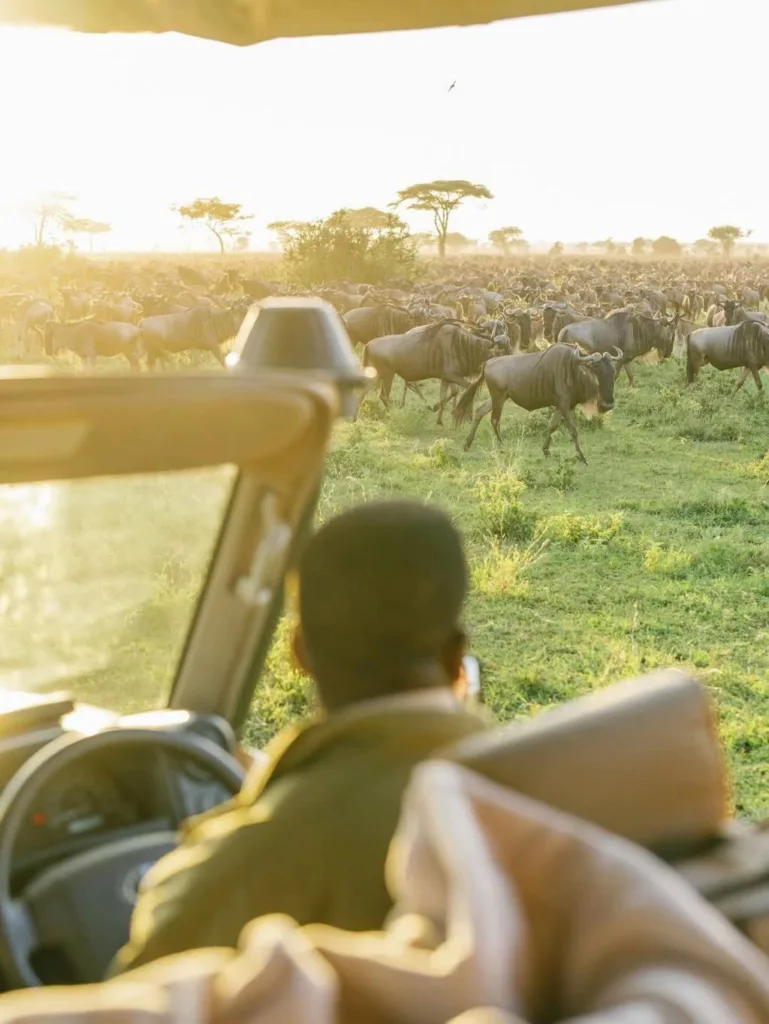
You may encounter the Great Migration during this four day safari, but it should never be guaranteed in Central Serengeti because wildebeest herds move throughout the wider Serengeti ecosystem according to rainfall and grazing conditions. If migration viewing is your main reason for visiting Tanzania, we normally adjust the itinerary according to your travel month.
This is important.
The Great Migration is not permanently located in one place called “the migration area.”
Millions of wildebeest and zebras move through different parts of the Serengeti ecosystem throughout the year.
During January, February and March, large numbers are normally associated with the southern plains and Ndutu region.
During the middle of the year, herds gradually move north.
July through October can bring major concentrations into the northern Serengeti and Mara River region, although river crossings cannot be scheduled or guaranteed.
Central Serengeti remains valuable even when the largest migration herds are elsewhere because of its strong resident wildlife.
Expert Recommendation from Tanzania Safari Experience
If your main goal is the Great Migration, tell us your exact travel dates before choosing accommodation. Where you sleep matters because choosing the wrong part of Serengeti can create several unnecessary hours of driving every day.
This itinerary reduces road fatigue by flying into Serengeti, but you should still expect significant driving during the safari. Game drives themselves take place in a vehicle, and the journey from Serengeti through Ngorongoro toward Tarangire includes long sections of safari road. The difference is that the driving forms part of the wildlife experience rather than simply transferring from Arusha.
Safari roads are mainly unpaved.
During the dry season they can become dusty and corrugated.
During wetter periods some sections can become muddy or rough.
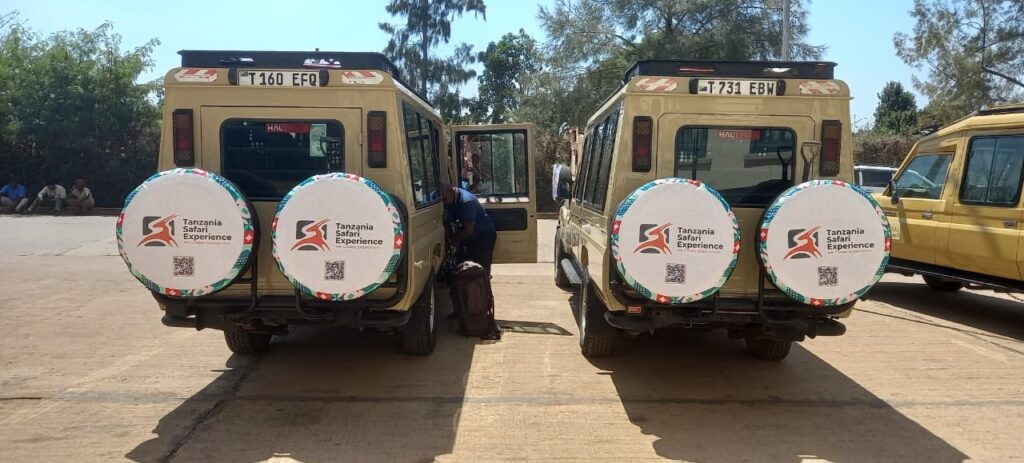
A proper safari Land Cruiser makes a major difference.
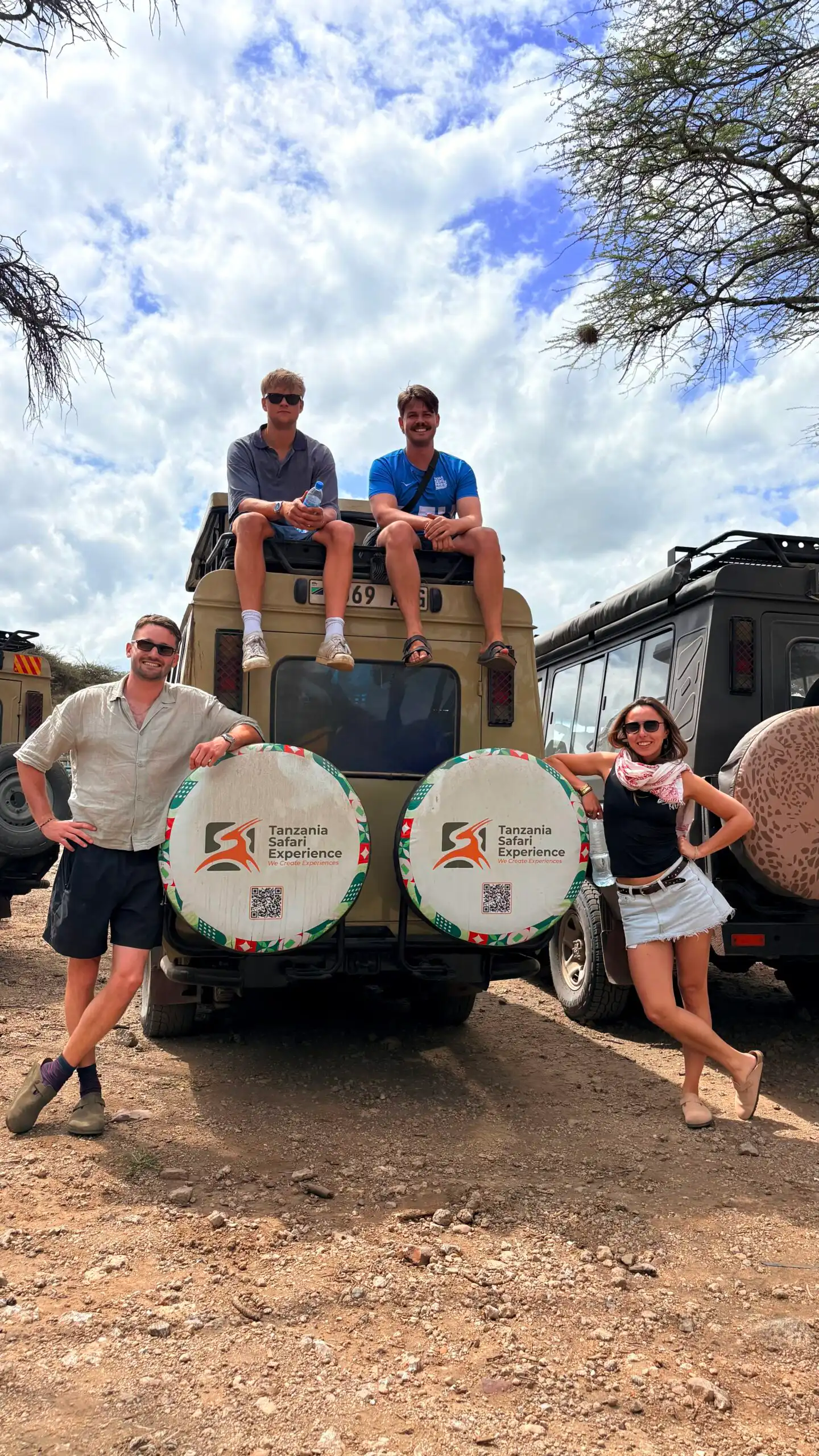
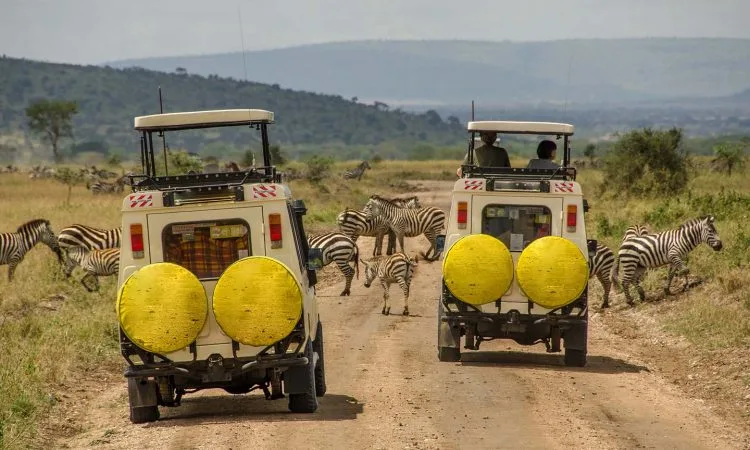
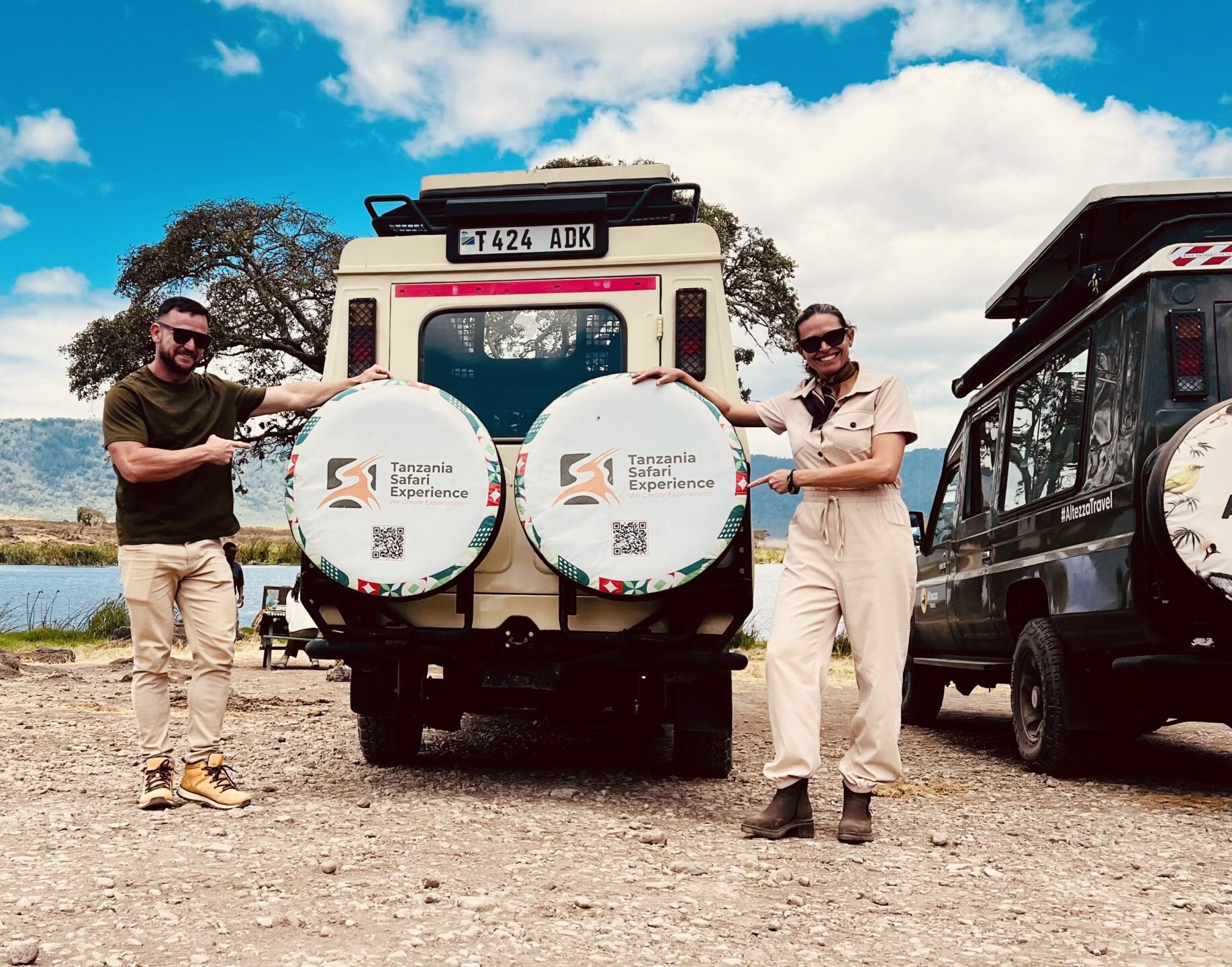
Tanzania Safari Experience uses customized four wheel drive safari vehicles with a lift roof for wildlife viewing.
The raised roof allows guests to stand while observing and photographing animals while still remaining inside the vehicle.
One thing first time safari travelers often underestimate is how tiring game drives can become.
You may spend several hours watching wildlife, stopping frequently and moving over uneven roads.
That is why we avoid packing too many destinations into this four day route.
For a four day Tanzania safari, pack light and concentrate on practical clothing, sun protection, camera equipment and a warm layer for early mornings. Travelers flying into Serengeti should pay particular attention to domestic flight luggage restrictions because bush aircraft normally have stricter weight and baggage requirements than international airlines.
Soft sided bags are generally more practical than large rigid suitcases on bush flights.
Your exact baggage allowance should be confirmed for the airline operating your safari flight.
Bring comfortable neutral colored clothing.
There is no need to buy an entire safari wardrobe.
A few lightweight shirts, trousers or shorts and comfortable shoes are enough for most guests.
Early mornings around Ngorongoro can feel surprisingly cool, so carry a fleece, light jacket or warm layer.
You should also bring sunscreen, sunglasses, a hat, personal medication and insect repellent.
For photography, carry spare batteries and enough memory cards.
Charging is available at most safari accommodation, but having a power bank provides useful backup.
Tanzania Safari Experience operates this itinerary using a proper four wheel drive safari Land Cruiser designed for Tanzania’s park conditions. The vehicle provides elevated wildlife viewing through a lift roof, space for photography equipment and the durability required for Serengeti, Ngorongoro and Tarangire roads throughout different seasons.
Your vehicle is an important part of the safari experience.
For four days, it effectively becomes your mobile observation platform.
A private safari also means the game drive can be adjusted around your interests.
If you want to spend 45 minutes watching elephants, you can.
If photography is more important than covering distance, your guide can work around that.
This flexibility is one of the strongest reasons we recommend private safaris for short itineraries.
When time is limited, you should not lose valuable wildlife viewing time waiting for several unrelated travelers with different priorities.
Two nights in Central Serengeti give a four day safari enough depth to feel like a real Serengeti experience rather than a quick visit. The first day provides an afternoon game drive after your flight, while the second gives you a complete day to explore without needing to immediately continue toward another park.
One night is possible.
We normally would not choose it for this itinerary.
With only one night, arrival time, flight schedules and the following day’s transfer toward Ngorongoro can reduce your actual Serengeti experience substantially.
Two nights provide flexibility.
If your first afternoon is quieter, you still have the following morning and full day.
If an interesting sighting requires patience, you are not forced to leave simply because the itinerary is already moving to another destination.
Common Mistake
Trying to reduce Serengeti to one night just to add another national park often looks better on an itinerary than it feels in reality.
Better Alternative
Keep two nights in Serengeti and experience three strong wildlife areas properly.
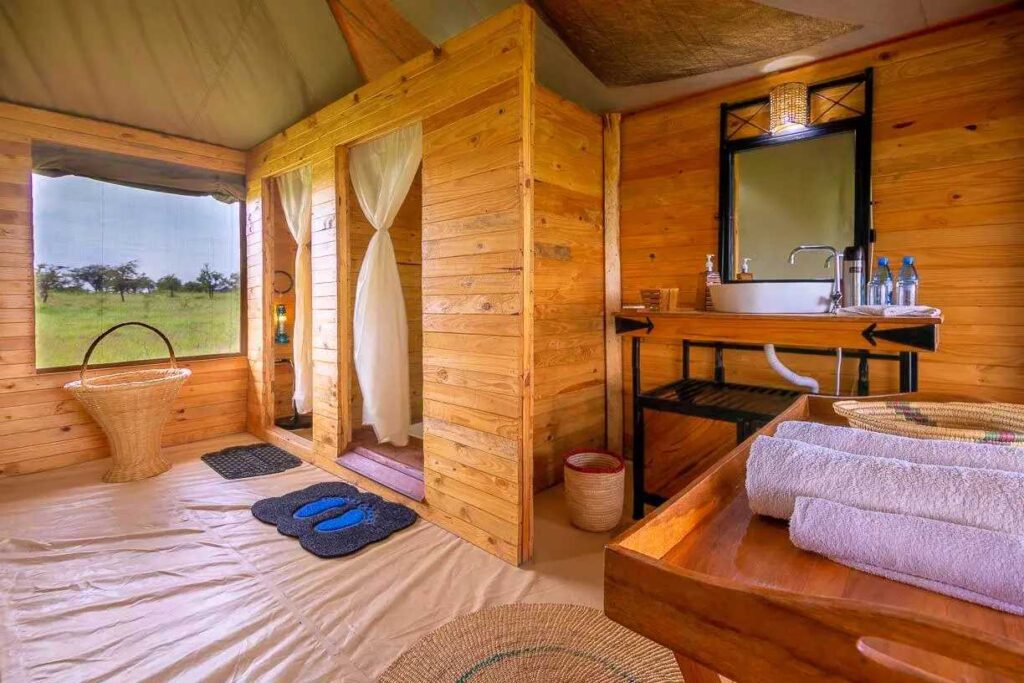
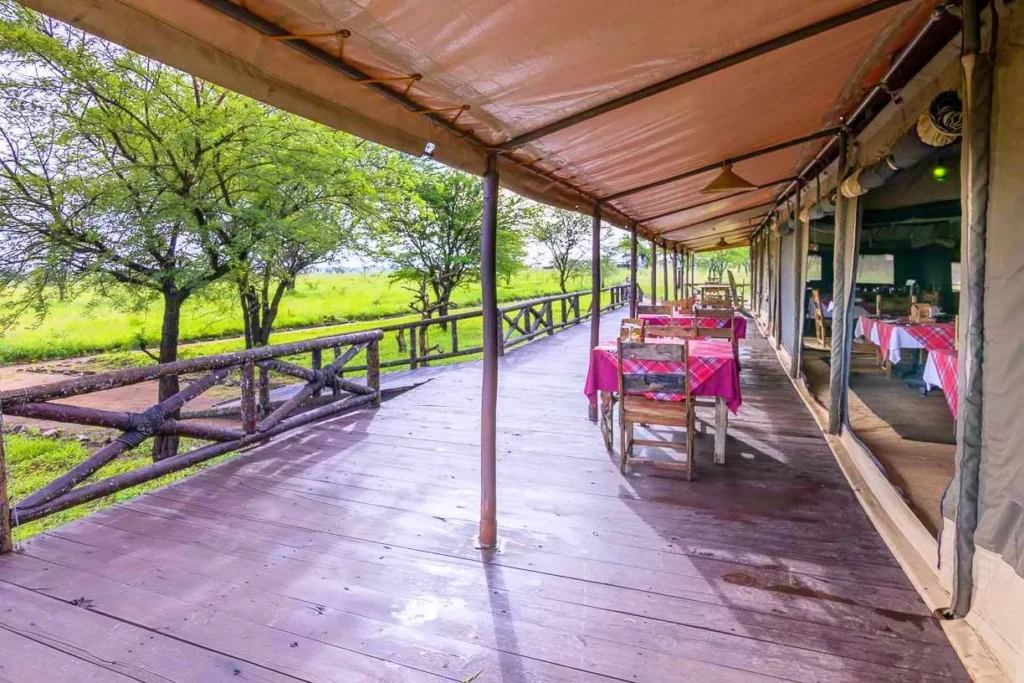
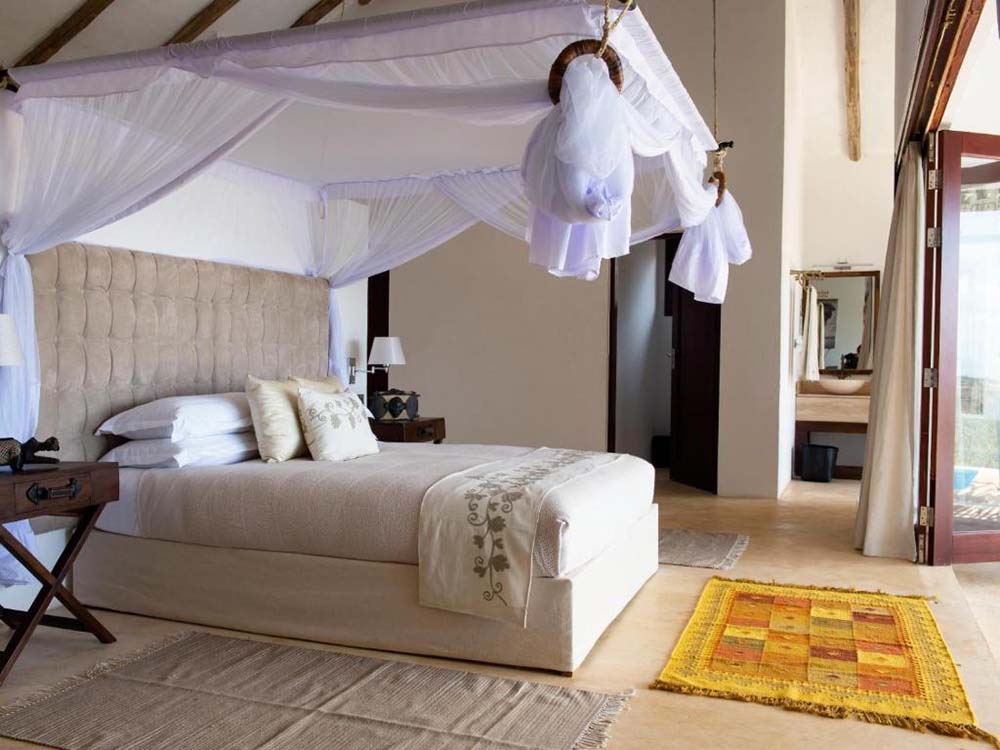
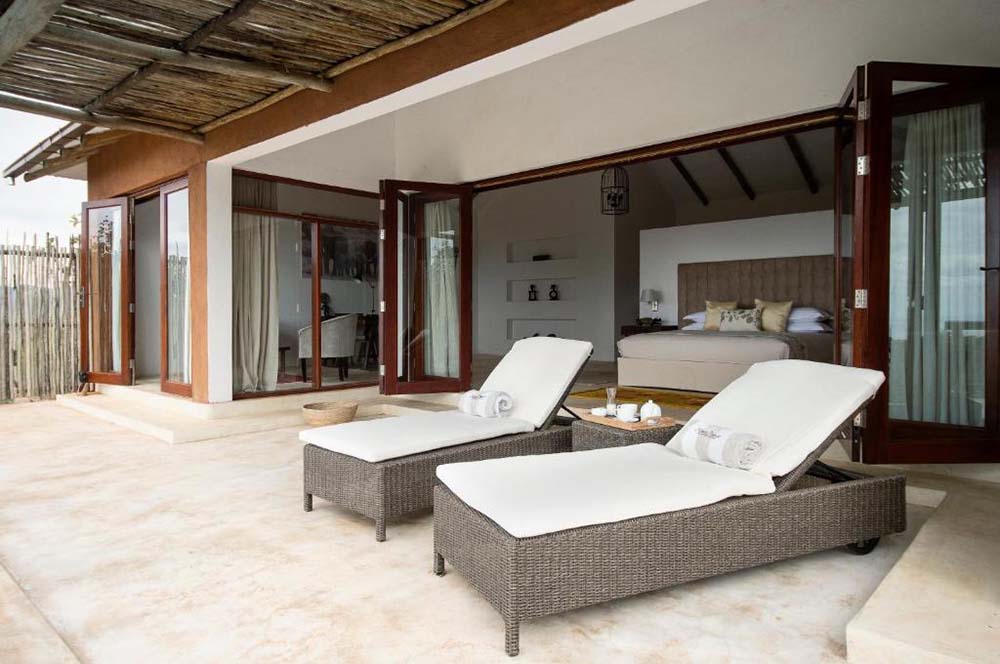
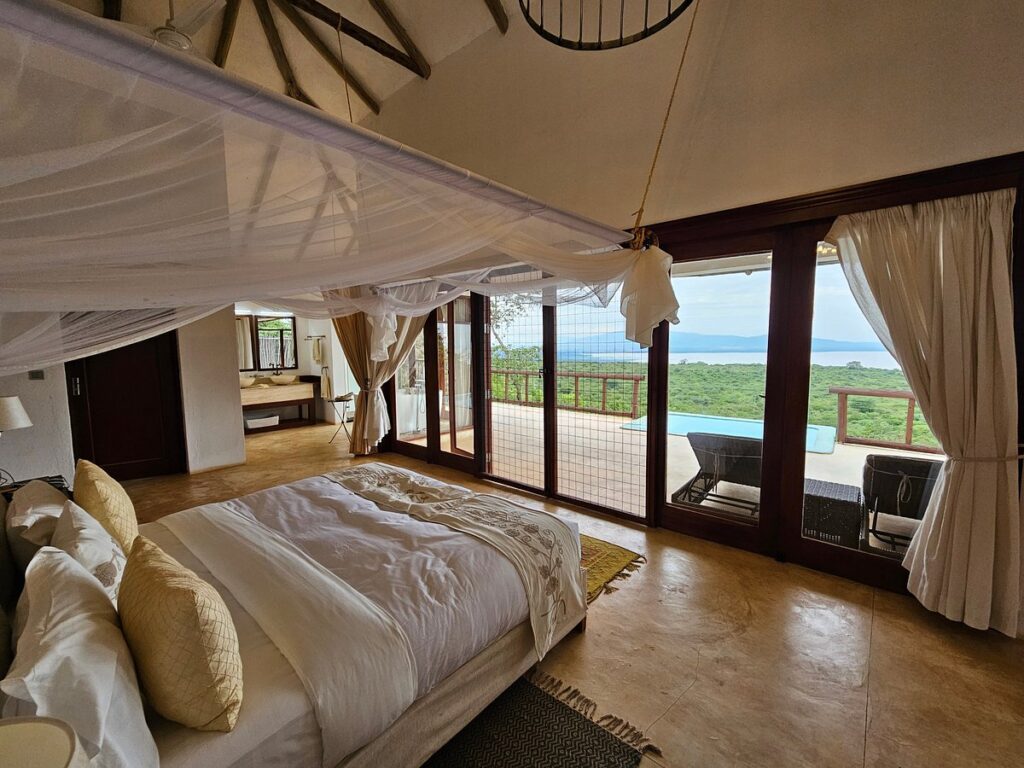
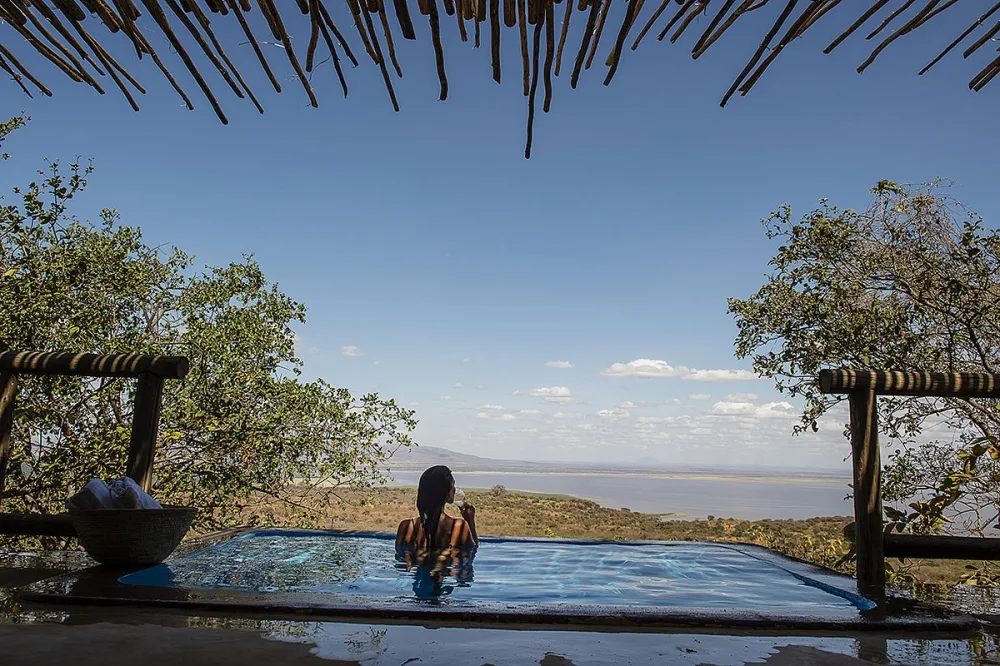
This itinerary uses Serengeti Tanzania Bush Camps for two nights and Mawe Mawe Manyara Lodge for the final night. The accommodation sequence is designed around the safari route so that you remain reasonably positioned for wildlife viewing and the next day’s journey rather than repeatedly driving long distances between the park and your accommodation.
Your first two nights are in Central Serengeti.
Staying inside or conveniently positioned within the Serengeti safari area is important because it allows you to begin wildlife viewing earlier and continue later than travelers staying far outside the park.
Your stay is on a full board basis.
After Ngorongoro Crater, you continue to Mawe Mawe Manyara Lodge.
This creates a comfortable stop before the final Tarangire game drive and onward journey to Kilimanjaro Airport.
Your stay is also on a full board basis.
Accommodation can be changed depending on availability, budget and the level of comfort you prefer.
We recommend choosing accommodation based on location first and luxury level second.
A beautiful lodge located several hours away from where you actually want to safari can weaken a short itinerary.

We use essential cookies to keep the website working. With your permission, we also use limited analytics and load external content such as maps, reviews, and videos. We do not use analytics for advertising or personal profiling.
Required for website security, core functionality, and remembering your privacy choice.
Helps us measure general website usage and performance. It is not used for advertising or personal profiling.
Allows content such as maps, customer reviews, and videos to load from third party providers. These providers may receive technical information when their content is loaded.