



Uganda Safari Destinations
Attraction · Western Uganda
Kyambura Gorge
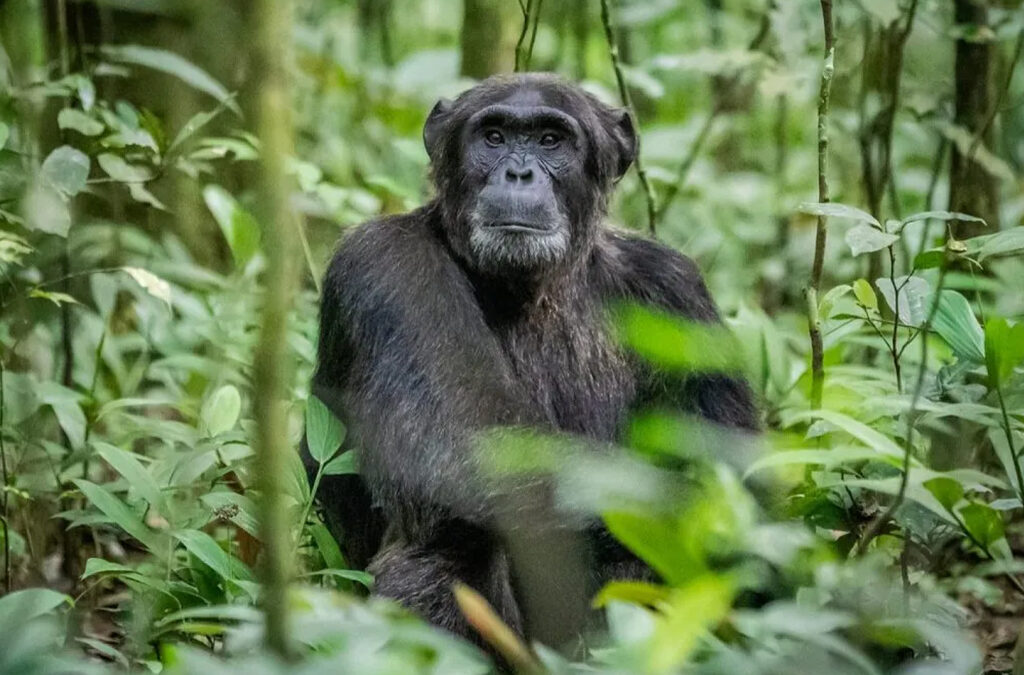
Kyambura Gorge is a forested canyon sunk into the savannah of Queen Elizabeth National Park, where guided walks follow a small chimpanzee community along the river below.
- Part of
- Queen Elizabeth National Park area
- Known for
- Chimpanzee tracking
- Depth
- About 100 m
- Length
- About 11 km
Destination Overview
About Kyambura Gorge
Kyambura Gorge is part of Queen Elizabeth National Park. Explore Queen Elizabeth National Park
Kyambura Gorge, sometimes called the “Valley of Apes”, is a deep, forested gorge cut into the open plains in the north-east of Queen Elizabeth National Park. From the rim, you look down into a green ribbon of riverine forest that feels entirely different from the savannah around it.
The forest is home to a small, habituated chimpanzee community, and guided tracking walks descend into the gorge to look for them. Because the community is small and moves along the gorge, sightings are less predictable than in Kibale – but the walk itself, with monkeys, birds and the Kyambura River, is rewarding in its own right.
Kyambura is a good addition to a Queen Elizabeth stay for travelers who are not visiting Kibale, or who want a second, quite different primate experience.
Location
Where Is Kyambura Gorge Located?
The gorge lies on the north-eastern edge of Queen Elizabeth National Park in western Uganda, along the boundary with the Kyambura Wildlife Reserve, which acts as a buffer zone for the park. The Kazinga Channel and Lake George are nearby.
The gorge is roughly 100 m deep, up to about 1 km wide and runs for around 11 km. Its steep sides drop from the Kichwamba escarpment, and the Kyambura River flows along its floor.
Nearby destinations
- Queen Elizabeth National Park about 5 km in a straight line
- Kazinga Channel about 25 km in a straight line
- Ishasha about 70 km in a straight line
- Kibale National Park about 80 km in a straight line
- Kihihi about 80 km in a straight line
Road distances are longer and driving times depend on the route and conditions.
Kyambura Gorge / Kyambura Wildlife Reserve locator
-0.137, 30.084 · Attraction site
Why Visit
Why Visit Kyambura Gorge?
Chimpanzees in a hidden forest
Tracking takes place in a sunken forest gorge, an unusual setting for chimpanzees.
Dramatic scenery
The view from the rim over the gorge and the surrounding savannah is striking.
Primates and birds
Black-and-white colobus, red-tailed monkeys, baboons and many forest birds live in the gorge.
Part of a Queen Elizabeth stay
It is easy to combine with game drives and a Kazinga Channel cruise.
Experiences
Things to Do in Kyambura Gorge
Chimpanzee tracking
A guided walk of a few hours down into the gorge with a Uganda Wildlife Authority ranger, following the river in search of the chimpanzee community.
Gorge-rim viewpoint
Views from the edge of the gorge over the forest canopy and plains.
Birdwatching
Forest and river birds in the gorge, with savannah species on the rim.
Kyambura Gorge
Wildlife and Natural Attractions
The gorge supports a small chimpanzee community together with other primates such as black-and-white colobus, red-tailed monkeys and olive baboons. Hippos are sometimes seen in pools along the river, and the forest is rich in birds.
The contrast between the dense riverine forest and the open grassland above is the gorge’s defining natural feature.
When to Go
Best Time to Visit Kyambura Gorge
Chimpanzee tracking in Kyambura Gorge runs throughout the year. The drier months usually make the steep paths into the gorge less slippery; the wetter months bring mud and showers. Because the chimpanzee community is small and mobile, sightings vary in every season.
-
Drier months
Usually June to August and December to February
Firmer paths on the steep descent into the gorge.
-
Wetter months
Usually March to May and September to November
Slippery slopes after rain; good boots are essential.
Month by month
January Usually drier
Usually dry and warm; grass is shorter and game viewing is generally good.
Comfortable conditions for the descent; morning walks are cooler.
February Usually drier
Typically dry and among the warmest months on the Rift Valley floor.
Comfortable conditions for the descent; morning walks are cooler.
March Changeable / transition
Rains usually start to build, with afternoon storms becoming more frequent.
Changeable weather; carry a light rain jacket.
April Usually wetter
Often one of the wettest months; some tracks become muddy and slow.
Paths can be slippery; take your time on the steep sections.
May Usually wetter
Showers usually continue, easing in many years by the end of the month.
Paths can be slippery; take your time on the steep sections.
June Usually drier
The drier mid-year season usually begins; roads and trails improve.
Comfortable conditions for the descent; morning walks are cooler.
July Usually drier
Generally dry and pleasant, a popular time for game drives and primate treks.
Comfortable conditions for the descent; morning walks are cooler.
August Usually drier
Usually fairly dry, with occasional showers late in the month.
Comfortable conditions for the descent; morning walks are cooler.
September Changeable / transition
Rain tends to increase as the second rainy season approaches.
Changeable weather; carry a light rain jacket.
October Usually wetter
Usually wet, with frequent showers and green landscapes.
Paths can be slippery; take your time on the steep sections.
November Usually wetter
Often rainy; birdlife is excellent and the parks are quieter.
Paths can be slippery; take your time on the steep sections.
December Changeable / transition
Rain usually eases, and drier conditions return later in the month.
Changeable weather; carry a light rain jacket.
Typical seasonal patterns for Western Uganda and the Albertine Rift floor, based on long-term climate – not a weather forecast. Rain is possible in any month and conditions vary from year to year; check a current forecast shortly before you travel.
Getting There
How to Get to Kyambura Gorge
Kyambura Gorge is reached by road within the Queen Elizabeth National Park area, usually from lodges near Mweya, Kasenyi or the Kichwamba escarpment. Your guide drives you to the meeting point for the walk.
From Kampala, the park is about six to eight hours by road. Many travelers combine Kyambura with game drives and the Kazinga Channel during a two- or three-night stay.
- Within Queen Elizabeth
- A short drive from most of the park’s northern lodges.
- From Kampala
- About six to eight hours by road to the park.
- From Kibale
- About two to three hours by road.
Accommodation
Where to Stay in Kyambura Gorge
Looking for Accommodation in Kyambura Gorge?
Our safari specialists can help you choose suitable accommodation for your itinerary.
Practical Tips
Useful Travel Information
- Permits
- A Uganda Wildlife Authority permit is required for chimpanzee tracking. Numbers are limited, so book in advance.
- Terrain
- The descent into the gorge is steep and can be slippery; a reasonable level of fitness helps.
- What to wear
- Waterproof boots with good grip, long trousers and a long-sleeved shirt.
- Expectations
- Sightings are less predictable than in Kibale; the forest walk is rewarding either way.
Explore More
Explore Nearby and Related Destinations

Frequently Asked Questions
Kyambura Gorge FAQs
Kyambura Gorge is on the north-eastern edge of Queen Elizabeth National Park in western Uganda, along the boundary with the Kyambura Wildlife Reserve.
Yes, on a guided tracking walk. The gorge is home to a small habituated chimpanzee community, so sightings are possible but less predictable than in Kibale National Park.
The gorge lies on the edge of Queen Elizabeth National Park and is visited as part of a stay in the park.
The path drops steeply into the gorge and can be slippery. Most reasonably fit visitors manage it comfortably with good boots and a careful pace.
Safaris in Uganda
Ready-Made Journeys
Plan a Custom Safari to Kyambura Gorge
We can help tailor a Uganda safari around the destinations and experiences that interest you.
Start Planning
Plan Your Uganda Safari
Tell us your travel dates and interests, and our safari specialists will prepare a private Uganda itinerary that includes Kyambura Gorge, with suitable accommodation and realistic travel times.
View Uganda Safaris Explore Nearby Destinations View Accommodations Ask for a Quote
