Queen Elizabeth National Park

Uganda Safari Destinations

National Park · Western Uganda

Queen Elizabeth National Park

Savannah game drives, boat trips on the Kazinga Channel and the Ishasha sector’s tree-climbing lions make Queen Elizabeth National Park Uganda’s classic wildlife park.

Region
Western Uganda
Known for
Game drives and the Kazinga Channel
Area
About 1,978 km²
Established
1952

Destination Overview

About Queen Elizabeth National Park

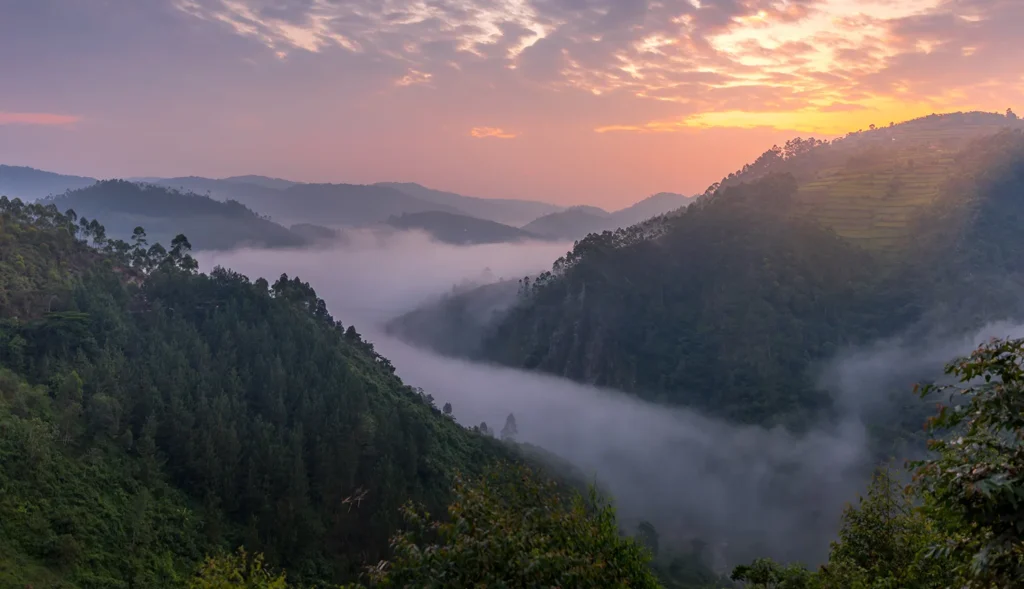
Queen Elizabeth National Park stretches across the floor of the Albertine Rift between Lake George and Lake Edward, with the Rwenzori Mountains on the northern horizon on clear days. It was created in 1952 as Kazinga National Park and renamed two years later after a visit by Queen Elizabeth II.

The park is varied rather than vast. Open grassland, acacia woodland, papyrus swamp, crater lakes, a forested gorge and the long Kazinga Channel all fit into one park, which is why a stay of two or three nights here feels full. It is also one of Africa’s richest parks for birds, with more than 600 species recorded.

Most safaris divide their time between the northern plains around Kasenyi and Mweya, a boat trip on the Kazinga Channel, and – when the route continues south towards Bwindi – the Ishasha sector, known for lions that rest in fig trees.

Areas of Queen Elizabeth National Park: Ishasha, Kazinga Channel, Kyambura Gorge

Location

Where Is Queen Elizabeth National Park Located?

Queen Elizabeth National Park lies in western Uganda, mostly in Kasese, Rubirizi and Kanungu districts. Kasese is the nearest large town, and the equator crosses the park’s northern section. The Kazinga Channel runs through the middle of the park, linking Lake George in the east with Lake Edward in the west.

The park is long from north to south. The Kasenyi plains, Mweya Peninsula and Kyambura Gorge are in the north and centre, while the Ishasha sector lies far to the south along the border river with the Democratic Republic of the Congo. Ishasha is on the road between the northern part of the park and Bwindi’s Buhoma sector.

Nearby destinations

Road distances are longer and driving times depend on the route and conditions.

Queen Elizabeth National Park (park locator)

-0.13722, 30.04111 · Park locator (approximate centre of the protected area)

Why Visit

Why Visit Queen Elizabeth National Park?

  • Classic game drives

    The Kasenyi plains are known for Uganda kob, buffalo, elephants and lions, with early-morning drives giving the best chance of predator activity.

  • The Kazinga Channel

    A boat trip along the channel brings you close to hippos, Nile crocodiles, elephants and waterbirds at the water’s edge.

  • Tree-climbing lions in Ishasha

    In the southern Ishasha sector, lions are often found resting in large fig trees – a behaviour seen in only a few places.

  • Variety in one park

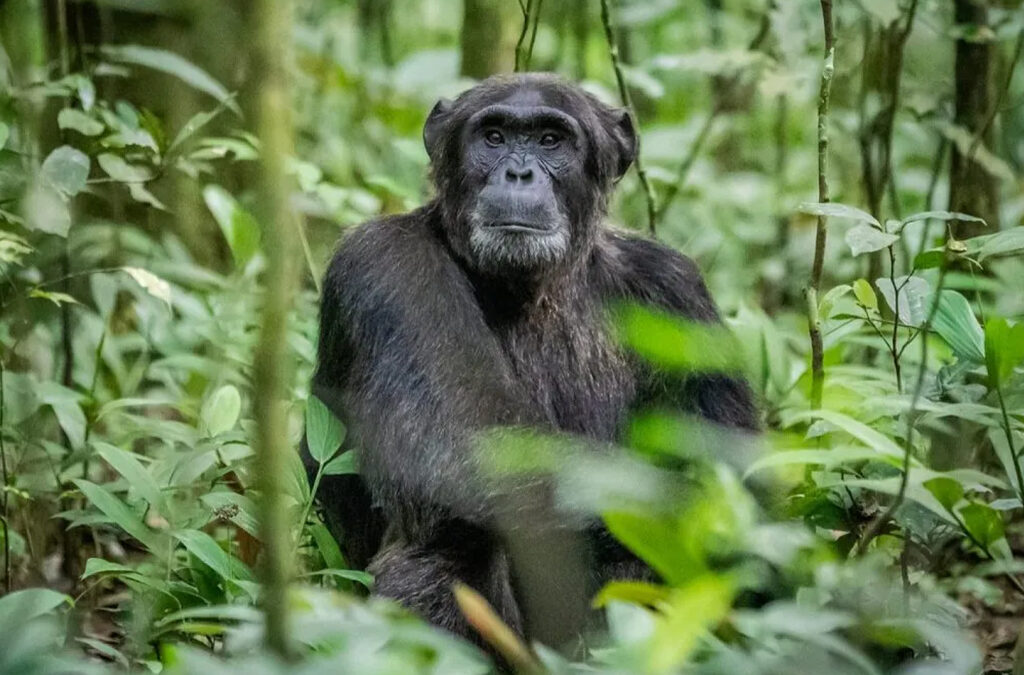
    Chimpanzee tracking in Kyambura Gorge, explosion craters near Katwe and outstanding birdlife add depth to a classic savannah safari.

Experiences

Things to Do in Queen Elizabeth National Park

  1. Game drives on the Kasenyi plains

    Morning and afternoon drives across the northern grasslands, looking for lions, elephants, buffalo, Uganda kob and waterbuck.

  2. Kazinga Channel boat cruise

    A launch trip from the Mweya area along the channel, usually about two hours, with excellent close views of hippos, crocodiles and birds.

  3. Ishasha sector

    Game drives in the south to look for lions in fig trees, as well as topi, buffalo and Uganda kob on the open plains.

  4. Chimpanzee tracking in Kyambura Gorge

    A guided walk into a sunken, forested gorge in the park’s north-east, home to a small chimpanzee community.

  5. Explosion craters drive

    A scenic route past volcanic crater lakes north of the Kazinga Channel, with wide views over the Rift Valley.

  6. Birdwatching

    Grassland, wetland and forest species in one park, including many waterbirds along the channel and lake shores.

Queen Elizabeth National Park

Wildlife and Natural Attractions

Queen Elizabeth supports a wide range of savannah wildlife: elephants, buffalo, Uganda kob, waterbuck, warthog, topi in the south, and predators including lions, leopards and spotted hyenas. Hippos and crocodiles are concentrated along the Kazinga Channel and lake shores. The park also has primates, from baboons in the grassland to chimpanzees in Kyambura Gorge and forest monkeys in Maramagambo Forest.

The landscapes are part of the appeal. Crater lakes, the Rift Valley escarpment, swamps and the Rwenzori Mountains in the distance give the park a different look from the plains of Tanzania or Kenya.


When to Go

Best Time to Visit Queen Elizabeth National Park

Queen Elizabeth National Park can be visited all year. The drier months usually make game drives easier, with shorter grass and animals gathering closer to water. Rain falls mostly as showers, but heavy rain can make some tracks, especially in Ishasha, slippery or temporarily difficult.

  • Drier months

    Usually June to August and December to February

    Game viewing is generally easier and tracks are in better condition. These are popular months for lodges.

  • Wetter months

    Usually March to May and September to November

    The park is green and birdlife is excellent. Some tracks can become muddy, and driving times may be longer.

Month by month

January Usually drier

Usually dry and warm; grass is shorter and game viewing is generally good.

Good for game drives; the Kazinga Channel cruise is rewarding in any month.

February Usually drier

Typically dry and among the warmest months on the Rift Valley floor.

Good for game drives; the Kazinga Channel cruise is rewarding in any month.

March Changeable / transition

Rains usually start to build, with afternoon storms becoming more frequent.

Mixed conditions; morning game drives are often clearer than late afternoons.

April Usually wetter

Often one of the wettest months; some tracks become muddy and slow.

Expect greener landscapes and excellent birding; allow more time on the road to Ishasha.

May Usually wetter

Showers usually continue, easing in many years by the end of the month.

Expect greener landscapes and excellent birding; allow more time on the road to Ishasha.

June Usually drier

The drier mid-year season usually begins; roads and trails improve.

Good for game drives; the Kazinga Channel cruise is rewarding in any month.

July Usually drier

Generally dry and pleasant, a popular time for game drives and primate treks.

Good for game drives; the Kazinga Channel cruise is rewarding in any month.

August Usually drier

Usually fairly dry, with occasional showers late in the month.

Good for game drives; the Kazinga Channel cruise is rewarding in any month.

September Changeable / transition

Rain tends to increase as the second rainy season approaches.

Mixed conditions; morning game drives are often clearer than late afternoons.

October Usually wetter

Usually wet, with frequent showers and green landscapes.

Expect greener landscapes and excellent birding; allow more time on the road to Ishasha.

November Usually wetter

Often rainy; birdlife is excellent and the parks are quieter.

Expect greener landscapes and excellent birding; allow more time on the road to Ishasha.

December Changeable / transition

Rain usually eases, and drier conditions return later in the month.

Mixed conditions; morning game drives are often clearer than late afternoons.

Typical seasonal patterns for Western Uganda and the Albertine Rift floor, based on long-term climate – not a weather forecast. Rain is possible in any month and conditions vary from year to year; check a current forecast shortly before you travel.

Getting There

How to Get to Queen Elizabeth National Park

By road, Queen Elizabeth National Park is usually reached from Kampala in about six to eight hours, either through Mbarara in the south or through Fort Portal in the north. Many safaris arrive from Kibale National Park, which is about two to three hours away, or continue south through Ishasha to Bwindi.

Light-aircraft flights serve airstrips at Mweya and Kasese in the north of the park, and there is an airstrip in the Ishasha sector. Flying saves time but reduces flexibility with luggage.

From Kampala
About six to eight hours by road via Mbarara or Fort Portal.
From Kibale National Park
A popular combination, roughly two to three hours by road.
To Bwindi
South through the Ishasha sector to Buhoma, or via Kabale to the eastern and southern sectors.

Accommodation

Where to Stay in Queen Elizabeth National Park

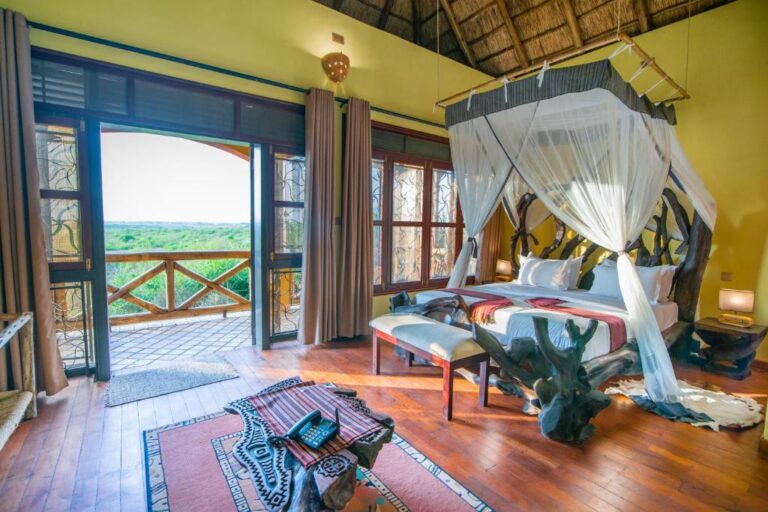
Rates and availability for your dates are confirmed by our safari specialists.

Practical Tips

Useful Travel Information

Park entry
Park entry fees are paid per person per day to the Uganda Wildlife Authority. Activity permits, such as chimpanzee tracking in Kyambura Gorge, are separate.
Game drives
Stay inside the vehicle except at authorised places, and keep a respectful distance from animals, especially elephants and buffalo.
Boat trips
Life jackets are provided on the launch. Bring a hat and sun protection; there is little shade on the water.
Clothing
Light, neutral-coloured clothing for warm days, a warm layer for early mornings and a rain jacket in the wetter months.
How long to stay
Two nights covers the northern plains and the Kazinga Channel; add a night for Ishasha or Kyambura Gorge.

Frequently Asked Questions

Queen Elizabeth National Park FAQs

Safaris in Uganda

Ready-Made Journeys

Plan a Custom Safari to Queen Elizabeth National Park

We can help tailor a Uganda safari around the destinations and experiences that interest you.

Request a Custom Uganda Safari

Start Planning

Plan Your Uganda Safari

Tell us your travel dates and interests, and our safari specialists will prepare a private Uganda itinerary that includes Queen Elizabeth National Park, with suitable accommodation and realistic travel times.