


Tides in Zanzibar
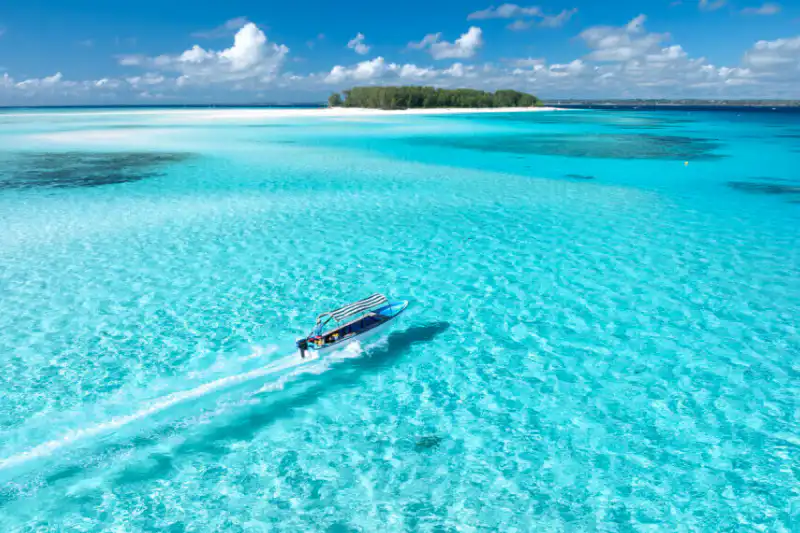
Understanding the Tides in Zanzibar: A Local Expert’s Guide to the Island’s Rhythm
Zanzibar is an island defined by the constant, rhythmic movement of the Indian Ocean, where the difference between high and low tide can transform the landscape in a matter of minutes. At Tanzania Safari Experience, we have spent decades navigating these shores, and we know that understanding the tides is the single most important factor in planning a perfect beach holiday.
The tide in Zanzibar is a semi-diurnal cycle, meaning there are two high and two low tides every 24 hours, often shifting the shoreline by hundreds of meters on the east coast.
The Celestial Dance: What Causes the Tides in Zanzibar?
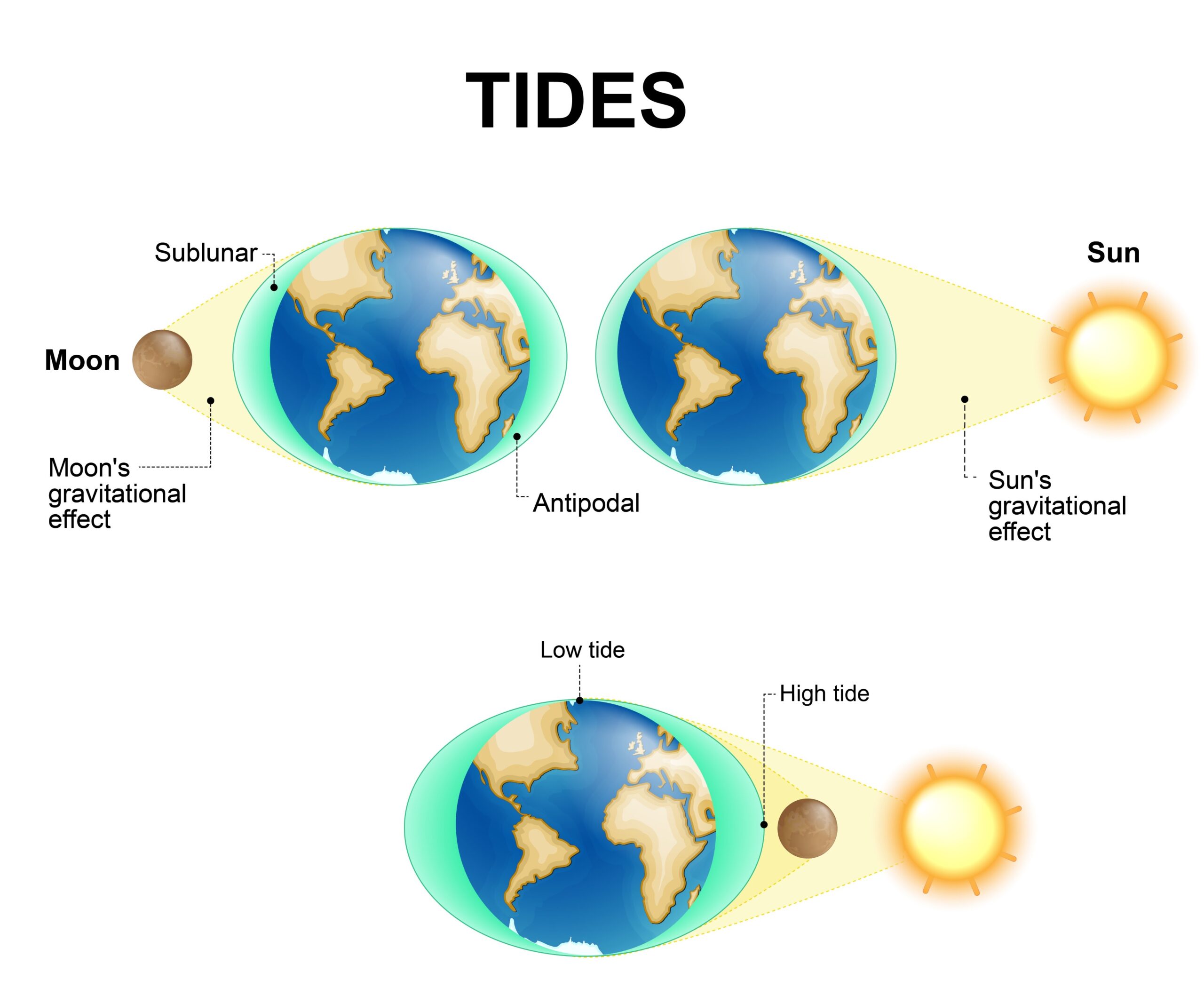
To understand the tides in Zanzibar, you have to look far beyond the horizon of the Indian Ocean and toward the moon and the sun. The rising and falling of the sea is not a random event; it is a predictable, cosmic interaction.
Tides are primarily caused by the gravitational pull of the moon and the sun acting on the Earth’s oceans, creating a “bulge” of water that follows the moon’s orbit.
The Gravitational Tug-of-War
While the sun is massive, the moon is much closer to Earth, making its gravitational influence the dominant force behind our tides. As the moon orbits our planet, its gravity pulls on the Earth’s water.
-
The Near-Side Bulge: The ocean facing the moon is pulled toward it, creating a high tide.
-
The Far-Side Bulge: On the opposite side of the Earth, centrifugal force (created by the Earth and moon revolving around a common center of mass) pushes water outward, creating a second high tide.
-
The Low Tide Valleys: Between these two bulges, the water level dips, resulting in the low tides we see retreating from the Zanzibar shoreline.
The Role of the Sun
The sun also plays a supporting role. When the sun, moon, and Earth align during a full or new moon, their combined gravity creates Spring Tides—the highest and lowest tides of the month. When they are at right angles (during a quarter moon), the sun’s pull partially cancels out the moon’s, resulting in the milder Neap Tides.
Why Is It So Dramatic in Zanzibar?
You might wonder why tides are barely noticeable in some parts of the world but move hundreds of meters in Zanzibar. This is due to the bathymetry (the underwater topography) of the Zanzibar Channel. The East Coast sits on a very shallow, flat shelf. Even a small vertical drop in the ocean’s height causes the water to retreat horizontally across the flat sand for a vast distance.
Local Insight: Our captains at Tanzania Safari Experience often describe the tide as the “breath of the ocean.” Just as the island breathes in and out, the tides bring life, nutrients, and fresh oxygen to the coral reefs that surround our archipelago.
Why the Tides Matter More in Zanzibar Than Anywhere Else
If you book a resort based solely on a photo of turquoise water, you might be surprised to find a vast, rocky moonscape where the ocean used to be. Because Zanzibar sits on a shallow continental shelf, the water doesn’t just go “down”—it goes “out.”
Zanzibar’s tides are dictated by the lunar cycle, causing the ocean to retreat significantly twice a day, which impacts everything from swimming and snorkeling to boat departures and reef walking.
The East Coast vs. The North Coast
The geography of the island determines how “tidal” your experience will be.
-
The East Coast (Matemwe, Kiwengwa, Jambiani): This is the most dramatic area. At low tide, the water can retreat nearly a kilometer. While you can’t swim during these hours, it opens up a world of “reef walking” where you can see starfish, sea cucumbers, and local seaweed farms.
-
The North Coast (Nungwi and Kendwa): These areas have a steeper drop-off. While the tide still rises and falls, the horizontal change is minimal. You can almost always swim here, regardless of the time of day.
RELATED ARTICLE: Zanzibar Beach Resort
The Science of the “Spring” and “Neap” Tides
To truly master the Zanzibar rhythm, you need to understand the intensity of the water’s movement, which changes throughout the month based on the moon’s phase.
Spring tides occur during full and new moons, creating the most dramatic water shifts, while neap tides during quarter moons result in much smaller, more stable water level changes.
Tide Intensity Comparison
| Tide Type | Moon Phase | Water Movement | Best For… |
| Spring Tide | Full / New Moon | Dramatic (Highest/Lowest) | Reef walking & Photography |
| Neap Tide | Quarter Moon | Subtle / Minimal | Consistent swimming & Boat trips |
Pro-Tip from our Guides: If you are a dedicated swimmer staying in Jambiani, try to time your visit during a Neap tide. The water stays closer to the shore for longer periods, giving you more “pool time” in the ocean.
How to Read a Zanzibar Tide Table
Navigating a tide chart might seem like work, but it’s the key to unlocking the island’s best experiences. In 2026, the digital tools available are better than ever, but the basics remain the same.
A tide table lists the exact times and heights of high and low water, allowing you to plan activities like the Safari Blue or Mnemba snorkeling during optimal windows.
Understanding the Numbers
When looking at a chart, you will see “High” (often around 3.5 to 4 meters) and “Low” (near 0.1 to 0.5 meters).
-
The 6-Hour Rule: Generally, it takes about six hours for the tide to go from its highest point to its lowest point.
-
Daily Shift: The tides shift forward by about 50 minutes each day. If high tide is at 10:00 AM today, it will be roughly 10:50 AM tomorrow.
Unique Things to Do During Low Tide
When the water pulls back on the East Coast, the adventure doesn’t stop—it simply changes medium. For many, this is the most magical time of day because it reveals a world that is usually hidden beneath the waves.
Low tide offers a rare window to explore the exposed sea floor, participate in local cultural traditions, and discover marine life in natural “aquarium” pockets.
1. Embark on a Reef Walk
Walking out toward the barrier reef is like taking a slow-motion safari. As the water disappears, it leaves behind shallow pools filled with colorful starfish, sea cucumbers, and camouflaged octopuses.
-
What to look for: Look for the famous “Blue Starfish” (Linckia laevigata) and small moray eels hiding in coral crevices.
-
Essential Gear: You must wear sturdy water shoes. The coral rag is sharp, and sea urchins are tucked into almost every hollow.
2. Witness Seaweed Farming Culture
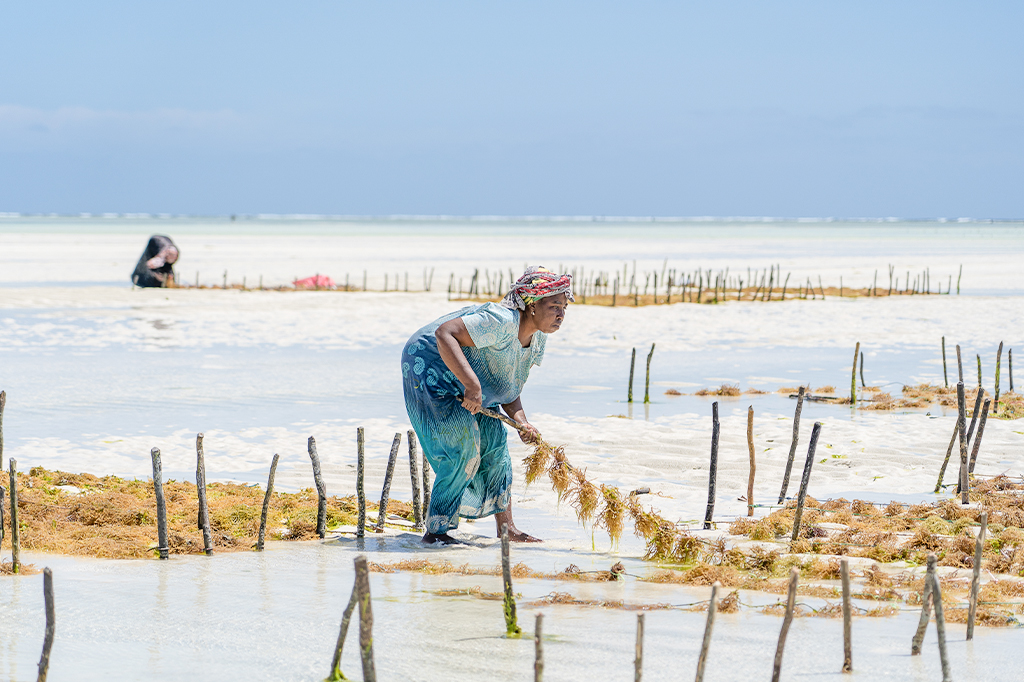
In villages like Paje and Jambiani, low tide is when the local women head out to their “plots.” They tie seaweed to underwater lines, harvesting it for export to make medicines and cosmetics. This is a brilliant opportunity to observe a tradition that has sustained Zanzibar families for generations.
3. Visit the “Hidden” Sandbanks
Certain sandbanks, like those near Fumba or Mnemba, only exist for a few hours a day. Our team at Tanzania Safari Experience often times excursions so you can enjoy a private seafood lunch on a patch of white sand that will be completely underwater by sunset.
4. Biking the Shoreline
Because the sand on the East Coast is packed hard by the receding water, it becomes a natural highway. Renting a “fat bike” or a sturdy beach cruiser allows you to ride for miles from Michamvi all the way to Makunduchi with the wind at your back.
Low Tide Activity Comparison
| Activity | Best Location | Effort Level | Recommended Time |
| Reef Walking | Matemwe / Jambiani | Moderate | Peak Low Tide |
| Seaweed Watching | Paje | Low | Early Morning Low Tide |
| Beach Cycling | Kiwengwa | Moderate | 2 Hours after High Tide |
| Photography | Stone Town (Sandbanks) | Low | “Golden Hour” Low Tide |
Local Pro-Tip: Keep an eye on the “line” of the horizon. When you see the local dhows begin to turn and point their bows toward the shore, it’s nature’s signal that the tide has turned and the water is beginning its journey back in.
The “Walking on the Ocean” Experience
Many travelers see low tide as a nuance, but our team views it as a hidden highlight. When the water retreats on the east coast, the “Ocean Floor” becomes accessible.
Low tide in Zanzibar transforms the coastline into an accessible marine safari where you can walk out to the reef edge to discover vibrant coral pockets and local culture.
Exploring the Seaweed Farms
In villages like Paje and Jambiani, low tide is “work time” for the local women. They head out to tend to their underwater gardens, harvesting seaweed used for cosmetics and food. It is a striking, colorful sight that you can only witness when the water is out.
Planning Your Activities Around the Water
You don’t want to carry a heavy kayak 500 meters across the sand because you miscalculated the return of the tide.
Timing your excursions is vital; motorized boats usually require high tide to reach jetties, while snorkeling is often best during the “slack water” transition between tides.
-
Snorkeling: We recommend snorkeling as the tide is coming in. The fresh, clear water from the deep ocean rushes toward the shore, bringing better visibility and more fish.
-
The Rock Restaurant: This world-famous eatery is located on a coral outcrop. At low tide, you can walk to it. At high tide, the restaurant provides a small wooden boat to ferry you across. Knowing the tide determines whether you’ll get your feet wet!
-
Kite Surfing: For the adrenaline seekers in Paje, high tide is necessary for enough depth to catch air, though many pros prefer the “lagoon” effect of a mid-tide.
Safety and Environmental Awareness
The ocean is powerful, and the tides in Zanzibar move faster than many people realize.
Safety on the reef requires sturdy water shoes to protect against sea urchins and a keen eye on the horizon to ensure you aren’t stranded by a returning tide.
The Sea Urchin Factor
Zanzibar’s reefs are healthy, which means they are home to many sea urchins. At low tide, these are easy to see, but as the water rushes back in, they can be hidden. Never walk on the reef without thick-shelled water shoes.
The “Incoming” Trap
The tide doesn’t always come in as a straight line. It often fills in low-lying channels first, potentially surrounding you on a sandbank. Always look behind you to ensure your path back to the beach is still dry.
Choosing Your Location Based on Tide Preference
Not all beaches are created equal. Depending on your vacation style, your choice of “Home Base” should be dictated by the water.
Choose Nungwi or Kendwa for deep-water swimming at all hours, or select the East Coast for dramatic scenery, cultural immersion, and reef exploration at low tide.
Comparison: North vs. East Coast
| Feature | North (Nungwi/Kendwa) | East (Paje/Jambiani) |
| Swimming | Possible 24/7 | Dependent on High Tide |
| Water Color | Bright Turquoise | Changing Shades/Crystalline |
| Atmosphere | Lively / Social | Quiet / Natural |
| Marine Life | Best via Boat | Best via Walking |
Essential Gear for a Tidal Island
Because you’ll be interacting with the ocean in various states, your packing list needs to be specific.
Proper gear for Zanzibar includes high-quality reef shoes, a waterproof dry bag for tide-pool exploration, and a reliable tide-tracking app to plan your daily movements.
-
Silicon-Soled Water Shoes: Essential for protecting against coral and urchins.
-
Dry Bag: Even if you aren’t on a boat, the tide can come in quickly while you’re taking photos; keep your electronics safe.
-
Polarized Sunglasses: These cut the glare on the shallow water, allowing you to see the marine life in the tide pools much more clearly.
-
Biodegradable Sunscreen: The shallow waters at low tide get very warm and concentrated; protect the reef by using mineral-based blockers.
Cultural Significance of the Tides
The tides are the heartbeat of the Zanzibar people (the Waswahili). They dictate the fishing schedules, the transport of goods, and the social gatherings.
The tides govern the daily lives of Zanzibaris, from the Dhow captains waiting for deep water to the salt collectors and seaweed farmers utilizing the dry flats.
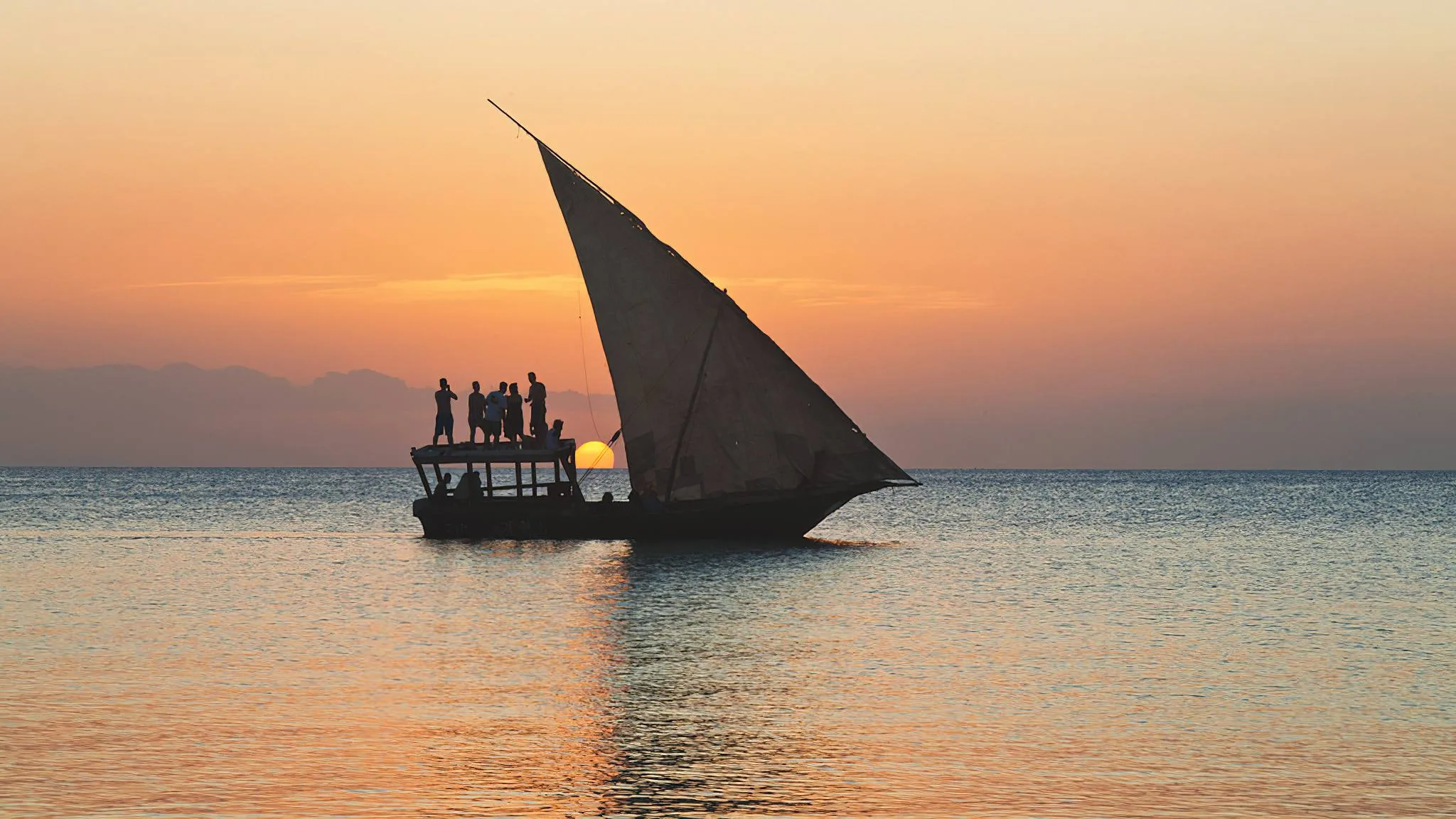
When you see a fleet of traditional Dhow sailboats sitting on their sides in the sand, they aren’t abandoned. They are waiting for the “Big Water” to return so they can head out for the night’s catch. Understanding this helps you appreciate the island not just as a resort, but as a living, working ecosystem.
Frequently Asked Questions
Can you swim in Zanzibar at low tide?
On the East and South coasts, swimming in the ocean is generally not possible at low tide as the water is too shallow. However, most resorts have excellent pools to bridge the gap.
How long does it take for the tide to come in?
It takes approximately six hours for the tide to move from its lowest point to its highest point, moving at a steady pace that changes the shoreline visibly every hour.
Is the tide the same all over the island?
The timing is very similar across the island, but the impact is different. The North has a steep shelf (less visible change), while the East has a flat shelf (massive visible change).
What is the best app for Zanzibar tides?
We recommend using “Tide Forecast” or “WillyWeather” and setting your location specifically to Zanzibar or Stone Town for the most accurate 2026 data.
Is it dangerous to walk out at low tide?
It is safe if you wear water shoes and stay aware of the time. The biggest risks are stepping on sea urchins or being cut by sharp coral.
Making the Most of Every Hour
To have a truly high-authority experience, you should embrace both sides of the tide.
Maximize your trip by scheduling active ocean adventures like diving during high tide and relaxing cultural walks or spa treatments during the low tide window.
For more information on planning your timing, you can check the Official Zanzibar Tourism Portals or consult the UNESCO World Heritage details regarding Stone Town’s coastal geography.
The Hidden “Blue Holes” of the East Coast
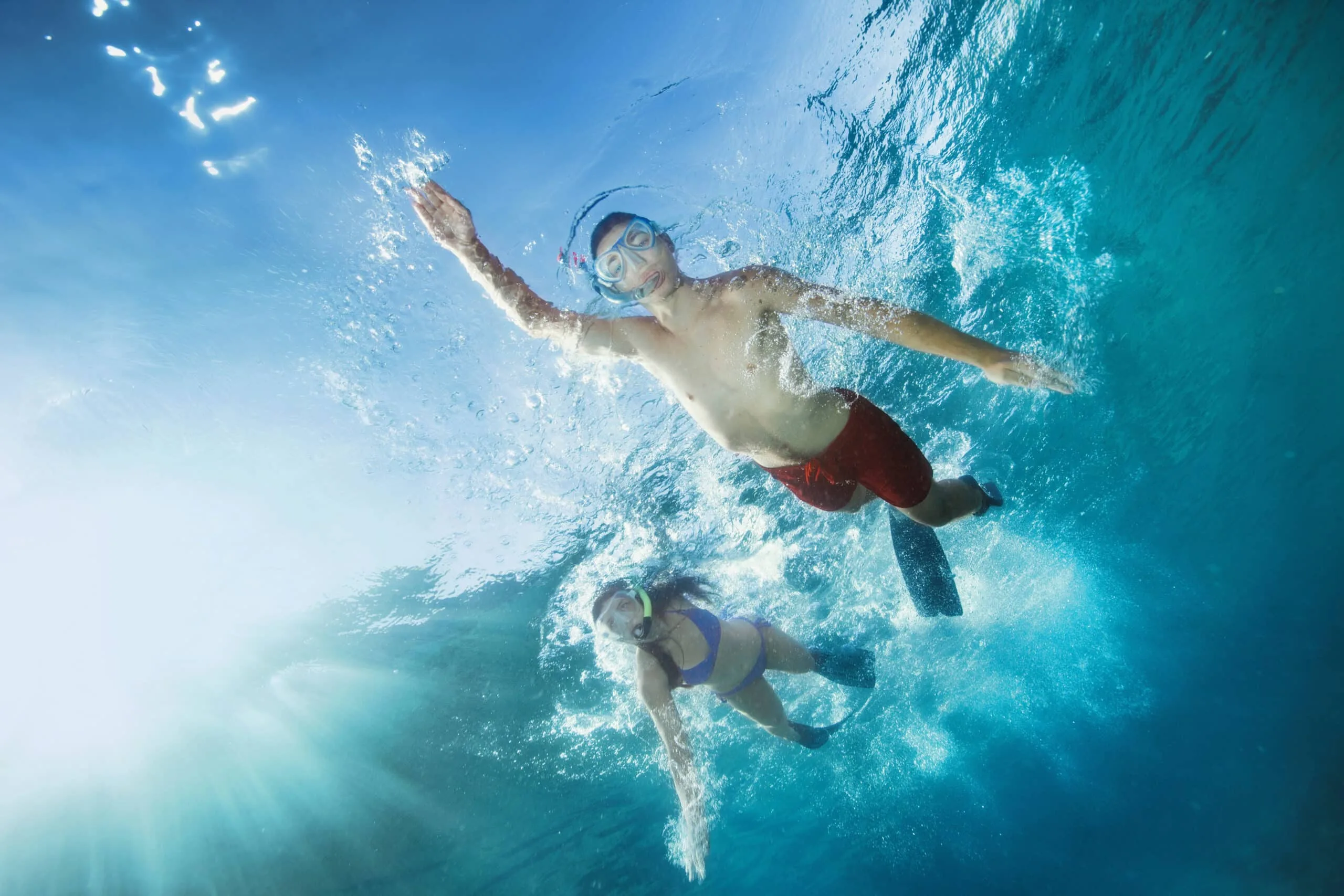
A secret only the locals will tell you: even at the lowest tide, there are “Blue Holes”—deep depressions in the coral rag that remain filled with cool, crystal-clear water and trapped tropical fish.
Hidden lagoons and blue holes are the East Coast’s best-kept secret, offering private, natural swimming pools even when the rest of the ocean has retreated for kilometers.
Finding these requires a bit of a trek (and a guide is recommended), but there is nothing quite like sitting in a natural aquarium with the sound of the distant waves crashing against the barrier reef a mile away.
Final Verdict: Why It Matters
The tides aren’t an “inconvenience”—they are the essence of Zanzibar. They provide the island with its unique character, its livelihood, and its ever-changing beauty. If you want a static, unchanging beach, you can find that anywhere. But if you want a living, breathing landscape that offers something new every six hours, Zanzibar is the place.
At Tanzania Safari Experience, we ensure that your itinerary is built with the tides, not against them. Whether it’s timing your arrival at a sandbank for a private seafood lunch or ensuring you’re in Nungwi when you want that midnight dip, our local expertise ensures you never miss a beat of the island’s heart.
Experience the magic of the Indian Ocean with a team that knows every sandbar and secret lagoon.
