Kilimanjaro RegionKilimanjaro Region
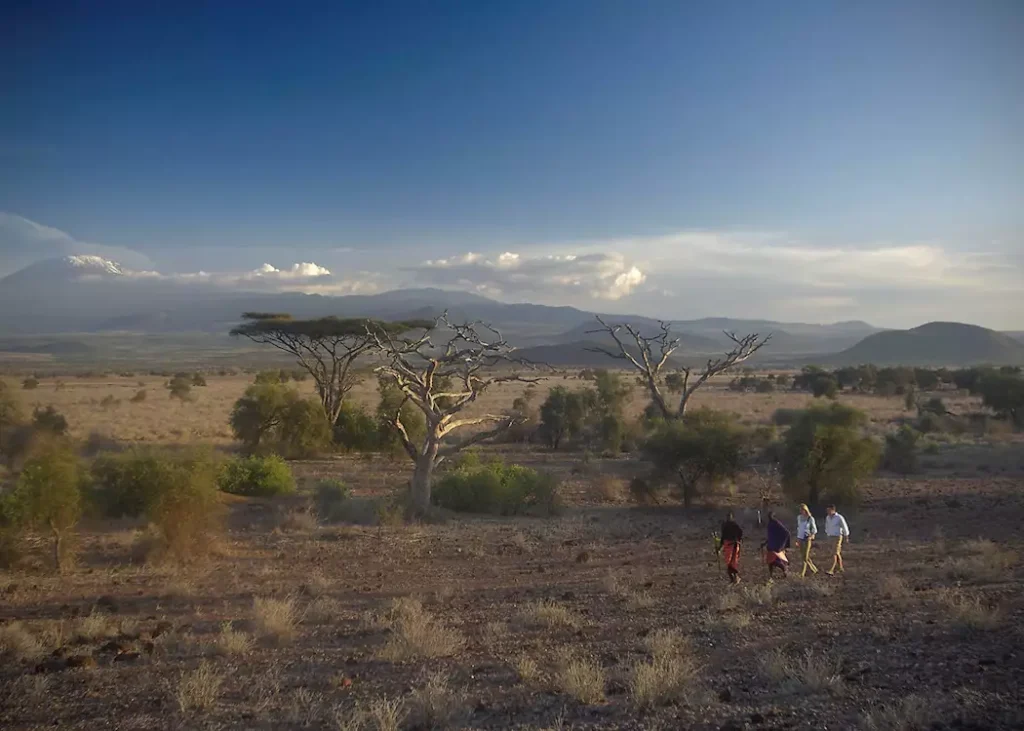
Kilimanjaro Region is one of the most exciting areas in northern Tanzania, not only because of Mount Kilimanjaro...
Explore PlaceUse ↑ and ↓ to navigate, Enter to select, Esc to close

Tanzania · Safari Destination
Nyerere National Park is one of the best safari destinations in southern Tanzania for travellers who want wildlife, fewer vehicles and more ways to explore than a standard game drive.
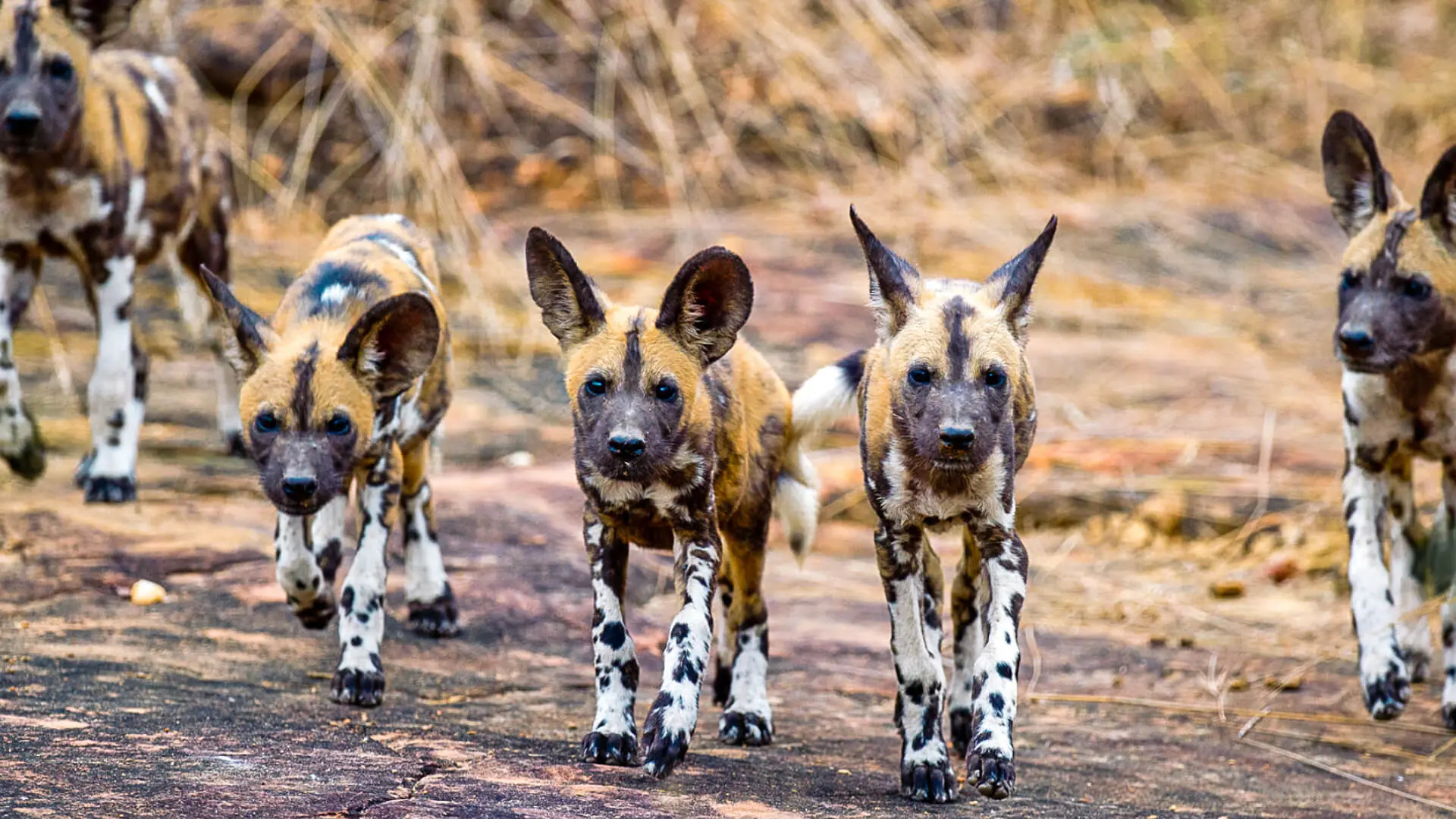
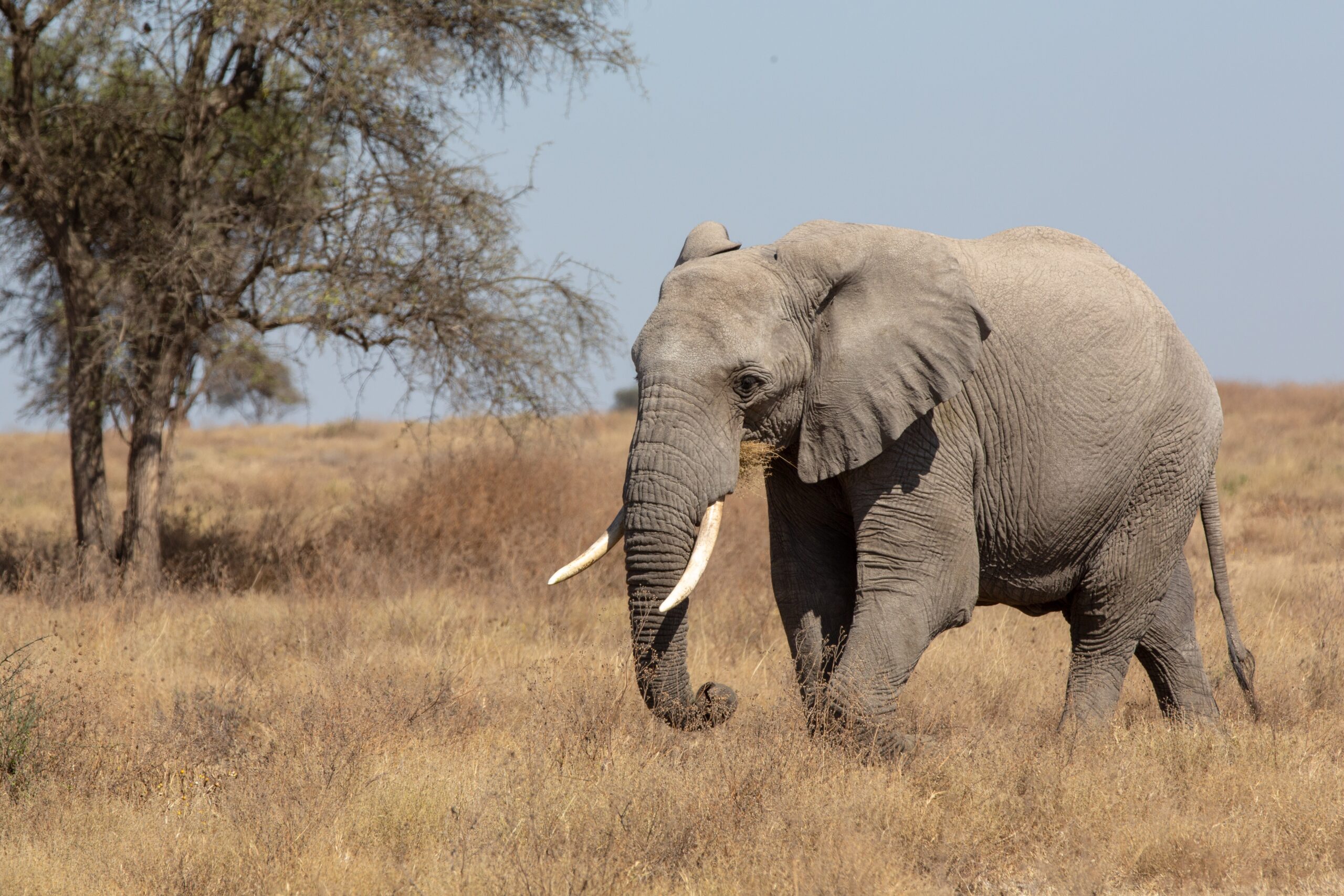
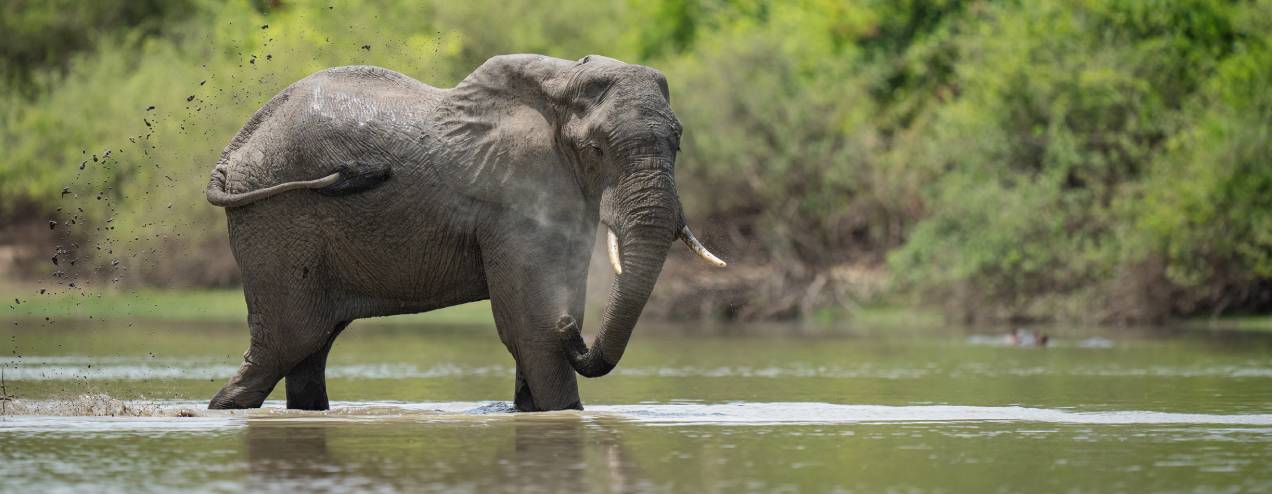
The park is built around the Rufiji River, which creates channels, lakes and wetlands that attract elephants, buffaloes, hippos, crocodiles and a wide variety of birds. Nyerere is also one of Tanzania’s important areas for African wild dogs.
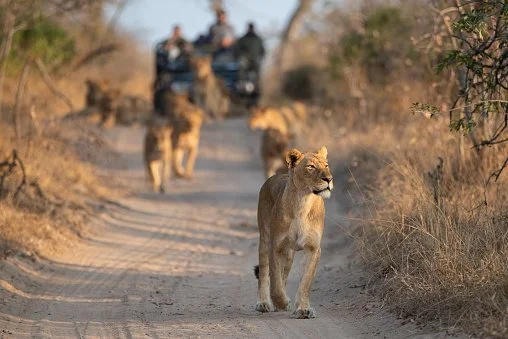
What makes Nyerere different from many parks in northern Tanzania is the variety of safari activities. You can explore by 4×4, take a boat safari on the Rufiji River and, at selected camps and areas, join a guided walking safari.
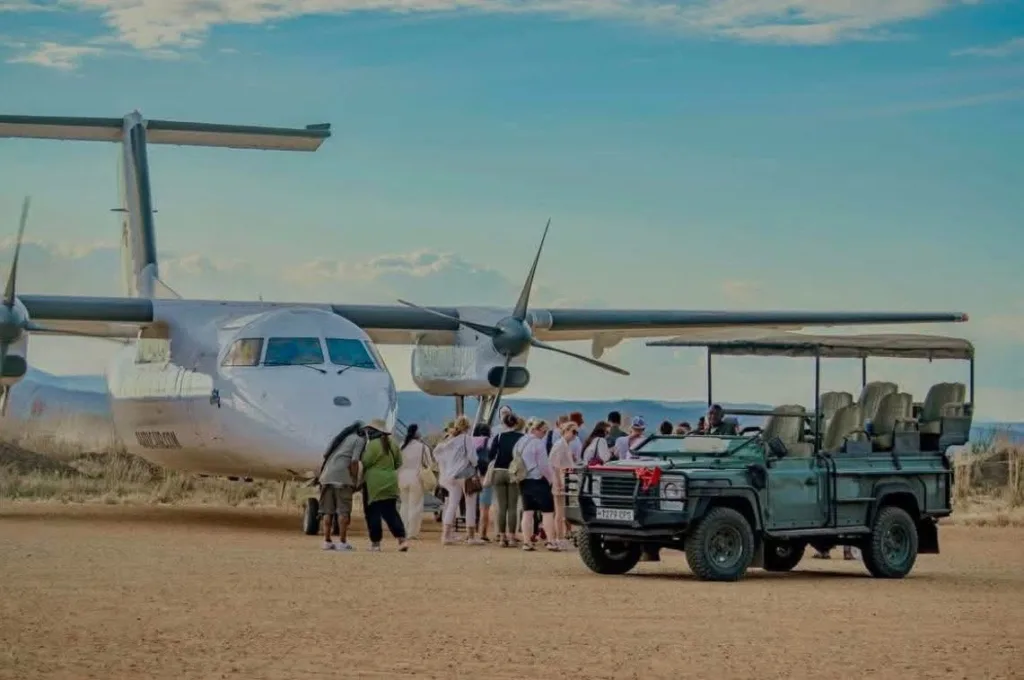
For travellers coming from Dar es Salaam or Zanzibar, Nyerere can also be reached by scheduled light aircraft, making it a practical choice for a short southern Tanzania safari.
Nyerere works particularly well for travellers who want a quieter safari experience and do not want every wildlife sighting surrounded by several vehicles.
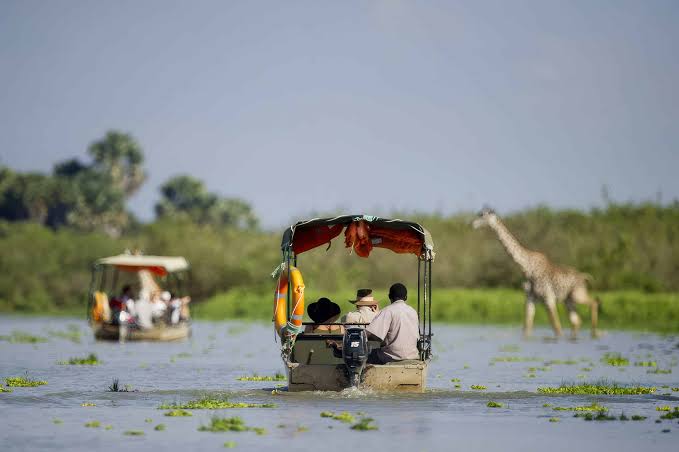
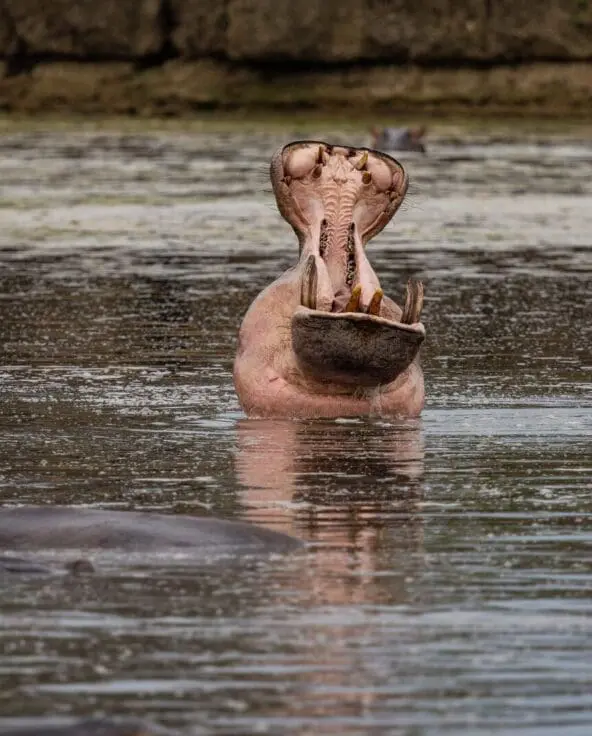
The Rufiji River is a major part of the experience. During a boat safari you may see hippos resting in the water, crocodiles along the banks, elephants coming to drink and African fish eagles hunting above the river.
A safari here also feels different from Serengeti or Ngorongoro. The landscape includes woodland, open plains, river systems, lakes and palm lined channels.
Nyerere supports a wide range of wildlife, although sightings should never be treated as guaranteed.
Animals you may encounter include:
African wild dogs are one of the animals many experienced safari travellers specifically come to southern Tanzania hoping to see.
They cover large territories, so sightings depend on their location during your visit, but Nyerere remains one of Tanzania’s stronger destinations for them.
A boat safari is one of the main reasons I recommend Nyerere.
Instead of viewing everything from a safari vehicle, you explore sections of the Rufiji River and surrounding waterways by boat.
You can often see hippos, crocodiles and water birds at much closer range than during a normal game drive. Elephants, giraffes and other animals may also approach the river to drink.
Late afternoon boat safaris are especially good because temperatures begin to drop and wildlife activity around the water can increase.
For many travellers, I would choose a combination of game drives and a boat safari rather than spending every safari day inside a vehicle.
Nyerere is also one of the Tanzania safari destinations where guided walking experiences are available in designated areas.
A walking safari is not mainly about approaching large animals.
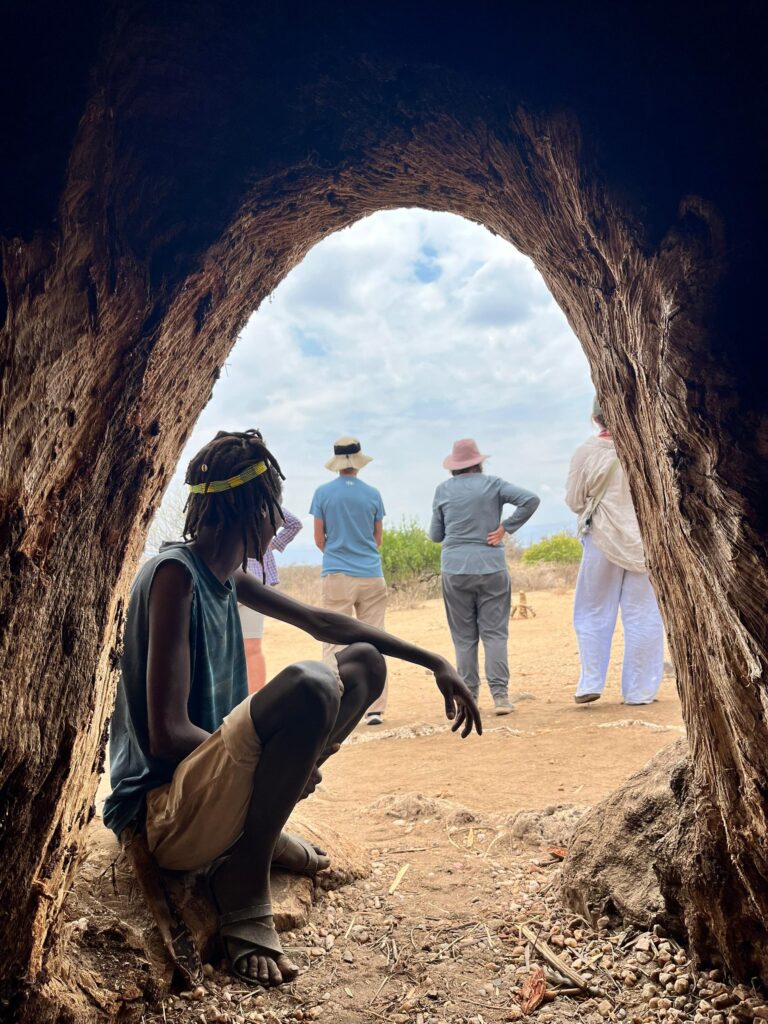
The value is learning how to read the bush: animal tracks, dung, plants, insects, birds and smaller details that are easy to miss from a vehicle.
Walking activities depend on the camp, location, park rules and availability of qualified guides.
Nyerere is also an excellent destination for birdwatchers, with more than 400 bird species recorded across the wider ecosystem.
Around the rivers, lakes and wetlands you may see:
The combination of river habitat, woodland and open areas gives birders plenty to look for even between major wildlife sightings.
For most safari travellers, I recommend June to October.
This is the dry season, when vegetation is generally thinner and wildlife becomes more concentrated around permanent water.
This is normally the strongest period for general wildlife viewing.
Expect drier conditions, easier road access and good opportunities around the Rufiji River and surrounding water sources.
July, August and September are particularly popular.
The landscape becomes greener and birding can be very good.
There can still be excellent safari conditions, but wildlife becomes more dispersed as water becomes available across a larger area.
Some camps operate seasonally, so availability should always be checked before planning the trip.
Heavy rains can make some roads difficult and a number of camps may close.
I normally would not recommend building a first Nyerere safari around the peak rainy period unless there is a very specific reason for travelling then.
I recommend at least 3 days and 2 nights, although 3 nights is better if your budget and schedule allow.
A short two night trip can work well for travellers flying from Zanzibar or Dar es Salaam.
However, remember that arrival and departure days are rarely full safari days.
With three nights you have more time for:
If African wild dogs are a priority, giving yourself additional time improves your chances simply because you have more opportunities to search.
Flying is usually the easiest option if you are combining a beach holiday with a safari.
Scheduled light aircraft operate between Zanzibar and airstrips serving the Nyerere area on selected routes and dates.
This makes it possible to leave Zanzibar in the morning and begin your safari the same day.
Flights from Dar es Salaam are also available and are usually the most comfortable way to reach the park.
Flight schedules and operating airstrips vary by season and camp location.
Road transfers are possible, but the journey is considerably longer than flying and road conditions can vary.
Depending on your route, gate, traffic and road conditions, travellers should allow much of the day for the journey.
For short safaris, I normally recommend flying because it gives you more time inside the park.
Nyerere is one of the best options for travellers asking:
“Can I do a safari from Zanzibar without travelling all the way to Serengeti?”
Yes.
A fly in safari to Nyerere can make much more sense than trying to force Serengeti into a very short Zanzibar extension.
You can fly from Zanzibar, complete game drives, add a boat safari and return to the island after two or three nights.
For travellers with only three or four available safari days, this can produce a much better balance between travel time and actual time watching wildlife.
Accommodation ranges from comfortable tented camps to higher end safari lodges.
The right camp depends heavily on location.
I would not select accommodation based only on the room.
A beautiful lodge in the wrong part of the park can mean more driving and less time around the wildlife areas you actually want to explore.
When we plan Nyerere safaris, we look at:
Popular options in and around the Nyerere ecosystem include properties such as Rufiji River Camp and other camps positioned close to the river and key wildlife areas.
Neither park is automatically better.
They provide different safari experiences.
Choose Serengeti if the Great Migration, huge open plains and the classic northern Tanzania safari circuit are your main priorities.
Choose Nyerere if you want fewer vehicles, river based wildlife, boat safaris, walking opportunities and an easier safari extension from Dar es Salaam or Zanzibar.
For a first trip lasting eight to ten days, Serengeti may still make more sense as part of a complete northern circuit.
For someone already staying in Zanzibar with only two or three safari nights available, Nyerere can be the smarter choice.
Yes, but the exact safari activities should match the children’s ages.
Game drives are straightforward for most families.
Boat safaris can also be excellent because children experience wildlife from a completely different perspective.
Walking safaris may have minimum age requirements depending on the camp and operator, so these need to be confirmed in advance.
Yes.
Nyerere is particularly suitable for couples who prefer smaller camps, fewer safari vehicles and a combination of river and land based activities.
A good itinerary can combine:
Zanzibar + Nyerere National Park
or
Nyerere + Ruaha National Park + Zanzibar
The second option works particularly well for travellers who want a more complete southern Tanzania safari.
Explore inspiring trips across Tanzania’s national parks, including Serengeti, Ngorongoro, Tarangire and more. Discover your next safari below.
Discover more beautiful places to visit in Tanzania, from wildlife parks and mountains to beaches and cultural sites. Explore more destinations below.
Kilimanjaro RegionKilimanjaro Region is one of the most exciting areas in northern Tanzania, not only because of Mount Kilimanjaro...
Explore Place
KaratuLake Eyasi is one of Tanzania’s most unique destinations, located at the base of the Great Rift Valley,...
Explore Place
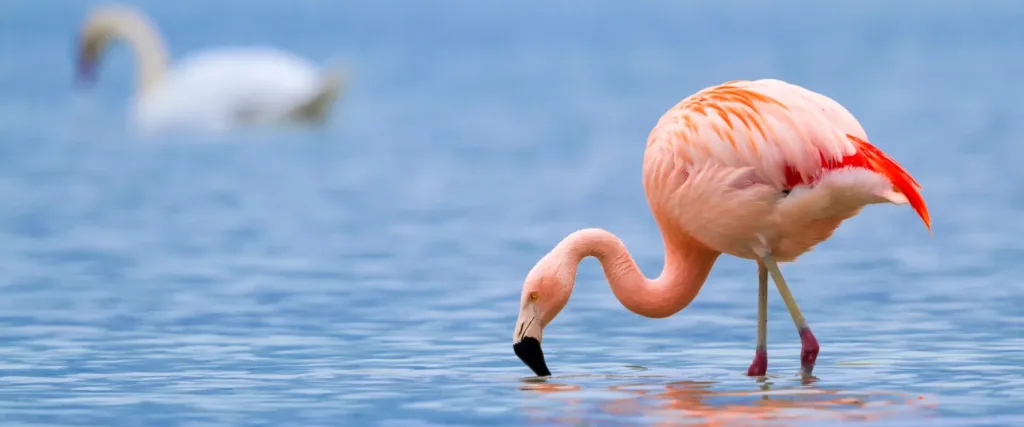
Lake ManyaraLake Manyara National Park is one of Tanzania’s most beautiful and diverse parks, and we always recommend it...
Explore Place
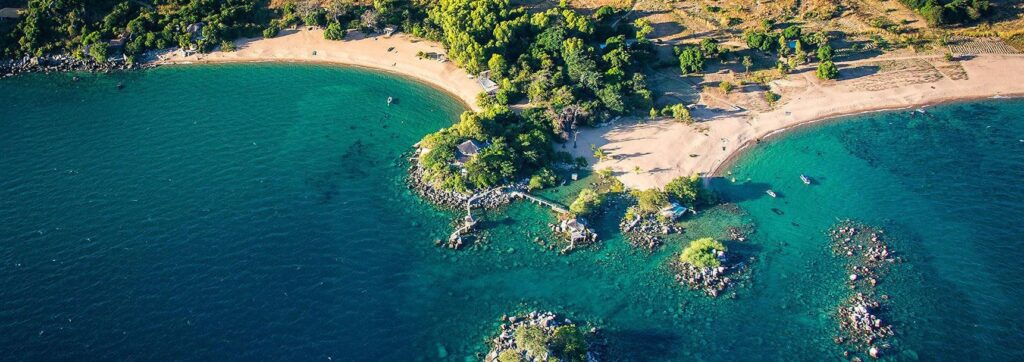
Mikumi National ParkMikumi National Park is one of Tanzania’s most accessible safari destinations, making it an excellent choice for travelers...
Explore Place
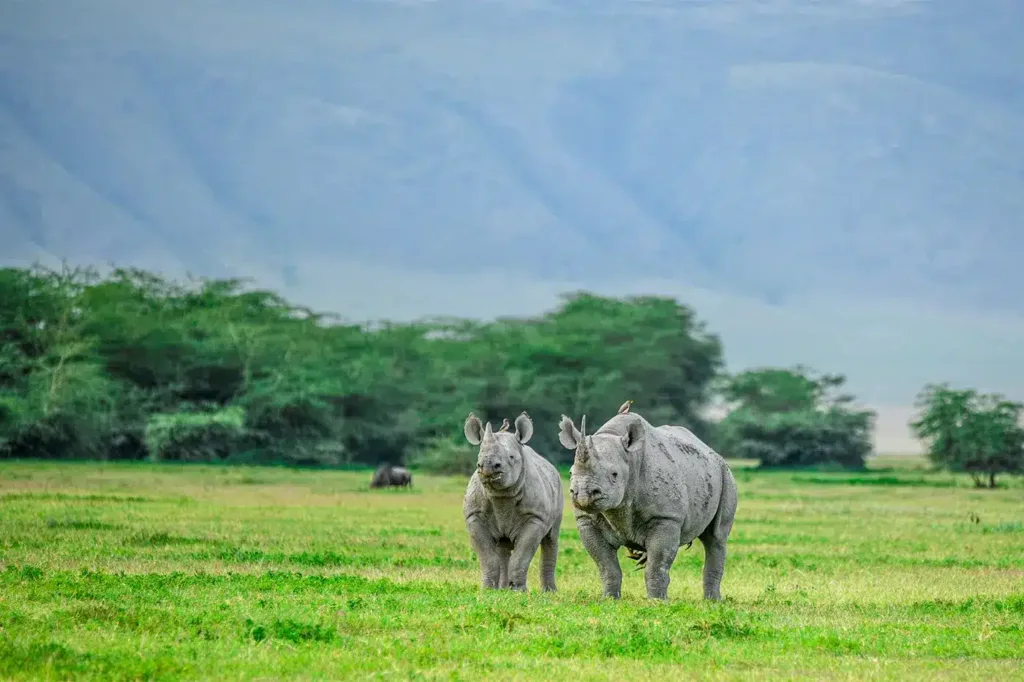
NgorongoroThe Ngorongoro Crater is one of Africa’s most spectacular natural masterpieces, located in northern Tanzania along the famous...
Explore Place
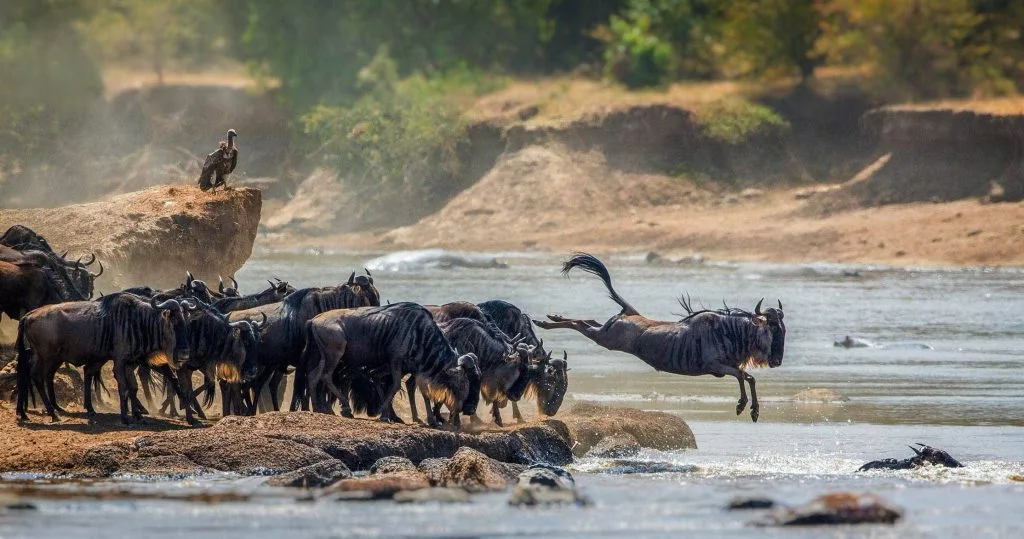
Northern SerengetiNorthern Serengeti is one of the most spectacular wildlife destinations in Africa. This remote and less crowded region...
Explore Place
Nyerere National ParkNyerere National Park is one of the best safari destinations in southern Tanzania for travellers who want wildlife,...
Explore Place
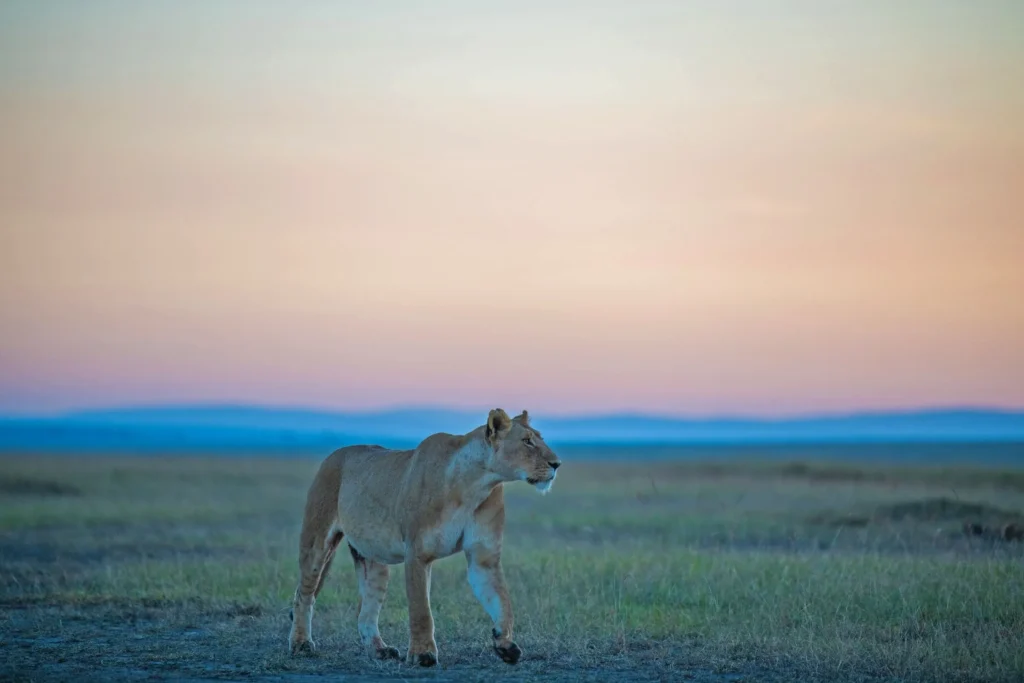
Places To VisitSerengeti National Park is found in northern Tanzania, stretching across the vast Serengeti ecosystem near the border with...
Explore Place
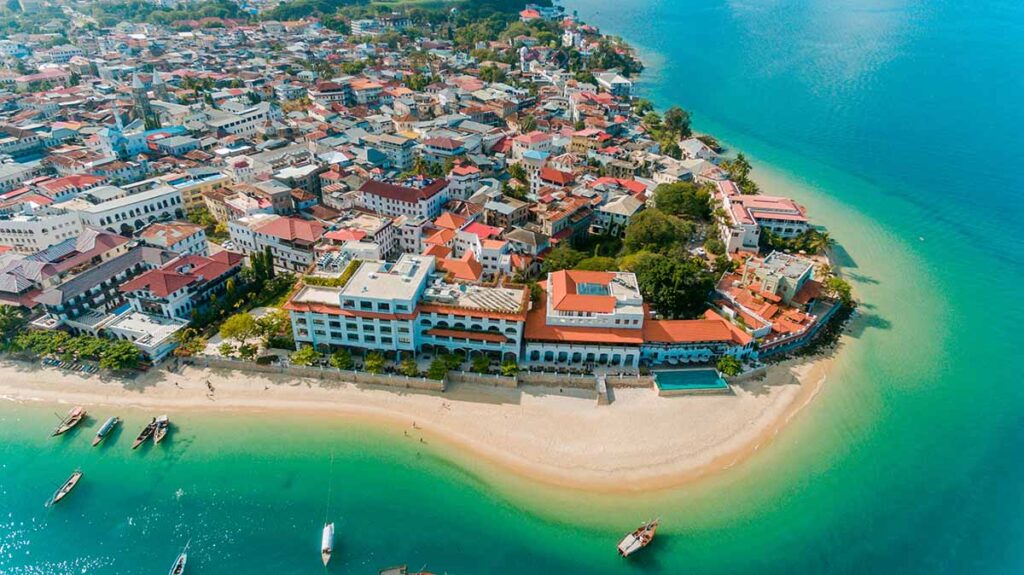
Places To VisitStone Town is the old heart of Zanzibar and one of the most interesting places you can visit...
Explore Place
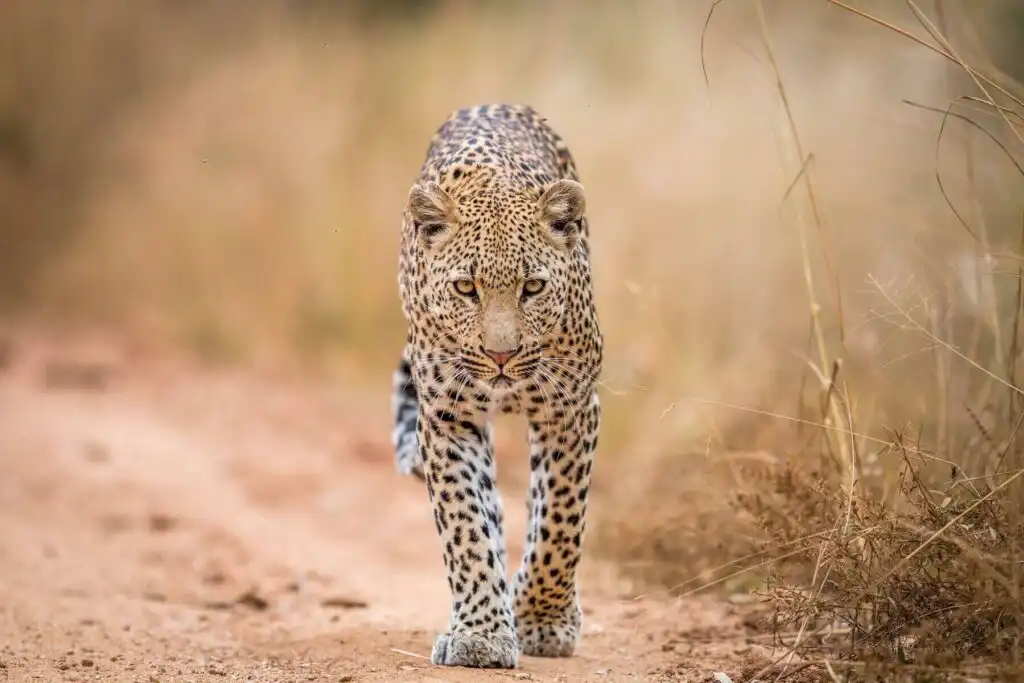
Places To VisitTarangire National Park is a magnificent wildlife sanctuary located in northern Tanzania, nestled just about 120 kilometers southwest...
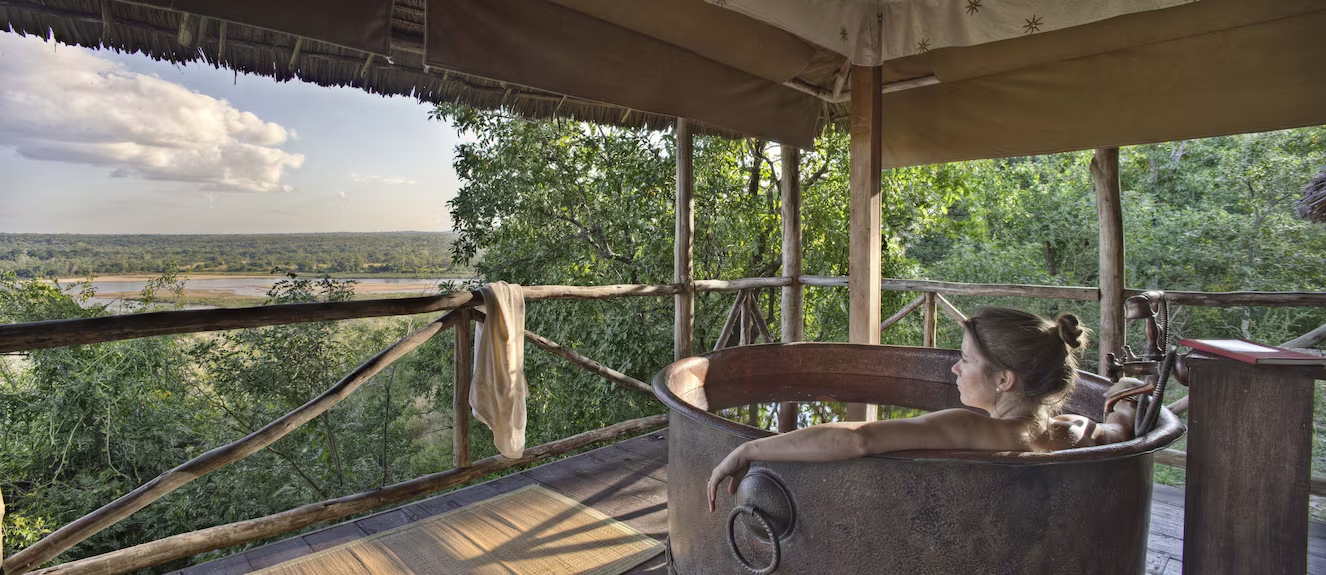
Explore PlaceCarefully selected stays that match the safari experience, location, comfort level, and overall value we want for our guests. From charming lodges to authentic tented camps, each option is chosen to keep your journey smooth, comfortable, and memorable.
Our tours combine high-quality safari experiences with excellent value. The price provided clearly outlines what is included, such as accommodation, park fees, private safari transport, guide services, selected flights, and transfers listed in your itinerary.
*For the most recent reviews/testimonials from our guests, please visit our TripAdvisor page and Trustpilot.
We toured with Tanzania Safari Experience for an eight day trip to Tanzania. Five days of safari and then three days of beach vacation in Zanzibar. They were great to work with and customized everything exactly the way we wanted it. The lodges we were booked in were all incredible, particularly the Lahia Tented Lodge in the Serengeti. Our driver, Jay, seemed to know every road in every national park and as a result the wildlife viewing was unparalleled. There were times where we were the only vehicle seeing lions or hippos. The owner, Laurent, was extremely responsive and any issues we had in-country with our logistics were immediately sorted by him. He genuinely wanted us to have a first-rate experience. The only thing we were unprepared for is that some of the days in the safari vehicle were very long (10+ hours) and the roads can be really rough. But there were plenty of cold drinks in the car and it was worth it to see the wildlife. The safari/beach split was a great way to do the vacation and the beaches of Zanzibar were beautiful with clear blue water.
This company exceeded everything we’d hoped for. From the start, the tour operator had everything covered — a detailed itinerary laid out well in advance, quick responses to any questions, and a genuine attentiveness that made the whole thing feel effortless. The accommodation was seriously impressive. Not what I was expecting at all — comfortable, well-appointed, and luxurious. We also spent time right in the heart of the bush. A proper treat. The two people who really made this trip were our guide Mariki and photographer Agnes. Mariki’s knowledge of the bush and animal behaviour is something else — he always seemed to know exactly where to go, and his instincts paid off every single time. Agnes has a brilliant eye and captured shots we could never have got ourselves. As for the wildlife — we saw far more than we ever imagined we would. Elephants, lions, leopard, buffalo, giraffe, zebra, hippos — the lot. As a first safari, I couldn’t have asked for more. Would recommend without hesitation.
We had an amazing safari with Tanzania Safari Experience, and honestly the whole trip was put together really well by Laurent and his team. From our first message to the last day, they were easy to reach, quick to reply, and clear about everything. The plan made sense, the timing was smooth, and we didn’t have to stress about anything. Uncle J was a big part of what made it special. He knows the parks incredibly well and seems to notice things before anyone else. He’d position the vehicle perfectly for photos and often got us to sightings before the crowds built up. We were lucky to see [your highlights: migration / lions / cheetahs / elephants / a crossing], and every drive felt exciting and different. The vehicle was comfortable and in good shape, and everything ran on schedule. If you’re looking for a well-organized safari with a great guide, I’d definitely recommend Tanzania Safari Experience.

Every safari adventure begins with a question. Whether it’s your first or second time, it’s natural to wonder about the best time to visit, what to pack, or how the journey works. Here, we’ve answered the most common questions travelers ask before booking their Tanzania safari, so you can plan with confidence and look forward to unforgettable memories.
Yes. Nyerere National Park is worth visiting if you want a quieter safari with fewer vehicles, different safari activities and strong wildlife viewing around the Rufiji River.
One of the biggest advantages of Nyerere is that you are not limited to game drives. Depending on your camp and itinerary, you can also take a boat safari and sometimes a guided walking safari.
The park is especially attractive for travellers who want to see elephants, buffaloes, hippos, crocodiles, lions and possibly African wild dogs without following the more heavily travelled northern safari circuit.
It is also a very practical safari option for travellers coming from Zanzibar or Dar es Salaam.
Yes. Nyerere is one of the easiest safari destinations to combine with Zanzibar.
Scheduled light aircraft operate between Zanzibar and airstrips serving the Nyerere area on selected routes and dates. This allows you to leave Zanzibar and begin your safari on the same day.
A 2 or 3 night fly in safari works particularly well if you want to add wildlife to a Zanzibar beach holiday without spending too much time travelling overland.
For travellers with limited time, Nyerere can be a more practical choice than flying all the way to northern Tanzania.
We recommend at least 3 days and 2 nights, but 3 nights is usually better.
With 2 nights, you can normally fit in game drives and a boat safari, but your arrival and departure days are not full safari days.
Three nights gives you more time to explore different parts of the park and makes it easier to include:
If Nyerere is the main focus of your trip, 3 to 4 nights gives you a more relaxed safari.
Nyerere has a wide variety of wildlife.
You may see:
Leopards are present but can be difficult to find.
African wild dogs are one of the major reasons experienced safari travellers choose Nyerere, although sightings are never guaranteed because the packs move over large territories.
Wildlife viewing is often particularly productive around the Rufiji River and permanent water sources during the dry season.
Nyerere should not be chosen mainly as a Big Five checklist destination.
You can see lions, elephants and buffaloes, and leopards are present, although they can be difficult to find.
Rhinos are extremely rare, so travellers should not visit Nyerere expecting a reliable rhino sighting.
The real strength of Nyerere is the overall safari experience: large wilderness areas, African wild dogs, the Rufiji River, boat safaris, hippos, crocodiles and fewer safari vehicles.
If seeing all of the Big Five is your main priority, other safari routes may be more suitable.
Yes. Boat safaris are one of the main reasons to visit Nyerere.
Most boat safaris take place along sections of the Rufiji River and its surrounding waterways.
From the boat you may see:
A boat safari gives you a completely different perspective from a normal game drive.
Late afternoon boat trips are especially popular because temperatures are cooler and the river can be very active with wildlife.
Yes. The wider Nyerere and Selous ecosystem is one of Tanzania’s important areas for African wild dogs.
Wild dogs live in packs and can travel large distances every day, so finding them depends on where the packs are during your visit.
They are not guaranteed, but Nyerere is one of the destinations we would consider if African wild dogs are high on your wildlife list.
Travelling for several nights rather than only one full safari day can improve your opportunities simply because you have more time to search.
For most travellers, the best time to visit Nyerere is from June to October.
This is the dry season, when vegetation is generally thinner and animals become more dependent on permanent water sources.
Wildlife can therefore be easier to locate around the Rufiji River, lakes and other water areas.
July, August and September are especially popular months.
The greener months can still offer good wildlife viewing and excellent birding, but road conditions can become more challenging during periods of heavy rain.
Some camps also close seasonally, so accommodation and flight availability should always be checked before booking.
Yes. Nyerere can still be visited during parts of the green season.
December, January and February can offer greener scenery, good birdlife and fewer visitors compared with the peak dry season.
However, wildlife is usually less concentrated because water is more widely available.
Rain can also affect road conditions, so your itinerary should be planned around the camp location and current access conditions.
If your main priority is the easiest general wildlife viewing, June through October is usually the safer choice.
April and May are generally the most difficult months for a Nyerere safari.
Heavy rainfall can make some roads difficult or temporarily inaccessible, and some safari camps close during this period.
This does not mean the entire park is completely inaccessible every rainy season, but conditions become much less predictable.
For a first visit, we usually recommend planning outside the peak rains.
It depends on your itinerary.
Mikumi can be a practical choice for travellers looking for a shorter or simpler road safari from Dar es Salaam.
Nyerere generally offers a more varied safari experience because you can combine game drives with boat safaris and, in selected areas, walking safaris.
Nyerere also has the Rufiji River, large wilderness areas and important African wild dog habitat.
If you only have a very short trip and want to travel by road, Mikumi may make more sense.
If you have several nights available or are comfortable flying, I would normally choose Nyerere for the broader safari experience.
They offer very different experiences.
Choose Serengeti if your priorities include the Great Migration, huge open plains and combining your safari with Ngorongoro, Tarangire or other northern Tanzania parks.
Choose Nyerere if you want:
For travellers spending only 2 or 3 safari nights after Zanzibar, Nyerere can be the more practical choice.
For a longer first safari in Tanzania, the Serengeti and northern circuit may offer more variety between several national parks.
The cost depends on your travel style.
The main factors are:
Fly in safaris usually cost more than road safaris because of the domestic flights.
However, flying can save many hours of road travel, so for a short holiday it can give you much better value in terms of actual safari time.
Luxury camps can increase the price significantly, while mid range camps can provide a more affordable option.
The easiest option for most travellers is flying.
You can fly into the Nyerere area from Zanzibar or Dar es Salaam using scheduled light aircraft.
Flights land at different airstrips depending on where your safari camp is located.
Driving from Dar es Salaam is also possible, but it takes considerably longer and road conditions vary.
For a short 2 or 3 night safari, flying is normally the option I recommend because it gives you more time inside the park.
Yes, it is possible to reach Nyerere by road from Dar es Salaam.
However, you should expect a long journey, and actual travel time depends on your route, traffic, road conditions and the gate or camp you are using.
For travellers with a limited number of safari days, flying is usually more efficient.
Driving can make more sense when the journey is part of a longer southern Tanzania road safari.
Yes. Nyerere and Ruaha make one of the strongest southern Tanzania safari combinations.
The two parks offer very different landscapes and wildlife experiences.
Nyerere gives you the Rufiji River, boat safaris, wetlands and wild dog habitat, while Ruaha is known for its large wilderness, elephants, predators and dry southern landscapes.
Flying between the parks is normally the most practical option if you want to save time.
A Nyerere and Ruaha safari works particularly well for travellers who have around 6 to 8 safari nights available.

We use essential cookies to keep the website working. With your permission, we also use limited analytics and load external content such as maps, reviews, and videos. We do not use analytics for advertising or personal profiling.
Required for website security, core functionality, and remembering your privacy choice.
Helps us measure general website usage and performance. It is not used for advertising or personal profiling.
Allows content such as maps, customer reviews, and videos to load from third party providers. These providers may receive technical information when their content is loaded.