


How to Find Reputable Companies Offering Walking Safaris in Tarangire
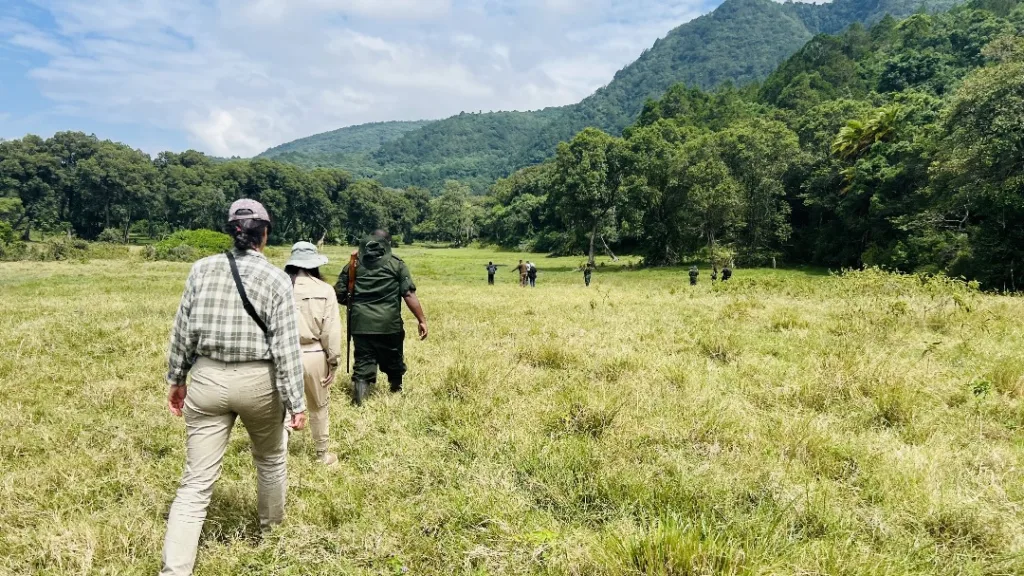
Finding a reputable company for a walking safari in Tarangire means choosing a licensed Tanzanian operator that clearly explains where the walk takes place, who leads it, what safety support is provided, and what the total price includes.
This experience suits travelers who want to understand the landscape at ground level instead of viewing everything from inside a safari vehicle. It is particularly rewarding for people interested in animal tracks, birds, plants, insects, photography, and the smaller details that vehicle-based safaris often miss.
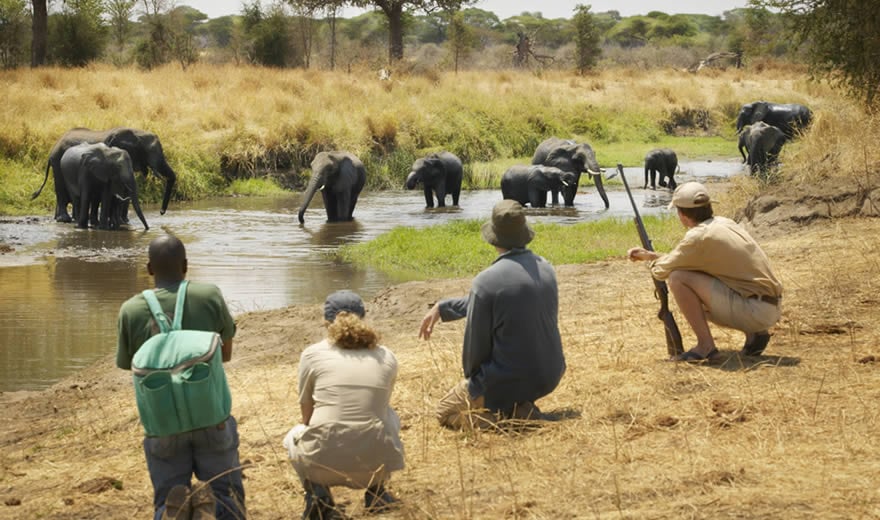
A Tarangire walking safari is not designed to replace a game drive. Walking covers a limited area, wildlife sightings are less predictable, and large animals are approached cautiously. The value comes from learning how the ecosystem works, not from trying to get as close as possible to lions or elephants.
At Tanzania Safari Experience, we usually recommend combining a guided walk with a traditional Tarangire game drive. The walk provides detail and connection to the environment, while the vehicle gives you a much better chance of covering different habitats and seeing more wildlife during the same day.
What Makes a Tanzania Safari Company Reputable?
A reputable Tanzania safari company should be legally registered, properly licensed, transparent about costs, responsive before payment, and willing to explain exactly how your walking safari will operate. A professional operator will never avoid questions about guides, safety procedures, park access, accommodation, transport, cancellation terms, or emergency support.
A polished website does not prove that a company can operate a safe walking safari. Some websites are owned by overseas travel agencies that subcontract the entire trip after receiving payment. Subcontracting is not automatically bad, but you should know who will actually meet you, provide the vehicle, and take responsibility on the ground.
Before booking, ask the company to provide:
| What to verify | Why it matters |
|---|---|
| Tanzanian tourism licence | Confirms the company is legally authorised to operate tourism services |
| Full company name | Allows you to verify who receives and controls your payment |
| Walking location | Some walks take place inside protected areas, while others operate in nearby concessions or community land |
| Guide qualifications | Walking requires different judgement from ordinary vehicle guiding |
| Ranger arrangements | Certain areas require an armed ranger or authorised protection officer |
| Emergency plan | The operator should know how medical or wildlife incidents would be handled |
| Written inclusions | Prevents disputes over fees, transfers, meals, permits, and accommodation |
| Cancellation policy | Shows what happens if the walk is cancelled by weather, park authorities, or operational conditions |
Tanzania Safari Experience operates under Africa TS Experience Limited and holds a Tanzanian Class A tourism licence. More importantly, we explain the practical details before asking a guest to confirm a booking.
A licence alone does not guarantee excellent service. It is the minimum starting point. You should also judge the operator by the quality of its answers, how honestly it discusses limitations, and whether its itinerary makes logistical sense.
Common Mistake
Many travelers choose the lowest quotation without comparing what is included.
A cheaper walking safari may exclude park fees, ranger charges, transfers, accommodation, meals, or the game drive required to reach the walking area. By the time these costs are added, the cheaper quotation may offer no real saving.
Where Do Walking Safaris Take Place in Tarangire?
Walking safaris may operate in authorised areas inside Tarangire National Park, around selected camps, or in wildlife management and community areas bordering the park. The exact location matters because it affects scenery, wildlife density, regulations, safety arrangements, walking duration, and whether the experience can be combined efficiently with a game drive.
Do not accept a quotation that simply says “Tarangire walking safari” without identifying the location.
A walk near the park boundary is not automatically inferior to one inside the national park. Private concessions and community areas can provide more flexibility, fewer vehicles, and opportunities to discuss local land use. However, wildlife movement can be more variable, particularly outside the driest months.
Inside or near Tarangire, the landscape may include open grassland, seasonal riverbeds, acacia woodland, baobab country, rocky ground, and bush vegetation. You are likely to spend more time reading tracks, identifying dung, observing birds, and understanding animal behaviour than approaching large mammals.
What many travelers do not realise is that the word “walking safari” covers very different experiences. One company may offer a relaxed one-hour nature walk near a lodge, while another arranges a longer, more controlled wildlife walk in a remote area.
Ask these questions before paying:
| Question | What a good answer should clarify |
| Is the walk inside the national park? | The exact protected area, concession, or community location |
| How long is the walk? | Actual walking time, not total transfer time |
| Who leads it? | Guide, ranger, or specialist walking guide |
| How many guests participate? | Private or shared arrangement and maximum group size |
| What wildlife can we expect? | Honest possibilities without guaranteed sightings |
| What happens if the walk is cancelled? | Alternative activity, refund, or rescheduling policy |
Is Tanzania Safari Experience a Good Choice for a Tarangire Walking Safari?
Tanzania Safari Experience is suitable for travelers who want a locally managed safari, direct communication with the ground operator, private itinerary planning, and honest advice about what can realistically fit into their available time. We can arrange Tarangire walking experiences where permitted and combine them with transport, game drives, accommodation, and additional parks.
We do not treat a walking safari as a decorative extra added to every itinerary.
Before recommending it, we consider the traveler’s age, mobility, expectations, season, accommodation, route, and total safari duration. A walking activity that looks attractive on paper can make the day unnecessarily rushed when it requires a long detour or an early departure from another park.
Our team can help arrange:
- Private transport in a Toyota Land Cruiser
- Tarangire game drives
- Walking activities in suitable authorised areas
- Ranger or specialist-guide arrangements where required
- Lodge, tented camp, or camping accommodation
- Airport transfers
- Tarangire and Ngorongoro combination safaris
- Longer northern circuit itineraries
We also explain when a walking safari is not the best use of your time.
For example, a traveler with only one short day in Tarangire may benefit more from a full game drive, especially during a season when animals are widely dispersed. A traveler staying two nights can usually add a walk without sacrificing the strongest wildlife-viewing hours.
Expert Recommendation from Tanzania Safari Experience
Book the walking safari as part of a complete Tarangire itinerary rather than as an isolated activity.
This allows the operator to coordinate park entry, accommodation, guide availability, ranger timing, meals, luggage, and vehicle transfers. It also gives you a game-drive alternative if walking conditions change.
What Should a Tarangire Walking Safari Include?
A properly organised Tarangire walking safari should include clear transport arrangements, an authorised walking guide, any required ranger support, entry or conservation fees, drinking water, a safety briefing, and a written explanation of the meeting point and duration. Accommodation and meals depend on whether you book a day trip or overnight safari.
The quotation should separate included and excluded services.
A complete package may include:
| Service | Usually required? |
| Safari vehicle and driver-guide | Yes, unless staying at a nearby camp |
| Walking guide | Yes |
| Armed ranger or protection officer | Required in certain locations |
| Park or conservation fees | Yes |
| Walking activity fee | Usually |
| Drinking water | Yes |
| Accommodation | For overnight itineraries |
| Meals | Depends on trip duration |
| Airport transfer | Optional |
| Travel insurance | Usually purchased separately by the traveler |
| Tips | Normally excluded |
Ask whether the walking fee is charged per person or per group. Ranger and private-guide costs may be divided among participants, so the price per person can decrease when several travelers book together.
You should also ask what happens if the walk cannot proceed. Heavy rain, wildlife movement, ranger availability, local regulations, or operational decisions may affect the activity. A reputable operator should never pressure a guide to continue when conditions are unsuitable.
How Much Does a Walking Safari in Tarangire Cost?
The cost of a walking safari in Tarangire depends heavily on the style of the walk (a quick add-on vs. a multi-day trek) and the level of accommodation you choose.
Prices are broken down below by the typical tier, along with the mandatory “hidden fees” you should look out for.
1. The Cost by Walking Safari Style
Option A: The Short “Add-On” Bush Walk (2 to 4 Hours)
If you are already on a standard driving safari and simply want to stretch your legs for a morning or afternoon walk, this is usually an add-on fee charged by your lodge or operator.
-
Price Range: $40 to $100 per person.
-
What it covers: The guide, the mandatory armed national park ranger, and walking permits.
-
Note: This does not include your daily park entry fee or the cost of the vehicle that drove you there.
Option B: Multi-Day Mobile Walking Safari (2 to 5 Days)
This is the purist experience (offered by operators like Dorobo) where you trek deep into remote zones of Tarangire and sleep in lightweight fly-camps that move with you.
-
Price Range: $350 to $600 per person, per day.
-
What it covers: Full board (all meals, water), mobile camp setups, dedicated guiding crews, rangers, and all camp crew logistics.
Option C: All-Inclusive Luxury Walking Camps
Staying at an elite bush camp located inside the park’s walking zones (like Asilia’s Oliver’s Camp) means high-end luxury mixed with daily walking.
-
Price Range: $850 to $1,400+ per person, per night (highly dependent on high vs. low season).
-
What it covers: Luxury tented accommodation, gourmet meals, drinks, game drives, and walking safaris led by top-tier house guides.
2. Mandatory Conservation & Park Fees
Tanzania National Parks Authority (TANAPA) levies strict fees for stepping out of the vehicle. When looking at a quote, always check if these are included:
| Fee Type | Approximate Cost (Per Person) | Frequency |
| Tarangire Park Entry Fee | ~$53 USD (plus VAT) | Per 24 Hours |
| TANAPA Walking Permit | ~$24 USD | Per Day |
| Armed Ranger Fee | ~$24 USD (often split among the group) | Per Walk |
3. Tipping and Tipping Etiquette
Tipping the crew is standard practice in Tanzania and is paid in cash (USD or Tanzanian Shillings) at the end of the excursion or safari. Budget roughly:
-
Armed Ranger: $5 to $10 per day from the group.
-
Lead Walking Guide: $15 to $20 per day from the group.
The following comparison explains the main cost differences:
| Safari style | Typical cost level | Best for |
| Short lodge nature walk | Lower | Guests already staying at the property |
| Shared walking activity | Moderate | Flexible travelers comfortable joining others |
| Private walk with dedicated guide | Higher | Couples, families, photographers, and private groups |
| Walk plus full-day game drive | Moderate to high | First-time visitors wanting a balanced experience |
| Multi-day private Tarangire safari | Higher overall, better daily value | Travelers wanting less rushing and more time in the park |
The cheapest option is not always the best value. A badly timed walk may cause you to miss the morning wildlife activity, pay extra park hours, or spend most of the day transferring between locations.
What works best for most guests is a written package price covering the entire safari rather than several disconnected quotations.
Walking Safari Versus Game Drive in Tarangire
A walking safari provides detail, silence, physical activity, and close observation of tracks, plants, insects, birds, and animal signs. A game drive covers far more ground and provides a better chance of seeing elephants, lions, giraffes, zebra, buffalo, and other large animals across Tarangire’s changing habitats.
These activities should not be treated as substitutes.
| Experience | Walking safari | Game drive |
| Distance covered | Limited | Extensive |
| Large wildlife sightings | Less predictable | More likely |
| Animal tracks and signs | Excellent | Limited |
| Photography | Best for landscapes and details | Better for large wildlife |
| Physical activity | Moderate | Minimal |
| Flexibility | Controlled by safety conditions | Greater route flexibility |
| Suitable for young children | Often restricted | Usually more suitable |
| Best duration | One to three hours | Half day or full day |
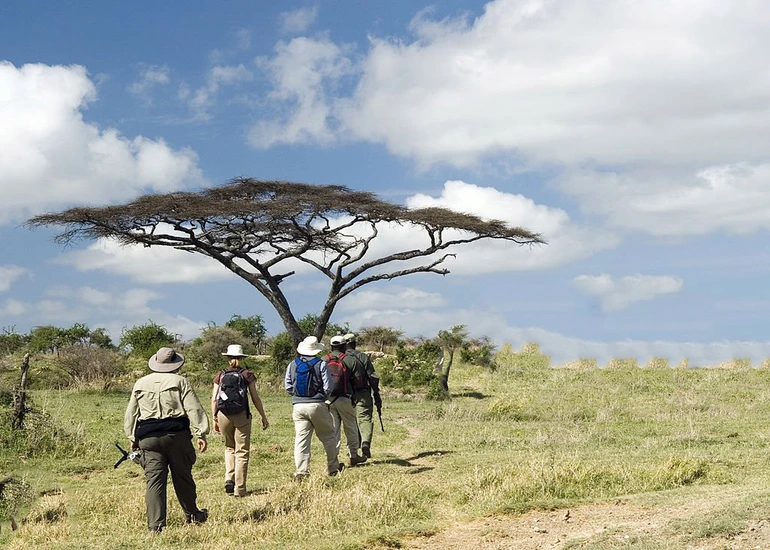
During a walk, the guide controls the pace and route. You may stop frequently to study tracks, listen to alarm calls, inspect plants, or wait for wildlife to move away. This slower pace is the point of the experience.
During a game drive, the vehicle can respond to recent sightings, move between habitats, and safely observe large animals from a practical distance.
Best Choice
For a first Tarangire visit, combine both.
Schedule the walk during a suitable morning or late-afternoon period, then use the vehicle to explore the Tarangire River, baobab zones, woodland, swamps, and open plains.
Morning, Midday, or Evening: When Is the Best Time to Walk?
Morning is usually the most comfortable time for a Tarangire walking safari because temperatures are cooler, tracks may be fresher, wildlife is often more active, and the light is softer for photography. Late afternoon can also work well, while midday walking is generally hotter and less comfortable during dry months.
The final timing depends on the season, walking area, park regulations, guide availability, and your wider itinerary.
Morning
Morning walks normally offer cooler conditions and better concentration. Birds are active, animal tracks are easier to examine before they are disturbed, and the landscape feels quieter.
The drawback is that early morning is also one of the best periods for a game drive. Travelers with only one day must decide which experience matters more.
Midday
Midday may fit conveniently between game-drive sessions, but heat can become tiring. Wildlife activity is often lower, and harsh light makes photography more difficult.
In cooler or cloudy conditions, a midday walk may still be practical. Do not assume every walking schedule follows the same pattern throughout the year.
Late Afternoon
Late-afternoon walks offer warmer light and cooler temperatures as the day progresses. They can work well for guests staying close to the walking area.
Timing must be controlled carefully because walking activities need to finish before darkness or before the authorised operating period ends.
How Do the Seasons Affect Tarangire Walking Safaris?
The dry season usually provides easier walking conditions, thinner vegetation, and concentrated wildlife around permanent water sources. The green season offers fresh landscapes, active birdlife, fewer visitors, and softer ground, but rain, taller vegetation, mud, and changing wildlife distribution can affect routes and visibility.
Tarangire changes considerably throughout the year.
| Period | Walking conditions | Wildlife pattern | Main consideration |
| January to February | Warm, green, occasional rain | Wildlife more dispersed | Good birdlife and vegetation |
| March to May | Wettest period | Variable distribution | Mud, rain, and possible operational changes |
| June to October | Drier and easier underfoot | Wildlife gathers near water | Strong overall safari period |
| November to December | Short rains and fresh vegetation | Movement becomes less predictable | Attractive landscapes with occasional rain |
From June through October, dust becomes part of the experience. Wear neutral clothing that you do not mind getting dirty, protect camera equipment, and carry water.
During wetter months, waterproof protection and shoes with reliable grip become more important. Tall grass may reduce visibility, but the landscape is greener and bird activity is strong.
Wildlife is never guaranteed in any season. Walking guides make decisions based on conditions on the day, not on promises made in a brochure.
What Safety Standards Should You Expect?
A safe walking safari should begin with a clear briefing covering group formation, communication signals, wildlife behaviour, emergency procedures, walking pace, photography rules, and what to do if animals are encountered. Guests must follow the guide’s instructions immediately because independent movement can place the whole group at risk.
The guide should understand both wildlife and people.
Some guests freeze when nervous. Others move too quickly, talk loudly, or focus on their camera instead of instructions. An experienced walking guide watches the group continuously and adjusts the route before a situation becomes dangerous.
You should expect rules such as:
- Walk in the formation given by the guide
- Do not run
- Do not separate from the group
- Keep voices low
- Do not approach animals independently
- Tell the guide about medical or mobility concerns
- Keep phones and cameras secure
- Follow instructions without debate during wildlife encounters
Walking safaris are controlled wildlife activities, not adventure challenges. The goal is not to prove bravery.
Common Mistake
Do not hide health conditions because you are worried the operator may refuse the activity.
Asthma, heart conditions, recent injuries, balance problems, severe allergies, and limited walking ability may affect the route or pace. Sharing this information allows the operator to recommend a safer alternative.
What Should You Wear and Carry?
Wear lightweight neutral clothing, closed walking shoes with reliable grip, a hat, and layers that can be removed as temperatures rise. Carry only essential items because heavy backpacks become uncomfortable and can interfere with movement. Bright clothing, open sandals, strong perfume, and loose equipment are poor choices.
Recommended items include:
| Item | Why it helps |
| Closed walking shoes | Protect against stones, thorns, insects, and uneven ground |
| Neutral trousers | Provide protection without drawing attention |
| Lightweight long-sleeved shirt | Helps with sun, dust, and insects |
| Hat | Reduces sun exposure |
| Water bottle | Prevents dehydration |
| Sunscreen | Essential even on cloudy days |
| Small binoculars | Useful for birds and distant animals |
| Camera strap | Keeps equipment secure |
| Light rain jacket | Useful during green-season travel |
| Personal medication | Should remain accessible |
Avoid carrying unnecessary camera lenses. Changing lenses in dusty conditions can introduce dirt into the camera body, and heavy equipment may distract you from the guide.
Temperatures can feel cool early in the morning and become warm quickly. A light removable layer works better than one heavy jacket.
Quick Safari Overview
Best for: Active travelers, nature enthusiasts, birdwatchers, repeat safari visitors, and photographers interested in landscapes and details
Recommended stay: Two nights in or near Tarangire
Best season: June to October for dry walking conditions; November to February for green scenery and birdlife
Best wildlife experience: Combine walking with a full game drive
Travel style: Private or small-group guided experience
Difficulty level: Easy to moderate, depending on terrain and duration
Photography: Strong for tracks, plants, birds, landscapes, and environmental images
Accommodation style: Lodges, tented camps, public campsites, or private camps
Main highlight: Understanding the ecosystem from ground level
Value for money: Best when included in a complete Tarangire safari package
How to Compare Safari Companies Before Booking
Compare companies using operational details rather than website appearance, follower numbers, or broad claims about excellent service. The strongest operator is the one that provides clear answers about licensing, walking locations, guide arrangements, safety, payments, transport, accommodation, cancellations, and responsibility for delivering the safari.
Send the same questions to each company.
This makes comparison easier and exposes vague answers. A reputable operator should not become defensive when asked to explain its licence, price, payment account, or cancellation policy.
Use this checklist:
| Check | Good sign | Warning sign |
| Communication | Specific and consistent answers | Repeated vague promises |
| Payment | Company account or recognised payment system | Pressure to send money to an unrelated individual |
| Price | Written inclusions and exclusions | One total with no explanation |
| Walking location | Clearly identified | “Somewhere in Tarangire” |
| Guide | Role and qualifications explained | No information provided |
| Safety | Briefing and procedures discussed | Claims that the activity is completely risk-free |
| Wildlife | Realistic expectations | Guaranteed animal encounters |
| Cancellation | Written terms | Policy given only after payment |
| Itinerary | Realistic drive times | Too many activities packed into one day |
One mistake we frequently see is travelers requesting ten quotations and choosing the cheapest without reading the route. More quotations do not automatically create a better decision. Three detailed and comparable proposals are usually enough.
A Recommended Tarangire Walking Safari Plan
The most balanced Tarangire walking safari includes two nights near or inside the Tarangire ecosystem, one guided walk during a cooler part of the day, and at least one extended game drive. This structure provides time for both detailed ground-level interpretation and wider wildlife viewing without turning the trip into a rushed checklist.
A practical plan could begin with a transfer from Arusha to Tarangire, followed by an afternoon game drive and an overnight stay near the park.
The following morning can include a guided walk, depending on the accommodation and authorised walking location. After breakfast or lunch, continue with a game drive through a different section of the ecosystem.
On the third day, enjoy a final morning game drive before returning to Arusha or continuing to Ngorongoro, Lake Manyara, or the Serengeti.
If this were our own first Tarangire safari, we would not attempt to drive from Arusha, complete a long walk, cover the park properly, and return to Arusha in one day. It is physically possible in some arrangements, but it creates a tiring schedule and leaves little room for delays.
RELATED ARTICLE: My Personal Guide to Organizing the Perfect Tanzania Safari
Frequently Asked Questions
Can you do a walking safari inside Tarangire National Park?
Walking activities may be available in authorised parts of the Tarangire ecosystem, including selected locations inside protected areas and areas operated by camps, concessions, or communities. Access depends on regulations and operational permissions.
The operator should tell you exactly where the activity takes place. Do not assume that every experience marketed as a Tarangire walk happens inside the national park boundary.
Availability can also depend on ranger schedules, wildlife movement, weather, and the accommodation you choose. Confirm the arrangement before paying.
Is a walking safari in Tarangire safe?
A professionally organised walking safari is managed through trained guides, controlled routes, safety briefings, group rules, and ranger support where required. However, no wildlife activity is completely without risk.
Safety depends heavily on guest behaviour. Running, separating from the group, ignoring instructions, or approaching animals for photographs can create unnecessary danger.
Choose a licensed operator, disclose relevant health concerns, and follow the guide immediately during every wildlife encounter.
Will I see elephants during a Tarangire walking safari?
You may see elephants from a distance, particularly during the dry season, but sightings cannot be guaranteed. Walking routes may also be changed to avoid close contact with large herds.
Guides do not intentionally approach elephants at unsafe distances. The experience focuses on understanding tracks, feeding signs, dung, vegetation damage, communication, and movement patterns.
For reliable elephant viewing, combine the walk with a game drive. Tarangire’s vehicle routes provide a safer and more flexible way to observe large herds.
How long is a Tarangire walking safari?
Many walking activities last approximately one to three hours, although duration varies by location, guest ability, weather, guide judgement, and the type of experience booked.
Longer does not always mean better. Heat, uneven terrain, wildlife movement, and the group’s fitness level can reduce how far the guide chooses to travel.
Ask for the expected walking time separately from the total activity time. Transfers, briefings, ranger registration, and rest periods may be included in the advertised duration.
Can children join a walking safari in Tarangire?
Age restrictions vary by location, operator, camp, and wildlife authority. Some walking activities do not accept young children because they may struggle to remain quiet, follow instructions, or respond calmly.
Families should provide the children’s exact ages before booking. Do not arrive assuming the operator will make an exception.
A private nature walk in a controlled area may be a better alternative for younger children, while the rest of the family can enjoy a standard game drive.
Is a Tarangire walking safari worth it?
A Tarangire walking safari is worth it for travelers who enjoy learning about animal behaviour, tracks, birds, plants, insects, ecology, and the relationship between wildlife and the landscape.
It may disappoint someone whose only goal is to photograph lions, elephants, and other large animals at close range. A vehicle is much better for covering distance and locating major wildlife.
The strongest experience combines walking and driving. Each reveals a different side of Tarangire.
How far is Tarangire from Arusha?
Tarangire is generally reached from Arusha in approximately two and a half to three and a half hours, depending on traffic, road conditions, park entry procedures, and the location of your accommodation.
The drive is manageable for a day trip, but adding a walking safari can create a long day. Early departure is normally required.
Staying overnight reduces pressure, improves access to cooler morning hours, and gives you more time for wildlife viewing.
What is the best month for a walking safari in Tarangire?
June through October usually offers drier ground, lower humidity, and easier walking conditions. Wildlife also becomes more concentrated near permanent water as the dry season progresses.
November through February provides greener scenery, active birdlife, and fewer visitors in some periods. Rain is possible, and wildlife may be more widely distributed.
There is no single best month for every traveler. Choose according to your priorities, not only wildlife numbers.
How do I book a Tarangire walking safari?
Start by sharing your travel dates, number of travelers, ages, accommodation preference, available time, fitness level, and whether Tarangire will be part of a longer safari.
The operator should then confirm the walking location, guide or ranger arrangements, transport, accommodation, fees, payment schedule, and cancellation conditions.
At Tanzania Safari Experience, we build the walking activity into a realistic itinerary rather than adding it without checking timing and logistics.
RELATED ARTICLE: Which is the best Safari Operator in Tanzania?
Final Recommendation
Choose a Tarangire walking-safari company based on legal status, operational clarity, local responsibility, safety standards, and the quality of its itinerary. Do not rely only on reviews, low prices, or attractive photographs.
A trustworthy company will tell you where you will walk, who will lead you, what the activity includes, what may cause cancellation, and how the walk fits into the rest of your safari.
For most first-time visitors, Tanzania Safari Experience recommends a private two-night Tarangire itinerary combining one guided walk with game drives. This gives you time to experience the landscape on foot without sacrificing the wildlife viewing that makes Tarangire worth visiting.
