


Tanzania Safari for Chinese Travelers
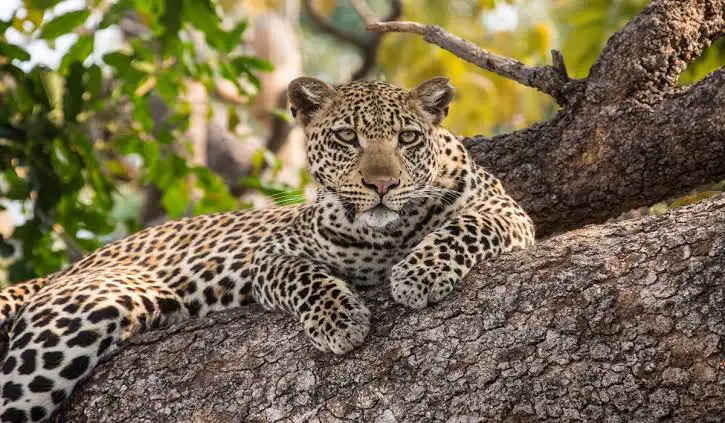
Tanzania Safari for Chinese Travelers With a Chinese Speaking Guide
A Tanzania safari for Chinese travelers is easiest and more enjoyable when it is planned with a Chinese speaking guide, a realistic route, suitable meals, private transport, and enough time inside each national park.
This experience suits couples, families, photographers, honeymooners, senior travelers, and small private groups who want to explore Tanzania without struggling to understand wildlife explanations, daily schedules, park rules, or accommodation arrangements.
The main advantage of a Chinese speaking safari guide is not simply translation. A good guide explains animal behaviour, manages the driving schedule, communicates with lodges, responds to unexpected changes, and helps travelers understand what is happening throughout the journey.
What many travelers misunderstand is that seeing more destinations does not always create a better safari. In our experience at Tanzania Safari Experience, Chinese travelers enjoy the trip more when the itinerary includes fewer parks, longer stays, a private vehicle, and a guide who understands both Tanzania and the expectations of Chinese guests.
RELATED ARTICLE: Which is the best Safari Operator in Tanzania?
Quick Safari Overview
A private Tanzania safari with a Chinese speaking guide normally combines Tarangire, Serengeti, and Ngorongoro Crater. Seven to ten days works best for most travelers because it provides enough wildlife time without creating an exhausting schedule filled with long transfers and constant hotel changes.
| Safari detail | Recommendation |
|---|---|
| Best for | Couples, families, photographers and private groups |
| Recommended stay | 7 to 10 days |
| Best season | June to October and January to March |
| Best wildlife experience | Serengeti and Ngorongoro Crater |
| Travel style | Private safari |
| Difficulty level | Easy to moderate |
| Photography | Excellent with a private vehicle |
| Accommodation style | Comfortable lodges or tented camps |
| Main highlight | Wildlife viewing with explanations in Chinese |
| Value for money | Best when staying longer in fewer parks |
Why Choose a Chinese Speaking Guide in Tanzania?
A Chinese speaking guide makes the safari easier because important information is explained clearly throughout the journey. Guests can ask detailed questions, understand wildlife behaviour, discuss food preferences, receive safety instructions, and follow changes to the daily plan without depending on basic English or translation applications.
Safari guiding requires more than naming animals. Your guide must read tracks, understand animal movement, communicate with other guides, choose productive game drive areas, manage park entry times, and decide when it is worth waiting for a sighting.
A Chinese speaking guide also helps explain cultural differences. Hotel meal times, tipping customs, road conditions, park regulations, and safari routines may be unfamiliar to first time visitors.
In our experience at Tanzania Safari Experience, travelers feel more relaxed when they can speak freely with their guide. This is especially important for families traveling with children, senior guests, and travelers visiting Africa for the first time.
Expert Recommendation from Tanzania Safari Experience
Reserve your Chinese speaking guide as early as possible. The number of experienced guides who speak Chinese is limited, especially during the busiest safari months.
Do not choose a guide based only on language ability. The guide must also have strong wildlife knowledge, safe driving skills, park experience, and the ability to manage a complete safari.
What Does a Chinese Speaking Safari Guide Do?
A Chinese speaking safari guide drives the safari vehicle, interprets wildlife behaviour, manages the route, communicates with lodges, explains local customs, and supports guests throughout the journey. The guide remains one of the most important factors affecting the overall quality of a private Tanzania safari.
Each morning, the guide discusses the plan with the guests. This may include departure time, expected driving conditions, wildlife priorities, meal arrangements, rest stops, and the approximate time of arrival at the next lodge.
Inside the parks, the guide decides where to search for wildlife. This decision is based on animal movements, weather, recent sightings, road conditions, and information shared between professional guides.
The guide also helps photographers position the vehicle. A small movement can make the difference between an animal facing the camera and a photograph blocked by another vehicle or strong sunlight.
At the lodge, the guide confirms the next departure time and assists when guests need help communicating with staff. However, travelers should understand that the guide may stay in separate staff accommodation.
Which Tanzania Safari Route Is Best for Chinese Travelers?
The best first safari route for most Chinese travelers combines Tarangire National Park, Serengeti National Park, and Ngorongoro Crater. This route offers elephants, big cats, open plains, varied landscapes, and a realistic chance of seeing many different species without forcing too many destinations into a short trip.
Tarangire is known for elephants, baobab trees, and seasonal wildlife around the Tarangire River. It is usually quieter than the most popular parts of Serengeti and provides a good introduction to game drives.
Serengeti requires more time. We normally recommend at least two nights, but three nights provide a better experience. The park is large, and wildlife may be far from the lodge or camp.
Ngorongoro Crater offers concentrated wildlife viewing inside a relatively compact area. It is one of the best places to look for lions, elephants, buffaloes, hippos, and black rhinos, although no animal sighting can be guaranteed.
| Destination | Main reason to visit | Recommended stay | Important consideration |
| Tarangire | Elephants, baobabs and quieter game drives | 1 to 2 nights | Wildlife concentration changes with the season |
| Serengeti | Big cats, open plains and migration activity | 3 to 4 nights | Driving distances inside the park can be long |
| Ngorongoro Crater | High wildlife concentration | 1 night | Early entry helps reduce crowd pressure |
| Lake Manyara | Forest, lake scenery and birdlife | 1 night | Not always essential on a short safari |
| Arusha National Park | Walking safari and gentle first day | 1 day | Better for scenery than major predator sightings |
Common Mistake
One mistake we frequently see is trying to visit Tarangire, Lake Manyara, Ngorongoro, Serengeti, Lake Eyasi, and Zanzibar within seven days.
The itinerary may look impressive, but much of the holiday is then spent packing, checking out, driving, and checking into another hotel.
Better Alternative
For a seven day trip, choose three main safari areas and spend more time on game drives. A good quality safari does not require a long list of destinations.
Recommended Seven Day Tanzania Safari
A seven day Tanzania safari is a strong choice for Chinese travelers who want Tarangire, Serengeti, and Ngorongoro without rushing. The route provides enough time for major wildlife areas while keeping transfers manageable and allowing the guide to adjust game drives around current conditions.
Day 1: Arrive in Arusha
Your guide or airport representative meets you on arrival and transfers you to your hotel in Arusha. The drive time depends on the airport and traffic conditions.
This first night is important for rest. International travel can be tiring, and starting a long game drive immediately after landing is rarely a good decision.
Your safari briefing can be completed at the hotel. This is the right time to confirm meal preferences, luggage arrangements, departure time, and any special requirements.
Day 2: Arusha to Tarangire National Park
After breakfast, you travel to Tarangire National Park for your first full game drive. The drive from Arusha usually takes several hours depending on traffic and the entry gate.
Tarangire is a good first park because wildlife can often be seen soon after entering. Elephants are common, but the exact sightings depend on rainfall and seasonal movement.
The park has rough roads in some areas. Dust is normal during dry months, so camera equipment should be protected when the vehicle is moving.
You stay at a lodge or tented camp near the park or inside the wider Tarangire area.
Day 3: Tarangire to Serengeti National Park
Today includes a long and scenic transfer toward Serengeti. The journey normally passes through the Ngorongoro Conservation Area before descending toward the Serengeti plains.
This should not be treated as wasted driving time. Wildlife may be seen along the route, and the scenery changes significantly during the journey.
Travelers often underestimate how large this region is. Reaching Serengeti takes time, especially when stopping for photographs, lunch, park formalities, or wildlife sightings.
You arrive at your Serengeti camp or lodge in the late afternoon.
Day 4: Full Day in Serengeti
A full day in Serengeti gives your guide time to search beyond the main roads near the lodge. The morning usually offers cooler temperatures, softer light, and good predator activity.
You may return to the lodge for lunch or carry a picnic lunch. The better choice depends on where wildlife is located and how far the lodge is from the game drive area.
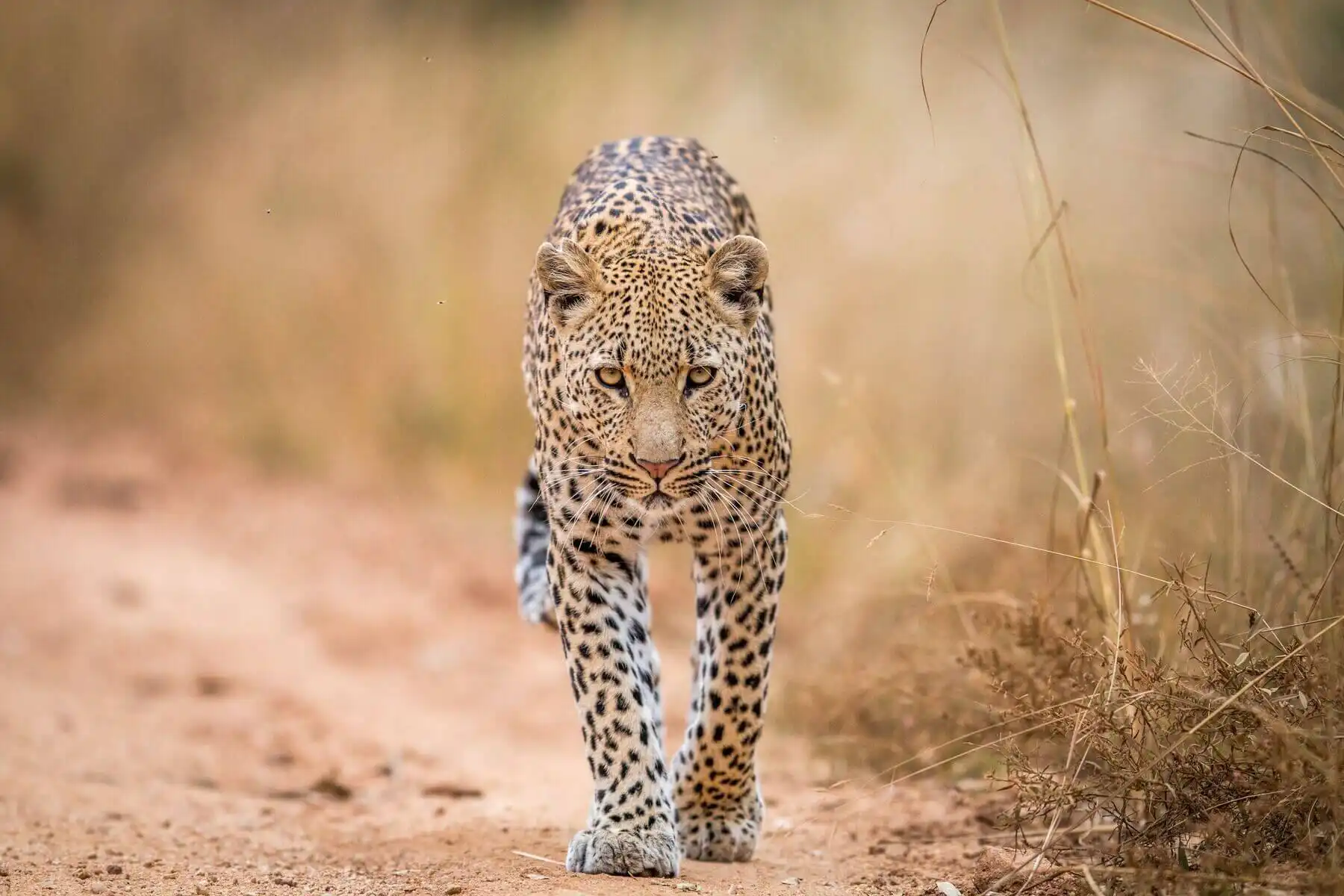
Lions, cheetahs, leopards, elephants, giraffes, buffaloes, and many antelope species live in Serengeti. However, wildlife is constantly moving, and patience is part of the experience.
For photographers, a private vehicle allows more control over positioning and how long you stay at each sighting.
Day 5: Second Full Day in Serengeti
A second full day creates flexibility. Your guide can explore a different area or return to a productive location from the previous day.
This is often the day when guests begin to understand why Serengeti should not be rushed. One day may produce many big cat sightings, while another may focus on elephants, birdlife, plains, or animal interaction.
Morning departures are recommended, but an extremely early start is not necessary every day. Safari fatigue is real, particularly after several long days on rough roads.
Discuss your priorities with the guide. A private safari should adapt to the guests rather than following a rigid schedule.
Day 6: Serengeti to Ngorongoro
You complete a final Serengeti game drive before traveling toward Ngorongoro. Depending on the route and accommodation location, this can be another long travel day.
The landscape changes as the vehicle climbs toward the crater highlands. Temperatures may become noticeably cooler than in Serengeti.
Your lodge may be located on the crater rim, in the conservation area, or near Karatu. Each location has different advantages.
Staying closer to the crater can allow earlier access, while Karatu accommodation often provides better value.
Day 7: Ngorongoro Crater and Return to Arusha
An early departure is recommended for the Ngorongoro Crater. Wildlife is often active in the cooler morning hours, and arriving early can help you enter before the busiest period.
The crater floor contains grassland, woodland, lakes, and marsh areas. Wildlife density is high, but sightings still depend on movement and visibility.
After the game drive, you travel back to Arusha or continue to the airport. A late international flight may be possible, but the final timing must include road conditions, traffic, and airport check in requirements.
When Is the Best Time for Chinese Travelers to Visit Tanzania?
The best safari period depends on the wildlife experience you want, your tolerance for rain, and your budget. June to October is popular for dry conditions, while January to March is excellent for the southern Serengeti calving season. Green season months can offer quieter parks and attractive landscapes.
| Period | Conditions | Wildlife experience | Crowd level | Best for |
| January to March | Warm with possible rain | Calving season in the southern Serengeti | Moderate to high in migration areas | Young animals and predator activity |
| April to May | Heavier rain possible | Green landscapes and active wildlife | Lower | Flexible travelers and quieter parks |
| June to October | Dry and cooler | Strong general wildlife viewing | High in popular areas | First safari and reliable road access |
| November to December | Short rains possible | Green scenery and changing migration movement | Moderate | Photography and lower crowd pressure |
No season guarantees a river crossing or a particular animal sighting. Migration movement is influenced by rainfall and grazing conditions, not a fixed daily timetable.
Travelers planning around Chinese New Year should reserve early. Accommodation and Chinese speaking guide availability may become limited during popular travel periods.
Expert Recommendation from Tanzania Safari Experience
Choose the season based on the experience you value most.
For comfortable road conditions and general wildlife viewing, consider June to October.
For calving activity and young animals, consider January to March.
For lower visitor numbers, consider selected green season dates while accepting the possibility of rain.
Morning, Midday and Evening Game Drives
Morning game drives usually offer cooler temperatures, active predators, softer photography light, and fewer vehicles at the start of the day. Midday can be quieter because many animals rest, while late afternoon often brings improved light and renewed activity before the national park closing time.
| Time | Wildlife activity | Temperature | Photography | Crowd level |
| Early morning | Often high | Cool | Soft light | Lower at first |
| Midday | Often slower | Warmer | Harsh light | Lower in distant areas |
| Late afternoon | Increasing | Comfortable | Warm light | Moderate |
| Sunset period | Good atmosphere | Cooling | Limited time before exit | Depends on location |
Early mornings are productive, but starting before sunrise every day can become exhausting. Families and senior travelers may prefer to alternate early starts with more relaxed mornings.
Midday should not automatically be ignored. Elephants, giraffes, hippos, birds, and resting predators may still be visible. Some guests also enjoy staying inside the park while many vehicles return to lodges.
Your guide should decide based on wildlife movement, driving distance, weather, and the location of your accommodation.
Private Safari or Group Safari?
A private safari is usually the better option for Chinese travelers who require a Chinese speaking guide, flexible meal planning, photography time, family privacy, or control over the daily schedule. Group safaris cost less, but language, departure times, route changes, and vehicle space are shared with other travelers.
| Feature | Private safari | Group safari |
| Chinese speaking guide | Can be arranged in advance | Rarely guaranteed |
| Departure time | Flexible | Fixed |
| Photography stops | Based on your preference | Shared decision |
| Vehicle space | Reserved for your party | Shared |
| Route changes | More flexible | Limited |
| Cost | Higher | Lower |
| Family comfort | Better | Depends on group |
| Meal preferences | Easier to coordinate | More limited |
A private vehicle is particularly useful for photographers. Guests can remain longer at sightings and position themselves on the best side of the vehicle when possible.
Families also benefit from flexibility. Children may need additional rest stops, shorter game drives, or a later morning departure.
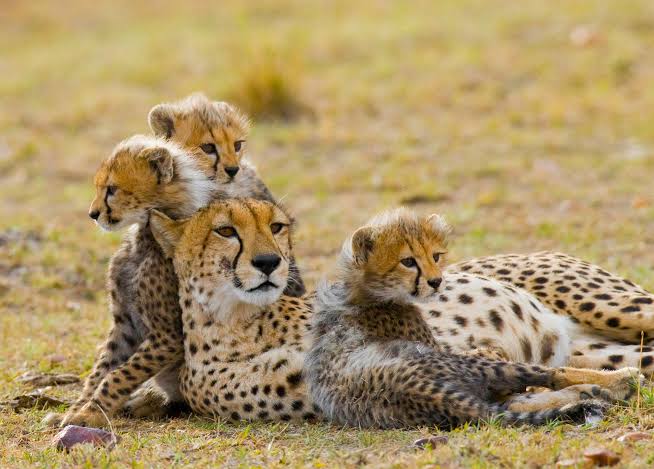 Tanzania Safari6 Nights
7 Day Tanzania Safari for Chinese Travellers
Best Choice
For most Chinese couples, families, and small groups, we recommend a private safari with a dedicated Chinese speaking guide.
The cost is higher than joining a shared vehicle, but communication, flexibility, comfort, and wildlife learning are significantly better.
What Food Is Available on Safari?
Safari lodges usually serve international meals with local influences, including meat, vegetables, rice, pasta, soups, fruit, eggs, bread, and desserts. Chinese food should not be assumed unless it has been arranged in advance, and remote camps may have limited access to specialised ingredients.
Breakfast may include eggs, fruit, bread, cereal, tea, coffee, sausage, and juice. Early departures often use packed breakfast boxes.
Lunch may be served at the lodge or provided as a picnic box. Picnic lunches are practical during long game drives but may be simple.
Dinner usually offers several courses or a buffet. Vegetarian meals can normally be arranged with advance notice.
Travelers who prefer hot water, tea, instant noodles, or particular snacks should discuss this before arrival. Small personal food items can be packed, but international travelers must follow airline and customs restrictions.
Common Mistake
Do not arrive at a remote tented camp expecting a full Chinese restaurant menu.
The better approach is to inform the safari planner about dietary preferences during the booking process so the lodges can prepare suitable alternatives.
What Type of Safari Vehicle Is Used?
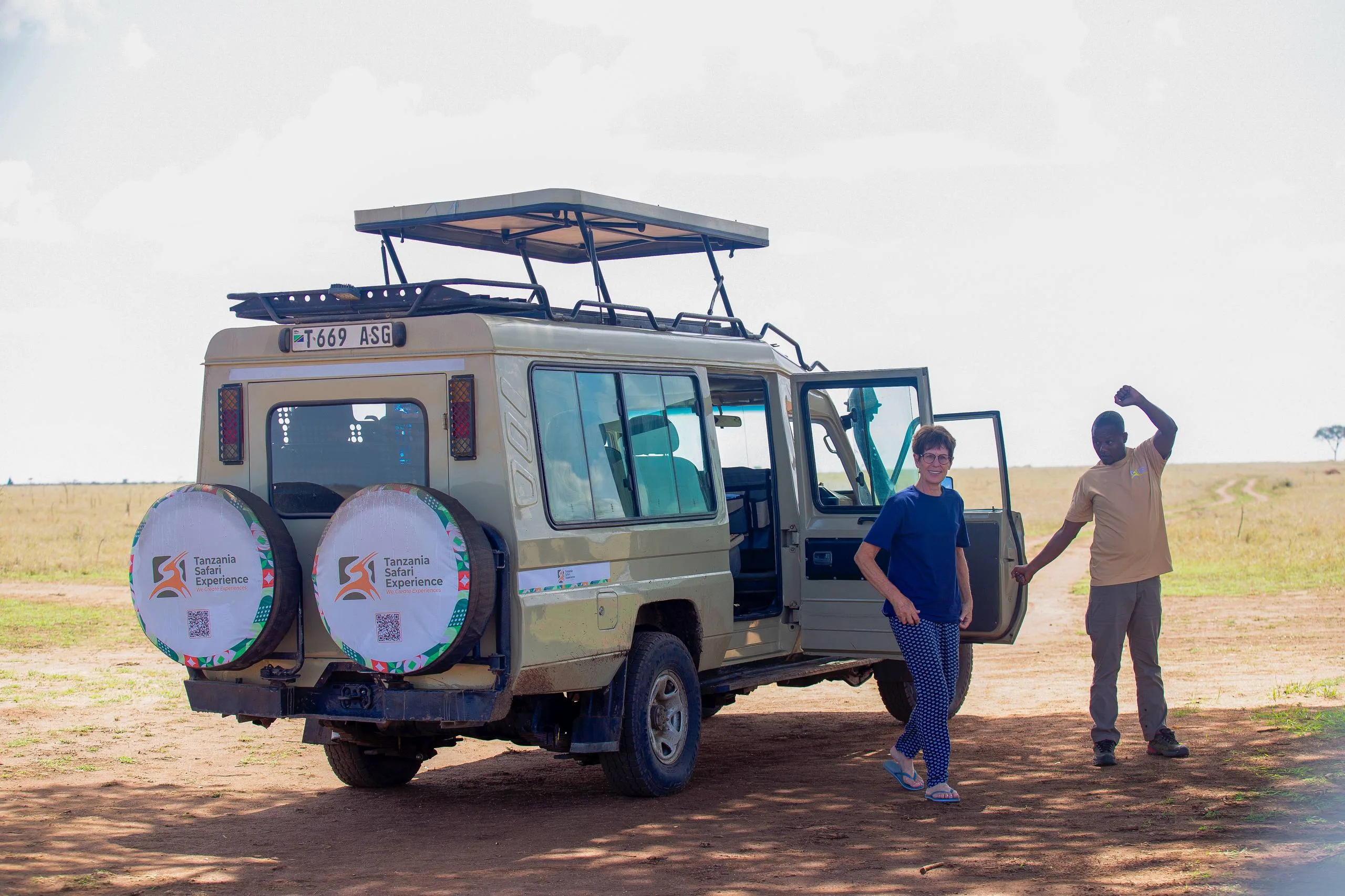
A private Tanzania safari normally uses a four wheel drive Land Cruiser with a lifting roof, individual seats, large windows, and space for photography equipment. Vehicle quality matters, but the guide, maintenance standard, seating arrangement, and available luggage space are equally important.
The lifting roof allows guests to stand safely during wildlife viewing when the vehicle is stopped. Each traveler should have reasonable access to a window.
Roads inside the national parks can be dusty, muddy, rocky, or heavily corrugated. Safari driving is different from normal city driving.
Air conditioning may not be useful during game drives because the roof is open. Dust can enter the vehicle, particularly when another vehicle passes.
Charging points may be available, but guests should bring spare batteries and a power bank. Electricity at remote camps may be restricted during certain hours.
Accommodation Choices for Chinese Travelers
The best accommodation depends on budget, comfort expectations, location, and how much time you want to spend driving each day. Lodges provide more solid facilities, while tented camps create a closer connection to the safari environment. Location often matters more than luxury level.
| Accommodation type | Main advantage | Main limitation | Best for |
| Safari lodge | Solid rooms and familiar facilities | May feel less connected to nature | Families and first time visitors |
| Tented camp | Close to wildlife areas | Night sounds and canvas walls | Couples and adventurous guests |
| Luxury camp | High service and strong locations | Higher cost | Honeymoons and premium safaris |
| Hotel outside the park | Better value | More daily driving | Budget conscious travelers |
A tented camp is not the same as basic camping. Many camps include private bathrooms, comfortable beds, hot showers, electricity, and full meal service.
Travelers should still expect animal sounds at night. Staff normally escort guests after dark because camps may not have fences.
In Serengeti, staying inside or close to the main wildlife area can reduce unnecessary driving. Choosing a cheaper lodge far away may save money but cost valuable game drive time.
Our Recommended Tanzania Safari Accommodations
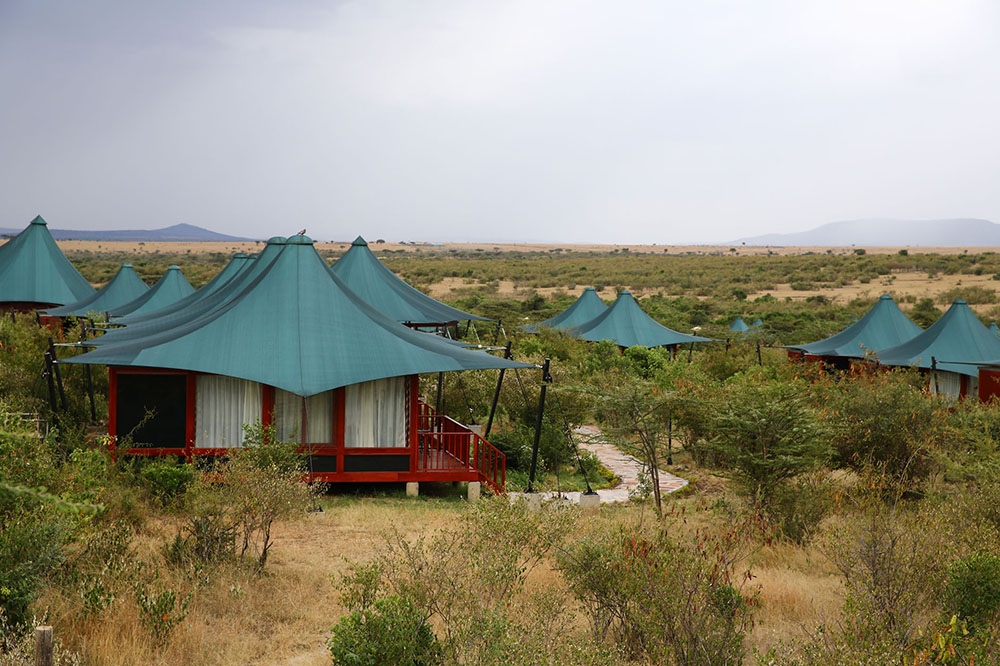 Budget
AA Lodge Mara
AA Lodge Mara is an affordable safari lodge located in the Masai Mara Game Reserve in Kenya, offering a practical base for
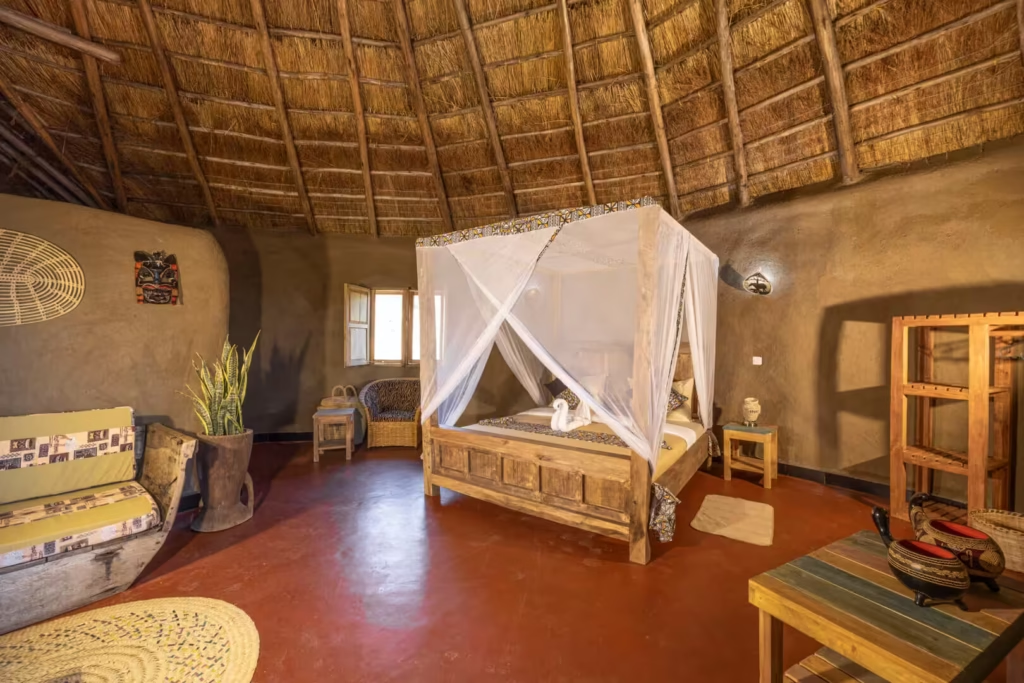 Budget
Africa Safari Maasai Boma
Africa Safari Maasai Boma is a special place in a special location; with the Kenyan Masai Mara to the north, Lake Natron
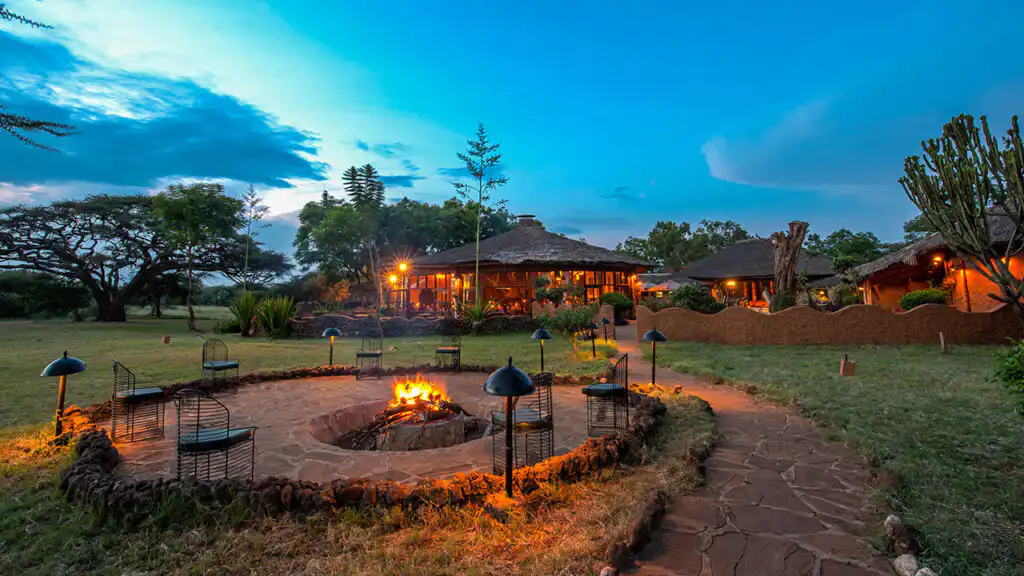 Luxury
Amboseli Sopa Lodge
Amboseli Sopa Lodge is a comfortable safari lodge set on approximately 200 acres of private land near Amboseli National Park, at the
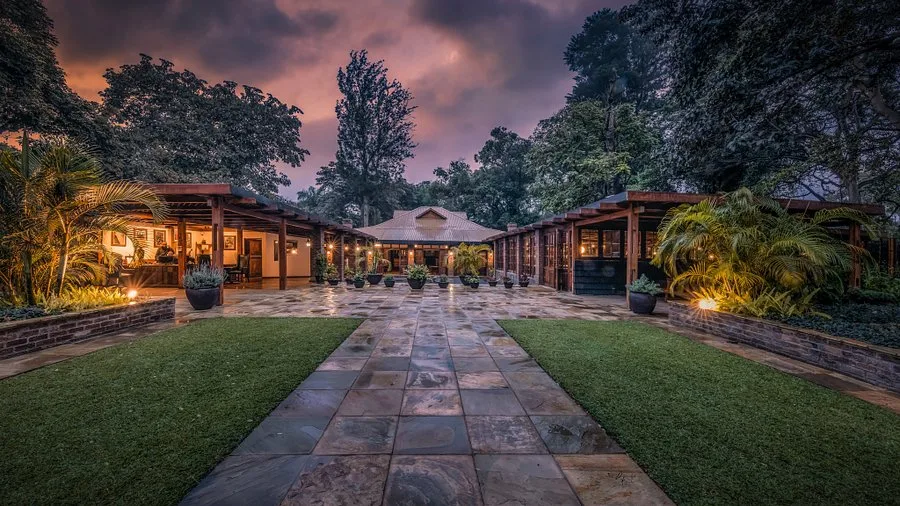 Luxury
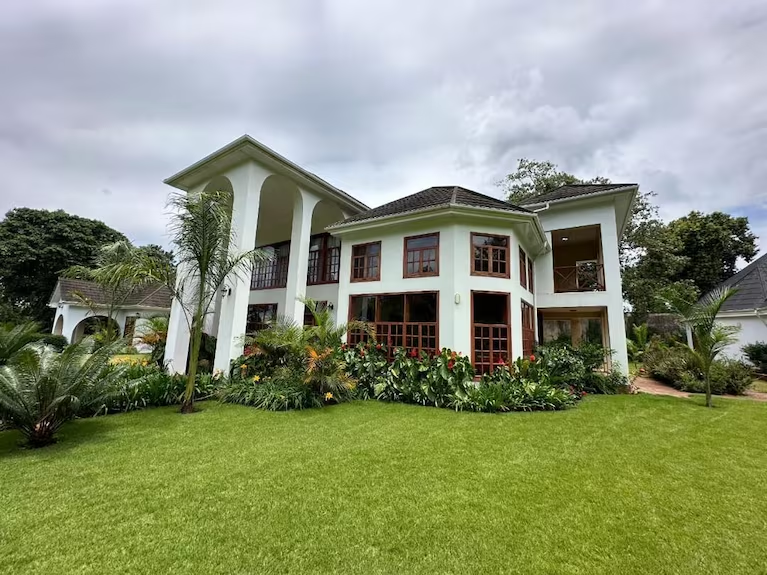
Arusha Coffee Lodge
Arusha Coffee Lodge by Elewana is one of the most charming luxury lodges in Arusha, set within a working coffee estate just
 Mid Range
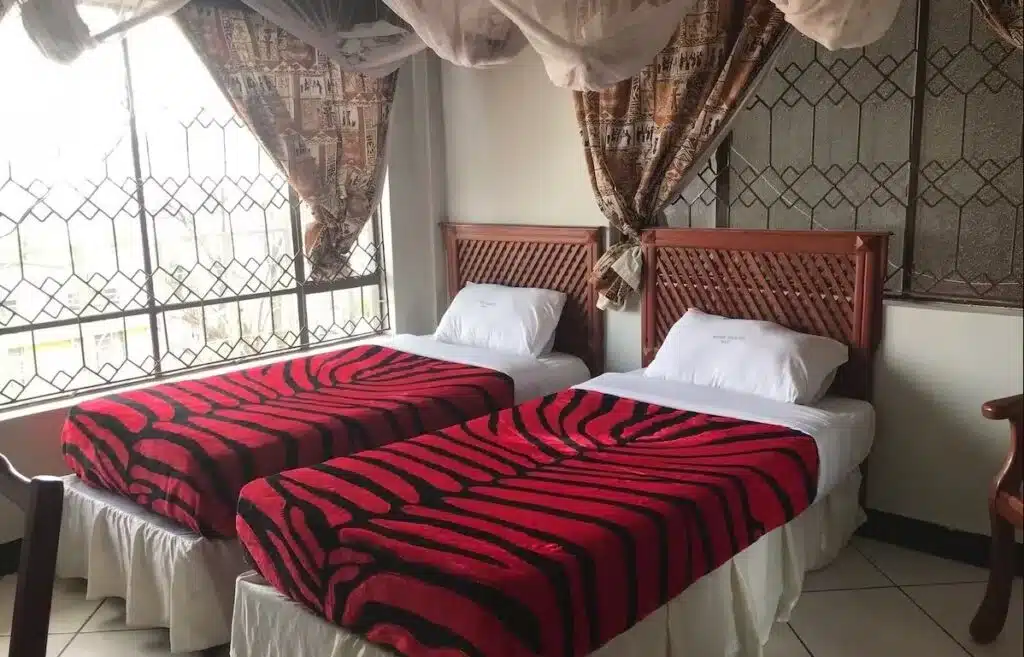
Arusha Farm House
Arusha Farm House is a charming countryside retreat located in Tengeru along the Arusha–Moshi Road. Surrounded by lush greenery and beautiful views
 Budget
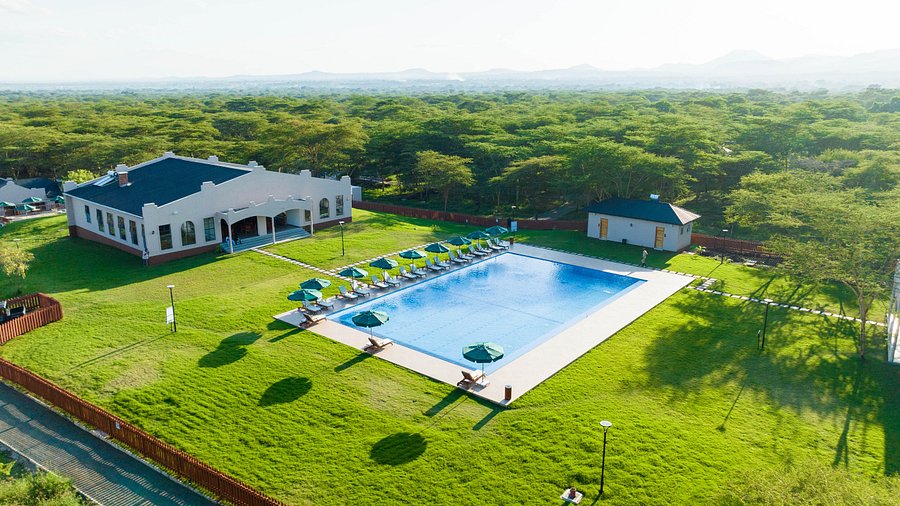
Arusha Tourist Inn Hotel
Arusha Tourist Inn Hotel is a comfortable budget accommodation located in the heart of Arusha City. It is an excellent choice for
 Luxury
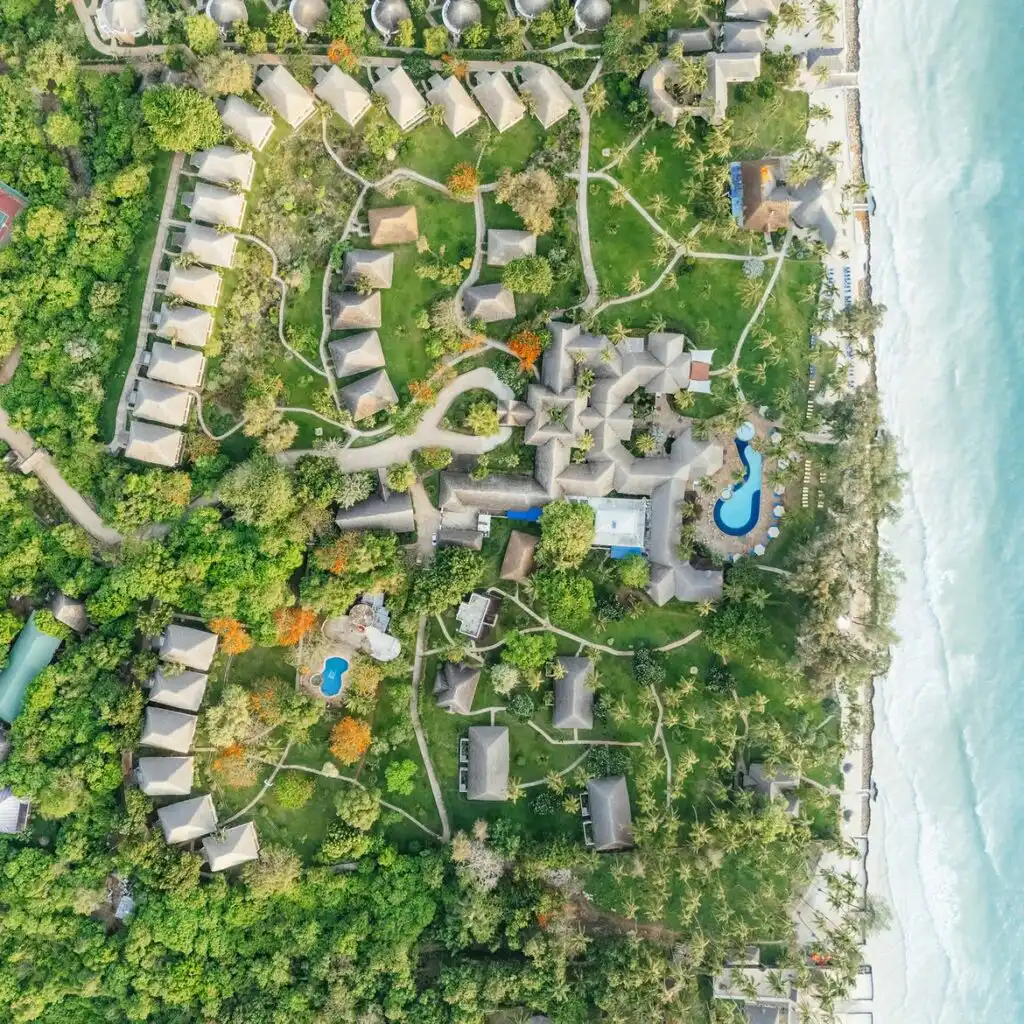
Aya Sophia Wildlife Villas — Arusha
Aya Sophia Wildlife Villa is one of the best luxury accommodations near Arusha for guests who want comfort, privacy, and close access
 Mid Range
Bluebay Beach Resort & Spa
Bluebay Beach Resort & Spa is a beachfront resort located on the eastern coast of Zanzibar’s Unguja Island. The resort offers a
 Standard Comfort
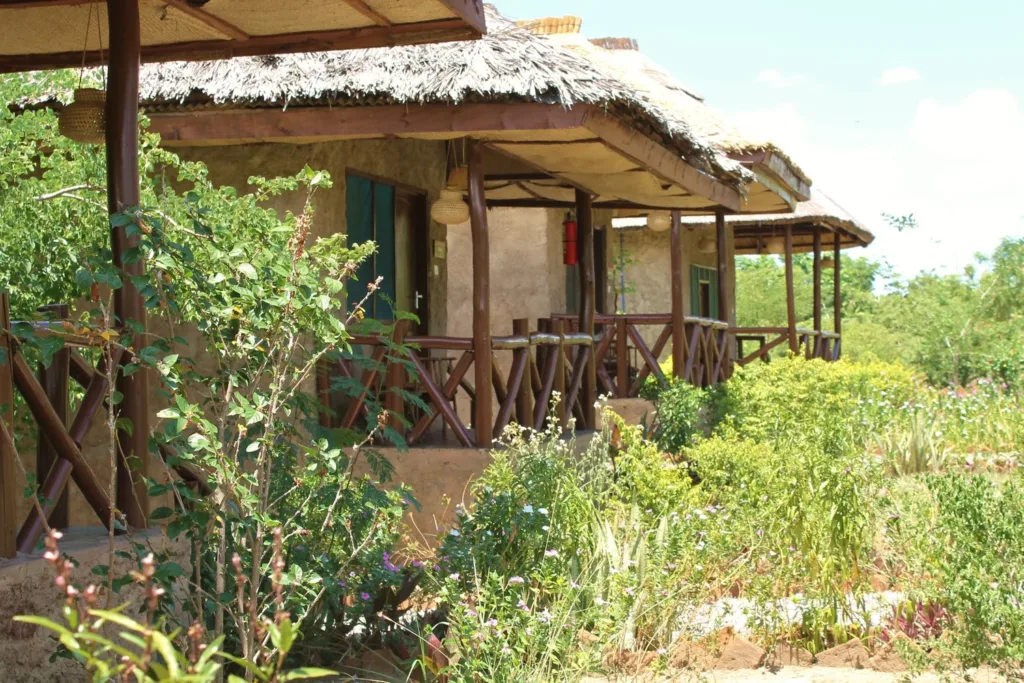
Camp Bastian Mikumi
Camp Bastian Mikumi is a welcoming family-owned safari camp located just outside Mikumi National Park. Surrounded by nature, it offers a peaceful
 Mid Range
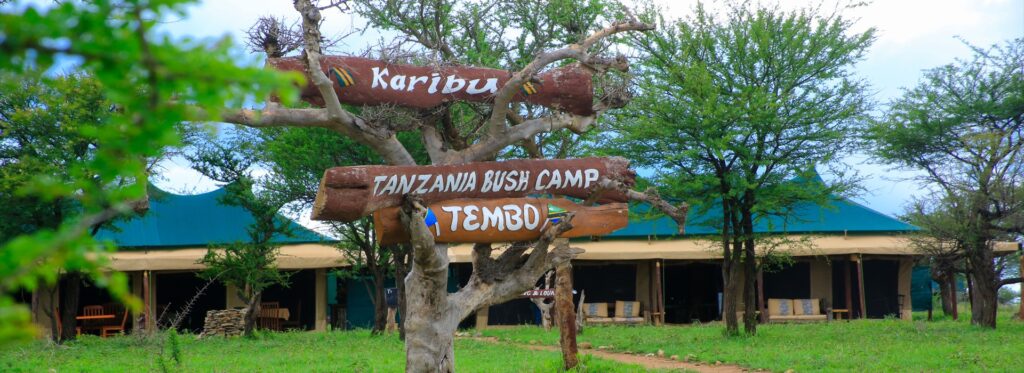
Central Serengeti – Tanzania Bush Camps
Tanzania Bush Camps Central Serengeti is an intimate tented camp located in the heart of Serengeti National Park, around 15 km north
 Ultra Luxury
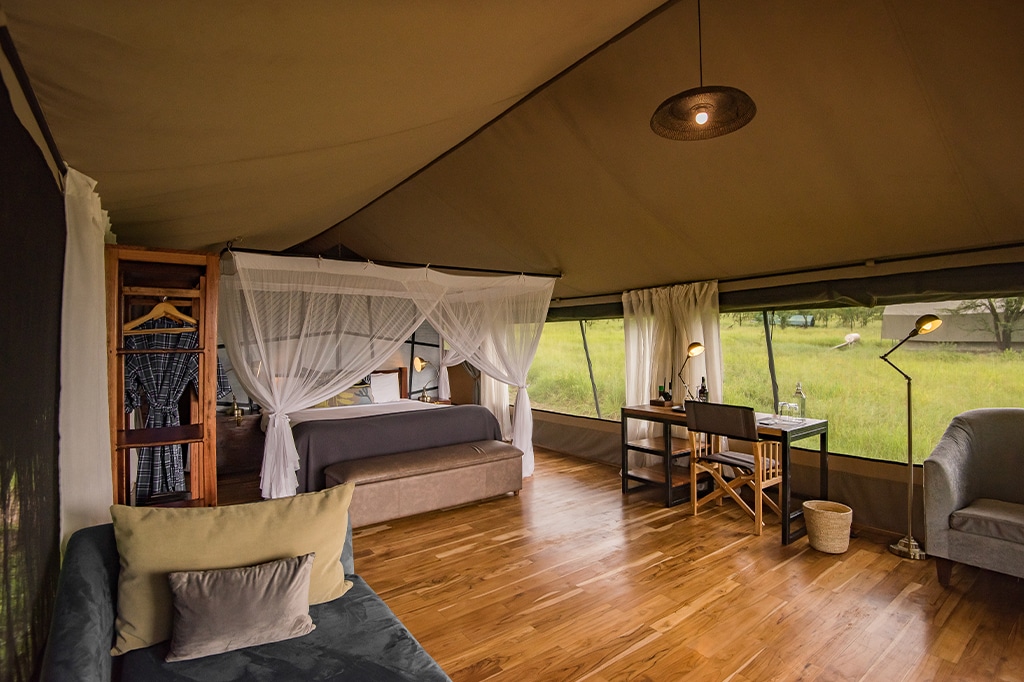
Dunia Camp
Dunia Camp is a luxury tented safari camp located in the central Serengeti, between the Seronera Valley and the southern plains near
 Budget
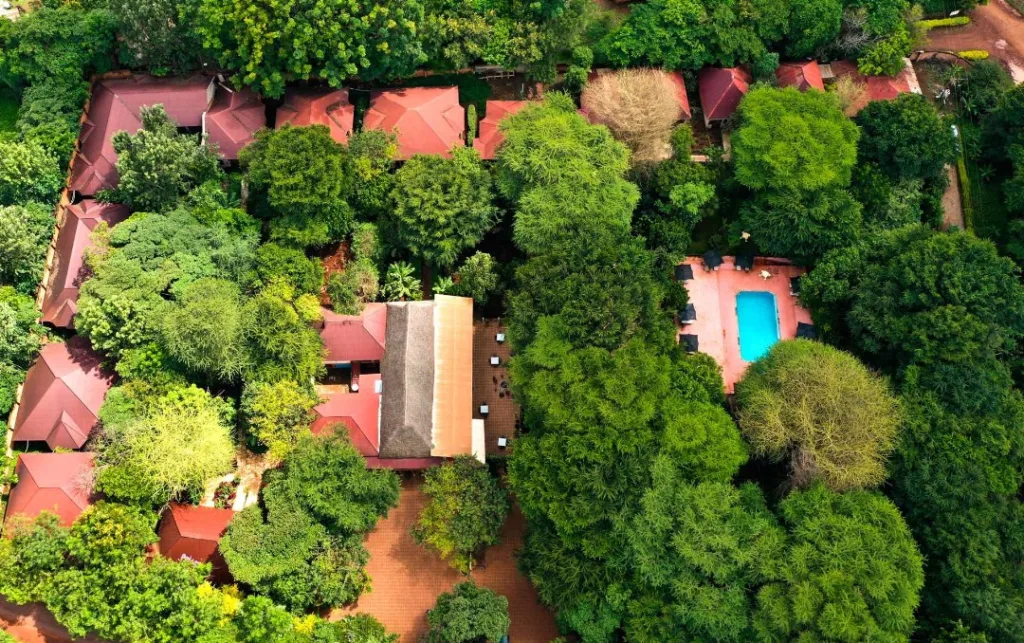
Eileen’s Trees Inn
Eileen’s Trees Inn is a peaceful and friendly accommodation located in Karatu, a convenient town between Lake Manyara and Ngorongoro Crater. It
 Mid Range
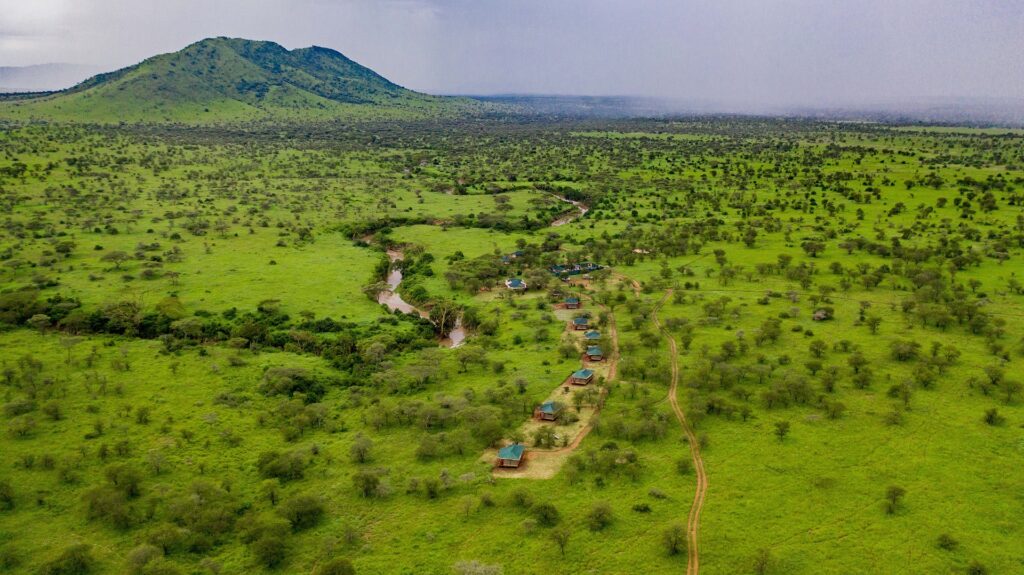
Embalakai Authentic Camp
Embalakai Authentic Camp is a comfortable tented safari camp located in the Banagi area of Central Serengeti. It offers an authentic wilderness
 Mid Range
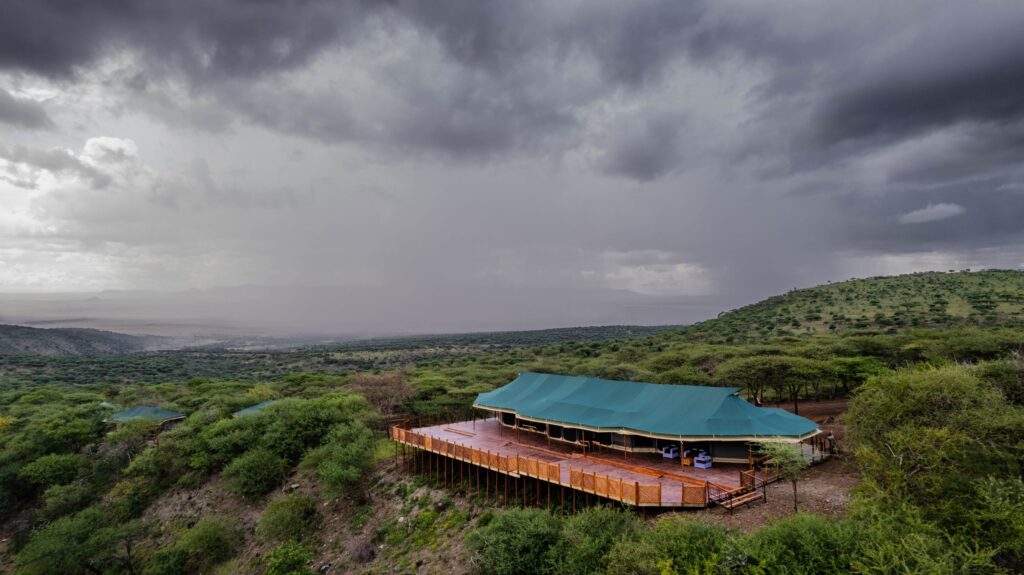
Embalakai Ngorongoro Camp
Embalakai Ngorongoro Camp is a comfortable tented camp located inside the Ngorongoro Conservation Area, close to the Elerai River and traditional Maasai
 Luxury
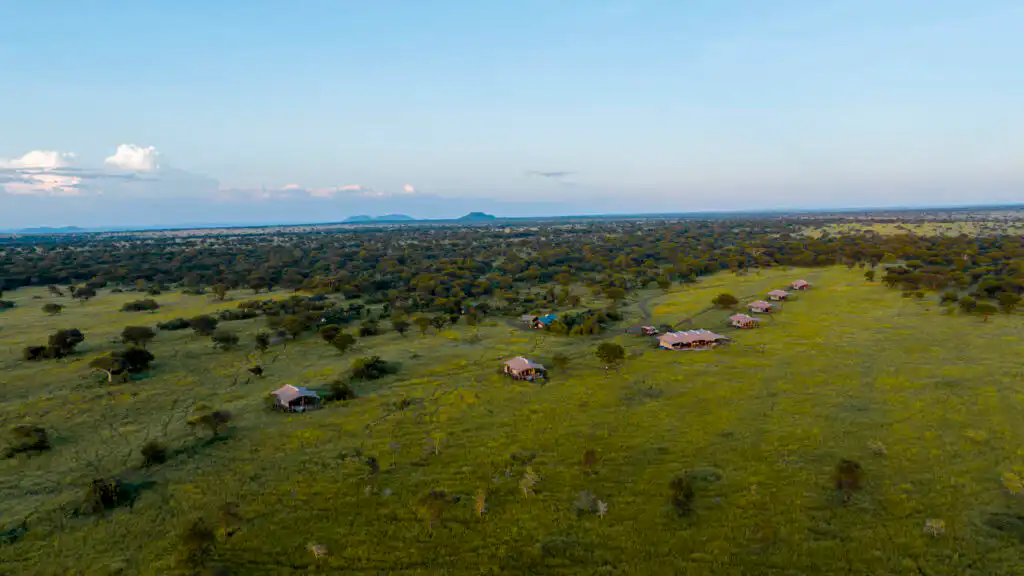
Escarpment Luxury Camp Serengeti
Escarpment Luxury Camp Serengeti offers a comfortable luxury safari stay inside Serengeti National Park. The camp combines spacious tented accommodation, modern facilities,
 Budget
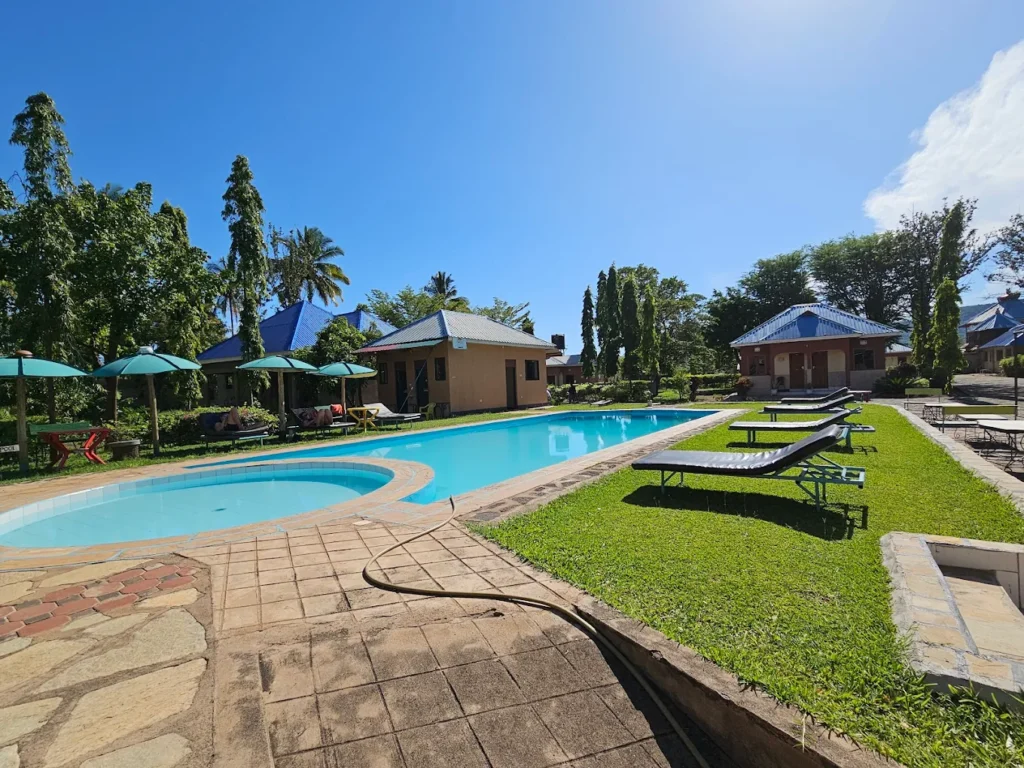
Fanaka Campsite & Lodge
Fanaka Campsite & Lodge is a welcoming accommodation located in the vibrant town of Mto wa Mbu, near the entrance to Lake
 Mid Range
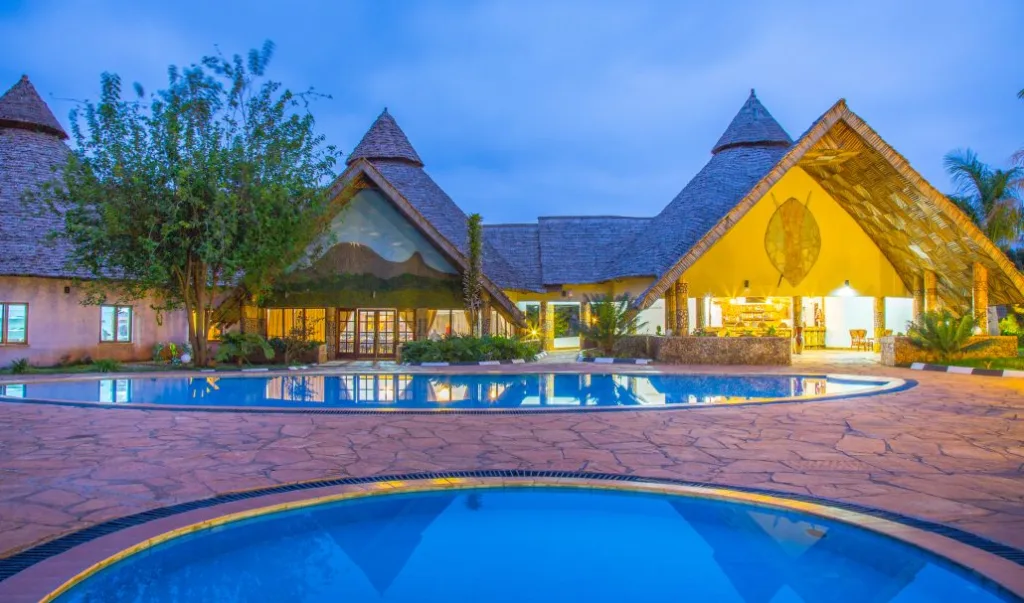
Farm Of Dreams Lodge
Farm of Dreams Lodge is a strong mid-range accommodation located in Karatu, on the slopes of the Ngorongoro Highlands, making it one
 Ultra Luxury
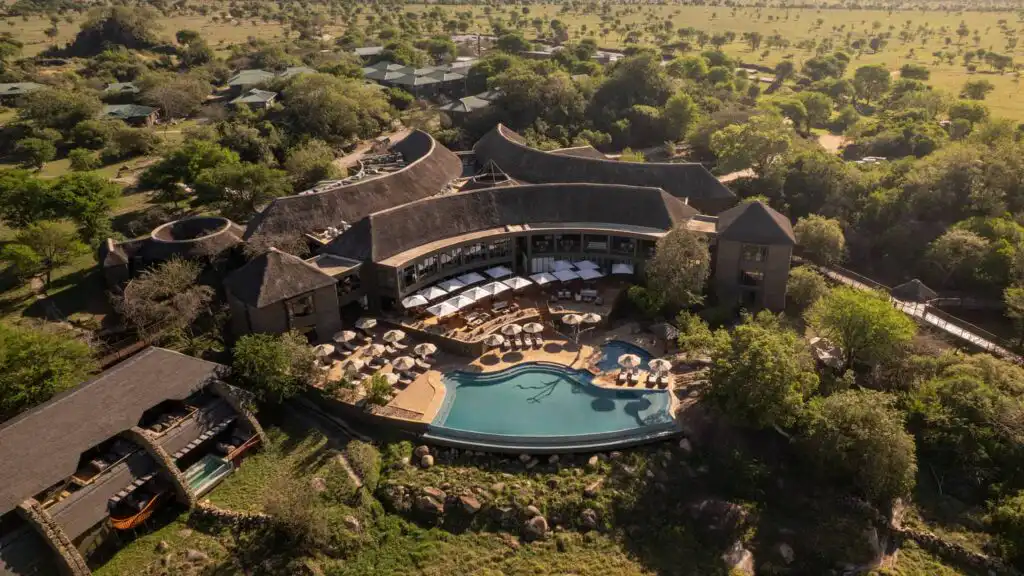
Four Seasons Safari Lodge Serengeti
Four Seasons Safari Lodge Serengeti is a five star luxury lodge located in the central Serengeti, just north of the Seronera River
 Mid Range
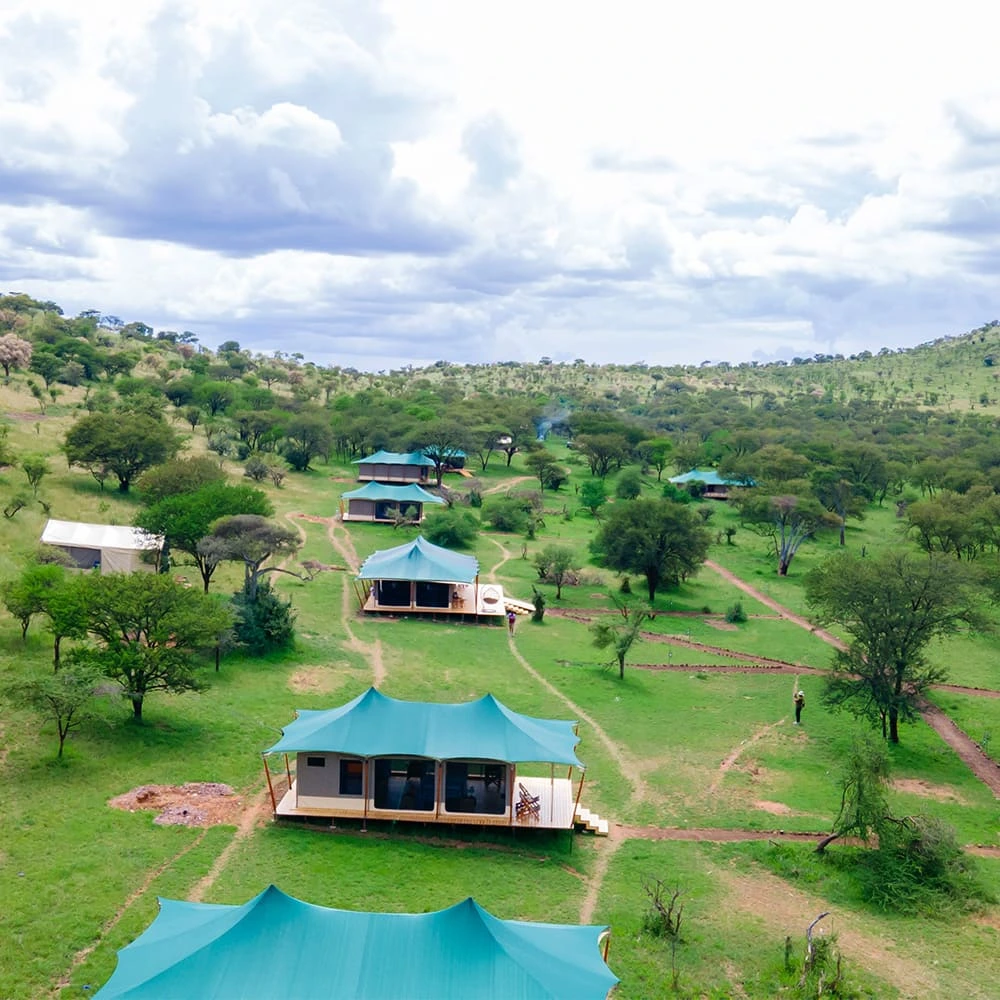
Friends Serengeti Tented Camp
Friends Serengeti Tented Camp is a comfortable safari camp set in the heart of the Serengeti, giving you a real bush experience
 Luxury
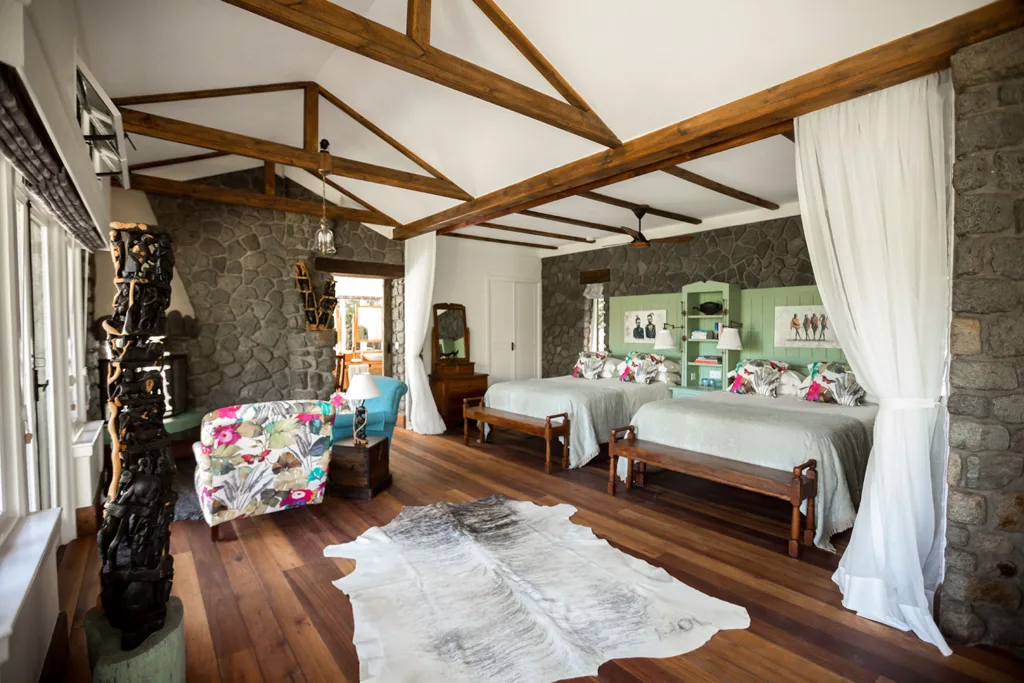
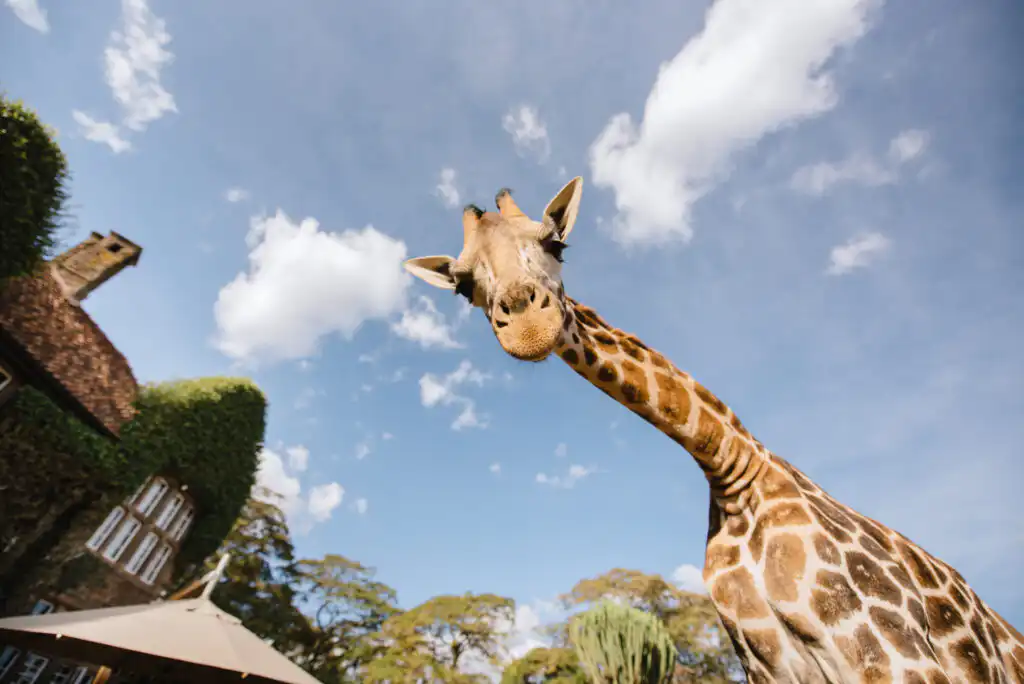
Gibbs Farm | Luxury lodge in Karatu | Coffee estate
Gibb’s Farm is one of Tanzania’s most iconic luxury lodges, located on the lush slopes of Karatu between Lake Manyara and the
 Ultra Luxury
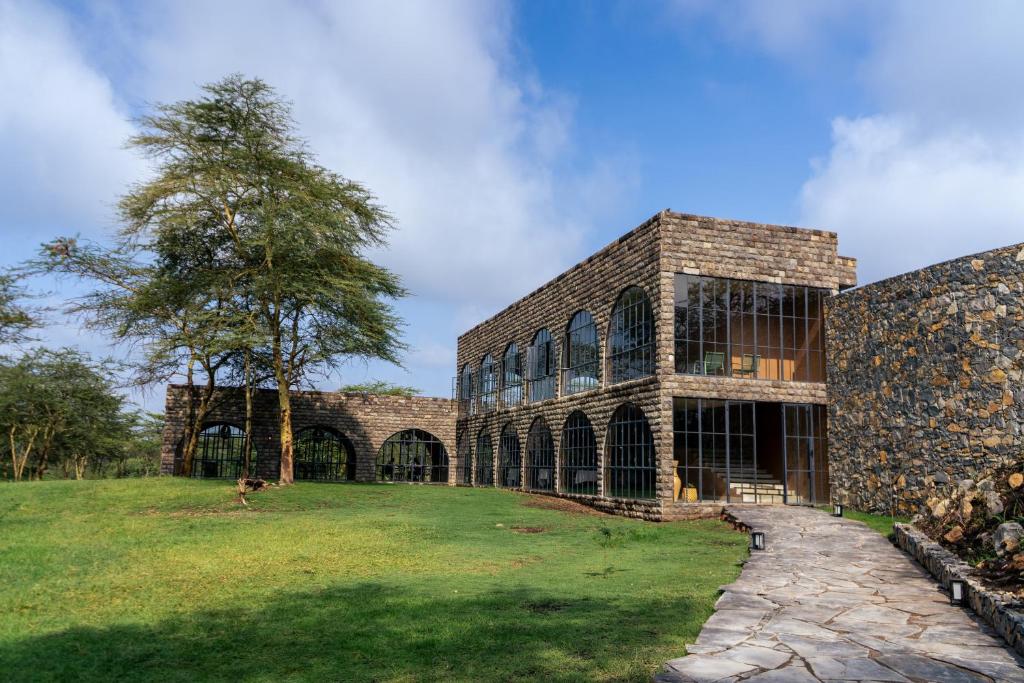
Giraffe Manor Hotel in Nairobi
Giraffe Manor is one of Nairobi’s most distinctive luxury hotels, best known for the Rothschild’s giraffes that roam the property and regularly
 Luxury
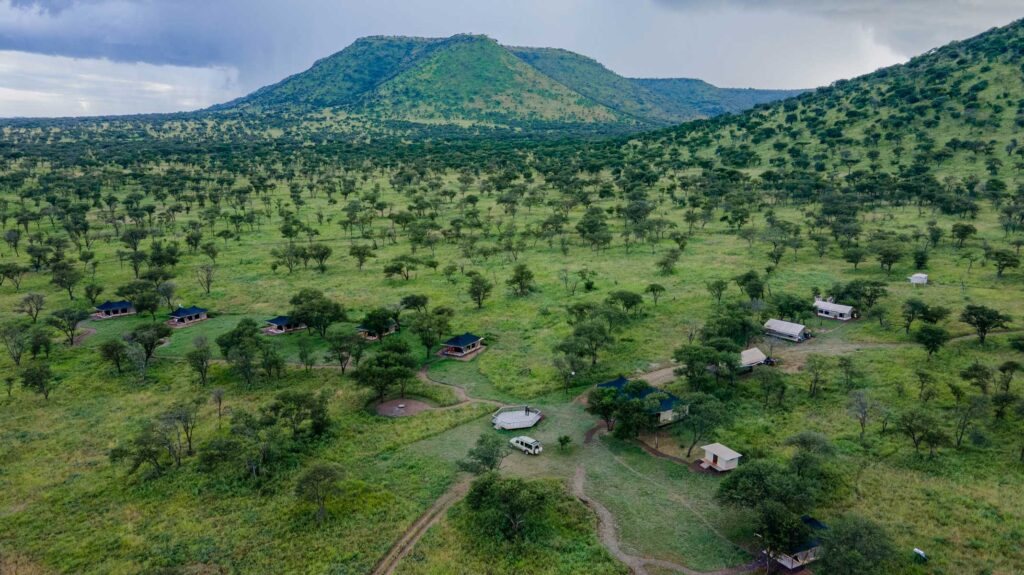
Giraffe Manor Tanzania
Giraffe Manor Tanzania is a one-of-a-kind lodge set on the serene Dolly Estate just outside Arusha, where mornings often come with giraffes
 Budget
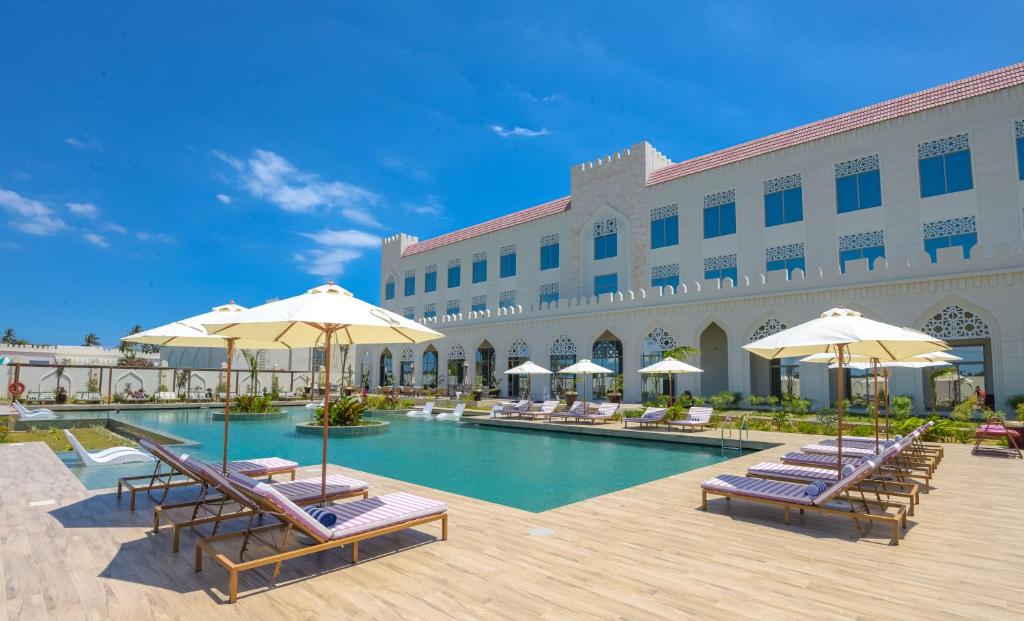
Golden Safari Camps
Golden Safari Camps is located in the heart of Serengeti National Park, offering a raw yet comfortable safari stay surrounded by one
 Mid Range
Golden Tulip Zanzibar Airport Hotel & Spa
Golden Tulip Zanzibar Airport Hotel & Spa is a modern four star hotel located approximately 500 metres from Abeid Amani Karume International
 Luxury
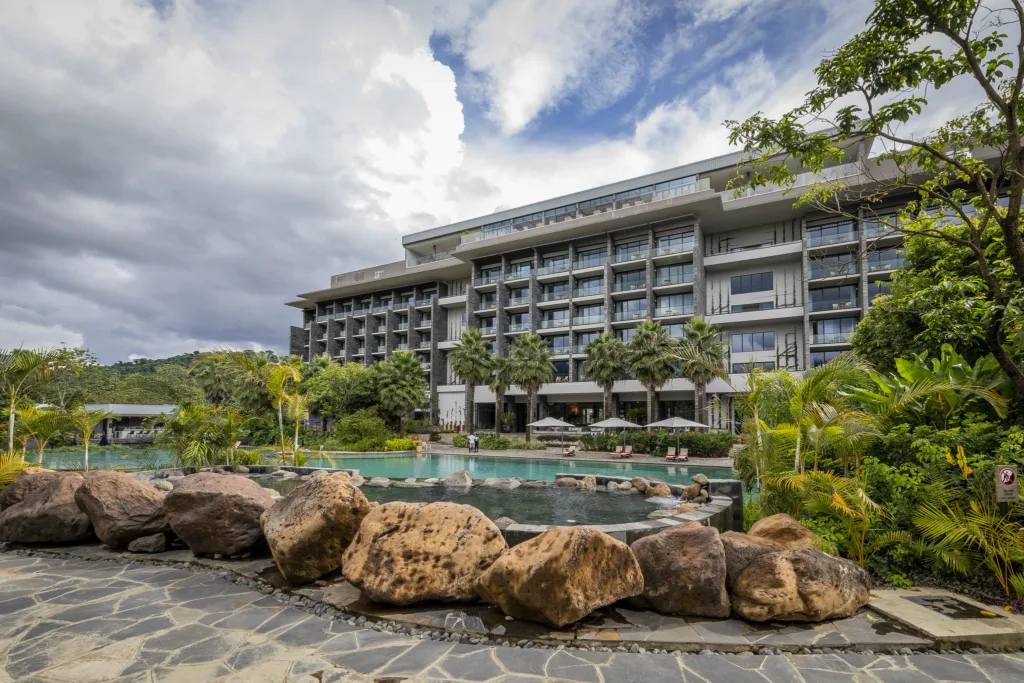
Gran Melia Arusha
Gran Meliá Arusha is a luxury five-star hotel located in the heart of Arusha, offering an exceptional blend of comfort, elegance, and
 Budget
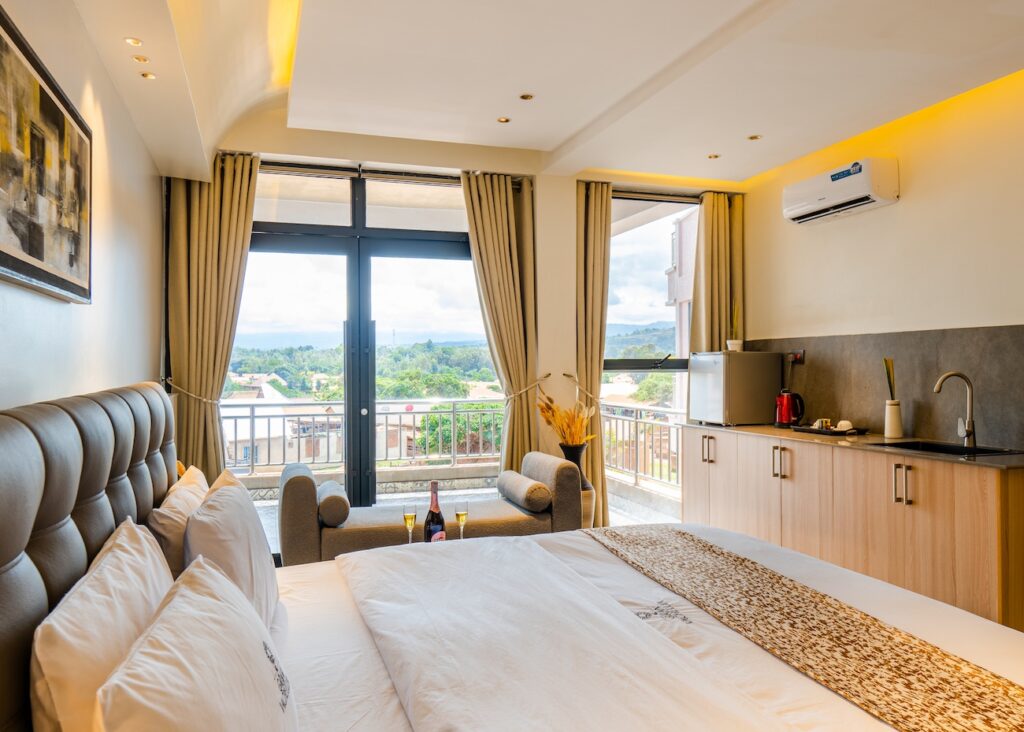
Gran Vachellia, Karatu
The Gran Vachellia is a contemporary luxury boutique hotel located in Karatu, making it a convenient place to stay before or after
 Mid Range
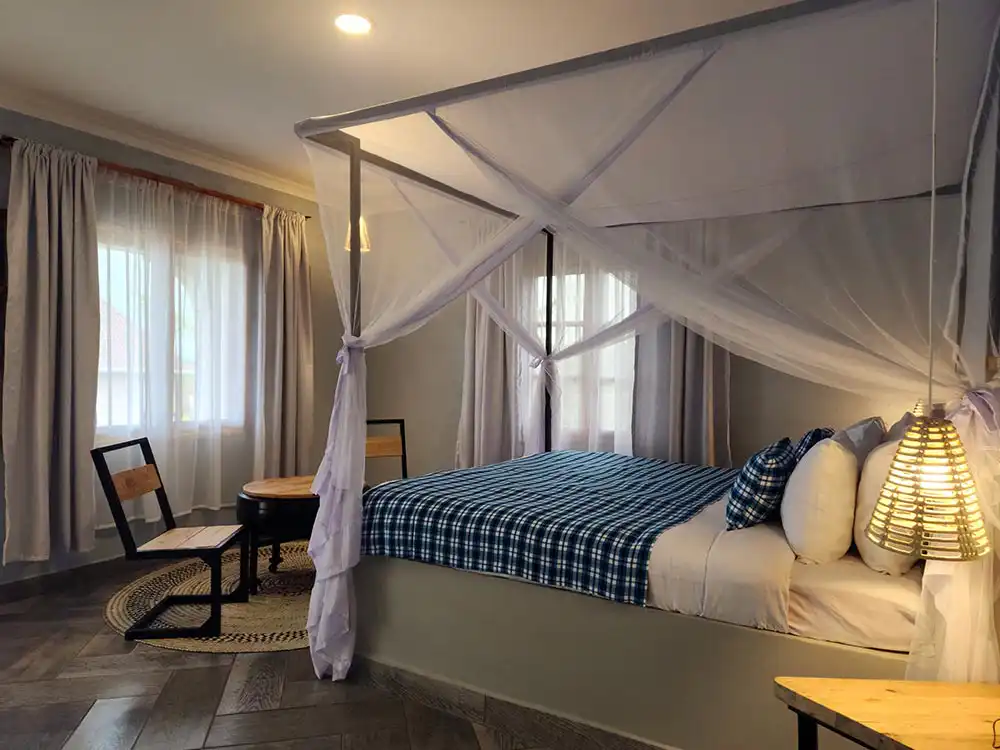
Heart & Soul Lodge Manyara
Heart and Soul Lodge is a peaceful and comfortable lodge located in Northern Tanzania, between the town of Mto wa Mbu and
 Budget
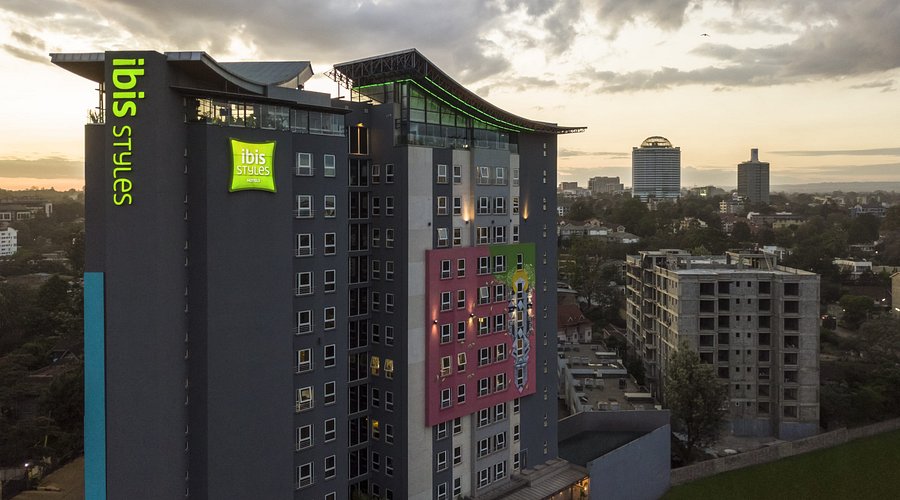
ibis Styles Nairobi Westlands
ibis Styles Nairobi Westlands is a modern 3 star hotel located on Rhapta Road in Nairobi’s Westlands area. It is a practical
 Mid Range
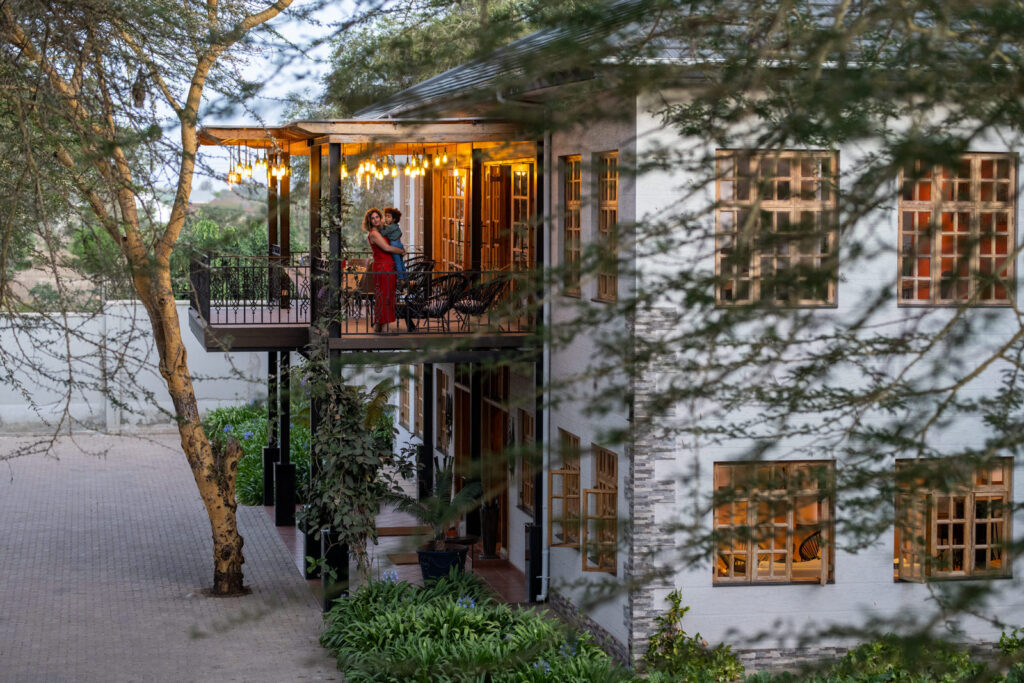
Kahawa House
Kahawa House is a charming country-style lodge located in Arusha, offering a peaceful and comfortable retreat before or after a Tanzania safari.
 Mid Range
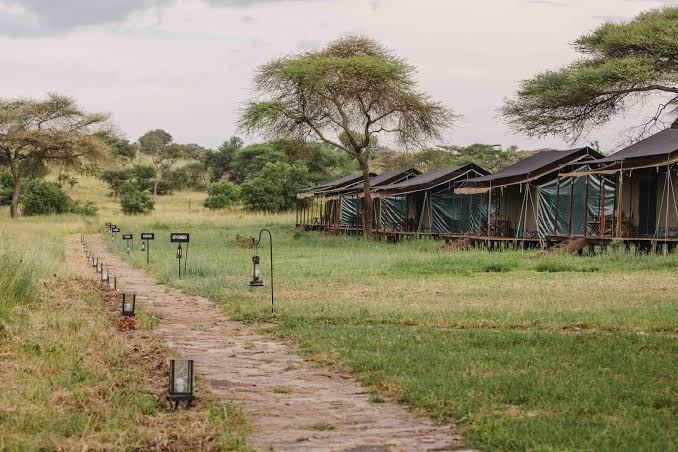
Kenzan Mara Tented Camp
Kenzan Mara Tented Camp is an intimate safari camp located in the Kogatende area of the northern Serengeti, close to the Mara
 Mid Range
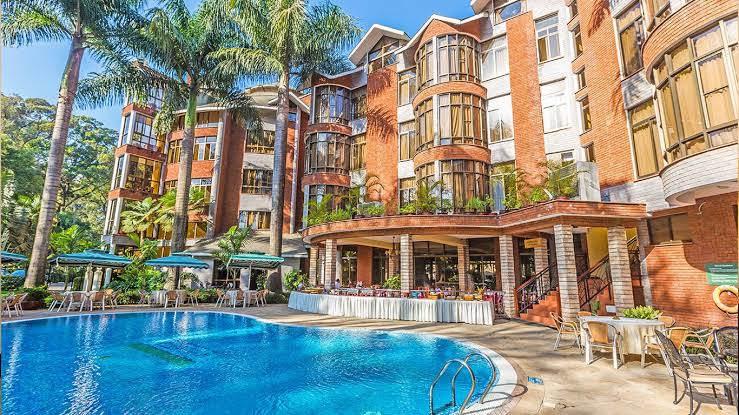
Kibo Palace Hotel Arusha
Kibo Palace Hotel is a comfortable city hotel located in central Arusha, making it a convenient place to stay before or after
 Luxury
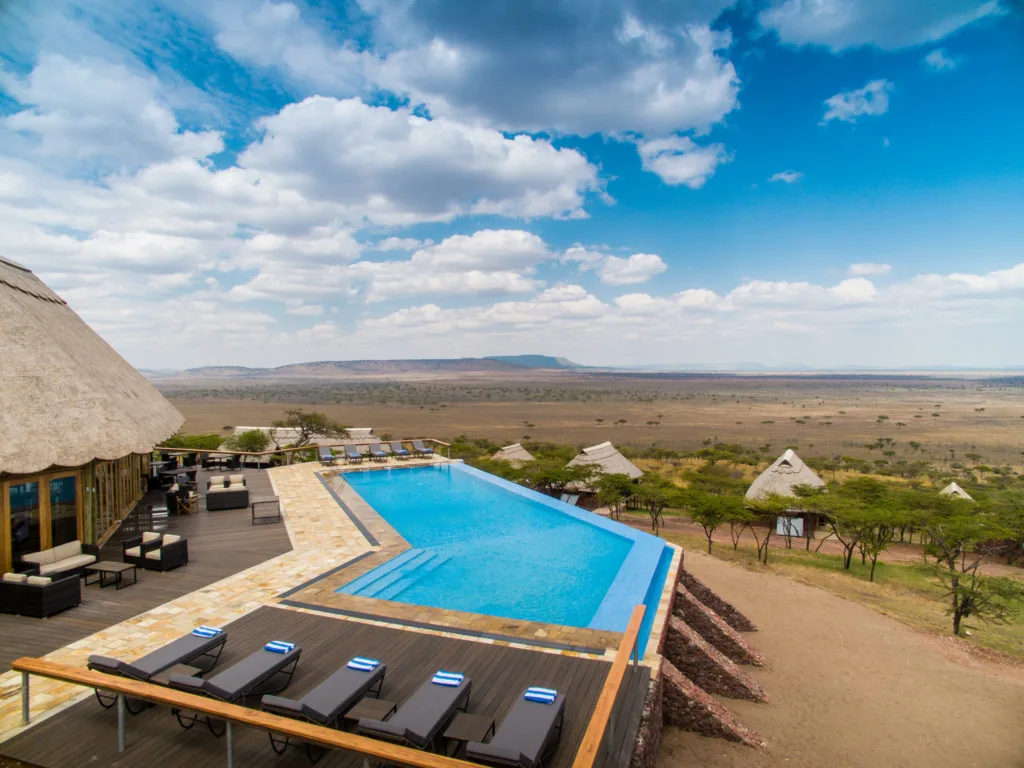
Lahia Tented Lodge
Lahia Tented Lodge is a luxury safari lodge set on a hill overlooking the central and western Serengeti. Its elevated position provides
 Mid Range
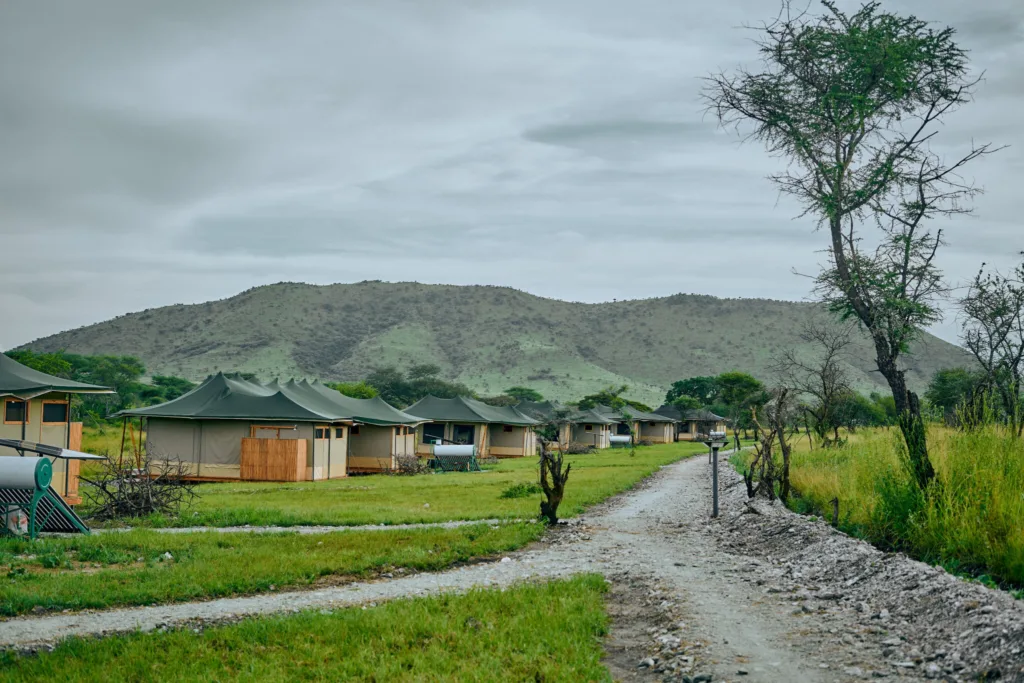
Land Of Nature Serengeti Camps
Land of Nature Camp Serengeti is an intimate tented camp located in Central Serengeti near the Seronera area. Its position provides convenient
 Luxury
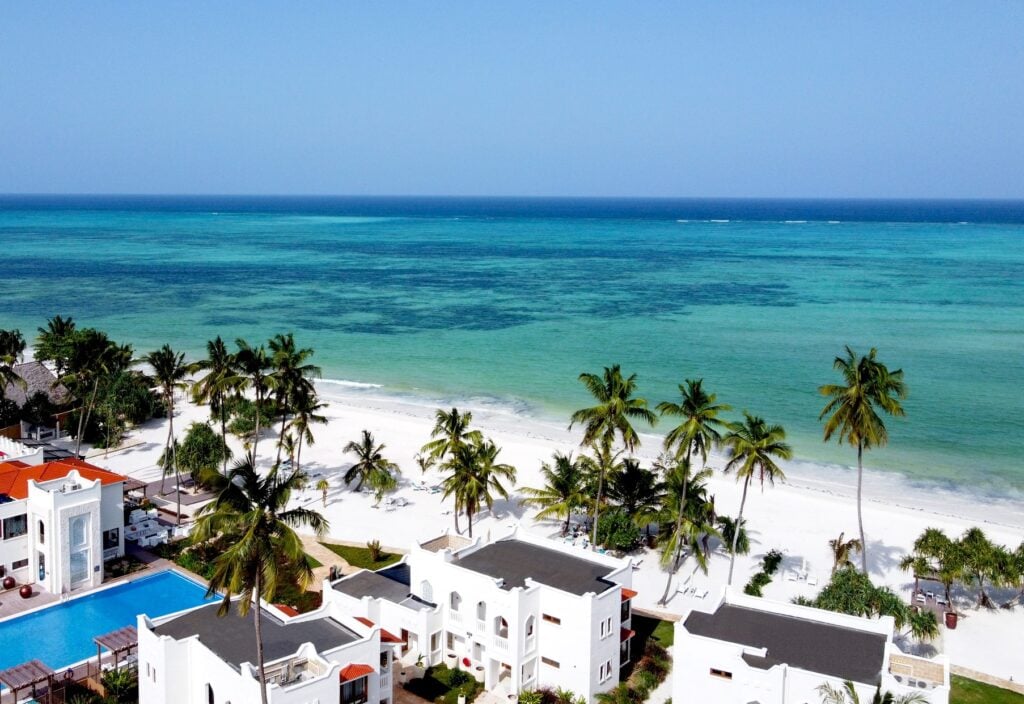
Lux Marijani Zanzibar
LUX* Marijani Zanzibar is a luxurious 5-star boutique beachfront resort located on the stunning shores of Pwani Mchangani, one of the most
 Mid Range
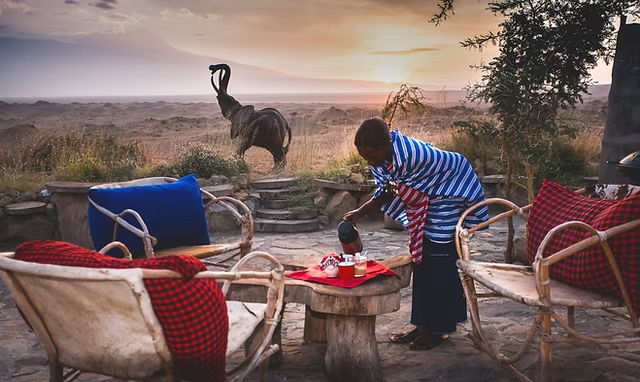
Maasai Lodge – Africa Amini Life
Maasai Lodge – Africa Amini Life is one of our favorite accommodations to recommend for travelers who want more than just a
 Budget
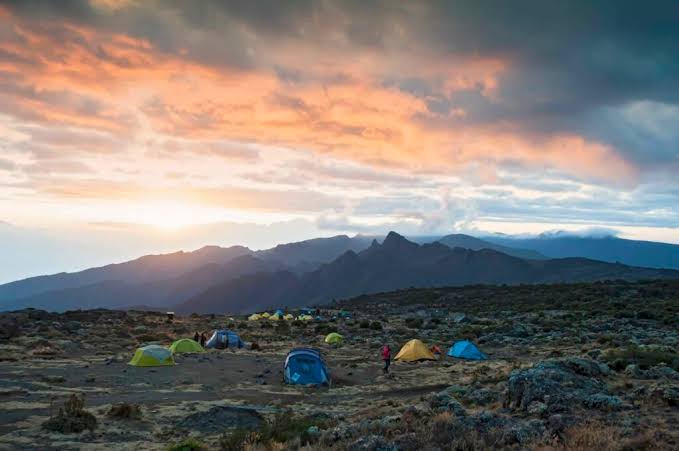
Machame Camp Hut
Machame Camp is the first overnight campsite for climbers following the Machame Route on Mount Kilimanjaro. It gives trekkers a place to
 Mid Range
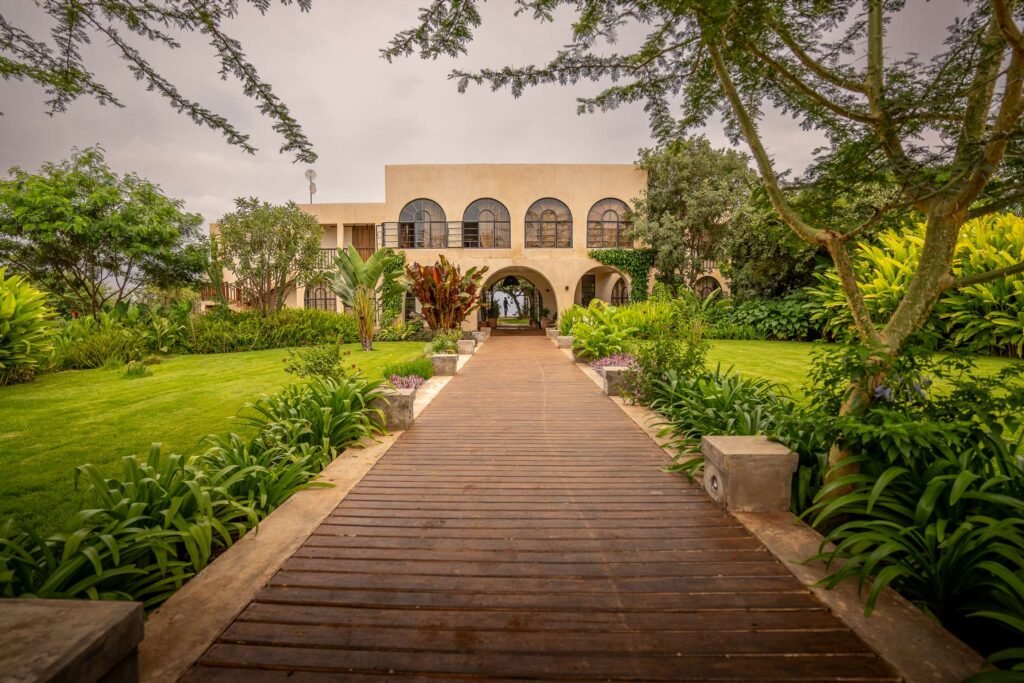
Manyara Best View Lodge & Spa
Manyara Best View Lodge & Spa is a peaceful eco lodge located high on the Rift Valley Escarpment near Lake Manyara and
 Luxury
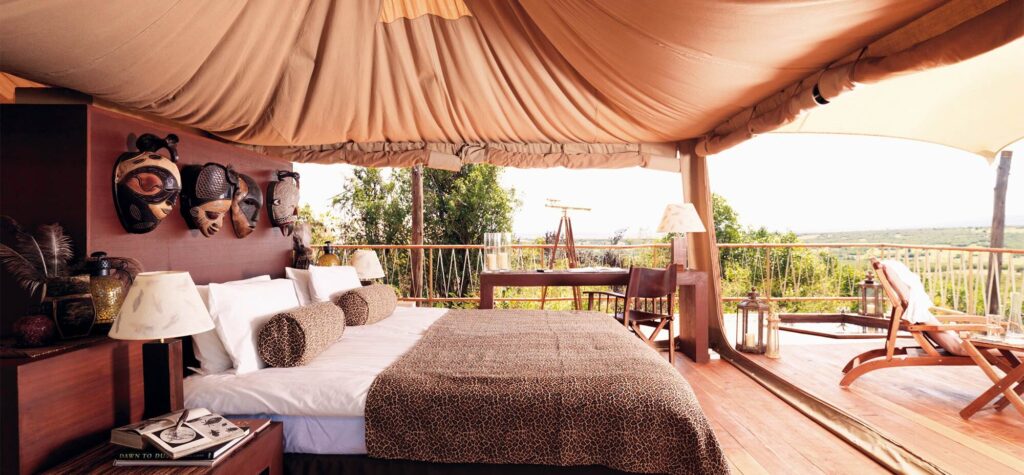
Mara Bushtops Luxury Camp
Mara Bushtops Camp is a high end luxury safari camp located within the Mara Siana Wildlife Conservancy, directly bordering Kenya’s famous Masai
 Luxury
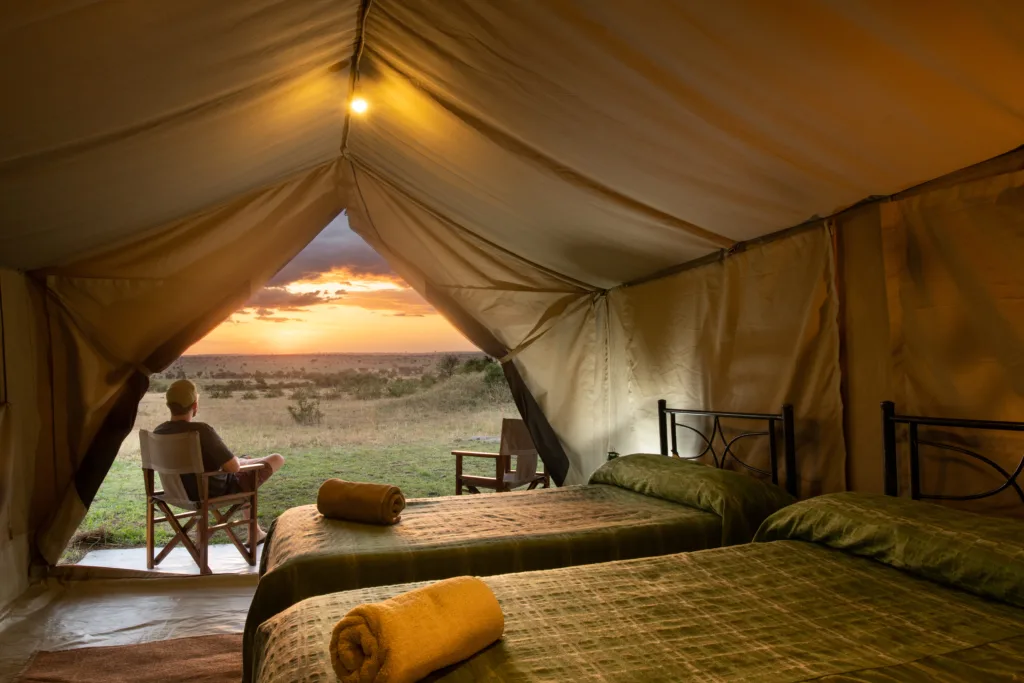
Mara Kati Kati Tented Camp
Mara Kati Kati Tented Camp is an excellent choice for travelers who want to stay close to the Mara River during the
 Luxury
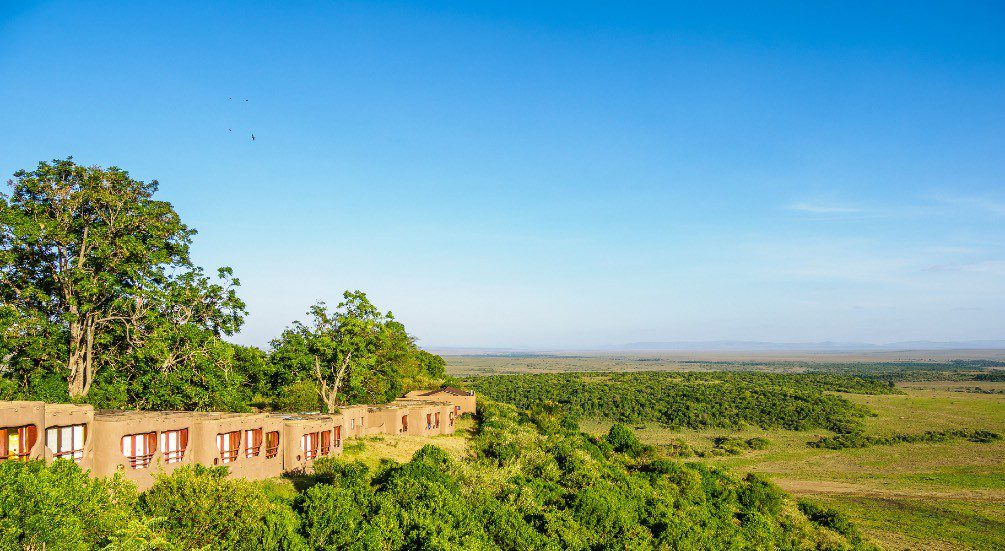
Mara Serena Safari Lodge
Mara Serena Safari Lodge is a luxury safari lodge located high on Ol Donyo Oseiya Hill in the Mara Triangle, one of
 Mid Range
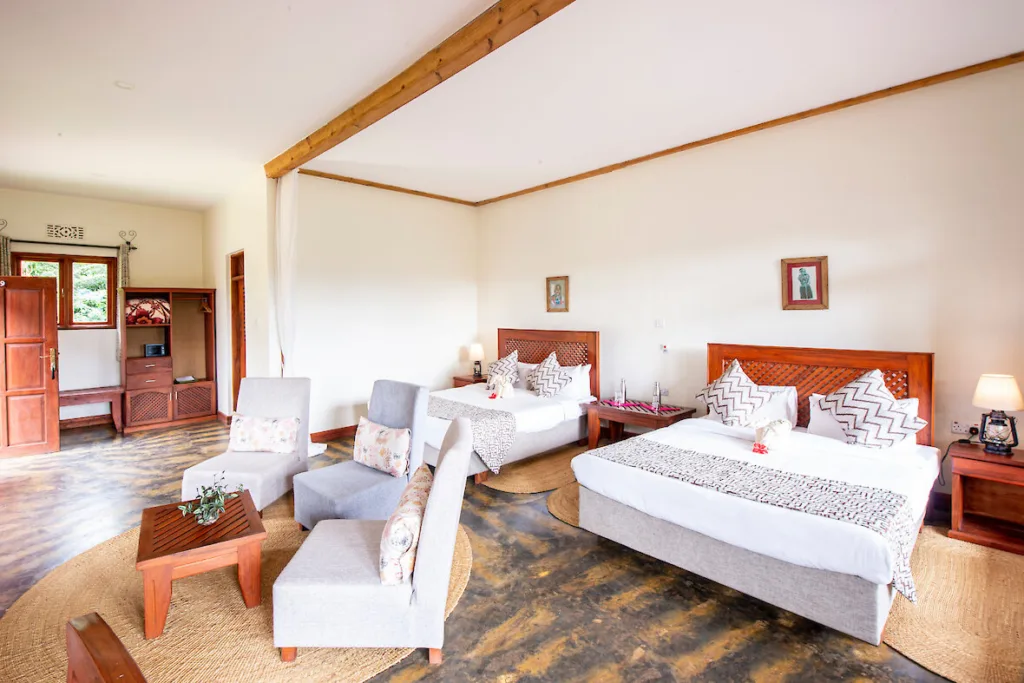
Marera Valley Lodge
Marera Valley Lodge is a very nice place to stay in Karatu, Tanzania. It is located between Lake Manyara National Park and
 Luxury
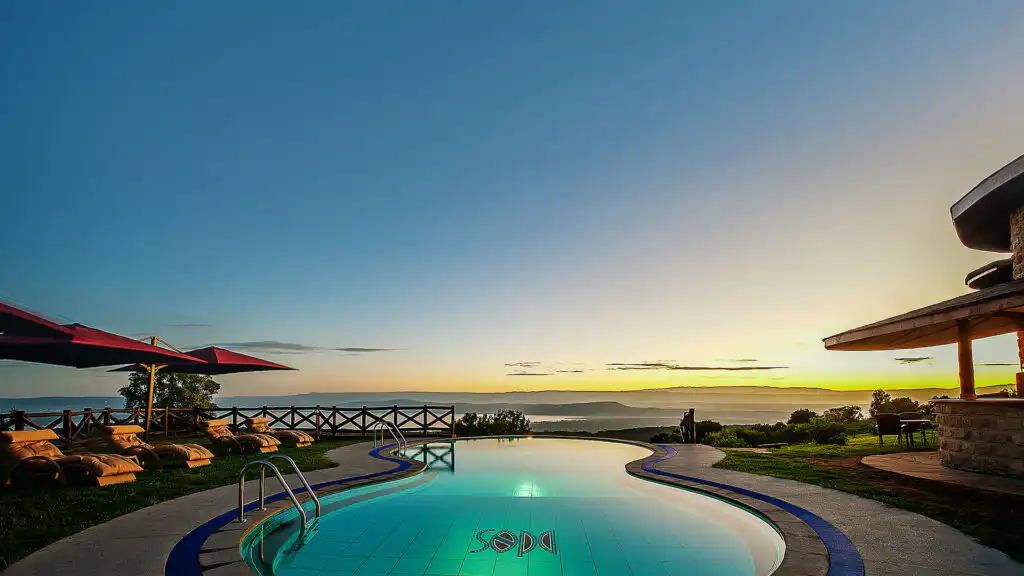
Masai Mara Sopa Lodge
Masai Mara Sopa Lodge is a comfortable safari lodge located on the eastern side of Kenya’s famous Masai Mara National Reserve. Set
 Mid Range
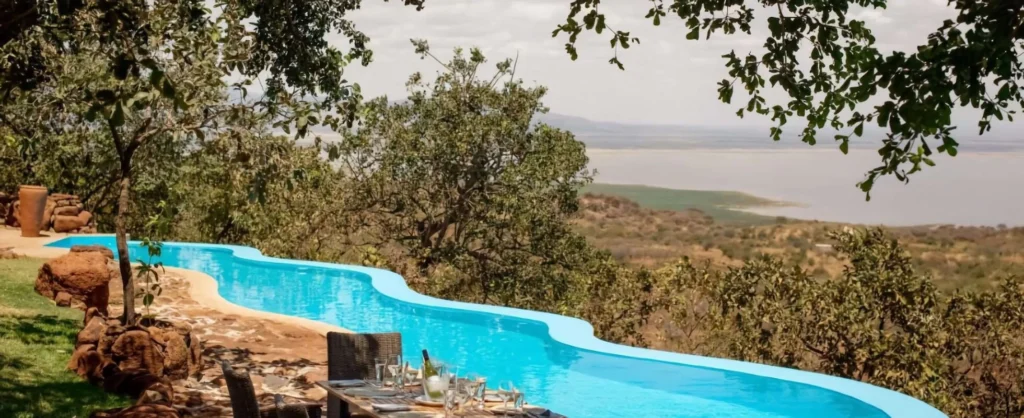
Mawe Mawe Manyara Lodge
Mawe Mawe Manyara Lodge is a stylish boutique lodge set along the edge of the Great Rift Valley, with wide views over
 Luxury
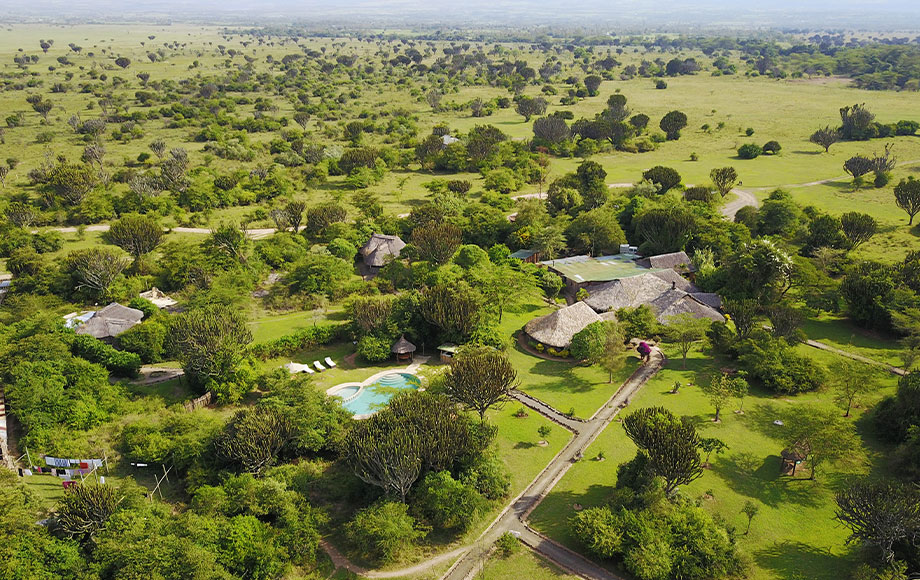
Mbweha Camp
Mbweha Camp is an intimate safari camp located in the Congreve Conservancy on the outskirts of Lake Nakuru National Park, Kenya. It
 Luxury
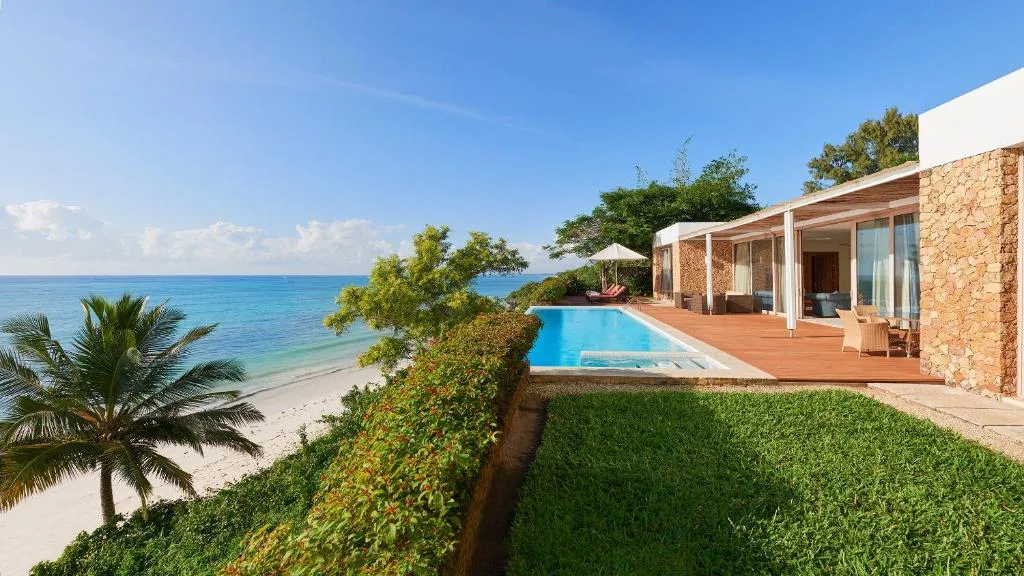
Melia Zanzibar Hotel
At Tanzania Safari Experience, we consider Meliá Zanzibar to be one of the most luxurious beach resorts in Zanzibar. Set on Zanzibar’s
 Mid Range
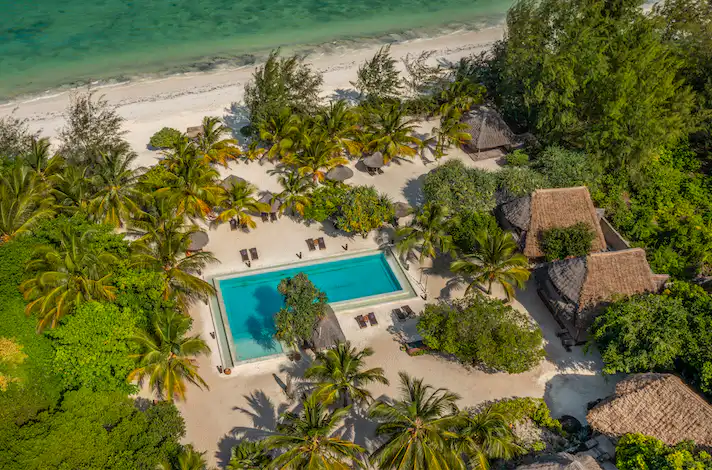
Mwezi Boutique Resort
At Tanzania Safari Experience, we recommend Mwezi Boutique Resort for travelers looking for a peaceful beachfront escape on Zanzibar’s southeast coast. Located
 Luxury
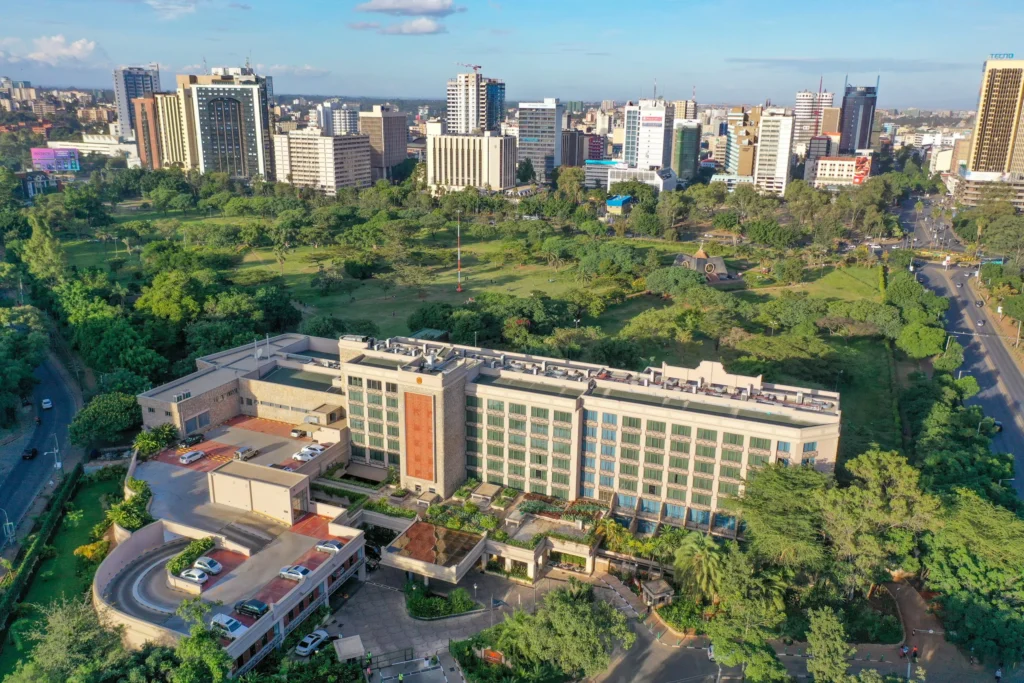
Nairobi Serena Hotel
Nairobi Serena Hotel is a luxury city hotel located in central Nairobi, Kenya, offering a comfortable base for travellers arriving in or
 Luxury
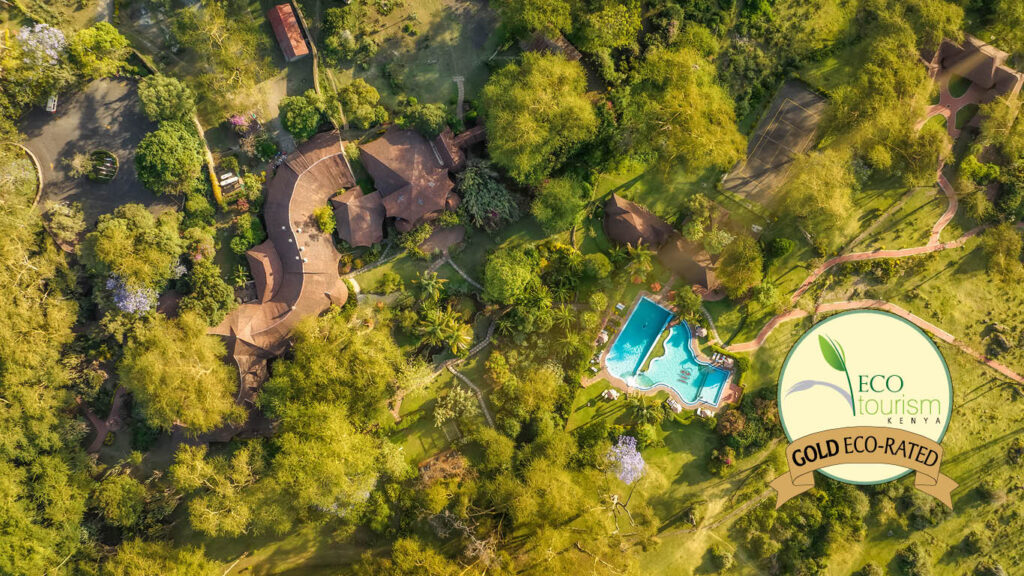
Naivasha Sopa Lodge
Lake Naivasha Sopa Lodge is a comfortable resort located on the southern shore of Lake Naivasha, within Kenya’s Great Rift Valley. The
 Luxury
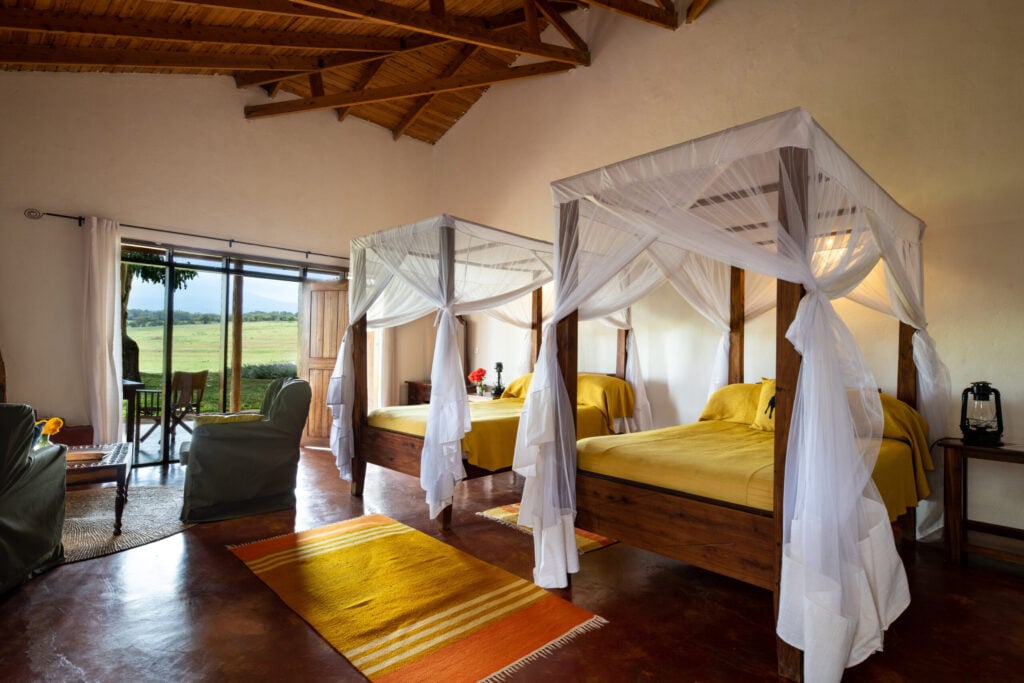
Ngorongoro Farm House
Ngorongoro Farm House is an exclusive 500-acre coffee plantation lodge in the Ngorongoro Highlands, just 4km from the Lolduare gate. It features
 Luxury
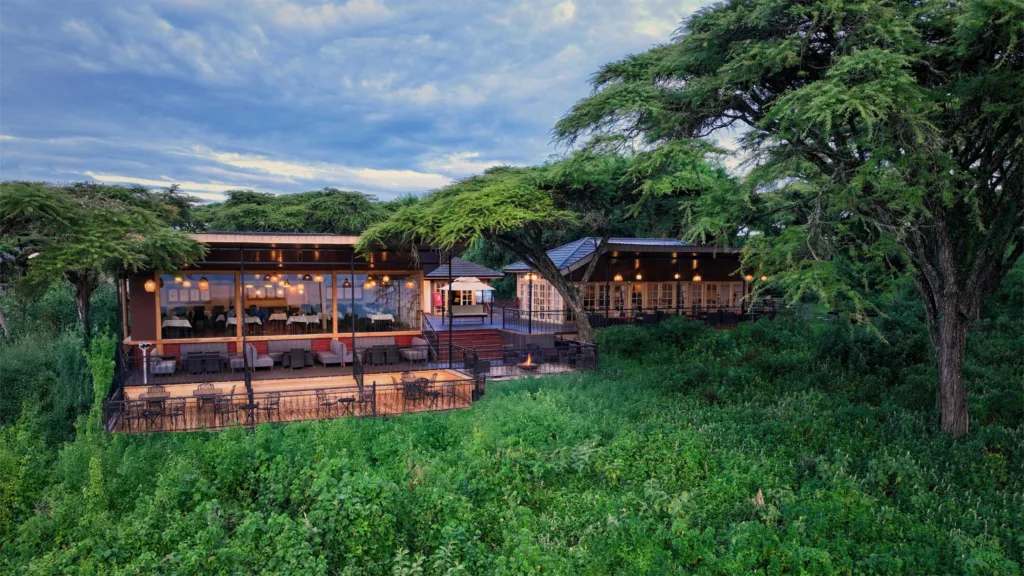
Ngorongoro Lions Paw Luxury Camp
The Lion’s Paw Camp nestles between a grove of acacia trees on the eastern rim of the Ngorongoro Crater. It features 8
 Public Campsite
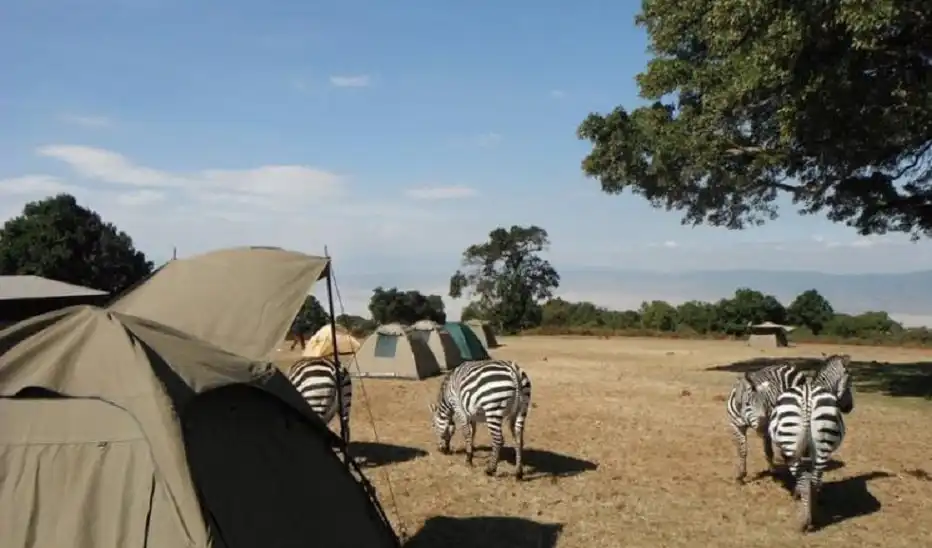
Ngorongoro Simba Public Campsite
Ngorongoro Simba Public Campsite is one of the most popular public campsites in the Ngorongoro Conservation Area, offering travelers an authentic camping
 Luxury
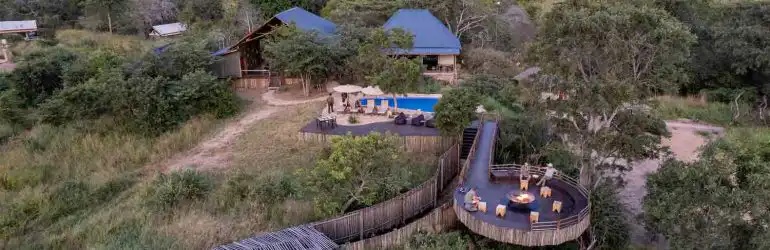
Nimali Tarangire
Nimali Tarangire is a beautiful luxury tented camp located in a peaceful private concession near Tarangire National Park. It is designed for
 Mid Range
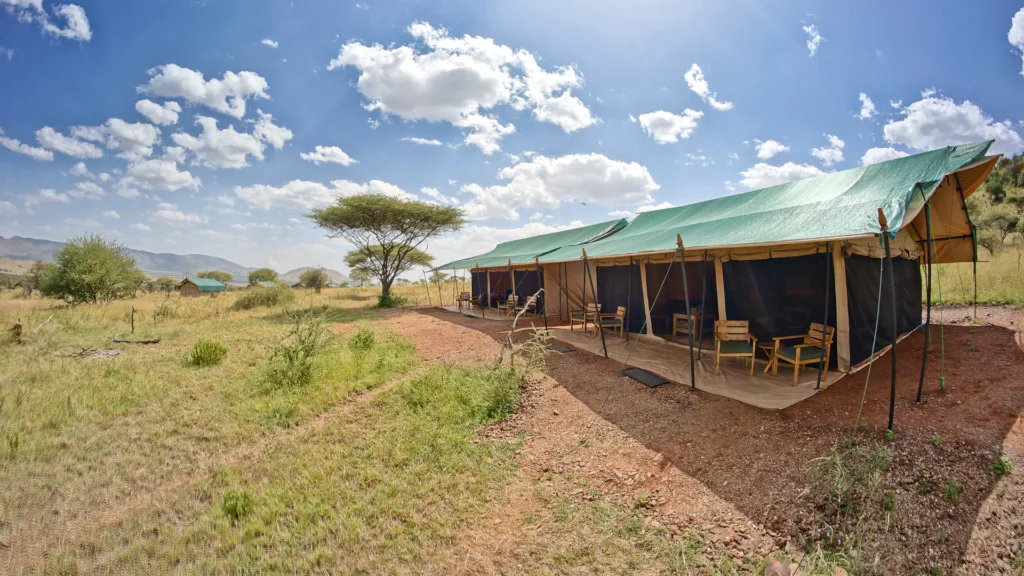
Nyikani Camp – Central Serengeti
Nyikani Central’s elevated location at the foot of Banagi Hill offers lovely views of the Serengeti below. While currently a semi-permenent camp,
 Mid Range
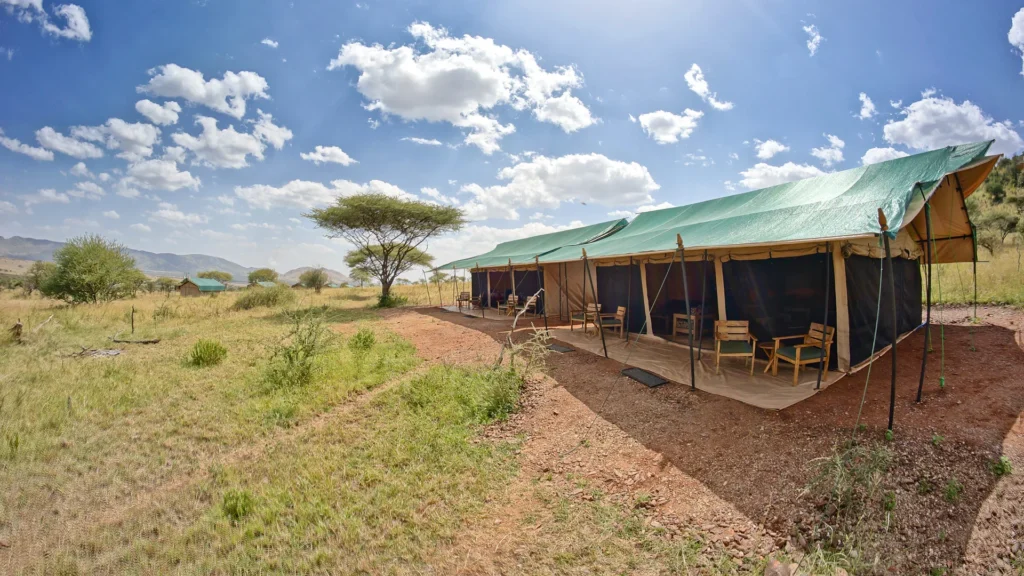
Nyikani Migration Camp – Ndutu
Nyikani Migration Camp – Ndutu is one of the best tented safari camps for travelers who want to be close to the
 Mid Range
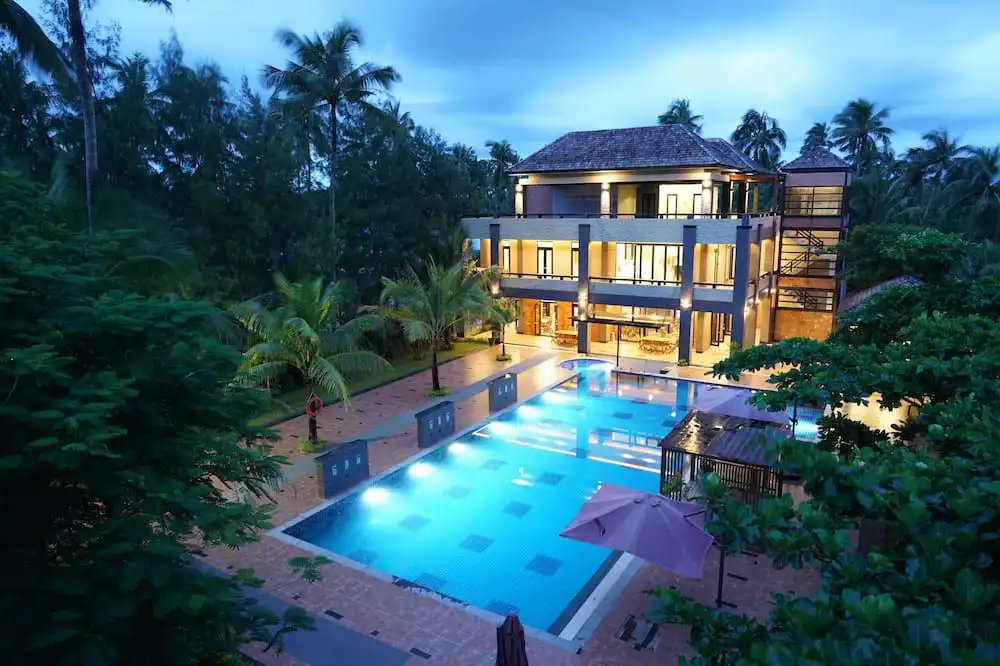
Ocean Paradise Beach Resort
Ocean Paradise Beach Resort is a 4-star mid-range beachfront resort located in Pwani Mchangani on Zanzibar’s northeast coast. The resort sits directly
 Luxury
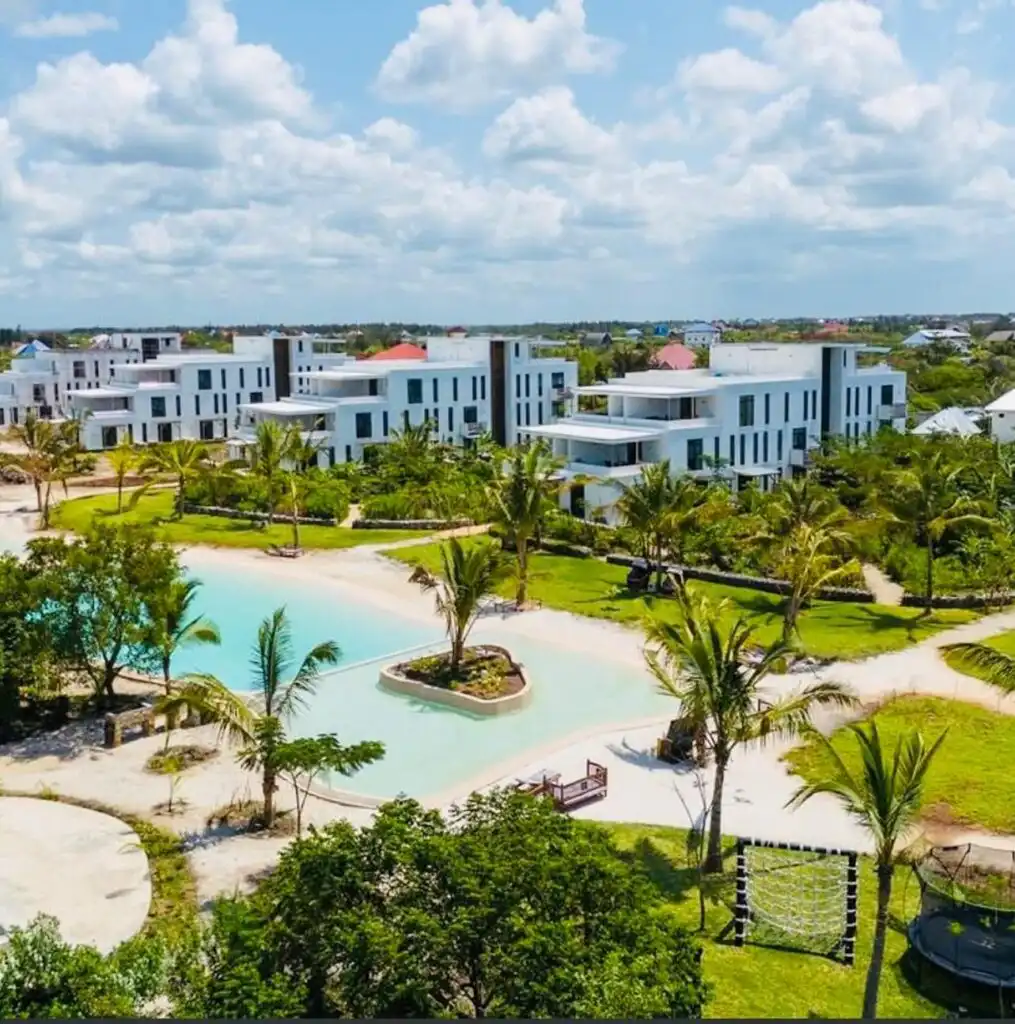
Pom Pom Suite Zanzibar
POM-POM Suites Soul Paje is one of the finest luxury accommodations in Zanzibar, located in the heart of Paje on the island’s
 Luxury
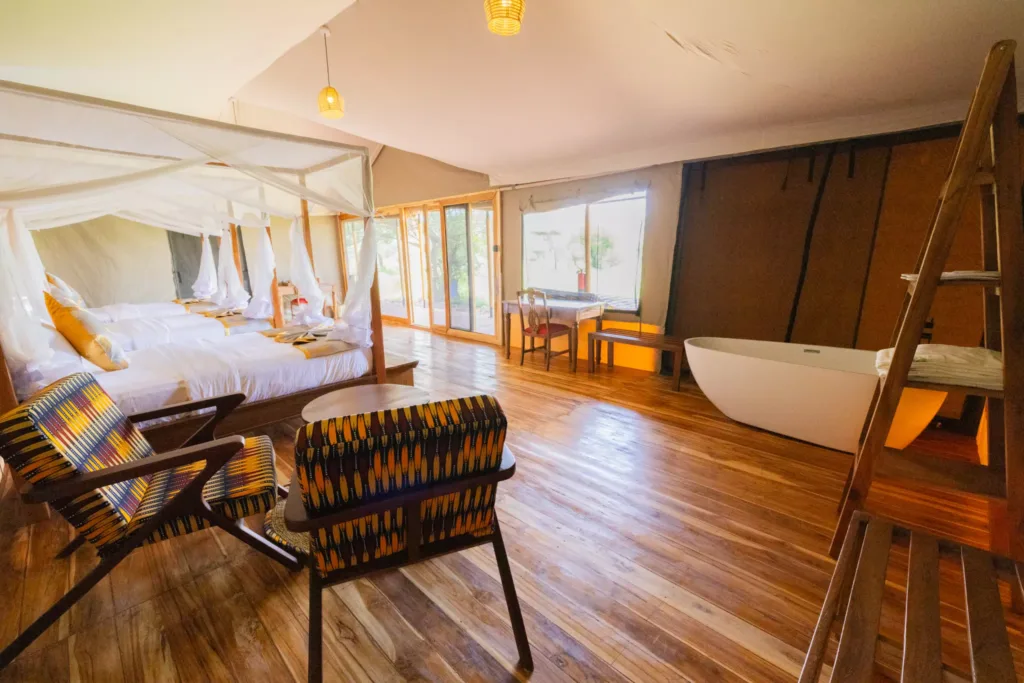
Safari Haven Luxury Camp
Safari Haven Luxury Camp is located in the Serengeti, making it a great choice for guests who want to stay close to
 Luxury
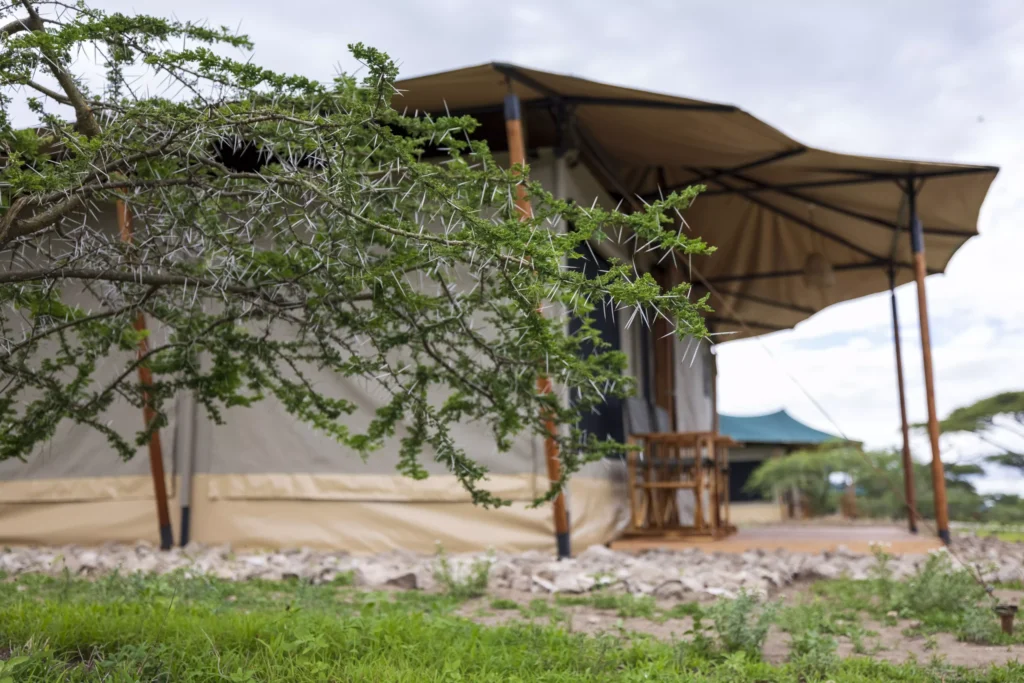
Safari Haven Migration Camp Kogatende
Safari Haven Migration Camp Kogatende is located about a 45-minute drive from the Mara River, making it an excellent choice for travelers
 Mid Range
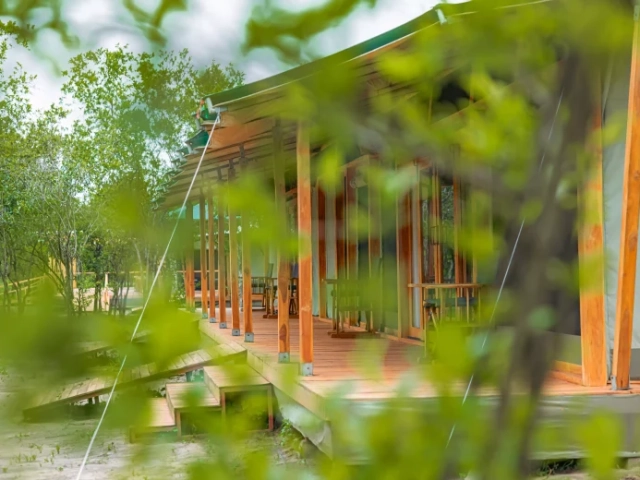
Safari Haven Tarangire Camp
Safari Haven Tarangire Camp is located inside Tarangire National Park, Tanzania, placing guests close to the wildlife and landscapes that make this
 Luxury
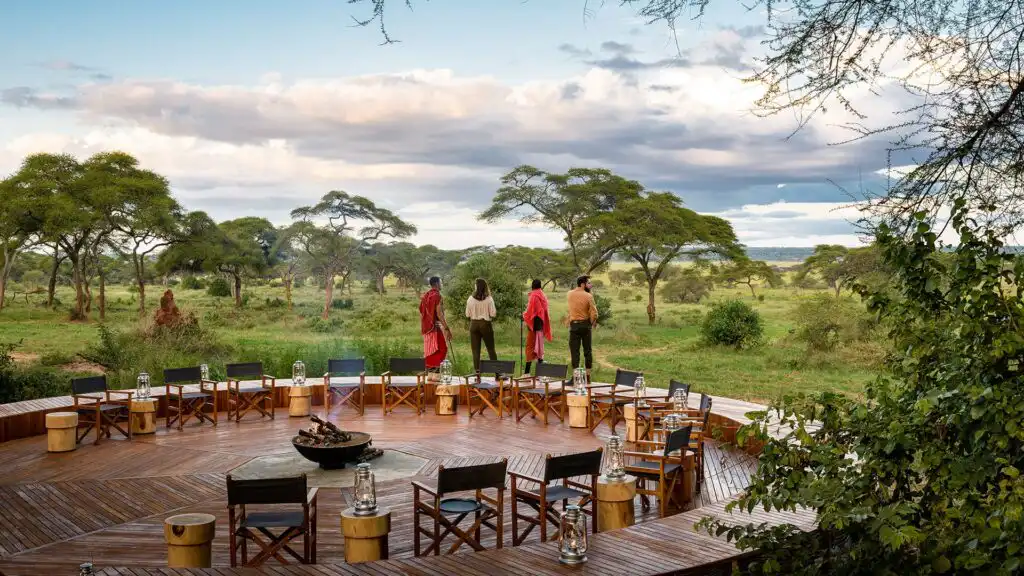
Sanctuary Swala
Sanctuary Swala Tarangire is a luxury safari camp located in a quiet and remote area inside Tarangire National Park, close to the
 Mid Range
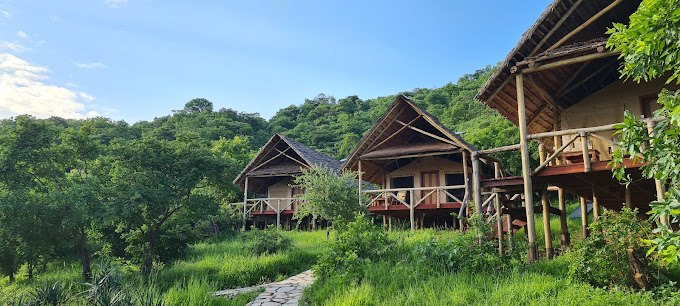
Sangaiwe Tented Lodge
Sangaiwe Tented Lodge is located in one of the most scenic areas near Tarangire National Park. The lodge sits against a hillside
 Mid Range
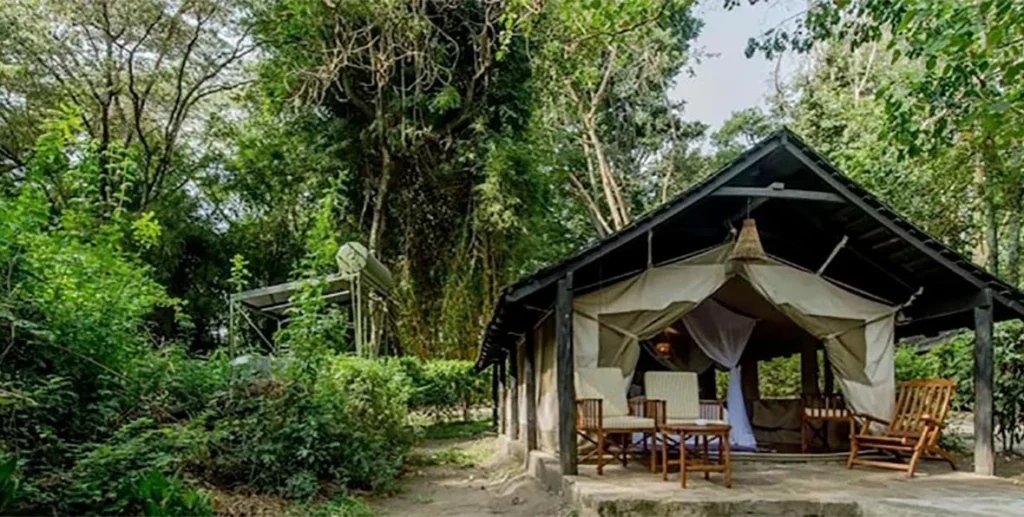
Sarova Mara Game Camp
Nestled in the heart of the world-renowned Masai Mara Game Reserve, Sarova Mara Game Camp offers an unparalleled safari experience. With 75
 Budget
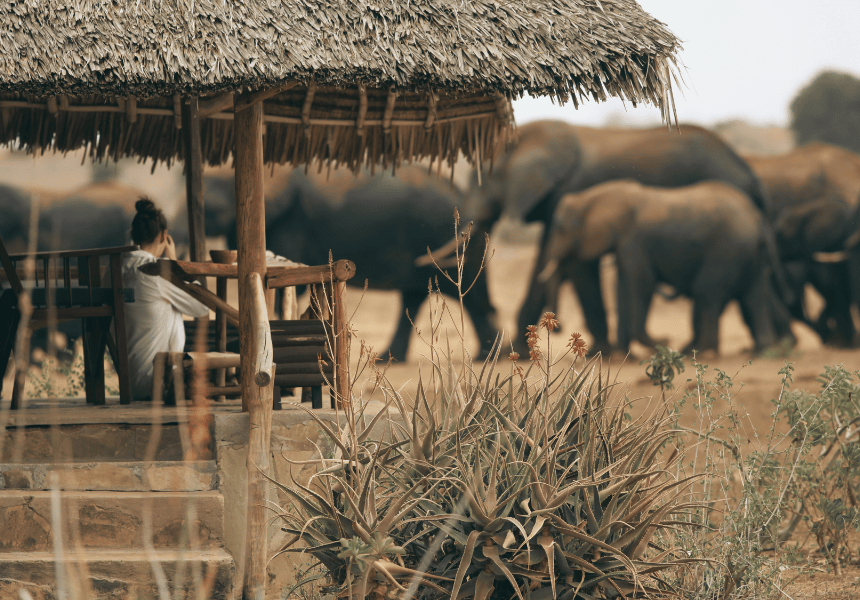
Satao Camp
Satao Camp is one of the accommodations we regularly recommend for travellers visiting Tsavo East National Park, particularly for guests looking for
 Mid Range
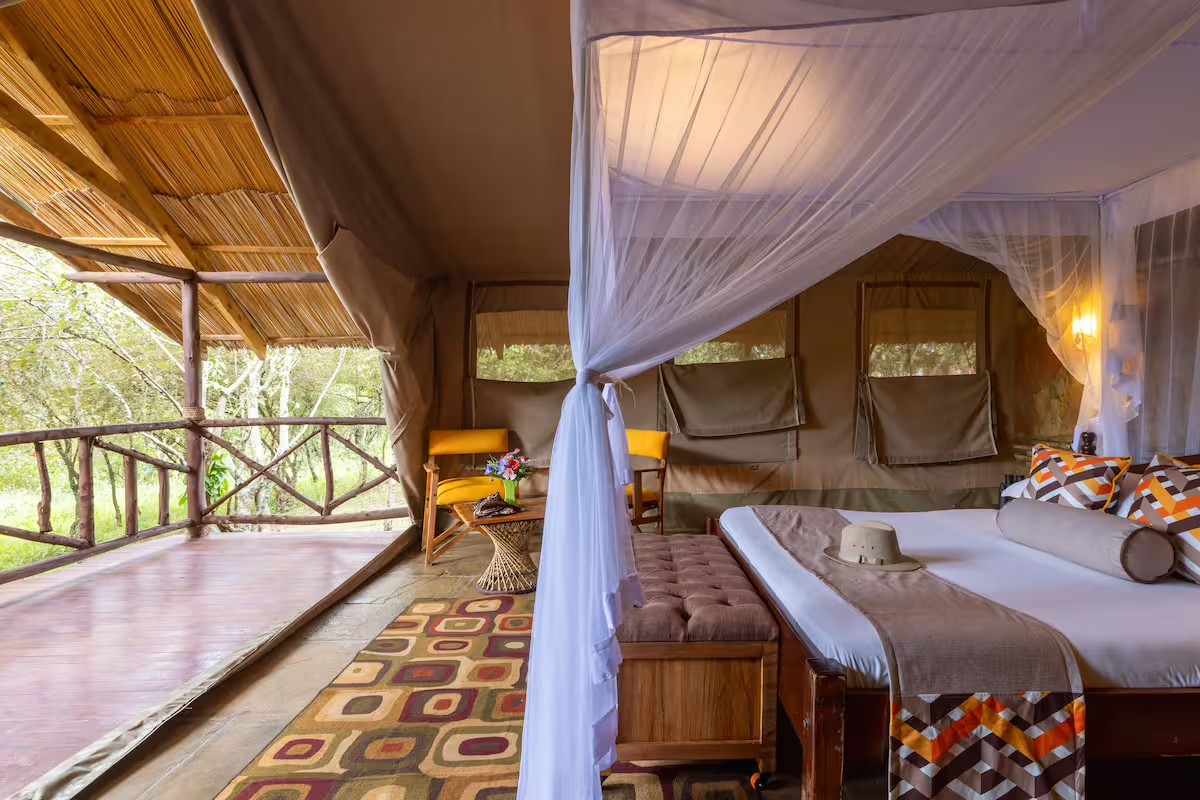
Sentrim Mara Camp
Sentrim Mara Camp is a comfortable mid range safari camp located close to Sekenani Gate in the Masai Mara Game Reserve, Kenya.
 Luxury
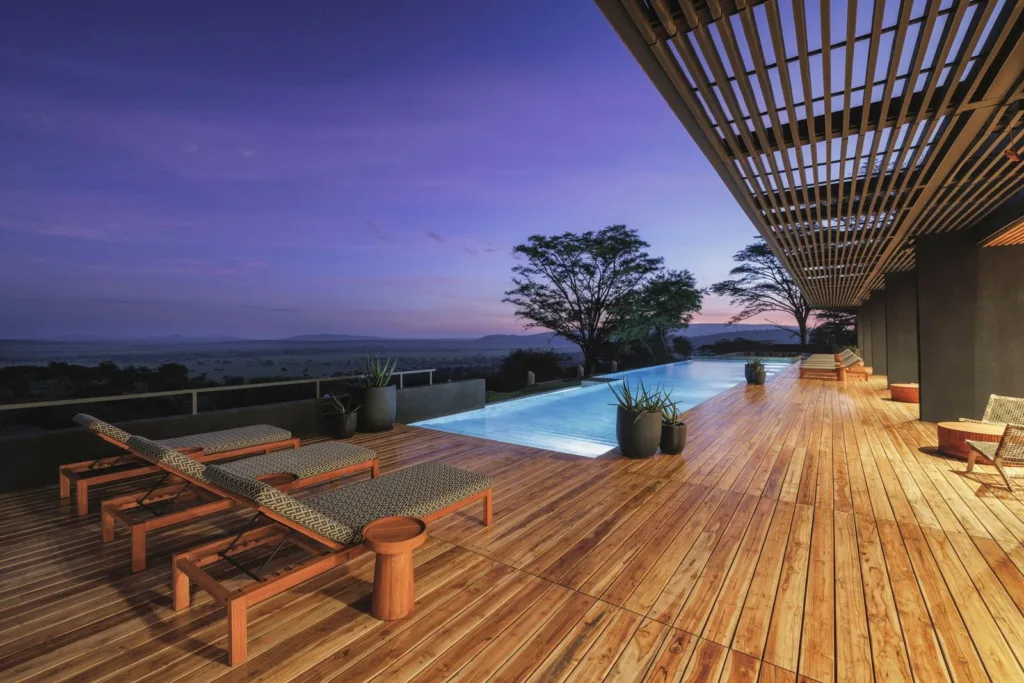
Serengeti Explorer Lodge
Serengeti Explorer Lodge is one of the finest luxury accommodations in Serengeti National Park, offering an exceptional blend of comfort, service, and
 Luxury
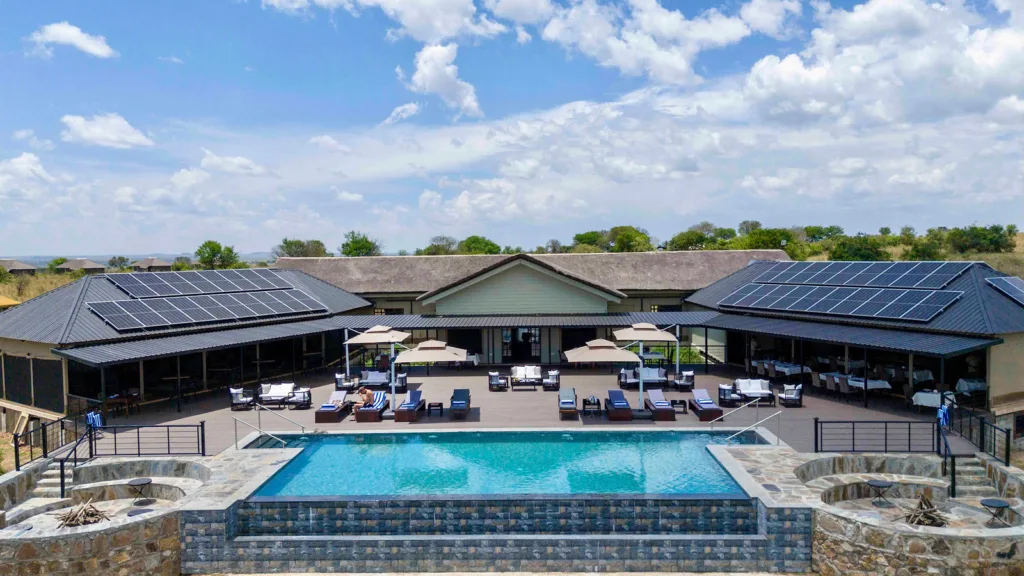
Serengeti Mara River Camp by Karibu Camps
Serengeti Mara River Camp by Karibu Camps is a seasonal luxury tented camp in the northern Serengeti, positioned close to the Mara
 Mid Range
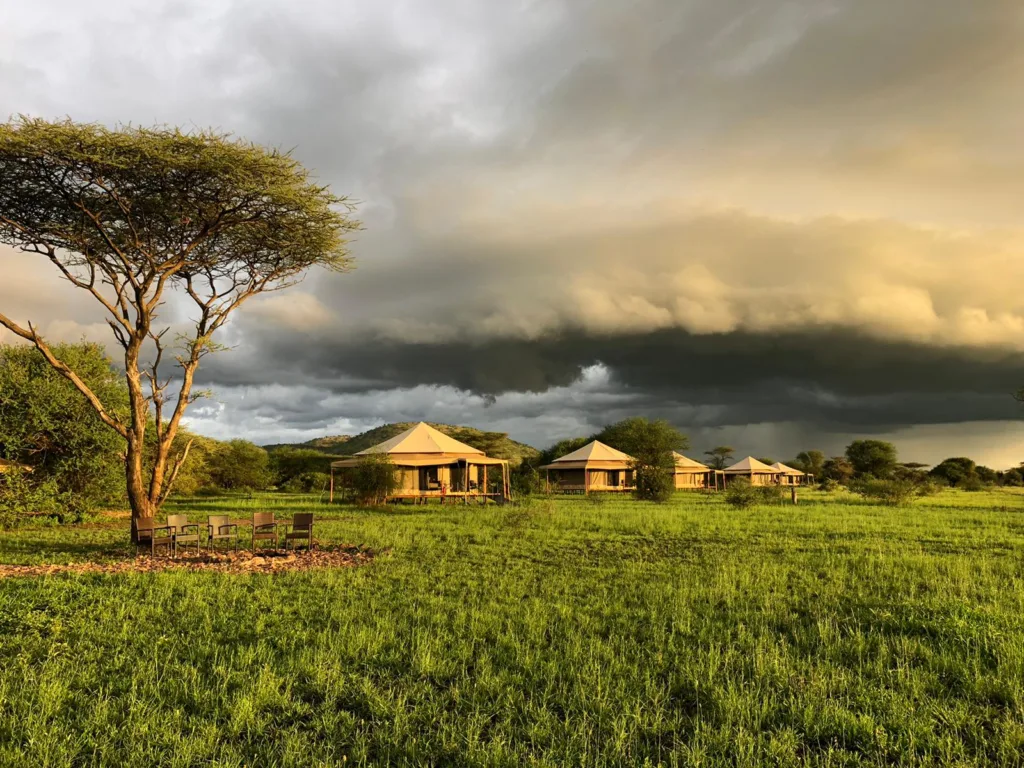
Serengeti Sound of Silence Tented Camp
Serengeti Sound of Silence Tented Camp offers a comfortable and luxurious stay surrounded by the open plains of Serengeti National Park. The
 Mid Range
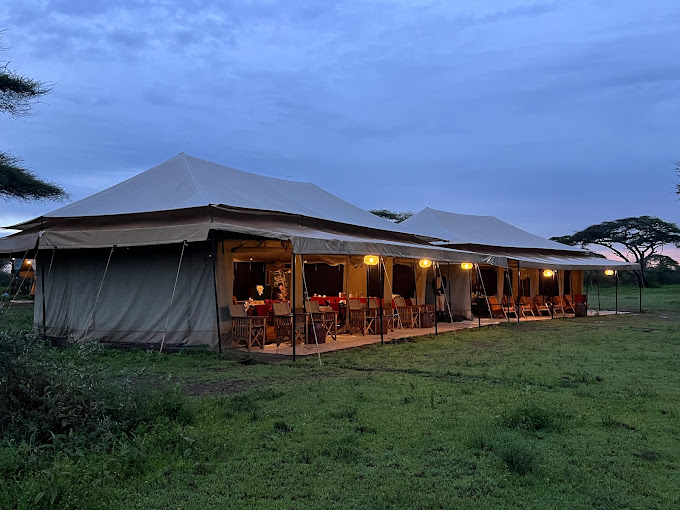
Sero Tented Camps – Northern Serengeti
Sero Tented Camp is located in the heart of Kogatende in Northern Serengeti, one of the most sought after safari regions in
 Public Campsite
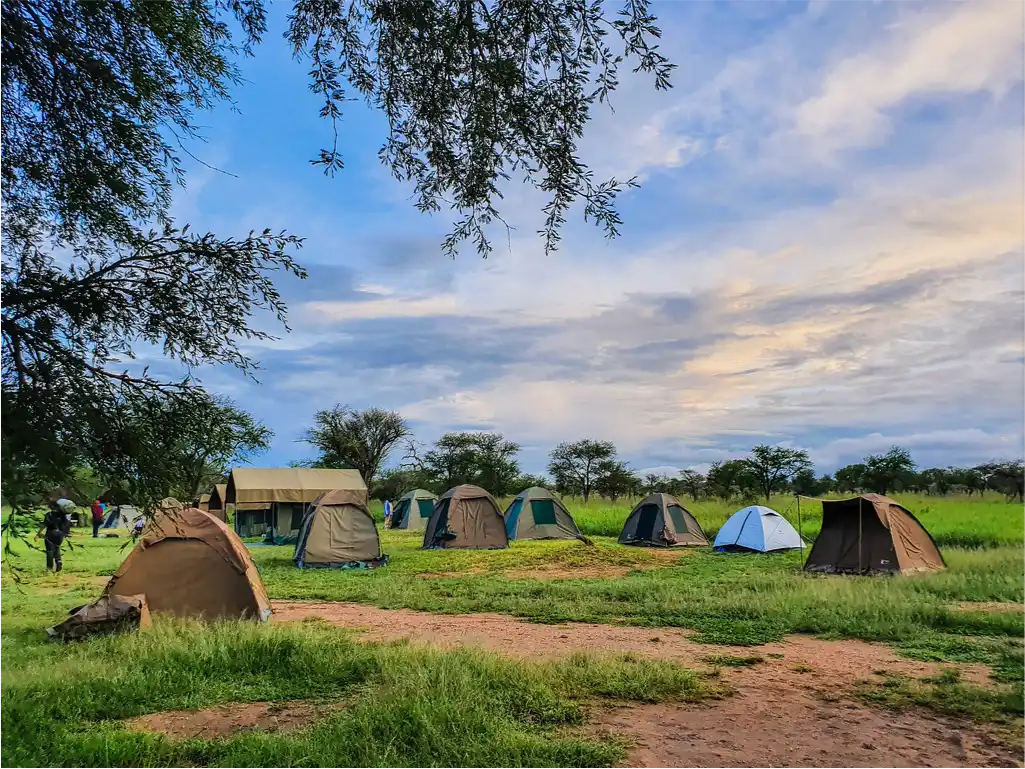
Seronera Public Campsite – Serengeti National Park
Seronera Public Campsite is one of the most popular budget camping options in the heart of Serengeti National Park. Located in the
 Luxury
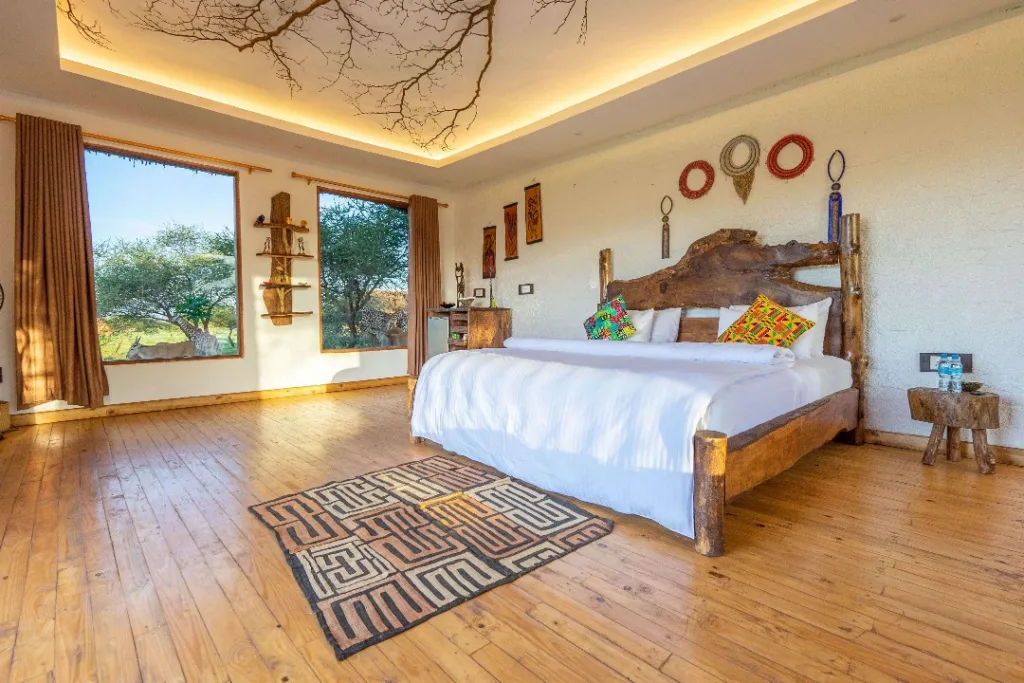
Serval Wildlife Lodge
Serval Wildlife is a luxury wildlife park and villa resort in the Kilimanjaro region of Tanzania, designed for travelers who want to
 Mid Range
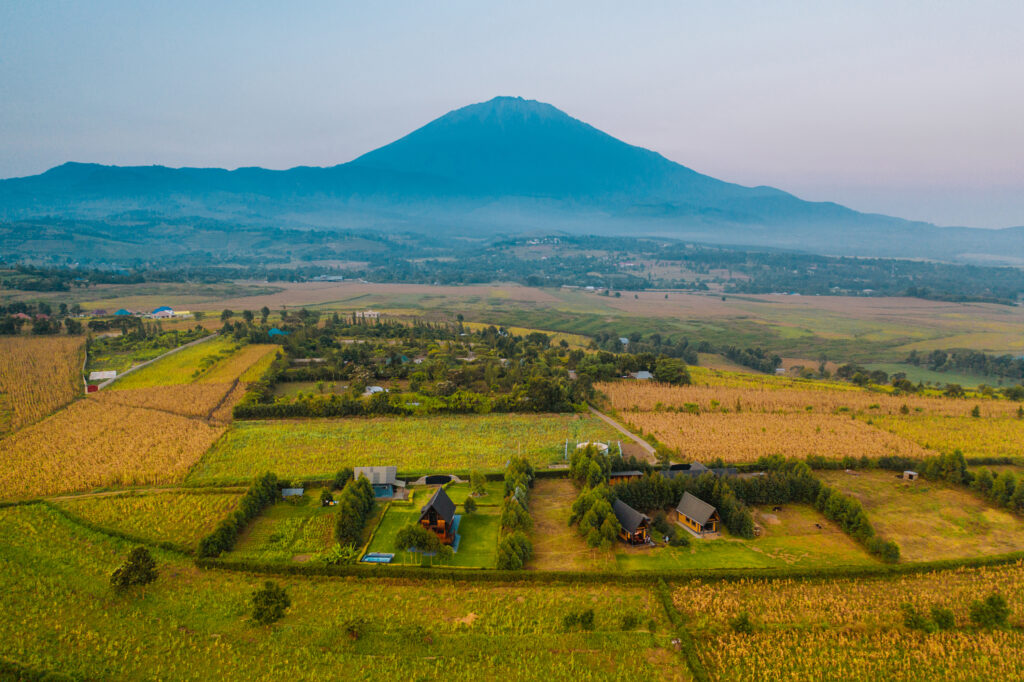
Shamba Lodge Cabin A
Shamba Lodge Cabin A is a spacious two level cabin located in a peaceful countryside setting just outside Arusha City. The lodge
 Mid Range
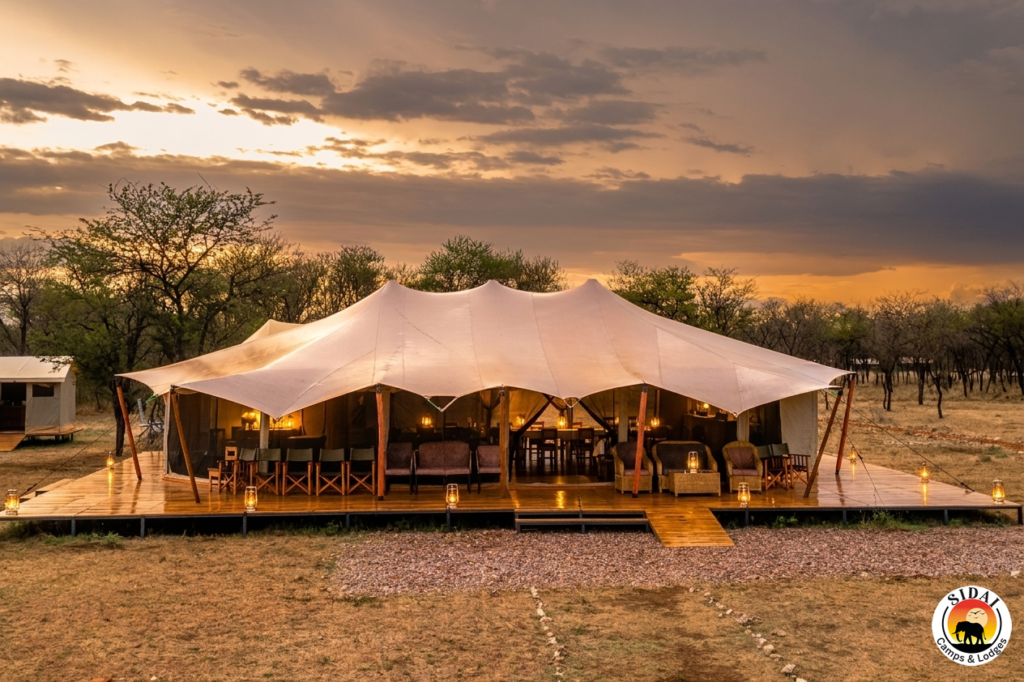
Sidai Serengeti Camp
Sidai Serengeti Camp is a luxury tented camp located in the heart of Serengeti National Park, approximately 35 km from Seronera Airstrip
 Luxury
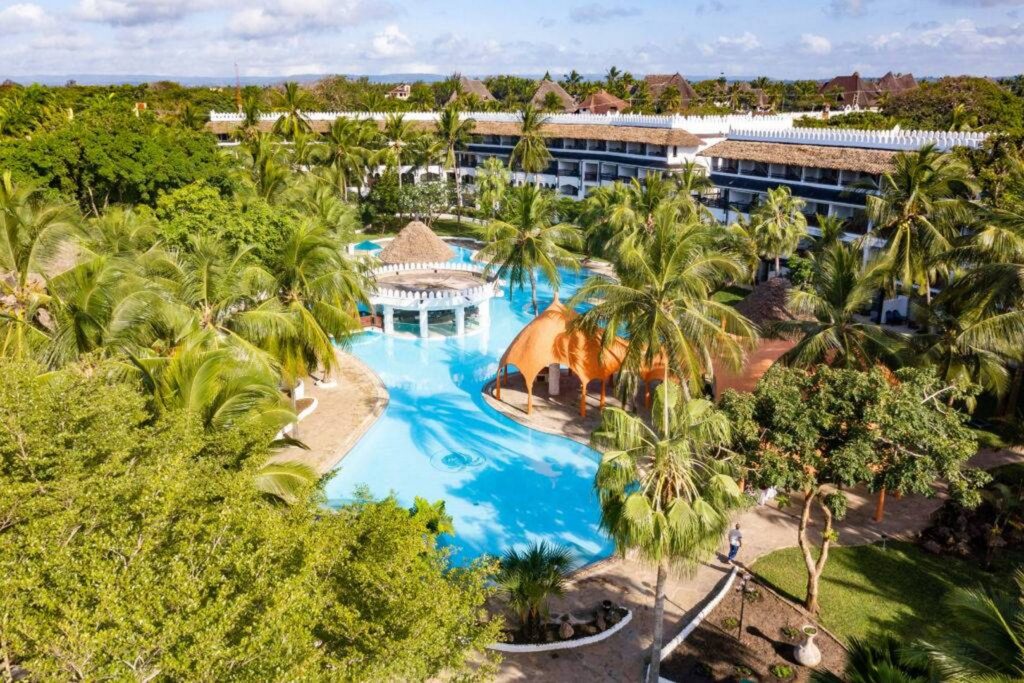
Southern Palms Beach Resort
Southern Palms Beach Resort is a large beachfront resort located directly on Diani Beach, one of Kenya’s best known Indian Ocean destinations.
 Mid Range
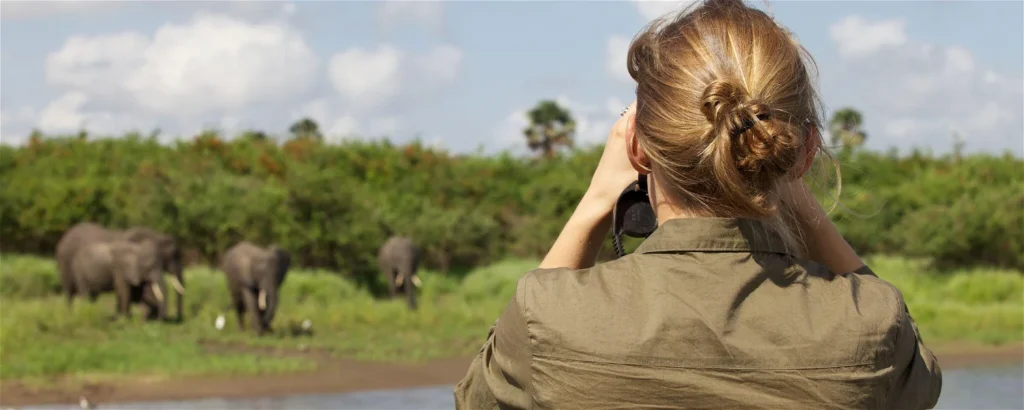
Stanley’s Kopje — Mikumi National Park, Tanzania
Stanley’s Kopje is a tented safari camp located inside Mikumi National Park in Tanzania, and it holds a rare position that few
 Budget
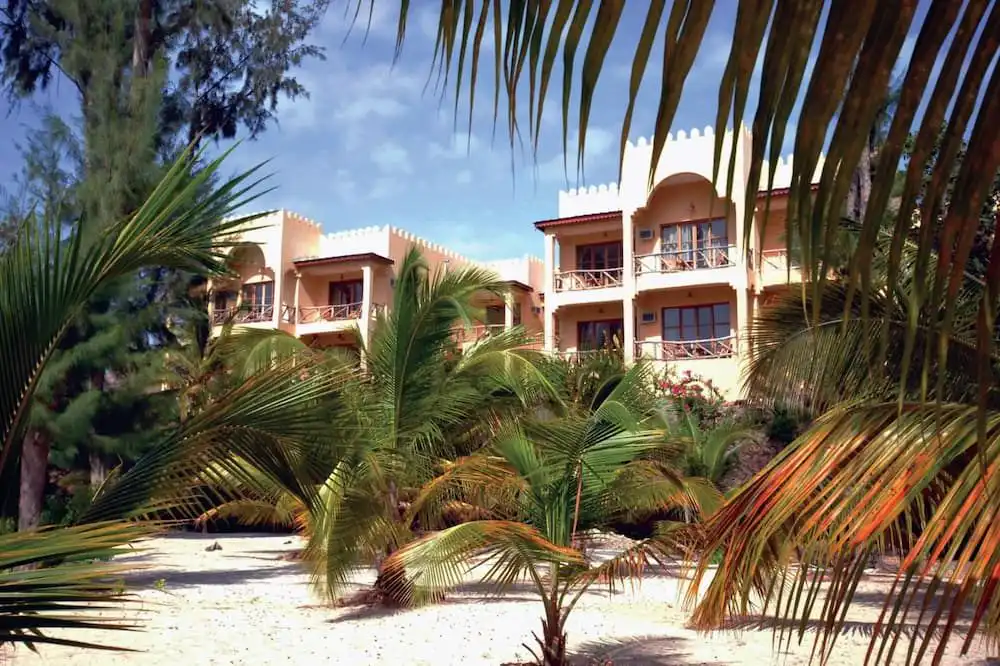
Sunset Kendwa
Sunset Kendwa Beach Hotel is a beautiful beachfront hotel located in Kendwa, one of the most loved beach areas in northern Zanzibar.
 Mid Range
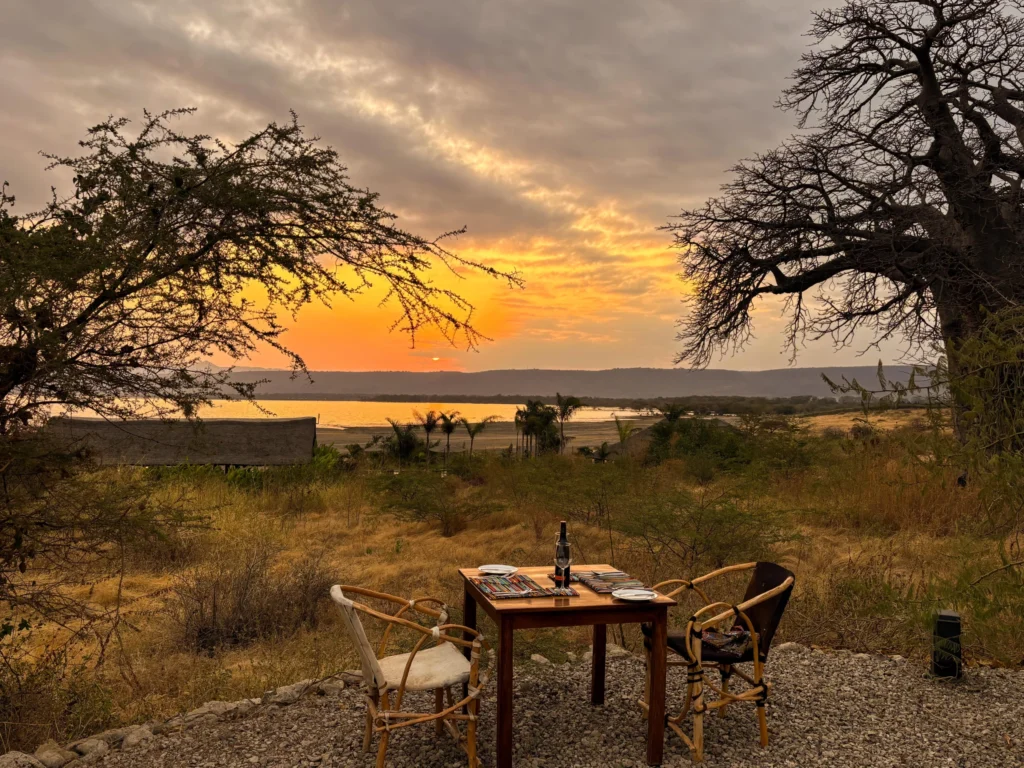
Suricata Boma Lodge
Suricata Boma Lodge – Authentic Safari Stay in Mto wa Mbu Suricata Boma Lodge is a charming safari lodge located in Mto
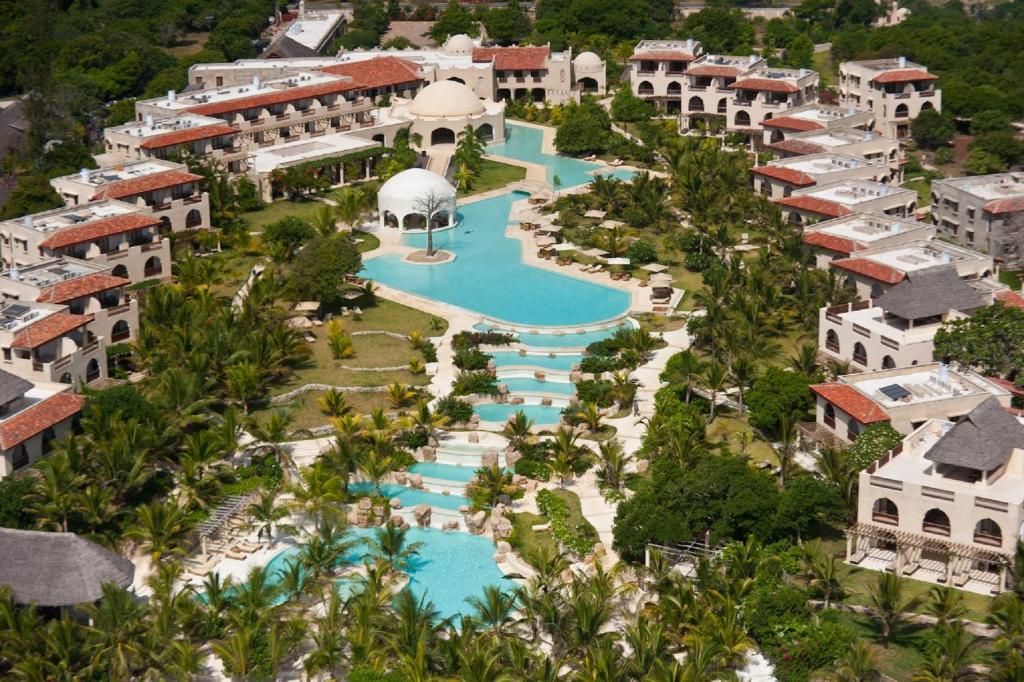 Mid Range
Swahili Beach Resort
Swahili Beach Resort is a large beachfront resort on Diani Beach, Kenya, designed around a mix of Swahili, Arabian and Indian architectural
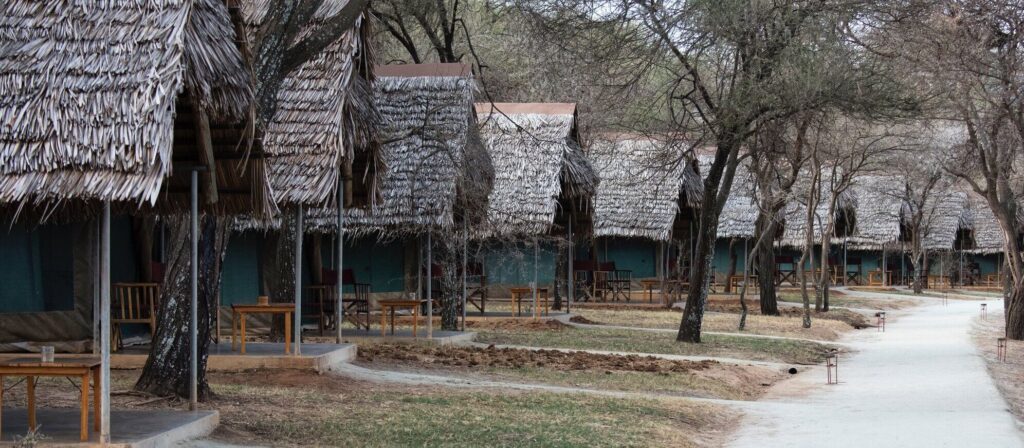 Luxury
Tarangire Safari Lodge
Tarangire Safari Lodge is a lovely lodge and tented camp in the north of Tarangire National Park, with some of the most
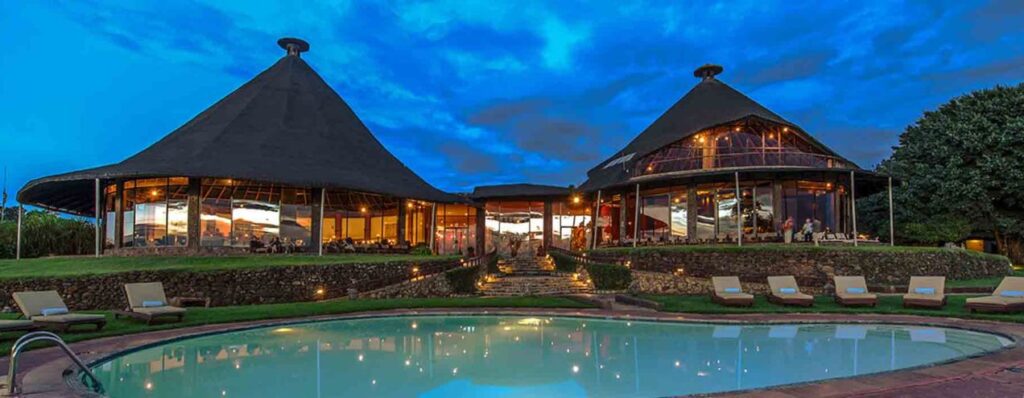 Luxury
Tarangire Sopa Lodge
Tarangire Sopa Lodge is a comfortable safari lodge located inside Tarangire National Park, one of Tanzania’s best parks for elephants, baobab trees,
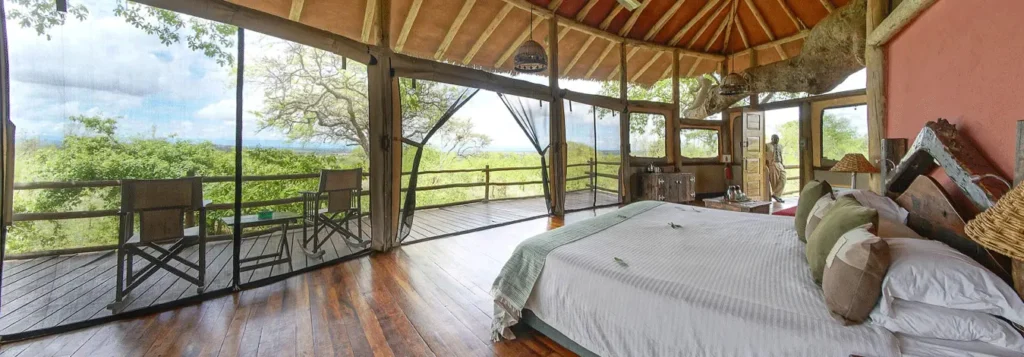 Luxury
Tarangire Treetops by Elewana
Tarangire Treetops by Elewana is a luxury treehouse-style safari lodge located in a private wildlife area close to Tarangire National Park.
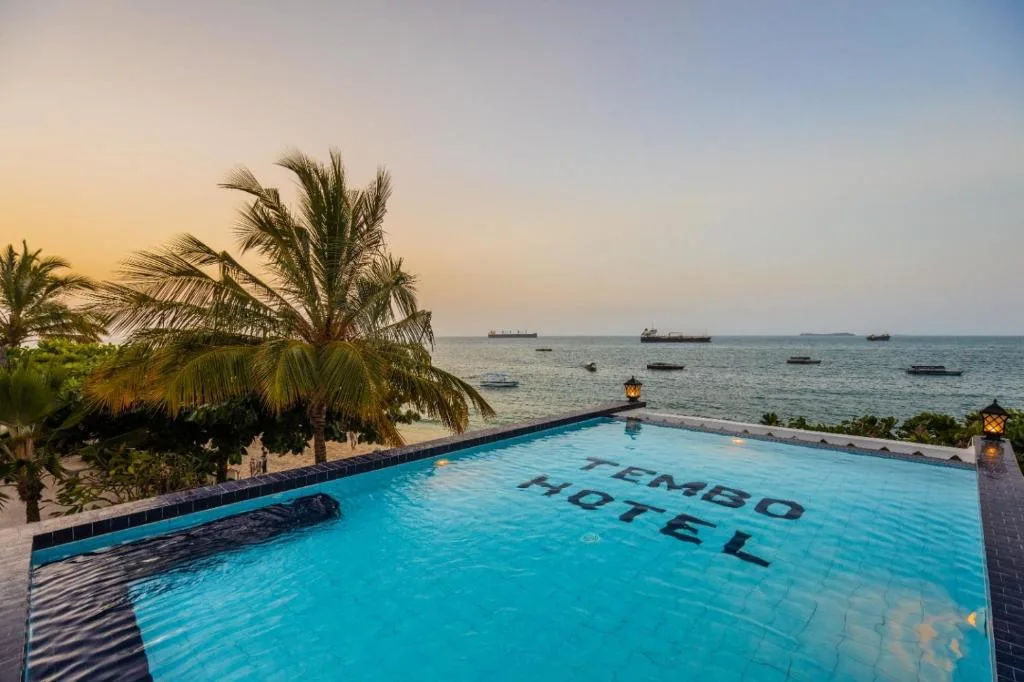 Budget
Tembo House Hotel
Tembo House Hotel is a wonderful choice for clients who want to experience the real charm of Stone Town, Zanzibar. It is located
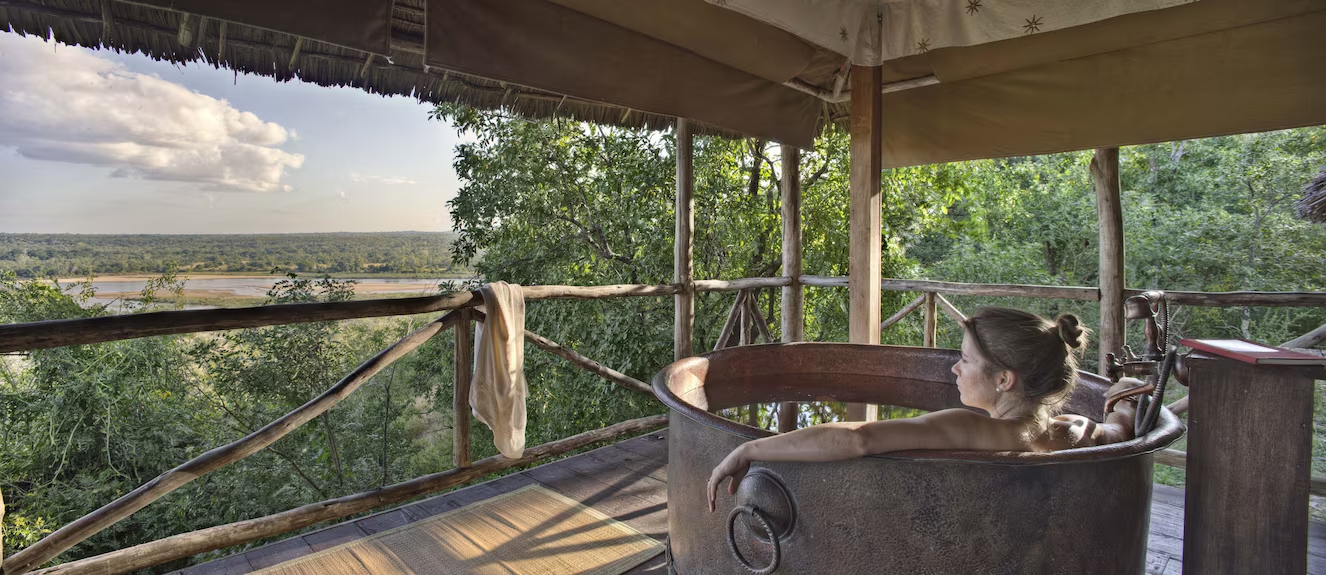 Luxury
The Retreat Selous
The Retreat Selous is an exclusive luxury safari lodge in the remote wilderness of southern Tanzania, within the greater Selous and Nyerere
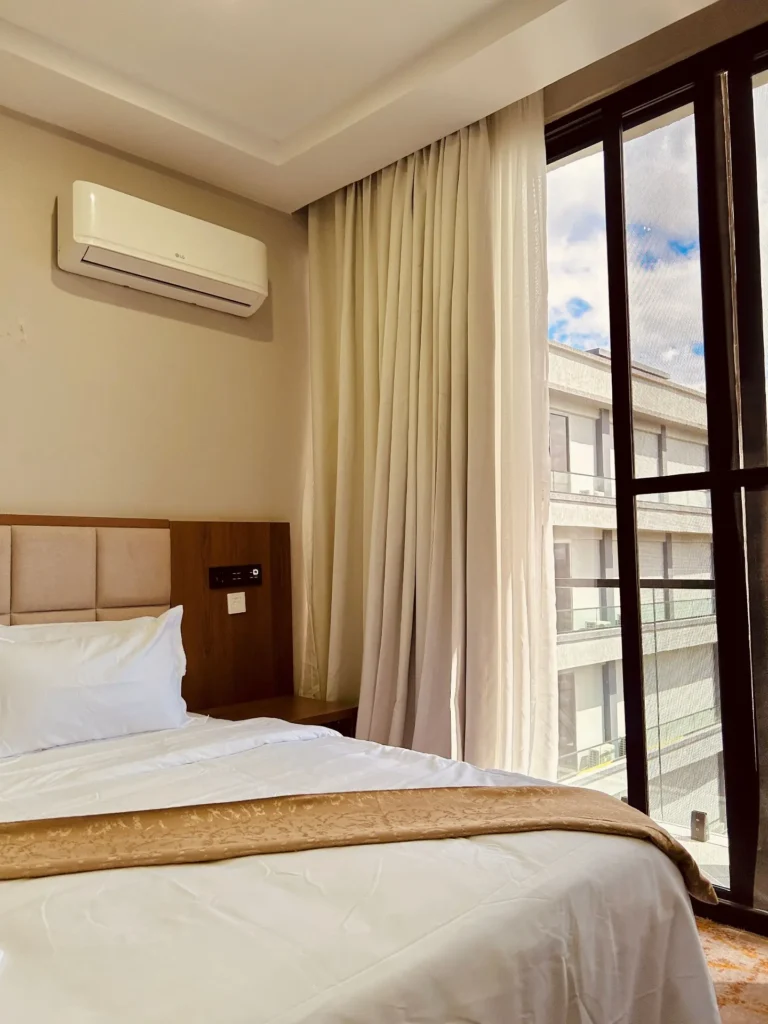 Mid Range
Timeless Morogoro Hotel
Timeless Morogoro Hotel is one of the newest hotels in Morogoro Town, offering modern comfort with stunning views of the Uluguru Mountains.
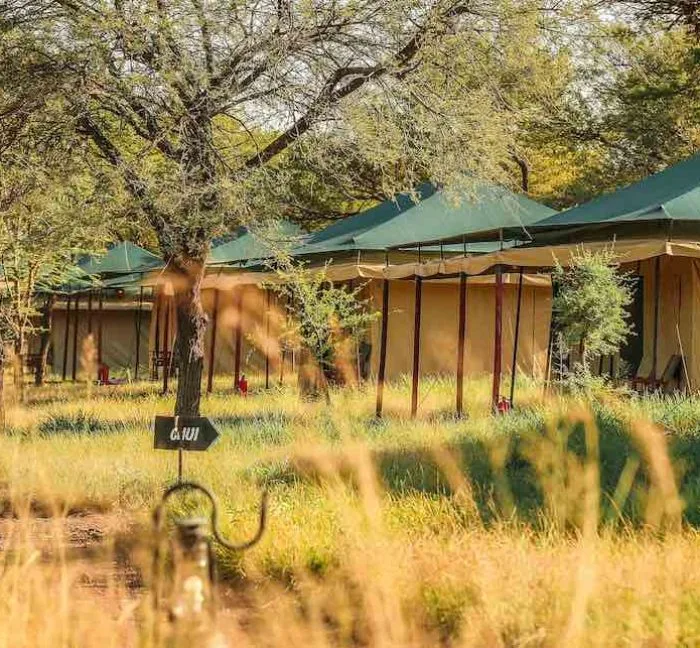 Mid Range
Tukaone Serengeti Weavers Camp
Tukaone Weavers Serengeti Camp is a family-owned safari retreat located in the heart of Central Serengeti, near the famous Seronera wildlife area
 Budget
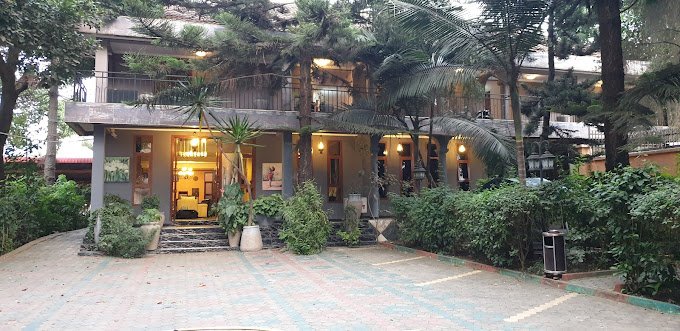
Tulia Boutique Hotel & Spa
Tulia Boutique Hotel & Spa is a peaceful and comfortable hotel located in the Sakina area of Arusha. It is around 20
 Mid Range
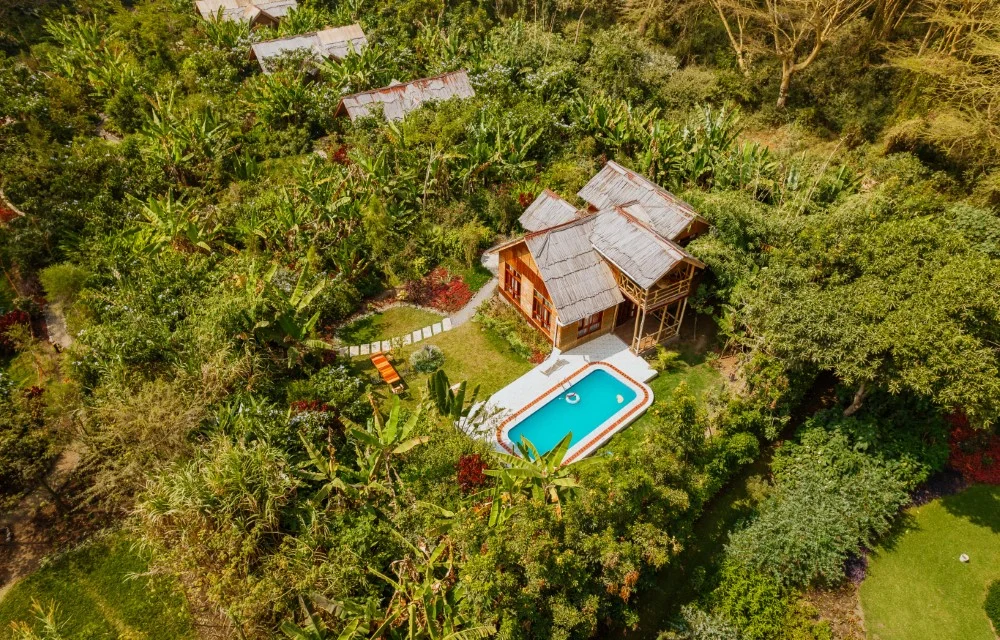
Under The Shade Safari Lodge
Under The Shade Safari Lodge is a small boutique hotel located on the outskirts of Arusha, 2 kilometres south of the domestic
 Luxury
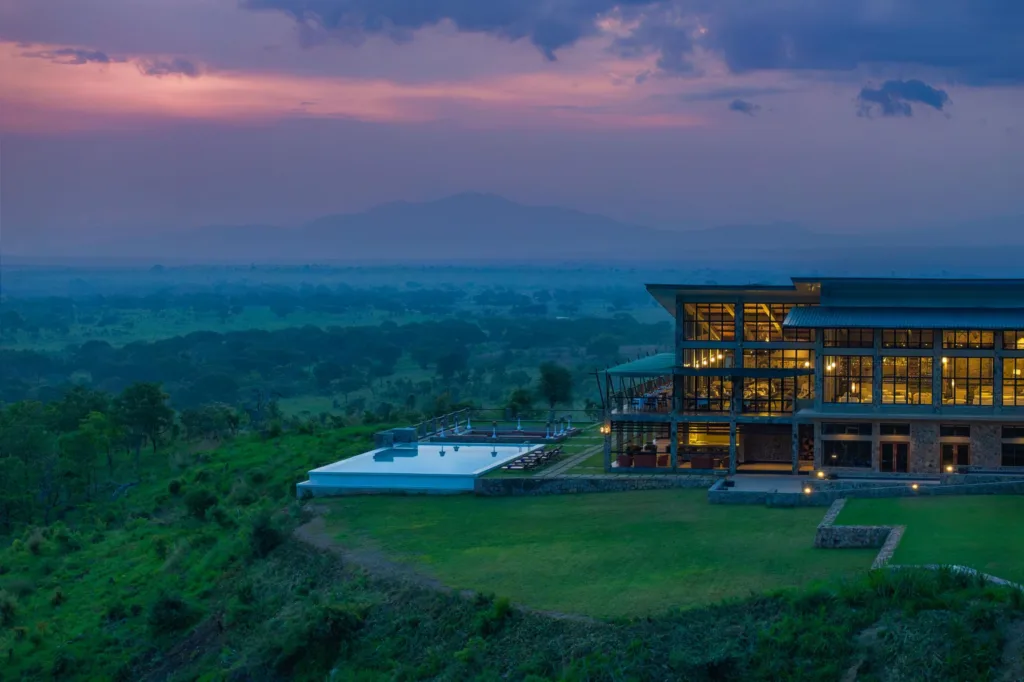
Wellworth Mikumi Wildlife Lodge
Wellworth Mikumi Wildlife Lodge is one of the most comfortable and well positioned safari lodges in Mikumi National Park, offering guests a
 Ultra Luxury
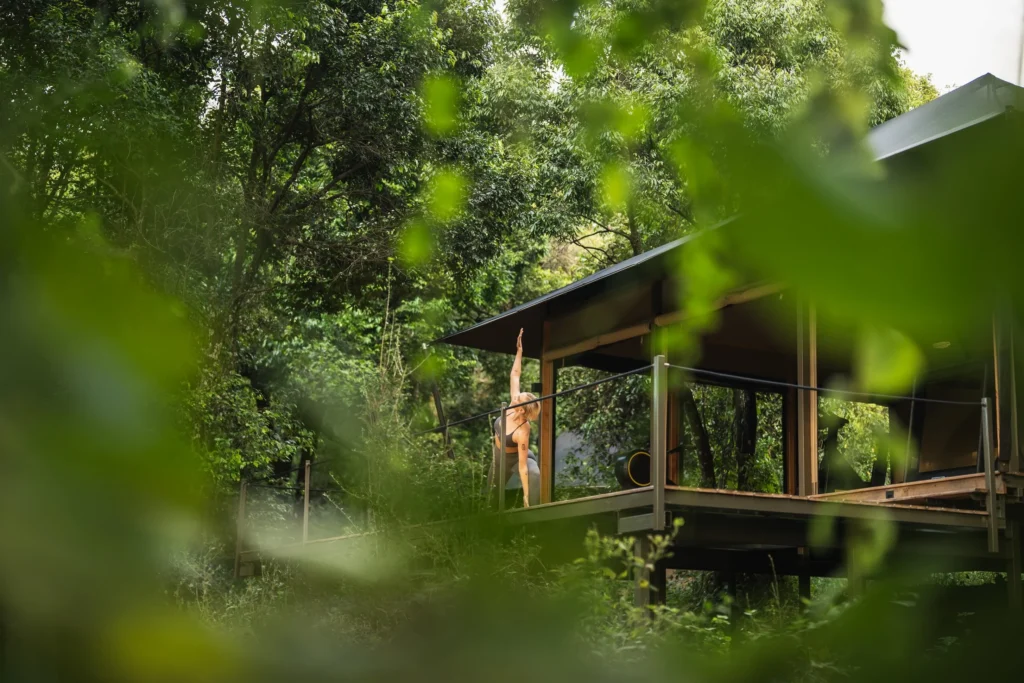
Wilderness Mara Formerly Little Governors’ Camp
Wilderness Mara, formerly known as Little Governors’ Camp, is a high end luxury safari camp in the Mara Triangle of Kenya’s Masai
 Mid Range
Zanzibar Queen Hotel
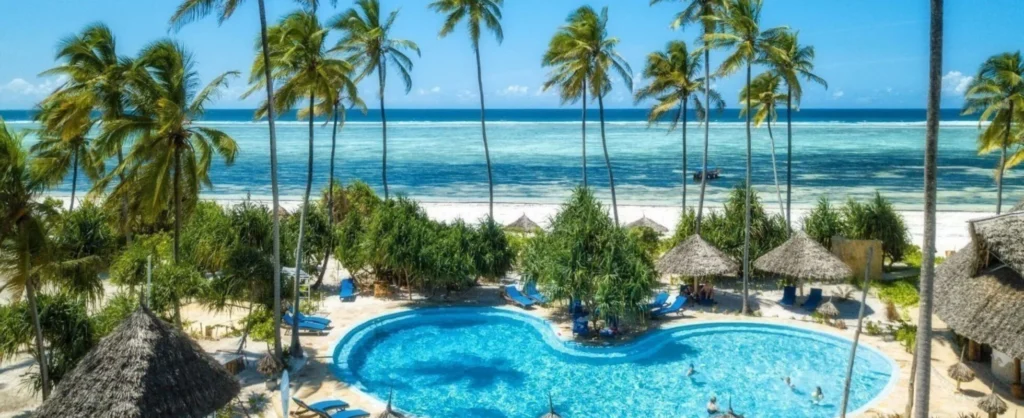
The Zanzibar Queen Hotel is located in Matemwe, on the northeast coast of Zanzibar, Tanzania. It sits directly along the island’s peaceful
Important Safari Logistics Chinese Travelers Should Know
A Tanzania safari involves early mornings, long drives, dust, changing temperatures, and limited services in remote areas. Travelers should understand that travel times are estimates, wildlife sightings cannot be scheduled, internet access may be unreliable, and comfort depends heavily on route planning and accommodation location.
Road distances may appear short on a map but take longer than expected. Park roads are not highways, and game drives include frequent stops.
Internet may work at some lodges but should not be relied on for business calls or large file transfers. Mobile signal varies by location.
Laundry services may be available, but drying time can be affected by weather. Some camps may not wash certain personal clothing items.
Cash in US dollars is commonly useful for tips and small expenses, while card payments may be accepted at larger lodges. Guests should confirm payment arrangements before travel rather than assuming every remote property accepts the same payment methods.
Public toilets are available at park gates, picnic areas, lodges, and selected visitor points. Facilities are basic in some remote areas.
Photography Advice for Chinese Safari Travelers
A private vehicle offers the best photography flexibility because guests can control positioning, stop duration, and daily departure times. A telephoto lens is useful for wildlife, while a wider lens captures landscapes and animals close to the vehicle. Dust protection and spare batteries are essential.
A lens in the approximate 100 to 400 millimetre range is practical for many wildlife situations. A second camera body can reduce the need to change lenses in dusty conditions.
Do not spend the entire safari looking through the camera. Some animal behaviour develops slowly, and understanding the scene can help you anticipate the next photograph.
Ask the guide to position the vehicle for light direction and a clear background. Guides cannot always choose the perfect angle because vehicles must remain on authorised tracks.
Bean bags are often more practical than large tripods inside a safari vehicle. Bring enough memory cards because internet connections may be too slow for cloud uploads.
What Should Chinese Travelers Pack?
Chinese travelers should pack light clothing, warm layers, sun protection, closed shoes, medicines, charging equipment, and dust protection for cameras. Morning temperatures around Ngorongoro can be cold, while midday conditions in lower areas may become warm. Soft luggage is easier to handle than large hard suitcases.
Recommended items include neutral coloured clothing, a light jacket, a warmer layer, a sun hat, sunglasses, sunscreen, insect repellent, personal medicine, binoculars, a power bank, and a reusable water bottle.
Bright colours are not forbidden inside a vehicle, but neutral clothing is more practical for dust and outdoor activities.
Do not overpack. Safari vehicles have limited luggage space, and domestic flights may apply stricter baggage limits than international flights.
Bring copies of important travel documents and keep emergency contact details available offline.
How Much Does a Tanzania Safari for Chinese Travelers Cost?
A Tanzania safari for Chinese travelers generally costs from $250 to more than $1,000 per person per day. The final price depends on accommodation, season, group size, route, domestic flights, and whether a dedicated Chinese speaking guide is required for the full safari.
Estimated Safari Cost by Travel Style
| Safari style | Estimated cost per person per day | What it normally includes |
|---|---|---|
| Shared camping safari | $250 to $350 | Shared vehicle, public campsites, basic accommodation and fixed itinerary |
| Private budget safari | $300 to $450 | Private vehicle, simple lodges or tented camps and flexible schedule |
| Private midrange safari | $450 to $650 | Comfortable lodges, private Land Cruiser and better accommodation locations |
| Private luxury safari | $700 to $1,000 | Luxury lodges or camps, premium service and carefully selected locations |
| High end private safari | From $1,000 | Exclusive camps, domestic flights, private services and premium rooms |
These are useful planning estimates rather than fixed package prices. Safari costs change according to lodge availability, park fee adjustments, travel dates, and the number of people sharing the vehicle.
A Chinese speaking guide may also affect the total price because the guide must often be reserved specifically for your group and remain with you throughout the safari.
Example Cost for a Seven Day Safari
A seven day private safari covering Tarangire, Serengeti, and Ngorongoro may fall within the following approximate ranges.
| Travel style | Estimated price per person |
| Shared camping safari | $1,750 to $2,450 |
| Private budget safari | $2,100 to $3,150 |
| Private midrange safari | $3,150 to $4,550 |
| Private luxury safari | $4,900 to $7,000 |
| High end safari with flights | From $7,000 |
The price per person is usually higher for two travelers because they are sharing the cost of the vehicle, guide, fuel, and transfers between only two people.
Four to six travelers normally receive better value because the main transport costs are divided among more guests.
What Makes Up the Safari Price?
| Cost item | How it affects the price |
| National park fees | Serengeti, Ngorongoro, and Tarangire charge daily entry and conservation fees |
| Accommodation | Lodges inside or close to wildlife areas usually cost more |
| Private safari vehicle | Includes the Land Cruiser, fuel, maintenance and professional driver guide |
| Chinese speaking guide | May require a dedicated guide for the full itinerary |
| Meals | Most safari lodges include breakfast, lunch and dinner |
| Airport transfers | Includes transfers from Kilimanjaro International Airport or Arusha Airport |
| Domestic flights | Useful for reducing long drives or connecting Serengeti with Zanzibar |
| Concession and camping fees | Apply to some lodges and camps inside protected areas |
| Drinking water | Normally provided inside the safari vehicle |
| Taxes and service charges | Included according to the accommodation and safari arrangements |
Accommodation Cost
Accommodation is usually one of the largest parts of the safari budget.
A basic lodge outside a national park may cost less, but it can create longer daily transfers. A well located midrange tented camp inside Serengeti can sometimes provide a better experience than a more expensive lodge located far from the main wildlife area.
What many travelers do not realize is that accommodation location affects both price and game drive time. Saving money on a distant lodge may mean leaving wildlife areas earlier and spending more time driving between the park and the accommodation.
Chinese Speaking Guide Cost
A Chinese speaking guide may need to be reserved exclusively for your group. The cost depends on availability, experience, travel season, and the length of the safari.
Some guides speak conversational Chinese, while others can explain wildlife behaviour, local culture, safari logistics, and safety information in greater detail.
We recommend confirming that the guide is both an experienced safari guide and a capable Chinese speaker. Language ability alone is not enough for a high quality safari.
Domestic Flight Cost
Domestic flights increase the total trip cost but reduce travel time.
Flights between Arusha, Serengeti, and Zanzibar may cost several hundred dollars per person depending on the route, luggage allowance, season, and airline.
Flying is most useful when the itinerary is short, when travelers want to avoid a long return drive, or when Serengeti is followed by a Zanzibar beach holiday.
Seasonal Price Differences
Safari prices are normally highest from June to October and during the Christmas and New Year period.
January to March can also be expensive in the southern Serengeti because many travelers visit for the calving season.
April, May, and selected parts of November may offer better accommodation rates, but travelers must accept a higher chance of rain and changing road conditions.
Expert Recommendation from Tanzania Safari Experience
Do not compare safari quotations using the final price alone.
Check the exact accommodation, number of nights inside Serengeti, vehicle arrangements, park fees, airport transfers, meals, guide language, domestic flights, and whether any important costs are excluded.
A cheaper safari can become poor value when it uses distant accommodation, reduces time inside the parks, or adds unexpected charges after booking.
At Tanzania Safari Experience, every itinerary is customised according to the travel dates, number of guests, preferred accommodation, Chinese speaking guide availability, and safari route.
Travelers receive a free no obligation custom quote showing what is included, what is excluded, and the total price before confirming the safari.
Can a Tanzania Safari Be Combined With Zanzibar?
A Tanzania safari can be combined with Zanzibar, and the combination works particularly well for travelers who want wildlife followed by beach rest. Most guests should allow at least seven days for the safari and three to five nights in Zanzibar rather than reducing the safari to fit too many activities.
Flights connect the safari circuit with Zanzibar, reducing the need for long return drives. The best flight route depends on where the safari ends.
After several days of early mornings and rough roads, Zanzibar provides time to rest. However, travelers should not assume every part of the island offers the same beach conditions.
Some coastal areas experience strong tidal changes. Hotel location should be selected according to whether the priority is swimming, relaxation, restaurants, diving, or cultural exploration.
Expert Recommendation from Tanzania Safari Experience
For a balanced trip, consider seven days of safari followed by four or five nights in Zanzibar.
Do not reduce Serengeti to one rushed night simply to add another beach day. The safari is usually the more complex and expensive part of the journey, so it should be planned properly.
Why Book With Tanzania Safari Experience?
Tanzania Safari Experience plans private safaris around the traveler rather than forcing guests into fixed packages. We consider guide language, wildlife priorities, accommodation location, group comfort, season, driving time, dietary preferences, and the practical details that determine whether a safari feels relaxed or rushed.
We have operated safaris in Tanzania since 2013 and understand the northern safari circuit from daily planning and field experience.
Our itineraries are customised. Travelers can adjust the route, number of nights, accommodation level, activities, and Zanzibar extension.
A Chinese speaking guide can be requested, subject to availability. We recommend confirming this requirement before paying for international flights.
Our safari vehicles use lifting roofs for wildlife viewing, and private trips can be arranged for couples, families, photographers, or small groups.
A 30 percent deposit confirms the booking, and card payment can be arranged.

Great Tanzanian vacation
We toured with Tanzania Safari Experience for an eight day trip to Tanzania. Five days of safari and then three days of beach vacation in Zanzibar. They were great to work with and customized everything exactly the way we wanted it. The lodges we were booked in were all incredible, particularly the Lahia Tented Lodge in the Serengeti. Our driver, Jay, seemed to know every road in every national park and as a result the wildlife viewing was unparalleled. There were times where we were the only vehicle seeing lions or hippos. The owner, Laurent, was extremely responsive and any issues we had in-country with our logistics were immediately sorted by him. He genuinely wanted us to have a first-rate experience. The only thing we were unprepared for is that some of the days in the safari vehicle were very long (10+ hours) and the roads can be really rough. But there were plenty of cold drinks in the car and it was worth it to see the wildlife. The safari/beach split was a great way to do the vacation and the beaches of Zanzibar were beautiful with clear blue water.
Family · July 31, 2026Read more
Safari May 2026
This company exceeded everything we’d hoped for. From the start, the tour operator had everything covered — a detailed itinerary laid out well in advance, quick responses to any questions, and a genuine attentiveness that made the whole thing feel effortless. The accommodation was seriously impressive. Not what I was expecting at all — comfortable, well-appointed, and luxurious. We also spent time right in the heart of the bush. A proper treat. The two people who really made this trip were our guide Mariki and photographer Agnes. Mariki’s knowledge of the bush and animal behaviour is something else — he always seemed to know exactly where to go, and his instincts paid off every single time. Agnes has a brilliant eye and captured shots we could never have got ourselves. As for the wildlife — we saw far more than we ever imagined we would. Elephants, lions, leopard, buffalo, giraffe, zebra, hippos — the lot. As a first safari, I couldn’t have asked for more. Would recommend without hesitation.
Friends getaway · June 2, 2026Read more
Great Experience with Tanzania Safari Experience
We had an amazing safari with Tanzania Safari Experience, and honestly the whole trip was put together really well by Laurent and his team. From our first message to the last day, they were easy to reach, quick to reply, and clear about everything. The plan made sense, the timing was smooth, and we didn’t have to stress about anything. Uncle J was a big part of what made it special. He knows the parks incredibly well and seems to notice things before anyone else. He’d position the vehicle perfectly for photos and often got us to sightings before the crowds built up. We were lucky to see [your highlights: migration / lions / cheetahs / elephants / a crossing], and every drive felt exciting and different. The vehicle was comfortable and in good shape, and everything ran on schedule. If you’re looking for a well-organized safari with a great guide, I’d definitely recommend Tanzania Safari Experience.
Solo travel · January 3, 2026Read more
Frequently Asked Questions
Is Tanzania safe for Chinese travelers?
Tanzania is a well established safari destination, and many international visitors travel through Arusha, the national parks, and Zanzibar each year. Guests should still use normal travel precautions and follow guidance from their safari team.
During the safari, keep valuables secure, avoid walking outside camps without permission, and follow staff instructions around wildlife.
Safety also depends on vehicle condition, guide experience, route planning, and realistic driving schedules. Choosing a licensed local operator is more important than choosing the cheapest quotation.
Can I get a Chinese speaking guide in Tanzania?
Yes, a Chinese speaking safari guide can be arranged for private safaris, but availability is limited and should be confirmed before booking flights.
Experienced Chinese speaking guides are in higher demand during busy travel periods. Early reservation gives the operator more time to secure the right guide.
Always confirm whether the same guide will remain with you throughout the safari and whether the guide is also a qualified wildlife guide and driver.
How many days are enough for a Tanzania safari?
Seven days is enough for a well planned safari covering Tarangire, Serengeti, and Ngorongoro Crater without adding unnecessary destinations.
Five days can work, but the route will be faster and time in Serengeti may be limited. Travelers should consider flying when the schedule is very short.
For migration areas, photography, or a slower pace, eight to ten days is a better choice.
Is a private safari worth the extra cost?
A private safari is worth the additional cost for travelers who value flexibility, privacy, photography, family comfort, and communication with a Chinese speaking guide.
You can decide when to depart, how long to remain at sightings, and when to return to the lodge.
For two travelers, the price is higher. For four to six travelers sharing one vehicle, the cost per person becomes more reasonable.
When should I book a Chinese speaking safari guide?
Book as early as possible, particularly for travel between June and October, during Chinese New Year, and around major migration periods.
Accommodation can often be replaced with another property, but a skilled Chinese speaking guide is harder to replace.
A guide request should be confirmed in writing as part of the safari booking arrangements.
Can Chinese food be arranged during the safari?
Some lodges may prepare Asian inspired meals or simple alternatives, but a full Chinese menu cannot be guaranteed in remote safari areas.
Provide dietary preferences before the trip. This gives lodges time to plan rice dishes, vegetables, soups, lighter meals, or other suitable options.
Travelers may also carry familiar snacks and tea, provided the items meet airline and customs requirements.
Is the Great Migration guaranteed?
The Great Migration is a natural movement, and its exact location changes according to rainfall, grazing conditions, and river levels.
A guide can take you to the area where the herds are expected, but no operator can guarantee a river crossing on a particular day.
Travelers should stay several nights in the correct region and treat any major crossing as a possible bonus rather than a scheduled performance.
Can senior Chinese travelers join a Tanzania safari?
Yes, many senior travelers can enjoy a Tanzania safari when the route, accommodation, medical needs, and daily schedule are planned carefully.
Private vehicles allow additional stops and shorter game drives. Lodges with fewer stairs and easier room access can also be requested.
Travelers with health conditions should consult their doctor before travel and carry enough medication for the full journey.
Can children join a Tanzania safari?
Children can join a Tanzania safari, but the itinerary should include shorter drives, suitable accommodation, flexible meal times, and regular rest.
Very young children may become tired during long game drives. Some lodges also have minimum age rules for walking safaris or certain activities.
A private vehicle is usually the best option because the family controls the schedule.
Do I need to speak English during the safari?
You do not need strong English when a Chinese speaking guide has been confirmed for your private safari.
Some lodge staff may speak only English or Swahili, but your guide can assist with important communication.
It is still useful to keep your hotel names, emergency contacts, flight details, and itinerary saved on your phone in both English and Chinese.
Is Tanzania safari suitable for Chinese photographers?
Yes, Tanzania is an excellent destination for wildlife photography because of its open landscapes, large animals, predator activity, and wide variety of habitats.
A private vehicle is strongly recommended. Shared vehicles make it harder to control the angle, position, and time spent at each sighting.
Tell the safari planner about your equipment and photography priorities so the vehicle seating and luggage arrangements can be planned correctly.
Should I choose more parks or more nights in Serengeti?
For most travelers, more nights in Serengeti are better than adding several parks to a short itinerary.
Serengeti is extremely large, and wildlife locations change. Additional time gives the guide more opportunities to explore productive areas.
Few destinations for few days and more destinations for many days is the better planning principle.
Plan Your Tanzania Safari With a Chinese Speaking Guide
A successful Tanzania safari for Chinese travelers depends on clear communication, realistic driving times, the right accommodation locations, and enough days in the major wildlife areas.
We usually recommend a private seven to ten day safari covering Tarangire, Serengeti, and Ngorongoro Crater, with Zanzibar added after the safari when time allows.
Tell Tanzania Safari Experience your travel dates, number of travelers, preferred accommodation level, dietary requirements, and whether a Chinese speaking guide is essential.
We will create a free no obligation custom safari proposal based on your exact travel plans.
