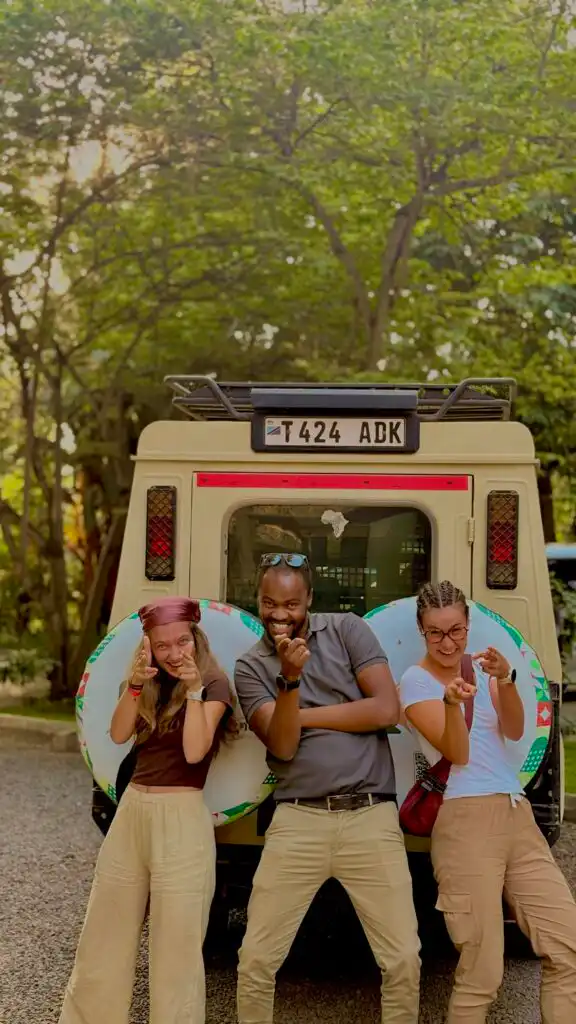
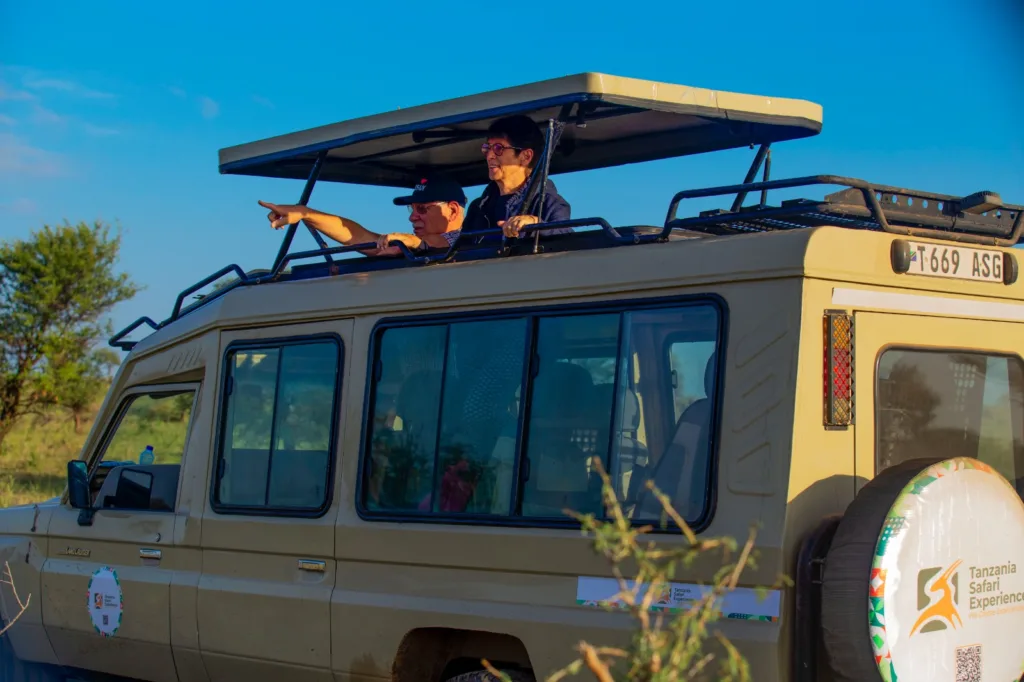
A fluent Chinese speaking guide allows travellers to understand wildlife behaviour, daily schedules, safety instructions, cultural differences, and safari logistics without losing important details through limited English. The guide also manages the vehicle, park procedures, game viewing decisions, and communication with lodges and camps.
The guide should do more than translate animal names. A qualified safari guide must understand animal behaviour, national park rules, driving conditions, route planning, guest safety, and how to position the vehicle responsibly.
Guests should still be patient when the guide becomes quiet during difficult driving sections or active wildlife situations. Safe driving and respectful viewing must come before continuous conversation.
Chinese speaking guide services are subject to availability. Written confirmation should be included in your safari agreement before payment is made.
Common Mistake
Assuming every guide who knows a few Chinese phrases can guide an entire safari fluently. Ask whether the guide can explain wildlife, safety instructions, meals, schedules, and unexpected changes clearly in Chinese.
Wildlife Expectations
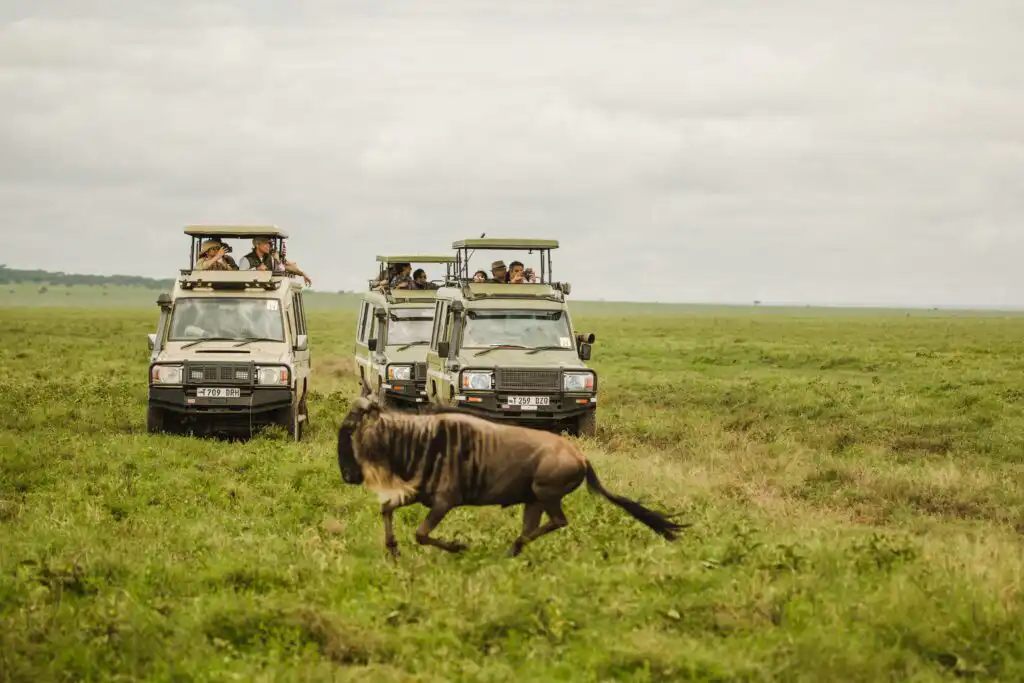
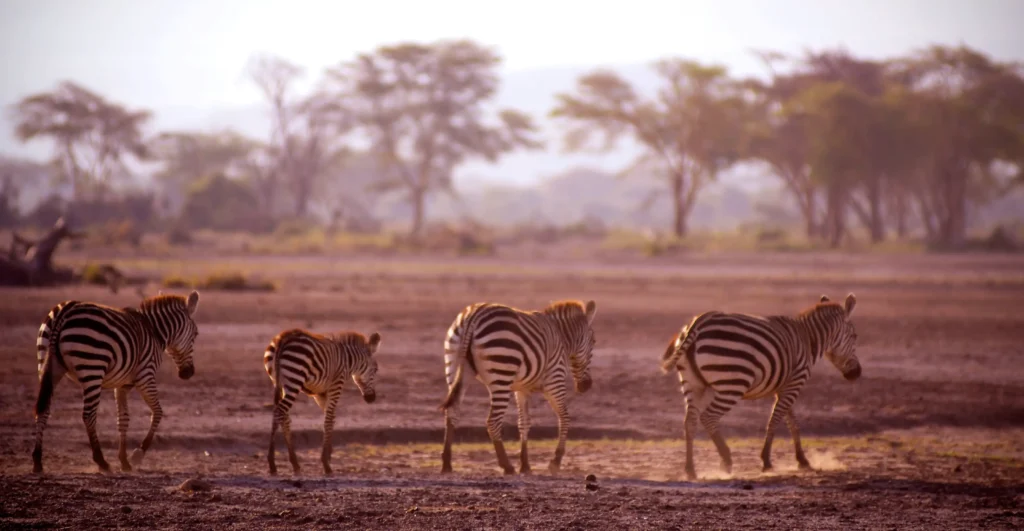
This route gives you a strong chance of seeing lions, elephants, giraffes, zebras, wildebeest, buffalo, hippos, hyenas, monkeys, antelopes, and many bird species. Leopards, cheetahs, rhinos, and unusual animal behaviour require more patience and cannot be guaranteed.
Wild animals move according to food, water, temperature, breeding behaviour, and pressure from predators. A place that produced an excellent sighting yesterday may be quiet today.
Your guide will use tracks, animal calls, fresh signs, vehicle reports, and field experience to decide where to search. However, the safari should not become a race between vehicles.
Spending enough time at a good sighting is often better than driving quickly from one reported animal to another.
Photography Advice for Chinese Travellers
This itinerary is well suited to wildlife photography because it includes a full day in Central Serengeti and varied landscapes in Tarangire, Ngorongoro, and Lake Manyara. Bring sufficient storage, spare batteries, charging equipment, and a camera support that can be used safely inside the vehicle.
A lens around 100 to 400 millimetres is practical for many wildlife situations. A wider lens is useful for landscapes, accommodation, people, and animals close to the vehicle.
Do not change lenses unnecessarily in dusty conditions. Fine dust can enter the camera body and settle on the sensor.
Keep one battery and memory card inside your day bag rather than buried in the main luggage. Charging may be available in the vehicle and accommodation, but you should not depend on a single charger.
Turn off flash near wildlife. Flash rarely improves distant animal photographs and can disturb animals at close range.
What to Pack
Pack light layers because mornings in Ngorongoro and the Serengeti can feel cold while midday temperatures may become warm. Neutral clothing, comfortable closed shoes, sun protection, medicine, and dust protection are more useful than formal safari clothing.
Bring a warm layer for early morning game drives and the Ngorongoro highlands. A light waterproof jacket is useful during the green season.
A scarf or face covering helps during dusty road sections. Sunglasses should offer proper sun protection rather than being used only for appearance.
Keep essential medicine in your hand luggage. Do not place all medication inside checked baggage.
Binoculars improve the experience even when the vehicle is close to wildlife. One pair per two travellers is more practical than expecting the guide to share one pair with everyone.
Mistakes to Avoid
The biggest mistake is adding more parks to this itinerary simply to make the route look larger. Seven days is enough for this journey, but adding distant destinations would increase driving and reduce the quality of each game drive.
Another mistake is arriving with unrealistic wildlife expectations. The Big Five are possible on this route, but no responsible operator should promise every species.
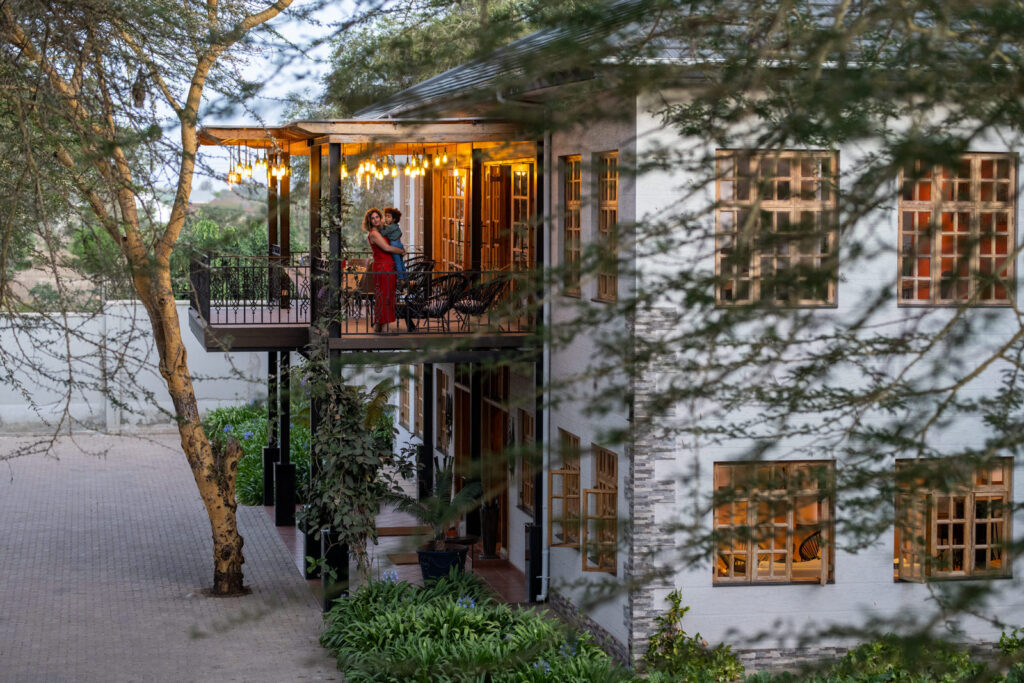
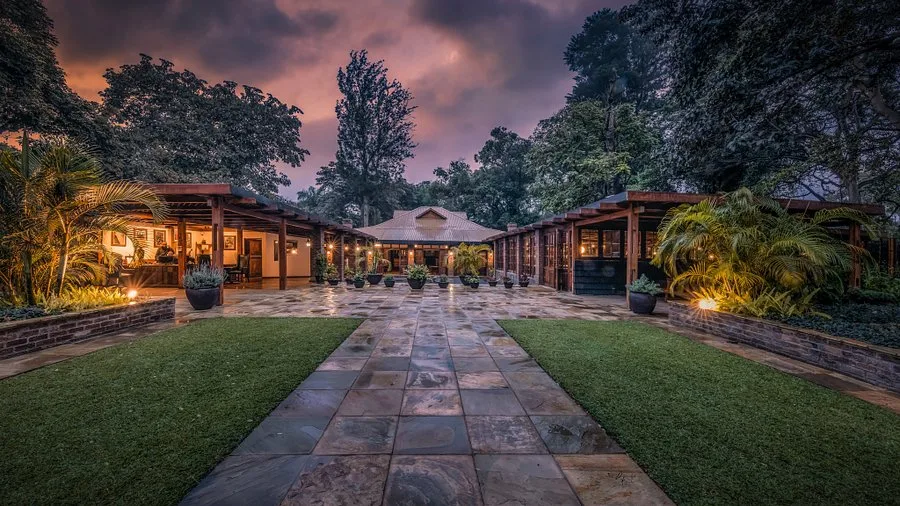
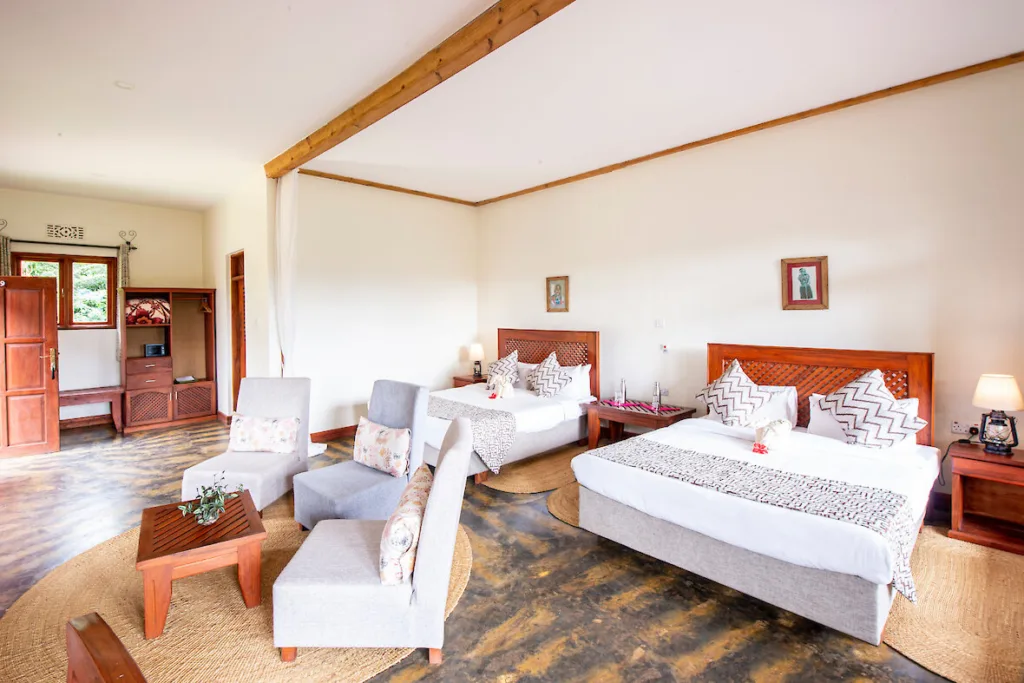
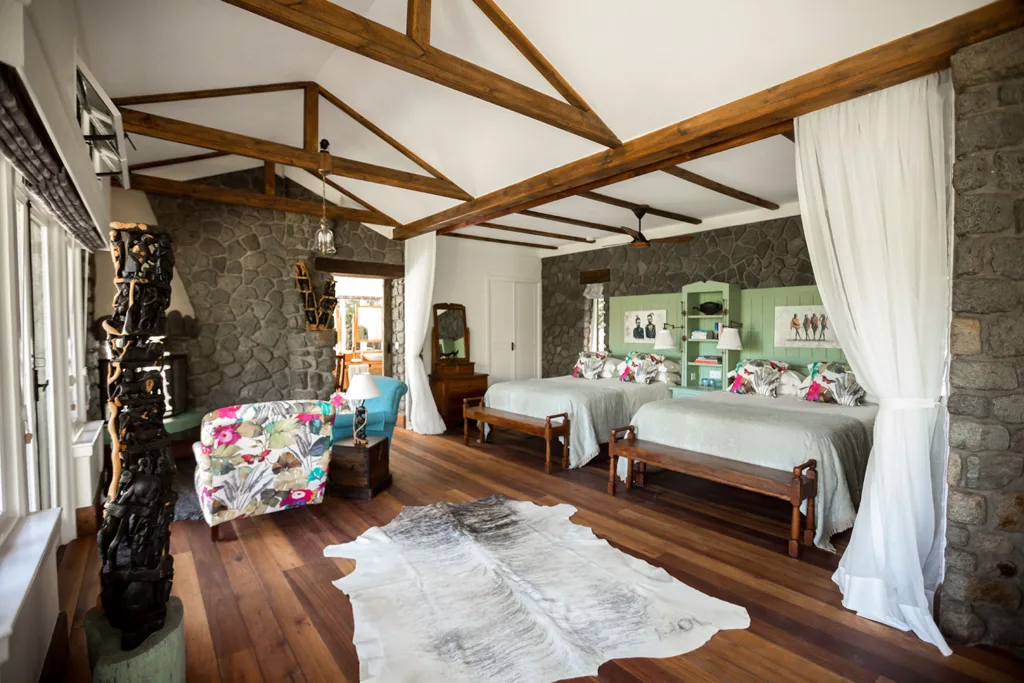
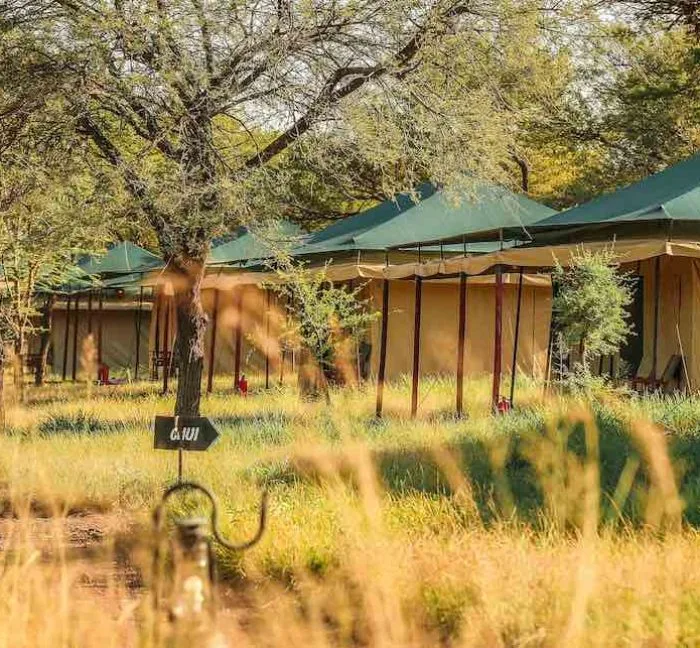
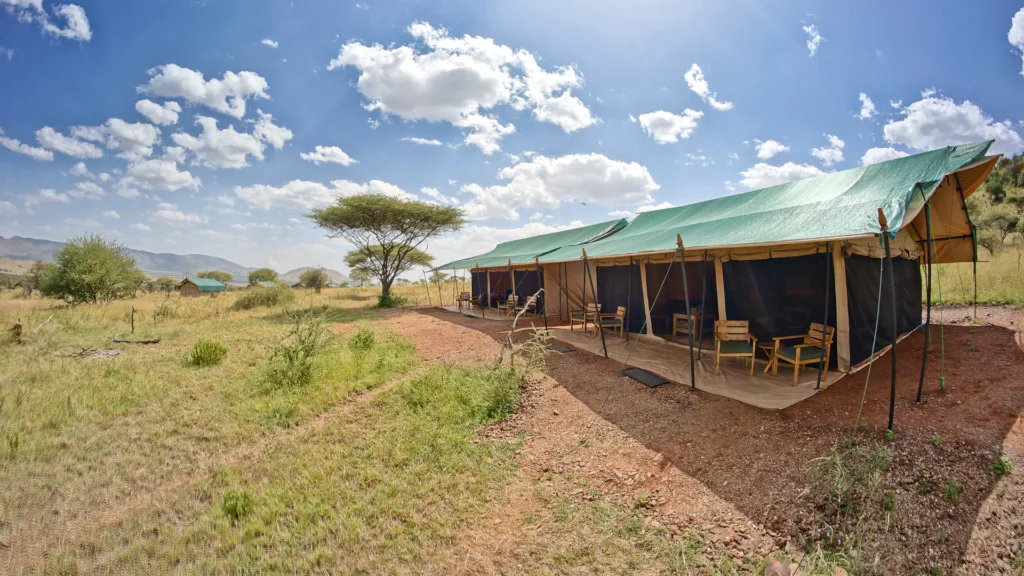
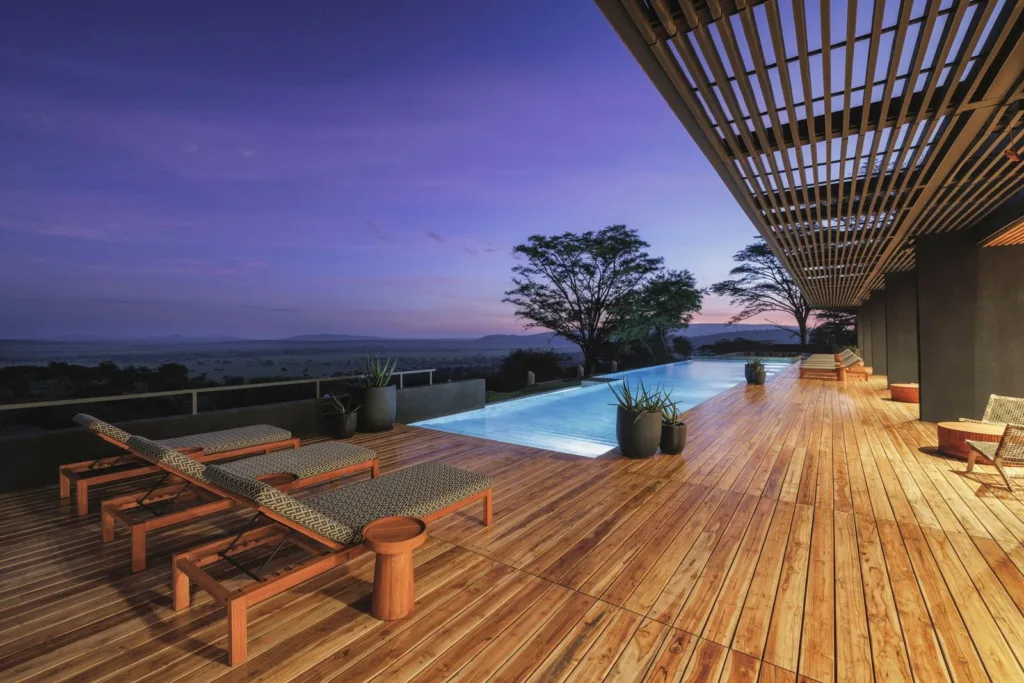
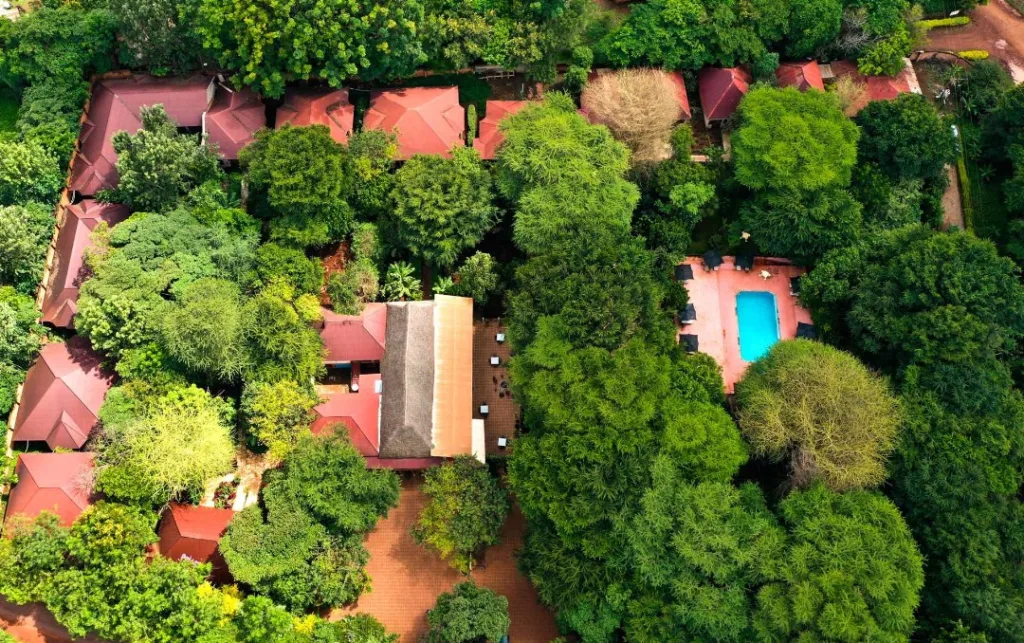
Do not choose accommodation based only on room photographs. Location affects your safari more than decorative details. A beautiful lodge far outside the park may require hours of extra driving.
Do not delay requesting a Chinese speaking guide. During peak months, suitable guides may already be assigned to confirmed safaris.
Avoid booking flights that depart too soon after the scheduled airport transfer. Road traffic and unexpected delays should be considered.