
Your African safari calendar

Best Time to Visit Africa

Discover what each month offers for wildlife viewing, weather, migration, safari costs, crowds and travel experiences across Tanzania, Kenya, Uganda, Rwanda, Zanzibar and Southern Africa.

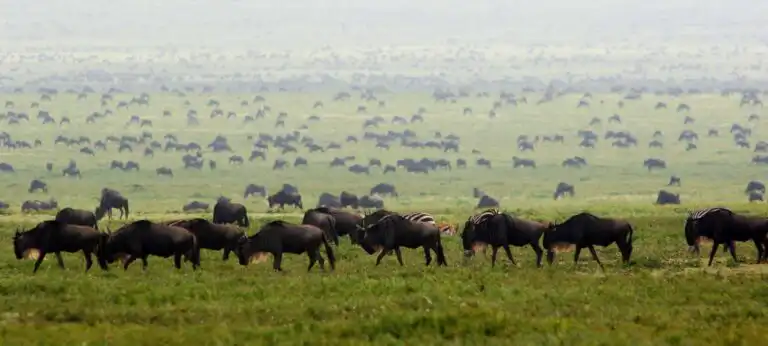
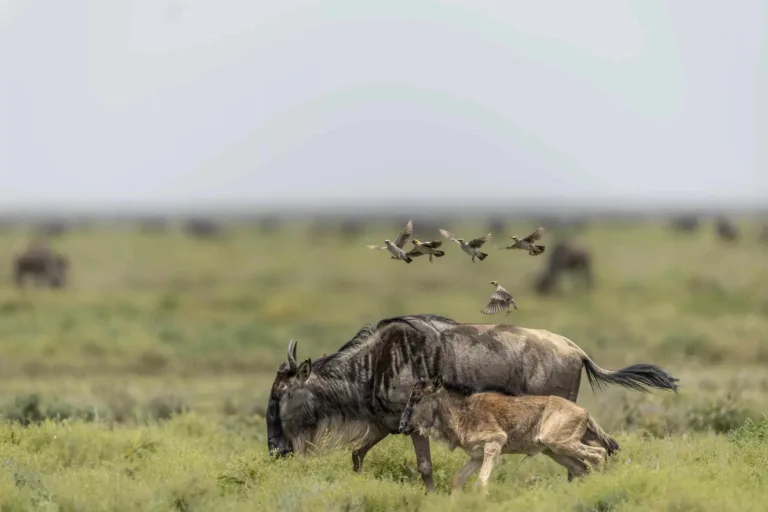
  1. Wildebeest grazing on the green short-grass plains of Ndutu during calving season Green & calving season

    January

    Calving season begins

    Herds gather on the green short-grass plains of Ndutu and the southern Serengeti as the first wildebeest calves are born, in a drier interval between the…

    Wildlife highlight
    Migration herds and the first calves on the Ndutu plains
    Price level
    High
    Crowds
    Moderate overall, high around the herds
  2. Wildebeest herds spread across the Ndutu plains in February Green & calving season

    February

    Peak calving season

    February is the heart of the wildebeest calving season on the southern Serengeti and Ndutu plains, with intense predator activity and green, open landscapes.

    Wildlife highlight
    Peak wildebeest calving and predator action
    Price level
    Peak
    Crowds
    High in the calving areas, moderate elsewhere
  3. Green highlands and plains of the Ngorongoro area in the green season Rainy transition

    March

    Green-season value

    March brings green landscapes, rich birdlife and quieter parks as northern Tanzania moves towards the long rains. Rates begin to ease at many properties.

    Wildlife highlight
    Late-calving herds, young animals and exceptional birding
    Price level
    Shoulder
    Crowds
    Low to moderate
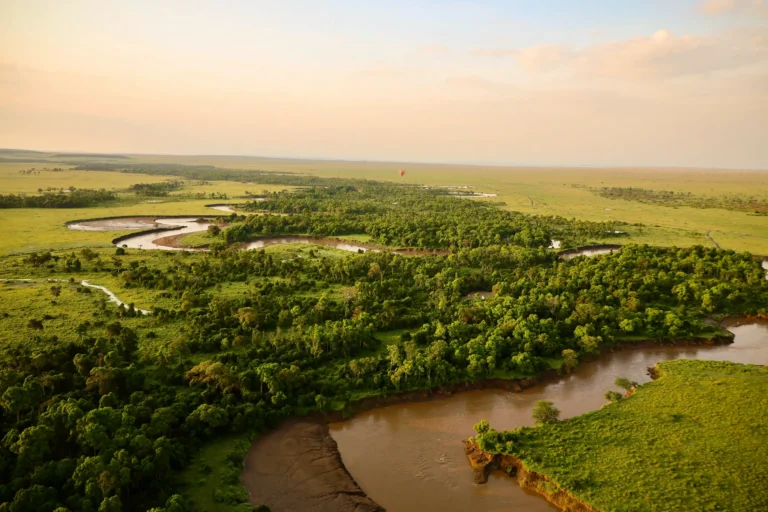
  4. Lush green Serengeti plains and woodland seen from the air during the rains Long rains

    April

    Long rains and fewer crowds

    April is the heart of the long rains: lush scenery, very few visitors and the lowest rates of the year, balanced against wet roads, some camp…

    Wildlife highlight
    Lush scenery and near-empty parks
    Price level
    Low
    Crowds
    Very low
  5. Large wildebeest herds grazing on green Serengeti plains Long rains easing

    May

    Quiet wilderness

    May is the end of the long rains: green landscapes, quiet parks and the migration herds moving through the central and western Serengeti, with conditions improving…

    Wildlife highlight
    Migration columns crossing the central and western Serengeti
    Price level
    Low–shoulder
    Crowds
    Low
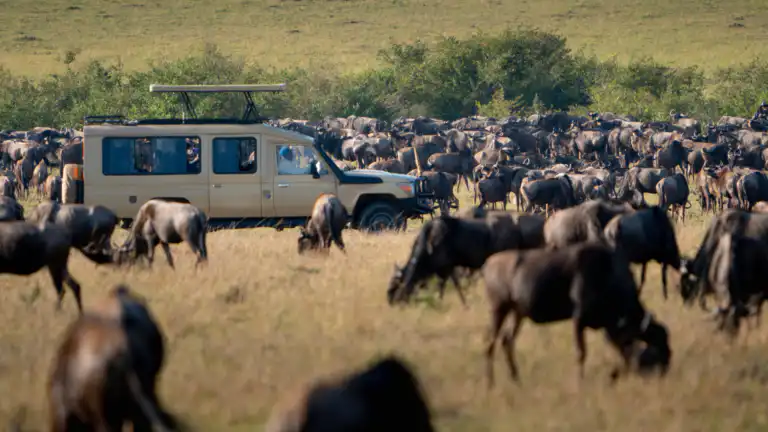
  6. Safari vehicle among wildebeest herds in the western Serengeti Early dry season

    June

    Dry season begins

    June opens the dry-season safari period: thinning vegetation, comfortable temperatures, improving game viewing and the migration herds in the western corridor near the Grumeti River.

    Wildlife highlight
    Migration herds in the western corridor and Grumeti area
    Price level
    High
    Crowds
    Moderate to high
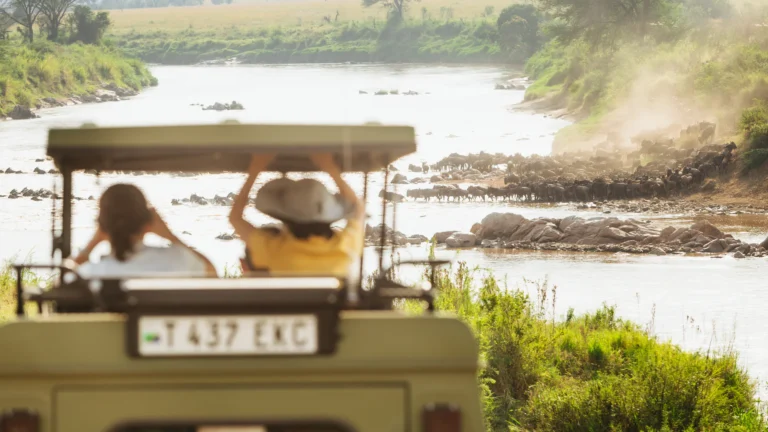
  7. Safari vehicle watching wildebeest crossing a river in the northern Serengeti Dry season

    July

    Migration river crossings

    July brings the migration herds to the northern Serengeti, where Mara River crossings can begin, alongside classic dry-season wildlife viewing across Tanzania.

    Wildlife highlight
    First Mara River crossings in the northern Serengeti
    Price level
    Peak
    Crowds
    High
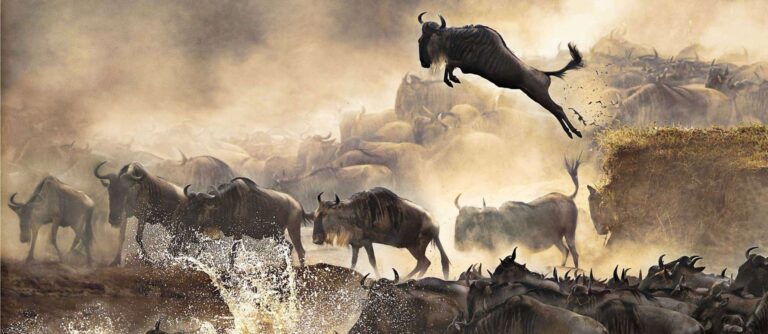
  8. Wildebeest leaping into a river during a migration crossing Dry season

    August

    Peak safari season

    August is one of the most popular months for a classic East African safari: dry weather, excellent game viewing and migration herds around the Mara River…

    Wildlife highlight
    Migration herds around the Mara River
    Price level
    Peak
    Crowds
    Very high in popular areas
  9. Safari vehicle on the floor of Ngorongoro Crater in the dry season Dry season

    September

    Dry season and northern herds

    September keeps the dry-season conditions of July and August, with herds still in the northern Serengeti and Maasai Mara, but fewer families travelling once school holidays…

    Wildlife highlight
    Herds in the northern Serengeti with continuing Mara River activity
    Price level
    Peak
    Crowds
    High, easing after early September
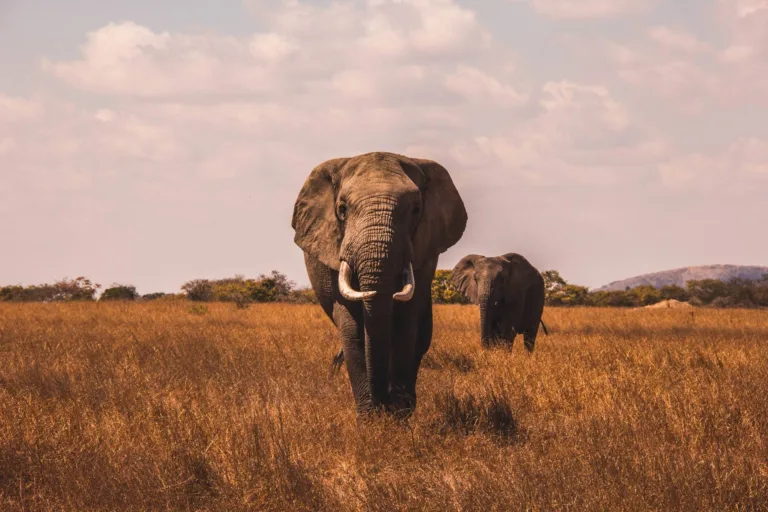
  10. Elephants and dry landscape in Ruaha National Park in the late dry season Late dry season

    October

    Late dry season

    October is the late dry season: wildlife concentrates around water, crowds fall after the peak months, and the migration begins to move from the far north…

    Wildlife highlight
    Concentrated wildlife at rivers and herds turning south
    Price level
    High
    Crowds
    Moderate
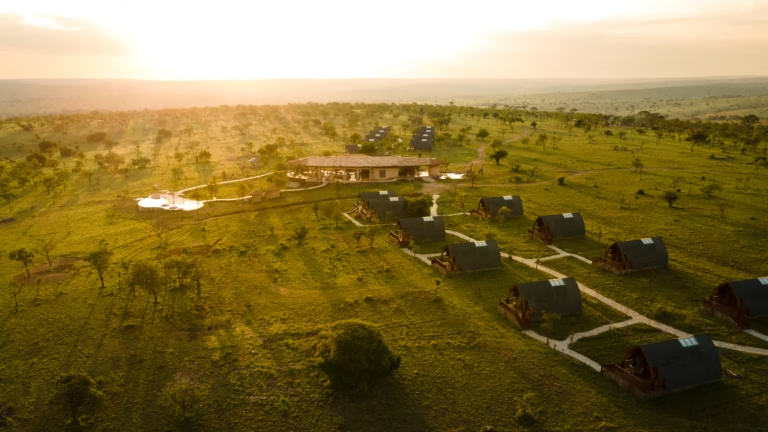
  11. Tented safari camp in the Serengeti during the green season Short rains

    November

    Short rains and green season

    November brings the short rains, fresh green landscapes, migrant birds and lower rates, while the migration herds move south through the eastern Serengeti.

    Wildlife highlight
    Herds moving south and migrant birds arriving
    Price level
    Low–shoulder
    Crowds
    Low
  12. White sand and turquoise water at Paje Beach, Zanzibar Short rains / green season

    December

    Festive safari season

    December combines green landscapes, the herds returning to the southern Serengeti and a popular festive season, with shoulder rates early in the month and festive rates…

    Wildlife highlight
    Herds returning to the southern Serengeti plains
    Price level
    Shoulder
    Crowds
    Low early, high over the holidays

Season labels and price levels refer to northern Tanzania and are relative and illustrative, not prices. Each guide covers the rest of Africa too.

Seasons at a glance

The Four Safari Seasons in Northern Tanzania

  • December – March Green season

    Calving season. Migration herds graze the southern Serengeti and Ndutu short-grass plains; most calves are born from late January to early March, with predators close by.

    • Calving
    • Predator action
    • Green plains
    Wildlife
    Crowds
  • April – May Low season

    Long rains. The wettest weeks of the year. Lush scenery and very few vehicles, but muddy tracks, some camp closures and less predictable game viewing.

    • Quiet parks
    • Lush scenery
    • Lowest rates
    Wildlife
    Crowds
  • June – October High season

    Dry season. Short grass and shrinking water concentrate wildlife. The herds move through the western corridor to the northern Serengeti and the Mara River.

    • River crossings
    • Big Five
    • Classic safari
    Wildlife
    Crowds
  • November – December Shoulder season

    Short rains. Showers return and the plains turn green again. Migratory birds arrive and the herds start moving back towards the south.

    • Fresh greenery
    • Birding
    • Shoulder value
    Wildlife
    Crowds

Not Sure When to Travel?

Tell us what you most want to see and when you can travel. We will suggest the best month and itinerary for you.

Request a Personalized Safari Quote