Overview
Travelling to Africa in May
May marks the end of the long rains in northern Tanzania. Early in the month rain can still be frequent, but showers usually become lighter and less regular as May progresses, and the last week often feels like the start of the dry season. The plains are still green and the parks are very quiet.
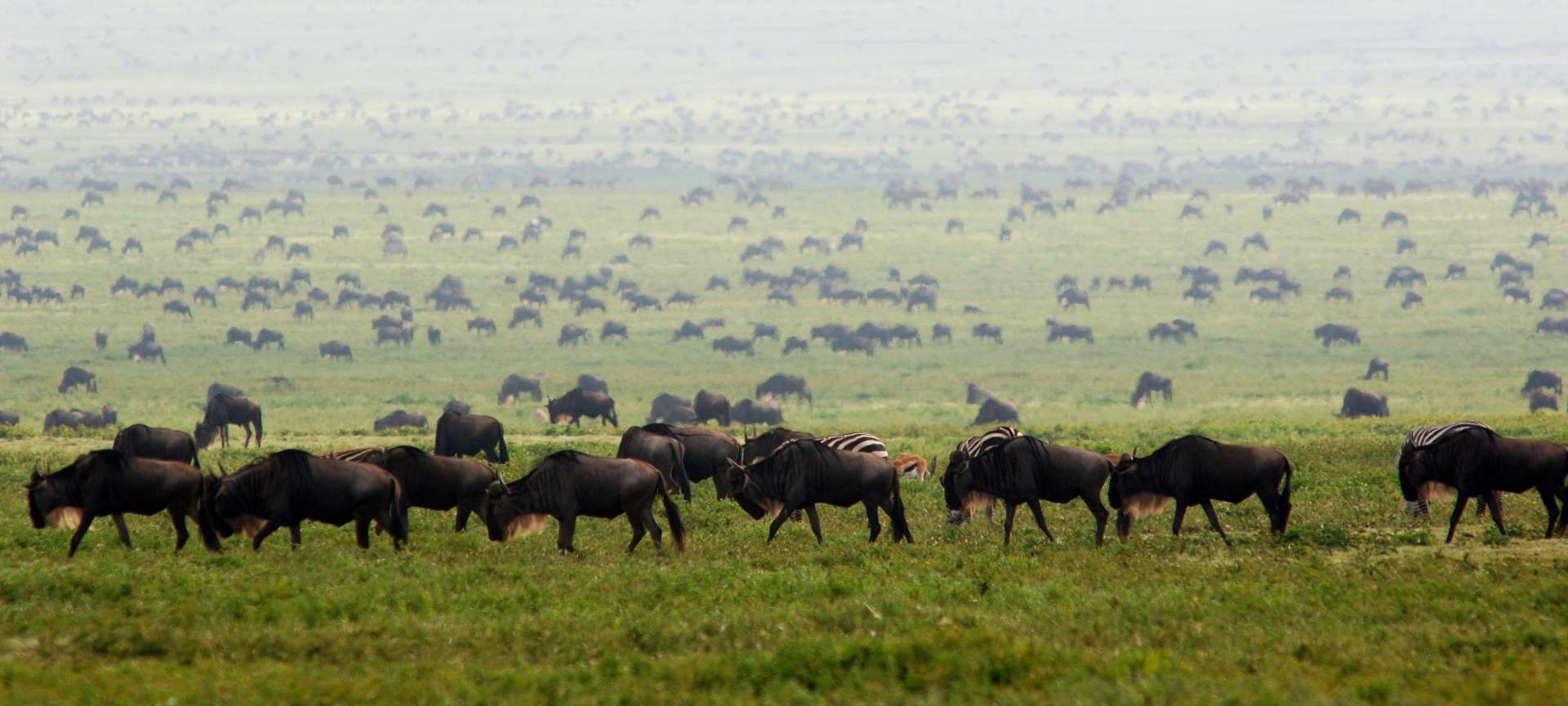
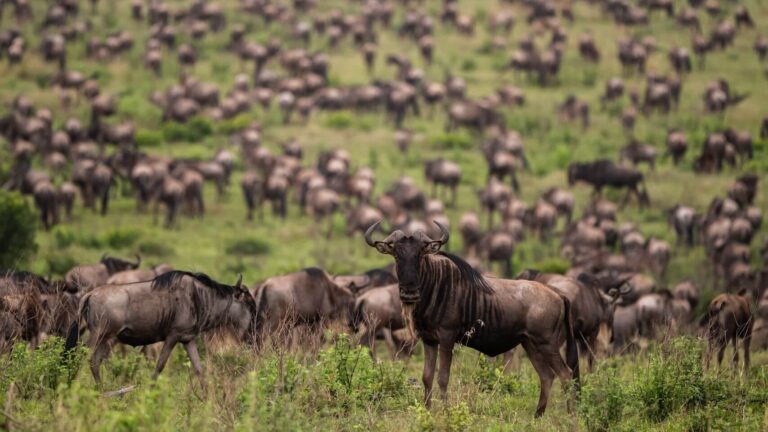
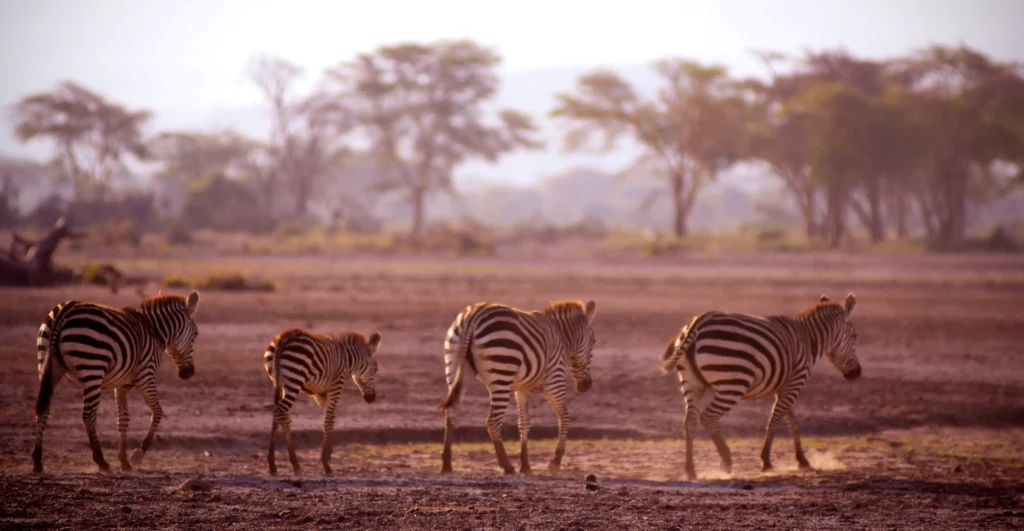
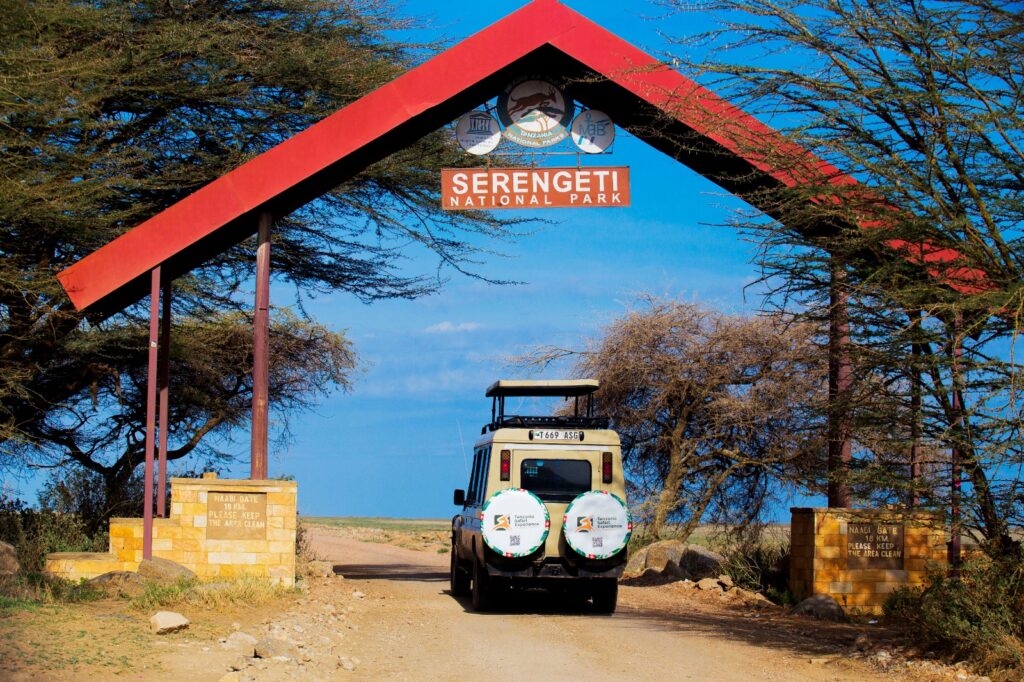
The migration herds are typically on the move through the central Serengeti and into the western corridor. This is when the famous long columns of wildebeest are often seen, and the rut, when males compete for females, usually begins around this time. Their exact route depends on rainfall and grazing, so their location can change from week to week.
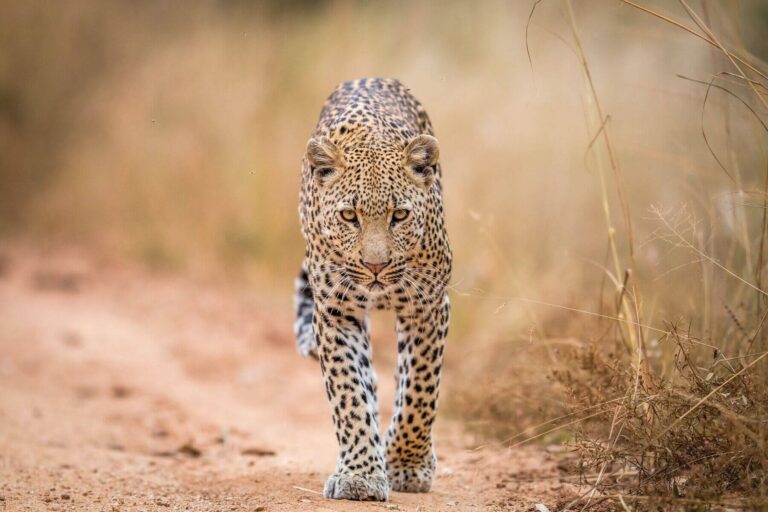
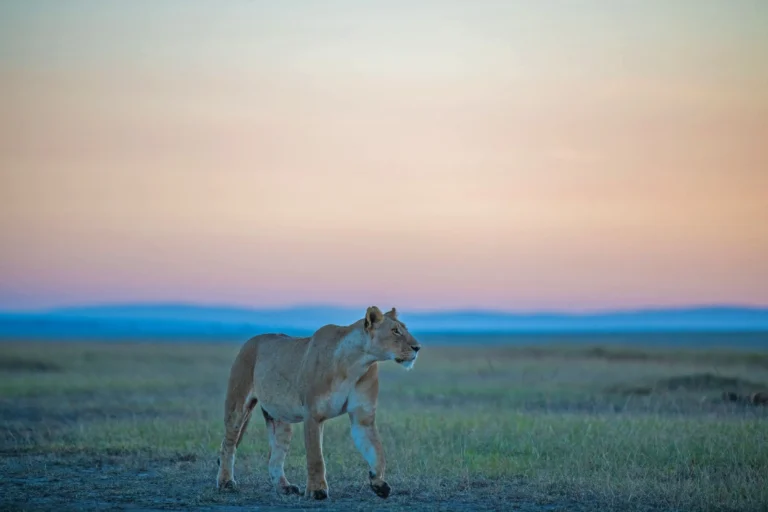
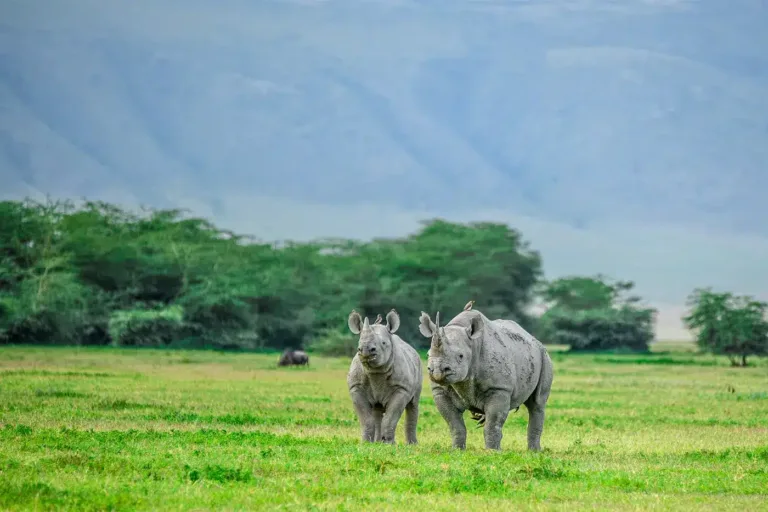
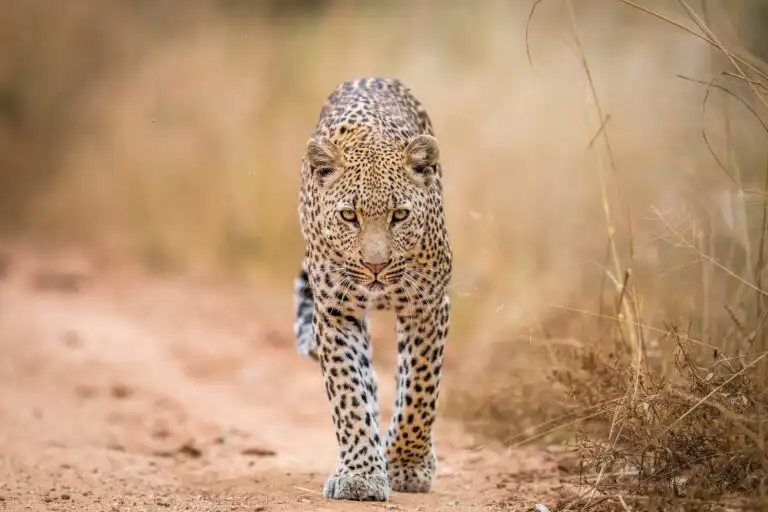
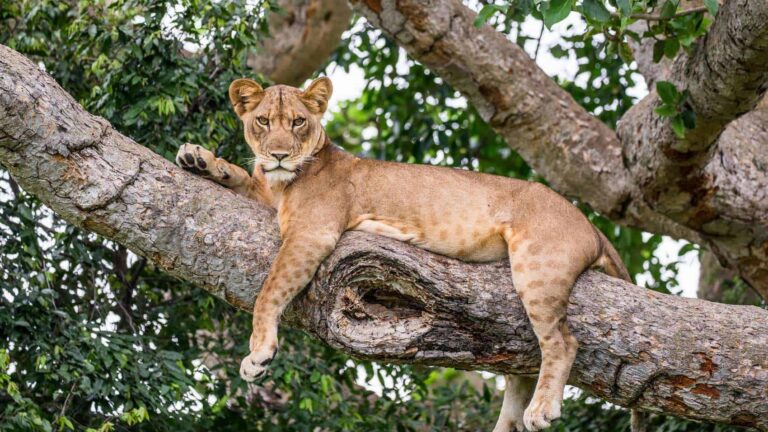
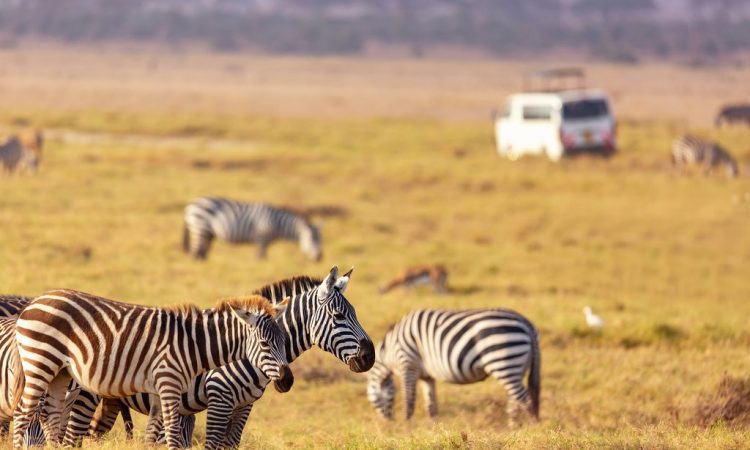
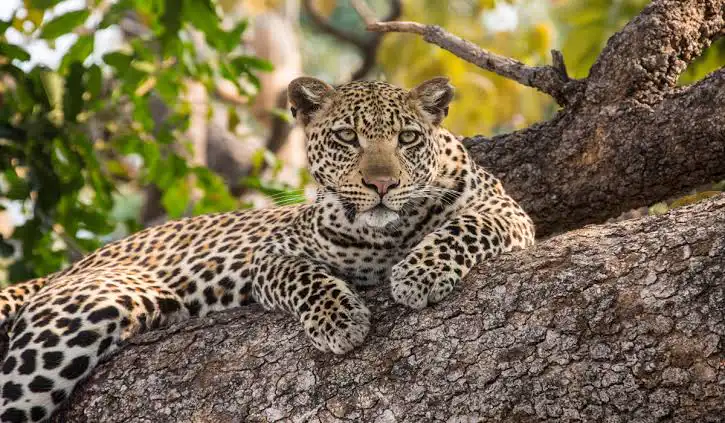
Central Serengeti, around Seronera, has some of Tanzania's best resident predator viewing all year, and in May it is particularly quiet. Ngorongoro Crater, Tarangire and Lake Manyara are green, with good wildlife and very few vehicles.
Rates are generally low, with some lodges moving to shoulder rates towards the end of the month or in early June. A late-May safari often combines low-season rates with improving weather, which makes it one of the best-value times to travel.
May suits travellers who value quiet game drives, photographers who like green landscapes and soft light, and anyone looking for value. Zanzibar is still wet at the start of the month, and Kilimanjaro conditions improve only towards the end of May.