Overview
Travelling to Africa in April
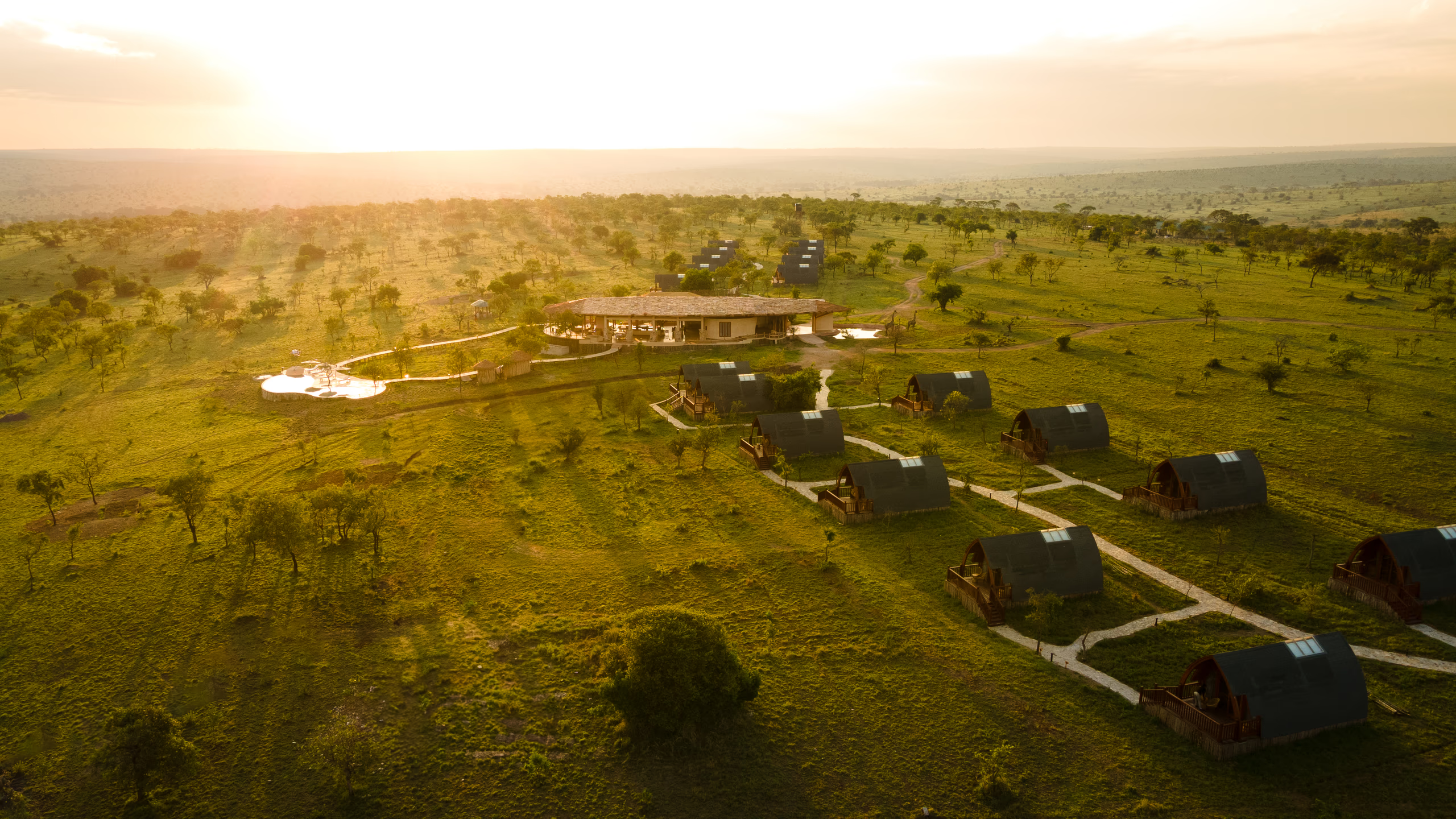
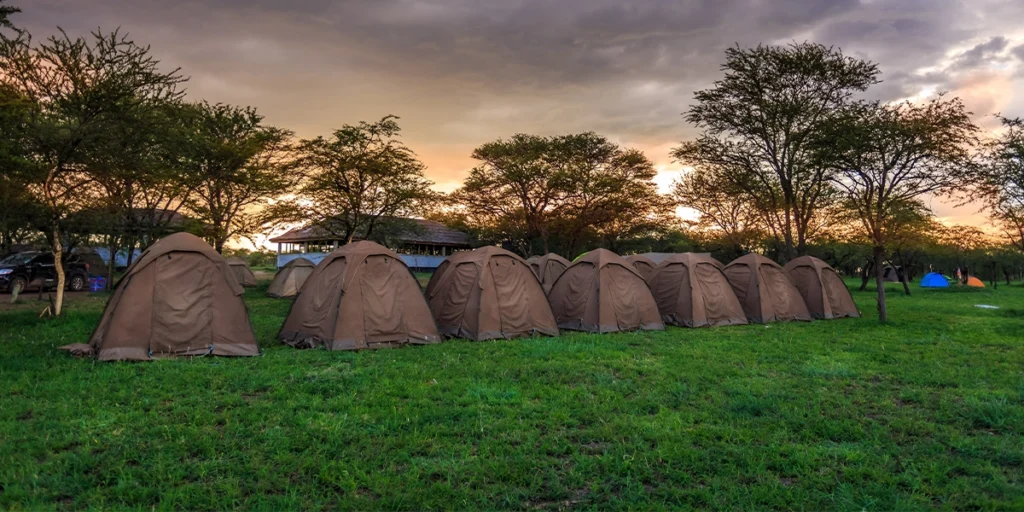
April is normally the wettest month of the long rains in northern Tanzania and on the coast. Rain can fall for several hours at a time and on many days of the month, although sunny spells are common between storms. The landscape is at its most lush, the parks are very quiet and lodges that stay open offer their lowest rates of the year.
It is important to be clear about the disadvantages. Tracks become muddy and some areas are harder to reach, so itineraries need flexibility. Long grass can make smaller animals harder to see, wildlife spreads out because water is everywhere, and several seasonal camps close. Game viewing is still good in the right places, but it is less predictable than in the dry season.
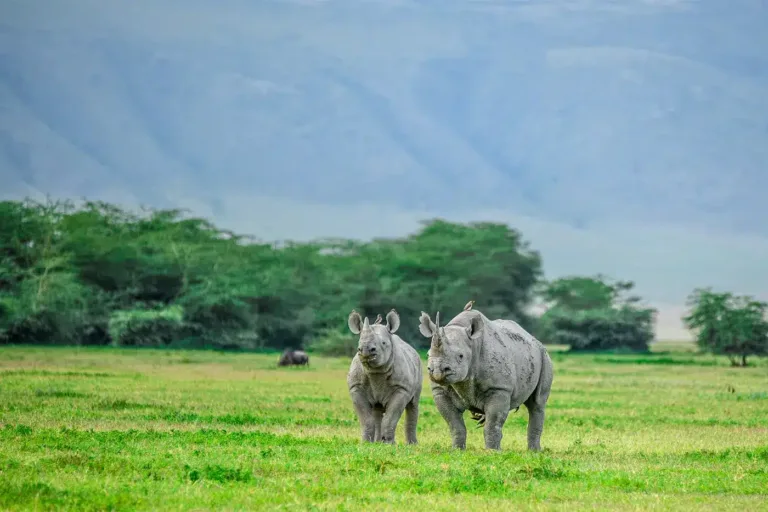
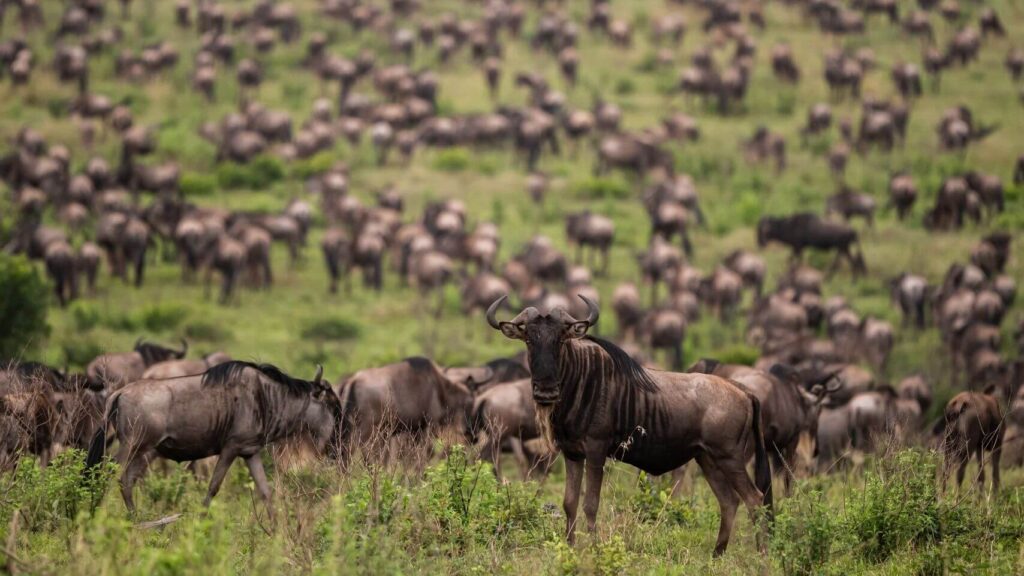
The migration herds are usually moving from the southern plains towards the central and western Serengeti, often in long columns, and their position can change quickly. Ngorongoro Crater keeps its resident wildlife and remains one of the most reliable places to visit, while Lake Manyara and Tarangire are green and almost empty of vehicles.
April is not ideal for every activity. Zanzibar has its heaviest rain of the year, and Kilimanjaro climbing is wet and slippery, so neither is the best choice this month. Gorilla trekking continues in Uganda and Rwanda, but the forests are very wet.
April suits flexible, experienced travellers, budget-conscious visitors, photographers who enjoy dramatic skies and anyone who prefers solitude. We plan April itineraries around road conditions and the lodges that are open, usually with permanent lodges and shorter driving days.