Overview
Travelling to Africa in January
January sits in a drier interval between northern Tanzania's short rains (around November–December) and the long rains that usually begin in March. Showers still fall, often as short afternoon storms, but many days are bright, warm and green. It is one of the most rewarding months for a classic northern circuit safari.
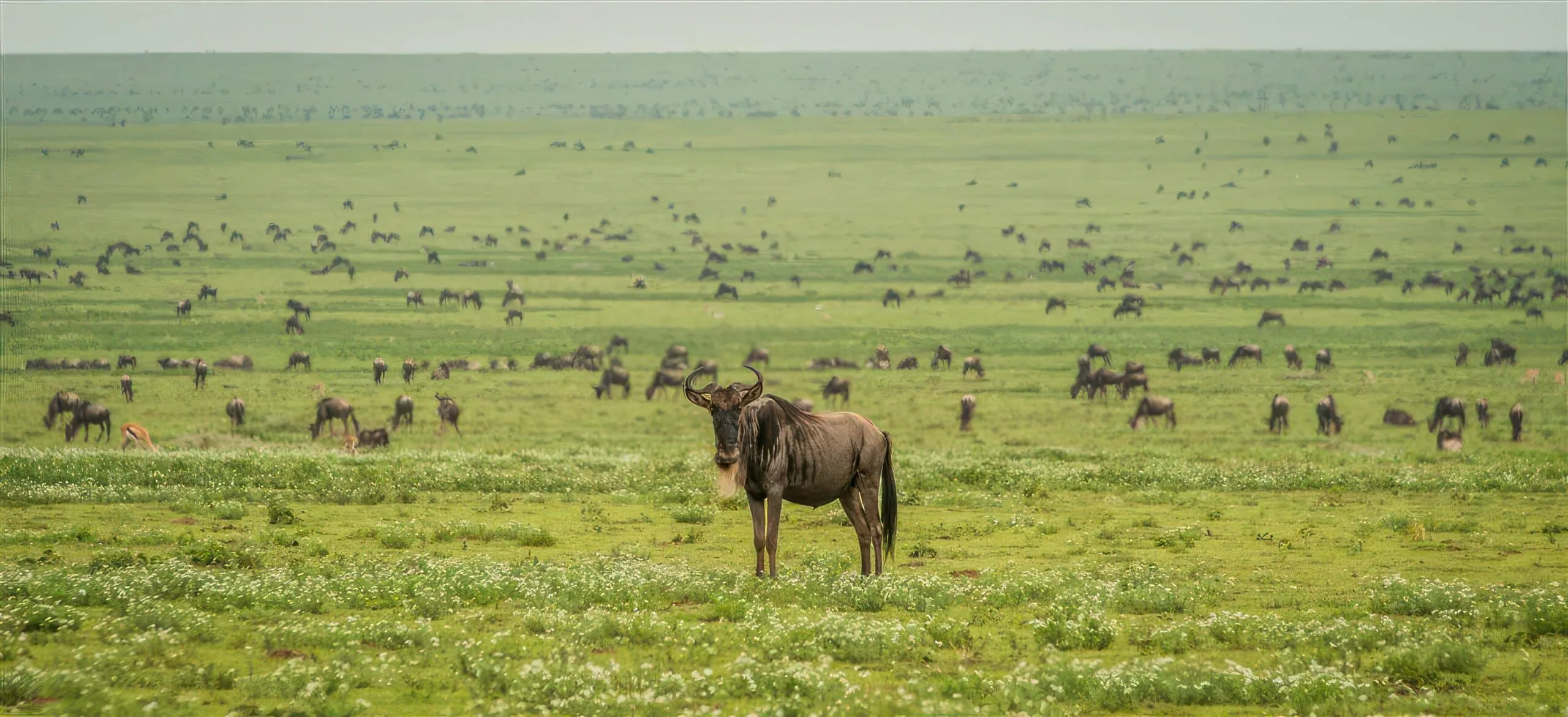
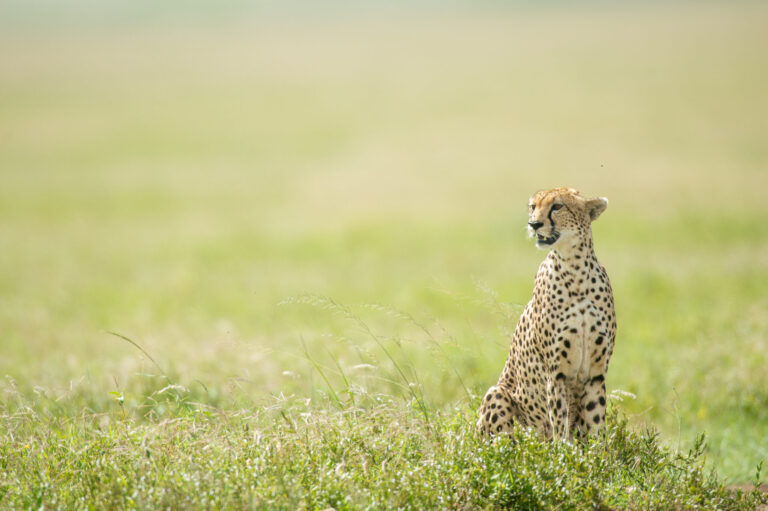
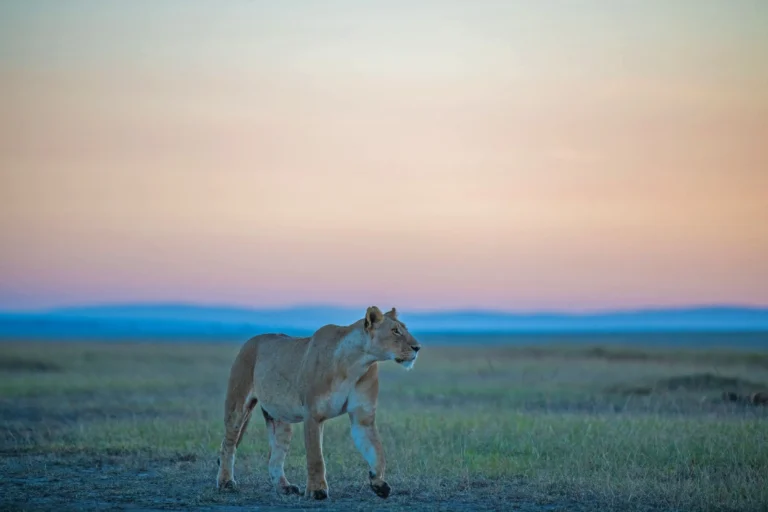
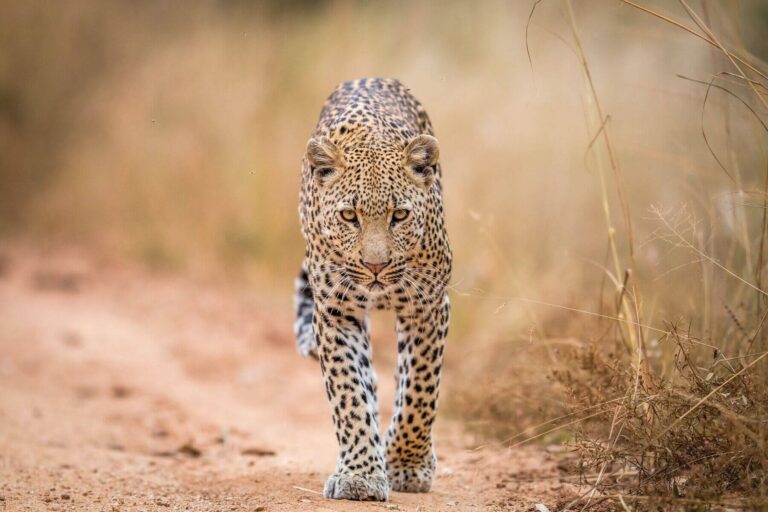
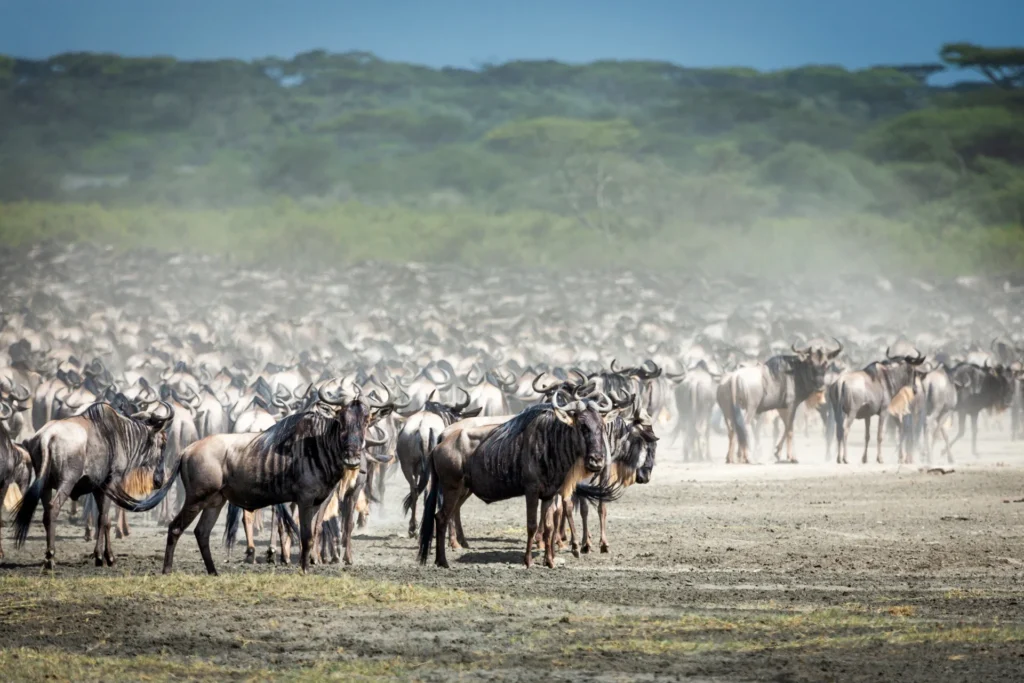
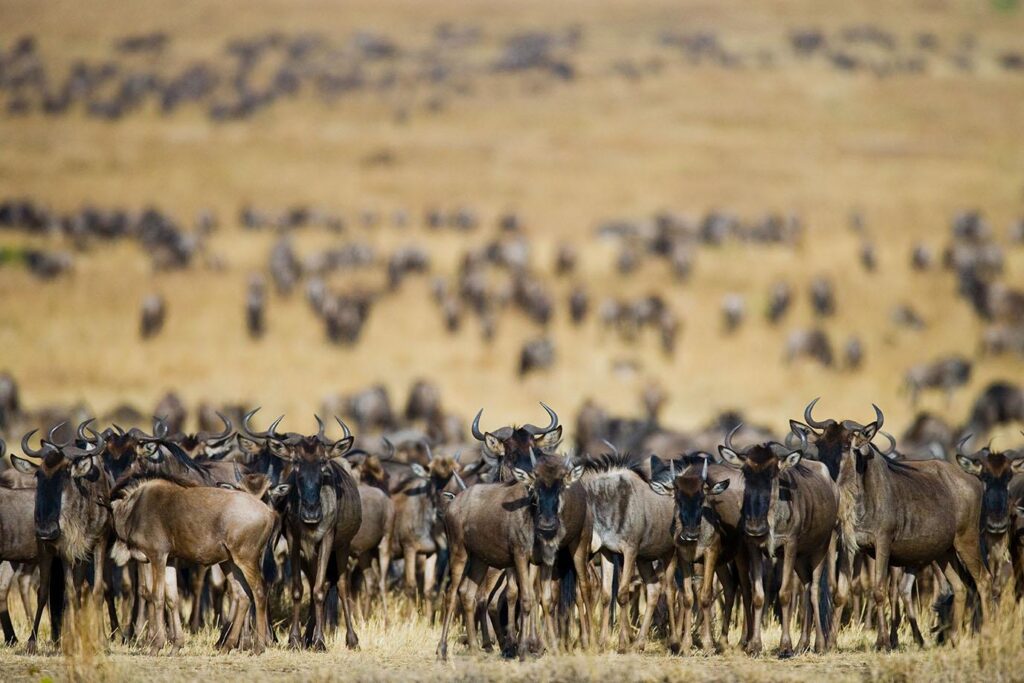
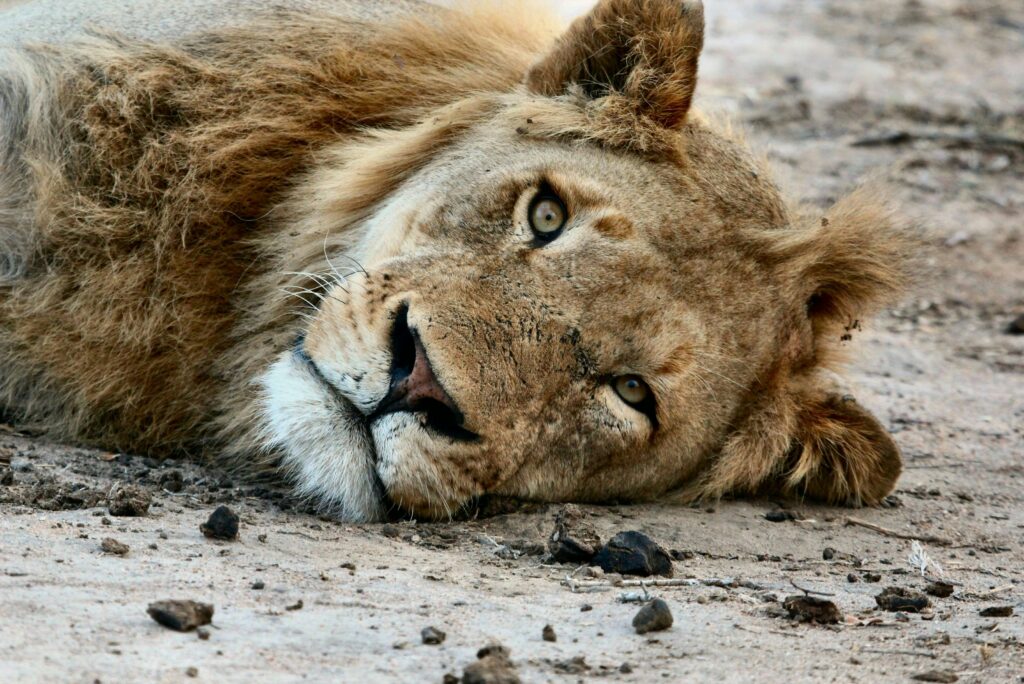
The Great Migration has normally returned to the short-grass plains of the southern Serengeti and the Ndutu area of the Ngorongoro Conservation Area. These volcanic soils grow nutritious grass after rain, and the herds spread out across them to feed. Calving starts during January and builds towards its peak in February, so the plains fill with young wildebeest and zebra foals, and with the lions, cheetahs, hyenas and jackals that follow them.
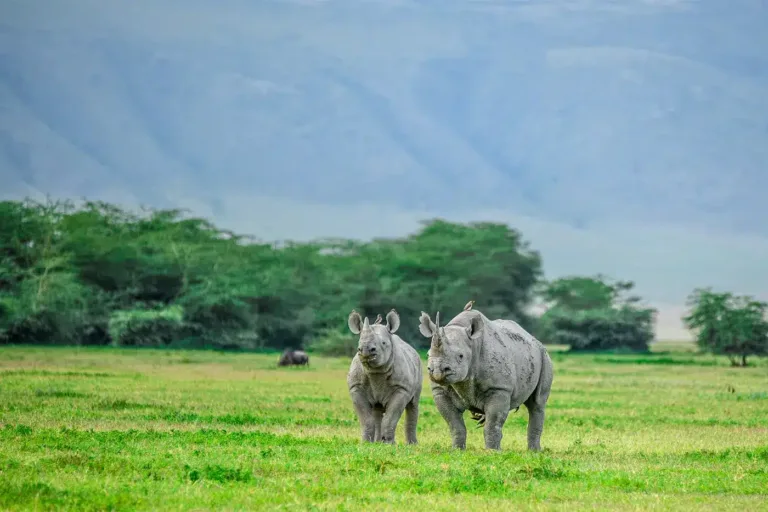
The rest of the circuit is in good condition too. Ngorongoro Crater has resident wildlife all year, Tarangire is green and quieter than in the dry season, and Lake Manyara's woodland and lake shore are rich in birdlife, including migrant species that winter in East Africa from about November to April.
Prices are generally high around the herds because demand for Ndutu and the southern Serengeti is strong, and the first days of January can still carry festive-season supplements at some lodges. Later in the month, shorter stays and lodges further from the calving grounds can offer better value.
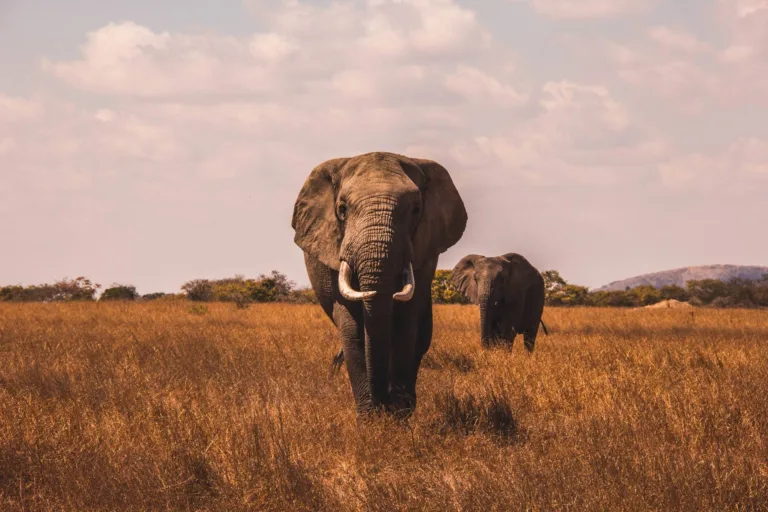
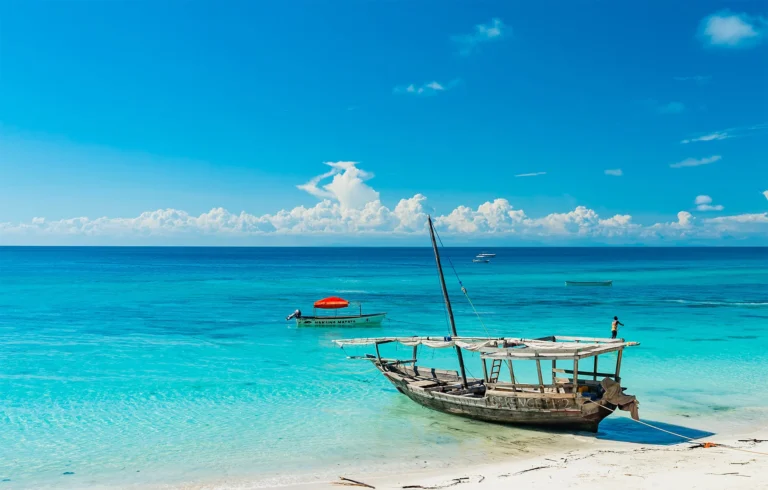
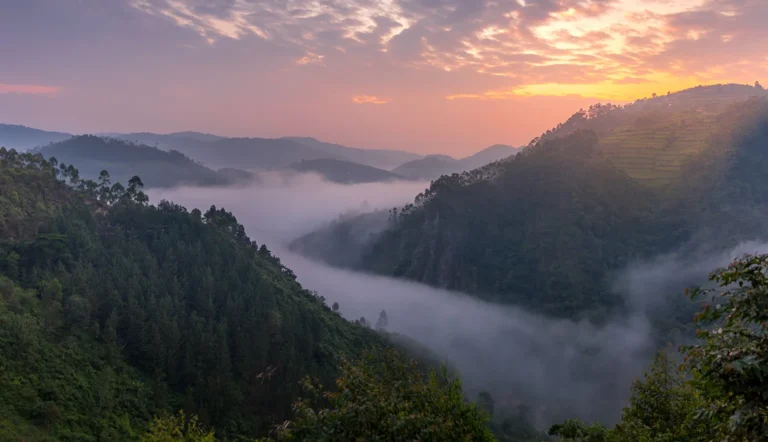
January suits first-time visitors who want both the migration and the Big Five, photographers who like green landscapes with clear air, and travellers combining a safari with Zanzibar, Kilimanjaro or gorilla trekking, which are all in good condition this month.