
Perfect Tanzania Itinerary 3 Days Safari
The dream of an African safari often conjures images of endless horizons and the “Big Five,” but many travelers worry that three days isn’t enough to capture the magic. I can tell you from over a decade of guiding through the bush that a well-planned Perfect Tanzania Itinerary 3 Days Safari isn’t just a “taster”—it’s a deep dive into the heart of the wild if you choose the right path.
At Tanzania Safari Experience, our team has refined these routes to ensure you spend less time on the road and more time in the presence of lions, elephants, and the ancient rhythms of the savannah. Whether you want the adrenaline of a Serengeti fly-in or the cultural richness of the Great Rift Valley, here is how we make seventy-two hours unforgettable.
Option 1: The Elite Serengeti Fly-In & Crater
Quick Summary for the Modern Traveler
This premium route uses bush planes to land you directly in the Serengeti, bypassing long drives. It focuses on the Great Migration and the high predator density of the Ngorongoro Crater.
If you are starting in Zanzibar or Arusha, this is the most relaxed and high-impact way to see the wild. We fly you directly to the plains, landing you in the heart of the action by mid-morning.
Choosing Your Serengeti Base: Central vs. Northern
The Serengeti is massive, and where you stay depends entirely on the month you travel. Our team at Tanzania Safari Experience coordinates your accommodation based on the movement of the Great Migration:
-
The Northern Serengeti (The Crossing): From July to October, we position you in the North near the Mara River. This is where the dramatic River Crossings happen. Watching thousands of wildebeest brave the crocodiles is a raw, heart-pounding experience. Accommodations here are often seasonal mobile camps that put you right at the water’s edge.
-
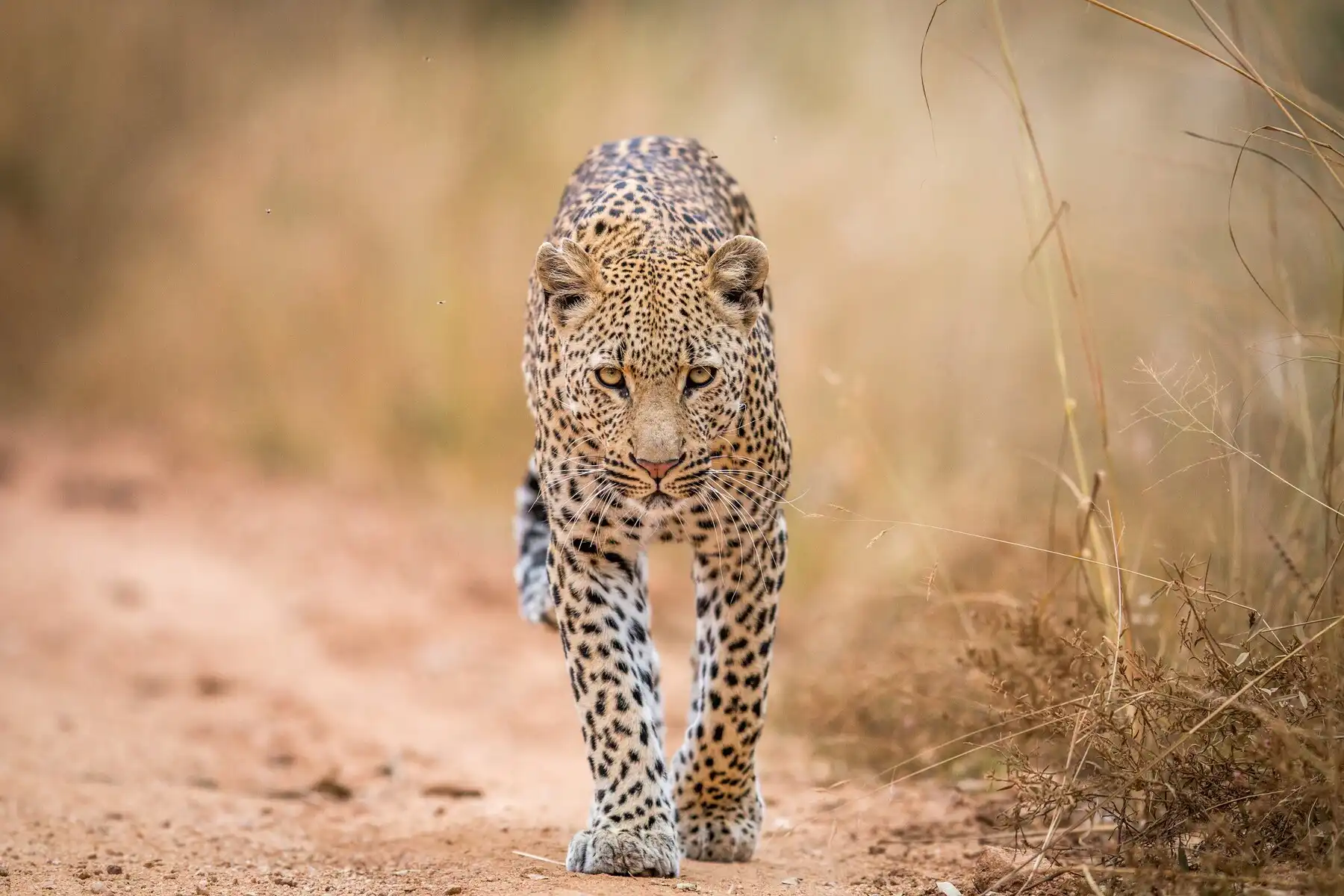
The Central Serengeti (The Resident Heartland): If you visit outside the crossing months, we stay in Central Serengeti (Seronera). The logic is simple: while the migration moves, the “Big Cats” (lions, leopards, and cheetahs) are territorial. They stay here year-round because the water sources are permanent. Central Serengeti offers more permanent luxury lodges and “glassmorphism” style tented camps with incredible views.
The 3-Day “Deep Dive” Flow: Fly-In Logic
To truly enjoy a Serengeti safari, I always tell our guests: you should start with a minimum of 2 nights in the park. Anything less feels like a glimpse; staying for at least two nights allows you to truly immerse yourself in the wild, waking up to the dawn chorus of the savannah rather than rushing to a departure gate.
Accommodation Strategy: We select your stay based on the month to ensure the migration is at your doorstep. In the Central Serengeti, we utilize luxury tented camps that offer a “glassmorphism” feel—blending canvas with massive mesh windows so you never lose sight of the horizon. If you are traveling between July and October, we move your base to the Northern Serengeti near the Mara River to put you in the heart of the crossing action.
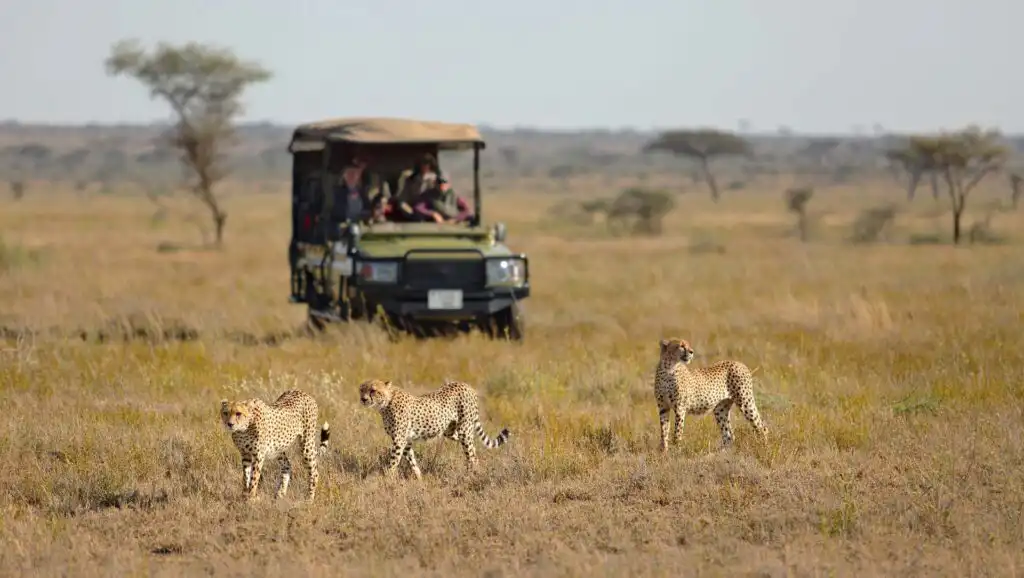
Day 1: The Arrival & First Strike We fly you from Zanzibar or Arusha directly into the Serengeti. By 10:00 AM, you are already in a 4×4. We spend the afternoon tracking the resident big cats—lions, leopards, and cheetahs—who claim these plains as their permanent territory. As the sun dips, we head to your luxury camp for sundowners. Because you are staying for two nights, you can unpack and relax.
Day 2: The Heart of the Migration A full, uninterrupted day in the Serengeti. We head out at dawn, when the predators are most active. We track the massive herds and find a secluded spot for a bush lunch under an ancient Acacia tree. This is where you feel the true scale of the park—miles from the nearest tourist, watching the cycle of life unfold in total silence.
Day 3: The Ngorongoro Grand Finale After an early breakfast, we take a short “hop” flight or a scenic drive to the Ngorongoro Crater. We descend 600 meters into the caldera for a 5-hour “Big Five” tour. This is a high-density “natural zoo” where you can see the Black Rhino, giant tusker elephants, and Cape buffalo all before lunch. By late afternoon, we drive you back to Arusha for your flight or hotel.

Option 2: The Classic Northern Circuit (Tarangire – Ngorongoro – Manyara)
Quick Summary for the Modern Traveler
A diverse driving loop perfect for first-timers. It features the massive elephant herds of Tarangire, the Crater’s density, and a flexible final day at Lake Manyara.
Day 1: Tarangire National Park
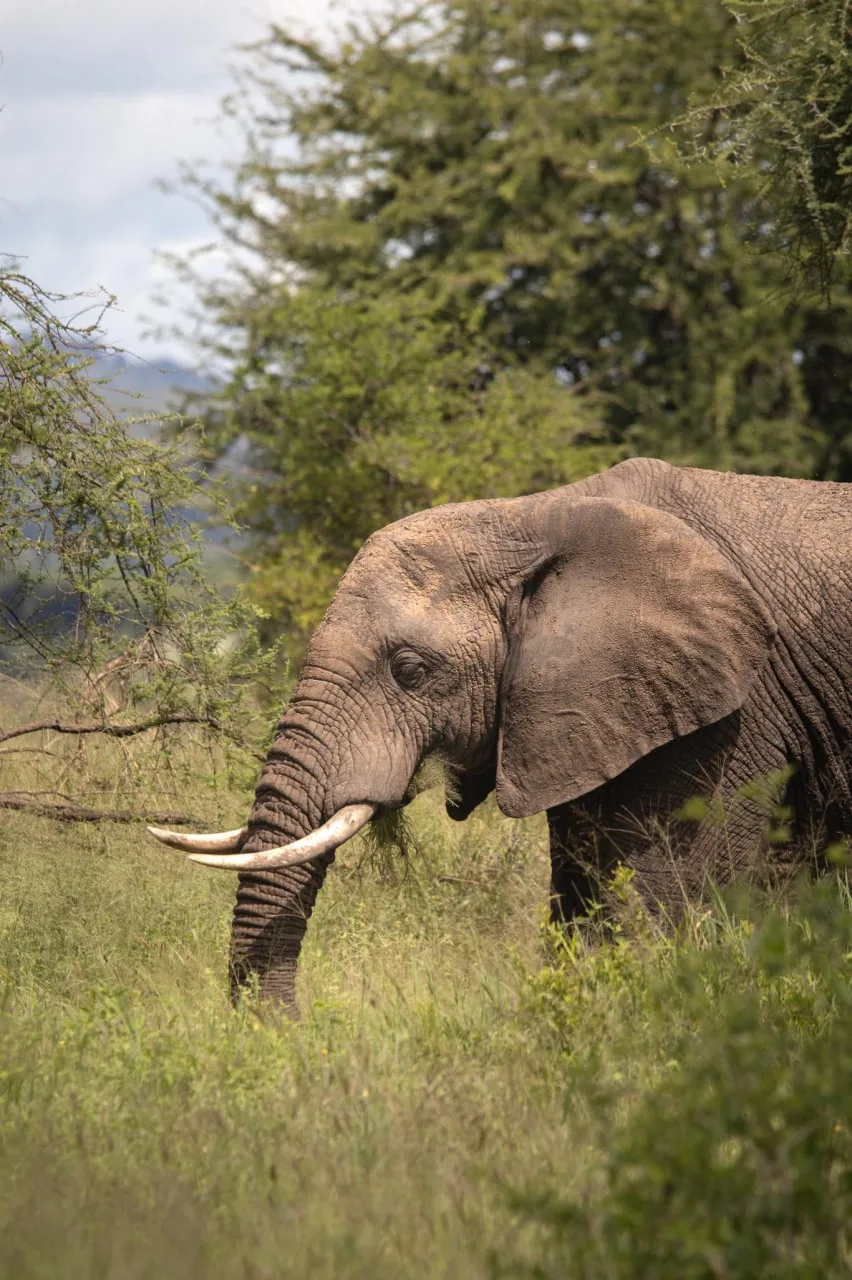
We start with the “Land of Giants.” Tarangire is famous for its ancient Baobab trees and the highest concentration of elephants in the country. Because it’s less crowded than the Serengeti, it offers a very relaxed, intimate start to your journey.
Day 2: Ngorongoro Crater
We head to the “Eighth Wonder of the World.” This UNESCO site is a natural zoo where 30,000 animals live inside a collapsed volcano. It is the best place in East Africa to spot the rare Black Rhino.
Day 3: Lake Manyara or Cultural Immersion
Lake Manyara is beautiful, famous for its groundwater forests and tree-climbing lions. However, nature is unpredictable. During periods where the lake water levels are high, much of the park can be inaccessible.
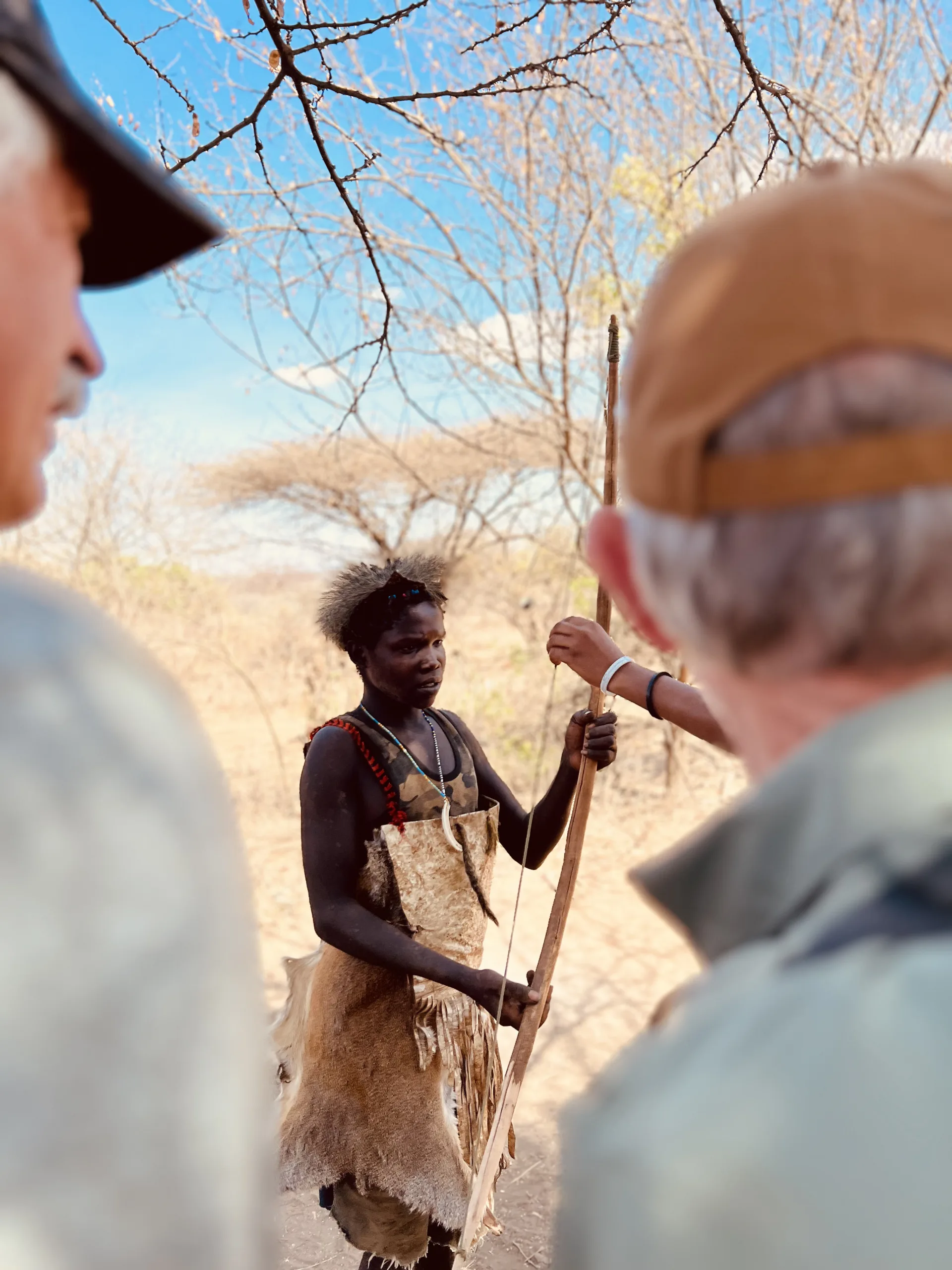
The Local Pro-Tip: If the lake is flooded or you want a break from the vehicle, we opt for a Cultural Experience. We can visit Mto wa Mbu, a vibrant village where you can learn about local farming, or head deeper to visit the Hadzabe Tribe. These are the last true bushmen; you can walk with them, learn how they hunt with bows and arrows, and see a way of life that has remained unchanged for millennia.
Option 3: The Active & Walking Safari (Arusha – Tarangire – Ngorongoro)
Quick Summary for the Modern Traveler
Perfect for those who want to experience the bush with all five senses. It replaces some “seat time” with walking and canoeing.
Day 1: Arusha National Park
We start with a Walking Safari. Accompanied by an armed ranger, you’ll walk through the shadows of Mount Meru, standing just meters away from giraffes and buffalo. In the afternoon, we take a Canoe Safari on the Momella Lakes—a silent, peaceful way to see water birds and hippos.
Day 2 & 3: Tarangire and the Crater
After your active first day, we move into the classic safari vehicles for the heavy hitters: the elephant herds of Tarangire and the predator-rich floor of the Ngorongoro Crater.
Option 4: The Budget-Friendly Group Joining Safari (Shared Camping)
Quick Summary for the Modern Traveler
For solo travelers or those on a strict budget, joining a shared group safari is the most cost-effective way to see the parks. You share the vehicle and the campsite, significantly lowering the per-person rate.
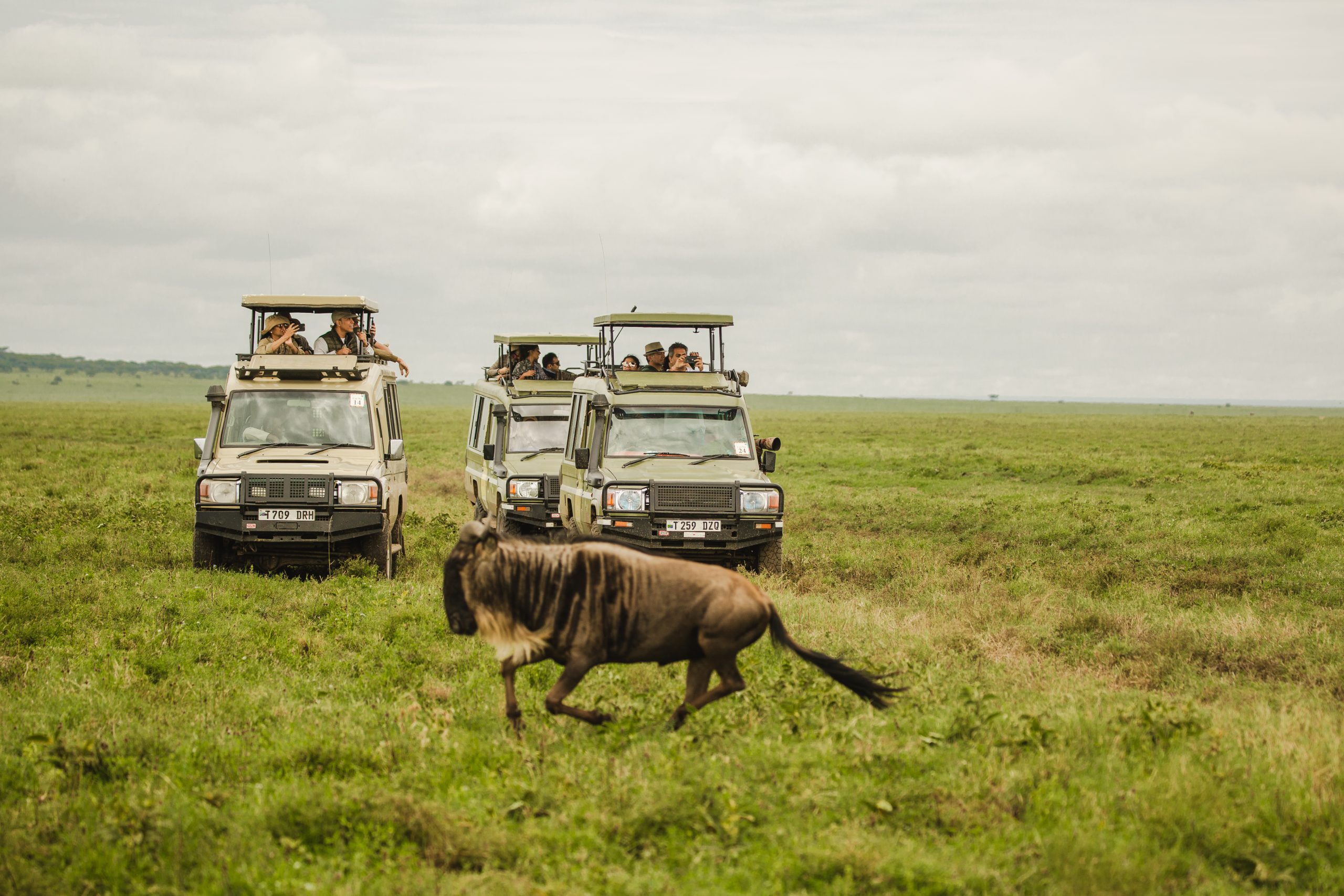
If the private fly-in options are outside your budget, you can still experience the magic of the Northern Circuit by joining a Group (Shared) Safari. This is usually a Camping Safari, where you stay in public campsites inside or just outside the park boundaries. By sharing the costs of the professional guide and the 4×4 Land Cruiser with other travelers, the price typically starts at less than $300 per day.
While you swap luxury lodges for tents and sleeping bags, the wildlife you see is exactly the same. Our team at Tanzania Safari Experience ensures that even our budget-friendly groups have an expert cook and a top-tier guide to make the experience authentic and safe. It is a fantastic way to meet fellow adventurers from around the world while keeping your costs low.
Pro-Tip: Shared camping safaris are most popular for the Tarangire, Manyara, and Ngorongoro routes. If you choose this, bring a good headlamp and a warm sleeping bag, as temperatures in the Crater rim can drop significantly at night 2026.
View Our 3 Days Shared Camping Safari – Serengeti & Ngorongoro
Comparison: Choosing Your Path
| Feature | Option 1: Fly-In | Option 2: Classic Drive | Option 3: Active |
| Travel Style | Fast & Premium | Diverse & Cultural | Physical & Engaging |
| Accommodation | Luxury Tented Camps | Safari Lodges | Adventure Bases |
| Serengeti Stay | 2 Nights (Crucial) | N/A | N/A |
| Best For | Couples / Time-Saving | Families / Culture | Solo / High-Energy |
The Investment: Breaking Down the 3-Day Safari Cost
The cost of a Perfect Tanzania Itinerary 3 Days Safari in 2026 is a puzzle where the price shifts based on your travel style and group size. Generally, for a high-quality experience with Tanzania Safari Experience, you can expect to invest anywhere from $1,200 to $2,800+ per person. This range covers your professional guide, a customized 4×4 Land Cruiser, all meals, and those crucial park entrance fees.
The Power of Numbers: Group Size vs. Solo Travel The single biggest factor in your daily rate is the number of people sharing the vehicle. Since the cost of the specialized safari car and the expert guide is fixed per day, a solo traveler bears the full weight of those logistics. However, as you add friends or family, that “vehicle fee” is split. For a group of four to six people, the per-person price drops significantly compared to a couple, making a private 3-day circuit surprisingly cost-effective for families.
Accommodation Tiers: From Comfort to Ultra-Luxury Where you lay your head at night dictates a large portion of the budget. We typically categorize our stays into two primary levels:
-
Mid-Range Comfort: These are beautiful, permanent tented camps or lodges. You get a real bed, an en-suite bathroom with hot water, and great food, but without the “gold-plated” price tag.
-
Luxury & Fly-In Camps: These are the high-end retreats located deep inside the park boundaries. They offer gourmet dining, premium spirits, and prime locations right in the path of the migration, often featuring those “glassmorphism” style views.
RELATED ARTICLE: Tanzania Luxury Safari Packages
Understanding Park & Conservation Fees A significant chunk of your safari investment goes directly to the Tanzania National Parks Authority (TANAPA) and the Ngorongoro Conservation Area Authority (NCAA). These fees are mandatory and are usually around $60 to $80 per person, per day for the Serengeti and Tarangire. The Ngorongoro Crater also requires a specific “Crater Service Fee” of approximately $295 per vehicle just to descend into the caldera. When you see our quotes at Tanzania Safari Experience, these fees are always included—we believe in total transparency so there are no surprises at the park gate.
Estimated Cost Breakdown (Per Person)
-
For 2 People: * Mid-Range Driving Safari: $1,500 – $1,750
-
Luxury Fly-In Serengeti: $2,400 – $2,800+
-
-
For 4 People: * Mid-Range Driving Safari: $1,200 – $1,450
-
Luxury Fly-In Serengeti: $2,100 – $2,500
-
-
For 6 People: * Mid-Range Driving Safari: $1,100 – $1,300
-
Luxury Fly-In Serengeti: $1,950 – $2,300
-
Pro-Tip: If you want to maximize your budget, the Classic Northern Circuit is the way to go. By driving instead of flying, you save on internal airfare, and the park fees for Tarangire are slightly more accessible than the Serengeti, allowing you to perhaps upgrade to a higher-tier lodge for your final night.
The Big Question: Is 3 Days Really Enough in Tanzania?
One of the most frequent questions I get asked after 20 years in the industry is whether seventy-two hours is enough to “do” Tanzania. The honest answer? It depends entirely on your strategy. While you cannot see the entire country in three days, you can absolutely have a world-class, life-changing wildlife experience if you focus on depth rather than distance.
Strategic Focus: The “Quality over Quantity” Rule A common mistake travelers make is trying to hit every single park in a 3-day window. If you try to drive from Arusha to the Serengeti, then to Ngorongoro, and back to Arusha in three days, you will spend nearly 18 hours inside a vehicle. At Tanzania Safari Experience, we advise against this “dash and grab” approach. Instead, we use the Fly-In logic or a Targeted Circuit to ensure your 3-day itinerary feels like a week of discovery.
What You CAN Accomplish in 3 Days:
-
The Big Five: By including the Ngorongoro Crater, your chances of seeing lions, elephants, buffalo, leopards, and even the rare black rhino are incredibly high.
-
The Great Migration: With a fly-in safari to the Serengeti, you can spend two full nights in the middle of the world’s largest mammal migration.
-
Cultural Immersion: A 3-day Northern Circuit allows enough time to visit the Hadzabe or the Maasai without feeling like you are rushing through their heritage.
The Verdict for 2026 If you are coming from Zanzibar for a short break, or if you are a business traveler with a long weekend in Arusha, 3 days is the perfect “Goldilocks” length. It is long enough to disconnect from the modern world and witness the raw power of the African bush, but short enough to fit into a busy global schedule. The key is to stay inside the parks and choose a route that minimizes transit. When planned correctly, those three days will feel like a timeless journey into the heart of nature.
Pro-Tip: If you have exactly three days, don’t waste time on a “city tour” in Arusha. Head straight to the gates. Every hour of daylight in Tanzania is a precious opportunity to see a kill, a birth, or a crossing.
Summary: Is it worth it?
-
Yes: If you use internal flights or stick to the Tarangire/Ngorongoro loop.
-
No: If you try to drive 1,000 kilometers in a 4×4 just to “see everything.”
-
The Goal: Focus on two key areas and let our team handle the logistics so you can focus on the horizon.
How to Book Your Perfect 3-Day Safari Itinerary
Booking a short-stay safari requires a bit more precision than a long expedition because every hour of your 2026 trip counts. At Tanzania Safari Experience, we have simplified the process to ensure that your transition from the airport or your hotel in Zanzibar to the plains of the Serengeti is seamless and stress-free.
Step 1: Define Your Safari Style
Before you reach out, decide which of the three paths fits your rhythm. Are you looking for the luxury of a Fly-In Serengeti experience to save time? Do you prefer the Classic Northern Circuit drive to see the diversity of Tarangire and the Crater? Or is a Group Joining Camping Safari the best fit for your budget? Knowing your preference helps our Safari Specialists tailor the logistics to your needs.
Step 2: Choose Your Dates and Group Size
Because 3-day itineraries are high-impact, availability for the best-located lodges—especially those “glassmorphism” style camps inside the park boundaries—can fill up six months in advance. Having your dates ready and knowing exactly how many people are in your party allows us to calculate the most accurate per-person rate immediately.
Step 3: Secure Your Quote
Once you have an idea of your window of travel, the next step is simple. You don’t need to commit to anything today. We believe in providing total clarity on park fees, vehicle costs, and accommodation tiers before you spend a cent.
Ready to start the journey? Simply fill out the inquiry form below. Our team will review your preferences and send you a Free 3-Day Safari Quote without any obligation. Whether you are looking for the Great Migration or a cultural encounter with the Hadzabe, we are here to help you design a seventy-two-hour adventure that feels like a lifetime.
Pro-Tip: When you fill out the form, mention if you are celebrating a special occasion like a honeymoon or a birthday. Our guides love adding those small, “Human Touch” details—like a surprise bush sundowner—that make a short trip truly unforgettable.
Private vs. Group Tanzania 3-Day Safaris: Which Path is Yours?
Choosing between a private or a group-joining experience is the most important decision you’ll make when planning a Perfect Tanzania Itinerary 3 Days Safari. Both options offer a front-row seat to the majesty of the Serengeti and Ngorongoro, but they cater to very different travel styles and budgets in 2026.
The Private Safari: Total Freedom and Flexibility
A private safari is the gold-standard for those who want to dictate the rhythm of their adventure. When you book a private 4×4 with Tanzania Safari Experience, the vehicle and the expert guide belong entirely to you.
-
The Advantage: You choose when to start your morning and how long to stay at a sighting. If you want to spend two hours watching a pride of lions in the Seronera Valley, there is no one else in the car to tell you it’s time to move on.
-
The Atmosphere: This is ideal for honeymooners, families with children, or photography enthusiasts who need specific angles and silence to capture the perfect shot.
-
The Cost: Because you are covering the fixed costs of the vehicle and fuel alone (or with your small group), the per-person price is higher.
The Group-Joining Safari: Social and Budget-Friendly
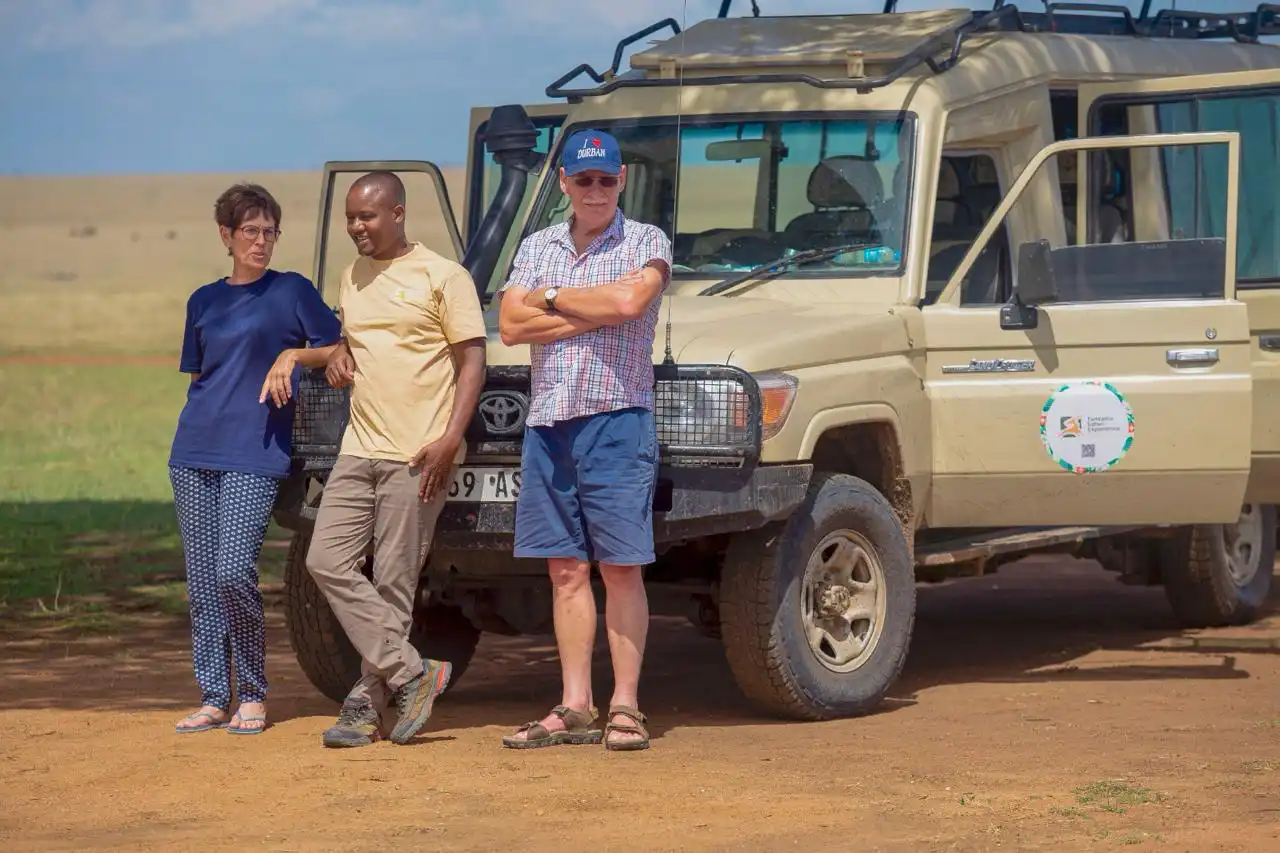
For solo travelers or those looking to minimize costs, joining a shared group is a fantastic alternative. You will share the 4×4 Land Cruiser with other like-minded travelers, usually capping at six people to ensure everyone has a window seat.
-
The Advantage: It is significantly more affordable. By splitting the costs of the guide and the vehicle, you can often experience the same world-class parks for a fraction of the private rate.
-
The Atmosphere: It is a social experience. You’ll meet people from all over the world, sharing the excitement of the first elephant sighting or a sunset over the baobabs.
-
The Trade-off: The itinerary is fixed. You’ll need to stick to the group’s schedule for departures and sightings, and accommodations are often standardized (such as the shared camping option) to keep the price low.
Comparison: Private vs. Group At a Glance
| Feature | Private Safari | Group-Joining Safari |
| Schedule | Fully Customizable | Fixed Itinerary |
| Vehicle | Exclusive to your party | Shared with other travelers |
| Pace | Slow or Fast (Your choice) | Predetermined by the guide |
| Best For | Couples, Families, Pros | Solo Travelers, Budget Seekers |
| Price Point | $$$ (Premium) | $ (Economical) |
Pro-Tip: If you are a group of four or more, a private safari often costs nearly the same per person as a group-joining seat. In this case, always go private—the extra flexibility makes a world of difference when you only have three days to see it all.
Tanzania Safari Tips & Tricks – Avoiding Mistakes
After spending the last 20 years behind the wheel of a Land Cruiser, I have seen every mistake a traveler can make. When you only have 72 hours for a Perfect Tanzania Itinerary 3 Days Safari, a single error—like packing the wrong shirt or picking the wrong team—can impact your comfort and your sightings. Here is the “Information Gain” from two decades in the bush to help you avoid the pitfalls I see most often.
The “Company” Factor: It’s Not Just About the Price One of the biggest mistakes travelers make is chasing the absolute cheapest quote they can find. You’ll be spending a significant amount of time with your driver and guide, often in remote areas where their knowledge is your only window into the wild. Pick a safari company that genuinely cares about your trip and can give you a personalized experience, not just the cheapest option. Choosing a great safari company like Tanzania Safari Experience can make the difference between having the experience of a lifetime and having a mediocre one. A guide who knows the alarm calls of a bird or the subtle tracks of a leopard is worth more than a discount.
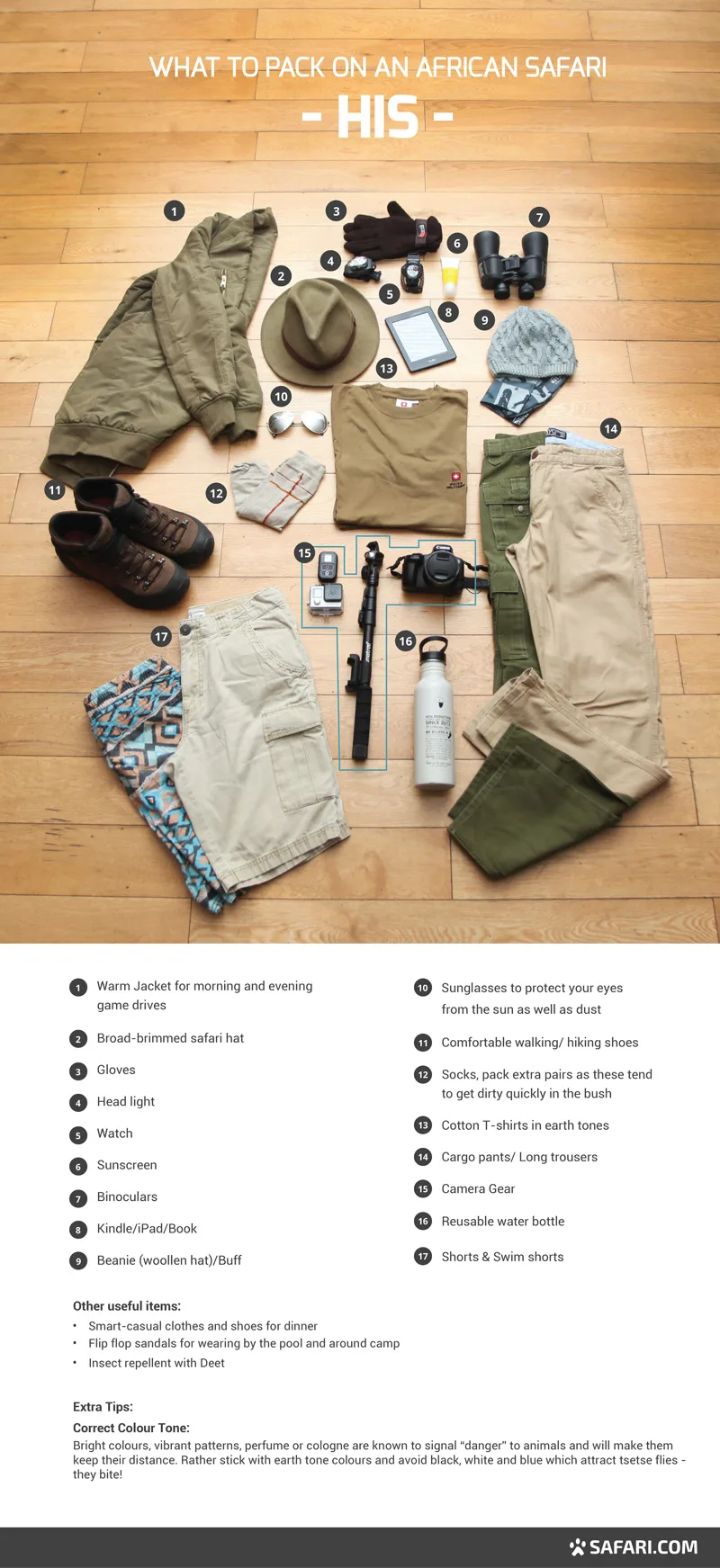
The “Blue & Black” Trap I cannot emphasize this enough: avoid wearing black or navy blue clothes on safari. In many of our parks, specifically Tarangire and parts of the Serengeti, these colors are like a magnet for tsetse flies. Their bite is painful and can quickly ruin a morning drive. If you can, wear safari colors like beige, khaki, and green. Not only do these colors keep you cool, but they also help you blend into the landscape.
Mastering the “Golden Hour” To spot the most animals, you must be willing to embrace the early hours. Many predators—lions on a kill or a leopard dragging prey into a tree—are most active in the first light of dawn or as the sun begins to set. Plan to go on game drives early in the morning or during the evening. If you start your drive at 10:00 AM, you’ve already missed the most dramatic action of the day.
The “Onion” Strategy: Dressing for the Bush Tanzania’s climate can be deceptive. While the afternoons are sun-drenched and hot, the temperature in the Ngorongoro Crater rim or the Serengeti plains can plummet as soon as the sun goes down. Put on several layers because it can be really cold at night but very hot during the day. Being able to strip down to a light shirt at noon and bundle up in a warm fleece at 6:00 AM is the only way to stay comfortable.
Respect the Dust and Your Gear In 2026, the dry season tracks will be dusty. I have seen many expensive cameras fail because they were left sitting on the seat unprotected. Always bring a lightweight dry bag or a simple cotton scarf to wrap your gear between sightings. If you wear contact lenses, the dust can be brutal—bring glasses as a backup and plenty of rewetting drops.