


Women’s Only Safaris in Tanzania
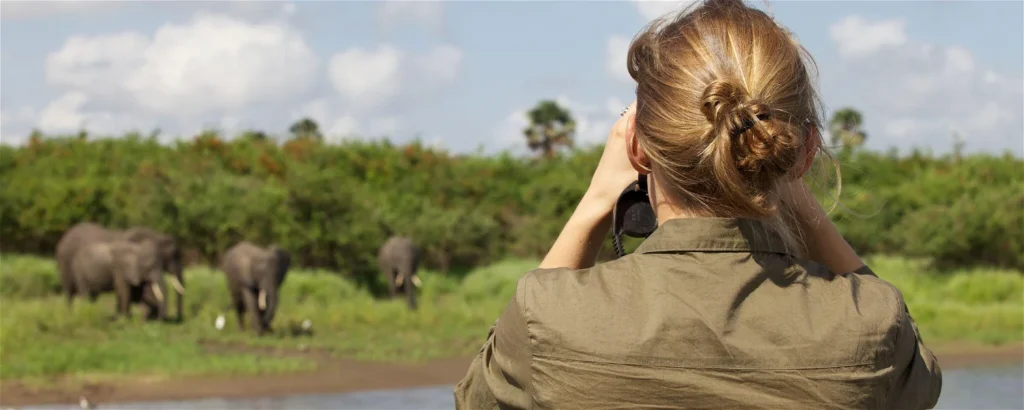
Women Only Safaris in Tanzania: A Practical Guide for Female Travelers
A women only safari in Tanzania is ideal for solo women, friends, sisters, mothers and daughters, and private groups who want to explore Tanzania with greater comfort, flexibility, and personal attention.
The experience can be completely private, with a dedicated safari vehicle, carefully selected accommodation, and an experienced guide who understands the expectations and concerns of female travelers. A female safari guide can also be requested, subject to availability.
What makes this safari different is not the wildlife or the national parks. You still visit places such as Tarangire, Serengeti, and Ngorongoro Crater. The difference is how the journey is planned, including room arrangements, safety, bathroom stops, driving hours, luggage, privacy, meals, and the pace of each day.
In our experience at Tanzania Safari Experience, women often enjoy their safari more when they do not feel rushed or pressured to follow an unsuitable group schedule. We recommend a private itinerary with realistic driving times, comfortable accommodation, and enough time in each park to enjoy the experience properly.
Quick Safari Overview
| Category | Recommendation |
|---|---|
| Best for | Solo women, friends, sisters, mothers and daughters, and private women groups |
| Recommended stay | 5 to 8 days |
| Best season | June to October and January to March |
| Best wildlife experience | Serengeti, Ngorongoro Crater, and Tarangire |
| Travel style | Private guided safari |
| Difficulty level | Easy to moderate |
| Photography | Excellent from a private safari vehicle |
| Accommodation style | Lodge, tented camp, or luxury camp |
| Main highlight | A flexible safari planned around the comfort and interests of women |
| Value for money | Best when vehicle and guide costs are shared by three or more travelers |
What Is a Women Only Safari in Tanzania?
A women only safari is a private Tanzania itinerary designed exclusively for female travelers. It normally includes a private safari vehicle, professional guide, accommodation, park fees, meals, transfers, and daily game drives. The route can be adjusted around the group’s preferred pace, comfort level, interests, and available travel time.
This is not a separate type of wildlife safari. You visit the same national parks, use the same park roads, and look for the same animals as other visitors.
The difference is in the planning. A women only safari gives the group control over departure times, rest stops, accommodation standards, shopping stops, photography time, meals, and the length of each game drive.
Some travelers want an experienced female guide. Others are comfortable with a male guide as long as he is professional, respectful, and experienced in hosting women travelers. Tanzania Safari Experience can arrange either option depending on availability and the route.
For larger groups, a female safari host can sometimes travel with the group while an experienced driver guide manages the vehicle. This can be useful when travelers want additional assistance throughout the journey.
RELATED ARTICLE: What I wish I knew before visiting Tanzania for safari?
Is Tanzania Safe for Women Traveling Alone?
Tanzania is generally suitable for solo women when the safari is organized by a licensed operator, airport transfers are confirmed, and the traveler knows who will meet her on arrival. Most serious problems come from poor planning, unverified transport, or unclear arrangements rather than from the safari parks themselves.
Inside the national parks, travelers are accompanied by a professional guide and spend most of the day in a safari vehicle. Lodges and camps usually have staff available throughout the day and night.
The parts that require more attention are airport arrivals, walking alone after dark, carrying valuable items in crowded areas, and accepting transport from unknown drivers. These risks are not unique to Tanzania, but they should not be ignored.
We recommend sharing your confirmed itinerary and emergency contacts with a trusted person before departure. Keep digital and printed copies of your passport, insurance, flight details, and accommodation confirmations.
When arriving at Kilimanjaro International Airport, Arusha Airport, or another agreed meeting point, check that the driver knows your name and safari company. Do not leave with someone simply because they claim to be from a tour operator.
Expert Recommendation from Tanzania Safari Experience
Book your airport transfer as part of the safari package. This removes one of the most common points of confusion for first time visitors and ensures that someone is responsible for meeting you from the moment you arrive.
5 Ways to Reduce Solo Safari Costs
We regularly help solo travellers reduce the cost of a Tanzania safari without sacrificing safety or the quality of the experience. The most effective options are:
- Join a scheduled group departure: We operate fixed date group safaris throughout the year, allowing solo travellers to share the safari vehicle and transport costs with other guests. Some camps may also reduce or waive the single room supplement for guests travelling as part of a group.
- Travel during the green season: April and May usually offer lower accommodation rates, with prices sometimes dropping by 20 to 40 percent. Many camps also reduce or remove solo supplements during this period because demand is lower.
- Request roommate matching: We may be able to pair you with another solo traveller of the same gender so you can share a room or tent and avoid the single supplement. This option works best when the safari is booked three to six months in advance.
- Mix accommodation levels: Stay in good midrange camps for most nights and upgrade for one special night. For example, you could stay at Friends Camp for two Serengeti nights and choose Marera Valley Lodge for a more comfortable final night near Ngorongoro.
- Book directly with us: International travel agents often add commissions to the final safari price. Booking directly with Tanzania Safari Experience gives you access to our operator rates without unnecessary middleman charges.
Can I Request a Female Safari Guide in Tanzania?
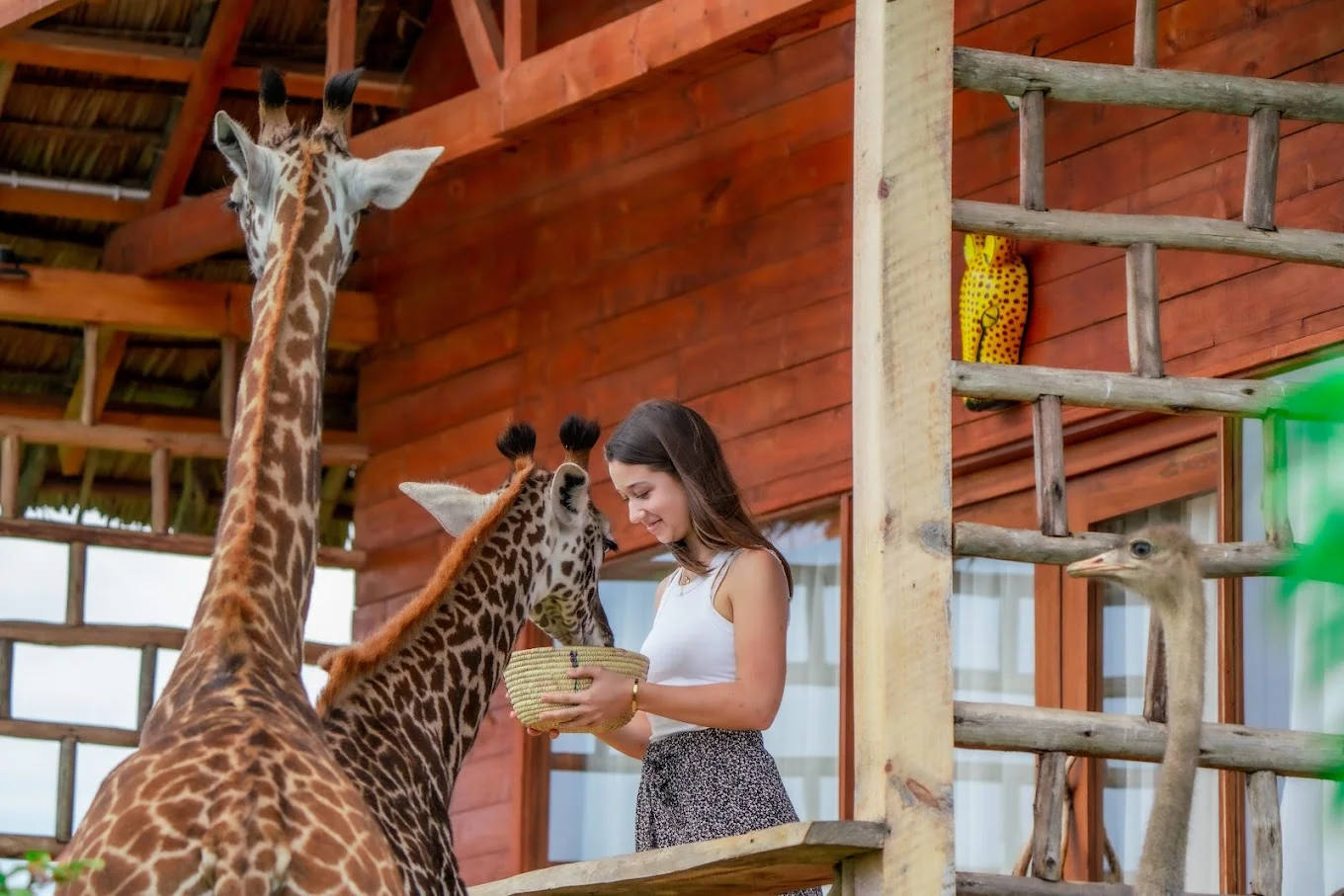
A female safari guide can be requested for a private safari, but availability should be confirmed early. Tanzania has skilled female guides, although their numbers remain smaller than those of male guides. Availability can become limited during busy travel months, especially for long itineraries or last minute bookings.
A professional female guide can make some travelers feel more relaxed when discussing personal needs, health concerns, clothing, bathroom stops, and cultural questions.
However, gender should not be the only consideration. The guide must also understand wildlife behaviour, park routes, road conditions, guest safety, photography positioning, vehicle management, and accommodation logistics.
A friendly guide who cannot identify animal behaviour or plan the day properly will weaken the entire safari. Experience and professionalism must remain the priority.
When a female guide is unavailable, a practical alternative is an experienced male driver guide accompanied by a female safari host. Another option is to use a female guide for certain parts of the itinerary, such as Arusha activities, cultural visits, or walking experiences.
Common Mistake
Do not assume every tour company can guarantee a female guide after the booking has been confirmed. Make the request before paying the deposit and ask the company to confirm the arrangement in writing.
Who Should Book a Women Only Safari?
Women only safaris work particularly well for solo travelers, groups of friends, sisters, mothers and daughters, birthday groups, photography groups, wellness travelers, and women who simply prefer a private journey. They are also suitable for first time visitors who want more reassurance and personal support.
A solo woman may choose this format because she does not want to join an unknown mixed group. A private safari gives her one guide, one confirmed vehicle, and an itinerary designed around her interests.
Groups of friends often choose a women only safari to celebrate a birthday, graduation, retirement, engagement, or personal achievement. These groups may prefer a relaxed itinerary with comfortable lodges, good meals, and time to enjoy the accommodation.
Mothers and daughters usually benefit from a slightly slower pace. Long game drives can be tiring, especially when combined with early departures and changing accommodation every night.
Photography groups may prefer longer stops at sightings and fewer rushed departures. A private vehicle allows each traveler to change seats and photograph from different angles when conditions allow.
Why Choose a Private Safari Instead of a Shared Group?
A private safari gives women greater control over timing, seating, bathroom stops, photography, meals, and the overall pace. Shared safaris cost less, but they require everyone to follow one schedule. That can become frustrating when travelers have different priorities, energy levels, or accommodation expectations.
On a private safari, the group can decide whether to leave early, return to camp before sunset, spend longer with a lion pride, or shorten the afternoon drive.
This flexibility matters more than many travelers expect. Game drives can last several hours, and park roads can be dusty and uneven. Some travelers enjoy staying out from sunrise until evening. Others need a slower day after two or three early mornings.
A shared camping safari can be useful for women with strict budgets who enjoy meeting other travelers. However, room privacy, vehicle seating, bathroom access, and daily timing will be less flexible.
For a women only trip, we normally recommend a private safari unless the price difference is beyond the group’s budget.
| Safari Type | Privacy | Flexibility | Comfort | Best For |
| Private lodge safari | High | High | High | Solo women, friends, mothers and daughters |
| Private camping safari | High | High | Basic to moderate | Adventurous groups with a controlled budget |
| Shared lodge safari | Moderate | Low | Moderate to high | Travelers comfortable joining unknown guests |
| Shared camping safari | Low to moderate | Low | Basic | Budget travelers who enjoy group travel |
The Best Tanzania Safari Route for Women
The best route for most women combines Tarangire, Serengeti, and Ngorongoro Crater over at least five days. This itinerary provides different landscapes and wildlife experiences without adding unnecessary destinations. Travelers with seven or eight days can slow the pace and spend more time in Serengeti.
Tarangire is an excellent first safari park because it is easier to reach from Arusha than Serengeti. It is known for elephants, baobab trees, river habitats, and varied birdlife.
Serengeti requires more travel time but offers the strongest overall big game experience. Depending on the season and location, guests may see lions, cheetahs, leopards, elephants, buffaloes, giraffes, hyenas, and large herds of wildebeest and zebra.
Ngorongoro Crater is compact compared with Serengeti. Wildlife is concentrated inside the crater, making it possible to see many species during one game drive.
Lake Manyara can be included when the itinerary has enough time, but it should not replace Serengeti or Ngorongoro for travelers visiting Tanzania for their first major safari.
Best Choice
For a first women only safari, choose two nights in Serengeti rather than trying to visit Serengeti in a single day. The park is too large, and the journey is too long, for a rushed visit to provide good value.
Five Day Women Only Safari in Tanzania
A five day women only safari is the minimum itinerary we recommend for travelers who want to experience Tarangire, Serengeti, and Ngorongoro Crater without turning every day into a transfer. It includes long driving sections, but the route remains practical when accommodation is selected carefully.
Day 1: Arrive in Arusha
Your guide meets you at Kilimanjaro International Airport or Arusha Airport and transfers you to your accommodation in Arusha. The drive from Kilimanjaro International Airport normally takes about one hour, although traffic can increase the journey time.
This day should remain simple. After an international flight, most travelers need rest, food, a shower, and time to organize their luggage.
Your safari guide or representative can meet you for a briefing, confirm the next morning’s departure, and answer questions about luggage, clothing, drinking water, charging equipment, and the route.
We recommend keeping essential medication, documents, camera equipment, and one change of clothes in your hand luggage in case checked baggage is delayed.
Day 2: Arusha to Tarangire National Park
After breakfast, you travel from Arusha to Tarangire National Park. The journey normally takes about two and a half to three and a half hours depending on traffic, road conditions, and the location of your lodge.
Tarangire is one of the best parks for seeing elephants. During the dry season, animals gather near the Tarangire River, while the green season offers fresh scenery, young animals, and strong birdlife.
Your game drive continues through woodland, open plains, and areas filled with baobab trees. Lunch may be served at a picnic site or packed by the lodge.
You later continue to accommodation near Tarangire, Lake Manyara, or Karatu. Staying in the correct location reduces the following day’s driving time.
Day 3: Travel to Serengeti National Park
Today includes a longer journey through the Ngorongoro Conservation Area and onward to Serengeti National Park. Depending on your accommodation and road conditions, you may spend five to seven hours traveling, including wildlife stops and entry procedures.
The road can be dusty during dry months and uneven after rain. This is normal safari travel, not a smooth highway journey.
As you enter Serengeti, the landscape opens into wide plains. Wildlife sightings may begin immediately, but animal locations change daily.
Your guide plans an afternoon game drive before taking you to camp. A camp inside Serengeti is usually better than staying outside the park because it allows earlier access to wildlife the next morning.
Day 4: Full Day in Serengeti
An early departure gives you the best chance of seeing predators while temperatures are cooler. Lions, leopards, cheetahs, hyenas, and other animals are often more active during the morning than during the heat of midday.
You may return to camp for lunch or remain in the park with a packed meal. The better choice depends on wildlife movement, the location of your camp, and how much time the group wants to spend in the vehicle.
A full day does not mean you must stay in the vehicle without rest. Your guide can plan safe picnic stops and adjust the game drive around the group’s comfort.
In the evening, return to camp for dinner and rest. Camps inside Serengeti are unfenced, so guests must follow staff instructions and request an escort when walking after dark.
Day 5: Serengeti to Ngorongoro Area
Begin with a morning game drive as you leave Serengeti. This is not wasted transfer time because wildlife can be seen along the route.
You then travel toward the Ngorongoro highlands. The journey can take four to six hours depending on sightings, road conditions, and the location of your accommodation.
The temperature often becomes cooler as you climb toward the crater rim and Karatu. Carry a light jacket for the evening.
You spend the night near the crater, allowing an early descent the following morning if your trip continues for a sixth day. For a strict five day itinerary, Ngorongoro must be visited earlier or the route must be adjusted carefully.
Important Planning Note
To include a proper Ngorongoro Crater game drive, a six day itinerary is better than five days. A five day trip can work, but it often requires a late transfer or a reduced Serengeti stay. We would not pretend that these options offer the same experience.

Six Day Women Only Safari in Tanzania
A six day itinerary provides a better balance between wildlife viewing and road travel. It allows one night in Arusha, one day in Tarangire, two nights in Serengeti, one night near Ngorongoro, and a full crater game drive before returning to Arusha.
The recommended structure is simple.
| Day | Destination | Main Experience |
| Day 1 | Arusha | Arrival, rest, and safari briefing |
| Day 2 | Tarangire | Elephants, baobabs, and river habitats |
| Day 3 | Serengeti | Scenic transfer and afternoon game drive |
| Day 4 | Serengeti | Full day wildlife viewing |
| Day 5 | Ngorongoro Highlands | Morning Serengeti drive and transfer |
| Day 6 | Ngorongoro Crater | Crater game drive and return to Arusha |
This itinerary still includes long drives, but each major destination receives enough time to justify the journey.
Travelers with seven or eight days can add another Serengeti night, a relaxed day in Karatu, or an activity such as a village visit, coffee experience, or walking safari.
What Wildlife Can Women Expect to See?
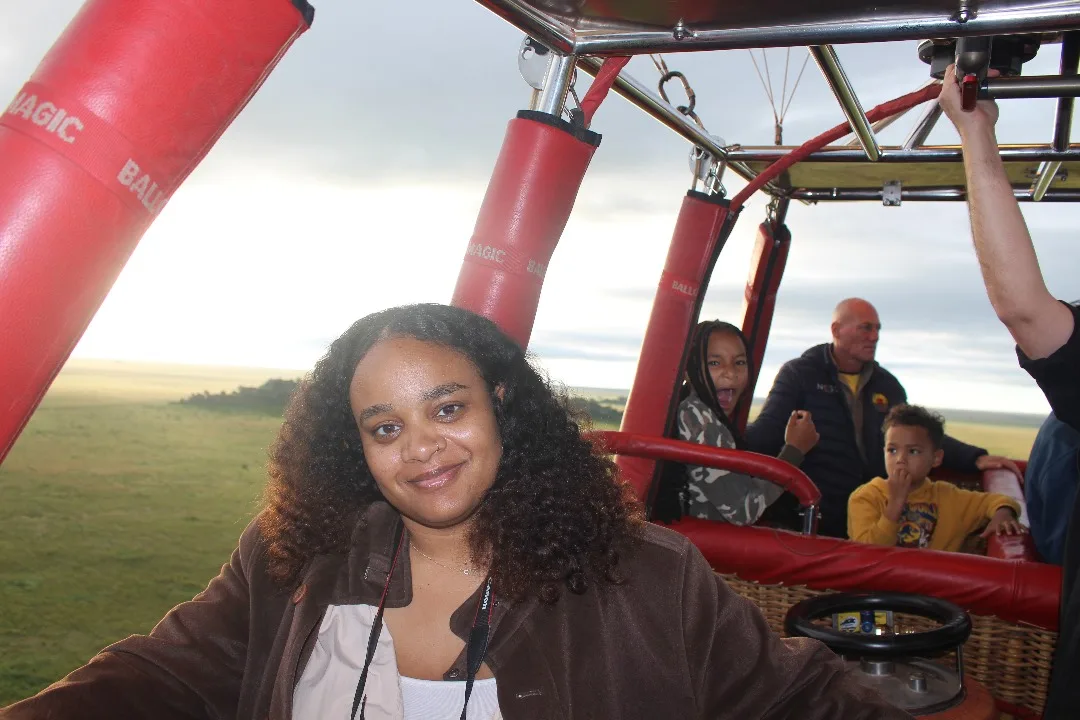
A women only safari offers the same wildlife opportunities as any well planned private safari. Guests may see lions, elephants, giraffes, zebras, wildebeest, buffaloes, hippos, hyenas, baboons, monkeys, antelopes, and many bird species. Leopards, cheetahs, and black rhinos require more patience and luck.
Wildlife is never guaranteed. The parks are natural ecosystems, not controlled animal displays.
A skilled guide improves your chances by reading tracks, listening to alarm calls, checking animal movement, and communicating with other guides. However, no responsible operator should promise that every guest will see all members of the Big Five.
Tarangire is particularly strong for elephants. Serengeti offers the widest variety of predator and plains wildlife experiences. Ngorongoro Crater provides a good chance of seeing several species within a relatively small area.
Black rhinos are present in Ngorongoro, but they may be distant. A good pair of binoculars is useful even when the safari vehicle can approach other animals more closely.
Morning, Midday, and Evening Game Drives
Morning game drives usually offer cooler temperatures, softer light, and better predator activity. Midday can be quieter because many animals rest in shade, but it can still produce good sightings. Evening drives offer warmer light and renewed animal movement before park closing times.
Early mornings are valuable for photography. The air is often clearer, the light is less harsh, and animals may be moving after the night.
Midday should not automatically be treated as useless. Elephants continue feeding, hippos may become active around water, and predators can appear at any time. Fewer vehicles may also remain around certain sightings.
Evening game drives can be productive, but the guide must manage time carefully. National park rules and camp arrival times still apply.
What works best for most guests is a mixture of early starts and at least one slower morning. Five consecutive very early departures can create safari fatigue, especially after long international travel.
The Best Time for a Women Only Safari
The best time depends on whether the group prioritizes dry weather, lower prices, fewer vehicles, green scenery, migration herds, or the calving season. June to October is generally dry, while January to March is strong for the southern Serengeti and Ndutu calving period.
| Travel Period | Conditions | Main Advantages | Possible Drawbacks |
| January to March | Warm with occasional rain | Calving season, young animals, predator activity | Some afternoon rain and busy migration areas |
| April to May | Main rainy period | Green scenery, lower visitor numbers, lower rates at some camps | Muddy roads and some seasonal camp closures |
| June to October | Dry and cooler | Reliable wildlife around water, easier road conditions | Higher prices, dust, and more vehicles |
| November to December | Short rains | Fresh scenery and moving migration herds | Unpredictable rain and changing herd locations |
Travelers who dislike dust may prefer the green season. Those who are concerned about rain should consider the dry months.
Women traveling during June, July, and August should pack warm layers. Early mornings in the Ngorongoro highlands and open safari vehicles can feel colder than expected.
Migration planning requires more than choosing a month. The wildebeest move across a large ecosystem, and rainfall can change their position.
Expert Recommendation from Tanzania Safari Experience
Choose the camp location based on the expected wildlife area for your travel dates. A beautiful camp in the wrong part of Serengeti may create several additional hours of driving every day.
Choosing Accommodation for a Women Only Safari
The right accommodation should offer clean private bathrooms, reliable staff, clear safety procedures, comfortable bedding, suitable meal options, and a location that supports the itinerary. A more expensive lodge is not automatically better if it adds unnecessary driving or isolates the group from the main wildlife area.
Permanent lodges normally have solid walls, larger rooms, and more hotel style facilities. Tented camps offer a closer connection to the natural surroundings while still providing beds, private bathrooms, and meals.
Budget camping uses public campsites and simpler facilities. It can be enjoyable for adventurous groups, but it provides less privacy and comfort than a lodge safari.
Ask whether the camp is fenced. Many Serengeti camps are not. This does not mean they are unsafe, but guests must follow escort procedures after dark.
| Accommodation Style | Comfort | Privacy | Best For |
| Public camping | Basic | Limited | Adventurous groups with a lower budget |
| Budget lodge | Moderate | Good | Travelers prioritizing price and private rooms |
| Tented camp | Moderate to high | Good | Guests wanting to stay close to wildlife areas |
| Luxury lodge or camp | High | High | Travelers prioritizing service, space, and comfort |
Better Alternative
Instead of choosing the most luxurious property in every destination, spend more on the nights where location matters most. A well positioned Serengeti camp can improve the safari more than an expensive lodge located far from the day’s wildlife area.
Practical Bathroom and Hygiene Information
Bathroom access is one of the most common concerns among women planning a safari. Proper toilets are available at lodges, camps, park gates, and designated picnic sites, but they are not available along every game drive road. Your guide should plan stops before long driving sections.
Guests should never leave the vehicle in an undesignated area without the guide’s permission. Wildlife can be difficult to see even when it is close.
Carry tissues, hand sanitizer, wet wipes, a small disposal bag, and any personal hygiene products you may need. Do not assume your preferred brand will be available near the parks.
For menstrual care, bring enough supplies for the full trip. Lodges can sometimes assist, but product choices may be limited.
Tell the guide when you need a bathroom stop. There is no benefit in remaining uncomfortable because you feel embarrassed to ask.
What Should Women Wear on Safari?
Women should wear comfortable, breathable clothing in neutral or practical colours. Lightweight trousers, loose shirts, a sun hat, supportive shoes, and a warm layer are more useful than fashion focused safari clothing. Bright colours are not forbidden, but white clothing quickly shows dust.
There is no need to purchase an entirely new safari wardrobe.
Avoid military style camouflage clothing because it can be associated with official uniforms and may create unnecessary complications in some countries.
For lodge evenings, casual clothing is normally acceptable. A light dress, trousers, or simple top is enough. Safari camps are usually relaxed and do not expect formal dinner clothing.
When visiting villages or towns, clothing that covers the shoulders and knees is respectful and practical. Zanzibar is more culturally conservative than safari lodges, especially outside beach resorts.
What Should Women Pack for a Tanzania Safari?
Pack light layers, comfortable shoes, sun protection, personal medication, hygiene supplies, charging equipment, and a small day bag. Soft luggage is easier to fit inside safari vehicles and small aircraft. Travelers using internal flights must check baggage limits before arrival.
Essential items include sunscreen, insect repellent, sunglasses, a hat, a reusable water bottle, and a warm jacket.
Bring spare camera batteries and memory cards. Many safari vehicles have charging points, but charging should never depend on a single cable or adapter.
A sports bra can make long drives on uneven roads more comfortable. This is a small detail that generic packing lists often ignore.
Bring prescribed medication in its original packaging. Keep it in your hand luggage and carry a copy of the prescription when appropriate.
Do not pack expensive jewellery that you do not need. Safari is informal, and valuable items create unnecessary worry.
How Much Does a Women Only Safari Cost?
A women only safari in Tanzania generally costs between $350 and $1,200 per person per day, depending on the number of travellers, accommodation level, season, safari route, and whether the trip includes internal flights. The safari does not automatically cost more because it is designed for women. The biggest price difference comes from whether you are travelling alone or sharing the private vehicle with other women.
A solo woman travelling privately will usually pay more per person because she covers the full cost of the safari vehicle, professional guide, fuel, and several transfer expenses. A group of three to six women can divide these shared costs, making the price per person considerably lower. For this reason, a private women only safari becomes much better value when friends, sisters, or family members travel together.
Estimated Women Only Safari Prices
| Safari Style | Solo Traveller | Two Women | Four to Six Women |
|---|---|---|---|
| Budget camping safari | $350 to $500 per day | $280 to $420 per person per day | $250 to $350 per person per day |
| Midrange lodge safari | $500 to $750 per day | $400 to $600 per person per day | $350 to $500 per person per day |
| Luxury safari | $850 to $1,500 per day | $700 to $1,200 per person per day | $600 to $1,000 per person per day |
These are planning estimates rather than fixed prices. The final cost depends on the exact lodges, park fees, travel dates, room arrangements, vehicle occupancy, and route. A safari that includes several nights in Serengeti usually costs more than one focused on Tarangire, Lake Manyara, and Ngorongoro because Serengeti requires more fuel, longer driving hours, higher park costs, and accommodation inside or near the park.
Example Cost of a Six Day Women Only Safari
A six day midrange safari covering Tarangire, Serengeti, and Ngorongoro may cost approximately $2,300 to $3,800 per person when two women travel together. A solo traveller following the same route may pay around $3,200 to $4,800, while a group of four to six women could reduce the price to approximately $2,000 to $3,200 per person.
The estimated price may include one night in Arusha, five safari days, a private Land Cruiser, a professional guide, accommodation, meals during the safari, drinking water, park entry fees, Ngorongoro Crater service fees, government taxes, and airport transfers.
A luxury version using premium Serengeti camps and high end lodges may cost between $5,000 and $8,000 per person for six days. The price can rise further when the itinerary includes internal flights, private villas, spa services, balloon safaris, or exclusive conservation areas.
Safari Vehicle and Guide Costs
The private safari vehicle is one of the main shared expenses. The cost covers the Land Cruiser, professional driver guide, fuel, vehicle maintenance, guide accommodation, and daily operational support.
A solo traveller pays this cost alone. When four women share the same vehicle, the expense is divided between all four guests. This is why adding more travellers can reduce the per person price even when everyone stays in a private room.
Requesting a female guide does not normally create a large additional charge. However, extra costs may apply if the guide must travel from another region, arrive before the safari, or stay in separate accommodation. Female guides are fewer in number, so the request should be made early.
Park Fees and Government Charges
National park fees form a significant part of the safari price and are charged per person. Serengeti, Tarangire, Lake Manyara, and the Ngorongoro Conservation Area all have separate entry fees.
Ngorongoro Crater also charges a crater service fee for every safari vehicle descending to the crater floor. This fee is shared by everyone in the vehicle, which makes a group safari better value than a solo private trip.
Park fees are normally calculated according to each 24 hour period spent inside the protected area. Poorly planned arrival and departure times can sometimes create an extra park fee. An experienced safari planner should arrange the route carefully to avoid unnecessary charges without reducing wildlife viewing time.
Accommodation and Single Room Supplements
Accommodation prices vary widely. A basic campsite may cost a small amount compared with a luxury tented camp charging several hundred dollars per night.
Solo travellers should pay close attention to the single room supplement. Many lodges base their advertised rate on two people sharing one room. A woman using the room alone may be charged an additional supplement, particularly during the high season.
The single supplement may range from $40 to more than $300 per night, depending on the property. Some camps reduce or remove this charge during April and May, while others keep it throughout the year.
Women travelling together can reduce costs by sharing twin rooms. Roommate matching may also be possible for travellers joining a scheduled group departure, although it must be agreed upon in advance.
Internal Flights
Internal flights can save many hours of road travel, but they increase the overall safari cost. A flight between Zanzibar, Arusha, and Serengeti may cost approximately $250 to $500 per person each way, depending on the route, season, baggage allowance, and availability.
A fly in and fly out safari is useful for women with limited time or travellers who want to avoid long road transfers. However, it is not always the best choice for a limited budget.
What many travellers do not realise is that a fly in safari may still require a safari vehicle and guide to travel into Serengeti before the guests arrive. This empty vehicle movement can add positioning costs, park fees, fuel, and guide expenses to the final quotation.
Seasonal Price Differences
June to October and the Christmas and New Year period normally carry the highest safari prices. Accommodation fills quickly, solo supplements are more common, and discounted rooms are limited.
January to March can also be expensive in Ndutu and southern Serengeti because this is the wildebeest calving season. Camps located close to the migration herds usually charge higher rates.
April and May offer some of the lowest prices of the year. Accommodation rates may fall by 20 to 40 percent, and some properties reduce or remove single room supplements. The tradeoff is a higher chance of rain, muddy roads, and temporary closure of certain seasonal camps.
Optional Activities
Optional activities should be added separately when calculating the total budget. A Serengeti hot air balloon safari may cost around $550 to $600 per person. Cultural visits, walking safaris, spa treatments, private bush meals, and Zanzibar excursions can also increase the price.
Tips are normally not included. Travellers should also budget for alcoholic drinks, laundry, travel insurance, visa fees, personal shopping, and any Zanzibar infrastructure tax payable directly at the accommodation.
What Is Normally Included?
A well prepared women only safari quotation should normally include the private safari vehicle, professional guide, fuel, park fees, accommodation, meals during the safari, drinking water, airport transfers, government taxes, and the activities clearly listed in the itinerary.
International flights, visas, travel insurance, personal expenses, tips, optional activities, and some hotel drinks are usually excluded unless stated otherwise.
Always request a complete list of inclusions and exclusions. A cheaper quotation may look attractive because important charges have been left out. Compare the actual route, number of park days, accommodation locations, room arrangements, vehicle type, guide services, and internal flights before deciding which safari offers the best value.
Expert Recommendation from Tanzania Safari Experience
For the best balance of privacy, comfort, and price, we recommend travelling with three to five women in one private vehicle and using good midrange lodges or tented camps. This keeps the safari personal while spreading the vehicle, guide, fuel, and crater service costs across the group.
A solo traveller should consider a scheduled group departure, green season travel, or a combination of shared and private services. The goal should not be to choose the cheapest safari available. The better objective is to remove unnecessary costs while protecting safety, accommodation quality, guide experience, and enough time in each national park.
Can Solo Women Join a Group Safari?
Solo women can join shared safaris, but they should understand the tradeoffs before booking. Group safaris reduce the price, although the traveler has less control over room arrangements, vehicle seating, daily timing, accommodation changes, and the behaviour of other guests.
Ask how many people will share the vehicle and whether every passenger has access to a window.
Confirm whether the safari is lodge based or camping based. These are very different experiences.
Ask whether a single room supplement applies. Some operators advertise a low shared price and add accommodation charges later.
A solo woman who values control and privacy may prefer a short private safari rather than a longer shared safari. More days do not automatically create a better experience if the travel style feels uncomfortable.
Combining Safari With Zanzibar
A safari and Zanzibar combination works well for women who want wildlife followed by beach time, spa treatments, cultural activities, or a slower ending to the journey. The most efficient option is often to fly from Serengeti or Arusha to Zanzibar rather than returning by road.
Zanzibar should not be treated as only a beach destination. Stone Town, spice farms, local villages, and different coastal areas offer very different experiences.
Nungwi and Kendwa are convenient for swimming at different tide levels. Paje is popular for water activities and a more social atmosphere. Matemwe is quieter and works well for travelers wanting a slower stay.
Women should dress more conservatively when walking through Stone Town and local communities. Resort clothing is suitable inside hotels and beach areas but may not be appropriate everywhere.
The Zanzibar infrastructure tax is normally paid directly by guests at the accommodation unless the package states otherwise.
Cultural Experiences for Women Travelers
Cultural visits can add value when they are organized responsibly and do not turn local communities into staged displays. Women travelers may enjoy meeting female artisans, visiting a coffee farm, learning about local food, or supporting community led businesses.
Ask where the money from the activity goes and whether the visit benefits the people being presented.
A Maasai community visit can be meaningful when the interaction is respectful and the guide explains the context. It becomes less valuable when guests are pushed quickly from one sales activity to another.
Women interested in local crafts should ask the guide about fixed price shops, cooperatives, or reliable markets. Bargaining may be expected in some markets, but pressure to buy should never be treated as part of the safari.
Health and Travel Insurance
Every traveler should have insurance covering medical treatment, trip interruption, lost luggage, and emergency evacuation. Tanzania’s safari areas can be far from major hospitals, and serious treatment may require transport to Arusha, Nairobi, or another medical centre.
Consult a qualified travel health professional about vaccinations and malaria prevention. Advice depends on your medical history, travel route, and countries visited before entering Tanzania.
Carry medication for common personal needs, but do not build a large medical kit without understanding how to use it.
Drink safe water supplied by the safari operator or accommodation. Avoid dehydration, especially during warm game drives when you may not notice how little you have consumed.
Tell the operator about allergies, mobility limitations, dietary requirements, or medical conditions that could affect the itinerary. This information should be handled privately and used for planning.
How to Choose a Reliable Safari Company
Choose a legally registered and licensed safari company with clear contact details, written terms, a professional itinerary, and transparent payment instructions. The company should explain what is included, who will meet you, which vehicle will be used, and how emergencies are handled.
Tanzania Safari Experience operates as a Tanzanian owned safari company and holds a TALA tourism licence.
Before booking any operator, check that the bank account or payment method matches the company details. Be cautious when someone suddenly requests payment to a personal account that was not included in the original agreement.
Ask for a written cancellation policy and confirm the deposit amount. A typical safari deposit secures accommodation, vehicles, permits, and other services.
Do not rely only on social media photographs. A company can post attractive wildlife content without having strong operational systems.
Expert Recommendation from Tanzania Safari Experience
Judge an operator by the quality of the questions they ask. A serious planner should ask about dates, group size, budget, room arrangements, arrival point, preferred comfort level, and the type of wildlife experience you want.
Is a Women Only Safari Worth It?
A women only safari is worth considering when privacy, flexibility, safety, and personal comfort matter more than securing the lowest possible price. It allows the group to travel at its own pace and creates space for honest communication about practical needs throughout the journey.
The strongest advantage is control. You choose who shares the vehicle, where you stay, how long you remain on game drives, and how the itinerary is paced.
The main drawback is cost. A private safari can be expensive for one traveler. The price becomes more reasonable when three to six women share the vehicle.
If this were our own safari, we would choose six or seven days, use a private vehicle, spend at least two nights inside Serengeti, and avoid changing accommodation every night.
A women only safari should not be marketed as a fear based product. Tanzania is not a destination where women must be isolated from everyone else. The real value is thoughtful planning, reliable support, and a travel style designed around the group.
Frequently Asked Questions
Is Tanzania safe for a solo female traveler?
Tanzania can be suitable for a solo female traveler when airport transfers, accommodation, and safari services are booked with a reputable licensed company. Inside the national parks, you will normally travel with a professional guide.
Use normal travel precautions in airports, towns, markets, and nightlife areas. Avoid walking alone in unfamiliar areas after dark and do not accept transport from unverified drivers.
Share your itinerary with someone you trust and keep emergency numbers available. Confirm the name and contact details of the person meeting you before arrival.
Can I have a female safari guide in Tanzania?
Yes, a female safari guide can be requested for a private Tanzania safari. The request should be made early because the number of experienced female guides is smaller and availability may be limited during busy months.
Ask the operator to confirm whether the same guide will accompany you throughout the safari. Some itineraries may use different guides for different regions or activities.
Guide experience still matters. Choose someone with strong wildlife knowledge, safe driving skills, and good communication rather than selecting on gender alone.
How many days do I need for a women only safari?
Six to eight days works well for most women planning a first safari in northern Tanzania. This provides enough time for Tarangire, Serengeti, and Ngorongoro without forcing every day into a long transfer.
A four or five day safari is possible, but it usually involves more driving and less time in Serengeti. A fly in safari can reduce road travel when time is limited.
Travelers with more than eight days can slow the route, add another Serengeti region, include cultural activities, or finish with Zanzibar.
What is the best month for a women only safari in Tanzania?
June to October is popular because rainfall is limited and wildlife gathers around reliable water sources. These months also bring more visitors, higher accommodation rates, and dusty road conditions.
January to March is excellent for the southern Serengeti and Ndutu calving season. Travelers may see large herds, newborn animals, and strong predator activity.
April and May can offer lower rates and fewer vehicles, but heavy rain may affect roads and some seasonal camps close temporarily.
Can women wear shorts on safari in Tanzania?
Women can wear shorts at many safari lodges and during game drives, but longer trousers often provide better protection from sun, dust, insects, and cooler morning temperatures.
When visiting towns, villages, or religious and cultural sites, clothing that covers the shoulders and knees is more respectful.
Pack a combination of lightweight trousers, loose shirts, and one or two pairs of comfortable shorts. Choose practical clothing rather than buying an expensive safari costume.
Are there toilets during Tanzania game drives?
Toilets are available at lodges, camps, park gates, visitor centres, and designated picnic sites. They are not available along every game drive road.
Tell your guide before the need becomes urgent. A good guide will plan stops around the route and expected driving time.
Carry tissues, sanitizer, and personal hygiene supplies. Do not leave the vehicle without permission, even when the area appears empty.
Can I travel to Tanzania during my period?
Yes, you can travel to Tanzania and go on safari during your period. Bring enough of your preferred products because choices may be limited near national parks.
Pack disposal bags, wipes, sanitizer, pain relief approved by your doctor, and any other supplies you normally use. Menstrual cups can be practical for some travelers, but access to water and cleaning should be considered.
Tell your guide when you need additional stops. Professional safari staff are accustomed to handling personal requests discreetly.
Is a private safari expensive for one woman?
A solo private safari costs more per person because one traveler pays for the vehicle, guide, fuel, and certain transfer costs that would normally be shared.
The price can be reduced by choosing midrange accommodation, limiting internal flights, traveling outside peak months, or shortening the route without making it rushed.
A shared safari is cheaper, but it offers less control. Compare comfort, privacy, and flexibility before choosing only on price.
Can a group of women book the whole safari vehicle?
Yes, a group of women can book a private vehicle for the entire safari. This is one of the best options for friends, families, and photography groups.
A private vehicle allows the group to control departure times, seating arrangements, stops, and the length of wildlife sightings.
Ask how many window seats the vehicle provides. Avoid filling every possible seat if photography and comfort are important.
Should women choose lodges or tented camps?
Lodges are suitable for women who prefer solid buildings, larger rooms, and hotel style facilities. Tented camps are better for travelers who want to stay closer to wildlife areas without giving up private bathrooms and proper beds.
Many tented camps are unfenced. Guests must follow staff instructions and use an escort after dark.
Choose based on location, management, cleanliness, and security procedures rather than assuming that a solid building is always better.
Can I combine a women only safari with Zanzibar?
Yes, a safari can be combined with Zanzibar using flights from Arusha, Kilimanjaro, or selected Serengeti airstrips. Flying directly from Serengeti can save considerable road travel.
Allow at least four nights in Zanzibar if you want time for the beach and one or two activities. Shorter stays can feel rushed after an active safari.
Choose the coast carefully. Nungwi, Kendwa, Paje, Matemwe, and Stone Town provide different experiences and should not be treated as interchangeable.
What should I avoid when booking a women only safari?
Avoid operators that provide vague itineraries, unclear accommodation, personal payment accounts, or promises of guaranteed wildlife sightings.
Do not book a camp only because the photographs look attractive. Its location may add hours of driving every day.
Avoid changing accommodation every night unless the route genuinely requires it. Constant packing can make the safari tiring and reduce time with wildlife.
Plan Your Women Only Safari With Tanzania Safari Experience
Tanzania Safari Experience creates private safaris for solo women, friends, sisters, mothers and daughters, and women groups traveling together. Each itinerary is planned around the group’s dates, budget, accommodation preferences, comfort level, and wildlife interests.
We can arrange airport transfers, a private safari vehicle, an experienced guide, female guide requests, lodges, tented camps, internal flights, cultural experiences, and Zanzibar extensions.
To prepare an accurate proposal, provide your travel dates, number of travelers, preferred number of nights, accommodation level, arrival point, and approximate budget. We will then recommend a route that is practical rather than forcing too many destinations into the available time.
