


What I wish I knew before visiting Tanzania for safari?
Most travelers arrive in Tanzania expecting only a safari. What they do not expect is how deeply the experience reshapes their sense of time, space, and wildlife. After years of guiding routes across Serengeti, Ngorongoro, Tarangire, and Zanzibar, our team at Tanzania Safari Experience has seen the same pattern again and again. People arrive with excitement, but also with assumptions that quickly get challenged in the field.
The truth is, Tanzania is not difficult to travel. It is simply misunderstood before arrival. Once you know how the parks work, how distances feel on the ground, and how wildlife behavior changes by season and time of day, everything becomes more rewarding and far more meaningful.
This guide is written from real planning experience with guests, not theory. It answers what most travelers only realize after they have already started their safari journey.
Quick Direct Guide
Most travelers wish they understood timing, distances, and wildlife behavior better before arriving in Tanzania. With the right planning, Tanzania becomes easier, smoother, and far more rewarding than expected.
| Topic | What travelers usually expect | What actually happens |
|---|---|---|
| Travel distances | Short scenic drives | Longer but highly scenic routes with wildlife stops |
| Wildlife viewing | Animals everywhere instantly | Patience leads to richer sightings |
| Safari pace | Fast movement between parks | Slow immersive game drives work better |
| Packing | Light holiday packing | Practical layered safari clothing works best |
| Weather | One clear season expectation | Conditions vary within the same day |
Why This Topic Matters for Tanzania Safari Planning
Most safari challenges do not come from the destination itself but from expectations that do not match reality. Tanzania is vast, and each park behaves differently. Understanding this before arrival completely changes the experience.
Many travelers assume safaris are like a sightseeing tour where everything is predictable. In reality, wildlife is free roaming, roads are natural, and timing is influenced by nature rather than schedules. Once this is understood, the journey becomes smoother and more enjoyable.
Our Local Experience and Honest Opinion
From our experience organizing safaris across Tanzania, the biggest shift happens when travelers stop trying to control the experience and start flowing with it.
We usually recommend giving yourself more time than you think you need. What many travelers do not realize is that the best sightings often happen when you are not rushing between locations. Early mornings in Serengeti feel completely different from midday heat. Even the same landscape can feel like a new place within hours.
If I were planning this trip for my own family, I would choose fewer destinations and more time inside each park. That single decision improves the quality of the entire safari.
RELATED ARTICLE: Planning a Tanzania Safari? Read This First
What Most Travelers Wish They Knew Before Arrival
Most travelers wish they understood how big Tanzania is, how early safari days start, and how rewarding slow travel becomes once inside the parks.
The country is not just a list of destinations. It is a connected ecosystem where movement, timing, and patience directly shape what you see.
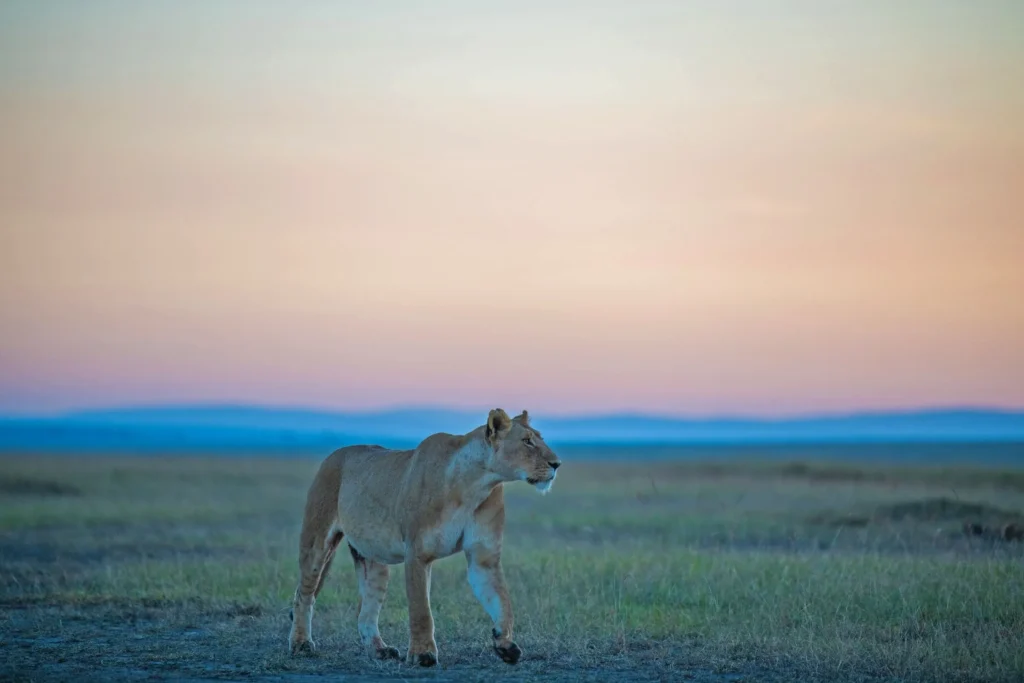
For example, in Serengeti, lions may be active in the early morning but completely inactive under midday heat. In Ngorongoro, wildlife viewing is dense but concentrated in a small area, which creates a very different rhythm compared to open plains.
Best Safari Approach for First Time Visitors
The best approach for first time visitors is a balanced itinerary that reduces rushing and increases time in key wildlife areas such as Serengeti and Ngorongoro.
A common mistake is trying to include too many parks in a short time. This creates long driving days and less time for actual wildlife viewing. A stronger approach is to focus on fewer regions and allow nature to dictate the pace.
Practical Comparison Table
| Option | Strength | Best for |
|---|---|---|
| Serengeti focus itinerary | High wildlife density and migration access | First time safari travelers |
| Ngorongoro focused visit | Easy wildlife viewing in a contained area | Short trips |
| Tarangire inclusion | Large elephant herds and quieter atmosphere | Travelers who enjoy fewer crowds |
| Zanzibar beach extension | Ocean relaxation after safari | Honeymoon and family trips |
| Longer safari duration | More relaxed pacing and deeper experience | Travelers seeking full immersion |
Expert Tips from Our Team
Travelers often gain the most value when they apply these practical insights from the field.
- Start game drives early because wildlife is more active before heat increases
- Keep your camera ready at all times since sightings can happen quickly
- Choose window seats in safari vehicles for better viewing angles
- Do not rush between parks because travel days are part of the experience
- Expect weather changes within the same day especially in open plains
- Pack neutral clothing that blends with natural environments
- Stay at least two nights in Serengeti to understand wildlife patterns properly
Simple Itinerary Example
A well balanced first safari often works best when structured like this
Day one arrival and transfer to Arusha for rest
Day two drive to Tarangire for afternoon game drive
Day three travel to Ngorongoro and descend into the crater
Day four and five Serengeti exploration with full day game drives
Day six return toward Arusha or continue to Zanzibar
This structure gives variety without overwhelming travel time and allows wildlife experiences to build naturally.
What Makes This Experience Unique
Tanzania safari travel is unique because wildlife is not staged and landscapes are not controlled. Every day feels slightly different even in the same location.
Morning mist over Serengeti creates silence that feels almost unreal. Midday brings movement of animals toward shade. Evening drives often reveal predator activity as temperatures drop.
It is not just about seeing animals. It is about understanding their rhythm and becoming part of that rhythm for a short time.
Common Mistakes Travelers Make and Better Ways to Plan
Many travelers focus too much on distance between destinations and not enough on time inside parks. A better approach is to prioritize experience time rather than route complexity.
Another common pattern is underestimating early starts. Safari mornings begin before sunrise because this is when nature is most active.
Some travelers also expect constant wildlife sightings. In reality, patience often leads to more meaningful encounters than constant movement.
Best for first time safari: Serengeti and Ngorongoro combination
Best month: June to October for dry conditions and easier wildlife spotting
Best wildlife moment: Early morning predator activity
Recommended stay: Five to seven days minimum for a balanced experience
Travel style: Slow paced immersive safari with fewer destinations
Main highlight: Large scale wildlife movement across open plains
Frequently Asked Questions
What is the biggest surprise for first time safari travelers in Tanzania
The biggest surprise is how vast the distances are and how wildlife viewing requires patience. Animals are not staged and movement across parks takes time, but this is what makes the experience feel real and rewarding.
How many days are ideal for a Tanzania safari
Most travelers benefit from at least five to seven days. This allows enough time to experience multiple ecosystems without rushing and gives space for wildlife patterns to reveal themselves naturally.
Is Serengeti better than Ngorongoro for wildlife viewing
Both are strong but very different. Serengeti offers open plains and large scale movement while Ngorongoro provides dense wildlife viewing in a compact area. The best experience usually combines both.
What should I pack for a Tanzania safari
Light layered clothing, comfortable walking shoes, sun protection, and a light jacket for early mornings are essential. Neutral colors work best in natural environments.
When is the best time to visit Tanzania for safari
The dry season from June to October offers clearer wildlife viewing. However, the green season brings lush landscapes and fewer crowds, which some travelers prefer for photography and privacy.
A Tanzania safari becomes far more rewarding when expectations match the natural rhythm of the parks. Once travelers understand timing, distances, and wildlife behavior, the entire journey feels smoother and more meaningful.
If you want a safari that feels well planned, personal, and grounded in real local knowledge, our team at Tanzania Safari Experience can help you shape the right route, timing, and travel style for your journey across Tanzania and Zanzibar.


Great Tanzanian vacation
We toured with Tanzania Safari Experience for an eight day trip to Tanzania. Five days of safari and then three days of beach vacation in Zanzibar. They were great to work with and customized everything exactly the way we wanted it. The lodges we were booked in were all incredible, particularly the Lahia Tented Lodge in the Serengeti. Our driver, Jay, seemed to know every road in every national park and as a result the wildlife viewing was unparalleled. There were times where we were the only vehicle seeing lions or hippos. The owner, Laurent, was extremely responsive and any issues we had in-country with our logistics were immediately sorted by him. He genuinely wanted us to have a first-rate experience. The only thing we were unprepared for is that some of the days in the safari vehicle were very long (10+ hours) and the roads can be really rough. But there were plenty of cold drinks in the car and it was worth it to see the wildlife. The safari/beach split was a great way to do the vacation and the beaches of Zanzibar were beautiful with clear blue water.
Family · July 31, 2026Read more
Safari May 2026
This company exceeded everything we’d hoped for. From the start, the tour operator had everything covered — a detailed itinerary laid out well in advance, quick responses to any questions, and a genuine attentiveness that made the whole thing feel effortless. The accommodation was seriously impressive. Not what I was expecting at all — comfortable, well-appointed, and luxurious. We also spent time right in the heart of the bush. A proper treat. The two people who really made this trip were our guide Mariki and photographer Agnes. Mariki’s knowledge of the bush and animal behaviour is something else — he always seemed to know exactly where to go, and his instincts paid off every single time. Agnes has a brilliant eye and captured shots we could never have got ourselves. As for the wildlife — we saw far more than we ever imagined we would. Elephants, lions, leopard, buffalo, giraffe, zebra, hippos — the lot. As a first safari, I couldn’t have asked for more. Would recommend without hesitation.
Friends getaway · June 2, 2026Read more
Great Experience with Tanzania Safari Experience
We had an amazing safari with Tanzania Safari Experience, and honestly the whole trip was put together really well by Laurent and his team. From our first message to the last day, they were easy to reach, quick to reply, and clear about everything. The plan made sense, the timing was smooth, and we didn’t have to stress about anything. Uncle J was a big part of what made it special. He knows the parks incredibly well and seems to notice things before anyone else. He’d position the vehicle perfectly for photos and often got us to sightings before the crowds built up. We were lucky to see [your highlights: migration / lions / cheetahs / elephants / a crossing], and every drive felt exciting and different. The vehicle was comfortable and in good shape, and everything ran on schedule. If you’re looking for a well-organized safari with a great guide, I’d definitely recommend Tanzania Safari Experience.
Solo travel · January 3, 2026Read more
